2027 Fire Science Tuition Inflation Report: How Fast Are Program Costs Rising?

Co-Founder and Chief Data Scientist
Tuition inflation in fire science programs reflects unique pressures tied to the discipline's operational demands. Rising costs stem from investments in advanced simulation technology, specialized laboratory infrastructure, and compliance with evolving accreditation and firefighting certification standards. These factors distinguish fire science from many other academic fields, driving program expenses upward as institutions balance safety training, field exercises, and faculty with niche expertise. Additionally, increasing demand for workforce-ready graduates under stringent licensing expectations contributes to resource intensiveness and tuition growth. Notably, recent data from the National Fire Protection Association signals enrollment shifts toward younger students, suggesting changing workforce recruitment patterns that may influence future program accessibility.
Key Things to Know About Fire Science Tuition Inflation
- Fire science tuition inflation outpaces general college cost increases by approximately 5% annually, complicating budgeting and lengthening payback periods for students targeting long-term career entry.
- Employer preferences increasingly emphasize certifications over degree level, suggesting tuition spikes may yield diminishing returns on hiring competitiveness within fire science roles.
- Rising program costs pressure students to begin studies earlier or seek alternative training routes, impacting access timelines and potentially delaying workforce entry amid evolving industry standards.
- Key Things to Know About Fire Science Tuition Inflation Key Things to Know About Fire Science Tuition Inflation
- How Much Has Fire Science Tuition Increased Over the Past Decade? How Much Has Fire Science Tuition Increased Over the Past Decade?
- How Does Fire Science Tuition Inflation Compare to Overall Inflation? How Does Fire Science Tuition Inflation Compare to Overall Inflation?
- Which Types of Schools Have Experienced the Fastest Fire Science Tuition Growth? Tuition Growth by School Type
- What Factors Are Driving Rising Costs in Fire Science Degree Programs? Tuition Cost Drivers
- How Does Fire Science Tuition Growth Vary by State and Region? Tuition Growth by State
- Are Online Fire Science Programs Becoming More Affordable Than Campus-Based Programs? Online Program Affordability
- How Have Financial Aid and Scholarships Changed as Fire Science Tuition Has Increased? Impact on Financial Aid and Scholarships
- How Does Rising Fire Science Tuition Affect Student Debt After Graduation? Impact on Student Debt
- Do Higher-Cost Fire Science Programs Deliver Better Career Outcomes or Earnings? Impact on Career Outcomes
- What Do Current Tuition Trends Suggest About the Future Cost of a Fire Science Degree? What Do Current Tuition Trends Suggest About the Future Cost of a Fire Science Degree?
How Much Has Fire Science Tuition Increased Over the Past Decade?
Over the last decade, tuition costs for fire science degree programs in the United States have risen substantially, with data from the National Center for Education Statistics and the U.S. Department of Education College Scorecard indicating increases between 35% and 50%, varying by institution type and region. Associate degrees from community colleges typically experienced more moderate growth, near 30% to 40%, while bachelor's programs at four-year universities saw tuition hikes often exceeding 50%. These disparities highlight how the average cost growth of fire science degree programs nationally is influenced by the differing financial models and resource demands inherent to two-year versus four-year institutions.
The drivers behind this tuition inflation include general higher education cost pressures such as rising faculty salaries, expanding technology needs, and compliance with specialized training regulations unique to fire science education. Additionally, shifts in public funding, resource allocation toward research and advanced equipment, and evolving curriculum standards contribute to accelerating price trends. These factors underscore that tuition increases are not merely a reflection of market demand but also of institutional responses to complex operational challenges within fire science programs.
Consequently, the rising tuition burden has direct implications for affordability, with many students facing greater out-of-pocket expenses amid limited growth in financial aid. This stresses the importance of weighing educational debt carefully against career earning potential, especially since fire science graduates often enter public safety roles with capped salary advances tied to governmental or union frameworks. Considering these financial dynamics alongside program reputation and certification opportunities is advisable for those evaluating how to invest in their fire science education pathways. For students exploring alternatives, options like RN to BSN without clinicals programs demonstrate how specialized pathways can differ widely in cost structure and career integration.
How Does Fire Science Tuition Inflation Compare to Overall Inflation?
Tuition inflation in fire science degree programs has consistently outpaced general consumer price inflation, with recent data from the National Center for Education Statistics and the College Board showing annual increases near 3-4% for public four-year institutions. This compares to Consumer Price Index figures from the U.S. Bureau of Labor Statistics that generally remained between 2-3% annually through early 2024. The gap reveals distinct cost pressures in fire science tuition beyond typical living expense growth, reflecting specialized program needs and heightened resource demands that push educational costs upward faster than overall inflation rates.
The divergence between fire science program cost increases versus overall higher education inflation and general consumer inflation stems from structural factors including declining state and federal subsidies that shift more financial burden onto students. At the same time, administrative overhead and expanded student services have grown, alongside investments in high-cost infrastructure such as simulation labs and safety equipment critical for these programs. These drivers impose persistent upward pressure on tuition beyond what broad inflation measures capture, rooted in evolving institutional funding models and operational priorities that prioritize program quality and regulatory compliance.
For prospective students, this wider inflation gap translates into increased affordability challenges and often greater reliance on borrowing to finance fire science education. The rising cost trend influences how students evaluate the return on investment, weighing escalating tuition against job market trends and certification requirements. These financial pressures also affect program selection and highlight the importance of targeted financial planning, potentially including comparison with other career-aligned educational pathways like the best online medical billing and coding schools, where different cost dynamics and employment outlooks may apply.
Which Types of Schools Have Experienced the Fastest Fire Science Tuition Growth?
Tuition increases for Fire Science degree programs are not uniform across different types of institutions. Variations arise from distinct funding mechanisms, enrollment trends, and the cost structures unique to program offerings. Understanding these differences is crucial for comprehending tuition inflation patterns and evaluating the financial feasibility of educational choices in this field.
- Public Universities: These institutions often face budget constraints tied to fluctuating state appropriations, leading to gradual tuition hikes as they shift more financial responsibility to students. Fire Science programs at public universities may see moderate growth in tuition driven by rising operational costs and demand for specialized lab equipment or field training.
- Private Nonprofit Universities: With less dependence on government funding, these schools adjust tuition primarily based on market demand and institutional priorities. Their Fire Science programs may experience steadier increases influenced by investments in faculty expertise and expanded curriculum offerings, although they often have greater flexibility in financial aid to cushion cost pressures.
- For-Profit Institutions: Often more aggressive in tuition pricing, these schools rely heavily on tuition revenue for operational viability. The rapid expansion of Fire Science programs here can coincide with above-average tuition growth, reflecting marketing-driven enrollment models and a focus on short-term revenue rather than long-term affordability.
- Research-Intensive Universities: Typically higher-cost environments due to extensive resources devoted to research and development, tuition increases for Fire Science tend to reflect broader institutional spending on advanced facilities and interdisciplinary program integration. These universities balance prestige and demand for cutting-edge skills, which can drive elevated tuition but also potentially higher credential value.
- Regional Colleges and Community Colleges: Frequently serving adult learners and local populations, these institutions traditionally offer the lowest baseline tuition. However, rising costs-especially at community colleges-are notable given limited state funding and increased demand for practical, flexible Fire Science credentials, resulting in some of the fastest tuition growth rates in the sector according to a 2024 National Center for Education Statistics report.
What Factors Are Driving Rising Costs in Fire Science Degree Programs?
Increasing costs in fire science degree programs stem from a complex interplay of institutional and economic forces rather than a single source. These programs face particular budget pressures due to their specialized nature, requiring integration of costly simulation technologies and hands-on training environments that exceed typical classroom expenses. Alongside these technical requirements, evolving regulatory compliance and heightened safety protocols further strain institutional budgets, creating a multi-layered cost structure that institutions must reconcile with limited funding streams and growing operational demands.
A major contributor to rising tuition is declining public investment, which has forced many community colleges and universities to substitute lost state dollars with tuition revenue. According to the American Council on Education's 2024 report, state appropriations for higher education fell by roughly 3% recently, exacerbating financial pressures on public institutions heavily involved in fire science education. This funding squeeze coincides with expanding administrative roles and faculty salaries, particularly since fire science programs depend on professionals with field experience commanding premium compensation. Additionally, sustained investments in digital infrastructure and advanced training technologies, such as virtual reality and live-fire simulators, add recurring costs that inflate overall program expenses beyond traditional academic offerings.
One fire science graduate recalls that when they started applying, the rolling admissions timeline created significant uncertainty. They hesitated submitting early, weighing whether financial aid options would improve or if waiting might allow better preparation for the demanding coursework. Ultimately, delays in application submission were influenced by concerns about the rising costs discussed here, with the student needing extra time to secure funding and strategize their entry to minimize debt impact. This experience highlighted how fluctuating program expenses and administrative complexity directly affect individual decision-making in real-world educational pathways.
How Does Fire Science Tuition Growth Vary by State and Region?
Tuition growth rates for fire science degree programs underscore marked variability across U.S. states and regions, reflecting a complex interplay of state funding policies, institutional structures, and local economic conditions. Public universities and community colleges, which dominate fire science education, rely heavily on state appropriations that differ widely, shaping their pricing strategies. For instance, states with shrinking or stagnant higher education budgets may shift more costs to students, accelerating tuition hikes. Meanwhile, variations in cost of living and regional economic demands further modulate tuition growth, making fire science tuition growth by state a nuanced issue far beyond simple geographic comparisons.
Key drivers behind regional fire science program cost increases include the scale and reliability of state appropriations, with states experiencing funding deficits typically passing these burdens onto tuition. Regions with dense networks of research universities or private institutions-often in the Northeast and West-face upward pressure to raise tuition due to higher operational costs and competitive labor markets for specialized faculty. Additionally, workforce demand dynamics influence tuition strategies: states with growing fire safety needs, sometimes linked to rapid urbanization or disaster risk, may invest more aggressively in program expansion, which can also raise costs. Cost-of-living differences mean tuition inflation often outpaces nominal percentage increases, disproportionately affecting urban centers compared to rural areas.
These regional disparities in tuition growth carry broader consequences for student access and workforce diversity. Rising tuition in high-cost states can create affordability gaps, limiting participation from lower-income applicants despite strong local labor demand. Conversely, states with flatter tuition growth may offer more accessible pathways but sometimes at the expense of program capacity and resources, complicating long-term employability outcomes. Students and families must weigh these factors carefully, considering not only sticker price but also the practical implications for career entry and advancement. For those evaluating pathways alongside other professional education options-such as an MBA healthcare management program-understanding these tuition dynamics is essential to optimizing return on investment and aligning credentials with evolving labor markets.
Are Online Fire Science Programs Becoming More Affordable Than Campus-Based Programs?
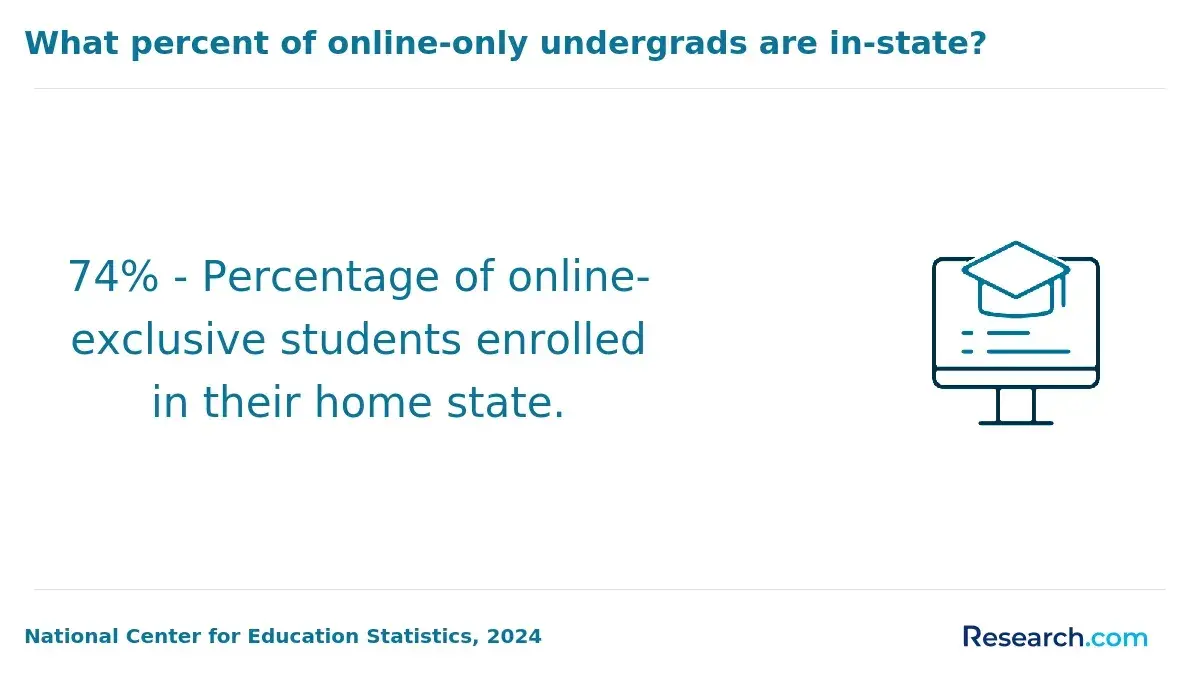
Recent tuition trends for fire science programs reveal a narrowing affordability gap between online and campus-based formats, though their pricing strategies remain fundamentally distinct. Online fire science programs have seen consistent tuition increases around 3.1% annually over the past three years, modestly trailing the approximately 4.5% rise reported for traditional, in-person degrees according to 2024 data from the National Center for Education Statistics. While online programs often start with lower sticker prices, institutional pricing reflects different cost structures rather than purely competitive discounting. Campus programs typically incorporate expenses linked to physical facilities, hands-on training spaces, and direct instructor engagement, costs that remain difficult to scale or shift online without affecting educational value.
Key factors driving these cost differences include reduced spending on campus infrastructure and maintenance for online programs, balanced against significant investments in digital learning platforms, advanced instructional design, and enhanced student support systems tailored for remote learners. Faculty roles also adapt, with online instruction demanding time-consuming asynchronous content development alongside synchronous engagement, which offsets some operational savings. Moreover, institutions face growing costs related to technology upgrades, cybersecurity, and virtual lab simulations necessary to preserve rigor in fire science education at a distance. These structural elements suggest that affordability variations are embedded in delivery modalities and institutional strategies rather than temporary anomalies, with online programs achieving cost management efficiencies only in specific operational domains while incurring investments elsewhere.
One graduate of an online fire science program described their application experience as marked by hesitant timing and calculated decisions within a rolling admissions cycle. Having initially considered campus options, the candidate delayed submission to gather workplace references and prepare rigorous prerequisite documentation, uncertain if online acceptance would arrive first. The unpredictability of notification dates caused stress, but eventual acceptance into the online program offered crucial scheduling flexibility and a clearer path to balancing education with employment. This experience illustrates how prospective students weigh affordability in light of admission timing, administrative processes, and the integration of educational commitments into complex personal and professional lives.
How Have Financial Aid and Scholarships Changed as Fire Science Tuition Has Increased?
As tuition for fire science programs continues to rise, financial aid models have adjusted but often lag behind these cost increases, resulting in higher overall student expenses. Institutions have expanded merit-based scholarships targeting academically strong candidates, while need-based aid has seen only modest growth. Simultaneously, there is a pronounced shift toward funding tied to experiential learning, such as work-study and specialized grants supporting practical training, reflecting employer priorities for hands-on competence. This evolution shows a more strategic allocation of financial resources but often leaves mid-income students navigating affordability challenges as aid does not fully offset tuition hikes.
The dynamics driving these changes include intensified competition among programs to attract qualified students, prompting increased use of merit aid as a recruitment tool. Federal and state financial aid programs have undergone incremental policy revisions, seeking to broaden eligibility and adjust award sizes, yet these changes frequently trail behind swift tuition inflation. Additionally, institutional discounting strategies emphasize scholarship awards tied to measurable performance criteria, which can limit accessibility for students unable to meet stringent qualifications. These factors combine to create an uneven distribution of aid that benefits certain populations more distinctly while others encounter growing financial barriers.
These trends contribute to complex outcomes regarding net price and student debt. While targeted scholarships and practical training subsidies provide benefits, many students still face rising out-of-pocket costs that may lead to increased borrowing or part-time study patterns. The imbalance between tuition increases and financial aid growth affects program accessibility and may influence decision-making around enrollment and persistence in fire science. Ultimately, the financial aid landscape reflects evolving institutional priorities and policy shifts, but current frameworks do not consistently ensure affordability for all prospective fire science students.
How Does Rising Fire Science Tuition Affect Student Debt After Graduation?
Rising fire science tuition significantly increases the amount students must borrow to complete their education, directly driving up overall student debt levels. As program costs escalate beyond inflation rates typical in many academic fields, even students eligible for federal financial aid find themselves compelled to supplement with higher-cost private loans. This trend is especially pronounced among part-time and nontraditional learners who often cannot access the full spectrum of grants and subsidies. Consequently, the growing tuition burden increases reliance on credit, pushing many individuals beyond federal loan limits and making repayment obligations more onerous after graduation. Recent educational finance data shows that tuition inflation in fire science programs has outpaced average wage gains in many public sector firefighting roles, intensifying concerns about graduate debt sustainability. This linkage highlights the critical interaction between program price inflation and borrowing behavior, underscoring how rising costs translate into heavier debt loads for students.
Several factors amplify the financial strain tied to fire science tuition increases. The gap between rising tuition and relatively stagnant or insufficient financial aid options leaves many students exposed to higher-interest loans whose interest accrues during multi-year studies, inflating total debt beyond initial borrowing amounts. Institution type also plays a role: private programs generally carry steeper price tags than public counterparts, influencing overall cost structures for learners depending on their institution choice. Moreover, variation in post-graduation income is notable across fire science career paths-public sector firefighters often face limited wage growth, while graduates pursuing specialized roles in emergency management or corporate safety may experience higher earnings that better service debt. This uneven income trajectory affects long-term debt repayment feasibility, making the financial calculus of enrolling in a fire science program more complex.
Borrowers confronting these heightened debt levels frequently experience significant repayment stress, particularly adult learners balancing family and employment. Although income-driven repayment plans and loan forgiveness programs offer some relief, the expanding debt burden can delay wealth accumulation and influence student decisions on program enrollment. Rising tuition expenses increasingly shape perceptions of educational value and long-term return on investment in fire science fields. For those evaluating the financial commitment, comparing fire science costs to other structured career paths could be instructive; for instance, individuals curious about how much does it cost to become a pharmacist may find alternative tuition and debt profiles that differ markedly. Understanding such comparative frameworks can better inform choices about the affordability and practical benefits of fire science credentials.
Do Higher-Cost Fire Science Programs Deliver Better Career Outcomes or Earnings?
The relationship between higher tuition costs in fire science programs and improved career outcomes or earnings is not straightforward. Analysis of recent data reveals that paying more for a fire science degree does not reliably yield higher starting salaries or stronger employment prospects. The median wage premium attributed to expensive programs is under 10%, suggesting that cost alone is a weak predictor of success. This nuance is critical as many prospective students and education researchers examine fire science career outcomes by tuition cost to determine return on investment amid rising educational expenses.
Several factors beyond price have a greater impact on outcomes. Institutional prestige can influence access to specialized training, but more important are practical elements such as well-established internship pipelines, employer partnerships, and the availability of focused specializations like fire administration or emergency management. Regional differences in fire science graduate earnings also reflect varying local demand and certification prevalence rather than program price. Alumni networks and geographic location emphasize employer expectations on skills and certifications over institutional pedigree, shaping job placement and long-term career mobility.
For prospective students, evaluating higher tuition fire science programs requires a strategic approach that balances cost, program resources, and alignment with specific career goals. Assessing program outcomes through labor market data and practical readiness indicators often yields greater insight than focusing solely on sticker price. Similar to considerations in SLP graduate programs, researching detailed post-graduation employment trends and earnings potential is essential to informed decision-making within this field.
What Do Current Tuition Trends Suggest About the Future Cost of a Fire Science Degree?
Recent tuition trends for fire science degree programs demonstrate a steady increase exceeding average inflation, suggesting growing future costs. Data from the National Center for Education Statistics (NCES) in early 2024 indicate that tuition and fees at public four-year institutions offering fire science-related degrees rose by approximately 3.5% to 4% annually over the past three years, while consumer inflation averaged about 2%. This inflation-adjusted rise signals sustained pressure on affordability that prospective students must anticipate. Historical trends reveal that such steady growth often reflects shifting institutional funding priorities and persistent operational cost increases rather than temporary spikes.
Several key factors shape these tuition dynamics. Reduced state funding for public colleges compels institutions to offset budget shortfalls by raising tuition. At the same time, evolving employer expectations push fire science programs to expand curricula and integrate sophisticated technology training, heightening program costs. Furthermore, the growth of online and hybrid learning modalities requires upfront investment in digital infrastructure and student support services, which can inflate tuition beyond traditional delivery models. Enrollment demand remains a moderating factor, but program accessibility and specialized skill requirements continue to influence price setting.
These trends carry broader implications for affordability and decision-making. Increasing tuition may heighten reliance on student loans, particularly for traditional college-age students, while adult learners balancing work and family commitments might face enrollment barriers. As a result, understanding these cost drivers and institutional behaviors enables more informed financial planning and strategic program selection. Prospective students should evaluate tuition forecasts critically, weighing the tradeoffs of rising costs against expected labor market returns and alternative educational pathways.
References
- Would Student Debt Forgiveness Drive Inflation? https://robertkelchen.com/2022/06/09/would-student-debt-forgiveness-drive-inflation/
- Yes, Aid Fuels Tuition Inflation | Cato at Liberty Blog https://www.cato.org/blog/yes-aid-fuels-tuition-inflation
- Higher Education in the Fire Service https://www.firefighternation.com/fire-leadership/career-development/higher-education-in-the-fire-service/
- Fire Science Technology AS https://www.hcfl.edu/academics/subjects/law-criminal-justice-security/fire-science-technology
- Is Rising Student Debt Harming the U.S. Economy? | Council on Foreign Relations https://www.cfr.org/backgrounders/us-student-loan-debt-trends-economic-impact
- Why is the cost of college rising so fast? https://ssti.org/blog/why-cost-college-rising-so-fast
- Fire Science and Forestry Financial Aid | FireScience.org https://www.firescience.org/fire-and-forestry-scholarships/
- Fire Science Department https://www.collin.edu/firescience/
- Why College Is Too Expensive — And How Competition Can Fix It - FREOPP https://freopp.org/whitepapers/why-college-is-too-expensive-and-how-competition-can-fix-it/
- 2026 Most Affordable Online Fire Science Degrees https://www.onlineu.com/most-affordable-colleges/fire-science-degrees
Other Things You Should Know About Fire Science
When tuition costs rise, students must carefully evaluate whether shorter, intensive programs justify higher per-credit prices compared to longer, less costly options. A program with rapid coursework may reduce overall tuition despite higher rates but demands greater time commitment and stress, which can affect practical skill absorption and burnout risk. Prioritizing programs that balance manageable workloads with cost efficiency can lead to better learning retention and career preparedness without overwhelming student resources.
Higher tuition does not consistently guarantee superior practical experience or state-of-the-art technology in fire science curricula. Some programs raise costs primarily due to administrative or institutional inflation rather than investments in experiential learning, which can directly influence employability. Students should investigate the real enhancements behind tuition hikes-such as lab access, live fire simulations, and updated equipment-to ensure the extra cost translates to tangible career advantages.
With tuition steadily increasing, some students may find professional certifications a more cost-effective path to employment, especially if degree programs add little incremental professional value in local job markets. Certifications are often shorter, less expensive, and aligned with specific employer requirements, making them practical alternatives when tuition inflation erodes the affordability of fire science degrees. Applicants should weigh the comparative return on investment, considering long-term career advancement and whether a degree is required for their targeted roles.
Not all employers place equal value on additional academic credentials despite rising program costs. In fire science, practical experience and certifications frequently carry more weight than degree prestige alone, especially in municipal or volunteer departments. Students should research employer hiring standards and prioritize programs with proven industry recognition and partnerships, ensuring tuition increases actually correspond to better job prospects rather than inflated credentials with marginal workplace impact.