2027 Fire Science Admissions Trends Report: Acceptance Rates, GPA Expectations, and Test Policy Changes

Co-Founder and Chief Data Scientist
Shifts in acceptance rates and GPA expectations within fire science programs reflect deeper changes in workforce demands and regulatory standards. Increasingly, programs align admissions criteria with the evolving skill sets required for emergency response and fire prevention roles. Changes in test policies often stem from balancing accessibility with rigorous evaluation of technical competencies. Enrollment capacity and faculty expertise influence selectivity, especially as the field integrates new technologies and interdisciplinary knowledge. Notably, the growing proportion of non-traditional, mid-career students signals broader efforts to reskill professionals amid changing public safety landscapes. This report examines these admissions patterns as indicators of fire science's advancing educational and practical realities.
Key Things to Know About Fire Science Admissions Trends
- Acceptance rates for fire science programs averaged 65% in 2024, reflecting moderate selectivity that prioritizes candidates with relevant experience, influencing applicants to emphasize practical skills over purely academic credentials.
- Typical GPA expectations hover around 3.0, balancing academic readiness with workforce diversity; this tradeoff can limit opportunities for those with non-traditional backgrounds but supports preparation for technical coursework.
- Test-optional policies are increasingly common, reducing immediate cost and barrier to entry but shifting weight toward holistic reviews, which places greater importance on recommendations and prior emergency service involvement.
- Key Things to Know About Fire Science Admissions Trends Key Things to Know About Fire Science Admissions Trends
- What Are the Current Acceptance Rates for Fire Science Degree Programs? Current Acceptance Rates
- What Is the Average GPA of Accepted Fire Science Students? GPA Requirement
- Are SAT or ACT Scores Still Required for Fire Science Degree Programs? SAT/ACT Requirement
- How Many Fire Science Programs Have Adopted Test-Optional Admissions Policies? Test-Optional Programs
- What Non-Academic Factors Do Fire Science Admissions Committees Consider? What Non-Academic Factors Do Fire Science Admissions Committees Consider?
- Which Types of Schools Are the Most Selective for Fire Science Applicants? Which Types of Schools Are the Most Selective for Fire Science Applicants?
- How Do Admissions Standards Differ Across States and Regions? Admission Standards by State
- How Do Admissions Requirements Compare Between Online and Campus Programs? Online vs On-Campus Admissions
- Is There a Relationship Between Admissions Standards and Student Success? Admission Standards & Student Success
- How Can Students Strengthen a Fire Science Program Application? Program Application Preparation
What Are the Current Acceptance Rates for Fire Science Degree Programs?
Acceptance rates for fire science degree programs continue to reflect a broad spectrum influenced by program level and institution type, with recent data from the U.S. Department of Education's College Scorecard placing associate degree program acceptance between 60% and 85%. Bachelor's programs generally range from 40% to 70%, though more selective options admitting under 40% reflect heightened standards like prerequisite coursework and a minimum 3.0 GPA. Graduate certificates and master's programs typically admit fewer than half of applicants, often falling between 25% and 45%, driven by the demand for relevant professional experience and academic rigor. These figures vary regionally and highlight the ongoing balancing act between accessibility and maintaining educational quality within fire science program acceptance rates by region.
Variations in acceptance rates are largely shaped by institutional prestige, program capacity limitations, and applicant volume, with private and high-profile public universities tending toward more selective admissions. Public and online fire science programs often aim for broader access but must balance this with workforce demand and available resources. The practical skills focus of many associate programs leads to higher acceptance thresholds, contrasting with graduate offerings where career experience and advanced preparation are critical evaluation factors. Regional demand for fire science professionals can intensify competition in certain areas, further complicating admissions patterns and impacting average admission rates for fire science degrees across different educational settings.
As test-optional policies become more prevalent, academic consistency, letters of recommendation, and personal statements receive greater scrutiny during admissions reviews, affecting competitiveness. Prospective students should assess acceptance rates alongside program connections to fire service employers, practical training opportunities, and overall program reputation to make informed choices. Situating fire science program selectivity within the context of career-readiness and employability offers a more nuanced perspective than acceptance figures alone. For those interested in related healthcare fields, strategies to become a nurse practitioner similarly demand careful consideration of admissions dynamics and professional alignment.
What Is the Average GPA of Accepted Fire Science Students?
Recent admissions data from state universities and public colleges with fire science programs indicate that the average GPA for fire science program admissions typically falls between 2.8 and 3.4 on a 4.0 scale, reflecting a moderately selective admissions profile. This range, supported by institutional admissions reports and U.S. Department of Education datasets, suggests that accepted students generally demonstrate foundational academic competence, particularly in STEM-related subjects. Programs with higher demand or stronger academic reputations tend to favor GPA thresholds closer to or above 3.2, signaling elevated preparedness standards in the cohort of admitted fire science students.
GPA expectations vary significantly depending on institutional type, program competitiveness, and regional differences in grading practices. Public universities often require a steady 3.0 or higher in prerequisite courses such as biology and emergency management to qualify transfer applicants, emphasizing academic consistency in relevant areas. Conversely, community colleges and technical schools offering associate degrees or certification pathways may admit students with GPAs closer to 2.5, reflecting a practical, workforce-oriented approach that balances academic readiness with hands-on skills and professional background. Additionally, some programs increasingly apply holistic admissions reviews that weigh experience and personal attributes alongside GPA, acknowledging grading variability and aiming to diversify candidate pools.
These GPA thresholds shape applicant behavior by setting benchmarks that influence preparation strategies and application targeting. Prospective students aiming for more selective fire science programs might prioritize strengthening relevant coursework and maintaining steady academic performance, while those applying to broader-access schools might focus more on demonstrating practical competencies. The pattern also reflects how GPA serves as an admissions signal that broadly correlates with institutional selectivity and program competitiveness, rather than a singular determinant, guiding both students and advisors in navigating expectations within fire science education pathways.
This dynamic echoes similar trends in other fields, including emerging disciplines like nutrition, where academic standards intertwine with practical expertise, as seen in the choice between different pathways such as an online masters degree in nutrition.
Are SAT or ACT Scores Still Required for Fire Science Degree Programs?
As of 2024, most fire science degree programs have moved toward test-optional or test-blind admissions policies, according to data from the National Center for Education Statistics and recent institutional reports. This shift means SAT or ACT scores are no longer universally required, allowing applicants to omit standardized tests unless they believe their scores enhance their candidacy. While some programs still consider test results for scholarship decisions, academic readiness is increasingly assessed through GPA, relevant coursework, and demonstrable skills. This reflects a broader trend away from standardized test reliance within fire science admissions, favoring indicators more closely aligned with the field's practical and technical demands.
Several factors drive this evolution in admissions strategy, including heightened sensitivity to equity concerns and the recognition that standardized tests may disadvantage some populations without providing predictive value for success in fire science careers. Institutions differ in their approach: public community colleges often emphasize flexible, holistic reviews without test requirements, whereas certain private or selective programs may retain score submissions as a component of broader applicant evaluation or rankings. The rise in test-optional policies also represents an institutional response to shifting enrollment patterns and the need to attract diverse candidates with varied academic and experiential backgrounds, balancing selectivity with access.
One fire science student recounted how they initially delayed taking the SAT, uncertain whether scores were necessary amid changing policies. When rolling admissions opened, they submitted their application without test results but remained anxious about potential disadvantages. After receiving confirmation that scores were optional, the student focused instead on showcasing volunteer firefighting experience and relevant certifications, which ultimately strengthened their application under the program's holistic review. This experience highlighted the uneven clarity applicants face during transition periods and the strategic adjustments needed to navigate evolving admissions, especially when timing and testing opportunities do not align perfectly with application deadlines.
How Many Fire Science Programs Have Adopted Test-Optional Admissions Policies?
Recent data from the National Center for Education Statistics indicates that approximately 35% to 40% of institutions offering Fire Science degree programs have integrated test-optional admissions frameworks as of 2024. This shift is particularly notable given the relatively low adoption rates reported just half a decade earlier. The increase primarily reflects changes at community colleges and smaller public universities, which constitute a significant portion of Fire Science education providers. These institutions tend to emphasize broader holistic review strategies, moving away from a heavy reliance on standardized scores like the SAT or ACT.
The move toward test-optional policies is driven by several intersecting factors, including concerns over equity and accessibility for applicants from diverse academic and socioeconomic backgrounds. The COVID-19 pandemic accelerated this trend as many institutions temporarily suspended standardized testing requirements due to testing disruption, with some making those changes permanent. Additionally, heightened competition among programs to attract and retain qualified students has encouraged flexible admissions practices that recognize multiple indicators of academic potential beyond test results. This evolving approach acknowledges that standardized tests often underrepresent applicants' practical skills and experiential learning, especially relevant in Fire Science fields.
What Non-Academic Factors Do Fire Science Admissions Committees Consider?
Admissions committees for fire science degree programs increasingly balance academic metrics with non-academic criteria to form a comprehensive view of each applicant's potential. This holistic review process assesses personal attributes, experiences, and contextual factors that extend beyond GPA and test scores. Committees recognize that success in fire science education and career contexts depends heavily on qualities such as resilience, practical skills, and alignment with the profession's ethical demands. Integrating non-academic criteria for fire science program admissions helps select candidates who can endure the physical and psychological challenges inherent in emergency response roles.
- Commitment to Community Service: Applicants demonstrating sustained involvement in community safety or volunteer firefighting activities provide concrete evidence of motivation aligned with fire service values. Nearly 68% of programs emphasize this factor, reflecting its role in signaling reliability, teamwork, and civic responsibility beyond classroom achievement.
- Physical Fitness and Health Status: Because fire science careers require demanding physical performance, committees often require medical clearances or proof of physical readiness. Over half of admitted students engage in pre-entrance conditioning, highlighting how physical preparedness supplements academic credentials and forecasts field success.
- Relevant Practical Experience: Experience such as EMT certification or emergency response roles equips applicants with situational awareness and operational maturity. This practical exposure functions as a proxy for both motivation and foundational knowledge, which can mitigate modest academic deficiencies while enhancing overall candidacy.
- Interpersonal Skills and Emotional Resilience: Selection increasingly involves behavioral interviews or situational judgment tests to evaluate communication skills and stress tolerance. These assessments reflect growing awareness of mental health challenges within fire service and influence admissions by prioritizing candidates capable of high-pressure decision-making.
- Background Integrity and Character References: Criminal background checks and trusted recommendations gauge reliability and ethical standards, essential in a profession charged with life-critical responsibilities. These factors serve as non-negotiable gatekeepers ensuring that admitted students meet the trustworthiness standards required for professional development.
The integration of fire science admissions evaluation of extracurricular involvement within these non-academic factors presents a substantive filter for selecting candidates most likely to contribute positively to cohort dynamics and ultimately, the profession. This approach balances academic achievement with practical and personal qualifications that underpin long-term employability and professional assimilation in fire and emergency services. As an aside for students considering allied health pathways, comparisons with fields such as nursing or emergency medical services may be insightful; programs like the MA to LPN pathway demonstrate similar prioritization of holistic applicant evaluation with exposure to high-stakes environments.
Which Types of Schools Are the Most Selective for Fire Science Applicants?
Admissions competitiveness in fire science programs varies significantly depending on institutional type, reflecting differences in applicant demand, program size, and state or federal affiliations. Selectivity is driven not only by academic thresholds but also by resource allocation and the strategic positioning of programs within broader public safety and emergency management sectors. Understanding these dynamics clarifies why some institutions restrict access more tightly despite similar program content and career outcomes.
- Four-Year Public Universities: These universities often demonstrate the highest selectivity in fire science admissions due to their limited program capacity relative to large applicant pools. Their roles in advancing research, leadership training, and specialized certifications increase their appeal, intensifying competition. According to 2024 data from the U.S. Department of Education, acceptance rates at such institutions can dip below 40%, emphasizing rigorous academic and experiential criteria.
- State or National Fire Academies: Academies affiliated with government firefighting agencies maintain strict admissions processes reflecting both operational readiness standards and professional pipeline management. They prioritize candidates with prior experience or relevant certifications and are selective to preserve training quality, creating bottlenecks despite relatively small class sizes.
- Community Colleges and Technical Schools: These institutions generally maintain open or minimally restrictive admissions policies to support workforce entry and local firefighter staffing needs. With broader enrollment capacity and less emphasis on competitive academic metrics, these programs offer more accessible pathways but lack the gatekeeping found at four-year or academy programs.
- Private Institutions with Fire Science Programs: Private colleges may exhibit moderate selectivity influenced by their niche positioning and funding models. Their admissions criteria tend to vary widely, often balancing market demand with institutional capacity and specialized curriculum tracks, resulting in inconsistent but sometimes competitive entry standards.
How Do Admissions Standards Differ Across States and Regions?
Admissions criteria for fire science degree programs in the U.S. show significant variation influenced by regional higher education systems and labor market integration, as demonstrated by 2024 institutional and state university data. Some states enforce high academic thresholds, typically requiring GPAs above 3.0 combined with standardized testing or alternative assessments, especially in more densely populated areas with competitive urban fire departments.
Conversely, other states, particularly those with a focus on rural access or urgent workforce replenishment, apply more flexible or test-optional policies and admit students with lower GPA marks, reflecting divergent institutional missions and enrollment pressures. These contrasting approaches impact not only candidate pool selectivity but also curriculum intensity and alignment with employer expectations for practical skills and academic preparation.
Underlying these discrepancies are multifaceted factors such as uneven public funding streams, regional demographic growth patterns, and localized firefighting workforce shortages that press institutions to calibrate admissions standards accordingly. Urban centers with constrained institutional capacity and strict hiring prerequisites tend to cultivate more selective fire science programs, while states with expanding or underserved rural populations prioritize accessibility and training throughput.
State education policies also differ in how they value standardized testing versus holistic evaluations, influencing whether programs emphasize academic rigor or expedite entry for non-traditional students. These variables collectively shape how fire science admissions frameworks balance institutional goals with immediate workforce needs, affecting long-term student outcomes and regional emergency service readiness.
One fire science graduate recounted navigating admissions uncertainty when applying in a state with rolling deadlines and fluctuating GPA expectations. Initially hesitant to submit applications due to test score availability delays, the applicant weighed options between multiple public campuses with differing thresholds and waiting periods. The decision to apply early, despite incomplete standardized test data, ultimately enabled timely enrollment and access to preferred certifications. This experience highlighted how regional admissions variability demands proactive timing and thorough understanding of evolving entry requirements to optimize application success in fire science programs.
How Do Admissions Requirements Compare Between Online and Campus Programs?
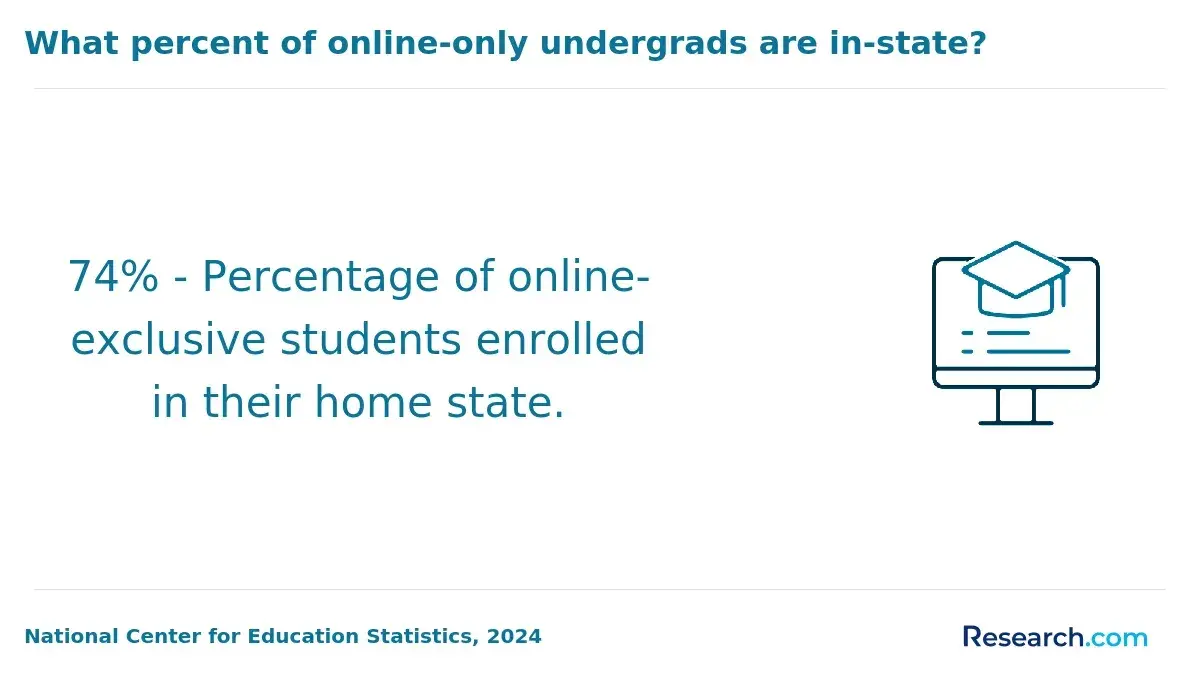
Admissions requirements for online and campus fire science programs in 2024 exhibit nuanced distinctions shaped by delivery format, institutional missions, and applicant demographics. Generally, acceptance rates for online cohorts tend to be modestly higher, reflecting an emphasis on broad accessibility and scalability inherent to digital platforms rather than diminished academic expectations. GPA thresholds commonly hover between 2.5 and 3.0 for both modalities, although campus-based programs often enforce slightly stricter cutoffs due to more competitive enrollment and in-person evaluation methods.
Meanwhile, standardized test requirements-ACT or SAT scores-have declined industry-wide, with online programs more frequently adopting test-optional or test-blind admissions consistent with evolving accreditation and enrollment policies. This trend reflects larger shifts in higher education but is more pronounced among online fire science program admissions. Such patterns underscore the changing landscape of admissions rather than a fundamental compromise in rigor.
Key drivers behind these differences stem from varying institutional priorities and student profiles. Online fire science program admissions requirements versus campus-based criteria hinge on accessibility goals and program scalability, with online tracks more likely to integrate rolling admissions and emphasize professional experience in fire service as a qualifying factor. Conversely, campus programs place greater weight on traditional elements like recommendation letters and documented extracurricular involvement, reflective of established campus cultures and recruitment pipelines.
The flexibility embedded in online program structures aligns with serving working adults balancing education and employment, which influences admissions policies to incorporate prerequisite courses or supplemental assessments instead of higher GPA demands. These factors collectively demonstrate how delivery mode shapes not only educational access but also the practical management of student readiness and institutional resource allocation.
From a broader perspective, these admissions distinctions affect enrollment patterns and student decision-making, often aligning perceptions of program rigor with delivery format. Employers largely value degrees based on accreditation and curriculum relevance rather than modality; however, students pursuing online fire science degrees must proactively obtain hands-on experience through internships or local partnerships to meet workforce expectations. Higher education stakeholders benefit from understanding these admissions frameworks to better advise prospective students weighing the tradeoffs between online flexibility and campus-based engagement.
For those researching technical and applied degrees, exploring pathways such as bioinformatics degree career options illustrates similar trends in enrollment accessibility and program design, reinforcing the systemic nature of these admissions evolutions.
Is There a Relationship Between Admissions Standards and Student Success?
Recent 2024 data from the National Fire Education Consortium illustrate a nuanced relationship between admissions standards and student success in fire science programs. Programs enforcing minimum GPA requirements around 3.0 have demonstrated approximately 15% higher graduation rates, signaling that academic preparedness remains a meaningful factor in completion outcomes. However, the impact of stricter admissions standards on fire science student success does not present as a simple causal link. Holistic assessments that integrate qualitative criteria such as work experience and community involvement show improved retention over GPA-only models, highlighting that fire science program admissions selectivity and graduation rates depend on a blend of academic and experiential factors rather than on cutoffs alone.
This complexity is compounded by variations in institutional support, program funding, and educational design. Differences in academic advising, tutoring access, and physical skills training contribute significantly to student outcomes, often offsetting raw admissions selectivity metrics. Additionally, many fire science programs have moved toward test-optional admissions, reflecting broader shifts away from standardized exams like the ACT or SAT and towards situational judgment and interviews more aligned with practical readiness. These changes underscore that admissions standards must be evaluated alongside support services and curriculum structure to gauge overall effectiveness in fostering student success.
For prospective students, focusing solely on how selective a fire science program is can be misleading. Career readiness in fire service positions frequently hinges on skills, physical fitness, and problem-solving capabilities-areas not fully captured by academic thresholds. Therefore, applicants and advisors should weigh program rigor against practical curriculum content and support mechanisms rather than admissions criteria alone. Those uncertain about entry competitiveness might also consider flexible pathways such as easy nurse practitioner programs to get into as complementary examples of how admissions policies influence educational and career trajectories in allied fields.
How Can Students Strengthen a Fire Science Program Application?
Successful fire science applications combine strong academic preparation, relevant practical experience, and clear alignment with program objectives. Admissions committees look for evidence that applicants are not only capable of handling rigorous coursework but also genuinely suited to the profession's demands. Demonstrating readiness and fit often requires more than meeting baseline criteria-competitive programs increasingly apply holistic review models that value applicants' demonstrated commitment, problem-solving skills, and adaptability within the fire service context.
- Maintain a Competitive GPA: A cumulative GPA above 3.0 remains a key signal of academic preparedness, especially in math and science prerequisites. Admissions committees view this as foundational proof that candidates can succeed in demanding technical coursework, which is critical for both academic progression and licensure eligibility.
- Acquire Practical Experience: Engagements such as volunteer firefighting, EMT internships, or community safety roles provide concrete evidence of hands-on skills. This experiential dimension differentiates applicants by validating motivation and familiarity with operational realities, a factor heavily weighted in holistic evaluations.
- Demonstrate Relevant Soft Skills: Communication, teamwork, and resilience are essential for fire science careers. Candidates who showcase these traits through references or documented roles signal interpersonal competencies that employers prioritize and programs aim to cultivate.
- Craft a Focused Personal Statement: Articulating clear career goals, motivations, and understanding of the profession's complexities helps admissions panels assess applicant intent and maturity. Well-developed statements can distinguish candidates in test-optional contexts where standardized measures are reduced.
- Prepare for Physical Fitness Requirements: Physical assessments are often integral to admissions or licensure. Early preparation evidences applicant seriousness and physical capability, reinforcing holistic judgments about overall readiness for the field's demands.
These integrated strategies reflect how admissions processes in fire science education weigh multiple facets of readiness and fit, responding to both academic standards and employer expectations articulated in recent occupational competency models.
References
- Most Affordable Fire Science Degree Programs | Fire Science Online https://www.firescience.org/college-degree-rankings-online/most-affordable-fire-science-degree-programs/
- Evidence-Based Exercise for Structural Firefighters—A Brief Review https://www.nsca.com/education/articles/tsac-report/evidence-based-exercise-for-structural-firefighters/
- Top Tips for a Successful Firefighter Application | Buckinghamshire Fire and Rescue Service https://bucksfire.gov.uk/top-tips-for-a-successful-firefighter-application/
- Fire Science Department https://www.collin.edu/firescience/index.html
- Firefighter Student Loan Forgiveness: How to Get It https://www.tateesq.com/learn/student-loan-forgiveness-firefighter
- Which Colleges Require ACT Science in 2026 — and Should You Take It? https://www.esmprep.com/articles/which-colleges-require-act-science
- How to join the fire academy: Everything you need to know https://www.firerescue1.com/fire-products/online-training/articles/how-to-join-a-fire-academy-yTvaVBlhv4AnLx7X/
- ACT/SAT Optional List for Fall 2025 - Fairtest https://fairtest.org/test-optional-list/
- Blogs https://www.isfsi.org/browse/blogs/blogviewer
- Fire Science Technology - Human Services | Ozarks Technical Community College https://ozarkstech.edu/programs/human-services/fire-science-technology/
Other Things You Should Know About Fire Science
With many fire science programs adopting test-optional or test-flexible admissions, the weight shifts heavily to GPA and other application components like letters of recommendation or relevant experience. This trend can advantage students who excel academically but perform poorly on standardized tests, yet it also increases the emphasis on maintaining a strong GPA. Applicants should prioritize strengthening academic coursework and practical credentials, as test scores are becoming less predictive of program success and employment outcomes.
While maintaining the minimum GPA is necessary for eligibility, fire science programs and employers increasingly value hands-on experience and certifications, such as EMT training or fire safety internships. However, a GPA moderately above the minimum often correlates with stronger theoretical understanding, which supports long-term career advancement. Applicants should balance both by achieving a solid GPA while actively pursuing relevant practical opportunities to improve job readiness and network connections.
Programs with higher selectivity often have more comprehensive resources and stronger industry connections, potentially enhancing employment prospects, but they also demand a heavier academic workload and higher GPAs. Less selective programs may offer more accessible entry and flexible pacing but might not provide the same level of career advancement support. Prospective students should weigh whether a challenging, resource-rich environment aligns with their capacity and career goals versus a more flexible path that could delay or limit outcomes.
As standardized test scores become less emphasized, GPAs take on greater significance as a quantitative measure of student readiness in fire science programs. This shift means students must strategically manage their course loads to maintain or improve their GPA, rather than relying on test performance to compensate. Prioritizing consistent academic performance over simply completing credits will better position applicants for admissions success and demonstrate the discipline and knowledge base employers expect.