2027 Fire Science Skills Gap Analysis: What Employers Want vs What Degree Programs Teach

Co-Founder and Chief Data Scientist
Imagine a recent fire science graduate stepping into a firefighting role only to find that critical skills expected by employers-such as advanced incident command or hands-on technical rescue-were only briefly covered or missing from their degree program. This gap can lead to on-the-job struggles, underperformance, and slower career progression. Many students and career changers face uncertainty about how well their education matches real workplace demands. They often question whether additional training or certifications are necessary to meet employer expectations.
Degree programs strive to balance theory, safety protocols, and practical skills, but rapid changes in fire service technology and evolving operational roles can create discrepancies between academic preparation and field requirements. Understanding these gaps is essential for students and graduates aiming to improve their employability and effectiveness in their roles. This article examines the differences between what fire science degree programs teach and what employers expect, offering insights to help learners bridge these divides and strengthen workforce readiness.
Key Things to Know About Fire Science Skills Gap
- Employer surveys in 2024 show 62% of fire science programs underemphasize leadership and crisis communication, skills crucial for today's incident command demands, resulting in graduates facing immediate on-the-job skill gaps.
- Graduates are often expected to master advanced technical proficiencies like data analysis from fire modeling software outside curricula, signaling a pressing need for self-driven skill acquisition to meet operational realities.
- Internships and simulation-based training before graduation correlate strongly with employment rates, indicating students should prioritize hands-on experience to bridge the disconnect between academic theories and field expectations.
- Key Things to Know About Fire Science Skills Gap Key Things to Know About Fire Science Skills Gap
- What Skills Do Employers Expect From Fire Science Graduates? Employer Expectations
- What Do Fire Science Degree Programs Typically Teach? Program Curriculum
- Where Is the Biggest Skills Gap Between Fire Science Programs and Employers? Biggest Skills Gap
- Which Technical Skills Are Most Important for Fire Science Careers? Technical Skills
- Which Workplace Skills Matter Beyond Technical Knowledge? Workplace Skills
- How Do Internships and Real-World Experience Improve Career Readiness? Career Experience
- How Can Students Close the Fire Science Skills Gap Before Graduating? Closing Skills Gap
- How Is the Fire Science Job Market Changing Employer Skill Requirements? How Is the Fire Science Job Market Changing Employer Skill Requirements?
- How Do Different Fire Science Programs Compare in Career Preparation? How Do Different Fire Science Programs Compare in Career Preparation?
- How Should Students Choose a Fire Science Program That Builds Career-Ready Skills? Choosing a Program
What Skills Do Employers Expect From Fire Science Graduates?
Employers hiring fire science graduates in 2024 demand a nuanced combination of technical expertise and professional competencies that enable immediate effectiveness in emergency and regulatory environments. Labor market data from LinkedIn and Lightcast indicate that 65% of employers seek candidates proficient in both hands-on fire suppression techniques and complex fire investigation procedures.
Fire science graduates must bring more than textbook knowledge-situational awareness and applied judgment often shape success in unpredictable incidents. For instance, a fire investigator analyzing volatile chemical fires must integrate materials science understanding with safety protocols, highlighting the need for diverse, adaptable skills.
Below are essential fire science skills employers seek that reflect this multifaceted expectation.
- Technical Proficiency: Mastery of fire prevention methods, hazardous materials control, and firefighting equipment is foundational. This knowledge, gained through rigorous coursework and field training, ensures graduates can function immediately in operational roles requiring precise procedural compliance and safety awareness.
- Analytical Problem-Solving: Rapid assessment of evolving fire situations demands interpreting data such as fire dynamics and structural risks. Programs that train students in scenario-based exercises cultivate critical thinking necessary to make life-saving decisions under pressure.
- Effective Communication: Graduates must clearly articulate risks and operational information to multidisciplinary teams, including medical, law enforcement, and public audiences. Writing detailed incident reports and delivering safety education are key competencies developed through internships and report-writing assignments.
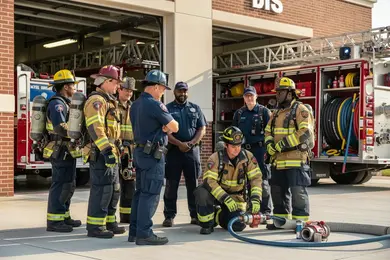
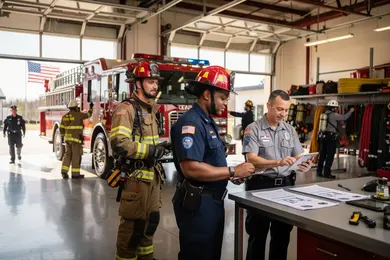
- Leadership and Teamwork: Employers value candidates who understand incident command systems and can coordinate effectively under stress. Experiential learning and simulations promote emotional intelligence and collaborative skills critical for supervisory roles.
- Adaptability and Resilience: Emergency environments are inherently volatile. Fire science programs emphasize flexibility and perseverance, enabling graduates to adjust strategies rapidly, a trait increasingly recognized by the World Economic Forum as essential in high-stakes professions.
- Regulatory and Compliance Knowledge: Familiarity with fire codes, safety regulations, and enforcement procedures is vital. Fire science graduates often gain this knowledge through specialized classes and certifications, which improve workforce readiness in governmental and private sectors.
- Data-Driven Decision-Making: Use of technology and data analytics supports informed strategies in prevention and response. Graduates trained to leverage modern firefighting technologies stand out in a competitive labor market prioritizing innovation and efficiency.
Aligning educational experiences with employer expectations ensures that prospective fire science students understand the balance between theoretical knowledge and the practical skills valued in the workforce. For those considering certification pathways, assessing the cost of medical coding and billing certification may offer insights into complementary professional qualifications that enhance career flexibility across emergency service fields.
What Do Fire Science Degree Programs Typically Teach?
Fire science degree programs are designed to establish a solid theoretical foundation while aiming to meet essential operational competencies needed in firefighting and emergency response careers. However, program curricula often diverge in how deeply they integrate practical skill development and leadership training, which can impact career readiness.
For example, a graduate might understand fire behavior intricately but struggle with multi-agency incident coordination if their program underemphasized simulation exercises and communication skills.
Recognizing these nuances helps prospective students gauge the balance between theory and applied learning in different delivery formats. Below are key domains typically covered in fire science curriculum core topics that shape long-term professional capabilities.
- Fire Behavior and Combustion: This foundational area teaches the scientific principles behind how fires start, spread, and can be controlled. Understanding fire dynamics underpins all operational tactics and ensures graduates can predict fire development in diverse environments, which remains crucial as fire conditions grow more complex due to climate and structural changes.
- Fire Prevention Techniques: Students learn strategies for minimizing fire risks through inspection protocols, code enforcement, and community outreach. These skills align educational content with evolving public safety priorities and emphasize prevention as a cost-effective approach to reducing fire incidents over time.
- Hazardous Materials Management: Programs often include extensive coursework on identifying, handling, and mitigating risks related to dangerous substances. Given that over 85% of accredited programs incorporate this, it reflects industry standards demanding readiness for chemical, biological, and radiological emergencies.
- Emergency Response Protocols: Training covers incident command systems, effective communication, and procedural adherence essential for coordinated multi-agency responses. Such knowledge fosters situational awareness and decision-making under pressure, although hands-on simulation experience may vary by program.
- Risk Assessment and Community Education: Incorporation of risk evaluation methodologies and fire safety education prepares students to engage proactively with communities. This emerging focus helps bridge academic learning with real-world public safety challenges, enhancing employability where community outreach is increasingly valued.
- Leadership and Interprofessional Communication: Despite recognized employer demand, this area is less consistently embedded. Where included, it cultivates teamwork, conflict resolution, and strategic incident management skills required for advancement into supervisory roles and large-scale emergency coordination.
- Technical Skills and Equipment Training: Practical training in using firefighting tools and technologies is sometimes limited, with less than 60% of programs offering sufficient hands-on opportunities according to recent USFA data. Students benefit from supplementing their education through online colleges free application options, certifications, or targeted training to close this gap.
Where Is the Biggest Skills Gap Between Fire Science Programs and Employers?
The persistent gap between fire science education and employer expectations centers on practical skills that new graduates often lack despite strong theoretical foundations. Data from the National Fire Protection Association's 2024 Firefighter Recruitment and Hiring Trends report reveals that only 38% of recent hires demonstrate adequate performance in managing complex, evolving fireground situations. This disconnect highlights critical areas where academic programs tend to fall short, especially in applied competencies essential for frontline roles.
The following points outline key domains where the mismatch is most evident and suggest proactive steps students can take to narrow these divides.
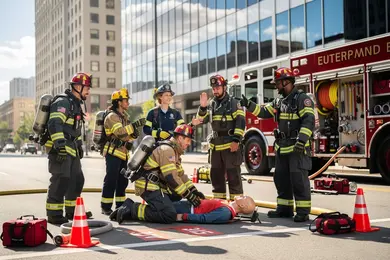
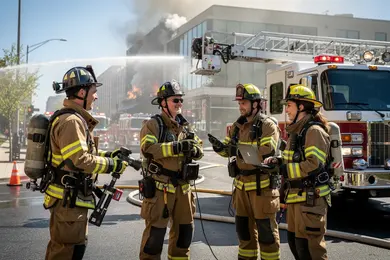
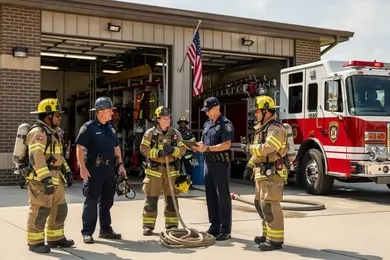
- Incident Command and Leadership: Fire science curricula frequently cover fire behavior and safety regulations but provide limited exposure to real-time decision-making under pressure. This leaves graduates less prepared to lead dynamic operations when rapid judgment is needed. Internships with fire departments and simulation-based training can cultivate these skills before entering the workforce.
- Communication and Community Engagement: Employers increasingly require firefighters to excel in public education, mental health crisis response, and interagency coordination-areas often treated superficially in traditional programs focused on technical training. Volunteering in community outreach initiatives or cross-disciplinary workshops helps students develop these vital interpersonal abilities.
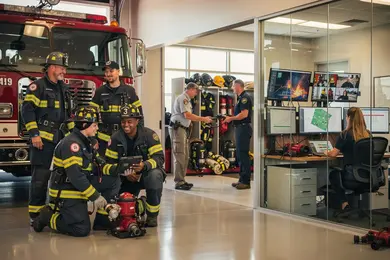
- Technology Integration: Innovations like geographic information systems, drones, and data analytics are becoming standard in fire incident management, yet many programs lag in teaching these tools. Early certification courses and technology-focused projects can improve digital literacy and adaptability.
- Field Experience and Practical Exposure: Many graduates enter the workforce without sufficient hands-on training in fast-changing scenarios, which hampers effective teamwork and resource deployment. Seeking ride-alongs, extended field internships, or mentorships enhances operational readiness.
Which Technical Skills Are Most Important for Fire Science Careers?
Mastering technical skills is crucial for translating fire science education into effective field performance. As firefighting environments and technologies evolve, so do the competencies that employers prioritize. This dynamic landscape means that graduates must go beyond theory to acquire hands-on abilities that respond to real-world complexities.
According to 2024 data from the National Fire Protection Association and the U.S. Department of Labor, proficiency in specific technical areas directly impacts a candidate's job readiness and long-term career viability.
Below are key technical skills that consistently underpin success across fire science roles.
- Fire Behavior Analysis: This skill enables professionals to anticipate fire spread and intensity, crucial for devising strategic interventions. Students develop this competence through coursework involving fire dynamics and scenario modeling, which supports safer and more effective decision-making in emergencies.
- Emergency Medical Response: Firefighters increasingly function as first responders, so training in basic life support and trauma management is essential. Employers favor candidates with certifications and practical experience in medical response, highlighting the integration of fire suppression and emergency health care.
- Hazardous Materials Management: Handling chemical, biological, radiological, and nuclear hazards requires specialized knowledge and caution. Accredited programs often incorporate simulations to prepare students for managing dangerous incidents, a skill heightened by rising urban and industrial risks.
- Incident Command Systems: Maintaining operational control during complex emergencies demands familiarity with command protocols. Fire science education integrates this framework to cultivate leadership capabilities that reduce confusion and improve team coordination under pressure.
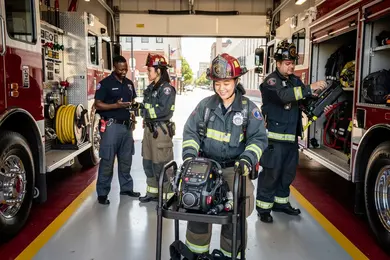
- Firefighting Technology Operation: Competency with tools like thermal imaging cameras and automated suppression mechanisms has become indispensable. Hands-on training in these technologies supports adaptability as agencies adopt new equipment to enhance firefighting efficacy.
- Advanced Communication Tools: Effective emergency response hinges on mastery of digital radios, data platforms, and interoperability systems. Practical exercises in communication technologies foster real-time information sharing crucial for coordinated action.
A typical real-world scenario illustrating these intersecting skills could involve a multi-alarm commercial fire with hazardous materials present. A firefighter trained in fire behavior analysis and incident command can predict fire progression and lead the response, while expertise in hazardous materials ensures safe handling of toxins amid emergency medical support for affected victims.
This complexity exemplifies why a broad but integrated skill set is essential for both immediate effectiveness and sustained career growth in fire science professions.
Which Workplace Skills Matter Beyond Technical Knowledge?
Career success in fire science depends on more than a solid grasp of technical knowledge. Employers consistently highlight that mastery of fire behavior and safety protocols, while essential, is insufficient without a complementary set of professional competencies. Real-world emergencies demand adaptive thinking, seamless teamwork, and effective communication under pressure-traits that often distinguish competent graduates from exceptional responders.
For instance, during a multi-agency wildfire response, the ability to coordinate across teams, communicate clearly, and make rapid decisions is just as critical as knowing fire suppression tactics.
Below is a list of the workplace skills that matter most beyond technical knowledge for those seeking to align fire science education with employer expectations.
- Critical Thinking: Employers value the ability to analyze dynamic situations and adapt strategies quickly. Fire science programs can bolster this skill through scenario-based training and simulation exercises, preparing students to evaluate risks and deploy resources judiciously in unpredictable environments.
- Effective Communication: Both verbal and written communication ensure accurate information flows during crises and post-incident reporting. Coursework emphasizing real-world communication and documentation hones these skills, directly addressing documented gaps in workplace readiness.
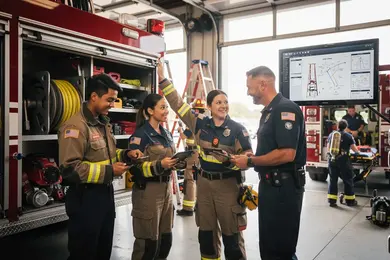
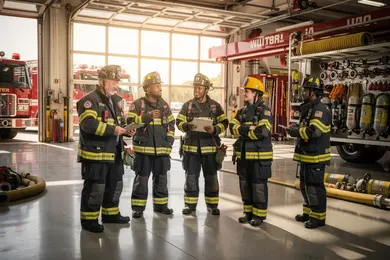
- Teamwork and Collaboration: Working effectively with diverse groups such as law enforcement, medical personnel, and community members is central to emergency response. Group projects and joint training exercises within fire science curricula build essential interpersonal skills valued across all fire science careers.
- Emotional Resilience: Managing stress and maintaining composure during high-pressure situations is critical. Developing this capacity through resilience training or exposure to realistic drills helps graduates sustain performance and mental health on the job.
- Leadership and Decision-Making: Leadership skills grow increasingly important for those aspiring to supervisory roles, where coordinating multi-agency responses is required. Leadership development opportunities within programs, including command simulations, support advancement and operational success.
- Situational Awareness: Anticipating potential hazards and recognizing shifts in emergency environments reduces risk to personnel and the public. Practical exercises that challenge students to maintain awareness under evolving conditions are key to cultivating this competency.
- Adaptability: The evolving nature of fire-related threats demands continuous learning and flexibility in tactics. Integrating emerging incident scenarios and hazard types into curricula encourages a mindset prepared for rapid change, enhancing long-term employability.
Data from 2024 workforce studies show a significant employer demand for durable professional skills among fire science graduates, with a majority citing deficits in communication and leadership as critical challenges. This aligns closely with the importance of workplace communication and teamwork in fire science jobs. Prospective students are advised to seek programs that emphasize these competencies alongside technical training.
Students and career changers interested in expanding their credentials may also explore advanced opportunities such as a doctorate in healthcare administration programs, where leadership and management in emergency services intersect with broader healthcare systems.
How Do Internships and Real-World Experience Improve Career Readiness?
Fire science degree programs concentrate heavily on theoretical foundations, yet classroom instruction alone rarely cultivates the full spectrum of career readiness employers demand. Real-world experience enables students to translate academic concepts like fire behavior and safety protocols into practical action within professional environments. For example, working alongside seasoned firefighters during an internship develops decision-making under pressure and situational awareness-competencies that are difficult to simulate in educational settings.
Recent data from the 2024 National Fire Protection Association workforce report reveals that students who complete internships experience a 35% higher employment rate within six months of graduation, demonstrating the tangible impact of experiential learning on workforce outcomes.
Internships and related practical opportunities equip students not only with technical proficiency but also with essential soft skills such as professional communication, teamwork, and understanding workplace culture. They offer exposure to the realities of fire service operations, including incident command and emergency coordination, while also facilitating relationship-building within the field.
However, access to well-structured placements varies between programs and regions, necessitating proactive efforts from students and institutions alike. Through these placements, students refine their ability to assess career fit and adapt to employer expectations, bridging gaps that purely academic coursework cannot address.
To fully leverage experiential learning, students should seek internships early and engage deeply in applied projects that mirror actual fire service challenges. Building networks with mentors and reflecting critically on in-field experiences enhances both personal and professional growth.
Aligning these activities with long-term career objectives ensures that practical experiences complement academic achievements and ongoing skill development. Internship experiences are crucial, yet their effectiveness is maximized when integrated with continuous learning and strategic career planning, creating a well-rounded foundation for entering the fire science workforce.
How Can Students Close the Fire Science Skills Gap Before Graduating?
Students do not have to wait until graduation to develop the competencies that employers seek in fire science candidates. Building practical skills while pursuing academic study significantly increases job readiness and employability. This approach allows students to integrate theory with real-world application, boosting confidence and adaptability in emergency situations.
Evidence from the U.S. National Fire Academy's 2024 report reveals that internships and experiential learning lead to higher graduate employment rates. Below are key strategies that enable students to close the fire science skills gap before completing their degrees.
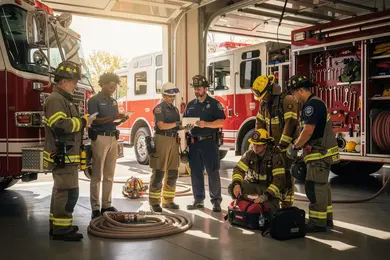
- Hands-on Internships: Securing an internship offers direct exposure to fireground operations, protocols, and team dynamics. Students can apply classroom knowledge in unpredictable environments, sharpening judgment and technical skills that employers prioritize. Consistent participation in internships also enhances networking and references within the firefighting community.
- Undergraduate Research: Engaging in research projects refines critical thinking and deepens understanding of fire behavior and risk management. While research alone lacks field conditions, it complements operational skills by fostering analytical capabilities crucial for incident assessment and decision-making.
- Project-Based Learning: Collaborative, scenario-driven projects simulate real emergencies and develop problem-solving abilities. This immersive method encourages communication, leadership, and adaptability, reflecting the complex challenges faced in active fire service roles.
- Certification Programs: Obtaining certifications like Firefighter I, Hazmat Awareness, and Incident Safety Officer equips students with recognized credentials that enhance employability. Data from the International Fire Service Accreditation Congress in 2024 confirms these certifications correlate with faster career progress, especially when added alongside degree coursework.
- Balanced Curriculum Selection: Choosing courses that blend theory with practical skill-building ensures foundational knowledge while fostering hands-on competencies. This balance prevents skill gaps that arise from overemphasis on either academic or operational components.
- Field Exposure Complement: Supplementing lab or classroom work with ride-alongs, volunteer firefighting, or simulation drills mirrors real-world conditions. This exposure builds situational awareness and multitasking under pressure, traits in high demand by employers.
- Proactive Portfolio Development: Documenting experiences, certifications, and skills in a comprehensive portfolio showcases readiness and commitment. It facilitates targeted job searches and highlights versatility to potential supervisors during hiring processes.
How Is the Fire Science Job Market Changing Employer Skill Requirements?
Technological innovation and shifting public safety priorities are redefining the skill requirements in the evolving fire science employer skill requirements landscape. Automation, artificial intelligence, and data-driven decision tools increasingly complement traditional firefighting tactics, requiring candidates to go beyond physical response abilities.
For instance, a firefighter might leverage geographic information systems (GIS) or drones to assess hazards before arrival, highlighting the need for digital literacy emphasized by the World Economic Forum's recent findings. The U.S. Bureau of Labor Statistics projects moderate growth in firefighting jobs, but employers place greater value on versatile skill sets integrating technology with emergency response expertise.
This trend impacts both technical and professional competencies, blending fire science technical knowledge with public communication, mental health awareness, and policy understanding to better serve communities under budget and regulatory constraints. As a result, continuous learning and adaptability are essential for career sustainability, especially as conventional degree programs often lag behind current fire science job market demands.
Gaining practical experience through internships, certifications, or applied projects focused on technological tools or interdisciplinary emergency management becomes vital for aligning education with real-world needs. Students preparing for fire science careers should combine foundational coursework with hands-on opportunities and ongoing skill development, including networking with industry professionals to stay current.
Those interested in enhancing their workforce readiness can also explore related fields-such as healthcare roles that share similar evolving demands, exemplified by positions like a functional medicine nurse salary role-that underscore the importance of combining technical expertise with holistic skill sets.
This integrated approach helps bridge the gap between academic preparation and employer expectations in a rapidly changing environment.
How Do Different Fire Science Programs Compare in Career Preparation?
Career readiness for fire science degree programs depends on much more than the program title. The depth and type of practical experience, curriculum alignment with current industry standards, and employer partnerships influence how well graduates meet workforce demands. For example, a graduate from a program emphasizing theoretical coursework but lacking hands-on training may struggle with real incidents requiring rapid decision-making under pressure.
Recent 2024 data from major government and industry sources show that fire science programs with strong field training components have employment rates up to 25% higher than purely academic ones.
Here are key factors prospective students should compare when evaluating fire science academic curricula for career preparation.
- Practical Experience: Programs differ widely in offering internships, scenario-based simulations, and direct collaboration with local fire departments. These hands-on opportunities are essential for mastering incident command and emergency medical procedures. Prospective students should verify how much applied training is embedded in the curriculum versus purely classroom instruction.
- Curriculum Relevance: Degree programs that integrate modern fire prevention technology, fire modeling software, and communications systems better equip students for emerging challenges. Students should check whether courses cover leadership, risk management, and community resilience to align with interdisciplinary workforce expectations.
- Employer Connections: Strong partnerships with fire service agencies can lead to higher graduate employment rates and facilitate transition into the workforce. Students should assess the program's track record of graduate placement and ongoing industry engagement.
- Balance of Theory and Application: Some programs emphasize foundational theory while others prioritize applied skills. Since neither approach guarantees success, students must consider their own learning preferences and career goals, seeking programs that encourage additional practical experiences beyond formal study.
Prospective and current students should consider these factors carefully and may also benefit from reviewing costs associated with their chosen programs, such as the cost of online speech pathology degree programs, when comparing educational investments across fields for a more complete perspective on career readiness in fire science degree programs.
How Should Students Choose a Fire Science Program That Builds Career-Ready Skills?
Choosing between online, hybrid, or campus fire science programs involves weighing distinct long-term benefits and challenges tied to each learning format. Research from 2024 highlights that hands-on training, access to emergency response partnerships, and accreditation strongly correlate with successful employment outcomes. The decision often hinges on individual learning styles, career goals, and personal obligations.
Below are key long-term factors to consider when selecting the best educational path:
- Skill Application: Campus programs typically offer immersive live-fire drills and incident command system training, fostering stronger practical skills. Hybrid formats may balance theory with occasional hands-on sessions, while online programs rely heavily on simulations, benefiting self-motivated learners comfortable with remote labs.
- Career Networking: On-campus students often gain direct access to fire departments and emergency agencies for internships and apprenticeships, enhancing real-world experience and job placements. Online learners might face challenges building these networks unless supplemented by local connections or program facilitation.
- Flexibility and Accessibility: Online and hybrid formats suit students balancing work or family commitments by offering flexible schedules. Campus formats require physical presence, which supports structured learning but may limit accessibility for some.
- Certification Support: Comprehensive programs that integrate EMT and hazardous materials certifications alongside academic study tend to enhance employability. Campus and hybrid programs often provide more coordinated support, while fully online formats demand greater self-direction.
- Graduate Outcomes: Data from workforce transition studies emphasize that graduates with direct field exposure report higher employment rates within a year. Those completing hybrid or campus formats generally show stronger job placement metrics, although top-performing online learners can also achieve competitive results.
References:
- Degree vs Skills: What Matters More for Career Success in 2026 https://www.adamasuniversity-newgen.com/blog/degree-vs-skills-career-success.html
- Why Employers Care More About Tech Skills Than Your Degree in 2026 https://www.scholaro.com/db/News/tech-skills-vs-degree-2026-340
- Integrated Fire and Recreation Internship Program https://thesca.org/integrated-fire-and-recreation-internship-program
- Fire Science Outcomes | Waubonsee Community College https://www.waubonsee.edu/programs-courses/programs-subject/public-and-human-services/fire-science/fire-science-outcomes
- Proactive strategies to anticipate skill gaps | Go1 https://www.go1.com/blog/proactive-strategies-to-anticipate-skill-gaps
- Fire Science Technology - Human Services | Ozarks Technical Community College https://ozarkstech.edu/programs/human-services/fire-science-technology/
- Fire Science Degrees & Careers | How To Become A Firefighter https://www.learnhowtobecome.org/firefighter/
- Blogs https://www.isfsi.org/browse/blogs/blogviewer
- Top 7 Strategies for Bridging the Skills Gap in 2026 https://www.imocha.io/blog/bridging-the-skills-gap
- Top Firefighter Resume Skills Departments Look For | Daily Dispatch https://dailydispatch.com/articles/fire-career-resources/resumes-cover-letters/top-firefighter-resume-skills/
Other Things You Should Know About Fire Science
Employers often prioritize candidates with hands-on, simulation-based experience because it mirrors real incident response situations more closely than classroom theory alone. However, many degree programs allocate limited time for such practical exercises, focusing instead on theoretical knowledge due to resource constraints or accreditation requirements. Students should weigh the tradeoff between mastering foundational concepts and gaining frequent, realistic practice, prioritizing programs that integrate substantial simulation work to better prepare for on-the-job challenges.
While specialization can enhance employability in certain sectors like hazardous materials or fire investigation, many employers still value generalists who can adapt to diverse emergency scenarios. Degree programs vary in offering specialized tracks versus broad curricula, meaning early niche focus might limit flexibility or work opportunities. Prospective fire science students should consider starting with a broad curriculum and then pursue targeted certifications or internships to avoid narrowing their skillset prematurely.
Fire science programs frequently emphasize academic rigor with heavy reading, technical writing, and research projects, which do not fully replicate the physical and time-sensitive pressures seen in fire service roles. The disparity in workload nature means students might be underprepared for the fast-paced decision-making and physical endurance required on duty. Understanding this gap, students should seek supplementary activities such as physical training or field internships to build resilience and practical readiness beyond classroom demands.
Certifications often carry more immediate weight in demonstrating practical competencies and meeting licensure requirements, whereas advanced degrees can enhance leadership prospects but may have limited influence on initial hiring. Given the skills gap, graduates aiming for frontline roles should prioritize recognized certifications first, especially those tied to compliance and operational skills, before pursuing graduate-level education that aligns more with career advancement than entry-level readiness.