2027 Best Online Adult-Gerontology PCNP Graduate Certificate Programs

Co-Founder and Chief Data Scientist
Selecting an online Adult-Gerontology Primary Care Nurse Practitioner (AG-PCNP) graduate certificate program in the USA is a critical professional decision, but it's a field fraught with inconsistent and difficult-to-verify information. As a career and education expert, I recognize that prospective students often struggle to find clear, comparable data on tuition, clinical hour requirements, and program accreditation.
The sheer volume of programs and their varied structures can lead to confusion, making it challenging to separate marketing claims from substantive program details. This guide is designed to provide clarity and empower you with a structured approach to evaluate programs, ensuring you make a confident choice that aligns with your career aspirations and prepares you for board certification.
What can I expect from an online graduate certificate program in Adult-Gerontology PCNP?
- Career Advancement: Provides a direct pathway for a master’s-prepared Registered Nurse (RN) to become a licensed and certified Nurse Practitioner (NP), an advanced practice provider role.
- Earning Potential: Nurse practitioners, including AG-PCNPs, command higher salaries than RNs. National averages for NPs often exceed $120,000 annually, with a strong outlook for continued growth.
- Flexible Learning: The online format allows working nurses to pursue advanced education without pausing their careers, fitting coursework and clinical hours around their existing work and personal commitments.
What can I expect from an online graduate certificate program in Adult-Gerontology PCNP?
- Focused Advanced Topics: The curriculum is intensive, centered on advanced health assessment, pharmacology, pathophysiology, and specialized adult-gerontology primary care.
- Structured Clinical Curriculum: You can expect extensive, supervised clinical practicum hours, typically ranging from 500 to 600+, completed in real-world healthcare settings.
- Applied Clinical Reasoning: Programs emphasize developing diagnostic reasoning, creating evidence-based treatment plans, and managing both acute and chronic illnesses in adult populations.
- Condensed Timeline: These programs are designed for rapid completion, with many full-time students finishing in as little as 12 to 24 months, accelerating career transition.
- Clinical Placement Support: Many programs offer assistance or direct placement services to help students secure the required preceptors and clinical sites, which can be a challenging part of the process.
Where can I work with an online graduate certificate in Adult-Gerontology PCNP?
- Primary Care Clinics: Serve as a primary care provider, conducting wellness checkups and managing acute and chronic health conditions in patients from adolescence to older adulthood.
- Long-Term Care Facilities: Work as a geriatric care specialist in settings such as skilled nursing facilities, assisted living, and rehabilitation centers, focusing on the unique health needs of the aging population.
- Home Health and Palliative Care: Provide care to homebound patients or offer symptom management and quality-of-life care for individuals with serious, chronic illnesses.
- Specialty Clinics: Apply your expertise in specific areas such as cardiology, neurology, or orthopedics, addressing targeted health needs within a specialty-focused practice.
- Telehealth Services: Provide virtual consultations and care to patients, making healthcare more accessible for those with mobility challenges or living in remote areas.
How much can I make with an online graduate certificate in Adult-Gerontology PCNP?
- Entry-Level Roles: New graduates transitioning from RN positions can expect starting salaries between $105,000 and $120,000 annually.
- Experienced Roles: With a few years of experience, AG-PCNPs often earn salaries ranging from $120,000 to $140,000, particularly in outpatient clinics and hospitals.
- Senior & Specialized Roles: Nurse practitioners in high-demand specialties, leadership positions, or high-cost-of-living areas can command salaries exceeding $145,000 per year.
- Best Online Adult-Gerontology PCNP Graduate Certificate Programs for 2027 List of Programs
- What is the average cost of an online AG-PCNP graduate certificate? Program Cost
- What are the financial aid options for an online AG-PCNP graduate certificate? Financial Aid
- What are the prerequisites for enrolling in an online AG-PCNP graduate certificate program? What are the prerequisites for enrolling in an online AG-PCNP graduate certificate program?
- What courses are typically in an online AG-PCNP graduate certificate program? What courses are typically in an online AG-PCNP graduate certificate program?
- What types of specializations are available for AG-PCNP graduates? Specializations
- How do you choose the best online AG-PCNP graduate certificate program? How do you choose the best online AG-PCNP graduate certificate program?
- What career paths are available for graduates of online AG-PCNP graduate certificate programs? Career Paths
- How much can I earn with an online AG-PCNP graduate certificate? Salaries
- What is the job market for graduates with an online AG-PCNP graduate certificate? Job Market
- What are some current and future trends in adult-gerontology primary care? Trends
- What challenges might I face with an online AG-PCNP graduate certificate? What challenges might I face with an online AG-PCNP graduate certificate?
- How can an online AG-PCNP certificate fast-track my nursing career? How can an online AG-PCNP certificate fast-track my nursing career?
Best Online Adult-Gerontology PCNP Graduate Certificate Programs for 2027
An online Adult-Gerontology Primary Care Nurse Practitioner graduate certificate is designed for nurses who already hold a graduate nursing degree and want to add AG-PCNP preparation without completing another full master’s program. The decision is not just about finding an online option. You need to know whether the program is accredited, whether it supports clinical placement, whether it meets certification and state licensure expectations, and whether the schedule works with your current nursing role.
This guide is for MSN-, DNP-, or PhD-prepared nurses comparing online and hybrid AG-PCNP certificate programs. It explains what these programs include, how much they may cost, what prerequisites to expect, how clinicals work, what career paths may open after certification, and how to avoid choosing a program that does not fit your licensing, budget, or career goals.
Quick answer: What is the best online AG-PCNP graduate certificate program?
The best online AG-PCNP graduate certificate program is the one that is accredited, prepares graduates for national AG-PCNP certification, offers realistic clinical placement support, fits the student’s state authorization and licensure needs, and can be completed on a schedule that works for practicing nurses. Based on the schools reviewed here, strong options include Duke University, George Washington University, Maryville University of Saint Louis, Purdue University, Spring Arbor University, Stony Brook University, University of Central Florida, University of Illinois, Chicago, University of Louisville, and North Park University.
How Research.com evaluates programs
Because graduate nursing certificates require a meaningful financial and professional commitment, Research.com uses a transparent ranking methodology built around trusted education data sources. These include the IPEDS database, Peterson's database and its Distance Learning Licensed Data Set, the College Scorecard database, and the National Center for Education Statistics.
Prospective students should use rankings as a starting point, not as the only decision tool. For AG-PCNP certificates, accreditation, clinical placement policies, state authorization, certification eligibility, and total cost matter more than brand name alone.
Program comparison at a glance
| School | Format and pace | Credits or coursework | Published tuition information | Accreditation listed |
| Duke University | Approximately 1-2 years, depending on course load | 42 credits | $2,250/credit | Commission on Collegiate Nursing Education (CCNE) – Commission on Collegiate Nursing Education |
| George Washington University | Part-time, designed for working professionals; length varies by course load | 20 credits | $1,630.00/credit | Commission on Collegiate Nursing Education (CCNE) |
| Maryville University of Saint Louis | 12 to 40 months | 18 credits | $15,534 - $66,634 total tuition cost | Commission on Collegiate Nursing Education (CCNE) – Commission on Collegiate Nursing Education |
| Purdue University | 1.5 years | 12 courses (60 quarter credits) | $420/credit | Accreditation Commission for Education in Nursing (ACEN) – Accreditation Commission for Education in Nursing |
| Spring Arbor University | 14–20 months | Not stated | $797/credit | Commission on Collegiate Nursing Education (CCNE) |
| Stony Brook University | 12–18 months, part-time | 19 credits | NYS Resident: 471/credit; Non-residents: 1,125/credit | Commission on Collegiate Nursing Education (CCNE) |
| University of Central Florida | 4 semesters | 18 credits | $288.16/credit, both in-state and out-of-state | Commission on Collegiate Nursing Education (CCNE) |
| University of Illinois, Chicago | Typically completed in 1 year, part-time | 23 credits | $891/credit | Commission on Collegiate Nursing Education (CCNE) |
| University of Louisville | Approximately 1 year, part-time | 28 credits | Instructional Fee: $50/credit, additional fees not included here | Commission on Collegiate Nursing Education (CCNE) – Commission on Collegiate Nursing Education |
| North Park University | 20–32 months, part-time | 37 credits | $925 per credit, regardless of residency | Commission on Collegiate Nursing Education (CCNE) – Commission on Collegiate Nursing Education |
1. Duke University
The Duke University School of Nursing offers a post-graduate certificate pathway for nurses who already have graduate-level preparation and want to add another advanced practice specialty. Applicants must be registered nurses with a master’s degree from an ACEN- or CCNE-accredited nursing school, though a master’s degree in another discipline may be considered if the specialty faculty determine it is appropriate.
The certificate can also serve board-certified nurse practitioners who are practicing outside their current certification area and need formal preparation to broaden their scope. Applicants must hold, or be eligible for, professional nurse licensure in North Carolina or in a compact state where they reside. The admissions process includes a personal interview and three academic or professional references. Duke also recommends at least one year of nursing experience before matriculation.
Students can choose from several specialty areas, including Adult-Gerontology Nurse Practitioner, making this program a fit for nurses seeking a structured, faculty-guided transition into adult and older-adult primary care.
- Program Length: Approximately 1-2 years, depending on course load.
- Tracks/Concentrations: Adult-Gerontology Primary Care Nurse Practitioner.
- Tuition Cost: $2,250/credit
- Required Credits to Graduate: 42 credits.
- Accreditation: Commission on Collegiate Nursing Education (CCNE) – Commission on Collegiate Nursing Education.
2. George Washington University
George Washington University offers a Post-Master’s Certificate in Adult-Gerontology Primary Care Nurse Practitioner through a flexible hybrid model. The curriculum is built for advanced-practice nurses who want to deliver primary care to adults and older adults while developing clinical judgment through simulation, assessment practice, and supervised patient-care experiences.
Students begin with a Virtual New Student Orientation that introduces academic expectations, clinical preparation, and simulation requirements. Before entering clinical rotations, learners complete the Clinical Learning and Skills Intensive (CLASI), where they demonstrate physical assessment skills with standardized patients.
The program also includes Objective Structured Clinical Examinations (OSCEs) in two core courses. These structured encounters allow faculty to evaluate clinical reasoning, communication, assessment ability, and readiness for advanced practice. This format may be especially useful for nurses who want frequent feedback before moving into more independent patient-care responsibilities.
- Program Length: Part-time, designed for working professionals (length varies by course load).
- Tracks/Concentrations: Adult-Gerontology Primary Care Nurse Practitioner.
- Tuition Cost: $1,630.00/credit
- Required Credits to Graduate: 20 credits
- Accreditation: Commission on Collegiate Nursing Education (CCNE)
3. Maryville University of Saint Louis
Maryville University of Saint Louis offers an Online Post-Master’s Adult-Gerontology Primary Care Nurse Practitioner Certificate for MSN-prepared nurses who want to move into adult primary care. The program is delivered 100% online and is designed for nurses who need flexibility while continuing to work.
The curriculum focuses on holistic care for adult patients, including patients with conditions that may cause rapid physiological decline. Students prepare to assess, diagnose, and manage adult and older-adult health needs while learning in a 24/7 online format. Maryville reports no waiting list after acceptance, which may matter for nurses trying to move quickly into a new certification area.
Clinical experiences can be completed locally in a student’s preferred setting, which may reduce relocation concerns. Students should still confirm how preceptors are approved, what happens if a local site falls through, and whether the program is authorized for clinical placement in their state.
- Program Length: 12 to 40 months
- Tracks/Concentrations: Adult-Gerontology Primary Care Nurse Practitioner.
- Total Tuition Cost: $15,534 - $66,634
- Required Credits to Graduate: 18 credits
- Accreditation: Commission on Collegiate Nursing Education (CCNE) – Commission on Collegiate Nursing Education.
4. Purdue University
Purdue University offers an Adult-Gerontology Primary Care Nurse Practitioner Graduate Certificate for registered nurses who already hold a master’s or doctorate in nursing. The program is primarily online and is built for working nurses who need a structured but flexible path to an additional nurse practitioner specialty.
The program can be completed in an average of 1.5 years. Purdue notes that students should expect about 15-18 hours of coursework each week, which is important for nurses balancing employment, family responsibilities, and clinical requirements. Graduates prepare to sit for either the ANCC or AANP AGNP certification exams.
The curriculum emphasizes evidence-based care, culturally relevant healthcare, and service to diverse communities. Students also complete clinical practice experiences in real-world settings. Purdue states that no prior work experience is required for this certificate, though applicants should still evaluate whether their current clinical background will support success in advanced assessment and primary care decision-making.
- Program Length: 1.5 years
- Tracks/Concentrations: Adult-Gerontology Primary Care Nurse Practitioner.
- Tuition Cost: $420/credit
- Required Credits to Graduate: 12 courses (60 quarter credits)
- Accreditation: Accreditation Commission for Education in Nursing (ACEN) – Accreditation Commission for Education in Nursing.
5. Spring Arbor University
Spring Arbor University offers an Online Post-Master’s Certificate – Adult-Gerontology Primary Care Nurse Practitioner for nurses who already hold an MSN and want a faith-based advanced practice program. The fully online format is structured for working nurses who need to continue employment while completing graduate-level coursework.
The program uses a 7-1-7 model, with seven-week courses followed by one week off, and offers six annual start dates. This can help students plan around work schedules and family obligations. Coursework prepares nurses to provide primary care for adolescents, adults, and older adults through evidence-based practice, individualized learning, and spiritual development.
Students receive support from a student success coach and complete interactive online coursework along with 500 clinical hours that may be completed locally. Graduates are prepared for national AGPCNP certification exams and for patient-centered primary care roles that emphasize ethical leadership and whole-person care.
- Program Length: 14–20 months
- Tracks/Concentrations: Adult-Gerontology Primary Care Nurse Practitioner
- Tuition Cost: $797/credit
- Required Credits to Graduate: Not stated
- Accreditation: Commission on Collegiate Nursing Education (CCNE)
6. Stony Brook University
The Advanced Certificate in Adult-Gerontology Primary Care Nurse Practitioner at Stony Brook University is intended for nurses with a master’s or doctoral degree who want preparation for board certification in adult-gerontology primary care. The program uses a hybrid model, combining online coursework with required campus-based intensives.
Clinical placements are arranged close to home when possible, which can make the program more feasible for working nurses who cannot relocate. The curriculum addresses complex adult and geriatric care in primary care environments, with attention to evidence-based practice, disease prevention, health promotion, and management of acute and chronic conditions.
Admission is competitive and requires an advanced nursing degree, such as an MS, DNP, or PhD. This program may fit nurses who want online convenience but still value periodic in-person learning and faculty-supervised intensives.
- Program Length: 12–18 months, part-time.
- Tracks/Concentrations: Adult-Gerontology Primary Care Nurse Practitioner
- Tuition Cost: NYS Resident: 471/credit; Non-residents: 1,125/credit
- Required Credits to Graduate: 19 credits
- Accreditation: Commission on Collegiate Nursing Education (CCNE)
7. University of Central Florida
University of Central Florida offers a hybrid-online Adult-Gerontology Primary Care Nurse Practitioner Graduate Certificate for advanced-practice nurses who want to specialize in adult and older-adult primary care. The curriculum includes scientific foundations for modern healthcare practice, evidence-based care, and leadership.
Students prepare to diagnose and manage self-limiting and chronic conditions, promote wellness, prevent disease, order and interpret diagnostic tests, and prescribe pharmacological and non-pharmacological therapies. The program has no GRE requirement, which may simplify the application process for qualified nurses.
The certificate is completed part-time over four semesters, but UCF describes the workload as rigorous. Students should realistically assess whether they need to reduce work hours while completing coursework and clinical expectations. Graduates may also have an option to enroll in the Advanced Practice post-master’s DNP program after completing the certificate.
- Program Length: 4 semesters
- Tracks/Concentrations: Adult-Gerontology Primary Care Nurse Practitioner.
- Tuition Cost: $288.16/credit (both in-state and out-of-state)
- Required Credits to Graduate: 18 credits
- Accreditation: Commission on Collegiate Nursing Education (CCNE)
8. University of Illinois, Chicago
University of Illinois, Chicago College of Nursing offers a post-master’s certificate in Adult-Gerontology Primary Care Nurse Practitioner for advanced-practice nurses preparing to serve adults across the lifespan. The program places particular emphasis on primary care access and service to underserved communities.
The hybrid format includes online, on-site, and blended courses. The program reports a 100% graduate pass rate on the certification exam. Faculty arrange practicum sites and qualified preceptors, which can be a major advantage because clinical placement is one of the most stressful parts of online NP education.
The program requires a minimum of 500 clinical hours for a new focus area. Certified NPs already practicing in the new focus area may have some clinical hours considered. The university uses an individual gap analysis to determine the number of required hours between the minimum and the program’s standard.
- Program Length: Typically completed in 1 year, part-time.
- Tracks/Concentrations: Adult-Gerontology Primary Care Nurse Practitioner
- Tuition Cost: $891/credit
- Required Credits to Graduate: 23 credits
- Accreditation: Commission on Collegiate Nursing Education (CCNE)
9. University of Louisville
University of Louisville offers an online Post-Graduate Certificate in Adult-Gerontology Primary Care Nurse Practitioner for nurses who already hold a graduate nursing degree and want additional preparation in adult and older-adult care.
The program prepares students to deliver comprehensive advanced nursing care for adults with acute, critical, and complex chronic health conditions. Clinical practice settings include hospital-based environments, intensive care, and a continuum of acute care services. Applicants must hold a Master of Science degree in nursing or a terminal degree such as a PhD or DNP.
Applicants also need an unencumbered RN license from a U.S. state board of nursing. The program requires one year of RN experience in the ICU or one year of experience in any area with a commitment to complete one year in the ICU before starting clinicals. Louisville uses holistic admissions review and considers career goals, GPA, work experience, and community engagement.
- Program Length: Approximately 1 year, part-time.
- Tracks/Concentrations: Adult-Gerontology Primary Care Nurse Practitioner.
- Tuition Cost: Instructional Fee: $50/credit (additional fees not included here)
- Required Credits to Graduate: 28 credits
- Accreditation: Commission on Collegiate Nursing Education (CCNE) – Commission on Collegiate Nursing Education.
10. North Park University
North Park University offers an Online Post-Master’s Adult-Gerontology Primary Care Nurse Practitioner Certificate for clinically experienced MSN-prepared nurses. The program prepares students to provide care from mid-adolescence through end-of-life and palliative care needs.
The curriculum includes advanced practice coursework and a capstone project. Students learn to build care plans for adults as they age, manage transitions across care settings, and provide primary care in varied healthcare environments.
Coursework is online, but students also complete practicum hours and on-campus simulation lab experiences. Clinical placement is shared among the university, faculty, and students, and all sites and preceptors require university approval. The program is grounded in a Christian perspective and emphasizes compassionate care for illness, injury, chronic disease, and end-of-life needs.
- Program Length: 20–32 months, part-time.
- Tracks/Concentrations: Adult-Gerontology Primary Care Nurse Practitioner.
- Tuition Cost: $925 per credit, regardless of residency.
- Required Credits to Graduate: 37 credits
- Accreditation: Commission on Collegiate Nursing Education (CCNE) – Commission on Collegiate Nursing Education.
What does an online AG-PCNP graduate certificate cost?
Online AG-PCNP certificate costs vary widely because schools use different credit structures, residency rules, clinical fee policies, and technology fees. Among the programs listed above, published tuition ranges from $288.16/credit to $2,250/credit, while one program lists a total tuition cost of $15,534 - $66,634. This makes it important to calculate the full cost instead of comparing only the per-credit rate.
Some general estimates describe per-credit-hour costs as ranging from about $670 to over $900 per credit hour, with many certificate programs requiring between 25 and 40 credit hours. Total program cost can fall from approximately $17,000 to over $35,000 before books, fees, travel, background checks, and living expenses. However, the program list in this guide shows that actual published pricing may fall outside that general range.
| Cost category | Why it matters | Question to ask before enrolling |
| Tuition per credit | The sticker price may not reflect total attendance cost if fees are high or credit requirements are larger. | What is the total tuition for my exact plan of study after transfer or gap analysis? |
| University and technology fees | Online students may still pay distance learning, technology, simulation, or clinical course fees. | Which mandatory fees apply every term? |
| Clinical expenses | Students may need background checks, drug screening, immunizations, malpractice coverage, travel, or preceptor-related expenses. | Are preceptor fees allowed, discouraged, or prohibited by the program? |
| Campus intensives | Hybrid programs may require travel, lodging, meals, and time away from work. | How many campus visits are required, and when are they scheduled? |
| Lost work hours | Part-time programs can still require reduced shifts during clinical-heavy semesters. | How many clinical hours are expected each week during practicum terms? |
Students comparing healthcare certificates can borrow a budgeting habit from hands-on career programs: look beyond tuition. For example, learners researching the best online home remodeling and repair trade school programs often compare required tools, materials, and practical training costs; AG-PCNP students should do the same with clinical, travel, technology, and compliance expenses.
What financial aid options are available for an online AG-PCNP graduate certificate?
Financial aid for a graduate certificate can be less straightforward than aid for a full degree. Some certificate programs may not qualify for federal student aid, so students should confirm eligibility with the school’s financial aid office before assuming loans or grants will be available.
- Employer tuition assistance: Hospitals, health systems, and clinics may reimburse part of the cost when the certificate supports workforce needs.
- Scholarships and grants: Nursing associations, private foundations, and universities may offer awards that do not require repayment.
- Private student loans: Banks and credit unions may offer financing when federal aid is unavailable, but terms, interest rates, and repayment protections vary.
- Veteran benefits: Eligible veterans and family members may use programs such as the Post-9/11 GI Bill.
- Nurse Corps Scholarship Program: This federal program supports nursing students who commit to working in a critical shortage facility after graduation.
- Herzing University Completion Grant: Some universities offer completion grants for students who demonstrate financial need and cannot cover final-year attendance costs through other resources.
- University-specific scholarships: Institutional awards, such as the Herzing University Board of Trustees Scholarship, may be based on merit, need, or other eligibility factors.
Funding often works best when students combine several sources. Similar to professionals comparing the best online CISSP training bootcamps, nurses should ask employers about sponsorship, search for professional scholarships, and verify veteran or institutional benefits before taking on private debt.
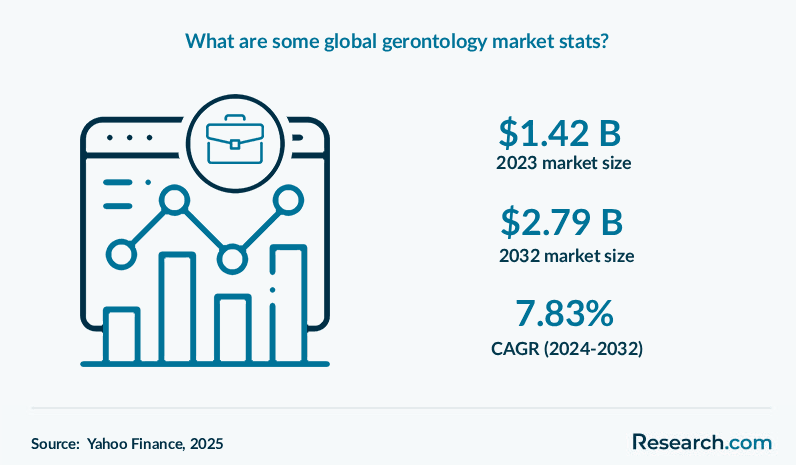
The broader gerontology market is also expanding. The global gerontology market was valued at USD 1.42 billion in 2023 and is projected to reach USD 2.79 billion by 2032, with a compound annual growth rate of 7.83%. In the United States, the market is expected to grow from USD 460 million in 2023 to USD 870 million by 2032. This growth is associated with population aging and demand for specialized services for older adults.
The demographic context is important: one in six people worldwide is expected to be over the age of 65 by 2050. Care delivery is also changing through AI-powered monitoring, telemedicine, and other technology-enabled services. Chronic conditions such as Alzheimer's and cardiovascular disease further increase the need for clinicians who understand aging, prevention, complex medication use, and long-term care coordination.
What prerequisites do online AG-PCNP graduate certificate programs require?
Most AG-PCNP certificates are not entry-level nursing programs. They are intended for nurses who already have graduate preparation and need focused coursework and clinical hours for an additional advanced practice population focus. Requirements vary by school, but reputable online nurse practitioner programs typically screen for academic readiness, licensure, and clinical preparation.
| Requirement | What it usually means | Why it matters |
| MSN or higher nursing degree | Most programs require an MSN or higher nursing credential from an accredited institution. | The certificate builds on prior graduate nursing coursework instead of repeating an entire degree. |
| Active RN license | Applicants generally need a current, unencumbered RN license, often in the state where clinicals will occur. | Licensure affects clinical placement, state authorization, and eligibility for advanced practice progression. |
| Minimum GPA | Many programs expect a cumulative GPA of 3.0 or higher in prior nursing coursework. | Graduate certificate coursework is compressed and clinically demanding. |
| Clinical experience | Some programs prefer or require at least one year of full-time RN clinical experience, often in adult, medical-surgical, ICU, or related settings. | Prior experience helps students handle advanced assessment, diagnosis, and management responsibilities. |
| Graduate prerequisite courses | Schools may require advanced pathophysiology, advanced pharmacology, and advanced physical assessment. | Missing courses can increase time, cost, and credit requirements. |
| Recommendations and statement | Applicants may submit letters of recommendation and a personal statement describing goals and fit. | These materials help faculty evaluate readiness for a new advanced practice role. |
Before applying, request a written gap analysis if the school offers one. A gap analysis can clarify which previous graduate courses count, which courses must be repeated, and how many clinical hours you must complete.
What courses are included in an online AG-PCNP graduate certificate?
An online AG-PCNP certificate is usually narrow and clinically focused. Instead of broad undergraduate nursing content, students study advanced assessment, disease processes, prescribing principles, primary care management, health promotion, and supervised clinical practice for adults and older adults.
- Advanced Pathophysiology: Covers disease mechanisms across body systems and supports diagnostic reasoning.
- Advanced Pharmacology: Focuses on medication selection, prescribing, monitoring, safety, and therapeutic decision-making for adult and older-adult patients.
- Advanced Health Assessment: Develops skills in comprehensive histories, physical exams, differential diagnosis, and risk assessment.
- Primary Care of the Adult & Older Adult: Addresses management of common acute and chronic conditions across the adult lifespan.
- Clinical Practicum: Provides supervised patient-care experience, typically 500–600+ hours, depending on the program and gap analysis.
- Health Promotion and Disease Prevention: Teaches evidence-based prevention, screening, counseling, and wellness planning.
- Role Concepts and Transitions: Explores credentialing, reimbursement, professional accountability, and transition into advanced practice.
The best certificates combine rigorous online didactic work with enough clinical exposure to build competence. This is similar to how the best online environmental engineering degree programs pair technical coursework with applied projects; AG-PCNP education must connect classroom knowledge to real patients and supervised clinical decision-making.
An AG-PCNP certificate is also different from broader Masters in Gerontology online degrees. Gerontology programs may focus on aging services, policy, research, or administration, while AG-PCNP certificates prepare licensed nurses for advanced clinical primary care practice.
What specializations can AG-PCNP graduates pursue?
Adult-gerontology primary care is already a defined advanced nursing specialty, but graduates can shape their practice around particular patient populations, care settings, and chronic disease needs.
- General adult primary care: Provides prevention, wellness visits, chronic disease management, medication monitoring, and routine primary care for adults.
- Geriatric primary care: Focuses on older adults, frailty, multimorbidity, polypharmacy, falls, cognition, care transitions, and long-term care needs.
- Specialty outpatient clinics: Applies adult primary care knowledge in cardiology, endocrinology, pulmonology, orthopedics, and similar settings.
- Palliative and hospice care: Supports symptom management, quality of life, family communication, and end-of-life planning.
- Acute-care-adjacent roles: Nurses drawn to hospital-based complexity should compare AG-PCNP preparation with acute care nurse practitioner programs online, because primary care and acute care credentials are not interchangeable.
How should you choose the best online AG-PCNP graduate certificate?
Choosing an AG-PCNP certificate is a licensure and career decision, not simply an academic purchase. The right program should match your current credentials, your state’s rules, your preferred patient population, and your ability to complete clinical hours on time.
| Decision factor | Choose this program if... | Be cautious if... |
| Accreditation | The program is accredited by CCNE or ACEN and clearly states certification preparation. | The school is vague about accreditation or cannot explain certification eligibility. |
| Clinical placement support | Faculty arrange sites or provide strong documented support. | You must find every preceptor alone with limited school assistance. |
| State authorization | The school confirms in writing that it can enroll you and place you clinically in your state. | The admissions team gives only general answers about licensure or clinical eligibility. |
| Program length | The timeline fits your work schedule, family responsibilities, and certification goals. | The program appears short but requires more weekly hours than you can realistically manage. |
| Campus requirements | You can attend any intensives, simulations, or assessment checkoffs without major disruption. | Travel costs or mandatory dates conflict with work obligations. |
| Certification outcomes | The school shares certification exam preparation details and available pass-rate information. | Pass-rate information is unavailable or not tied to the specific AG-PCNP track. |
Students comparing certificate options should use the same level of scrutiny they would apply to best online DNP adult-gerontology acute care NP programs: verify accreditation, confirm clinical requirements, and make sure the credential matches the care setting where they want to practice.
If you are still mapping the full career path, review Research.com’s guide on how to become an adult gerontology nurse practitioner.
Questions to ask before applying
- Does this certificate meet educational requirements for AG-PCNP certification through the exam body I plan to use?
- Can the school place students for clinicals in my state?
- Who is responsible for finding preceptors?
- How many campus visits, simulations, or intensives are required?
- Will my prior graduate courses reduce the number of credits or clinical hours I need?
- What is the total cost after fees, books, travel, compliance requirements, and clinical expenses?
- Can I continue working full-time during clinical semesters?
Common mistakes to avoid
- Choosing only by tuition: A low per-credit rate may not mean low total cost if the program requires more credits, travel, or extra fees.
- Ignoring clinical placement policies: A convenient online format can become stressful if you cannot secure an approved preceptor.
- Assuming online means fully remote: Many online or hybrid NP programs require campus intensives, simulations, or in-person skills assessments.
- Skipping state authorization checks: A school may be accredited but still unable to place students in every state.
- Confusing primary care and acute care: AG-PCNP preparation is not the same as adult-gerontology acute care preparation.
- Assuming salary outcomes are guaranteed: Pay depends on location, employer, experience, scope of practice, and specialty setting.
What jobs can you pursue after an online AG-PCNP graduate certificate?
An AG-PCNP graduate certificate can prepare qualified nurses for advanced practice roles serving adults and older adults in primary care and related settings. Actual eligibility depends on certification, state licensure, scope-of-practice rules, and employer requirements.
- Primary Care Provider: Delivers continuous care in clinics or private practices, including wellness visits, chronic disease management, and routine follow-up.
- Community Health Nurse Practitioner: Serves patients in community health centers, rural clinics, and underserved areas.
- Geriatric Case Manager: Coordinates care plans for older adults with multiple chronic conditions and complex transitions.
- Long-Term Care Specialist: Works in skilled nursing facilities or assisted living settings with older adults who need ongoing management.
- Home Health Nurse Practitioner: Provides care for homebound patients and supports individualized care planning.
- Hospice and Palliative Care NP: Manages symptoms and supports patients and families during serious illness or end-of-life care.
- Hospital Outpatient Clinic Provider: Manages follow-up, chronic disease care, and post-discharge needs in hospital-affiliated clinics.
- Specialty Clinic Provider: Collaborates with specialists in areas such as cardiology, endocrinology, or pulmonology.
- Correctional Facility Nurse Practitioner: Provides primary and chronic care services in jail or prison health systems.
- Corporate Wellness Provider: Offers preventive care, risk reduction, and wellness services in employer-sponsored programs.
- Telehealth Nurse Practitioner: Delivers remote primary care and chronic care management, especially for patients with access barriers.
- Rehabilitation Center NP: Cares for patients recovering from surgery, illness, or injury.
- Academic Clinical Instructor: Teaches and mentors nursing students in clinical settings.
How much can you earn with an online AG-PCNP graduate certificate?
An AG-PCNP certificate can support movement into an advanced practice nursing role, which often pays more than traditional RN roles. However, earnings are not guaranteed. Compensation varies by employer, state, specialty, experience, scope of practice, patient setting, and whether the role includes bonuses or productivity incentives.
General salary estimates in the original data show entry-level AG-PCNP salaries in the range of $105,000 to $120,000 annually, experienced nurse practitioner salaries from $120,000 to $140,000, and senior or specialized roles above $145,000. These ranges should be treated as planning estimates rather than promises.
PayScale salary data from 2025 shows several related role averages. An assistant professor in postsecondary or higher education earns an average of $89,169. A cardiovascular advanced registered nurse practitioner (ARNP) averages $105,000. A certified registered nurse practitioner (CRNP) averages $108,478, while an adult-gerontology nurse practitioner (AGNP) averages $109,040. A family nurse practitioner (NP) averages $109,467, and a hospitalist nurse practitioner (NP) averages $111,693.
The same data shows an adult nurse practitioner (ANP) average of $112,287, an acute care nurse practitioner (ACNP) average of $115,206, a general nurse practitioner (NP) average of $115,347, an advanced registered nurse practitioner (ARNP) average of $116,057, an advanced practice registered nurse (APRN) average of $120,000, and a women's health nurse practitioner (NP) average of $135,200. For comparison, broader gerontologist salary patterns also vary by role, credential, and work setting.
Outside direct nursing practice, the data lists an information technology (IT) consultant average of $162,000, a medical science liaison average of $165,000, and a vice president (VP), quality average of $185,000. These higher-paying examples reflect leadership, consulting, and technical roles rather than typical entry-level AG-PCNP positions.
The key takeaway from these salary comparisons is that advanced clinical specialization can improve earning potential, but the highest figures often require additional leadership responsibilities, specialized experience, or movement into nontraditional healthcare business roles.
What is the job outlook for AG-PCNP certificate graduates?
The job market for nurse practitioners is strong, and adult-gerontology primary care is closely tied to long-term healthcare needs in an aging population. AG-PCNPs may find opportunities in primary care clinics, long-term care, community health, telehealth, specialty outpatient settings, and care coordination roles.
- Aging population: More older adults means greater need for clinicians who can manage chronic illness, medication complexity, cognitive concerns, mobility issues, and preventive care.
- Primary care access gaps: Nurse practitioners help expand care access, especially in rural and underserved areas.
- Broader practice authority: In many states, nurse practitioners have expanded authority, increasing demand for advanced practice clinicians.
- Multiple care settings: AG-PCNPs are not limited to private practices; they may work in home health, long-term care, community clinics, telehealth, and specialty practices.
- Connection to gerontology careers: The patient population served by AG-PCNPs overlaps with many careers in gerontology, though the AG-PCNP role is a licensed clinical nursing pathway.
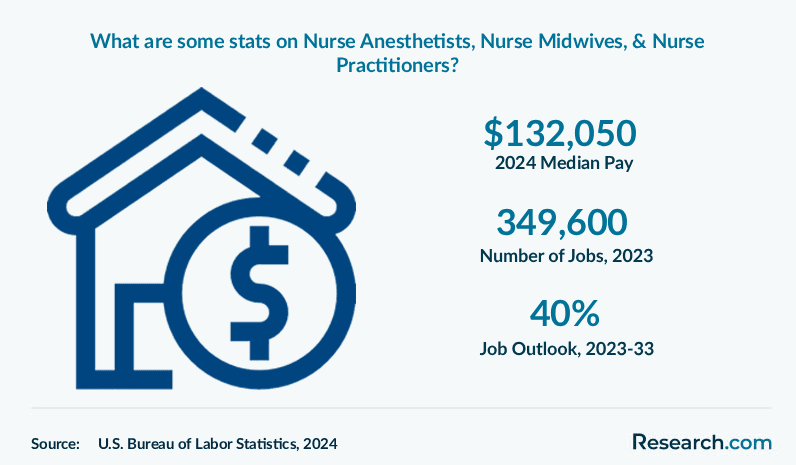
According to 2024 U.S. Bureau of Labor Statistics data, nurse anesthetists, nurse midwives, and nurse practitioners had median pay of $132,050 per year, or $63.48 per hour. A master's degree is the typical entry-level education listed for these roles, and the BLS entry states no prior work experience or on-the-job training is required. The field had 349,600 jobs in 2023.
The BLS projects job growth of 40% from 2023 to 2033, described as much faster than average, with an employment change of 141,200 new jobs. These figures reflect the broader advanced practice nursing category, not AG-PCNPs alone, but they show strong demand for advanced nursing providers.
What trends are shaping adult-gerontology primary care?
Adult-gerontology primary care is changing as healthcare systems respond to aging demographics, chronic disease, technology adoption, and value-based care expectations. Nurses choosing this specialty should expect the role to keep evolving.
- Telehealth and remote monitoring: Virtual visits, home monitoring devices, and electronic health records are increasingly part of chronic disease management and follow-up care.
- AI-supported care tools: AI-powered monitoring and decision-support tools may help identify risk patterns, but clinicians remain responsible for judgment, patient communication, and safe care decisions.
- Social determinants of health: Housing, nutrition, transportation, social isolation, and caregiver support strongly affect adult and older-adult health outcomes.
- Palliative and end-of-life care: AG-PCNPs are increasingly involved in serious illness conversations, symptom management, and care planning.
- Preventive and value-based care: Healthcare systems are emphasizing prevention, wellness, screening, medication review, and chronic disease control.
- Age-friendly care models: Many organizations use the "4Ms" framework for age-friendly care: Mentation, Medication, Mobility, and what Matters most to the patient.
Certification patterns also show how nurse practitioner specialties are distributed. In 2024, the American Academy of Nurse Practitioners Certification Board reported 221,796 certificants across nurse practitioner specialties. Family Nurse Practitioner (FNP) was the largest group with 190,323 certificants. Adult-Gerontology Nurse Practitioner (AGNP) followed with 21,510 certificants.
Other reported specialties included Adult Nurse Practitioner (ANP) with 7,152 certificants, Emergency Nurse Practitioner (ENP) with 2,074 certificants, Psychiatric-Mental Health Nurse Practitioner (PMHNP) with 584 certificants, and Gerontology Nurse Practitioner (GNP) with 153 certificants.
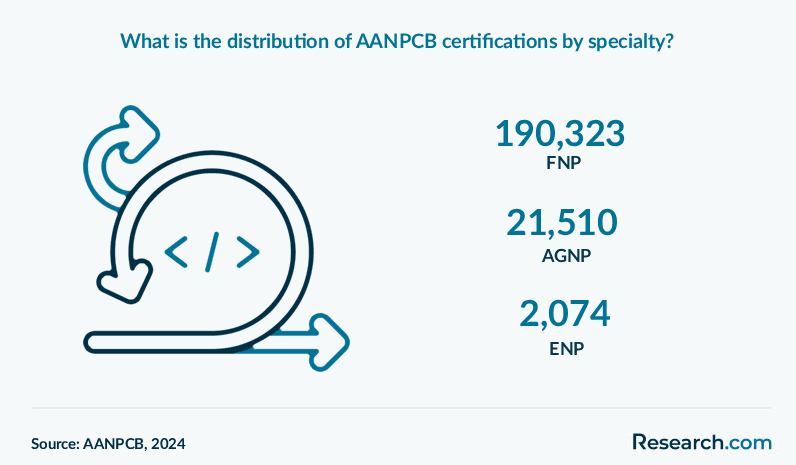
These figures show that FNP remains the dominant certification category, while AGNP represents a smaller but significant specialty group. For nurses committed to adult and older-adult care, that smaller specialty focus can be an advantage when applying to roles that require geriatric knowledge, chronic care management, and age-friendly practice.
What graduates say about online Adult-Gerontology PCNP graduate certificate programs
-
: "Completing my AG-PCNP certificate online made the transition possible while I was still working as a nurse. The flexible schedule helped me manage shifts and coursework, and faculty guidance during clinical preparation made me more confident with older-adult care. By the time I moved into my new role, I felt ready for the responsibility.
Eris"
-
: "I expected online learning to feel isolated, but the program created more connection than I anticipated. Discussion boards, virtual study groups, and regular faculty interaction helped me stay engaged. Passing the certification exam on my first attempt confirmed that the coursework had prepared me well.
Aldwin"
-
: "Clinical placement support made the biggest difference for me. The coordinators helped me find a setting that matched my goals, and my preceptor gave me the kind of real-world guidance I needed. The certificate opened career options I had not seriously considered before.
Sally"
What challenges should you expect in an online AG-PCNP certificate?
The biggest challenge in an online AG-PCNP certificate is usually not watching lectures or completing assignments. It is coordinating clinical hours, preceptors, state requirements, work schedules, and certification readiness at the same time. Online flexibility helps, but it does not remove the intensity of advanced practice training.
- Clinical placement uncertainty: Some programs arrange placements, while others expect students to secure sites with faculty approval.
- Time pressure: Clinical semesters may require fewer work hours, especially if rotations occur during standard business hours.
- Limited in-person interaction: Students who learn best through live discussion may need to seek programs with synchronous sessions, intensives, or strong cohort support.
- State authorization limits: A program may not be able to accept students or place clinicals in every state.
- Certification alignment: Students must confirm that coursework and clinical hours meet the requirements for their intended certification and licensure pathway.
Nurses who are earlier in their education journey and still building foundational clinical preparation may find it useful to compare accelerated entry routes such as the best ABSN programs. Those programs serve a different audience, but they can help prospective nurses understand how intensive online or hybrid clinical education is structured.
How can an online AG-PCNP certificate accelerate a nursing career?
An online AG-PCNP certificate can speed up career advancement for nurses who already have graduate nursing education because it focuses only on the additional coursework and clinical preparation needed for the adult-gerontology primary care population focus. It may reduce duplicated coursework compared with earning a second full graduate degree.
This pathway is most useful for nurses who already know they want adult and older-adult primary care, have the licensure and graduate background required for admission, and can complete clinical hours without leaving the workforce entirely. It is less useful for nurses who need an entry-level nursing credential, want acute care rather than primary care, or are unsure whether their state will recognize the program for licensure.
Students evaluating accelerated healthcare pathways can also compare broader nursing education options, including easy ABSN nursing programs, though ABSN programs are designed for a different stage of nursing preparation.
Additional Research.com resources for comparing online programs
Some readers compare AG-PCNP certificates with other online career pathways to understand workload, cost, and credential value. The core decision principles are similar across fields: check accreditation or industry recognition, calculate total cost, understand practical training requirements, and avoid choosing based on speed alone.
Key Insights
- An online AG-PCNP graduate certificate is best suited for nurses who already hold an MSN or higher nursing degree and want focused preparation for adult-gerontology primary care.
- Accreditation, certification eligibility, state authorization, and clinical placement support are more important than online convenience alone.
- Published tuition varies widely among listed programs, from $288.16/credit to $2,250/credit, and students should calculate total cost after fees, clinical expenses, travel, and lost work hours.
- Clinical placement can make or break the online experience. Ask whether the school arranges sites, helps identify preceptors, or leaves most of the search to students.
- AG-PCNP and adult-gerontology acute care are different pathways. Choose primary care if you want prevention, chronic disease management, and outpatient continuity of care; compare acute care options if you want hospital-based management of complex acute illness.
- Salary and job outlook data for advanced practice nursing are strong, but individual outcomes depend on location, employer, experience, specialty, scope-of-practice rules, and certification.
- Trends such as telehealth, remote monitoring, AI-supported tools, age-friendly care, and social determinants of health are changing how AG-PCNPs deliver care to adults and older adults.
References:
- American Academy of Nurse Practitioners Certification Board. (2024). 2024 AANPCB annual report. American Academy of Nurse Practitioners Certification Board.
- Centers for Disease Control and Prevention. (2025, June 18). Births in the United States, 2024: Data from the National Vital Statistics System [Press release]. Centers for Disease Control and Prevention.
- PayScale. (2025). Adult Nurse Practitioner (ANP) certification salary. PayScale.
- PayScale. (2025). Gerontological Nurse Practitioner (GNP) certification salary. PayScale.
- Yahoo Finance. (2025, July 22). Gerontology market set to reach USD 2.79 billion by 2032 amid aging population and advances in elderly care. Yahoo Finance.
- U.S. Bureau of Labor Statistics. (2024, April 16). Nurse anesthetists, nurse midwives, and nurse practitioners. U.S. Department of Labor.
Other Things You Should Know About Online AG-PCNP Graduate Certificates
To choose the best program, consider accreditation, curriculum relevance, faculty expertise, and clinical placement opportunities. Research each program's success rates and alumni feedback. Comparing tuition costs and financial aid options can also help you make an informed decision about the best fit for your educational and career goals.
Admission requirements typically include a BSN or MSN from an accredited institution, an active RN license, a minimum GPA (often around 3.0), and professional references. Some programs might also require prior clinical experience and a personal statement outlining your career goals.
A 2027 online Adult-Gerontology PCNP Graduate Certificate Program typically includes coursework focusing on advanced pathophysiology, pharmacology, and health assessment. Programs often require clinical hours for practical experience but may not include a capstone project, allowing for a more flexible timeline.