
2027 Most Affordable Online Women's Health Nurse Practitioner Graduate Certificate Programs

Co-Founder and Chief Data Scientist
Choosing an affordable online Women’s Health Nurse Practitioner (WHNP) graduate certificate is not just a tuition comparison. You are deciding whether a program will meet certification expectations, support clinical placement, fit your state’s licensure rules, and help you move into advanced women’s and gender-related healthcare without taking on unnecessary cost.
This guide is for MSN-prepared nurses and advanced practice nurses who want to add a WHNP specialization through an online or hybrid post-graduate certificate. It explains what these programs include, how to compare low-cost options, what admissions and clinical requirements to expect, how salaries and job outlook look for WHNPs, and which mistakes can make an “affordable” program more expensive than it first appears.
Use this article as a decision guide: shortlist programs, verify accreditation and certification alignment, compare total cost instead of headline tuition, and ask the right questions before enrolling.
Quick answer: What is the most affordable online WHNP graduate certificate path?
The most affordable online WHNP graduate certificate is usually a post-master’s certificate from an accredited nursing school that accepts your prior graduate coursework, has transparent tuition and fee information, prepares students for the National Certification Corporation WHNP exam, and offers realistic clinical placement support in your state. The lowest tuition is not always the best value if the program has limited state authorization, unclear practicum requirements, or weak certification preparation.
Most WHNP certificate programs are built for nurses who already hold an MSN and an active RN license. Many take about 1.5 to 2 years, include advanced women’s health coursework, and require supervised clinical hours before graduation.
Who should consider an online WHNP graduate certificate?
An online WHNP graduate certificate can make sense if you already have graduate nursing preparation and want a focused pathway into women’s health, reproductive health, prenatal and postpartum care, gynecologic care, preventive screening, contraception counseling, menopause support, fertility-related care, or gender-related health services.
This path is usually best for nurses who want to:
- Add a specialty without completing another full MSN: A certificate may be shorter than a second graduate degree if you already meet the foundational advanced practice requirements.
- Work while studying: Online and hybrid formats can reduce relocation and commuting demands, although clinical hours still require in-person practice.
- Prepare for national WHNP certification: Strong programs align coursework and practicum expectations with certification eligibility.
- Move into women’s health-focused advanced practice: Graduates may work in OB/GYN clinics, women’s health practices, community health centers, hospitals, telehealth, and related settings.
Benefits of earning an online Women's Health Nurse Practitioner graduate certificate
- Focused career direction: WHNP training prepares nurses for advanced practice roles centered on women’s and gender-related health across the lifespan.
- Competitive compensation potential: WHNP salaries vary by experience, location, employer, and scope of practice, but the role can offer strong earning potential compared with many nursing positions.
- Flexible access to graduate education: Online coursework can help working nurses complete didactic requirements while maintaining employment, though clinical experiences must still be completed in approved healthcare settings.
- Practical specialization: A certificate can be a targeted option for nurses who do not need another full degree but do need the coursework and clinical preparation for a new specialty.
What can I expect from an online women's health nurse practitioner graduate certificate program?
Online WHNP graduate certificates combine advanced nursing theory, women’s health content, clinical decision-making, and supervised practicum hours. Coursework is often online, but clinical training is completed in person with approved preceptors. Some programs also require campus visits, intensives, live seminars, or skills-based sessions.
| Program component | What it usually includes | Why it matters |
| Advanced clinical coursework | Advanced assessment, pharmacology, pathophysiology, diagnostic reasoning, and women’s health management | Builds the clinical foundation needed for safe advanced practice |
| Women’s health specialization | Reproductive, gynecologic, prenatal, postpartum, primary care, menopause, family planning, and gender-related health topics | Aligns the certificate with WHNP practice responsibilities |
| Clinical practicum | Supervised hands-on hours in approved women’s health or related clinical settings | Supports competency development and may affect certification and licensure eligibility |
| Certification preparation | Curriculum intended to prepare graduates for the National Certification Corporation WHNP-BC exam | Helps students move from coursework to professional credentialing |
| Online learning support | Learning management systems, virtual discussions, instructor feedback, and sometimes live sessions | Determines whether the online format is manageable for working nurses |
Where can I work with an online women's health nurse practitioner graduate certificate?
A WHNP certificate can support advanced practice roles in settings where patients need reproductive, gynecologic, preventive, prenatal, postpartum, and gender-related healthcare. Exact practice authority depends on state licensure rules, certification status, employer policies, and prior education.
- Hospitals and health systems: WHNPs may work in women’s health clinics, OB/GYN departments, specialty clinics, prenatal and postpartum units, and related hospital-based services.
- Ambulatory care centers: Outpatient settings often use WHNPs for preventive services, assessments, follow-up care, and specialty women’s health visits.
- Private practices and specialty clinics: OB/GYN offices, fertility practices, family planning clinics, and women’s primary care practices may employ WHNPs.
- Community health centers: WHNPs can help expand access for patients in underserved communities, including rural and urban areas with provider shortages.
- Telehealth and digital care: Some WHNP services can be delivered through virtual care models when allowed by state regulations and clinical appropriateness.
- Education, advocacy, and leadership: Experienced WHNPs may move into teaching, program leadership, policy, quality improvement, or healthcare administration roles.
How much can I make with an online Women's Health Nurse Practitioner Graduate Certificate qualification?
The average salary for a Women's Health Nurse Practitioner (WHNP) in 2025 is $104,994 per year. Entry-level WHNPs with less than one year of experience earn an average total compensation of $92,058. Salaries typically increase with experience and vary by state:
- Entry Level (less than 1 year experience): $92,058
- Early Career (1-4 years): $91,000
- Mid Career (5-9 years): $97,000
- Late Career (10-19 years): $103,790
- Experienced (20+ years): $117,284
Salary should not be treated as guaranteed. Your actual pay can depend on location, employer type, years of experience, certification, state scope-of-practice rules, call requirements, patient population, and whether the role is primarily clinical, administrative, academic, or telehealth-based.
- Affordable online Women's Health Nurse Practitioner graduate certificate programs for 2027
- Coursework in an affordable online WHNP graduate certificate program
- Admission requirements for online WHNP graduate certificate programs
- How to tell whether a WHNP curriculum fits your career goals
- Scholarships, grants, and financial aid for online WHNP certificates
- Career prospects for WHNP graduate certificate holders
- Salary expectations after an affordable online WHNP graduate certificate
- Accreditation, regulation, and certification readiness
- Student support and career resources in affordable online WHNP programs
- Whether direct entry nurse practitioner programs are an alternative
- How employers view online WHNP graduate certificates
- Job outlook and employment trends for WHNP certificate holders
- Technology requirements for online WHNP certificate students
- Industry trends shaping the future of WHNP practice
Affordable Online Women's Health Nurse Practitioner Graduate Certificate Programs for 2027
How do we rank schools?
Because a graduate certificate can affect certification eligibility, licensure, clinical placement, and long-term career options, affordability must be evaluated alongside quality and transparency. Our ranking methodology uses data from established education sources, including:
- the IPEDS database
- Peterson's database, including the Distance Learning Licensed Data Set
- the College Scorecard database
- the National Center for Education Statistics
The programs below should be used as a starting point. Before applying, confirm tuition, fees, state authorization, clinical placement rules, accreditation, and whether the program meets certification and licensure expectations in the state where you plan to practice.
1. Arizona State University
Arizona State University offers a Women’s Health Nurse Practitioner Graduate Certificate in a hybrid online format for nurses who want advanced preparation in women’s health. The program focuses on care across the lifespan, including reproductive, gynecologic, prenatal, and primary care services in settings such as hospitals, community clinics, and specialty practices.
The curriculum emphasizes evidence-informed practice, prevention, health promotion, cultural competence, and clinical leadership. Students complete online coursework along with required in-person and community-based practicum experiences. Clinical training is designed to help students apply advanced assessment, diagnosis, and management skills with real patients.
- Program Length: Varies (typically 1.5-2 years)
- Tracks/Concentrations: Women’s Health Nurse Practitioner
- Tuition Cost: Arizona resident or non-resident online tuition: $4,235/year
- Required Credits to Graduate: 23 credit hours (core didactic); 14 credit hours (630 clock hours) of practicum experiences in a community setting
- Accreditation: Commission on Collegiate Nursing Education (CCNE)
2. Carlow University
Carlow University provides an online Post-Master’s Certificate for Women’s Health Gender-Related Nurse Practitioner students who already hold an MSN and want to qualify for advanced women’s health practice. Graduates are prepared for roles in OB/GYN offices, hospital clinics, prenatal and postpartum units, and community-based health settings serving both urban and rural populations.
The program covers well-woman exams, screenings, contraception, adolescent care, menopausal health, pregnancy testing, fertility evaluation, prenatal services, and post-pregnancy care. Its online format is intended for working nurses who need flexibility while completing the academic and clinical requirements of the certificate.
- Program Length: 2 years
- Tracks/Concentrations: Women’s Health Nurse Practitioner
- Tuition Cost: $918 per credit (approx. $32,130 total)
- Required Credits to Graduate: 35 credits
- Accreditation: Commission on Collegiate Nursing Education (CCNE)
3. Drexel University
Drexel University offers an online Women’s Health/Gender Related Nurse Practitioner Post-Master’s Certificate for nurses with an MSN who want specialized training in reproductive, gynecologic, and gender-related health. The curriculum includes well-woman care, prenatal and postpartum management, prevention, and the treatment of common and complex women’s health conditions.
The program combines online coursework with required clinical experiences so students can develop practical competency while maintaining professional responsibilities. Graduates may use the certificate to pursue advanced-practice clinical work, education, research, or leadership roles in multidisciplinary healthcare environments.
- Program Length: Varies (typically 1.5-2 years)
- Tracks/Concentrations: Women’s Health/Gender Related Nurse Practitioner
- Tuition Cost: $1,134 per credit (approx. $41,958 total for 37 credits)
- Required Credits to Graduate: 37 credits
- Accreditation: Commission on Collegiate Nursing Education (CCNE)
4. Frontier Nursing University
Frontier Nursing University offers a Women’s Health Care Nurse Practitioner Post-Graduate Certificate for MSN-prepared nurses who want to add WHNP certification preparation. The program is primarily online, with two short on-campus stays for intensive learning experiences. Clinical practicum requirements are arranged in the student’s home community when possible.
The certificate emphasizes evidence-based care, clinical scholarship, leadership, and evaluation. Students may choose full-time or part-time study, making the program more adaptable for nurses balancing work and family responsibilities. Frontier’s mission also places attention on rural and underserved communities, access to care, and health equity.
- Program Length: Varies (typically 1.5-2 years)
- Tracks/Concentrations: Women’s Health Care Nurse Practitioner
- Tuition Cost: $27,495 total
- Required Credits to Graduate: 39 credits
- Accreditation: Accreditation Commission for Education in Nursing (ACEN)
5. Georgia College & State University
Georgia College & State University offers an online Post-Master’s Certificate in Women’s Health Nurse Practitioner for MSN-prepared nurses seeking WHNP certification preparation. The program is delivered online with limited on-campus requirements and is structured for working professionals who want to advance in women’s health clinical practice.
Students study reproductive health, primary care, prevention, health promotion, technology use, and evidence-based practice. Clinical rotations must be completed in Georgia with approved preceptors, and the School of Nursing assists students with clinical placement. Coursework must be completed within seven years.
- Program Length: Varies (typically 1.5-2 years)
- Tracks/Concentrations: Women’s Health Nurse Practitioner
- Tuition Cost: $382.00/credit hour
- Required Credits to Graduate: 40 credits; 675 clinical hours
- Accreditation: Commission on Collegiate Nursing Education (CCNE)
6. Georgetown University
Georgetown University offers a distance-based online Post-Graduate Certificate in Women’s Health Nurse Practitioner for nurses seeking advanced preparation in holistic and person-centered women’s health care. The curriculum integrates advanced clinical skills, leadership, evidence-based practice, health equity, and culturally responsive care.
Students complete online coursework and clinical experiences arranged in their local communities. The program is intended to prepare graduates for the national WHNP certification exam and for advanced roles in care delivery, policy, advocacy, and leadership.
- Program Length: Varies (typically 1.5-2 years)
- Tracks/Concentrations: Women’s Health Nurse Practitioner
- Tuition Cost: $2,652.00 per credit hour (approx. $58,344 total for 22 credits)
- Required Credits to Graduate: 19 minimum credits, 650 clinical hours
- Accreditation: Commission on Collegiate Nursing Education (CCNE)
7. Kent State University
Kent State University offers a hybrid Women’s Health Nurse Practitioner Graduate Certificate for MSN-prepared nurses. The program is mostly asynchronous, with live online sessions twice a month for seminars, case reviews, and discussion-based learning. No campus visits are required.
Students complete advanced coursework in assessment, prevention, health promotion, and management of women’s health conditions, along with clinical hours in community settings. The program is part-time and can be completed in approximately 20 months.
- Program Length: Approximately 20 months
- Tracks/Concentrations: Women’s Health Nurse Practitioner
- Tuition Cost: Approximately $13,700 total program cost
- Required Credits to Graduate: 30 credit hours
- Accreditation: Commission on Collegiate Nursing Education (CCNE)
8. Texas Woman’s University
Texas Woman’s University offers an online Post-Master’s Certificate: Nurse Practitioner (Women’s Health) for MSN-prepared nurses. The program is currently limited to Texas residents only, so applicants outside Texas should verify eligibility before applying.
The curriculum includes well-woman care, high-risk prenatal management, family planning, menopause care, and fertility-related services. Applicants must have completed graduate-level physical assessment, pharmacology, and pathophysiology before admission. A final oral examination of the completed professional or clinical project is required, subject to change.
- Program Length: Varies (typically 1.5-2 years)
- Tracks/Concentrations: Women’s Health Nurse Practitioner
- Tuition Cost: $5,184 (9 hours per semester)
- Required Credits to Graduate: 45 semester credit hours
- Accreditation: Commission on Collegiate Nursing Education (CCNE)
9. University of Colorado - Denver
The University of Colorado - Denver offers a Post-Graduate Certificate Women’s Health Nurse Practitioner program in a hybrid online format. It is designed for nurses with a master’s degree who want to specialize in sexual, reproductive, and gender-affirming care. Most coursework is online, with some required in-person experiences on the CU Anschutz Campus.
The program can be completed in approximately 1.5 years (4 semesters). Clinical placements are arranged for students in Denver or Aurora, giving students supervised experience in clinics and hospitals. Graduates are prepared to sit for the national WHNP certification exam and pursue licensure in all 50 states.
- Program Length: 1.5 years (4 semesters)
- Tracks/Concentrations: Women’s Health Nurse Practitioner
- Tuition Cost: Estimated $19,625 (CO residents), $31,825 (nonresidents)
- Required Credits to Graduate: 12 credit hours of classroom learning; 540 clinical hours
- Accreditation: Higher Learning Commission (HLC)
10. University of Missouri-Kansas City
The University of Missouri-Kansas City offers a Post-MSN Women’s Health Nurse Practitioner Certificate in a blended format that combines online coursework with required campus visits. Applicants should confirm state authorization because the program is not authorized in every state.
The certificate prepares nurses to provide holistic, client-centered primary care for women across the lifespan, including gynecological, prenatal, and primary care. Students usually take one or two courses per semester and finish in 18 months to two years. The program also supports transition into the DNP program for students who want further doctoral study.
- Program Length: 18 months to 2 years
- Tracks/Concentrations: Women’s Health Nurse Practitioner
- Tuition Cost: $15,851.70 (estimated)
- Required Credits to Graduate: 18 credit hours
- Accreditation: Commission on Collegiate Nursing Education (CCNE)
| School | Format | Credits or clinical requirement stated | Cost detail stated | Key caution to verify |
| Arizona State University | Hybrid online | 23 credit hours; 14 credit hours and 630 clock hours of practicum | $4,235/year | In-person and practicum expectations |
| Carlow University | Online | 35 credits and 600 clinical hours | $918 per credit; approx. $32,130 total | Clinical site availability |
| Drexel University | Online | 37 credits | $1,134 per credit; approx. $41,958 total | Total fees and clinical logistics |
| Frontier Nursing University | Primarily online | 39 credits | $27,495 total | Two on-campus stays |
| Georgia College & State University | Online with minimal campus requirements | 40 credits; 675 clinical hours | $382.00/credit hour | Clinicals must be completed in Georgia |
| Georgetown University | Distance-based online | 19 minimum credits; 650 clinical hours | $2,652.00 per credit hour; approx. $58,344 total for 22 credits | Cost and local clinical placement |
| Kent State University | Hybrid, primarily asynchronous | 30 credit hours and 630 clinical hours | Approximately $13,700 total program cost | Live online sessions twice a month |
| Texas Woman’s University | Online | 45 semester credit hours | $5,184 (9 hours per semester) | Currently limited to Texas residents only |
| University of Colorado - Denver | Hybrid online | 12 credit hours; 540 clinical hours | Estimated $19,625 (CO residents), $31,825 (nonresidents) | Some campus requirements and Denver or Aurora placements |
| University of Missouri-Kansas City | Blended | 18 credit hours | $15,851.70 (estimated) | State authorization and campus visits |
What kind of coursework can I expect in an affordable online women's health nurse practitioner graduate certificate program?
WHNP graduate certificate coursework is designed to close the gap between prior graduate nursing preparation and specialized women’s health advanced practice. The strongest programs connect classroom content to clinical decision-making, certification preparation, and supervised patient care.
If you are comparing graduate education outside nursing, reviewing affordable online master’s programs in industrial engineering can help you see how program length, tuition structure, and career alignment differ across fields. For WHNP students, however, clinical placement, state authorization, and certification readiness are the more important comparison points.
Common courses and learning areas include:
- Advanced practice nursing foundations: Covers the responsibilities of advanced practice nurses, patient safety, care coordination, professional standards, and healthcare delivery systems.
- Advanced medical terminology: Reinforces the clinical vocabulary, abbreviations, and documentation language used in advanced women’s health settings.
- Advanced anatomy and physiology: Develops deeper understanding of body systems relevant to advanced assessment, diagnosis, and treatment planning.
- Advanced pathophysiology: Examines disease processes and how they affect women’s and gender-related health across the lifespan.
- Advanced pharmacology: Focuses on prescribing, medication management, monitoring, safety, and patient education for different clinical populations.
- Advanced health assessment: Builds skills in comprehensive physical, reproductive, psychosocial, and preventive assessment.
- Primary care of women and gender-related health: Covers prevention, acute and chronic condition management, reproductive care, gynecologic health, prenatal care, and lifespan-focused services.
- Diagnostic reasoning and clinical decision-making: Teaches students to evaluate symptoms, interpret findings, prioritize differential diagnoses, and create safe treatment plans.
- Quality, regulation, and advanced practice standards: Explores compliance, quality improvement, professional accountability, and the regulatory environment affecting WHNP practice.
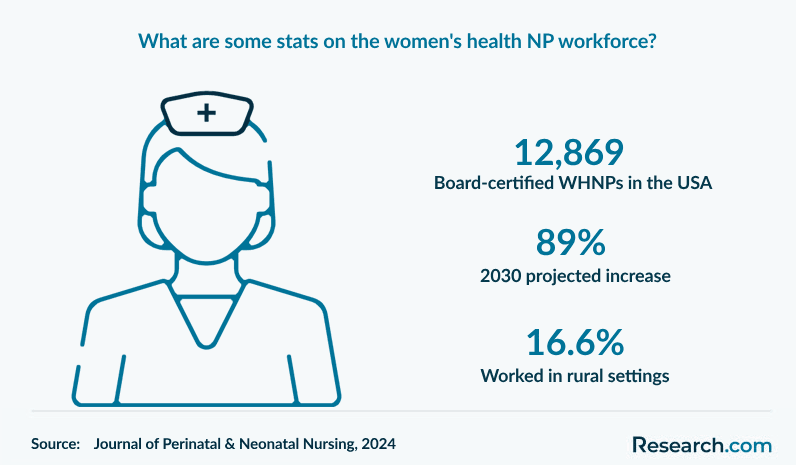
According to a 2024 study in the Journal of Perinatal & Neonatal Nursing, there are currently 12,869 board-certified women's health nurse practitioners (WHNPs) in the United States. The Health Resources and Services Administration (HRSA) predicts a substantial 89% increase in the number of WHNPs by 2030. This projected growth comes as the number of obstetricians and gynecologists is expected to decline by 7% by 2030, despite an anticipated 4% increase in demand for these services.
The 2018 Women’s Health Nurse Practitioner Workforce Survey found that 16% of WHNPs provided inpatient care, including antepartum, postpartum, and gynecologic services. Although many WHNPs practiced in urban and suburban settings, 16.6% worked in rural areas. At the same time, only 27 states, the District of Columbia, and 2 U.S. territories have adopted full practice authority for nurse practitioners.
If you want a nursing specialty that focuses more broadly on organizing patient services across settings, affordable MSN care coordination online programs may be worth comparing with WHNP certificates. WHNP programs are more clinically specialized, while care coordination programs often focus on systems, transitions, and patient navigation.
What are the prerequisites for admission to online women's health nurse practitioner graduate certificate programs?
Most online WHNP graduate certificate programs are not entry-level nursing programs. They are designed for nurses who already have graduate nursing education and are ready to complete specialty coursework and clinical training. Requirements vary by school, so always confirm the details before applying.
If you are still earlier in your nursing pathway, options such as affordable paramedic to RN online bridge programs may be more appropriate than a WHNP certificate. A WHNP post-graduate certificate usually comes after RN preparation and graduate nursing education.
Typical admission requirements include:
- Master of Science in Nursing (MSN): Most programs require an MSN from an accredited college or university.
- Active RN license: Applicants usually need a current, unencumbered RN license, often in the state where they will complete clinical requirements.
- Minimum GPA: Many schools expect a 3.0 GPA or higher in prior nursing coursework.
- Prior advanced practice courses: Some programs require graduate-level advanced health assessment, advanced pharmacology, and advanced pathophysiology before admission or before specialty courses.
- Technology readiness: Students need reliable internet access, appropriate computer equipment, and comfort using online learning platforms.
- English language proficiency: Programs may require proof of English proficiency when applicable.
- Background check, immunizations, and clinical clearance: These are commonly required before students can begin practicum placements.
Applicants comparing WHNP certificates with other nurse practitioner options can also review accelerated NP programs, but speed should not outweigh certification alignment, clinical quality, and state approval.
How can I ensure that the curriculum of an affordable online women's health nurse practitioner graduate certificate program is relevant to my career goals?
A WHNP certificate is only useful if it prepares you for the role you actually want. Before enrolling, compare the curriculum with your intended practice setting, certification goal, state licensure requirements, and the patient populations you plan to serve. If you are still deciding between women’s health and family primary care, compare WHNP certificates with online nurse practitioner programs that offer broader family-focused tracks.
| Question to ask | Why it matters | What to look for |
| Is the nursing program accredited? | Accreditation can affect certification eligibility, employer confidence, and licensure review. | Recognized nursing accreditation such as CCNE or ACEN where applicable |
| Does the curriculum prepare students for WHNP certification? | Graduation alone may not be enough if the coursework does not align with certification expectations. | Clear preparation for the National Certification Corporation WHNP certification |
| How are clinical placements handled? | Clinical placement problems can delay graduation and increase costs. | Documented clinical support, approved preceptors, and placement rules for your state |
| Does the coursework match your target role? | WHNP practice differs from FNP, midwifery, acute care, and care coordination pathways. | Strong coverage of reproductive, gynecologic, prenatal, postpartum, preventive, and gender-related care |
| Are state authorization and licensure rules clear? | Online programs may not be available in all states or may not meet every state’s requirements. | Written confirmation from the school for your state of residence and intended practice |
| What do graduates report? | Alumni experience can reveal strengths and weaknesses that are not obvious on program pages. | Certification preparation, faculty access, clinical placement experience, and employment outcomes |
Global preventive health data also shows why WHNP training remains relevant. The Hologic Global Women’s Health Index Year 4 Report indicates that in the latest year, only 10% of women reported being tested for any type of cancer, down from three years earlier. Only 10% of women were tested for STIs in the past 12 months, unchanged from three years ago. Diabetes testing also showed no progress, with 20% of women worldwide reporting a test in the past 12 months.
High blood pressure testing rose significantly in the second to last year and held at 36% of women tested in the latest year, but there was no additional global improvement. HIV testing remained especially low, with only 6% of women globally tested in the past year. These gaps reinforce the need for clinicians trained in prevention, screening, counseling, and access-focused women’s health care.
Are there any scholarships, grants, or financial aid options available for online women's health nurse practitioner graduate certificate programs?
Financial aid for graduate certificates can be more limited than aid for full degree programs, so affordability requires careful planning. Ask each school whether the certificate is eligible for federal aid, institutional aid, payment plans, employer billing, or military education benefits. If you need a broader credential rather than a certificate, full online nurse practitioner programs may offer different financial aid options.
Possible ways to reduce cost include:
- Institutional scholarships: Some universities provide awards for graduate nursing students, specialty tracks, or certificate students.
- Employer tuition reimbursement: Healthcare employers may help pay for advanced nursing education when it supports workforce needs.
- Payment plans: Monthly payment options can spread tuition over the term and reduce the need for upfront payment.
- Workforce development grants: State or local programs may support training in high-demand healthcare fields.
- Private nursing scholarships: Professional associations, foundations, and community organizations may fund advanced practice nursing education.
- Veterans benefits: Eligible veterans and dependents may be able to use GI Bill benefits or other military education programs.
- Transfer or course-waiver review: If prior graduate courses are accepted, your required credits and total cost may decrease.
How to calculate the real cost of a WHNP certificate
Do not compare tuition alone. Ask for a written cost estimate that includes tuition, university fees, clinical fees, technology fees, background checks, immunizations, travel for campus visits, books, exam preparation, certification fees, and any costs related to securing or traveling to clinical sites.
| Cost item | Why it can change affordability |
| Per-credit tuition | The advertised rate may not include fees or required extra credits. |
| Clinical placement costs | Students may face travel, documentation, onboarding, or preceptor-related expenses. |
| Campus visits | Hybrid programs may require travel, lodging, meals, and time away from work. |
| Technology and proctoring fees | Online courses may require software, exam monitoring, or platform-related expenses. |
| Certification preparation and exam costs | These expenses often occur near graduation and should be included in planning. |
| Lost work hours | Clinical rotations may reduce your work availability even when coursework is online. |
What are the career prospects for women's health nurse practitioner graduate certificate holders?
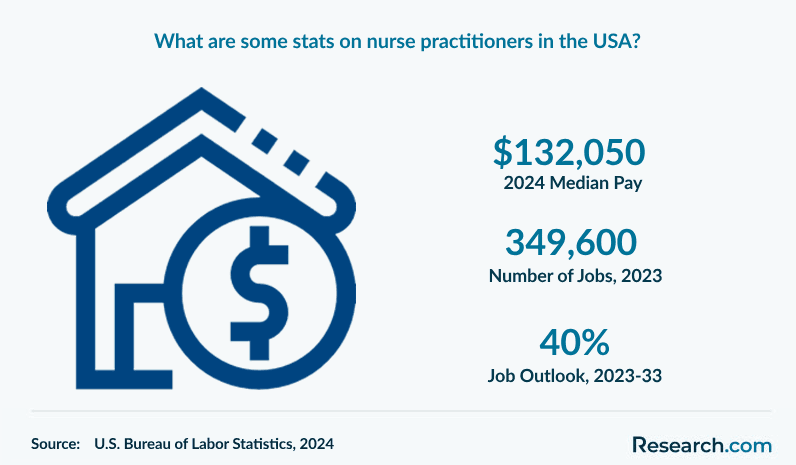
Career prospects for WHNP certificate graduates are tied to the broader demand for nurse practitioners, continuing access needs in women’s health, and state-level practice authority. The U.S. Bureau of Labor Statistics projects a 40% growth rate for nurse practitioner roles from 2023 to 2033, much faster than the average for all occupations.
- Primary care access needs: WHNPs can help address care gaps in preventive, reproductive, gynecologic, and chronic disease management services.
- Women’s health specialization: Employers may value WHNPs for focused expertise in OB/GYN, family planning, menopause care, prenatal and postpartum services, and related areas.
- Rural and underserved care opportunities: WHNPs can be important providers in communities with limited access to physicians or specialists.
- Scope-of-practice changes: State rules affect whether WHNPs can practice independently, prescribe, and manage patient care without physician oversight.
- Multiple work settings: Graduates may work in clinics, hospitals, public health departments, university health services, private practices, telehealth, and community health centers.
- Alternative NP pathways: Nurses who want a broader primary care population may compare WHNP with post-master’s FNP certificate options.
What kind of salaries can I expect after completing an affordable online women's health nurse practitioner graduate certificate program?
Completing a WHNP graduate certificate can support entry into a specialized advanced practice role, but salary depends on more than the credential. Location, certification, employer type, experience, patient volume, call expectations, and state practice rules all influence compensation.
In 2025, PayScale lists the average salary for a women's health nurse practitioner at $104,994. Nurse anesthetists have the highest average salary among the listed occupations at $174,000. Other nurse practitioner specialties generally report averages above $100,000, including adult nurse practitioners and nurse practitioners (NP) at $100,511, family nurse practitioners at $101,000, oncology nurse practitioners at $105,000, and neonatal nurse practitioners at $110,000.
Location can make a major difference. PayScale salary examples include Berkeley, California, at $159,538; Holdrege, Nebraska, at $156,076; Diamond Ridge, Alaska, at $151,564; Livermore, California, at $152,834; Menlo Park, California, at $153,547; San Francisco, California, at $153,510; Santa Clara, California, at $153,023; and Sunnyvale, California, at $152,921. Other examples include Phoenix, Arizona, at $108,000; Nashville, Tennessee, at $102,000; San Antonio, Texas, at $110,688; and New York, New York, at $142,547.
If you are comparing graduate credentials across very different fields, the most affordable online master’s in mathematics programs can offer a useful contrast in cost structure and career outcomes. For nursing ROI, however, the key question is whether the certificate leads to certification eligibility, licensure alignment, and roles available in your state.
WHNPs who want doctoral-level preparation may later consider online DNP programs. A DNP may support advanced clinical leadership, quality improvement, systems-level practice, and evidence-based care implementation, although salary gains are not automatic and depend on role and employer.
Is the program accredited and regulated by recognized bodies?
Accreditation should be one of your first checks. For WHNP certificates, look for recognized nursing program accreditation, such as CCNE or ACEN where applicable, and confirm that the school is authorized to enroll students in your state. Accreditation can affect certification eligibility, licensure review, transferability, employer acceptance, and sometimes financial aid.
Also separate institutional accreditation from nursing program accreditation. A university may be institutionally accredited, but you still need to verify whether the nursing program meets the standards expected for advanced practice preparation. Students comparing other nursing pathways can review RN to BSN online programs without clinicals, but WHNP certificates are different because advanced clinical practicum is central to the credential.
Questions to ask about accreditation and regulation
- Is the nursing program accredited by CCNE, ACEN, or another recognized nursing accreditor?
- Does the certificate meet education requirements for the NCC WHNP certification exam?
- Is the program authorized to enroll students in my state?
- Can I complete clinical hours in my state or must I travel?
- Has the school confirmed that the program aligns with licensure requirements where I plan to practice?
- Are there restrictions for online students, out-of-state students, or students in certain clinical locations?
Are robust support services and career resources available with affordable online WHNP graduate certificate programs?
Support services can determine whether an online WHNP certificate is manageable. Low tuition will not help if you cannot find an approved preceptor, get timely advising, or resolve state authorization issues before clinical placement. Strong programs are transparent about student responsibilities and provide structured support from admission through graduation.
Look for academic advising, clinical placement coordination, faculty access, library services, technical support, certification exam guidance, career coaching, resume help, interview preparation, and networking opportunities. If you are comparing nursing pathways at different levels, affordable online nursing programs can help you evaluate how support varies across program types.
| Support service | Why it matters for WHNP students |
| Clinical placement assistance | Preceptor and site delays can postpone graduation. |
| Certification advising | Students need to understand exam eligibility, documentation, and timelines. |
| State authorization guidance | Online enrollment rules vary by state and can affect clinical eligibility. |
| Faculty access | Advanced clinical decision-making requires feedback and mentoring. |
| Career services | Resume, interview, and job-search support can help graduates transition into WHNP roles. |
| Technical support | Online learners need reliable access to course systems, exams, and virtual sessions. |
Are direct entry nurse practitioner programs a viable alternative?
Direct entry nurse practitioner programs are designed for a different type of student. They may serve people entering nursing from another field or seeking an accelerated pathway into advanced practice. A WHNP graduate certificate, by contrast, is typically for nurses who already have an MSN and need specialty preparation.
If you do not already have the nursing background required for a WHNP certificate, compare options carefully. Direct entry nurse practitioner programs may provide a broader route into NP preparation, but they often require substantial coursework, clinical hours, and time. They are not simply a faster version of a post-master’s WHNP certificate.
Do Employers Value Online Women's Health Nurse Practitioner Graduate Certificates?
Employers generally care less about whether didactic coursework was online and more about whether the program was accredited, clinically rigorous, certification-aligned, and completed through a reputable institution. For WHNP hiring, evidence of hands-on competency, certification eligibility, licensure, preceptor experience, and patient-care readiness is essential.
Online WHNP certificates can be credible when they include supervised clinical practice, experienced faculty, clear standards, and strong certification preparation. However, candidates should be prepared to discuss their clinical rotations, patient populations, procedural exposure, collaboration experience, and readiness for independent or team-based advanced practice. Nurses exploring nontraditional routes may also compare a direct entry nurse practitioner program for non-nurses if they are not yet eligible for post-graduate certificate study.
What are the job outlook and employment rate for online women's health nurse practitioner graduate certificate holders?
The employment outlook for WHNP certificate holders is supported by the broader growth of nurse practitioner roles and by continuing access needs in women’s and gender-related healthcare. Still, local demand can vary by region, state practice law, payer environment, and employer type.
The U.S. Bureau of Labor Statistics projects a 40% growth rate for nurse practitioners from 2023 to 2033. In 2023, there were 349,600 nurse practitioner jobs, with an employment change of 141,200 projected between 2023 and 2033, and a $132,050 median pay. Approximately 2.2% of all licensed NPs are certified WHNPs.
Demand is also shaped by chronic disease needs, preventive care gaps, an aging population, reproductive and gynecologic care access, and the expansion of telehealth and team-based care. WHNPs may be especially important in communities where patients face difficulty accessing OB/GYN or primary care services.
RNs who still need broader graduate nursing preparation before specializing can compare affordable RN to MSN online programs and then pursue WHNP certification preparation afterward if it fits their career goals.
What kind of technology and tools do I need to participate in an affordable online women's health nurse practitioner graduate certificate program?
Online WHNP students need dependable technology because course participation, exams, faculty meetings, clinical documentation, and virtual learning activities often depend on digital systems. Similar technical expectations apply across many online nursing pathways, including affordable RN to BSN online programs.
- Reliable computer or laptop: Use a Windows or Mac device with an updated operating system that meets school requirements.
- High-speed internet: Stable internet is needed for video lectures, live sessions, exams, file uploads, and clinical documentation systems.
- Webcam and microphone: These may be required for advising meetings, virtual simulations, live class sessions, and proctored exams.
- Compatible web browser: Schools commonly require current versions of Chrome, Firefox, Edge, Safari, or another approved browser.
- Office software: Word processing, spreadsheets, and presentation tools are usually needed for assignments and projects.
- Email access: Students must monitor official university email for course, clinical, financial aid, and compliance updates.
- PDF reader: A PDF tool is commonly needed to view syllabi, clinical forms, readings, and policy documents.
What are the current industry trends and future outlook for online women's health nurse practitioner graduate certificate holders?
WHNP practice is being shaped by access challenges, preventive care gaps, digital health, chronic disease needs, state practice authority debates, and changing expectations for team-based care. Nurses entering this specialty should expect lifelong learning, technology use, and careful attention to regulatory changes.
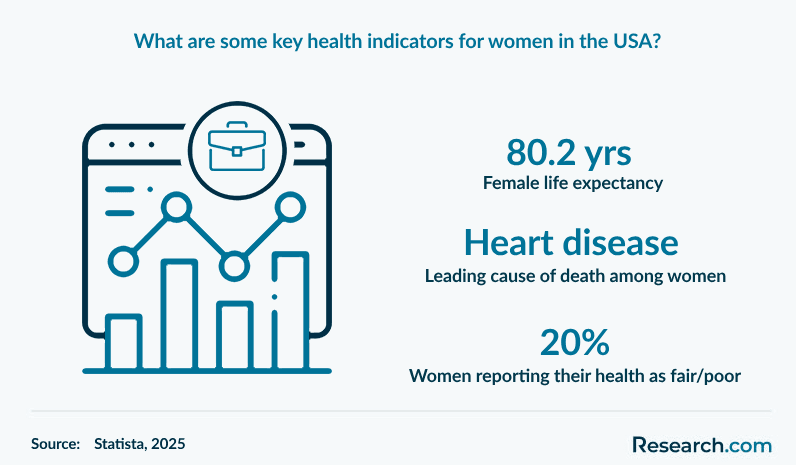
In the United States, the life expectancy for women at birth was 80.2 years from 2013 to 2023. During the period from 2020 to 2022, heart disease was identified as the leading cause of death among women. Approximately 20% of women in the U.S. reported their health status as fair or poor. These figures show why WHNPs need strong preparation in prevention, chronic disease screening, counseling, and care coordination.
- Growth in nurse practitioner roles: The U.S. Bureau of Labor Statistics projects a 40% growth rate for nurse practitioners from 2023 to 2033.
- Greater need for primary and preventive care: WHNPs can help expand access to screening, counseling, chronic disease management, reproductive care, and gynecologic services.
- Telehealth expansion: Virtual care can improve access for some patients, but WHNPs must understand privacy, documentation, clinical appropriateness, and state practice rules.
- Value-based care: Healthcare systems increasingly focus on outcomes, prevention, quality metrics, and cost-effective care delivery.
- Interprofessional practice: WHNPs often collaborate with physicians, nurse midwives, physician assistants, social workers, behavioral health professionals, and public health teams.
- Digital health tools: Electronic health records, data dashboards, remote monitoring, and patient portals require strong technology skills.
- Scope-of-practice changes: State laws continue to influence how independently WHNPs can practice, prescribe, and manage care.
- Mental health integration: WHNPs are increasingly expected to screen, refer, and coordinate care for common mental health concerns within primary and reproductive healthcare settings.
Online vs. hybrid WHNP certificate programs: Which format is better?
The best format depends on your schedule, location, learning style, and clinical needs. Online coursework is convenient, but WHNP training cannot be fully virtual because supervised clinical practice is required.
| Format | Best for | Trade-offs |
| Fully online coursework with local clinicals | Working nurses who need maximum schedule flexibility | You may have more responsibility for finding or coordinating clinical sites |
| Hybrid online program | Students who want online coursework plus in-person intensives or campus-based skill development | Travel costs and time away from work can increase total cost |
| Blended program with required visits | Students who value structured face-to-face learning and faculty interaction | State authorization, travel, and scheduling may be more restrictive |
| Local campus-based program | Students near a strong nursing school with established clinical partners | Less flexible for nurses with full-time work or family obligations |
Common mistakes when choosing an affordable online WHNP certificate
- Choosing by tuition alone: A low advertised rate may not include fees, travel, clinical costs, or additional required credits.
- Ignoring accreditation: Enrolling in a program without appropriate nursing accreditation can create problems for certification, employment, or licensure.
- Assuming online means no in-person requirements: WHNP programs require clinical practice, and some require campus visits or intensives.
- Not checking state authorization: Some online programs cannot enroll students from every state or cannot support clinical placements everywhere.
- Waiting too long to plan clinicals: Preceptor availability can be competitive, and late planning may delay graduation.
- Assuming the certificate guarantees certification: You must still meet exam, documentation, licensure, and professional requirements.
- Overlooking scope-of-practice laws: State rules affect independence, prescribing authority, supervision, and job options.
- Relying only on rankings: Rankings can help you build a shortlist, but your final decision should reflect cost, fit, certification alignment, and clinical feasibility.
Step-by-step guide to choosing the right affordable online WHNP certificate
- Confirm your eligibility: Check whether you need an MSN, RN license, advanced assessment, pharmacology, pathophysiology, or prior NP preparation.
- Verify accreditation: Confirm institutional and nursing program accreditation directly with the school and accreditor.
- Check certification alignment: Ask whether graduates are eligible for the NCC WHNP exam and what documentation the school provides.
- Confirm state authorization: Make sure the program can enroll you and support clinical training where you live or plan to complete practicum hours.
- Compare total cost: Include tuition, fees, books, clinical expenses, travel, technology, exam preparation, and lost work hours.
- Ask about clinical placement: Find out whether the school places students, assists students, or expects students to secure sites independently.
- Review curriculum details: Match courses to your target role, such as OB/GYN clinic practice, reproductive health, prenatal care, or community health.
- Evaluate student support: Look for advising, faculty access, career services, library resources, and technical support.
- Speak with current students or alumni: Ask about workload, clinical placement, faculty responsiveness, and certification preparation.
- Get answers in writing: Save written confirmation about cost, clinicals, state authorization, and certification eligibility.
Questions to ask before enrolling
- What is the total estimated cost of the certificate, including fees and clinical-related expenses?
- Is the program accredited by a recognized nursing accreditor?
- Does the curriculum prepare graduates for NCC WHNP certification?
- What percentage of students complete the program on time?
- Who is responsible for finding clinical preceptors?
- Can clinical hours be completed in my state?
- Are there required campus visits, intensives, or live sessions?
- What happens if I cannot secure a clinical site on schedule?
- Are there restrictions for out-of-state students?
- What career services are available to certificate students?
Here's What Graduates Say About Their Affordable Online Women's Health Nurse Practitioner Graduate Certificate Programs
-
: "
“The online format made it possible to keep working while completing specialty coursework and clinical requirements. The most valuable part was learning how to apply women’s health theory in real patient care settings.” Eliana
"
-
: "
“Affordability mattered, but clinical preparation mattered even more. Faculty support and clear expectations helped me feel ready to move into women’s health practice.” Gina
"
-
: "
“I was nervous about returning to school, but the program structure helped me balance work, family, and advanced practice training. The certificate gave me a more focused path in women’s health.” Anabelle
"
Key Insights
- The best affordable WHNP certificate is not always the cheapest: Prioritize accreditation, certification alignment, clinical placement support, and state authorization along with tuition.
- Most programs are designed for MSN-prepared nurses: If you are not already a graduate-prepared nurse, you may need an RN, BSN, MSN, or direct-entry pathway first.
- Clinical placement is the make-or-break factor: Online coursework can be flexible, but supervised in-person clinical hours are required and can affect your timeline.
- WHNP demand is supported by broader NP growth: The U.S. Bureau of Labor Statistics projects a 40% growth rate for nurse practitioners from 2023 to 2033.
- WHNP salaries vary widely: The 2025 average salary for a women's health nurse practitioner is $104,994, but location examples range from $102,000 in Nashville, Tennessee, to $159,538 in Berkeley, California.
- Women’s preventive care gaps reinforce the role’s importance: Global data shows low testing rates for cancer, STIs, diabetes, and HIV, highlighting the need for prevention-focused women’s health providers.
- State laws matter: Only 27 states, the District of Columbia, and 2 U.S. territories have adopted full practice authority for nurse practitioners, so where you practice can shape your autonomy and job options.
- Ask for written confirmation before enrolling: Get clear answers about cost, clinicals, certification eligibility, state authorization, and campus requirements before committing to a program.
References:
- American Association of Colleges of Nursing. (2024, April). Nursing workforce fact sheet. American Association of Colleges of Nursing.
- Hologic, Inc. (2025). Hologic Global Women’s Health Index: Year 4 report. Hologic, Inc.
- Paruchabutr, K. P. (2024). The future for women’s and gender-related healthcare for women’s health nurse practitioners. The Journal of Perinatal & Neonatal Nursing, 38(2), 117–119.
- Statista. (2025). Women’s health in the U.S. – statistics & facts. Statista.
- U.S. Bureau of Labor Statistics. (2023, September 6). Nurse anesthetists, nurse midwives, and nurse practitioners. U.S. Bureau of Labor Statistics.
- U.S. Bureau of Labor Statistics. (2024, April 3). Occupational employment and wages, May 2023: 29-1171 nurse practitioners. U.S. Bureau of Labor Statistics.
- PayScale. (2025). Adult Nurse Practitioner Salary. PayScale.
- PayScale. (2025). Certified Nurse Midwife Salary. PayScale.
- PayScale. (2025). Neonatal Nurse Practitioner Salary. PayScale.
- PayScale. (2025). Nurse Anesthetist Salary. PayScale.
- PayScale. (2025). Nurse Educator Salary. PayScale.
- PayScale. (2025). Nurse Practitioner (NP) Salary. PayScale.
- PayScale. (2025). Obstetrics/Gynecology Women's Health Nurse Practitioner Salary. PayScale.
- PayScale. (2025). Oncology Nurse Practitioner Salary. PayScale.
- PayScale. (2025). Pediatric Nurse Practitioner Salary. PayScale.
- PayScale. (2025). Family Nurse Practitioner Salary. PayScale.
- PayScale. (2025). Primary Care Nurse Practitioner Salary. PayScale.
- PayScale. (2025). Women's Health Nurse Practitioner Salary. PayScale.
Other Things You Should Know About Online Women's Health Nurse Practitioner Graduate Certificate Programs
Most online Women's Health Nurse Practitioner programs in 2027 require applicants to have a Bachelor of Science in Nursing (BSN) degree and an active RN license. Some programs might also require clinical experience in women's health or related fields as part of the prerequisites.
Most affordable online Women's Health Nurse Practitioner graduate certificate programs in 2026 typically range from 12 to 18 months. The duration may vary based on program structure and coursework intensity, allowing flexibility for part-time or full-time study options.


