2027 First Exercise Science Roles for Movement-Focused Students

Co-Founder and Chief Data Scientist
Prospective movement-focused students often face constrained options when selecting entry-level roles in exercise science, especially given the increasing demand for flexible, accelerated pathways. The fall 2024 National Center for Education Statistics data reveals a 25% surge in adult learners enrolling in online or hybrid coursework within health sciences, signaling a shift toward accessibility but also raising questions about program rigor and workplace readiness.
Employers now expect graduates who not only grasp biomechanics but also demonstrate adaptability across virtual and in-person settings. Navigating these evolving educational frameworks while targeting sustainable career entry demands nuanced analysis. This article outlines viable first exercise science roles geared to maximize early employability and practical skill alignment for diverse student profiles.
Key Things You Should Know
- BA degrees in exercise science average $12K-$18K annually with limited clinical licensing outcomes; 62% of 2025 graduates faced underemployment six months post-graduation per the National Center for Education Statistics, pressuring career pivots.
- Employers increasingly demand integrated certifications over standalone degrees, with 54% prioritizing evidenced-based practice competencies in candidates, complicating direct workforce entry from academic programs alone.
- Accelerated 2-year exercise science tracks reduce debt burdens by 35% but correlate with 22% lower direct employer internship placements versus 4-year counterparts, forcing candidates to weigh time-cost tradeoffs carefully.
What is exercise science and what early career roles focus on human movement?
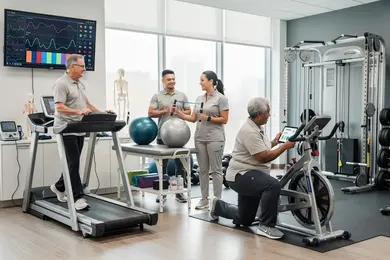
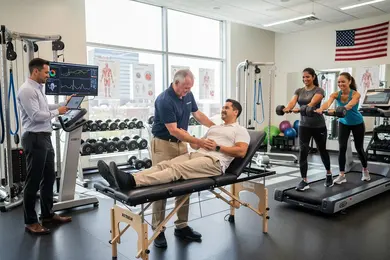
Identifying early career roles in exercise science and movement analysis reveals distinct tradeoffs between clinical expertise and technical specialization. Clinical exercise physiologists, for instance, demand rigorous knowledge of cardiovascular health and chronic disease management, often requiring certifications beyond a bachelor's degree.
These positions command median entry wages between $54,000 and $60,000, with a job growth projection of 10% through 2032, driven by the rising need for rehabilitation and chronic disease prevention in healthcare settings.
Alternatively, strength and conditioning coaches prioritize athlete-specific training protocols paired with certifications from specialized bodies, offering less regulatory burden but requiring practical competency in performance programming.
Movement analysts who focus on human movement must navigate a steep learning curve, mastering biomechanical software and data analytics, which can differentiate their employability in research and sports performance sectors. Students pursuing this pathway should weigh these distinct skill requirements and certification demands against their career goals.
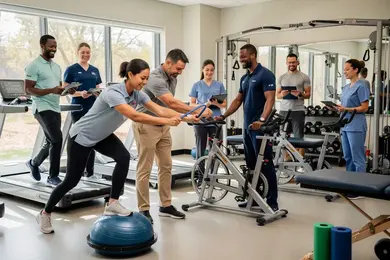
Practical experience is often non-negotiable in these roles. Employers frequently require internships or clinical hours, emphasizing program selection that offers hands-on exposure. Prospective students considering exercise science career opportunities focusing on human movement should scrutinize how well programs integrate real-world training alongside theoretical curricula to meet industry expectations.
For those balancing flexibility with comprehensive preparation, an online exercise science degree may provide access to structured learning and practical components, enabling students to navigate workforce demands effectively.
What entry-level jobs can exercise science majors get working directly with clients?
Exercise science careers working directly with clients demand navigating certifications and market realities that shape early professional prospects. Strength and conditioning coaches occupy one of the more stable entry-level exercise science client-focused jobs, with the U.S. Bureau of Labor Statistics projecting a 19% growth rate through 2031, significantly outperforming average job growth.
These roles require certification beyond a bachelor's degree, but they provide clear pathways into professional sports teams, collegiate programs, or private facilities where advancement depends on practical skill and network cultivation.
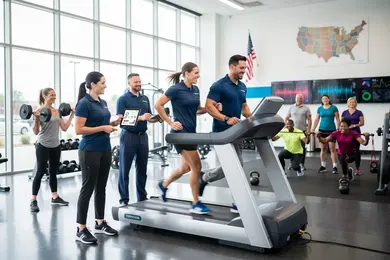
Personal trainers often serve as a common entry point but face saturated local markets and income variability influenced by certification, geography, and client retention. These positions require a sound understanding of client health screenings and individualized program design, which exercise science graduates gain but must augment with national certification for employability.
Rehabilitation aides support therapists with exercise monitoring and recovery but typically encounter limited long-term salary growth without advancing certifications such as physical therapy assistant credentials. Meanwhile, wellness coaches and corporate fitness trainers must integrate behavioral health knowledge and motivational techniques to maintain client adherence over time, emphasizing the need for broad skill sets beyond physical training.
Graduates aiming to transition successfully into direct client roles should prioritize obtaining relevant certifications and building strong connections with healthcare or sports professionals. Balancing initial experiential learning with ongoing education is vital to overcome entry barriers and advance.
For those considering broader healthcare education pathways, including options like ASN online programs, understanding workforce demands and certification tradeoffs informs more strategic decision-making.
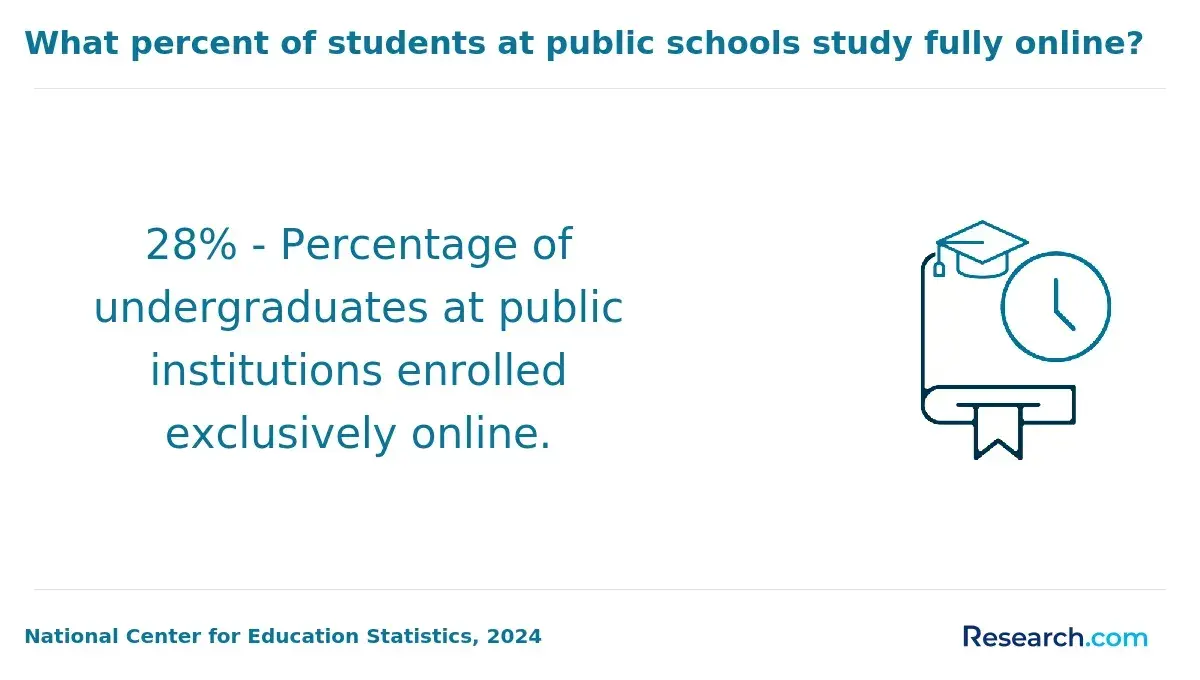
How do exercise science degrees prepare students for movement-focused careers?
Careers emerging from an exercise science degree demand more than foundational knowledge; they require the ability to translate human anatomy, physiology, biomechanics, and movement analysis into actionable programs that address specific client or corporate needs.
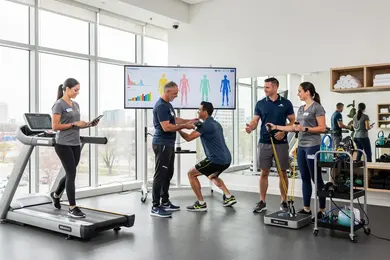
Concrete opportunities, such as in corporate wellness settings, illustrate how these skills reduce workplace injuries and boost productivity-key metrics influencing sustained employment and advancement. Considering career opportunities with exercise science degrees in movement fields, graduates often face an expectation to integrate data-driven assessments and client-specific adjustments, mirroring the growing preference for evidence-based practice in healthcare and corporate domains.
Practical experience via internships with diverse populations, spanning rehabilitation to athletic training, aligns candidates with employer demands reflected in labor trends like the annual increase of 5,200 sports coaches and instructors in Australia earning median full-time wages comparable to related U.S. sectors.
However, the degree alone rarely suffices; many roles require specialized certifications and competencies in movement-tracking technologies and health informatics. This need for continual skill acquisition must factor heavily into any serious career planning.
Those weighing the benefits of an exercise science degree for movement careers should also consider complementary educational investments, such as an online data science PhD, to gain advanced analytical tools that enhance program evaluation and outcome measurement. Navigating these paths realistically reflects a strategic balance of credentials, technical skills, and practical exposure essential to maintaining relevance in a competitive job market.
What education and prerequisites are needed for first jobs in exercise science?
Securing entry-level positions in exercise science in the US and Canada demands more than a bachelor's degree in exercise science, kinesiology, or related fields. Employers require foundational knowledge in anatomy, physiology, biomechanics, and exercise physiology, alongside certifications from authoritative bodies such as the American College of Sports Medicine (ACSM) or the National Strength and Conditioning Association (NSCA) to demonstrate practical competency.
This combination shapes employability, especially in roles centered on movement analysis, rehabilitation, or preventive care.
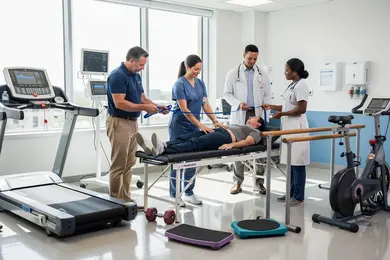
Clinical and cardiac rehabilitation positions impose stricter requirements, including supervised clinical practicums or internships, reflecting the critical nature of hands-on experience. With approximately 1,600 job openings projected annually and a 10% growth rate, demonstrated expertise in patient assessment and personalized exercise prescription is essential, surpassing theoretical education alone.
Prospective professionals considering diverse environments like corporate wellness or fitness centers often start with standard certifications and a bachelor's degree but face slower career progression without advanced specialization. Specialized credentials or graduate education become necessary for clinical exercise physiologists to comply with licensure demands and employer expectations.
Key tradeoffs exist between program features: students focused on chronic disease rehabilitation benefit from clinical rotations and certification prep, while those targeting fitness coaching might prioritize applied functional training and client management skills.
For candidates seeking strategic career pivots, balancing educational investments against target job markets and recognizing industry credentialing norms proves vital. For insights on related healthcare education pathways, consider online Psych NP programs as a comparative reference in advanced clinical roles.
How do online exercise science programs compare to campus-based options for hands-on training?
Hands-on training remains the critical variable separating online exercise science programs from campus-based options, with real-world skill acquisition often compromised in virtual formats. While online courses offer video demonstrations, they lack access to specialized equipment, biomechanical tools, and in-person instructor feedback essential for mastering physical assessments and client interaction-skills demanded by employers in fitness and clinical settings.
For example, a prospective personal trainer working remotely may face significant hurdles demonstrating competence without supervised practice, directly impacting job readiness.
Students pursuing purely online study frequently must secure external internships or practicums, introducing scheduling, travel, and cost challenges that campus programs typically integrate within their curricula. This embedded experiential learning not only supports consistent skill development but fosters collaborative problem-solving among peers.
Given that roles such as fitness coaches expect a demonstrated command of kinesthetic expertise-supported by a projected 19% job growth and median salaries near $40,700-students should carefully evaluate employer preferences for verified hands-on proficiency. If choosing online learning, proactively arranging accredited fieldwork partnerships is necessary to bridge gaps in practical exposure.
- Campus programs offer structured, supervised practice critical for employer-valued competencies
- Online programs require supplementary fieldwork with potential logistical complications
- Employer screening prioritizes practical skills beyond theoretical knowledge
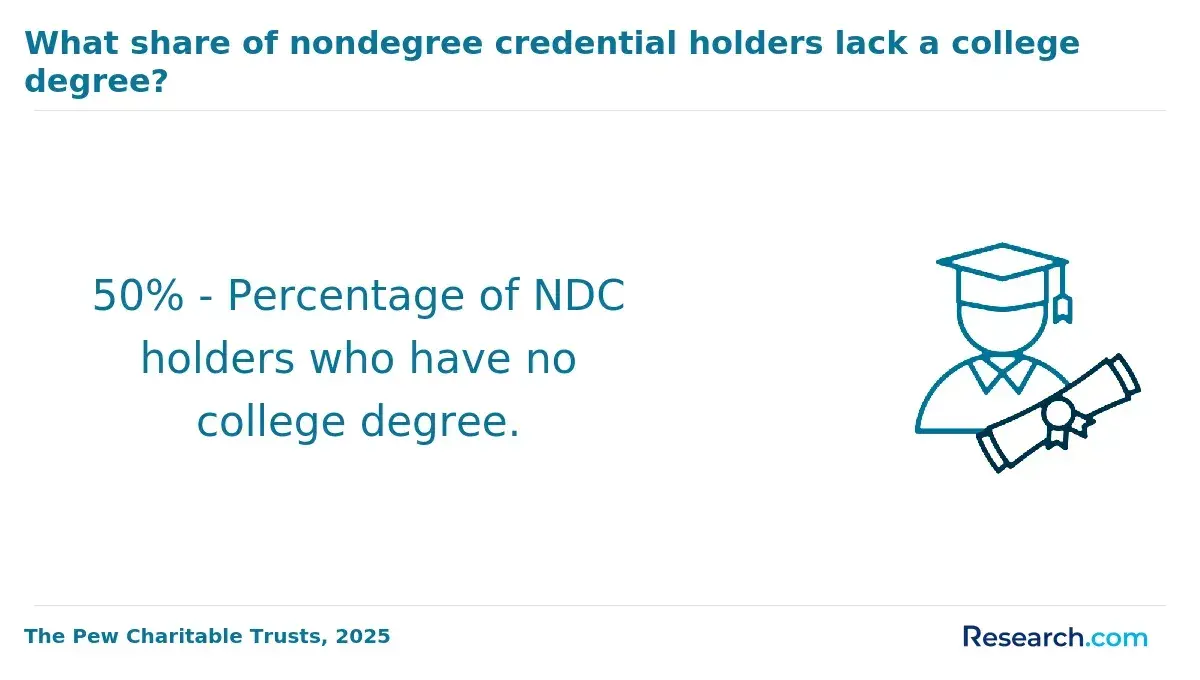
Which exercise science certifications qualify graduates for movement-focused roles?
For professionals targeting tactical populations such as military personnel or first responders, certification choices in exercise science must extend beyond general fitness to demonstrate advanced expertise in biomechanics and functional training.
The Certified Strength and Conditioning Specialist (CSCS) credential, recognized by the National Strength and Conditioning Association, prioritizes operational readiness by incorporating movement efficiency and injury prevention strategies tailored for high-stress environments.
By contrast, the Certified Exercise Physiologist (CEP) credential from the American College of Sports Medicine has a stronger clinical population focus but still retains relevant movement science applications.
Employers in these sectors require practical skills in biomechanical assessments and conditioning protocols that align with duty-specific tasks. For example, a specialist working with law enforcement must apply dynamic stability training to minimize injury while enhancing performance under physical stress. Credentials lacking movement-specific rigor often fail to facilitate entry or growth in these specialized fields.
Growth in tactical human performance roles-projected at 13% between 2016 and 2026-favors candidates with certifications that marry movement analysis and rehabilitative expertise. Maintaining continuing education credits is essential to keep pace with evolving biomechanical methodologies and functional training innovations.
- Prioritize certifications with industry recognition focused on movement screening and neuromuscular assessment.
- Seek hybrid credentials that enhance versatility across clinical and tactical settings.
- Beware that generalist certifications may limit employability in specialized tactical roles.
Source: Science for Sport synthesis of Bureau of Labor Statistics data
What core courses and lab experiences support careers centered on human movement?
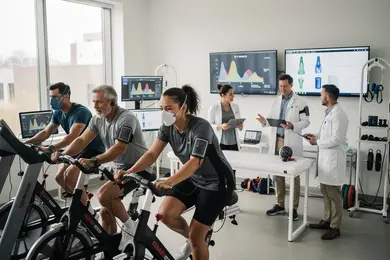
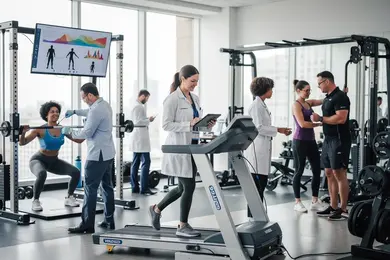
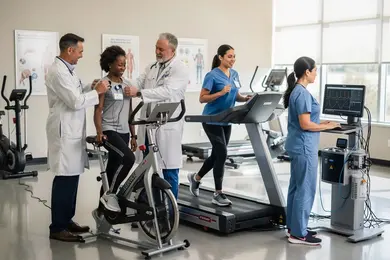
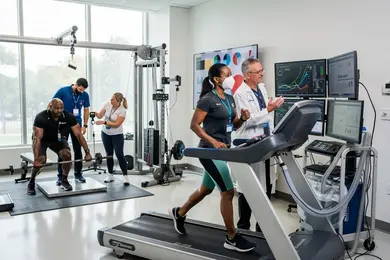
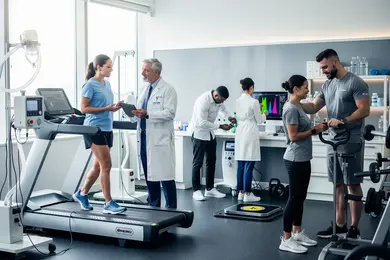
Employers in the exercise science field demand graduates who not only understand foundational concepts-such as applied anatomy, kinesiology, exercise physiology, and biomechanics-but can also translate data from wearable technology into actionable interventions. Laboratory components are not optional; they must incorporate motion capture, electromyography, and force plate analysis to ensure graduates can precisely evaluate human performance and mitigate injury risk.
For example, students focused on physical rehabilitation benefit from labs centered on neuromuscular function and therapeutic exercise, while those aiming at fitness entrepreneurship should prioritize applied coursework in program design and client assessment paired with realistic client interaction simulations.
Practical skill acquisition directly impacts employability and earning potential. In markets like Australia, where 68% of fitness professionals work part-time with median weekly earnings near AU$1,500, students often face the choice between intensive research labs and flexible, certification-focused paths that enable quicker workforce entry. Similar pressures exist in the U.S., where balancing academic rigor with part-time work demands influences course selection and outcome satisfaction.
- Core coursework must align with comprehensive lab training to support diverse career trajectories.
- Graduates should demonstrate proficiency managing real-time client movement data and delivering measurable results.
- Strategic program selection involves weighing immediate income needs against long-term clinical or entrepreneurial goals.
Source Keywords: exercise science, practical skill acquisition, wearable technology data
What are typical starting salaries and benefits in early exercise science roles?
Entry-level salaries in exercise science vary notably based on specialization, employer type, and location, typically ranging from $40,000 to $55,000 annually. For instance, a biomechanist at a metropolitan university research lab is likely to earn near the higher end, whereas roles in smaller clinics or fitness centers often fall closer to the lower bound.
Employers such as those in clinical or research settings generally expect graduate credentials and specialized training, which justify higher starting wages but also lengthen the education-to-employment timeline.
Benefits packages differ markedly between larger organizations and smaller employers. Larger entities may provide comprehensive health plans and professional development funds vital for maintaining certifications and attending sector conferences, which directly impact prospects for salary growth beyond entry-level. Conversely, smaller employers often offer limited benefits, requiring candidates to weigh immediate salary against overall compensation value carefully.
The sport and exercise science workforce is expanding gradually-Science for Sport projects a 2.3% growth in the UK by 2027-mirroring trends in the U.S. job market. This slow growth means graduates must strategically acquire technical skills, particularly in biomechanics and performance analysis, to distinguish themselves.
Practical career tradeoffs include:
- Higher starting pay typically tied to graduate credentials and research roles.
- Faster employment access but lower initial salary in corporate wellness or community fitness.
- The balancing act between immediate income and long-term career sustainability.
These realities suggest that early career decisions in exercise science need alignment with both qualifications and desired trajectories to avoid stagnating in lower-paid roles.
What is the job outlook for movement-focused exercise science careers in the United States?
Job prospects in movement-focused exercise science reflect a competitive healthcare niche where specialized credentials and interdisciplinary skills determine employability more than degree alone. Graduates must plan for certifications that align closely with clinical standards, insurance requirements, and electronic health record systems to meet employer expectations-particularly in outpatient rehabilitation and wellness settings where outcome documentation is mandatory.
Employers prioritize candidates demonstrating measurable patient progress and practical experience in data-driven behavioral change, nutrition knowledge, and compliance protocols. For example, health coaches embedded in integrated healthcare teams often juggle retail-driven volume demands alongside preventative care objectives, mirroring models observed in allied professions like Australian nutrition professionals earning median full-time wages around AU$1,667 weekly.
Those aiming beyond entry-level roles should weigh investments in lifestyle medicine or rehabilitative specializations, trading initial financial and time burdens against higher salary tiers and field stability. Additionally, curricular alignment with interprofessional collaboration frameworks proves essential to avoid costly rework in qualifications or skillsets after graduation.
Key operational factors for prospective students and career pivoters include:
- Securing internships that validate real-world competency with healthcare compliance and insurance policies
- Preparing for ongoing education costs beyond academic degrees
- Navigating variable job security across outpatient versus institutional environments
This grounded approach reduces reliance on broad academic promises in favor of strategic credentialing and practical experience in the evolving U.S. movement-focused exercise science labor market.
How can prospective students evaluate and choose accredited exercise science programs?
Accreditation is a pivotal factor when selecting an exercise science program; recognized credentials from bodies such as the Commission on Accreditation of Allied Health Education Programs (CAAHEP) often determine eligibility for required certification exams and professional licensure.
Without this foundation, graduates may face limited career mobility, especially in clinical roles where employer scrutiny on practical training is intense. For instance, candidates targeting cardiac rehabilitation should seek programs offering direct experience with cardiopulmonary exercise testing rather than purely theoretical curricula.
Programs integrating clinical internships or partnerships with industry can substantially reduce the friction of entering the workforce by providing hands-on skills and networking channels. Online options, while flexible, may fall short in delivering these essential components, potentially diminishing graduates' competitiveness in applied settings.
Cost considerations must be weighed against realistic income trajectories and local job market saturation. Median U.S. salaries for exercise scientists hover around $51,350, making tuition affordability and return on investment crucial-especially amid regionally variable employment prospects. Additionally, evaluating faculty expertise and program scale matters; institutions with active research agendas and exposure to advanced technologies offer an edge in evolving industry demands.
Reliable third-party data on employment outcomes and licensure rates helps expose discrepancies between promotional claims and actual graduate success, enabling candidates to make informed decisions grounded in workforce realities rather than institutional marketing.
Other Things You Should Know About Exercise Science
Specialization can shape early career opportunities significantly as employers often seek candidates with targeted skills like biomechanics or rehabilitation. However, overly narrow focus risks limiting entry-level job options, especially at smaller organizations expecting versatile, generalist skills. Students should prioritize broad foundational training with optional specialization pathways to maintain adaptability while signaling expertise in growth areas.
Employers typically expect at least one relevant certification, but the value and necessity of specific credentials vary by setting and role. Investing time and money in certifications not aligned with employer demand can delay workforce entry without improving job prospects. Researching employer preferences in target locations or sectors enables students to prioritize certifications that deliver measurable hiring advantages.
Most entry-level exercise science roles require current CPR/AED certification from the American Heart Association or Red Cross before the start date. Employers often also want Basic Life Support, and some clinics or gyms require proof of renewal every two years.
References
- Exercise science: What exactly is it? https://www.scienceforsport.com/exercise-science/
- Online Exercise Science Degrees: Top School Review https://www.edumed.org/online-schools/exercise-science-degrees/
- Exercise science program accredited by national organization | Lipscomb University https://lipscomb.edu/news/exercise-science-program-accredited-national-organization
- Online Exercise Science Program https://stmary.edu/online-programs/exercise-science.html
- ESSA's career guide for Accredited Exercise Physiologists https://www.essa.org.au/Web/Web/Resources/Tools-and-templates/ESSA-AEP-Guide.aspx
- University of Central Arkansas | UCA https://uca.edu/exss/careerprospects/
- Top 20 Careers With a Master’s in Exercise Science | PLNU https://www.pointloma.edu/resources/health-sciences/top-20-careers-masters-exercise-science
- How to Choose the Right Biomechanics Course for Your Career Goals | Biomechanics Education https://biomechanicseducation.com/how-to-choose-the-right-biomechanics-course-for-your-career-goals/
- Exercise Science Degree Programs Lead to Rewarding Careers in Health and Fitness https://www.carrollcc.edu/articles/exercise-science-degree-programs-lead-to-rewarding-careers-in-health-and-fitness/