2027 Part-Time vs Full-Time Online Criminology Bachelor's Degree Programs

Co-Founder and Chief Data Scientist
Balancing a demanding job while pursuing higher education poses a significant dilemma for many aspiring criminology students. Imagine a mid-career professional eager to shift into law enforcement but wary of sacrificing income and family time. With online programs expanding, deciding between part-time and full-time enrollment becomes crucial. Currently, about 65% of online criminology bachelor's students opt for part-time studies, reflecting the need for flexible scheduling amid personal commitments.
This article explores the key differences between part-time and full-time online criminology bachelor's degree programs, providing insights to help prospective students determine the best pathway for their unique situations and career goals.
Key Benefits of Part-Time vs Full-Time Online Criminology Bachelor's Degree Programs
- Part-time online criminology programs offer greater scheduling flexibility, allowing students to manage coursework alongside full-time jobs or family obligations more effectively than full-time options.
- Full-time online students typically complete their degrees in 3 to 4 years, while part-time students may take 5 to 6 years, reflecting different paces but similar curriculum requirements.
- Balancing education with personal and career responsibilities is generally easier in part-time programs, reducing burnout risk and supporting steady progress for working adults pursuing criminology degrees.
What Is the Difference Between Part-Time and Full-Time Online Criminology Bachelor's Degree Programs?
Part-time and full-time online criminology bachelor's degree programs mainly differ in workload, pacing, and time commitment, offering choices that can better suit varied lifestyles. Nearly 40% of online students nationwide prefer part-time enrollment, reflecting a demand for more flexible academic scheduling. These differences affect how students plan their studies and manage their time across the program's duration.
Part-Time Online Programs
- Course Load: Part-time students typically enroll in fewer than 12 credit hours per semester, reducing weekly study demands compared to full-time options.
- Scheduling Flexibility: This mode provides greater adaptability, letting students space their courses over a longer period and select class times that fit their personal and professional commitments.
- Study Intensity: The slower pace allows students to engage with coursework at a more manageable rate, making this ideal for learners balancing education with work or family responsibilities.
- Academic Balance: Students often find it easier to maintain consistent progress without the pressure of meeting frequent deadlines common in full-time programs.
Full-Time Online Programs
- Course Load: Full-time enrollment usually involves taking 12 to 15 credit hours each semester, demanding a greater weekly time investment.
- Scheduling Rigidity: Students must keep up with a faster pace and more structured deadlines, which requires solid time management skills.
- Study Intensity: The program's intensity tends to be higher, with frequent assignments and assessments designed for continuous engagement.
- Academic Progression: Full-time students often move through the curriculum more quickly, making this format suited for those who can dedicate substantial time to their studies.
Those exploring part-time vs full-time online criminology degree programs should assess how these structural contrasts align with their available time and learning preferences. For individuals intrigued by what is the easiest degree to get online, understanding these distinctions may clarify which enrollment type will best meet their goals.
How Long Does It Take to Complete Part-Time vs Full-Time Online Criminology Bachelor's Degrees?
The time to complete an online criminology bachelor's degree varies significantly depending on whether a student enrolls full-time or part-time. Nationally, the average bachelor's degree completion time for online students is about 5.5 years, reflecting a wide range of enrollment intensities and life commitments. These differences affect course load, pacing, and overall program duration.
Below is a comparison of part-time and full-time options for online criminology degree programs, highlighting how enrollment status impacts completion timelines.
Part-Time Online Programs
- Extended Duration: Part-time online criminology bachelor's degree studies generally extend to five to six years or longer, allowing students more time to balance education with work and family.
- Reduced Course Load: Students typically take 6 to 9 credit hours per semester, which slows progress but offers flexibility in scheduling.
- Flexible Scheduling: Evening, weekend classes, shorter sessions, or extended breaks are commonly available, supporting working adults and nontraditional learners.
- Steady Progression: Part-time study enables consistent advancement toward degree completion while accommodating personal and professional responsibilities.
Full-Time Online Programs
- Shorter Completion Time: Full-time online criminology degree program duration often averages about four years, similar to traditional on-campus timelines.
- Higher Course Load: Typically, full-time students enroll in 12 to 15 credit hours per term, accelerating credit accumulation.
- Structured Pacing: These programs usually follow a consistent semester schedule, allowing students to complete general education and major requirements sequentially and efficiently.
- Faster Graduation: The heavier workload supports earlier graduation for those who can commit more time to studies.
Working adults exploring these options may also consider related fields; for example, programs offering the most affordable online masters in mental health counseling can complement criminology expertise and open additional career pathways.
What Is the Workload for a Part-Time vs Full-Time Online Criminology Bachelor's Degree?
Part-time and full-time online criminology bachelor's degree programs differ considerably in workload, course load, and study pace. Full-time students generally enroll in four to five classes, adding up to 12 to 15 credit hours each semester, and invest about 35 to 40 hours weekly on coursework such as lectures, readings, and exam preparation.
Conversely, part-time students typically take one to three courses per term, accumulating 3 to 9 credit hours and spending roughly 10 to 20 hours per week on their studies. The extended timeline of part-time study allows for a less intense but prolonged academic rhythm. Both formats require commitment, yet the pacing and course volume distinguish these learning experiences. The academic demands also differ in intensity and structure between part-time and full-time formats. Full-time students face frequent deadlines, overlapping assignments, and ongoing projects, often requiring them to balance multiple tasks simultaneously, which demands strong organization and time management skills.
Assignments tend to be due weekly or every two weeks, leaving minimal room for delays. In contrast, part-time students encounter fewer concurrent deadlines but must maintain consistent progress to avoid stretching their studies excessively. While part-time offers greater flexibility for balancing work and family obligations, both groups of learners need effective time management strategies to succeed in an online learning environment.
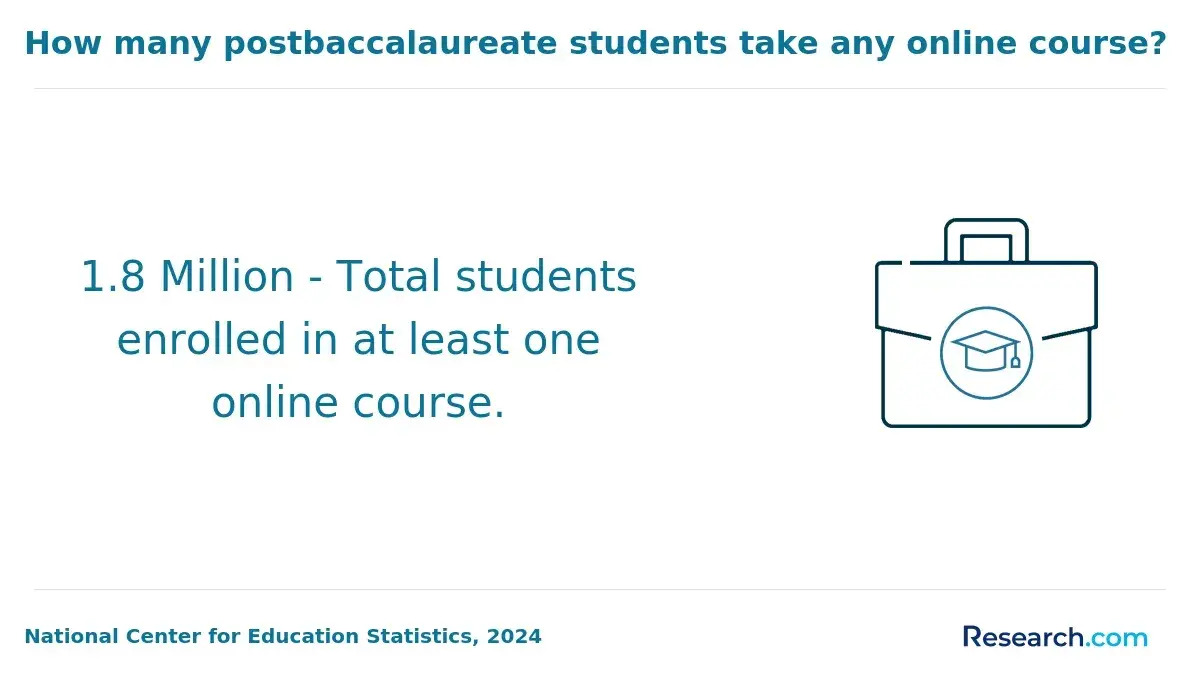
Both part-time and full-time online criminology bachelor's degree programs serve the needs of working adults, with the best choice depending on individual schedules, workload tolerance, and personal commitments. National data shows that more than 40% of online learners maintain full-time jobs, emphasizing the necessity for flexible online education models. Considering several key factors can help in determining which format aligns better with one's lifestyle.
- Scheduling Flexibility: Part-time tracks often allow students to spread coursework over a longer duration, making it easier to juggle work and family demands. Full-time pathways tend to follow a more regimented calendar with concentrated course loads each term.
- Workload Intensity: Enrolling full-time usually means balancing multiple classes simultaneously, increasing the daily demands on time and focus. Part-time students handle fewer courses at once, reducing immediate stress but extending the total length of study.
- Time Management: Full-time study requires disciplined time allocation and sustained effort to keep pace with faster program progression. Part-time students benefit from greater flexibility but still need consistent commitment to avoid falling behind.
- Completion Pace: Full-time students often earn their degrees in approximately four years, whereas part-time students may take six or more years based on the number of courses taken each term.
A working professional who chose to enroll in an online criminology bachelor's program shared her experience, noting that balancing work, family, and studies was initially daunting. She found that while full-time study felt overwhelming at first, it helped maintain momentum and a sense of progress. Conversely, part-time enrollment offered crucial breathing room during busy periods but sometimes made it difficult to stay fully engaged over time. Her reflections underscored how the decision between part-time and full-time formats ultimately hinges on one's personal rhythm and external responsibilities.
Many online bachelor's degree programs permit students to shift between part-time and full-time enrollment depending on academic progress, shifting schedules, or personal circumstances. This flexibility is especially beneficial for adult learners managing diverse responsibilities. Studies indicate that about 40% of online students alter their enrollment status at least once during their studies, highlighting a trend toward adaptable learning paths. Such options allow students to tailor their commitment to fit evolving life situations, which is vital for those considering transferring between part-time and full-time online criminology programs.
Offering this adaptability helps maintain steady progress without sacrificing quality or balance. When switching between enrollment modes, students should consider several important factors. Adjusting to the change in academic workload is crucial, as full-time status demands more credits per semester than part-time. Pacing also differs significantly; full-time study typically leads to faster degree completion but requires a greater time investment.
Additionally, program policies may impact timing, with some requiring approval processes or limiting how often changes can occur. Awareness of these elements supports a smoother transition, ensuring that course sequencing and scheduling align well without causing delays. For working adults seeking flexible options, programs like these can complement pursuits such as a bookkeeping certification online while advancing their criminology education.
Tuition for online criminology bachelor's degrees varies significantly based on enrollment status, pacing, and institutional billing methods. Programs often charge per credit or offer flat rates, impacting overall cost depending on whether students attend part-time or full-time. On average, tuition ranges between $300 and $600 per credit hour, influencing both short- and long-term financial commitments. The following comparison outlines key tuition distinctions for part-time and full-time online students.
Part-Time Online Programs
- Per-Credit Billing: Tuition is usually charged per individual credit rather than a flat semester fee, allowing students to pay only for courses they take each term.
- Flexible Payment Schedule: Smaller, more frequent payments accommodate students who balance coursework with work or family obligations over extended periods.
- Longer Completion Time: Although monthly or semester costs may be lower, the total tuition paid can increase due to more semesters needed to finish the degree.
- Variable Rates: Some institutions may apply different per-credit rates or fees for part-time enrollment, which can vary widely between schools.
Full-Time Online Programs
- Flat Semester Rates: Many full-time students pay a fixed tuition amount covering a set number of credits, often resulting in larger lump-sum payments each term.
- Accelerated Degree Path: Full course loads typically allow students to finish faster, potentially reducing overall cost by minimizing additional fees over time.
- Higher Upfront Costs: The initial tuition per semester is higher compared to part-time, which might be challenging for students without adequate financial planning.
- Consistent Tuition Charges: The flat-rate system offers predictable tuition expenses, simplifying budgeting for those enrolled full-time.
When discussing how tuition differs for part-time versus full-time online criminology programs, a recent graduate shared his experience balancing these options. He recalled the stress of managing fluctuating monthly payments as a part-time student, often needing to adjust his course load due to financial constraints. "I appreciated the flexibility, but it sometimes felt like the costs lingered longer, and tracking expenses wasn't always straightforward," he said.
Conversely, friends who enrolled full-time faced pressure from higher immediate tuition bills but were able to complete their degree quicker, which eased their long-term financial burden. This firsthand insight underscores the trade-offs students weigh when choosing their enrollment pace.
Financial aid availability for online criminology bachelor's degree students often varies based on enrollment status, eligibility rules, and each institution's policies. Nearly 40% of part-time online students receive some form of financial assistance, showing that support is accessible even for those not enrolled full-time. The following points outline key differences in aid options for part-time versus full-time students.
- Federal Pell Grants: Full-time students typically receive higher grant amounts since funding correlates with enrollment intensity, while part-time students often qualify for reduced awards due to fewer credits taken.
- Federal Direct Student Loans: Both part-time and full-time students are usually eligible for loans, but full-time students can generally borrow larger sums per term to account for their greater course load.
- Federal Work-Study: This program is available to eligible students regardless of enrollment status; however, full-time students often have priority because of increased campus engagement opportunities.
- Institutional Scholarships: Policies vary by school-some limit scholarships to full-time students, while others offer prorated awards that accommodate part-time learners balancing study with other commitments.
- State Aid Programs: Many states restrict aid primarily to full-time enrollees, though a growing number of programs target part-time students managing work and academics simultaneously.
Balancing education with work and personal life is a key consideration for students exploring online criminology bachelor's programs. Deciding between part-time and full-time study involves evaluating how flexibility and workload impact academic success and career goals. Below is a clear comparison list highlighting these differences.
Pros
- Flexibility (Part-Time): Part-time programs allow working adults and those with family responsibilities to manage studies alongside other commitments, reducing stress and burnout.
- Extended Learning (Part-Time): The slower pace helps students absorb complex concepts over time, which can benefit retention for some learners.
- Faster Completion (Full-Time): Full-time study typically enables degree completion within three to four years, accelerating entry into the job market or graduate programs.
- Immersive Experience (Full-Time): Full-time engagement promotes deeper focus on coursework, enhancing understanding in subjects like criminology and related fields.
Cons
- Longer Duration (Part-Time): Extended study time may delay graduation and access to advanced career opportunities in criminology.
- Perception Issues (Part-Time): Some employers or graduate schools may prefer candidates who demonstrate the discipline of faster, full-time study.
- Demanding Schedule (Full-Time): The intensive pace requires significant weekly study hours, which can be difficult for those balancing jobs or families.
- Higher Costs Per Term (Full-Time): Full-time study often involves greater tuition expenses per term, necessitating careful financial planning.
Prospective students should consider their individual lifestyle and learning preferences carefully. For those interested in related fields, exploring options like an online degree urban planning can also provide insight into how flexibility and workload compare across programs.
Employers increasingly value practical skills and relevant work experience over whether a criminology degree was earned part-time or full-time. According to a survey by the National Association of Colleges and Employers, 78% of employers prioritize competencies and job experience above the format or duration of a degree. Understanding how these elements influence career benefits of full-time and part-time online criminology bachelor programs can help students make informed choices.
- Skill Development: Employers focus on applicants' ability to demonstrate critical thinking, data analysis, and communication skills. Both part-time and full-time students who actively hone these skills improve their job market prospects regardless of enrollment pace.
- Work Experience Integration: Part-time learners often balance schooling with employment, allowing immediate application of academic concepts in the workplace. This integration bolsters resumes and can provide advantages in competitive hiring.
- Degree Credibility: The accreditation and reputation of the institution awarding the degree are crucial. This factor has greater influence on career outcomes than whether a student studied full-time or part-time.
- Progression Opportunities: Full-time students may finish sooner and enter the workforce faster, while part-time students frequently build more extensive professional networks through simultaneous employment.
Ultimately, the impact of part-time versus full-time online criminology degrees on career outcomes depends largely on how effectively students combine their education with practical experience. Prospective students should focus on skill-building and job experience, which often outweigh simple program speed. For those interested in expanding their qualifications, exploring easy certifications that pay well can also enhance career opportunities.
Balancing academic commitments with personal and professional responsibilities is essential when choosing between part-time and full-time online criminology bachelor's programs. Approximately 40% of online students find it challenging to complete their courses, often due to difficulty managing workload and time. Recognizing common pitfalls can help students make informed decisions and improve their success.
- Underestimating Workload: Many full-time students expect an easier pace online, while part-time learners may not anticipate how extended study periods can build into a demanding overall workload.
- Poor Time Management: Without structured schedules, both part-time and full-time students risk falling behind on assignments and readings, which can jeopardize progress.
- Schedule Conflicts: Full-time students who work might struggle to attend synchronous sessions, and part-time students juggling multiple semesters can find it difficult to coordinate studies with life events.
- Unrealistic Expectations: Some students overestimate how quickly they'll master complex criminology topics or assume online formats offer more flexibility than they do, which can lead to frustration, especially in accelerated full-time tracks.
- Neglecting Support Resources: Avoiding academic advising or tutoring services can leave students ill-equipped to manage rigorous coursework, impacting both part-time and full-time learners.
What Graduates Say About Part-Time vs Full-Time Online Criminology Bachelor's Degree Programs
- Kayden: "Choosing a full-time online criminology bachelor's program was essential for me to dive deeply into the subject without distractions. The structured pace helped me stay motivated despite the rigors of virtual coursework and complex legal theories. This degree has significantly broadened my career opportunities in law enforcement, proving that dedication pays off in this demanding field."
- Cannon: "Pursuing a part-time online criminology degree allowed me to balance family life and work commitments while advancing my education. The greatest challenge was managing time effectively, but the flexible schedule and supportive faculty made it manageable. Since graduating, I've gained a promotion in my probation officer role, showing the practical impact of continued education."
- Nolan: "My decision to enroll in a full-time online criminology program was driven by my passion for social justice and criminal reform. Navigating the intensive coursework remotely pushed me to develop strong self-discipline and research skills. Today, I work as a policy analyst, and this degree has been a cornerstone of my professional growth and credibility."
Other Things You Should Know About Criminology Degrees
Yes, if the courses come from a regionally accredited program, the credits are usually transferable the same way for part-time and full-time students. Schools commonly accept 120-credit bachelor’s pathways, but transfer approval depends on course equivalency, grade minimums, and the receiving institution’s policy.
In 2027, part-time criminology students can spread their coursework over a longer period, allowing for a more flexible schedule. Full-time students typically have a more intensive schedule, completing their degrees faster. The pacing impacts workload balance and completion time.
Part-time students may face more challenges in networking compared to full-time students because they spend less time engaged in campus-related activities. However, many online programs offer virtual events, forums, and group projects that help connect students. Active participation in these opportunities can help part-time students build professional relationships in the criminology field.
- Advantages of an Online Criminal Justice Bachelor's Degree https://www.spadequotes.com/2024/01/online-criminal-justice-degree-advantages-and-benefits.html
- Is it possible to transfer from full-time to part-time and vice versa? https://bizbase.techinfus.com/en/mojno-li-perevestis-s-ochnogo-na-zaochnoe-i-naoborot.html
- Benefit of Earning a Online Degree While Working Full-Time https://amityonline.com/blog/advantages-earning-degree-while-working-full-time
- Paving the Way for a Bright Future: 8 Benefits of an Online Criminal Justice Degree https://www.calcoast.edu/news/paving-the-way-for-a-bright-future-6-benefits-of-an-online-criminal-justice-degree
- Switching from part time to full time https://www.thestudentroom.co.uk/showthread.php
- 5 Tips for Studying an Online Degree Whilst Working Full Time- Online https://www.ukstudyonline.com/5-tips-for-studying-an-online-degree-whilst-working-full-time/
- The Career Advantages of an Online Criminal Justice Degree - Technology for Learners https://technologyforlearners.com/the-career-advantages-of-an-online-criminal-justice-degree/
- Which college to choose - full-time or part-time? - PJAIT https://pja.edu.pl/en/studia-stacjonarne-dzienne-czy-niestacjonarne-zaoczne-studiuj-na-wlasnych-warunkach/
- Can I change from full time to part time study? https://usqassist.custhelp.com/app/answers/detail/a_id/1447/~/can-i-change-from-full-time-to-part-time-study%3F
- Online BS in Criminal Justice Benefits | University of Bridgeport https://www.bridgeport.edu/news/benefits-of-earning-criminal-justice-degree-online/