2027 Regional vs National Accreditation for Online Criminology Bachelor's Degrees

Co-Founder and Chief Data Scientist
A prospective student weighing online criminology bachelor's degrees faces a difficult choice: enroll in a nationally accredited program known for wider accessibility but uncertain credit transferability, or select a regionally accredited institution trusted by employers and graduate schools but often less flexible in delivery.
Regional accreditation typically assures stronger academic standards and broader recognition, while nearly 60% of online criminal justice degrees in the U. S. come from nationally accredited schools, highlighting this common dilemma.
This article examines how regional versus national accreditation affects credit transfers, academic quality, and career prospects to guide informed decisions.
Key Benefits of Regional vs National Accreditation for Online Criminology Bachelor's Degrees
- Regional accreditation offers greater recognition and credibility among employers and academic institutions, enhancing the perceived quality of online criminology bachelor's degrees.
- Credits from regionally accredited programs transfer more easily, supporting student mobility and eligibility for graduate schools, which often prefer regionally accredited degrees.
- National accreditation may suit career-focused students seeking quicker entry into law enforcement roles, whereas regional accreditation benefits those pursuing broader academic or research pathways.
What Is the Difference Between Regional and National Accreditation for an Online Criminology Bachelor's Degree?
Regional accreditation is granted by agencies focusing on specific geographic areas within the United States and evaluates entire institutions, including curricula, faculty qualifications, and student services. National accreditation is awarded by agencies with a nationwide scope that typically emphasize vocational or career-oriented programs rather than broad academic standards.
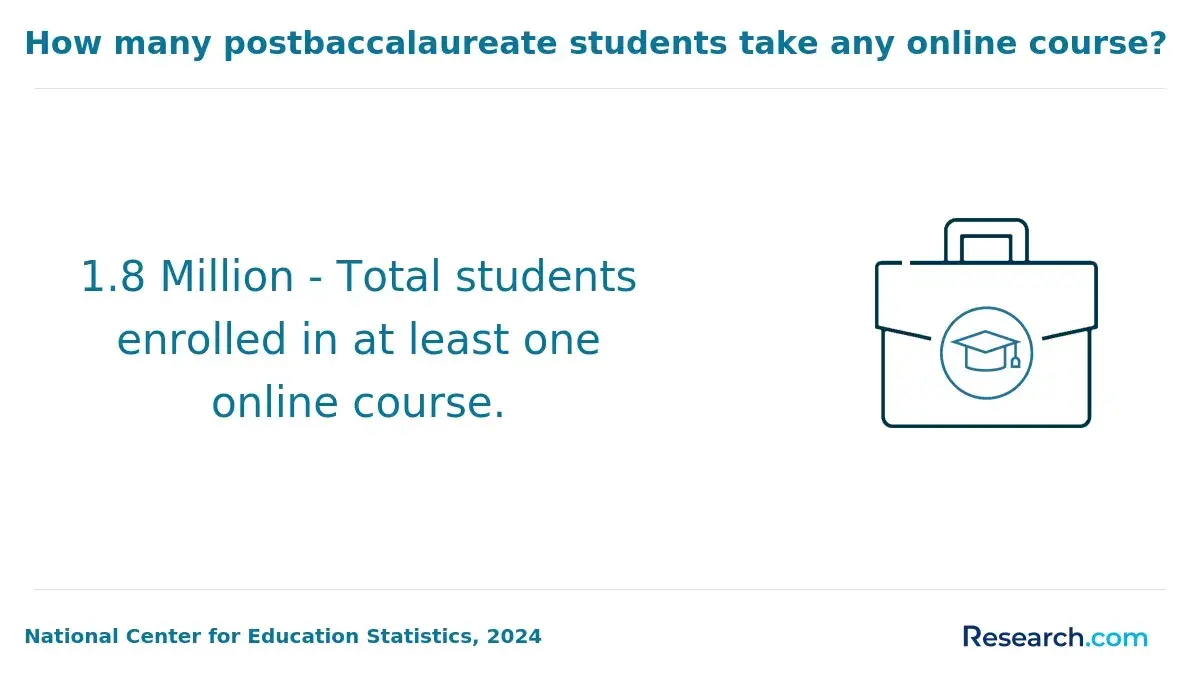
These two types of accreditation reflect different priorities and standards, influencing the overall institutional quality. With over 6 million students enrolled in online courses, the distinction between the modes of accreditation plays an increasing role in educational decision-making.
Institutions with regional accreditation tend to uphold comprehensive academic rigor, while nationally accredited programs often focus on specific career preparation. The practical differences between the two affect credit transfer, employer recognition, and graduate school acceptance.
Degrees from regionally accredited institutions generally receive wider recognition by employers and graduate programs, facilitating smoother credit transfers and academic progression. In contrast, nationally accredited programs may encounter limitations in these areas, potentially restricting students' academic and professional flexibility.
For prospective students exploring national and regional accreditation for online criminology bachelor's programs, considering these implications is crucial. Those interested in affordable educational options might find resources like online colleges that accept FAFSA beneficial when researching accredited programs.
Which Agencies Provide Regional Accreditation for Online Criminology Bachelor's Degrees?
Regional accreditation in the United States is granted by seven primary agencies recognized by the U.S. Department of Education. These bodies evaluate colleges and universities on academic quality, institutional effectiveness, and student support services.
About 60% of postsecondary institutions nationwide hold regional accreditation, which is highly valued for ensuring rigorous standards. This type of accreditation is especially important for students interested in transferring credits or pursuing graduate studies in online criminology programs. Below are the main regional accrediting bodies offering online criminology degrees:
- The Middle States Commission on Higher Education (MSCHE): MSCHE accredits institutions mainly in Delaware, the District of Columbia, Maryland, New Jersey, New York, Pennsylvania, and Puerto Rico. It focuses on enhancing academic quality and institutional performance in these areas.
- The New England Commission of Higher Education (NECHE): NECHE oversees schools in Connecticut, Maine, Massachusetts, New Hampshire, Rhode Island, and Vermont, ensuring educational standards that benefit students in these northeastern states.
- The Higher Learning Commission (HLC): Covering a vast central region including Arkansas, Arizona, Colorado, Illinois, Indiana, Iowa, Kansas, Michigan, Minnesota, Missouri, Nebraska, New Mexico, North Dakota, Ohio, Oklahoma, South Dakota, West Virginia, Wisconsin, and Wyoming, HLC accredits a diverse range of institutions offering online criminology degrees.
- The Southern Association of Colleges and Schools Commission on Colleges (SACSCOC): SACSCOC accredits schools in Alabama, Florida, Georgia, Kentucky, Louisiana, Mississippi, North Carolina, South Carolina, Tennessee, Texas, and Virginia, maintaining standards across the southern United States.
- The Western Association of Schools and Colleges - Senior College and University Commission (WSCUC): WSCUC serves institutions primarily in California, Hawaii, and the Pacific territories, certifying quality and institutional integrity in this western region.
Students looking for reputable and effective online accredited programs can consider exploring affordable online bachelor degree programs to balance quality and cost.
What Are the Main National Accrediting Bodies for Online Criminology Bachelor's Degree Programs?
National accreditation in the U.S. is generally awarded by agencies that specialize in career-focused, technical, or vocational institutions operating nationwide. These agencies play a key role in certifying programs designed to equip students with practical skills for specific careers.
Roughly one in ten degree-granting colleges and universities hold national accreditation. Below are the primary national accrediting bodies overseeing online criminology bachelor's degree programs:
- Accrediting Commission of Career Schools and Colleges (ACCSC): This agency accredits career training institutions and professional education providers, including many online schools offering criminology-related degrees, with an emphasis on career preparation and applied learning outcomes.
- Distance Education Accrediting Commission (DEAC): DEAC focuses on accrediting distance education institutions, ensuring quality remote instruction and tailored support for non-traditional students enrolled in online criminology programs.
- Council on Occupational Education (COE): COE accredits technical and vocational colleges, primarily for certificates and associate degrees, but some bachelor's criminology programs at technical schools also hold this accreditation.
- Accrediting Council for Independent Colleges and Schools (ACICS): Historically responsible for accrediting many for-profit institutions, ACICS includes some schools offering online criminology bachelor's degrees, concentrating on career-oriented education; however, its federal recognition has experienced periods of change.
Regionally accredited online criminology bachelor's programs generally maintain consistent and rigorous admission standards. Applicants are commonly required to present a high school diploma or GED accompanied by a minimum GPA, often around 2.5 or higher.
The application process usually involves submitting official transcripts, a personal statement, and occasionally letters of recommendation. Some programs also ask for standardized test scores, such as the SAT or ACT, although this is becoming less frequent. These programs tend to be more competitive, with regional institutions averaging acceptance rates near 65%, reflecting moderate selectivity.
On the other hand, nationally accredited programs often emphasize greater accessibility and more flexible admission guidelines. They frequently accept candidates with lower GPAs or alternative credentials, such as a GED, without requiring extensive supplemental documents.
The application is typically straightforward, requiring basic proof of high school completion and minimal additional paperwork. Due to this inclusive approach, nationally accredited programs often report acceptance rates exceeding 80%. While this openness broadens educational opportunities, it usually comes alongside less stringent academic expectations at entry.
A graduate of an online criminology bachelor's program shared how navigating different admission processes shaped her outlook. She found the regional program's detailed application both challenging and motivating, noting, "Gathering transcripts and crafting a personal statement felt daunting but prepared me mentally for the coursework."
Conversely, she appreciated the smoother process at a nationally accredited school she briefly considered, which "made returning to education after years away feel achievable without overwhelming hurdles." Her experience highlights how accreditation impacts not just entry requirements but also student confidence and readiness.
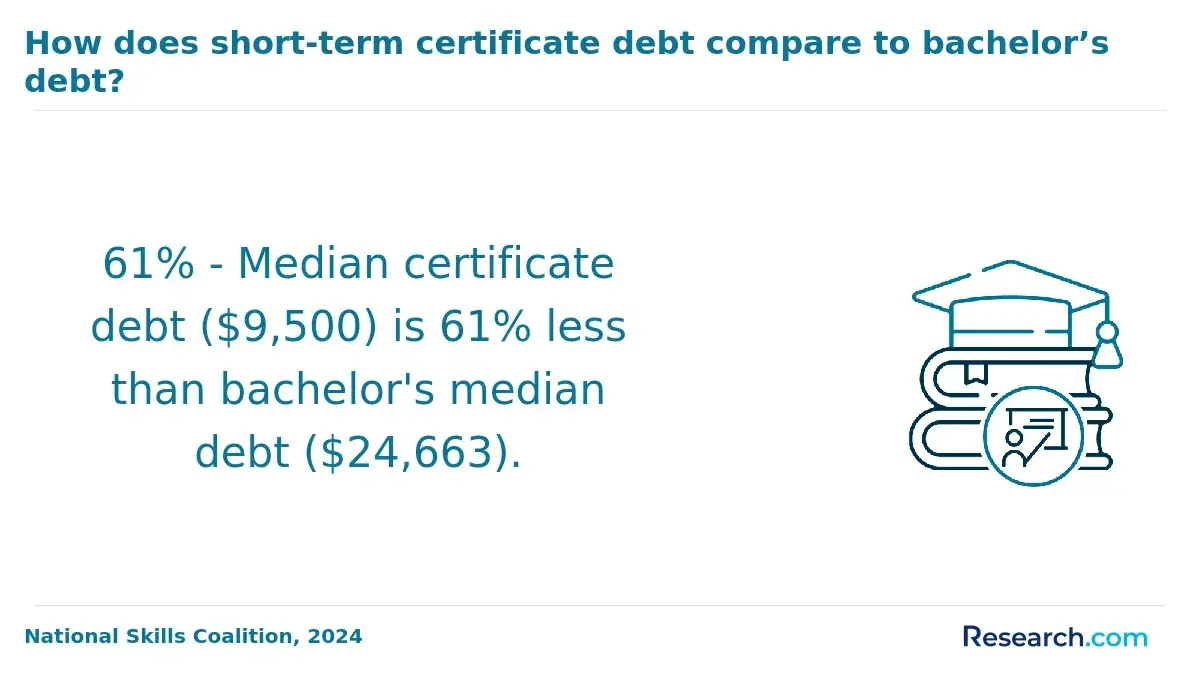
Tuition for online criminology bachelor's degree programs varies widely depending on accreditation type, institutional setup, and program fees. Data from the National Center for Education Statistics shows students at regionally accredited schools often pay 15% to 30% more per credit hour than those at nationally accredited institutions.
These differences influence both cost and academic value across various points:
- Pricing Models: Regionally accredited colleges usually have higher tuition rates and include fees for technology, library use, and student services. Nationally accredited schools may offer lower base tuition but often add separate fees that affect the total cost.
- Cost Ranges: Regionally accredited programs typically charge between $300 and $600 per credit hour, resulting in overall tuition above $36,000 for a bachelor's degree. Nationally accredited programs generally fall between $200 and $400 per credit hour, offering more affordable short-term pricing.
- Value Considerations: Regional accreditation often ensures broader academic recognition and transferable credits, which can reduce future educational expenses. National accreditation's lower tuition might limit transfer options and academic benefits.
- Institutional Structure: Regionally accredited programs mainly come from nonprofit or public universities, while nationally accredited options are commonly career-focused or for-profit institutions.
- Program Comparison: Prospective students should explore a criminal justice degree pricing landscape to understand fee inclusions and long-term advantages tied to accreditation.
Financial aid options for online criminology bachelor's degrees often hinge on the type of accreditation the institution holds and whether it participates in federal and state aid programs. Nearly 85% of college students receive some form of financial assistance. The differences between regional and national accreditation can shape the range and accessibility of these funding sources.
- Federal Aid: Federal grants and loans are typically accessible only to students at schools with regional accreditation or nationally accredited institutions recognized under Title IV. Regionally accredited programs almost always qualify, while many nationally accredited colleges may not be eligible if their accreditation lacks federal recognition.
- State Grants: State-based aid often requires attending an accredited institution within the state. Regionally accredited schools are more frequently approved, but some states accept nationally accredited programs depending on regional policies.
- Scholarships: Institutional scholarships are offered by many colleges regardless of accreditation, though regionally accredited schools tend to have larger scholarship funds due to more substantial endowments. Private scholarships focus on student merit or background rather than accreditation, benefiting students of both types equally.
- Work-Study: Federal work-study programs are available only at schools participating in Title IV financial aid, mainly those with regional accreditation, offering an additional aid channel not often available at nationally accredited institutions.
Transferring credits from a nationally accredited to a regionally accredited online criminology bachelor's degree program can be complex and is often influenced by institutional policies, course equivalency, and the recognition of different accreditation standards.
Regionally accredited schools typically apply stricter criteria and may prioritize credits from other regionally accredited institutions, making acceptance of nationally accredited credits less common. Factors such as detailed course content comparisons and articulation agreements also play a critical role in determining transferability.
A common trend in U.S. higher education is that regionally accredited universities are cautious with transfer credits from nationally accredited schools, frequently requiring students to retake courses or complete additional requirements. This reflects regional accreditation's emphasis on maintaining rigorous academic standards and quality assurance.
When I spoke with a student currently enrolled in an online criminology bachelor's degree, he described his transfer experience as challenging but manageable. He shared that "the process involved submitting detailed course descriptions and accreditation documents, and even then, some credits were initially rejected."
He found navigating institutional policies frustrating at times, remarking, "It felt like a constant back-and-forth trying to prove my previous coursework matched the new program's standards." However, consulting academic advisors and remaining persistent helped him eventually transfer a portion of his credits, even if the journey required extra effort and patience.
This highlights the importance of preparation and clear communication in credit transfer between nationally and regionally accredited programs.
Accreditation type can influence employer perceptions of online criminology bachelor's degrees, shaped by industry norms and hiring standards. Research indicates that around 85% of employers prefer candidates with degrees from regionally accredited schools.
This trend plays a role in how job opportunities unfold for graduates from different types of programs, with the following considerations in mind:
- Employer Perception: Regional accreditation is often viewed as the gold standard, especially by government agencies and traditional law enforcement employers, who may see it as a mark of academic rigor. National accreditation, meanwhile, is recognized but sometimes considered less prestigious due to its vocational or career-focused orientation.
- Industry Expectations: Employers in sectors like corrections or forensic work often expect regional accreditation for competitive roles, influencing hiring filters and eligibility. However, some private or specialized organizations prioritize relevant skills and experience over accreditation type.
- Hiring Filters: Many government and federal agencies use accreditation status as an initial screening criterion. Graduates from regionally accredited programs may have an advantage in meeting formal hiring standards, particularly for roles requiring advanced certifications or security clearances.
- Role-Specific Requirements: While neither accreditation type disqualifies candidates outright, certain positions demand credentials aligned with regional accreditation. Conversely, programs with national accreditation often meet specific technical standards valuable for applied criminology jobs.
- Career Navigation: Understanding how accreditation influences employer preference can help graduates better target their job search and professional development. For students considering program options, it's also useful to explore related fields, such as art therapy master's programs, that may complement criminology careers.
Accreditation type plays a crucial role in determining eligibility for advanced degrees after completing an online criminology bachelor's degree. Graduate admissions committees heavily weigh whether an applicant's previous institution holds regional or national accreditation, as this affects credit transferability and degree recognition.
Research indicates that over 80% of graduate programs strongly prioritize regional accreditation when reviewing applicants' transcripts. Below are some of the main considerations regarding advanced degree eligibility:
- Graduate School Preference: Most master's and doctoral programs prefer applicants with degrees from regionally accredited institutions, which are seen as meeting rigorous academic standards. National accreditation, common among career-focused schools, may not always be accepted, potentially limiting admissions options.
- Credit Transferability: Credits earned at regionally accredited schools generally transfer smoothly to graduate programs, while those from nationally accredited institutions often require additional validation or may be rejected. This can result in extra coursework or conditional admissions.
- Institutional Policies: Graduate schools vary in how they treat degrees from nationally accredited programs. Some consider them on a case-by-case basis, while others decline them outright, creating inconsistent eligibility outcomes.
- Impact on Advanced criminology degrees: Understanding the impact of regional versus national accreditation on graduate school acceptance for criminology degrees is essential for students aiming to pursue further studies seamlessly.
- Program Selection: Prospective students should research accreditation as part of their decision-making process, including consulting resources like the online interdisciplinary studies degree ranking affordable to ensure their academic and career goals align with recognized programs.
When comparing regional and national accreditation for an online criminology bachelor's degree, students should focus on how each type affects institutional recognition, academic quality, and program flexibility.
Regional accreditation is often regarded as more prestigious and widely accepted by traditional colleges, employers, and graduate programs. National accreditation, while valid, usually caters to career-focused or vocational programs and may not be recognized as easily for credit transfers or advanced study.
Research suggests that nearly 60% of students begin their education unaware of these distinctions, which can significantly impact their academic trajectory. Considering whether the degree will be used for graduate education or professional advancement is crucial when weighing these options.
To make an informed decision, students should first verify each school's accreditation through trusted sources such as the U.S. Department of Education's database. It is also important to confirm if credits will transfer smoothly, especially if there is a plan to continue education at other institutions.
Understanding one's long-term academic and career goals helps align the choice with future needs; for example, regional accreditation generally supports those aiming for graduate studies, while national accreditation may be sufficient for direct entry into certain criminal justice roles.
What Graduates Say About Regional vs National Accreditation for Online Criminology Bachelor's Degrees
- Seth: "Choosing a regionally accredited online criminology program was crucial for me because I wanted a degree that was widely recognized by employers and graduate schools. Although balancing coursework with my full-time job was challenging, the flexible schedule and quality resources made it manageable. Graduating from a respected program has definitely opened doors in law enforcement for me."
- Dean: "When I started my online criminology degree, I carefully weighed the pros and cons of national versus regional accreditation. I ultimately chose a nationally accredited program for its affordability and accelerated pace, which fit my lifestyle. While some colleagues were skeptical, I found that the practical skills I gained helped me advance quickly in victim advocacy work."
- Roman: "Pursuing a regionally accredited online criminology degree gave me confidence that my education was rigorous and respected in the field. Reflecting back, the depth of coursework and opportunities for virtual networking significantly strengthened my analytical skills. This degree has been instrumental in securing a position with a federal agency."
Other Things You Should Know About Criminology Degrees
Yes, many employers recognize online criminology degrees with national accreditation, but regional accreditation is generally more widely accepted in the criminal justice field. Regional accreditation is often viewed as a mark of higher academic quality, which can influence hiring decisions, especially for government and law enforcement roles.
Yes. Most regionally accredited universities accept credits from regionally accredited bachelor’s programs, but many require a minimum 2.5 or 3.0 GPA for admission. Some master’s in criminology or criminal justice programs also ask for prerequisite coursework in research methods or statistics.
Regionally accredited programs typically offer more extensive academic support services, including tutoring, career counseling, and research resources. While nationally accredited programs may provide support, the range and quality can vary significantly, influencing student success and experience.
- Most Affordable Online Criminal Justice Degrees https://www.affordablecollegesonline.org/degrees/criminal-justice-programs/
- List of Online Colleges with Regional Accreditation https://www.onlineu.com/resources/accreditation/regional-accreditation
- What’s the Difference between Regional and National Accreditation for Online College Degree Programs? - Best Colleges Online https://www.bestcollegesonline.org/faq/whats-the-difference-between-regional-and-national-accreditation-for-online-college-degree-programs/
- Bs Criminal Justice https://applyzones.com/bs-criminal-justice-cou54590
- Regional vs National Accreditation: Key Differences Explained https://collegedegree.education/regional-vs-national-accreditation-key-differences-explained/
- criminal justice degree online cheap: Affordable Options https://www.accio.com/biz-cheap/criminal-justice-degree-online-cheap
- Criminal justice degree requirements https://blended-learning.or.at/ebusiness/bills/criminal-justice-degree-requirements
- Top Online Criminal Justice Degrees https://www.criminaljusticeprograms.com/online-criminal-justice-degrees/
- Earning a Criminal Justice Degree Online | University of Bridgeport https://www.bridgeport.edu/news/earning-a-criminal-justice-degree-online/
- Online Criminology Degree https://stmary.edu/online-programs/criminology.html