2027 Online Criminology Bachelor's Degree Programs With Open Enrollment

Co-Founder and Chief Data Scientist
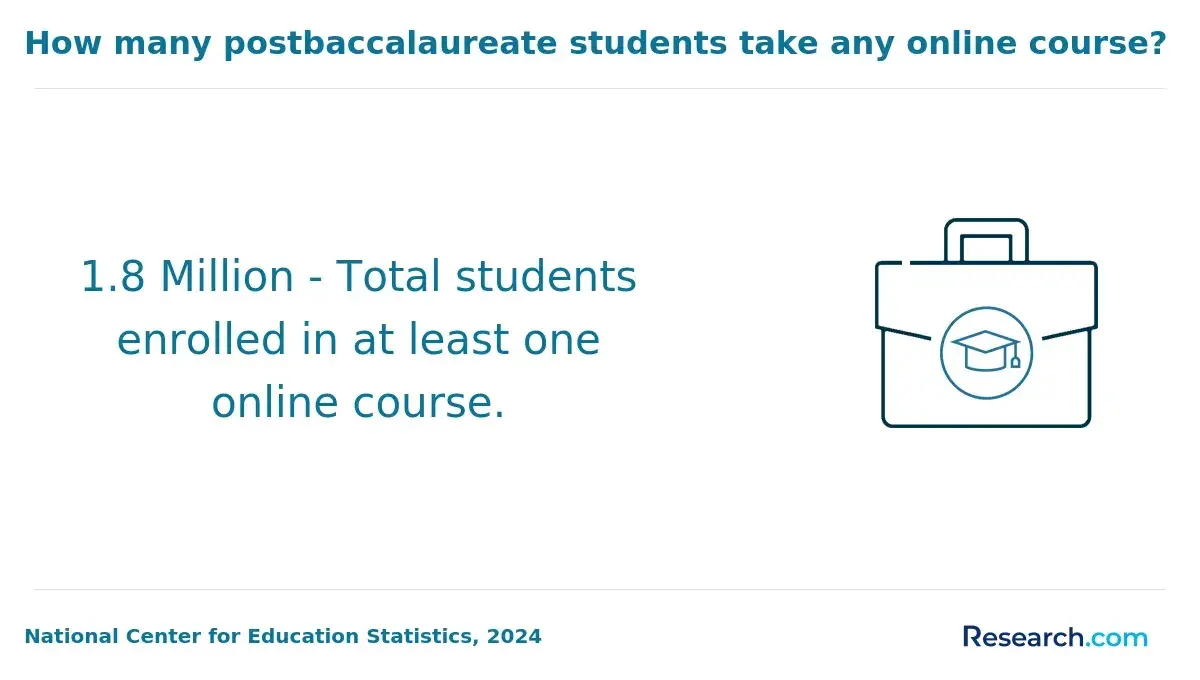
Imagine a working adult aiming to enter the criminal justice field without delaying a career. Many online criminology bachelor's degree programs with open enrollment provide immediate access throughout the year, appealing to students balancing jobs and personal commitments. According to the National Center for Education Statistics, enrollment in fully online undergraduate programs rose by 15% from 2018 to 2022, reflecting increased demand for flexible learning options.
This article examines top programs with open admission policies, helping prospective students navigate application requirements and select programs that accommodate their schedules and career goals in criminology.
Key Benefits of Online Criminology Bachelor's Degree Programs With Open Enrollment
- Online criminology bachelor's programs often feature flexible start dates, allowing students to begin coursework year-round without waiting for traditional semester schedules.
- Open enrollment policies provide accessible admissions pathways, enabling students to enroll without strict GPA or standardized testing requirements.
- These programs offer convenience for working or nontraditional students by combining asynchronous coursework with mobile access, supporting balancing education, employment, and personal obligations.
Who Qualifies for an Online Criminology Bachelor's Degree With Open Enrollment?
Open enrollment policies in online criminology bachelor's degree programs aim to expand access to higher education by welcoming a broader range of applicants beyond traditional admission hurdles. Approximately 40% of undergraduate students in the U.S. are considered nontraditional, highlighting the growing need for flexible admission options that accommodate diverse learners. Such programs specifically address the eligibility criteria for open enrollment criminology programs, making it easier for many prospective students to pursue their educational goals.
Several groups typically qualify for these open enrollment programs:
- Recent High School Graduates: Those who have completed high school or earned an equivalent diploma and seek a flexible pathway to earn a bachelor's degree without restrictive admission requirements.
- Working Adults: Individuals balancing employment responsibilities who benefit from programs adapted to their busy schedules while they advance their academic credentials in criminology.
- Nontraditional Students: Learners returning to education after interruption or career changes, supported by adaptable pacing and reduced barriers typical of open enrollment structures.
- Individuals With Prior College Experience: Students who started college but did not complete a degree and now want to restart and finish their studies in criminology with accessible admission policies.
This inclusive approach reflects the evolving nature of higher education, meeting the needs of students managing multiple responsibilities alongside academic ambitions. Prospective students exploring admission requirements for online criminology bachelor's degree programs often find these flexible open enrollment options align well with their circumstances. For more information on affordable opportunities, consider exploring the cheapest online colleges that accept fafsa in usa, which may offer additional support for eligible learners.
What Is the Difference Between Open Enrollment and Rolling Admission in an Online Criminology Bachelor's Degree?
Open enrollment and rolling admission are often confused, but they represent distinct approaches to managing applications and enrollment timing in online criminology bachelor's degree programs. According to the Online Learning Consortium's 2023 report, nearly 45% of online undergraduate students choose programs with open or flexible enrollment policies, reflecting a growing demand for accessible education options. Exploring the differences between flexible enrollment options for online criminology degrees helps prospective students identify the best fit for their circumstances.
Open Enrollment
- Admission Flexibility: Open enrollment programs accept all applicants who meet basic eligibility criteria without a competitive review process or strict deadlines, making them accessible to a wide range of students.
- Application Timing: Students can apply at multiple points throughout the year, allowing for greater flexibility in starting their studies.
- Evaluation Process: These programs generally do not reject applicants, prioritizing broad access to education rather than selective admission.
- Enrollment Structure: Open enrollment supports several start dates annually, enabling students to begin coursework soon after applying.
Rolling Admission
- Continuous Review: Rolling admission programs evaluate applications individually as they arrive until all available seats are filled, without fixed deadlines.
- Selective Acceptance: Admissions decisions are made case-by-case, ensuring candidates meet program standards before acceptance.
- Application Timing: Although there is flexibility in when to apply, the timing of acceptance depends on the program's capacity and ongoing review process.
- Enrollment Scheduling: Start dates may be more limited compared to open enrollment, as availability depends on class sizes and scheduling constraints.
Prospective students exploring online criminology bachelor's degree programs should consider these enrollment options carefully in light of their personal schedules and academic goals. Those seeking a pathway with fewer barriers might find open enrollment more accommodating. Additionally, students interested in some of the most lucrative college degrees might weigh these flexible enrollment styles when planning their education journey.
2026 Update: Career-Readiness Checks Before Enrolling
For 2026, this article adds a closer look at how open enrollment criminology programs support career preparation beyond flexible admission, especially for students planning to work in law enforcement, courts, corrections, victim services, or public safety.
- Whether the curriculum includes applied topics such as ethics, research methods, criminal behavior, and justice policy.
- If internships, field placements, or local agency projects are available to fully online students.
- Whether students receive guidance on background checks, fitness standards, or hiring expectations for justice-related roles.
- How the program supports career planning through advising, resume help, or interview preparation.
- If credits can prepare students for graduate study in criminology, criminal justice, public administration, or related fields.
- Whether faculty have practical experience in criminal justice, legal, or public safety settings.
Checking these factors helps students choose an open enrollment program that is not only accessible, but also aligned with their long-term criminology career goals.
Online criminology bachelor's degree programs with open enrollment offer more flexible admission standards than traditional routes, making higher education accessible to a wider audience. Nearly 39% of undergraduates attend schools with open or nonselective admissions, reflecting how these programs support diverse learners who might otherwise face barriers. Below are some typical admission components found in these programs.
- Proof of Prior Education: Applicants usually need to present evidence of completing high school, such as a diploma or GED. This confirms that foundational learning requirements are met before starting college-level coursework.
- Application Materials: Basic documentation like a completed application form is necessary, sometimes supplemented by transcripts or identification. These materials allow institutions to verify applicant details efficiently.
- Identity Verification: Confirming a student's identity helps maintain academic integrity in an online setting, often involving secure ID checks or authentication steps.
- Readiness Assessment: Programs may ask applicants to complete an orientation survey or assessment to gauge their preparedness for online learning's unique demands and available resources.
"When I first applied, I was a bit nervous about how the online format would work, especially with verifying my documents and understanding the tech side," shared a current student enrolled in an online criminology bachelor's degree with open enrollment. "The school provided clear instructions for uploading my high school diploma and answering a readiness questionnaire, which really helped me feel more confident about starting classes remotely. It wasn't overwhelming, but it definitely made me pause and think about managing my time and resources."
Open enrollment options in online bachelor degree programs have grown significantly, expanding access to education for diverse and nontraditional learners. Nationwide, online program enrollment has increased by more than 20% in recent years, reflecting a broad demand for flexible academic pathways. Many colleges offering open enrollment in criminology bachelor programs provide this accessibility without stringent admission requirements.
Students pursuing criminology through open enrollment can often choose from various concentrations to match their interests and career plans. Common specializations include:
- Criminal Justice Administration: This focus covers leadership and management practices in law enforcement agencies and public safety organizations, preparing students for administrative roles.
- Forensic Science and Investigation: Emphasizing methods for crime scene analysis, evidence collection, and laboratory procedures, this specialization supports careers in criminalistics.
- Corrections and Rehabilitation: Students explore strategies for managing offenders and facilitating their successful reintegration into society.
- Cybercrime and Digital Forensics: Addressing crimes involving technology, this area focuses on investigating cyberattacks and digital evidence.
- Victimology and Criminal Behavior: This path examines the effects of crime on victims and the psychological factors influencing offenders.
Those interested in further flexible study options might explore the best online masters in construction management for advanced degree pathways comparable in accessibility and structure.
The application process for an online criminology bachelor's degree program with open enrollment is designed to be straightforward and accessible, minimizing barriers that traditional admissions often impose. This approach allows prospective students to begin soon after deciding to pursue their studies without extensive delays.
Here's a simplified overview of what you can expect:
- Create an Online Account: Start by registering on the school's admissions portal, which lets you save your work and return to the application as needed.
- Fill Out the Application: Complete the form by providing essential personal, educational, and contact information, usually with fewer requirements than conventional programs.
- Submit Documents: Upload or send your high school diploma or GED, school transcripts, and any additional materials requested. Some schools may accept unofficial copies at first to speed things up.
- Confirm Enrollment Details: Review and verify your start date, tuition costs, and financial aid options. Advising resources are often available to help you through this step.
- Receive Admission Notification: After your materials have been reviewed, the school will inform you of your acceptance and provide instructions for registration and orientation, if applicable.
A graduate of an online criminology bachelor's degree with open enrollment shared that although starting felt overwhelming at first, the flexibility in submission deadlines eased the pressure significantly. She noted, "Being able to submit an unofficial transcript initially helped me move through the process quicker." She also appreciated the availability of advisors who "made sure I understood each step without feeling rushed." Reflecting on her experience, she emphasized how the streamlined application allowed her to focus more on preparing for her coursework than on administrative hurdles, making the pathway to a criminology degree feel uniquely accessible and supportive.
Many online criminology bachelor's degree programs with open enrollment offer flexible start dates, though options vary by program design and administrative rules. Research indicates that about 70% of online programs in the U.S. provide multiple enrollment periods each year, giving students more chances to begin their studies. These features help accommodate learners balancing diverse responsibilities.
Key factors to consider regarding start dates include:
- Continuous Enrollment: Certain programs permit students to enroll at any time throughout the year, supporting rolling admissions and immediate course access.
- Multiple Start Dates: Many online criminology degrees schedule classes quarterly or triannually, offering several opportunities annually to start coursework.
- Program Pacing: Flexible pacing, such as accelerated or self-paced formats, influences how quickly students can progress and when they can initiate their studies.
- Administrative Processing: Prospective students should account for application review, financial aid processing, and registration timelines that may delay the actual start of classes.
- Course Scheduling: Some required courses may only be available in specific terms, which can affect when students are able to begin or continue their programs.
Online criminology bachelor's degree programs with open enrollment often remove typical admissions barriers such as minimum GPA requirements, standardized test scores, and prerequisite courses, making them more accessible than traditional selective programs. This approach reflects a larger trend in U.S. higher education, where nearly 40% of colleges have adopted nonselective admissions policies to broaden access for a diverse range of students. These policies particularly benefit adult learners and those needing flexible schedules, allowing more individuals to pursue their education without the usual entry hurdles.
While open enrollment simplifies the admissions process, it does not eliminate the need for students to meet fundamental readiness criteria. Applicants generally must still submit a formal application, provide proof of high school completion or GED equivalency, and sometimes complete placement assessments. Institutions expect students to demonstrate the ability to manage college-level criminology coursework and adhere to academic policies once admitted to ensure success and satisfactory progress.
The total cost of earning an online criminology bachelor's degree with open enrollment varies significantly depending on program structure and fee policies. On average, tuition for online bachelor's degree programs in the United States ranges from approximately $15,000 to $20,000 annually, although this can fluctuate widely. Understanding the breakdown of expenses can help students better prepare financially for their education.
- Tuition Per Credit Hour: Many programs charge tuition by the credit hour, with criminology degrees typically requiring between 120 and 130 credits. This method allows flexibility in course load but means total costs depend on how many credits a student takes each term. Some schools offer flat-rate tuition for full-time enrollment, making budgeting more predictable.
- Technology Fees: Online learning often includes technology or platform fees, which support digital tools and course delivery. These fees may be charged each semester or as a one-time expense and are an important factor beyond tuition in the overall cost.
- Course Materials: Costs for textbooks, software licenses, or specialized resources can vary. While many programs provide digital materials or access to online databases, students should anticipate additional expenses for certain required materials in criminology studies.
- Administrative Fees: Some institutions charge fees for registration, exams, or transcript services. These may be one-time or recurring and vary widely by school, contributing modestly to total expenses.
Prospective students pursuing an urban planning online degree or similar flexible programs should carefully evaluate cost elements when comparing options for affordability and fit.
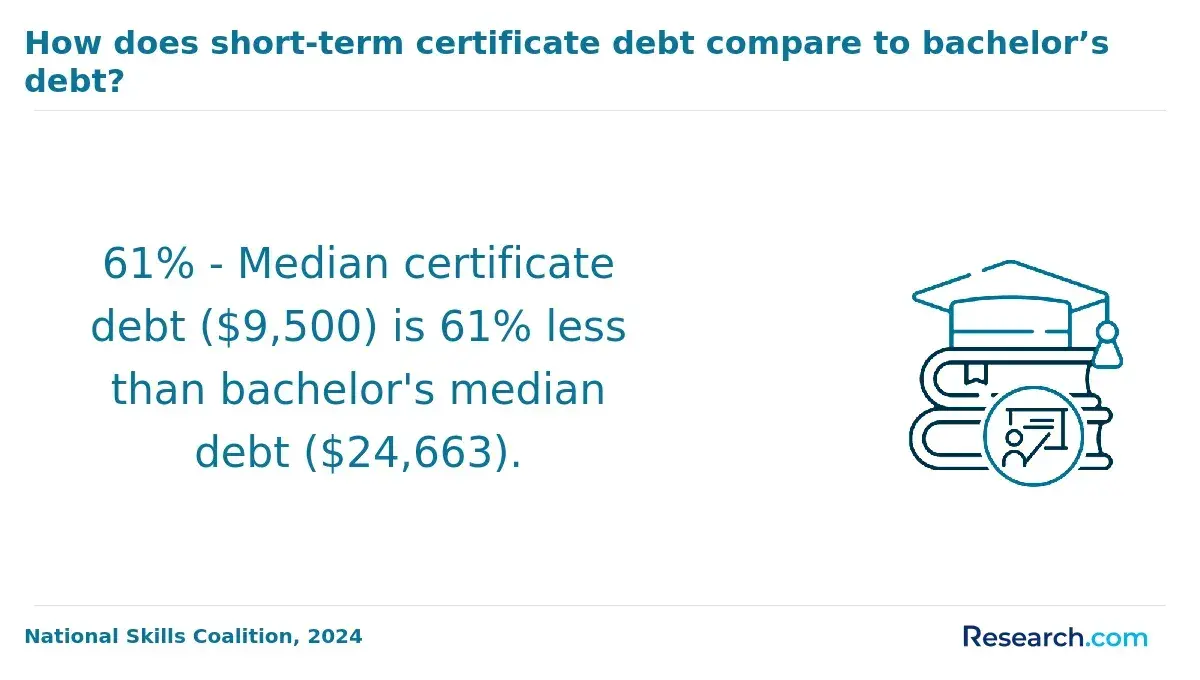
Open enrollment online criminology bachelor's degree programs expand access to higher education by reducing admission barriers for many students. However, this approach can present challenges related to student preparedness and program demands. For example, the National Center for Education Statistics reports that only about 24% of students in fully online undergraduate programs complete their degrees within six years, compared to 58% for traditional on-campus students. These limitations highlight important considerations for those exploring flexible admission criminology programs.
Potential disadvantages include:
- Student Preparedness: Open enrollment policies often accept all applicants who meet the most basic criteria, leading to a wide range of academic backgrounds. This variability can impact overall learning dynamics and may require additional self-motivation to succeed.
- Less Selective Admissions: Programs with less selective admissions may experience larger class sizes and provide less personalized faculty attention, which can affect individual student support and engagement.
- Limited Peer Interaction: Reduced opportunities for cohort bonding and peer support can hinder the development of professional networks and motivation, which are crucial in criminology education.
- Self-Discipline Requirements: Flexible formats demand strong time management skills and discipline, frequently challenging students who balance education with work or family obligations.
- Resource Availability: Some online programs may offer fewer on-campus resources or direct mentorship, limiting academic advising and engagement.
Students considering open enrollment online criminology bachelor's degree challenges should weigh these factors carefully in relation to their learning styles and career plans. Those seeking less traditional pathways might also explore easy certifications to get online as additional credentials supporting their career growth.
Managing time efficiently is vital for students pursuing flexible, self-paced online criminology bachelor's degrees. Research shows that learners who set aside regular study periods each week are 30% more likely to finish their courses successfully. Implementing effective strategies can help maintain steady progress and reduce stress.
- Consistent Study Schedule: Dedicate specific hours daily or weekly solely to coursework. Regular routines help build momentum and prevent procrastination by establishing clear study habits.
- Task Prioritization: Organize assignments and readings based on due dates and difficulty. Tackling higher-priority tasks first ensures balanced progress and avoids last-minute rushes.
- Minimize Distractions: Choose a quiet workspace free from interruptions such as phone alerts or household noise. A focused environment enhances concentration and maximizes study efficiency.
- Track Progress: Use planners or digital tools to monitor completed modules and deadlines. Seeing tangible progress boosts motivation and allows for timely adjustments to study plans.
What Graduates Say About Online Criminology Bachelor's Degree Programs With Open Enrollment
- Kayden: "Choosing an online criminology bachelor's degree with open enrollment was a game-changer for me because it allowed me to start my studies without waiting for traditional application cycles. The flexibility helped me juggle work and school, but staying disciplined was definitely a challenge in a self-paced environment. Ultimately, earning this degree boosted my confidence and opened doors to new roles in law enforcement that I hadn't thought possible before."
- Cannon: "Pursuing an open enrollment online criminology program was ideal due to my unpredictable schedule and need to balance family responsibilities. While I sometimes missed the in-person interactions, the curriculum was comprehensive and accessible, helping me master key concepts remotely. This degree has been instrumental in advancing my career as a probation officer, allowing me to apply evidence-based practices daily."
- Nolan: "As a working professional, I valued the open enrollment feature of my online criminology bachelor's program because it let me start right away without lengthy admissions barriers. Navigating coursework online required strong self-motivation, but the real-world case studies and interactive content kept me engaged. Today, this degree supports my work in criminal justice research, providing credibility and a deeper understanding of complex issues."
Other Things You Should Know About Criminology Degrees
Many online criminology bachelor's degree programs with open enrollment hold regional or national accreditation, which ensures academic quality and credibility. Prospective students should verify accreditation status through recognized agencies before enrolling to guarantee their degree is respected by employers and eligible for federal financial aid.
Yes. Most open-enrollment online criminology bachelor’s programs require a high school diploma or GED for admission. Some schools also ask for official transcripts, a minimum GPA, and proof of English proficiency for international applicants. Transfer students may submit college transcripts to earn up to 90 credits toward the degree.
- Time Management Tips for Online College Students - The Study Abroad Portal https://thestudyabroadportal.com/studyabroadblog/time-management-tips-for-online-college-students/
- Criminology Degree Online https://www.snhu.edu/online-degrees/bachelors/bs-in-criminal-justice/criminology
- 10 Best Online Colleges with Rolling Admissions for 2026 – Rankings https://www.collegeconsensus.com/rankings/best-online-colleges-with-weekly-start-dates/
- Online Criminal Justice B.S. | University of Tennessee at Chattanooga https://www.utc.edu/arts-and-sciences/departments-and-programs/criminal-justice/undergraduate-curriculum/online-criminal-justice-bs
- BACHELOR OF CRIMINAL JUSTICE - Faculty of Law, Administration and Economics https://law.uwr.edu.pl/enrollment/bachelor-of-criminal-justice-enrollment/
- Paving the Way for a Bright Future: 8 Benefits of an Online Criminal Justice Degree https://www.calcoast.edu/news/paving-the-way-for-a-bright-future-6-benefits-of-an-online-criminal-justice-degree
- Unlock Opportunity:The Advantages of Pursuing an Online Criminal Justice Degree - American Cop https://americancop.com/advantages-of-online-criminal-justice-degree/
- www.collegevaluesonline.com: Verifying that you are not a robot... https://www.collegevaluesonline.com/resources/study-skills/resources-study-skills-time-management-tips-online-students/
- Bachelor of Arts, Criminology : Thompson Rivers University, Open Learning https://www.tru.ca/distance/programs/bachelor-of-arts-criminology/
- Affordable Online Colleges With Open Enrollment & Flexible Start Dates https://www.affordablecollegesonline.org/college-resource-center/start-anytime-open-enrollment/