2027 Social Work Salary Trends Report: Are Wages Keeping Up With Tuition and Inflation?

Co-Founder and Chief Data Scientist
Considering a social work degree often involves weighing the financial benefits against the rising costs of education and the ongoing impact of inflation. A prospective student or recent graduate faces uncertainty about whether the salary gains in social work careers keep pace with increasing tuition fees and living expenses.
The disconnect between escalating education costs and stagnant or slowly growing wages complicates decisions about enrollment or career change. This dynamic heightens the need to evaluate both immediate and long-term financial outcomes linked to a social work degree.
Salary growth, tuition inflation, and overall cost of living rarely align, creating a complex picture of affordability and return on investment. Assessing salary figures without context misses critical factors such as purchasing power erosion over time and shifting economic conditions.
Understanding these tradeoffs helps clarify whether pursuing social work offers sustainable financial security. This article examines salary trends, education costs, inflation, and key influences on the long-term value of a social work degree.
Key Things to Know About Social Work Salary Trends
- Graduates often enter with median salaries around $50,000, but rising tuition and inflation outpace these gains, diminishing early-career financial stability and increasing debt repayment challenges.
- Long-term earning potential hinges on specialization and advanced credentials; clinical licensure typically yields 20-30% higher salaries, making targeted investment in certification pivotal for meaningful income growth.
- Geographic and organizational factors influence wage trajectories, with urban areas and healthcare settings offering better pay, underscoring the necessity to weigh cost of living against salary prospects.
- Key Things to Know About Social Work Salary Trends Key Things to Know About Social Work Salary Trends
- What Is the Current Salary Outlook for Social Work Graduates? Salary Outlook
- Are Social Work Salaries Keeping Up With Inflation? Inflation Impact
- How Do Tuition Costs Compare With Social Work Salary Growth? Tuition vs Salary
- Does a Social Work Degree Deliver a Positive Return on Investment? Degree ROI
- Which Industries Offer the Highest Salaries for Social Work Graduates? Which Industries Offer the Highest Salaries for Social Work Graduates?
- Which States and Cities Offer the Highest Pay for Social Work Professionals? Which States and Cities Offer the Highest Pay for Social Work Professionals?
- How Do Social Work Salaries Grow Throughout a Career? Career Growth
- How Do Social Work Salaries Compare With Similar Degrees? Salary Comparison
- How Is Employer Demand Affecting Social Work Salary Trends? Employer Demand
- How Can Students Maximize Their Lifetime Earnings With a Social Work Degree? Maximizing Earnings
What Is the Current Salary Outlook for Social Work Graduates?
The current social work graduate salaries reflect a nuanced reality shaped by more than just entry-level figures. According to the U.S. Bureau of Labor Statistics in 2024, median annual wages for social workers hover around $61,230 nationally, with healthcare social workers earning closer to $67,000, while those in school settings often start near $50,000.
However, two graduates with similar degrees can have markedly different outcomes; for example, one entering clinical social work in an urban hospital may see salaries 20% above the median due to demand in states like New York or California, while another working in a rural school district could face significantly lower wages, influenced by the local cost of living. This variation means the immediate salary outlook must be considered alongside geographic factors and chosen specialization.
Examining social work wages compared to tuition and inflation reveals a persistent tension as salary growth has not consistently kept pace with rising educational and living expenses.
Yet, the earning potential extends beyond initial paychecks: long-term advancement often hinges on licensure, such as becoming a Licensed Clinical Social Worker, or pursuing roles in administration and policy advocacy, which command higher compensation. Importantly, prospective students should interpret salary data in the context of career longevity and job market demand, both of which are expected to grow, particularly in healthcare and social service sectors.
For those weighing degree options, integrating cost considerations with potential salary trajectories offers a clearer picture; this includes understanding alternatives like pursuing a healthcare administration bachelor's degree online when flexibility or broader management roles might better align with financial goals.
Are Social Work Salaries Keeping Up With Inflation?
Nominal salary increases for social work professionals often mask a decline in real earnings once inflation is considered. For example, while median wages may have risen by roughly 3% over recent years, inflation rates near 6% during the same period mean that the purchasing power of those salaries has effectively diminished.
A recent graduate taking on student debt to work in a typical social services role may find that their paycheck stretches less in covering housing, transportation, and basic necessities than it did upon entering the field. This disconnect between wage growth and inflation highlights the challenge in relying solely on nominal pay increases to gauge financial progress in social work careers.
Social work salary growth versus inflation rates varies by specialty and region, but the overall trend points to wage stagnation relative to rising living costs. Those employed in healthcare or administrative social work roles might experience somewhat better pay adjustments, yet the broader workforce contends with tuition costs increasing faster than salaries, compounding financial strain early in their careers.
For individuals evaluating whether to pursue or continue in social work, understanding these dynamics is critical. Comparing the financial outlook of social work to fields with steadier income growth, like a medical coder salary, can provide valuable perspective in weighing educational investments and career decisions.
How Do Tuition Costs Compare With Social Work Salary Growth?
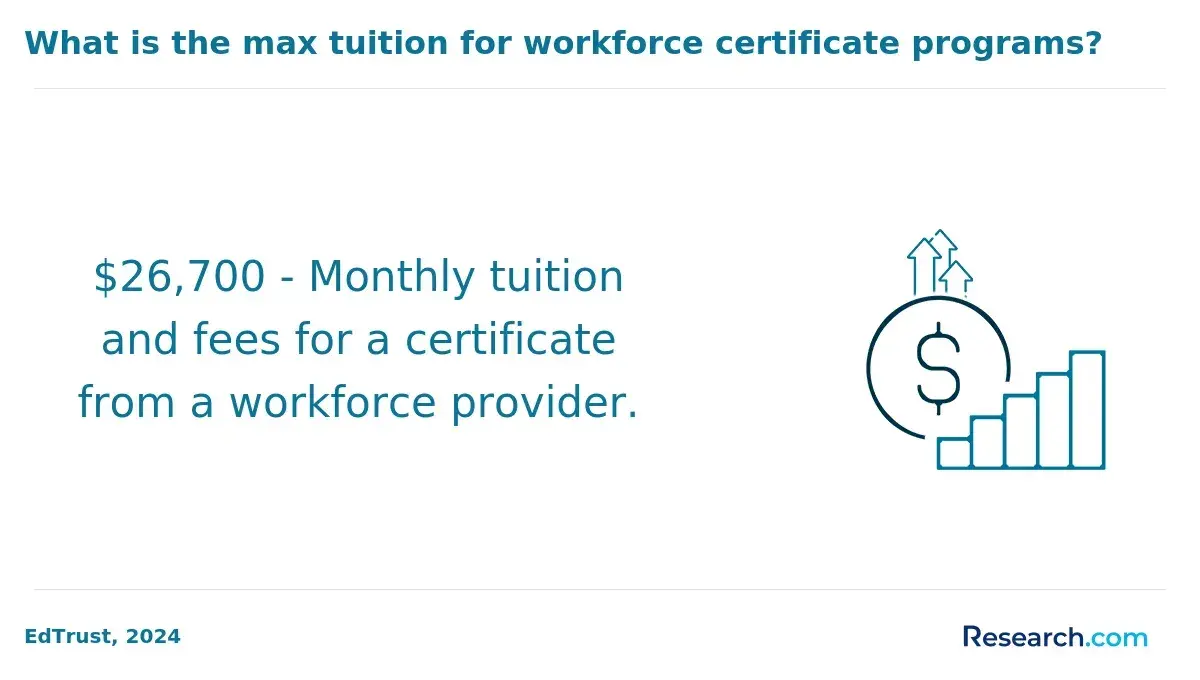
Evaluating tuition costs alongside salary growth for social work graduates reveals an unsettling financial imbalance. According to 2024 data from the National Center for Education Statistics, tuition at public four-year institutions has increased by about 4.5% annually, with private schools experiencing even sharper rises near 5-6%.
Meanwhile, median early-career salaries for social workers show more modest growth of roughly 2-3% each year, based on information from the U.S. Bureau of Labor Statistics. This divergence means the return on investment for a social work degree is shrinking over time, especially for students without access to scholarships or employer tuition assistance, highlighting that the cost of education is not keeping pace with earning potential.
Consider a graduate who took on substantial debt to attend a private university five years ago. Their starting salary might have been between $45,000 and $52,000, improving modestly to around $60,000 today. Although wages increase, they often fail to match the accelerating debt burden fueled by escalating tuition rates, intensifying financial pressures.
Factors such as employment in nonprofit or public sectors, which typically offer lower wage growth due to budgetary constraints, further complicate this picture. Consequently, analyzing tuition in conjunction with salary trajectories offers a clearer, more practical view of financial viability than examining either figure in isolation, since individual circumstances and economic trends heavily influence outcomes.
One social work graduate recalls hesitating before enrolling in an expensive program because she was already wary of debt. After weighing the steady but limited salary increases in her region against tuition inflation, she chose a public university with a strong scholarship.
Even though her initial pay was on the lower side, she felt relief knowing her education costs would not outstrip her earning capacity as sharply as they might have otherwise. Her experience underscores the importance of measuring potential earnings growth against tuition escalations and local job market realities when planning a social work career.
Does a Social Work Degree Deliver a Positive Return on Investment?
Return on investment (ROI) in higher education requires weighing the total cost of earning a degree against the long-term financial and professional benefits it provides. For a social work degree, this calculation goes beyond initial salaries-often around $62,000 annually according to the U.S. Bureau of Labor Statistics (2024)-to consider steady employment prospects, potential salary growth with advanced degrees, and job stability.
For example, a graduate who finances their education with moderate debt might see slower salary growth initially, especially in high-cost urban areas where tuition and living expenses outpace wage increases, necessitating careful budgeting to avoid prolonged financial strain.
Several key factors shape whether a social work degree translates to a positive ROI. Tuition inflation has consistently exceeded wage growth in many regions, increasing the up-front financial burden.
However, stable demand for social workers and opportunities for advancement through master's level programs can improve earnings over time. Geographic location and availability of scholarships or employer tuition assistance also critically affect the balance between educational debt and income, making ROI highly situational rather than uniform across all social work graduates.
Ultimately, determining if a social work degree is financially worthwhile depends on individual circumstances, including career goals and local economic conditions. Research from established institutions highlights that while starting pay may lag behind rising education costs, the profession's consistent growth and avenues for credential-based salary boosts provide a meaningful pathway to recoup investment over a full career span.
Prospective students should approach this decision by modeling both short- and long-term financial outcomes rooted in realistic earning scenarios rather than solely focusing on entry-level wages.
Which Industries Offer the Highest Salaries for Social Work Graduates?
Analysis of social work salary trends by industry and location reveals that compensation varies significantly depending on the sector and role specialization. While social workers contribute across diverse fields, those who strategically position themselves in high-demand industries benefit from stronger earning power and more stable career trajectories. Balancing tuition inflation against expected salaries is crucial, especially for graduates considering long-term financial sustainability.
Below are key industries recognized for offering the highest paying opportunities for social work graduates in the United States:
- Healthcare Settings: Roles in hospitals, outpatient clinics, and nursing facilities often provide top salaries due to the complexity of patient needs, requiring advanced clinical skills and sometimes certifications. Social workers in these environments address both physical and behavioral health challenges, making their expertise highly valuable.
- Government Agencies: Employment at federal, state, and local levels in departments such as health services, child welfare, and veterans affairs typically involves competitive pay and benefits. Specialized knowledge and public sector experience can lead to progressive income increases and job security.
- Private Practice and Consultancy: Social work graduates who establish clinical practices or become consultants often command higher incomes, particularly when offering counseling or specialized services. However, this sector demands entrepreneurial skills and the ability to manage variable income streams.
- Nonprofit Leadership: Experienced social workers leading nonprofits or managing community programs may achieve salaries surpassing traditional roles. These positions often require fundraising and organizational management skills alongside social work expertise.
- Educational Institutions: Although generally offering lower average wages, some advanced or specialized roles in schools and universities can yield competitive pay. Social workers focusing on program development or research, sometimes supported by a PhD healthcare credential, may enhance their prospects.
- Veterans Services: Positions serving veterans often combine government pay scales with specialized benefits. Expertise in trauma-informed care and benefits navigation is highly valued, contributing to increased salary opportunities.
According to the U.S. Bureau of Labor Statistics 2024 data, healthcare and government remain the highest paying industries for social work-related occupations. For instance, median wages in healthcare settings often exceed those in educational or general community services, highlighting the impact of sector choice on a social work graduate's earning potential.
Social workers evaluating their career options should consider these industry-led salary variations alongside geographic and certification factors to optimize their long-term outcomes.
Which States and Cities Offer the Highest Pay for Social Work Professionals?
Salary prospects for social work professionals vary considerably depending on where they choose to live and work. While certain states and cities offer top-tier wages due to concentrated demand and specialized roles, the cost of living and local economies significantly influence how far a paycheck really goes.
Prospective students and recent graduates must weigh these factors carefully to assess whether higher salaries will translate into meaningful financial gains after factoring in expenses like housing and education debt.
The following highlights key regions with the most competitive pay, paired with contextual insights relevant for long-term career planning:
- California: Known for some of the highest social work salaries nationwide, California benefits from a large healthcare sector and expansive social services in cities like Los Angeles and San Francisco. Median earnings can approach $90,000 in metropolitan hubs, reflecting demand for clinical social workers. However, skyrocketing housing costs and tuition fees often consume much of these wage advantages, making it essential to evaluate overall living expenses.
- New York: The state's diverse population in urban centers like New York City supports a broad range of social work roles, often exceeding $80,000 in annual pay for experienced professionals. The vast network of nonprofit agencies and healthcare providers drives this demand. Yet, the high cost of urban living and intense competition may offset immediate financial benefits for early-career workers.
- Massachusetts: Concentrations of hospitals, universities, and social service organizations in Boston create a robust market for social workers, with salaries frequently above the national average. The state's emphasis on mental health and healthcare coordination roles contributes to this trend. Still, cost of living considerations, especially in real estate and childcare, should guide decisions on relocation or prolonged study.
- Texas: While average social work wages hover between $60,000 and $70,000, lower living costs across cities like Austin and Houston present a viable tradeoff. The expanding healthcare infrastructure and social programs offer steady opportunities without the financial strain seen in higher-paying states, appealing to professionals prioritizing economic stability over top-tier income.
- Washington: Growing demand for social workers in metropolitan areas such as Seattle correlates with moderate salaries balanced by a favorable cost of living compared to California or New York. The state's investments in behavioral health and community services support this trend. For graduates considering a balance between income and expenses, Washington offers promising prospects without extreme financial pressures.
- Boston Metro Area: As a distinct labor market within Massachusetts, Boston's dense concentration of social service agencies and healthcare institutions pulls salaries above many national averages. The city's academic environment fuels specialization in clinical and healthcare social work. Candidates need to assess the high cost environment against the richer job market to judge long-term benefits.
How Do Social Work Salaries Grow Throughout a Career?
Social work salaries generally begin in a modest range, with entry-level professionals earning approximately $50,000 to $60,000 annually, reflecting geographic and role-based variances per data from the U.S. Bureau of Labor Statistics in 2024. Salary growth becomes more noticeable as social workers gain experience, particularly reaching a median of around $70,000 to $75,000 by mid-career, or 5 to 15 years of service, according to the National Association of Social Workers.
Individuals who pursue specialized tracks-such as clinical or healthcare social work-and those who obtain advanced degrees or licenses often outpace peers, earning $85,000 or more during mid-career stages. This escalation illustrates how targeted professional development and specialization directly influence wage trajectories.
Later in their careers, social workers may achieve peak earnings near or above $100,000, especially in supervisory or administrative capacities, as shown in the 2024 PayScale Social Work Salary Survey. However, salary progression tends to plateau beyond this point unless accompanied by promotions or role changes.
For example, two social work graduates starting with similar credentials might diverge significantly if one pursues clinical certification and leadership roles while the other remains in general practice. This divergence underscores the critical role of continued education, credentials, and job function in driving long-term salary gains amid a field where typical annual raises are modest and often insufficient to outpace inflation or educational debt.
One graduate recalled hesitating before committing to a clinical specialization due to the upfront time and financial investment, especially while managing student loans. Over a decade, choosing to gain licensure and work in a healthcare setting allowed this individual to gradually increase earnings substantially compared to peers who stayed in entry-level community roles.
This path wasn't straightforward; it required balancing continuing education, evolving job demands, and occasional uncertainty about whether the financial return justified the effort. Yet, the decision ultimately brought a greater sense of financial stability and professional fulfillment, highlighting the nuanced tradeoffs social workers face when plotting their career salary trajectories.
How Do Social Work Salaries Compare With Similar Degrees?
Social work salaries consistently trail those of graduates from closely related fields, a disparity that warrants deeper reflection for prospective students weighing degree investments amid rising tuition and inflation. Median wages for social work generally range from $55,000 to $60,000 annually, but this varies by specialization and location.
More importantly, the financial tradeoffs of a social work career must be evaluated alongside its intrinsic vocational rewards and licensure demands. Understanding these contrasts with related professions offers a clearer picture of long-term earning potential and career sustainability.
Below are key comparisons based on 2024 data from authoritative sources:
- Psychology Graduates: Psychology careers, especially in clinical or counseling psychology, yield median salaries between $70,000 and $80,000. These roles often require advanced degrees and licensure similar to social work, but their higher compensation reflects distinct funding streams and healthcare integration, making them a potentially better economic choice for those seeking counseling roles.
- Counseling Professionals: While related to social work, counseling degrees generally command higher pay, averaging closer to $65,000 annually. This difference partly stems from the ability of counselors to work in private practice and specialized clinical settings that pay premium rates compared to many social service agencies.
- Public Health Careers: Graduates in public health typically earn between $60,000 and $75,000. Their focus on healthcare administration and policy creates broader job prospects with better funding, which often translates into higher salaries, but with differing day-to-day responsibilities than those in social work.
For example, a recent graduate weighing a social work master's against a public health degree might consider not only salary but also role flexibility and licensure mobility. Social work often requires state-specific licensure, limiting geographic movement but fostering a distinct professional identity. Additionally, for those interested in healthcare paths, exploring related options like an RN to NP bridge program could offer alternative routes to higher earnings.
These financial factors, combined with meaningful personal and professional goals, are crucial for understanding how social work salary comparison with related degrees fits into longer-term career planning.
How Is Employer Demand Affecting Social Work Salary Trends?
Employer demand significantly shapes salary trends for social workers by influencing competition for qualified candidates and informing hiring and compensation strategies. The U.S. Bureau of Labor Statistics projects a 12% employment growth for social workers through 2024, outpacing the average for all occupations. This increased demand, driven by sectors like healthcare, mental health counseling, and child welfare, creates opportunities for higher wages, particularly in specialized roles such as clinical social work.
However, despite growing job openings, wage growth has remained modest, with median wages rising less than 3% nationwide last year, which is below inflation. This illustrates how employer demand impact on social work salaries can be tempered by other economic forces.
Consider a recent graduate who holds a social work degree and targets healthcare social work positions in a major metro area. Their earning potential may be higher due to sector-specific demand, yet budget constraints in public agencies and nonprofits-which employ many social workers-limit salary increases.
Factors such as organizational budgets, geographic location, and specialization greatly influence wage outcomes as much as employer demand does. Prospective and current students should also explore options like online healthcare degrees to diversify skills and adapt to marketplace needs. Understanding how job market influences social work wage growth involves recognizing that strong demand alone doesn't guarantee proportional salary gains without corresponding specialization or economic flexibility.
Ultimately, employer demand enhances hiring activity and can push wages upward, but salaries are also shaped by experience, geographic mobility, and economic conditions. In the context of rising tuition and inflation, prospective social workers must weigh these factors carefully, assessing whether specialization and adaptable skill sets justify the cost of advanced education and training.
How Can Students Maximize Their Lifetime Earnings With a Social Work Degree?
Maximizing lifetime earnings with a social work degree requires strategic specialization, advanced credentials, and targeted experience. Data from the U.S. Bureau of Labor Statistics and the National Association of Social Workers (2024) consistently show that roles in healthcare settings and clinical practice offer higher median wages than community or school-based positions.
Imagine a graduate choosing between a generalist social work role and pursuing an LCSW certification to enter clinical therapy; the latter path often leads to significantly greater salary growth over time.
Here are practical strategies students and recent graduates can apply to enhance earning potential:
- Specialize in High-Demand Fields: Focusing on clinical social work, substance abuse treatment, geriatric care, or healthcare navigation taps into sectors with rising compensation and job security. Targeted skills can create differentiation in competitive job markets.
- Obtain Advanced Credentials: Earning a Master's in Social Work (MSW) and professional licenses such as LCSW markedly increase eligibility for higher-paying positions, reflecting industry-wide recognition of advanced expertise.
- Gain Supervisory Experience: Taking leadership or administrative roles early helps build management skills and unlocks salary premiums associated with overseeing teams and programs.
- Choose Urban or Healthcare Settings: Urban areas with larger health networks and nonprofits tend to offer better wages, although students should balance this against cost-of-living considerations.
- Pursue Continuous Professional Development: Engaging in ongoing education and supervision enhances skills and keeps credentials current, aligning with evolving employer demands and salary scales.
- Leverage Networking and Mentorship: Connecting with experienced professionals can guide career decisions, open doors to specialized positions, and support advancement in niche social work sectors.
- Assess Geographic Opportunities: Considering relocation to regions with higher demand and wages can substantially impact lifetime earnings, provided the move aligns with personal and financial goals.
References
- Career stages | BASW https://basw.co.uk/careers/career-stages
- Social worker career progression and pathways https://www.derbyshire.gov.uk/working-for-us/jobs/social-work-children/career-progression/career-progression-and-pathways.aspx
- The Social Worker Salary & Pay Guide - Socialcare.co.uk https://www.socialcare.co.uk/blog/pay/social-worker-salary-pay-guide
- Social work pay down in real terms over past decade in adults' services - Community Care https://www.communitycare.co.uk/content/news/social-work-pay-down-in-real-terms-over-past-decade-in-adults-services
- Highest Paying Social Work Jobs in the UK: Top Roles and Career Strategies https://royalopencollege.org/blog/healthcare/highest-paying-social-work-jobs-uk/
- Social workers continue to be in high demand https://www.reed.com/articles/social-workers-continue-to-be-in-high-demand
- Social Work Salaries - How Much Do Social Workers Make? https://www.onlinemswprograms.com/careers/social-worker-salaries/
- Average social worker salaries across Australian states https://www.vu.edu.au/about-vu/news-events/vu-blog/average-social-worker-salaries-across-australian-states
- Types of Social Work Degrees: Salary Potential and Career Outcomes - Mental Health Degree https://mentalhealthdegree.org/social-work-degrees/
- Social Work Salary with Masters on the Rise https://newmanu.edu/nth-degree/social-work-salary-with-masters-on-the-rise
Other Things You Should Know About Social Work
Programs with flexible schedules or part-time options allow students to work while studying, which can offset tuition expenses and reduce debt accumulation. However, extended program durations may delay entry into full-time employment, potentially limiting early-career earnings growth. Prospective students should weigh whether accelerated programs with higher upfront costs might offer quicker access to higher wages versus longer, less expensive options that delay income.
Entry-level social work positions often come with heavy caseloads, administrative demands, and emotional labor that exceed compensation levels, impacting work-life balance and job satisfaction. Those considering social work must prioritize whether lower starting pay paired with high workload is sustainable long term or if pursuing advanced credentials to access better-paid roles with more manageable demands is a wiser investment.
Lower tuition reduces debt burden upfront, but schools with robust employer connections can facilitate higher-paying job placements and career advancement. When budgets are tight, prioritizing affordable programs with proven job placement records may provide the best balance of cost and return, rather than selecting exclusively on tuition price or prestige.
Given that many social work salaries in government or nonprofit sectors grow slowly, graduates should consider supplementing income through certifications, specializations, or lateral moves into healthcare or private practice settings where pay scales may be more dynamic. Prioritizing skill development aligned with these niches can help counteract stagnant wages and improve long-term financial outcomes despite inflation pressures.