2027 Real Estate Career Outcomes by Degree Level Report: Pay, Employment, and Advancement Patterns

Co-Founder and Chief Data Scientist
Deciding whether to pursue an associate, bachelor's, or graduate degree in real estate can stall many professionals juggling immediate income needs with future career growth. Recent 2024 data from the National Association of Realtors highlights that degree level correlates strongly with faster employment placement but reveals diminishing returns in pay beyond a bachelor's for many roles.
This trend signals important tradeoffs between upfront educational investment and long-term advancement potential, especially for military-affiliated students or transfer learners balancing opportunity cost and credential requirements. This article analyzes career outcomes by degree level to clarify pay, employment, and advancement patterns for informed real estate education choices.
Key Things to Know About Real Estate Career Outcomes by Degree Level
- Associate degrees often enable quicker employment entry but limit access to advanced credentials, resulting in slower career progression compared to bachelor-level qualifications that align better with industry licensing.
- Employers increasingly prefer candidates with master's credentials for management roles, reflecting a shift toward specialized knowledge; this narrows hiring opportunities for lower-level degrees in competitive urban markets.
- Pursuing higher degrees entails significant time and cost, delaying workforce entry; this tradeoff demands weighing immediate job-market presence against potential longer-term credential advantages in Real Estate.
- Key Things to Know About Real Estate Career Outcomes by Degree Level Key Things to Know About Real Estate Career Outcomes by Degree Level
- What Career Outcomes Can Students Expect From Each Real Estate Degree Level? Career Outcomes by Degree
- How Much Do Real Estate Graduates Earn by Degree Level? Salary by Degree Level
- Which Real Estate Degree Level Offers the Strongest Employment Prospects? Best Degrees for Employment
- What Entry-Level Jobs Can You Get With a Real Estate Degree? Entry-Level Career Opportunities
- How Do Real Estate Degree Levels Affect Career Advancement and Promotion Opportunities? Career Growth by Degree
- Is a Real Estate Degree Worth It Based on Salary, Employment, and ROI? Salary, ROI, and Value
- How Do Associate, Bachelor's, Master's, and Doctoral Real Estate Degrees Compare? Comparing Degree Levels
- Which Industries and Employers Hire Real Estate Graduates by Degree Level? Which Industries and Employers Hire Real Estate Graduates by Degree Level?
- What Skills, Credentials, and Experience Improve Real Estate Career Outcomes? What Skills, Credentials, and Experience Improve Real Estate Career Outcomes?
- Which Real Estate Degree Level Is Best for Your Career Goals? Choosing the Right Degree
What Career Outcomes Can Students Expect From Each Real Estate Degree Level?
Career trajectories in real estate differ substantially by degree level, shaping access to roles, advancement potential, and employer expectations in ways that demand strategic decision-making. For working professionals or adult learners, choosing a certificate may offer rapid entry into roles like leasing agent or assistant but often limits long-term opportunities without further credentials or licensing. In contrast, associate degrees provide a stronger foundation in business and technical topics, positioning graduates for mid-level operational roles such as property managers or commercial leasing coordinators, which typically offer greater stability and align well with employer demands noted in recent workforce data.
Bachelor's degrees serve as a critical threshold for broader career mobility and advancement, offering deeper analytical and financial skills valued in brokerage, appraisal, and development. The degree also facilitates internship and networking opportunities essential for progressing into supervisory roles and specialized sectors.
Research from the National Center for Education Statistics shows bachelor's degree holders in real estate experience notably higher employment stability and advancement potential, reflecting the blend of theory and practice this credential provides. For those prioritizing leadership roles or specialized functions, a master's degree can be pivotal, especially when combined with prior work experience, enabling access to strategic-level positions with reduced risk during economic fluctuations and enhanced geographic flexibility.
Doctoral credentials typically target academic or high-level research-oriented careers rather than traditional real estate industry roles, making them a less common but important pathway for policy or advisory functions. Employers increasingly expect a combination of formal education and licensure or certification to validate practical readiness, underscoring how degree decisions intersect with credentialing requirements vital for pay and leadership growth.
Adult learners and transfer students must carefully balance time investment, credit transferability, and regional labor demand when selecting the appropriate degree pathway. For those exploring integrated learning alongside a career, many turn to flexible options like online speech pathology programs masters, which offer parallels in balancing practicality and advancement-pointing to broader trends in real estate degree level career outcomes.
How Much Do Real Estate Graduates Earn by Degree Level?
In real estate careers, degree level strongly influences not only income but also job stability and progression. While bachelor's degree holders typically earn median salaries around $58,000 according to 2024 data from the U.S. Bureau of Labor Statistics, those with associate degrees or certificates often start closer to $40,000 in support roles with limited upward mobility unless they pursue further credentials or licensure.
Advanced degrees can offer a 15-25% premium, reflecting employer demand for specialized skills in areas like commercial valuation or urban planning, yet these insights must be balanced against the time and financial investment required to obtain such qualifications, especially for adult learners or working professionals aiming to avoid career interruptions. Geographic market conditions and job-specific requirements, such as broker licenses, further complicate pay comparisons and influence the practical returns of various educational pathways.
Employment outcomes mirror these earnings patterns, with bachelor's and higher degree holders experiencing lower unemployment rates-often under 4%-compared to nearly 7% for those with entry-level credentials. However, shorter certificate and associate programs can appeal to individuals seeking immediate access or mid-career shifts, albeit with slower wage growth and fewer advancement chances. For transfer students or military-affiliated learners, the ability to translate prior credits into higher degrees plays a critical role in maximizing long-term earning potential without unnecessary repetition. Evaluating the trade-offs between quicker workforce entry and the extended timelines and costs of higher degrees remains essential for realistic career planning in this sector.
A recent graduate, initially considering only an associate credential due to its shorter duration and lower cost, reevaluated after noticing local employer preferences for bachelor's degree holders with licensure when reviewing job listings and speaking with hiring managers. She weighed the additional two years and tuition investment against the modest starting salaries typical for certificate-level roles and ultimately chose to transfer credits toward a bachelor's program.
This decision came after recognizing that, despite initial hesitance about returning to school full-time, the bachelor's credential offered clearer pathways to positions with greater responsibility and more competitive pay, especially within larger firms focused on commercial real estate. The experience underscored how data on earnings and employment conditions must be integrated with local market realities and personal circumstances to form an actionable education-to-career strategy.
Which Real Estate Degree Level Offers the Strongest Employment Prospects?
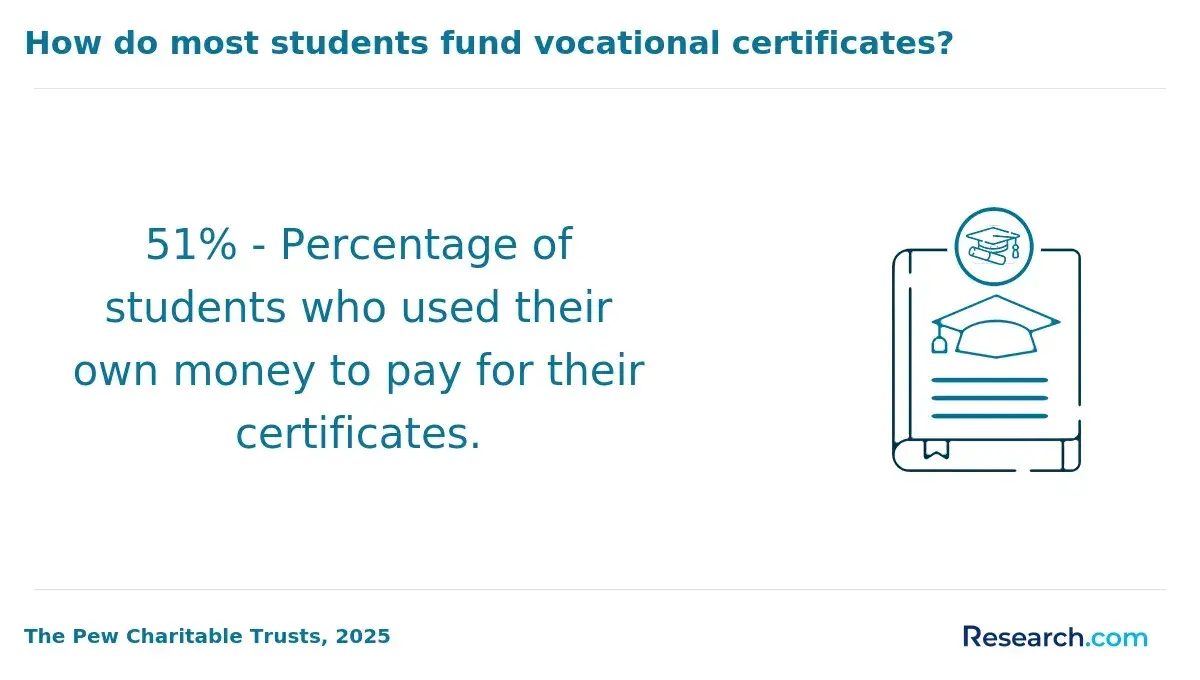
Employment prospects in real estate are heavily influenced by credential level, with bachelor's degrees typically providing stronger access to entry and mid-level roles that demand comprehensive business, finance, and legal knowledge. While certificates and associate degrees offer rapid workforce entry and lower upfront costs, they often confine graduates to support-level positions such as leasing agents or property management assistants, limiting progression into specialized or licensed roles. Data from the 2024 U.S. Bureau of Labor Statistics indicates that holders of bachelor's degrees in real estate fields enjoy roughly 12% higher first-year employment rates than those with associate degrees, reflecting employer expectations for licensure eligibility and practical skill development through internships.
Advanced degrees, including master's and doctoral programs, cater to those pursuing leadership, research, or high-level analytical roles, but their niche demand means they do not guarantee broader employment gains for all graduates. These credentials generally coincide with greater median earnings and faster advancement in competitive markets but require significant time and financial investment, factors to weigh against immediate workforce entry. For students and working professionals, the decision to start with a certificate or associate degree versus progressing toward a bachelor's or beyond impacts not only initial job opportunities but also long-term mobility; regional market conditions and the extent of internship or cooperative experience can further influence how each credential aligns with employer requirements.
What Entry-Level Jobs Can You Get With a Real Estate Degree?
Entry-level real estate jobs with a degree vary substantially based on educational attainment and practical experience, affecting both employability and career trajectory. Those holding an associate degree often occupy support roles in property management or leasing, positions that rely heavily on interpersonal skills but offer limited upward mobility without further credentials. Bachelor's degree holders typically access more analytical or client-facing opportunities, such as brokerage or commercial property analysis, where familiarity with market instruments and regulatory frameworks is crucial. Employers increasingly prioritize candidates who complement academic credentials with internships or a real estate license, which data from O*NET in 2024 confirms improves competitive positioning notably in markets with high demand and urban concentration.
For students assessing the best career options for real estate graduates, it is critical to weigh the differences in entry pathways. Roles that emphasize licensure and hands-on internships provide clearer routes to faster promotion but may require initial sacrifices in compensation stability or geographic flexibility. Conversely, positions obtained through associate programs might offer steadier short-term employment yet slower advancement without continuing education. Understanding these tradeoffs and aligning them with long-term goals or graduate study plans can inform more strategic decisions, especially when considering supplemental qualifications like an online PhD leadership program focused on real estate management or organizational skills development.
How Do Real Estate Degree Levels Affect Career Advancement and Promotion Opportunities?
Advanced degree levels in real estate significantly influence eligibility for supervisory roles and specialized positions, often serving as a gatekeeper in promotion pathways within many firms. Employers routinely prioritize bachelor's and master's credentials when filling mid- to senior-level roles, reflecting growing expectations for comprehensive knowledge in finance, legal issues, and management. The U.S. Department of Education's 2024 data indicates that degree holders accelerate their leadership trajectory more rapidly than those with only certificates or associate degrees, although experience and licensure remain critical complementary factors. For working professionals or adult learners, pursuing a higher degree can be a strategic tradeoff: while additional education may delay immediate advancement, it often unlocks access to company-sponsored leadership programs and partnership tracks unavailable to less credentialed candidates.
Licensure requirements intersect variably with educational attainment, generally imposing minimum standards for sales roles but increasingly layering with advanced credentials for managerial eligibility or participation in specialized training. Transferable credits and industry experience can offset some delays in completing higher degrees, yet the absence of advanced credentials may limit upward mobility in firms valuing formal qualifications.
For those balancing employment and education, decisions hinge on whether credential advancement meaningfully aligns with employer expectations and the timing of promotion opportunities versus gaining on-the-job experience alone. This dynamic creates a nuanced landscape where not all degrees guarantee faster advancement but shape the range of roles considered attainable.
A recent graduate shared how they hesitated before choosing a bachelor's degree over a certificate, knowing it would extend their study timeline but expecting it to enhance promotion prospects. The student noted, "At my firm, management clearly asked for a bachelor's for the leadership track, so the extra time felt necessary despite the immediate pay cut from part-time work." Their careful evaluation of company policies and licensure expectations informed a decision balancing ambition with practical workplace realities, highlighting the importance of aligning education plans with specific employer criteria rather than assuming credentials alone drive advancement.
Is a Real Estate Degree Worth It Based on Salary, Employment, and ROI?
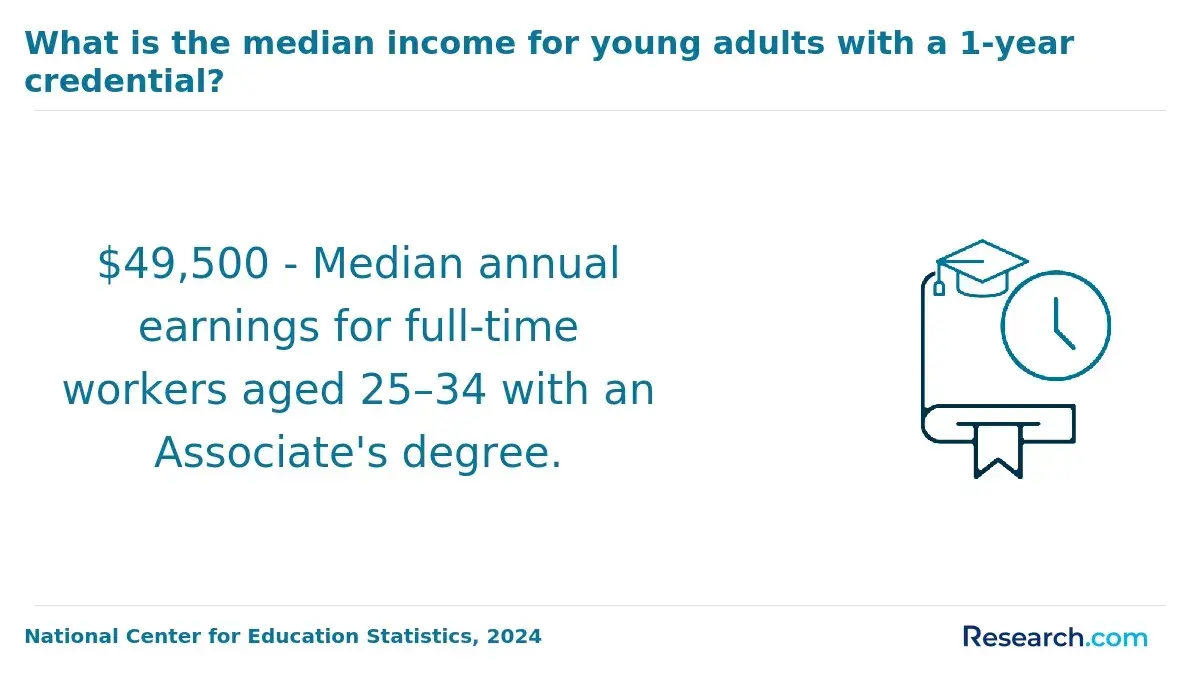
The decision to pursue a real estate degree is highly contingent on specific career goals and individual circumstances, especially when weighing salary and employment outcomes. Professionals with a bachelor's degree typically access higher-paying, more stable roles like property management or commercial brokerage, unlike those relying solely on certification or associate degrees. For example, a working adult aiming to transition into corporate real estate may find the degree's longer completion time and higher upfront costs justified by stronger advancement potential, while commission-based agents with extensive field experience might achieve similar earnings without a degree.
Assessing the return on investment for real estate degree graduates requires balancing expected income gains against tuition and debt, along with market factors such as regional demand and employer preference. Employment growth in real estate is steady but moderate, so job security often favors higher credentials. This tradeoff is especially critical for transfer students or military-affiliated learners who must consider whether the additional years and financial burden of a bachelor's enhance their career mobility meaningfully. Prospective students focused on licensure or transactional roles should recognize that certification combined with practical experience sometimes matches the real estate degree salary and employment outcomes of graduates.
Given these nuances, those exploring options might also consider programs offering accelerated pathways, such as an accelerated online finance degree, which can reduce time-to-completion and ease the debt burden. Understanding how salary potential intersects with degree level, market demand, and career trajectory is fundamental to making an informed decision about real estate education investments.
How Do Associate, Bachelor's, Master's, and Doctoral Real Estate Degrees Compare?
Choosing to stop at an associate degree in real estate typically positions graduates for entry-level roles like property management or leasing, with moderate employment stability around 68%, but limited prospects for leadership or significant earnings growth. Transitioning from an associate to a bachelor's can be complicated by inconsistent credit transfer policies, which can prolong education timelines and increase costs. Bachelor's degrees, favored by many employers as the baseline for supervisory or licensed positions such as brokerage or asset management, tend to improve employment rates to about 83%, offering clearer pathways for credential stacking and career progression within the industry.
Master's degrees in real estate offer deeper specialization and access to management or executive roles, with employment rates rising near 90%, reflecting stronger alignment with employer expectations for certifications and advanced competencies in areas like urban planning or sustainable finance. However, the longer time commitment and higher student debt burden may dampen early-career financial returns, making this a more strategic choice for those targeting senior roles rather than immediate income gains. Doctoral programs, though rare and suited primarily to research, policy, or academic careers, require weighing extensive opportunity costs against potential influence in niche institutional settings, given the limited market demand and longer timelines involved.
Which Industries and Employers Hire Real Estate Graduates by Degree Level?
Hiring in real estate diverges considerably by degree level, with distinct employer expectations shaping opportunities and advancement. Associate degrees and certificates typically lead to roles in property management firms, local housing agencies, or residential brokerages, where operational familiarity and state licensure are prioritized over extensive academic training. Many employers at this level offer on-the-job training, reflecting a tradeoff between credential cost and immediate employability. These positions often serve as entry points but may limit access to higher-paying or specialized roles requiring deeper financial, analytical, or regulatory expertise.
Bachelor's degree holders tend to find broader opportunities within commercial real estate firms, investment companies, or corporate real estate departments, where analytical skills, market research, and finance knowledge carry greater weight. These roles, including real estate analysts and asset managers, usually demand licensure plus substantial experience, highlighting a clear link between educational attainment and responsibility levels. Conversely, master's and doctoral graduates frequently target specialized sectors like real estate finance, urban planning, or policy development, often employed by large development firms, government bodies, and research institutions. Data from the U.S. Bureau of Labor Statistics indicates that jobs requiring graduate credentials in management or policy advance approximately 20% faster than those requiring only bachelor's degrees, underscoring the advantage of advanced degrees in competitive or regulatory-heavy settings.
Employer screening practices reflect these distinctions: public agencies and large multinational real estate investment trusts often require graduate credentials to ensure compliance and leadership readiness, while smaller private firms may prioritize relevant work experience combined with bachelor's or associate degrees. Prospective students should consider how each credential aligns with target employers, weighing factors such as licensure needs, technical skill demands, and long-term role complexity when choosing whether to advance their education beyond initial qualifications.
What Skills, Credentials, and Experience Improve Real Estate Career Outcomes?
Real estate career credentials and licensure requirements critically shape employment opportunities and advancement potential, especially as employers increasingly demand technical competencies like property valuation and contract negotiation tied to specific degree levels. For example, candidates with bachelor's degrees who obtain certifications such as Certified Commercial Investment Member (CCIM) often access leadership roles more rapidly than those relying solely on licensing. However, progression from associate to bachelor's degree holders reflects a tradeoff: deeper applied skills and expanded specialization-such as urban planning finance-justify additional time and expense by unlocking senior management positions otherwise unattainable with lower credentials.
Soft skills including communication and adaptability weigh heavily in promotion readiness, but employers consistently prioritize portfolio evidence gained through internships or apprenticeships over academic grades alone. This dynamic is particularly relevant for adult learners, transfer students, and military-affiliated professionals who can leverage prior experience combined with targeted credentials to validate their capabilities. These nuances underscore why working professionals often pursue stacked certifications alongside formal degrees, directly impacting career mobility within real estate employment advancement.
Licensure preparation remains a fundamental requirement for entry-level readiness, yet strategic credential stacking and experiential learning differentiate candidates in a crowded market. Advanced degrees aligned with practical leadership exposure enhance prospects beyond licensing thresholds, reflecting evolving employer preferences. For those exploring education pathways, including college degrees for seniors, decisions must balance immediate licensure with longer-term specialization goals to optimize real estate career outcomes by degree level.
Which Real Estate Degree Level Is Best for Your Career Goals?
Employment outcomes in real estate fields vary distinctly by degree level, impacting which educational path best matches career goals. Bachelor's degrees, with a 78% employment rate within a year of graduation reported by the National Center for Education Statistics in 2024, typically offer broader employer recognition, access to managerial roles, and faster advancement compared to associate degrees, which see closer to 62% but provide quicker entry with lower debt. However, associate degrees often suit those needing flexible schedules, accelerated programs, or budget-conscious options, though they may limit long-term upward mobility or specialization opportunities critical in many real estate segments. For example, a working professional pivoting into brokerage might start with an associate degree to meet licensure requirements and transition later for broader roles.
Master's or graduate degrees, pursued by only about 9% of real estate students per IPEDS data, increasingly focus on specialized areas like real estate finance, development, or asset management and can be essential for leadership or investment positions. These programs demand longer time commitments and higher costs, and transfer credit acceptance varies widely, affecting time to completion. Adults balancing work and study must weigh the opportunity cost against potential gains, especially given that many licensed roles require certifications and field experience beyond academic credentials. The choice of degree level also intersects with employer expectations and credential requirements, influencing decisions about continuing education and specialization to navigate real estate career advancement by degree level effectively. Students interested in aligned interdisciplinary fields might explore options such as a data science doctorate online to augment analytics skills relevant for market analysis and investment.
Licensure and certification pathways further complicate educational planning; brokerage and appraisal careers usually do not require education beyond an associate degree, but licensing demands specific certifications and practical experience. Transfer students or military-affiliated learners should carefully evaluate credit acceptance policies to minimize redundant coursework and lost time. Ultimately, strategic selection of real estate degrees requires balancing immediate employment access with long-term role flexibility, specialization needs, and financial investment, all critical for adult learners, transfer students, and professionals deciding how far to extend their education within the real estate sector.
References
- Real Estate Majors: Salary, Careers & More - Course Advisor https://courseadvisor.com/majors/business-management-and-marketing/real-estate/
- Top 10 real estate jobs and who’s hiring https://joinhandshake.com/blog/students/real-estate-jobs/
- Entry Level Real Estate Jobs (with Salaries) - SEEK https://au.seek.com/entry-level-real-estate-jobs
- Why Work in Real Estate? https://www.reiq.com/training/why-real-estate
- Cross-Industry Careers in Real Estate - Careers Building Communities https://careersbuildingcommunities.org/cross-industry-careers/
- Does College Pay Off? A Comprehensive Return On Investment Analysis - FREOPP https://freopp.org/whitepapers/does-college-pay-off-a-comprehensive-return-on-investment-analysis/
- Is College Worth it? | Return on Investment Analysis of College Degree https://educationdata.org/college-degree-roi
- Guide to Real Estate Apprenticeships | Higherin https://higherin.com/career-guides/property-real-estate/property-apprenticeships
- Real Estate Career Guide (Roles, Degree Options & Licensing) https://www.allbusinessschools.com/real-estate/
- 8 Different Routes to a Career in Real Estate https://zoetalentsolutions.com/career-in-real-estate/
Other Things You Should Know About Real Estate
The jump from an associate to a bachelor's degree in real estate often involves a notable increase in coursework complexity and time investment, which can strain working students. Master's programs tend to demand even greater focus, especially with research and specialization components. Prospective students should realistically assess their current job flexibility and personal commitments, as part-time or online options may vary substantially in rigor and employer recognition.
While advanced degrees in real estate can position candidates for upper management, this is not automatic. Many employers place considerable weight on industry experience and professional networks over academic credentials alone. Therefore, candidates aiming for leadership roles should prioritize programs with strong practical components or internship opportunities, as these often enhance real-world readiness more than purely academic programs.
Employers tend to value bachelor's degrees for providing balanced practical skills and theoretical knowledge, aligning closely with entry to mid-level positions. Master's and doctoral levels usually stress research and complex analysis, which may be less immediately applicable in general real estate roles unless targeting specialized sectors like real estate finance or urban planning. Choosing a program should be informed by the extent to which its curriculum integrates real-world project experience, as this directly impacts employability.
For students constrained by time or finances, a bachelor's degree generally offers the best tradeoff between investment and career flexibility in real estate. It strikes a balance by granting sufficient credentials for diverse job roles without the extended commitment of graduate study. However, those seeking niche or specialized career paths must weigh the added value of graduate degrees, which can open doors only if aligned carefully with specific industry demands and long-term goals.