2027 Real Estate Degree Enrollment Trends by Age Group: Traditional Students vs Adult Learners

Co-Founder and Chief Data Scientist
Real Estate degree programs show distinct enrollment patterns influenced by licensure timing and industry demands. Traditional students typically enroll soon after high school, aligning their studies with licensing exam eligibility that requires specific age and experience thresholds. Meanwhile, adult learners often enter programs amid career transitions, driven by the sector's projected 7% employment growth through 2030 and rising credential requirements for managerial roles.
This dual influx reflects not only differing professional timelines but also evolving employer expectations for formal education and practical experience. The varied age distribution suggests Real Estate education must balance flexible pathways with rigorous skill preparation to address diverse workforce needs.
Key Things to Know About Real Estate Degree Enrollment Trends by Age Group
- Enrollment skews younger, with 65% of students under 25; this favors early career entry but limits practical experience diversity employers seek in real estate roles.
- Adult learners often balance part-time study and work, increasing total completion time; this tradeoff affects access to up-to-date market trends crucial for employer readiness.
- Employers prefer candidates combining credentials with real-world property management experience; older enrollees may outperform younger peers by leveraging extended industry exposure.
- Key Things to Know About Real Estate Degree Enrollment Trends by Age Group Key Things to Know About Real Estate Degree Enrollment Trends by Age Group
- Which Age Groups Represent the Largest Share of Real Estate Students? Students by Age Group
- Why Do Traditional Students Choose Real Estate Degree Programs? Traditional Students
- Why Do Adult Learners Return to School for a Real Estate Degree? Adult Learners
- How Do Academic Goals Vary Between Younger and Older Real Estate Students? Academic Goals by Age Group
- How Do Financial Concerns Differ Between Traditional Students and Adult Learners? Financial Concerns by Age Group
- What Challenges Do Adult Learners and Traditional Students Face While Earning a Real Estate Degree? Student Challenges by Age Group
- How Does Age Affect Real Estate Degree Student Retention? Age and Student Retention
- Which Real Estate Specializations Are Most Popular Among Adult Learners? Top Specializations for Adult Learners
- How Does Age Affect Job Opportunities for Real Estate Graduates? Impact of Age in Job Opportunities
- What Do Current Real Estate Enrollment Trends Reveal About Future Demand? What Do Current Real Estate Enrollment Trends Reveal About Future Demand?
Which Age Groups Represent the Largest Share of Real Estate Students?
Real estate programs draw students spanning various life stages, yet enrollment often clusters within specific age groups. These patterns reflect more than academic preference, involving factors like career timing, financial capacity, and the structure of educational pathways. Enrollment trends thus mirror broader workforce dynamics and higher education accessibility rather than simple age-based choices. Recognizing these distinctions helps clarify how real estate degree enrollment by age group shapes student composition.
- Ages 18-24: This segment comprises traditional college-age students entering real estate programs typically soon after high school or during undergraduate studies. Their participation aligns with early career exploration and credential acquisition aimed at swift workforce entry, though opportunity costs related to delayed income during full-time study often temper persistence and completion rates.
- Ages 30 and Above: Adult learners in this bracket increasingly dominate enrollment, frequently pursuing real estate education to fulfill licensing requirements or to facilitate mid-career transitions. Their choices are driven by practical considerations, balancing ongoing employment and family, making part-time and online formats particularly attractive despite variable completion outcomes linked to program support.
- Ages 25-29: Individuals in this group often encounter competing demands such as career advancement in existing fields or family formation, which can reduce their engagement with real estate studies. Their enrollment share tends to be lower as economic and personal priorities delay or deprioritize formal education in real estate.
- Ages Over 50: While smaller in number, this group usually pursues real estate education with goals related to supplementing retirement income or transitioning into less demanding roles. Their participation reflects specialized motivations differing from younger cohorts, often with less emphasis on full career shifts.
Employer expectations highlight the value of combining practical experience with credentials; traditional students may lack sufficient work history, while adult learners bring diverse experiential backgrounds that influence employability. Navigating these realities is essential for students weighing program accessibility and outcomes.
Prospective students evaluating educational options can benefit from resources listing colleges online that accept FAFSA, facilitating awareness of affordable program choices that accommodate varied life stages and financial circumstances.
Why Do Traditional Students Choose Real Estate Degree Programs?
Traditional students pursuing real estate degrees for career foundation often view these programs as a pragmatic blend of business fundamentals and specialized market knowledge. Their academic interest tends to be driven by the tangible employability outcomes and relatively swift entry into professional roles such as brokerage or property management. The signaling value of a degree aligned with real estate-coupled with early career exploration supported by internships or industry networking-makes these programs appealing to young adults focused on targeted, actionable education rather than broad, undefined business studies. According to a 2024 report by the National Center for Education Statistics, approximately 42% of students enrolling in real estate programs are motivated by the prospect of direct employment in sales or development within two years of graduation.
Enrollment behavior among traditional students is further shaped by university recruitment pathways and guidance counseling that emphasize real estate's practical applicability and job market stability relative to other fields. Exposure to real estate concepts in secondary education or introductory college courses provides early familiarity that can influence choice, while peer influence within cohorts pursuing business-related disciplines reinforces program selection patterns. Additionally, many employers prioritize candidates with formal real estate education who demonstrate foundational knowledge paired with relevant internships, reflecting employer expectations that directly affect how students and advisors perceive program value. This dynamic is similar to trends seen in fields like library science, where young adults weigh both foundational skills and specialized knowledge, illustrated by growing interest in an affordable library science degree.
Why Do Adult Learners Return to School for a Real Estate Degree?
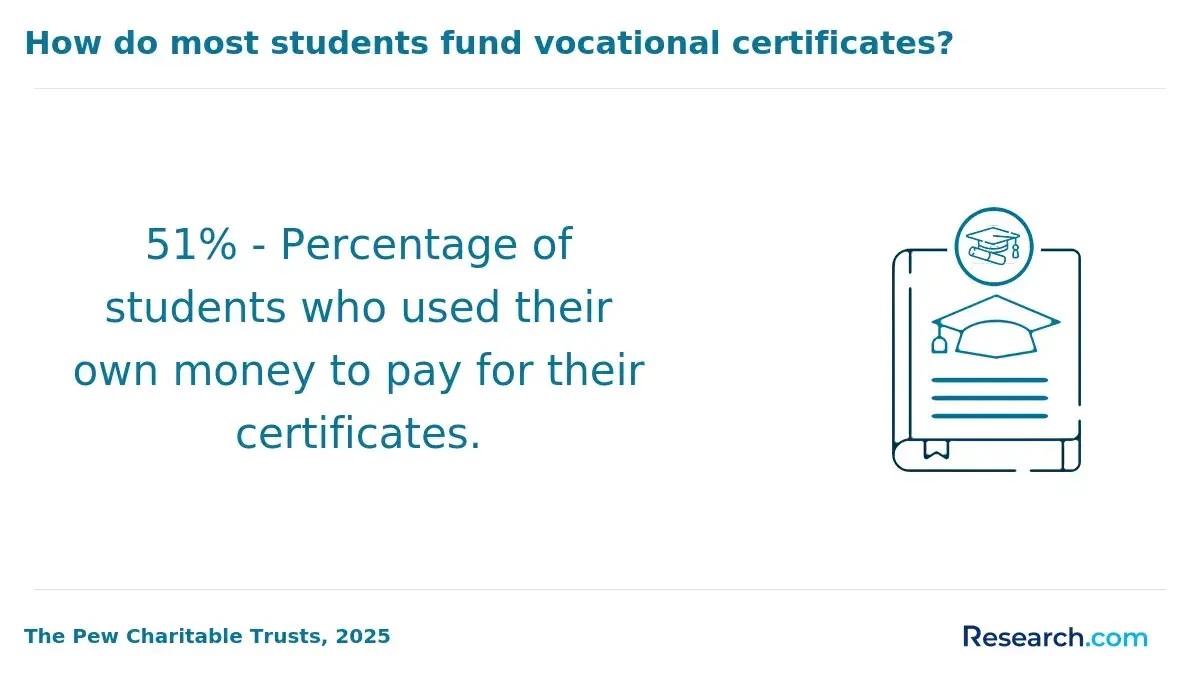
Adult learners pursuing a real estate degree typically do so with clear economic and occupational objectives, such as enhancing earning potential or facilitating career shifts into real estate from other sectors. Unlike traditional students, these individuals often have established work histories and prioritize programs that offer immediate applicability to complex market demands. Data from the National Center for Education Statistics in 2024 shows nearly half of enrollees aged 25 and older identify career advancement or skill renewal as their primary reason to re-enter education. These learners weigh the return on investment carefully, considering how credentials translate to higher commissions, expanded business opportunities, or entry into specialized roles within real estate development and property management.
Secondary factors shaping adult learners' decisions include employer tuition support and the proliferation of flexible, online program options that accommodate work-life balance constraints. The increasing sophistication of real estate transactions-characterized by technological integration and evolving regulatory frameworks-has raised the credential bar, making formal degrees a practical necessity rather than an optional enhancement. Many employers now expect accredited education as a baseline for hiring or advancement, driving adult learners to address credential inflation and stay competitive. Additionally, these programs often provide an essential update on professional and technical skills, helping to close gaps created by rapid industry changes.
How Do Academic Goals Vary Between Younger and Older Real Estate Students?
Younger real estate students generally approach their studies with a focus on building foundational knowledge and exploring various career paths. Their academic objectives tend to emphasize mastering broad concepts such as market analysis, property management basics, and financial principles, which prepare them for entry-level roles or further graduate education. This exploratory phase aligns with typical early career uncertainty, where acquiring versatile skills is prioritized to maximize employment options. Data from the National Center for Education Statistics in 2024 indicates that about 62% of these students prioritize programs with strong job placement and skill-building outcomes, reflecting an emphasis on practical readiness rather than narrow specialization.
In contrast, adult learners often enroll with more precise goals influenced by existing work experience, financial responsibilities, and longer-term professional planning. Their academic pursuits usually target specialized credentials, licensing requirements, or strategic knowledge such as real estate law and investment tactics that support upward mobility or mid-career transitions. For many, education is less about exploration and more about fulfilling clear workplace demands or overcoming barriers to advancement; the 2024 Adult Learner Survey reports 74% of these students seek targeted certifications or leadership preparation. These priorities reflect a pragmatic, outcome-driven approach shaped by the complexities of balancing education with ongoing career and personal obligations.
One adult learner recalled weighing the decision to reenter school after years in unrelated fields. With rolling admissions underway, the timing felt critical; they hesitated briefly due to concerns about readiness and financial timing but ultimately found that securing a spot earlier allowed them to align studies with an upcoming licensure exam. This experience underscored how mature students often navigate admission processes with heightened scrutiny, balancing urgency and preparation to optimize the integration of academic goals into evolving professional trajectories.
How Do Financial Concerns Differ Between Traditional Students and Adult Learners?
Traditional students pursuing a real estate degree often depend heavily on family support, scholarships, or federal student loans to finance their education, with about 65% utilizing such loans according to data from the National Center for Education Statistics. Their financial concerns are typically framed around tuition affordability and the long-term implications of accumulating debt, balanced against the expectation that a full-time college experience will eventually translate into higher lifetime earnings. This cohort's relative financial dependency and limited income mean that tuition costs and debt tolerance shape enrollment decisions and program choices significantly, especially as many weigh the tradeoff between debt burden and broader career exploration opportunities inherent in traditional college pathways. These patterns highlight the central role financial challenges faced by traditional and adult real estate students play in shaping their educational trajectories.
In contrast, adult learners in real estate programs, often managing ongoing family and living expenses, face more immediate financial pressures that go beyond tuition costs. Many must consider lost wages from cutting back work hours or the opportunity cost of pausing a career, alongside caregiving responsibilities and other obligations. Employer tuition assistance programs can partially offset these costs but are often inconsistent or limited in scope. As a 2024 Lumina Foundation study underscores, nearly 70% of adult learners balance part-time work with their studies, intensifying the need for flexible, accelerated, or online formats that accommodate their complex financial realities. These dynamics influence not only the decision to enroll but also preferences regarding program delivery and duration, reflecting a more pragmatic approach to tuition affordability and funding options for real estate learners by age group.
These distinct financial profiles shape enrollment patterns and institutional strategies in real estate education, reinforcing a divide between traditional students who might tolerate higher debt for campus-based experiences and adult learners focused on minimizing opportunity costs and accelerating skill acquisition. This divergence also impacts how students evaluate long-term return on investment and program accessibility, often leading adult learners toward flexible or online pathways, such as a UX degree online, which similarly balances affordability with workforce relevance. Understanding these differences is crucial for realistic planning and decision-making in pursuing real estate education within varying life stages and economic circumstances.
What Challenges Do Adult Learners and Traditional Students Face While Earning a Real Estate Degree?
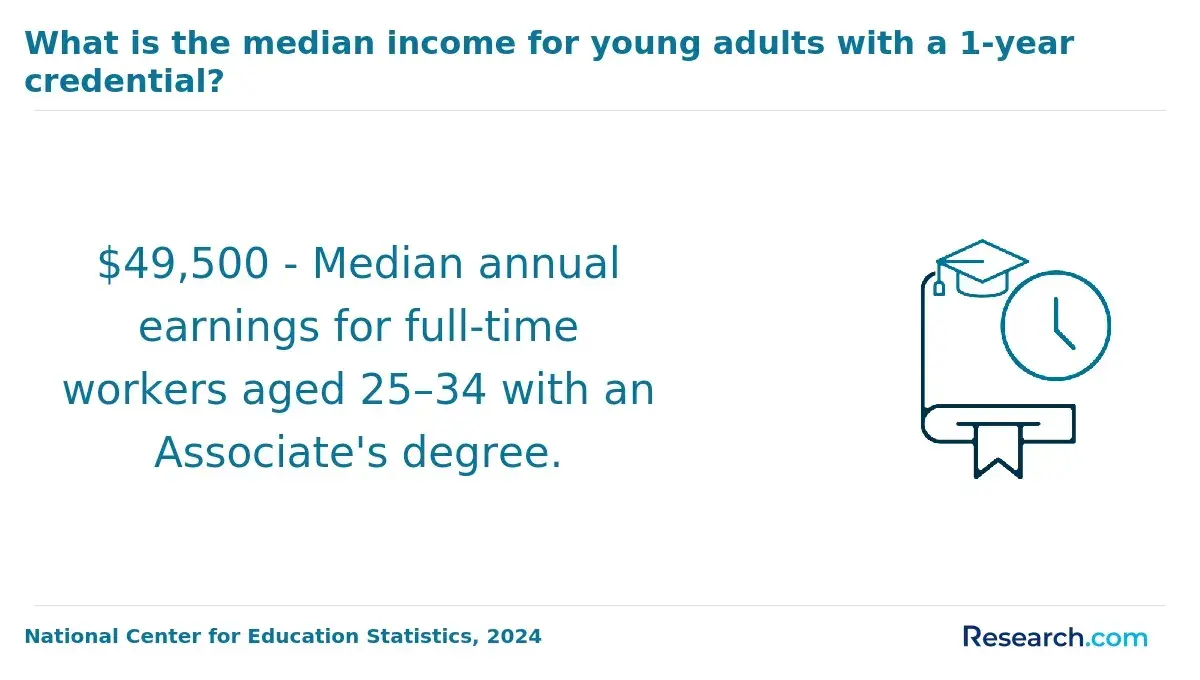
Traditional students pursuing a Real Estate degree often confront challenges tied to their developmental stage and institutional acclimation. They must quickly adapt to the increased academic rigor and cultivate independent time management skills within a structured environment, often without prior experience balancing intensive coursework. Financial pressures also surface early, with data from the 2024 National Center for Education Statistics showing nearly 62% of these students depending on student loans, which adds stress influencing course load decisions and retention. Additionally, their primary struggle lies in bridging theoretical knowledge with practical application, as they typically lack extensive real-world exposure despite access to campus resources.
In contrast, adult learners face a complex interplay of external obligations that shape their educational journey in Real Estate programs. Balancing full-time employment and caregiving demands reduces their capacity for immersive academic engagement, such as internships or networking crucial for career advancement. Returning to academia after a hiatus introduces challenges in adapting to current technologies and research-intensive assignments, creating a confidence gap that can delay progression. The 2024 NCES report underscores that adult learners often enroll part-time and experience interruptions linked to life responsibilities, extending time to degree completion compared to their younger counterparts.
These divergent experiences necessitate differentiated institutional responses. Programs increasingly incorporate flexible scheduling and varied delivery formats to accommodate adult learners' time constraints without sacrificing content rigor, while traditional students benefit from structured support services emphasizing academic readiness and financial planning. Advising systems that recognize these lifecycle-specific challenges can better guide students through realistic pacing and resource utilization. Understanding these nuanced obstacles is essential for aligning educational pathways with each group's circumstances, ultimately affecting persistence and practical preparedness within the real estate workforce landscape.
How Does Age Affect Real Estate Degree Student Retention?
Younger real estate degree students often struggle with retention challenges tied to adapting to academic rigor and developing sustained motivation. Many in this age group face uncertainty about career direction early in their educational journey, which can lead to wavering engagement or withdrawal when coursework intensifies. The transition into higher education demands managing new expectations around time management, study discipline, and professional networking-areas where traditional students may lack preparation or supportive guidance. National Student Clearinghouse Research Center data from 2024 indicates that retention rates for students aged 18-24 exceed those for older cohorts by approximately 10-15%, reflecting both the benefits and limits of youthful academic immersion.
Conversely, adult learners in real estate programs navigate retention with a distinct set of factors. Their persistence is often strengthened by explicit career objectives and real-world experience, fostering clearer motivation to complete their degrees. However, competing responsibilities such as full-time employment, family care, and financial constraints frequently impede consistent study progress. Programs that offer flexible course schedules, online options, and employer partnership initiatives tend to mitigate these challenges and improve retention among this group. Despite these supports, nearly 40% of older students cite financial stress as a key reason for attrition, underscoring the complex balance adult learners must maintain between education and life obligations.
One real estate graduate recalled hesitating during the rolling admission period, uncertain whether to apply immediately or wait until better prepared. Balancing work commitments and family needs, the decision was complicated by the risk of losing a spot if delayed yet feeling underqualified to start right away. After consulting advisors and assessing program flexibility, the student ultimately enrolled with a plan to leverage evening classes and online modules. This approach addressed timing concerns and reflected a calculated strategy to navigate age-related retention hurdles, highlighting the practical realities adult learners face beyond academic content alone.
Which Real Estate Specializations Are Most Popular Among Adult Learners?
Adult learners in real estate degree programs typically select specializations that offer clear pathways to career mobility and income stability, reflecting their need to integrate education with existing work and life commitments. Enrollment data from a 2024 workforce education study shows that nearly half of students aged 25 and older choose specializations aligned with practical skills and immediate employment prospects. These adults often seek to leverage prior industry experience or pivot into roles with scalable growth, making specialization choice a strategic decision grounded in market realities.
- Property Management: This specialization attracts adult learners focused on steady, income-generating roles where local market knowledge and scalable management skills are critical. Its flexible certification routes and immediate employability across residential and commercial sectors suit those balancing education with ongoing professional and personal obligations.
- Real Estate Finance: Many adult learners are drawn to this specialization due to its reliance on financial expertise gained through earlier work experience. It supports transitions into brokerage, investment analysis, and advisory roles that, while requiring networking and credentials, offer higher earning potential and long-term career advancement.
- Urban Planning: Though less popular among adult learners, this specialization appeals to those interested in policy development and community-focused real estate careers, which often involve public sector or academic pathways less tied to direct market roles.
- Real Estate Law: Typically chosen by learners aiming to integrate legal expertise with real estate market activities, this area demands rigorous credentialing but can enhance negotiation and compliance capacities relevant to higher-level roles.
- Sustainable Development: This emerging specialization attracts professionals seeking to align real estate investment with environmental considerations, reflecting shifting industry priorities and offering distinct career differentiation.
Understanding which specialization aligns with an adult learner's previous experience and career objectives is key in program selection, particularly given diverse workforce demands found in the top commercial real estate programs for adult learners. Balancing immediate job market alignment against longer-term credential investments often drives these decisions. For those exploring complementary fields, insights from clinical mental health counseling programs reflect broader trends in adult education prioritizing flexible, career-relevant credentials within evolving labor market contexts.
How Does Age Affect Job Opportunities for Real Estate Graduates?
Younger real estate graduates, typically traditional students aged 18 to 24, often benefit from clearer access to entry-level positions, driven by established internship pipelines and campus recruiting programs. Employers frequently perceive this group as adaptable and trainable, making them preferred candidates for brokerage and property management roles shortly after graduation. According to the National Association of Realtors (NAR) 2024 report, graduates under 25 have a 15% higher likelihood of securing these roles within the first year, reflecting the structured hiring patterns favoring early career entrants. Understanding how age influences real estate career opportunities requires acknowledging this segmentation, which affects the initial positioning of recent graduates in the labor market.
In contrast, adult learners who enter real estate programs later in life bring distinct advantages rooted in prior work experience and transferable skills, often targeting mid-level or specialized roles reflecting career transition goals. Employers may harbor concerns about salary expectations or perceived commitment from this cohort, yet these graduates generally achieve faster income growth and career advancement within five years due to stronger networks and focused career strategies. This dynamic is particularly relevant when evaluating job prospects for traditional and adult real estate graduates, as adult learners typically navigate fewer structured entry points but may excel in client relations or commercial sectors. For those considering adjacent investigative roles, resources such as the criminal profiler career overview can provide insight into comparable career lifecycle analysis and labor market segmentation within distinct fields.
What Do Current Real Estate Enrollment Trends Reveal About Future Demand?
Increasing enrollment in real estate degree programs reflects a shift in student priorities and perceived career value, moving beyond traditional academic pathways. Data from the 2024 National Center for Education Statistics highlights a 12% annual rise in adult learner participation, signaling growing interest from professionals seeking practical, market-aligned credentials. This trend indicates that many students view real estate education as a strategic tool for immediate application rather than purely theoretical advancement. Meanwhile, traditional students maintain steady enrollment, emphasizing foundational knowledge but often facing longer program durations and less flexibility.
These enrollment patterns closely align with evolving labor market demands, where employers increasingly seek professionals with a blend of formal education and experiential skills. The rise of online and hybrid learning formats caters to workforce needs for adaptable training that keeps pace with technological and regulatory changes in real estate markets. Program expansions and curricular shifts toward specialized certifications anticipate shortages in skilled real estate practitioners and continued industry growth. Consequently, current enrollment behavior provides actionable insight into future program development and underscores the sustained relevance of real estate degrees in addressing workforce gaps and industry innovation.
References
- Adult students present unique challenges for two-year colleges https://www.ruffalonl.com/adult-students-present-unique-challenges-two-year-colleges/
- Going Back to School as an Adult: a Step-by-Step Guide https://insights.ehl.edu/going-back-to-school-as-an-adult
- Traditional Vs. Non-Traditional Students in Higher Education https://moderncampus.com/blog/traditional-vs-non-traditional-students-in-higher-education.html
- Sector Spotlight: Student Housing May be Positioned to Defy the “Demographic Cliff” https://inland-investments.com/blog/sector-spotlight-student-housing-may-be-positioned-to-defy-the-demographic-cliff
- 7 Reasons to Choose Real Estate Business Management Over a Traditional one https://www.remi.edu.in/blog/7-reasons-to-choose-real-estate-business-management-over-a-traditional-one/
- For Adult Learners, College Means More Than Just Jobs and Wages https://www.higheredtoday.org/2024/11/22/college-means-more-adult-learners/
- Majors for Real Estate: What to Study and Why It Matters https://www.scu.edu/business/blog/careers/majors-for-real-estate/
- Perceptions of the real estate market by students representing Generation Z: Housing preferences and investment plans https://www.remv-journal.com/Perceptions-of-the-real-estate-market-by-students-representing-Generation-Z-Housing,193128,0,2.html
- Real estate trends: 6 Developments at a glance https://commerzreal.com/en/blog/real-estate-industry-trends/
- Real Estate Agent Demographics for Florida | Gold Coast Schools https://goldcoastschools.com/news/florida-real-estate-agent-demographics-survey/
Other Things You Should Know About Real Estate
Traditional students typically benefit from campus-based internships and networking events, which enhance employability by building real-world contacts early. Adult learners, balancing job and study, may find these hard to access but often bring practical experience that offsets less exposure to campus activities. Programs that fail to integrate applicable real estate practice with academic theory can shortchange traditional students fresh to the field and adult learners seeking career transitions.
Adult learners often face immediate career pressures that make shorter, skill-focused credentials more practical, even if less prestigious. Traditional students can usually invest more time in longer programs that carry recognized academic value, benefiting long-term career flexibility. Decision-makers should weigh whether a program's reputation aligns with employer preferences in their target market, but adult learners might prefer nimble credentials for faster re-entry into the workforce.
Employers in real estate often balance valuing formal education with practical experience, frequently giving slightly more weight to demonstrable skills for adult learners. Traditional students typically enter with limited experience, so programs emphasizing internships and real-world casework are critical to meet employer standards. Adult learners should select programs that validate their prior professional skills while providing updated industry knowledge, as simply accumulating credit hours without practical relevance may yield limited career returns.