2027 Online vs Campus Real Estate Outcomes Report: Graduation Rates, Cost, and Career Trade-Offs

Co-Founder and Chief Data Scientist
Adult learners navigating transfer credits for real estate programs face complex challenges that extend beyond simple course equivalencies. In 2024, less than 50% of institutions accept more than 75% of transfer credits from online courses, pressuring students to retake classes that delay graduation and inflate costs. This rate signals a growing divide in how traditional campus and online pathways value prior learning, directly impacting time-to-degree and financial outlay. Employers increasingly scrutinize program delivery modes, adding another layer to career readiness considerations. This article unpacks graduation rates, total costs, and career trade-offs between online and campus real estate education to guide informed, outcome-focused decisions.
Key Things to Know About Online vs Campus Real Estate Outcomes
- Online real estate programs show 12% lower graduation rates than campus formats, reflecting challenges in sustained engagement that can extend time to credential and affect early career momentum.
- Campus graduates benefit from employer networks perceived as more robust, influencing hiring patterns where job placements rely on established local industry ties.
- Online paths reduce relocation and housing costs by 40%, making upfront investment more manageable but may delay access to immersive experiential learning valued in competitive job markets.
- Key Things to Know About Online vs Campus Real Estate Outcomes Key Things to Know About Online vs Campus Real Estate Outcomes
- What Are the Biggest Differences Between Online and Campus Real Estate Program Outcomes? Online vs Campus Outcomes
- How Do Graduation Rates Compare Between Online and Campus Real Estate Programs? Comparing Graduation Rates
- Why Do Online and Campus Real Estate Students Have Different Completion Rates? Why Completion Rates Differ
- How Do Online and Campus Real Estate Programs Compare on Total Cost? Total Cost Comparison
- What Hidden Costs Should Students Expect in Online vs Campus Real Estate Programs? Hidden Program Costs
- How Does Financial Aid Affect the Cost of Online and Campus Real Estate Programs? Financial Aid Impact
- Do Online and Campus Real Estate Graduates Have Different Career Outcomes? Comparing Career Outcomes
- How Do Employers View Online vs Campus Real Estate Degrees? How Do Employers View Online vs Campus Real Estate Degrees?
- Which Real Estate Degree Format Offers Better Flexibility for Working Adults? Which Real Estate Degree Format Offers Better Flexibility for Working Adults?
- How Should Students Choose Between an Online and Campus Real Estate Program? Choosing Your Program Format
What Are the Biggest Differences Between Online and Campus Real Estate Program Outcomes?
Graduation and persistence rates reveal stark contrasts between online and campus real estate programs, significantly influencing long-term career outcomes. Campus cohorts typically show first-year retention rates near 78%, while fully online groups lag around 60%, reflecting differences in student engagement and institutional support. This gap often extends completion timelines for online learners, many of whom balance part-time enrollment alongside employment or family obligations, increasing debt exposure and complicating timely licensure. These dynamics underscore why many employers still favor campus-trained graduates with hands-on internship experiences and robust local networks, factors that decisively shape job placement and early career mobility in real estate.
When assessing online real estate program graduation and cost comparison, it is crucial to look beyond advertised tuition to total attendance costs, including technology fees and exam proctoring, which narrow presumed savings. Online students frequently rely more heavily on loans, bringing a higher average debt burden at graduation compared to their on-campus peers, who benefit from more direct access to advising and career counseling. The trade-off between the flexibility of online formats and the structured, immersive environment of campus programs also affects practical readiness: in-person cohorts tend to gain more immediate access to fieldwork and industry networks essential for real-world application. Prospective students should weigh these factors carefully, considering program selectivity, support services, and internship availability alongside financial implications before committing to a delivery format that aligns with their professional ambitions and personal circumstances.
How Do Graduation Rates Compare Between Online and Campus Real Estate Programs?
Graduation rates for campus-based real estate programs typically surpass those of fully online offerings, with recent Integrated Postsecondary Education Data System (IPEDS) figures from 2024 indicating about a 45% four-year completion rate for traditional public institutions compared to roughly 25% to 35% for exclusively online students. However, these numbers reflect more than instructional delivery-they underscore the complex interplay of factors like part-time enrollment, work and family commitments, and varying levels of academic support. Many online learners juggle multiple responsibilities that can extend time to completion or increase stop-out risk, while campus students often benefit from cohort structures and in-person advising that foster stronger engagement and persistence.
Further complicating direct comparisons, hybrid and fully online programs differ widely in design rigor and student interaction, with those emphasizing synchronous classes and proactive support showing better outcomes than predominantly asynchronous models. Additionally, some online programs enroll students with prior credits or credentials seeking degree completion, which can distort graduation statistics and reporting timelines. Prospective students should thus weigh these nuances carefully, recognizing that raw graduation percentages may not fully capture personal fit, available supports, or the practical feasibility of completing a program alongside external obligations typical of many online learners.
A recent graduate recalled researching these differences while deciding between a traditional campus program with a clear cohort path and a flexible online option designed for working adults. Balancing a full-time job and family, she initially hesitated, concerned about maintaining momentum without in-person accountability and worried whether online advising would be sufficiently responsive. Her cautious choice of a hybrid program with regular live sessions helped her stay on track, highlighting how structures that mirror campus engagement can mitigate common risks faced by part-time students navigating complex real-life demands.
Why Do Online and Campus Real Estate Students Have Different Completion Rates?
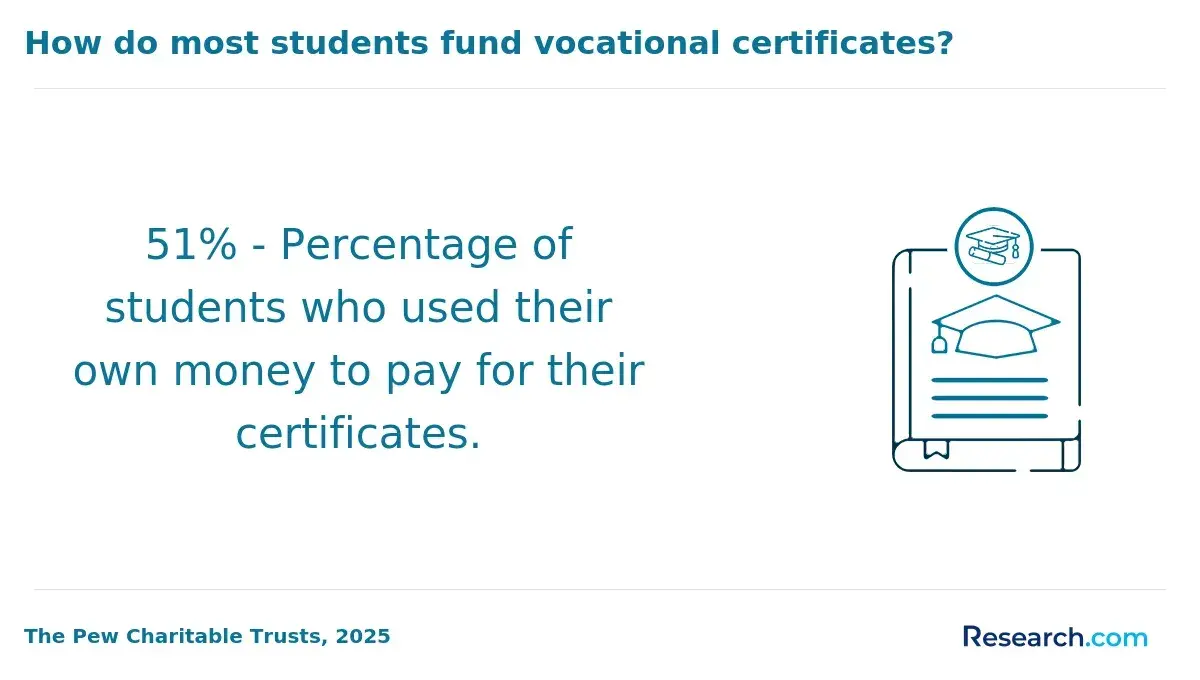
Lower completion rates among online real estate students often reflect broader enrollment and support dynamics rather than instructional quality differences alone. Many online learners juggle part-time status, employment, and family obligations that disrupt continuous study, increasing stop-out risk and prolonging time to degree. For example, an older working student taking evening online courses may face scheduling conflicts and limited academic advising compared to campus peers enrolled full-time in structured cohorts with routine face-to-face interactions that foster consistent progress. According to the 2024 National Center for Education Statistics report, campus bachelor's programs average around a 60% six-year graduation rate, while online-only programs commonly range between 30% and 40%, highlighting how demographic and institutional factors intersect to shape outcomes.
Hands-on elements, such as internships or practicums integral to real estate programs, may be more straightforward to coordinate in campus environments, contributing to smoother credit transfer and faster degree pathways. In contrast, online students often contend with credits from multiple sources and fluctuating availability of campus-based support services like tutoring or advising, complicating both academic progression and motivation. These operational differences mean that prospective students must weigh their personal schedule stability and need for structured guidance against the flexibility online formats offer, understanding that lower completion rates often signal persistent challenges balancing real-world responsibilities alongside program demands rather than deficiencies in curriculum rigor or value.
How Do Online and Campus Real Estate Programs Compare on Total Cost?
Evaluating online real estate program total cost comparison requires moving beyond tuition figures to assess the full financial impact on students. While in-state tuition averages around $9,800 annually for campus programs and generally runs between $6,000 and $8,500 for online options, the latter often incur mandatory technology fees and software costs. Campus students face significant additional expenses, including housing, meal plans, and transportation, which can cumulatively exceed $12,000 per year. These ongoing living costs disproportionately affect those relocating or living away from home, narrowing the apparent tuition savings of in-person programs.
Cost differences also influence how students approach enrollment pacing, debt accumulation, and work schedules. Online learners frequently balance part-time study with employment, extending program duration and increasing unsubsidized debt due to limited access to comprehensive financial aid or employer tuition assistance, which tends to favor traditional campus formats. Conversely, full-time campus students often receive more robust aid packages, including grants and subsidized loans, reducing net expenses but carrying higher out-of-pocket living costs. Prospective students weighing campus versus online real estate education expenses must factor in these trade-offs relative to their financial aid eligibility, work commitments, and geographic flexibility to optimize long-term affordability and timely graduation. For further comparative insight on educational costs in the digital learning space, reviewing analysis on cyber security online degree cost can provide useful parallels.
What Hidden Costs Should Students Expect in Online vs Campus Real Estate Programs?
Deciding between online and campus real estate programs involves weighing hidden costs that extend well beyond listed tuition and can significantly impact a student's budget and schedule. Online students frequently encounter additional technology fees-ranging from $100 to $500 per semester according to the National Center for Education Statistics-that cover proctoring services and platform access, alongside potential investments in reliable internet and upgraded hardware. In contrast, campus-based learners face substantial commuting expenses averaging $150 to $300 monthly, plus housing costs near urban campuses that can reach $900 to $1,200 per month, not to mention parking fees and possible relocation expenses. These financial considerations intersect with time commitments, as on-campus students may sacrifice work hours due to in-person course loads and fieldwork requirements, whereas online students often maintain employment more easily, mitigating lost wages and total debt.
Such trade-offs directly influence program completion strategies and format choices within the real estate field, especially where internships or hands-on experience are critical for market readiness. For example, a working adult balancing family obligations might find online learning's flexible scheduling offsets technology fees, but must still factor in software requirements and potential exam proctoring costs. Meanwhile, those valuing a traditional campus experience risk underestimating indirect expenses like childcare or meal plans that compound housing and commuting costs, driving total attendance beyond tuition projections. The Integrated Postsecondary Education Data System notes that these opportunity costs bear strongly on graduation timelines and post-degree employment capacity, underscoring the need for prospective students to analyze the full economic and lifestyle impacts before committing.
A recent graduate recounted her dilemma when choosing between an online and campus real estate program. She initially viewed the online option as cheaper but grew concerned when discovering fees for mandatory proctoring software and upgrading her aging laptop. On the other hand, the campus alternative required costly monthly parking and unpredictable public transit delays. She hesitated, weighing whether the flexibility and potential to keep her consulting job justified the upfront tech costs versus the steady in-person presence that could enhance networking but reduce work hours. This led her to budget carefully for hidden expenses and time lost, ultimately making a cautious choice aligned with both her financial limits and career goals.
How Does Financial Aid Affect the Cost of Online and Campus Real Estate Programs?
Financial aid availability creates a significant divergence in net costs between online and campus real estate programs, often reflecting differences in eligibility and enrollment status rather than simply tuition figures. Campus students, frequently enrolled full-time, have greater access to institutional scholarships and graduate assistantships that can lower their net price by up to 30%, an advantage largely unavailable to part-time online learners. For example, a working professional pursuing a real estate degree online may rely more heavily on federal loans and employer tuition reimbursement, which typically cover about 40% of expenses but do not reduce upfront costs as substantially as campus-based grants or assistantships.
The impact of these financial aid options extends beyond sticker price to influence borrowing decisions, program pacing, and ultimate debt burden. Because federal aid formulas favor full-time enrollment, many online students experience restricted grant access, increasing reliance on loans and leading to average debt levels approximately 12% higher than their campus counterparts. Additionally, online learners often face recurring fees related to technology and equipment, which, although moderate, can affect cost planning unless offset by specialized institutional aid targeting distance education. These dynamics underscore why prospective students should examine aid packages closely-considering factors such as tuition structure, enrollment intensity, residency requirements, and the availability of scholarships or assistantships-when comparing how financial aid shapes the true cost of real estate programs.
When balancing these considerations, students weighing online versus campus study should also review the practical implications for career and scheduling flexibility, including how aid accessibility might impact their ability to maintain steady enrollment or reduce loan reliance. For those interested in flexible graduate options that accommodate work commitments, evaluating pathways like an online MBA with no GMAT may offer comparative insight into the trade-offs between aid opportunities and program format. Incorporating financial aid options for online and campus real estate programs into decision-making can help align educational investments with both budgeting realities and long-term career objectives.
Do Online and Campus Real Estate Graduates Have Different Career Outcomes?
Employer preference often leans toward campus real estate graduates due to more assured access to hands-on internships and stronger in-person networks, which can accelerate early career advancement within local markets and higher-profile firms. While both online and campus graduates generally meet licensure requirements when completing accredited programs, campuses offer more direct engagement with alumni and career services that enhance job placement prospects. For example, a graduate from an accredited campus program may leverage sustained face-to-face mentorship to secure an internship that leads to a brokerage position, an advantage less accessible to many online learners balancing flexible schedules but limited fieldwork opportunities.
Employment rates within six months of graduation differ only slightly-around 78% for campus and 74% for online, per 2024 data from the National Center for Education Statistics-reflecting comparable baseline outcomes in job attainment. Still, online students trade some networking and experiential learning benefits for greater geographic flexibility and often lower immediate costs, although this can correlate with marginally higher debt-to-earnings ratios tied to extended program durations or varied tuition structures. As employer familiarity with online credentials grows, career mobility may improve, but early-stage advancement can remain hindered in markets where hiring managers prioritize proven practical experience and in-person connectivity.
Ultimately, the choice between online and campus real estate programs should weigh how much value a student places on direct professional interaction and structured experiential learning versus scheduling flexibility and cost considerations. Degrees from both formats carry weight when institutional accreditation and licensure prep are equivalent, yet subtle differences in how the diploma or transcript reflects delivery method-and how that influences employer trust-can shape professional trajectories. Understanding these operational trade-offs is crucial for aligning program format with specific career goals, particularly regarding local market entry and access to experiential pipelines within the real estate industry.
How Do Employers View Online vs Campus Real Estate Degrees?
Employer evaluation of online versus campus real estate degrees centers less on delivery format and more on credentials that signal professional readiness. A 2024 survey by the National Association of Colleges and Employers found that 68% of employers view graduates from accredited online programs as equally prepared compared to their campus counterparts. Still, institutional accreditation, program rigor, and the presence of applied experiences such as internships or project-based work are critical to establishing trust. Employers often scrutinize transcript details and diploma language to confirm alignment with industry licensing standards, placing greater emphasis on these markers than on how the coursework was delivered.
In practical hiring scenarios, graduates from campus programs may have an advantage in roles where in-person networking and local market familiarity are essential, especially within traditional real estate firms resistant to online credentials. Conversely, candidates with online degrees who can demonstrate substantive experiential learning and maintain industry-relevant skills can bridge this gap effectively. Employer familiarity with online education has increased since the pandemic, shifting some previously held biases but not erasing them entirely. For students weighing these pathways, prioritizing programs that integrate recognized accreditations, transparent curriculum rigor, and meaningful professional practice offers a clearer indicator of long-term employability and career mobility than focusing exclusively on degree format.
Which Real Estate Degree Format Offers Better Flexibility for Working Adults?
Flexibility in real estate degree programs significantly influences working adults' ability to balance employment, caregiving, and education without sacrificing career progression or extending time to graduation. Online real estate degree flexibility for working adults lies mainly in asynchronous course designs that reduce commute demands and enable paced progress across busy schedules. However, some online programs impose synchronous sessions or mandatory in-person components, which can erode this advantage and complicate scheduling for shift workers or those with caregiving responsibilities. By contrast, campus programs-while typically less accommodating in terms of rigid attendance and limited evening or weekend offerings-may provide richer cohort engagement and hands-on networking opportunities valued by employers but require consistent physical presence and increased time costs for commuting.
The choice between online, hybrid, evening, and campus formats entails trade-offs affecting cost exposure, persistence, and career continuity. Campus formats often concentrate learning sequences and cohort interactions that can accelerate completion but might force working adults to delay enrollment or reduce paid work hours. Conversely, online programs often offer part-time pacing and stop-out flexibility, leading to a 15% higher persistence rate among adult learners but potentially less immediate faculty access or experiential learning. Professionals weighing these options should consider how schedule control intersects with employer support and practical learning needs, especially as flexible program formats vary in accommodating complex life circumstances. Decision-makers may also assess data on comparable outcomes from similar interdisciplinary fields, such as this analysis of online interdisciplinary studies degree career outcomes, to gauge how flexibility correlates with long-term success across flexible campus versus online real estate programs for professionals.
How Should Students Choose Between an Online and Campus Real Estate Program?
Graduation rates and career access are critical when comparing campus versus online real estate program outcomes. Campus-based programs typically report a graduation rate near 65% within six years, notably higher than the roughly 45% completion rate seen in fully online formats, suggesting better persistence and structured support in in-person settings. For a working adult balancing family commitments, the flexibility of online study can be essential, but this often comes with trade-offs in access to faculty interaction, internships, and local industry networking vital for career entry, especially in competitive real estate markets.
Cost assessments must move beyond tuition alone; campus programs include housing and commuting expenses, averaging around $25,000 annually, while online offerings reduce these but may introduce hidden costs like technology upgrades or limited student services. Employer and licensure expectations can also influence format preference-some markets weigh traditional credentials more heavily due to experiential or regional accreditation requirements, affecting long-term career mobility. Students should consider how delivery format impacts opportunity costs and course sequencing to align education with career timing and goals. Those investigating accelerated options might explore an accelerated online project management degree as a related pathway to enhance scheduling flexibility alongside real estate education.
Ultimately, deciding between online and campus real estate pathways rests on balancing flexibility, cost, structured support, and career networking access. Understanding these dimensions in the context of the local market and personal circumstances supports an informed, pragmatic choice rather than a default to format preference. This nuanced approach ensures students maximize both educational outcomes and workforce readiness in a field where connections and credentials drive opportunity.
References
- Online vs. On-Campus College Rankings: Why the Methodology Matters https://www.onlineu.com/magazine/online-vs-on-campus-college-rankings-methodology
- Classroom or Online Real Estate Course? https://tampaschoolofrealestate.com/blogs/success-center/classroom-or-online-real-estate-course
- Online Education vs. On-Campus Tuition: How ACE Online Degree Programs Help Keep Your Costs Down | ACE Blog https://ace.edu/blog/online-education-vs-on-campus-tuition-how-ace-online-degree-programs-help-keep-your-costs-down/
- MSc Real Estate (Flexible) | Henley Business School https://www.henley.ac.uk/study/masters/msc-real-estate-part-time
- Classroom or Online Real Estate Courses: What’s the Best Fit for You? https://www.hondros.com/resources/blog/classroom-vs-online-real-estate-courses-what-is-the-best-fit-for-you/
- Real Estate Education: Online vs. Classroom | 360training https://www.360training.com/blog/real-estate-education-online-or-classroom
- How Employers View Online Degrees: Interviews with Nine Hiring Executives https://www.onlineeducation.com/features/how-employers-view-online-degrees
- TNE vs Home Campus: Graduate Outcomes https://iei.asiacareersgroup.com/blogs/articles/tne-vs-home-campus-graduate-outcomes
- Online vs. In-Person Real Estate Classes: Which is Right for You? https://keyrealtyschool.com/blog/online-vs-in-person-classes/
- Top Executive Courses in Real Estate | EXECUTIVE COURSES https://executivecourses.com/lists/top-10-executive-courses-in-real-estate
Other Things You Should Know About Real Estate
Online real estate programs often limit spontaneous, face-to-face interaction with peers, faculty, and local industry professionals. This can reduce opportunities to build meaningful professional networks that campus students access more naturally through events, internships, and informal meetings. While online students can engage virtually, the quality and depth of relationships tend to be weaker, which may affect access to local market insights and job referrals essential in real estate careers. Prospective students should weigh whether their personal network-building skills and opportunities outside the program can compensate for this potential gap.
Real estate careers demand practical skills such as property evaluations, client negotiations, and site visits, which are challenging to simulate fully online. Many campus programs incorporate fieldwork, labs, or local industry partnerships that provide experiential learning opportunities critical for skill development. Online programs that lack these components may leave students less prepared for real-world challenges, potentially requiring additional on-the-job training. Students prioritizing immediate readiness for practice should consider campus options or online programs with integrated practical experiences.
Online real estate study requires a higher degree of self-motivation and time management, as students must often juggle coursework with remote learning and minimal direct supervision. Campus programs typically provide more structured schedules and face-to-face accountability, potentially aiding timely progress and reducing procrastination. However, working adults might favor online formats despite this trade-off for their schedule flexibility. Deciding between these formats depends largely on an individual's ability to maintain consistent study habits without in-person support.
Campus programs usually align curricula closely with local market conditions, regulations, and industry connections, which are vital for employment in region-specific real estate roles. Online programs often offer broader or generalized content to serve a wider geographic audience, sometimes limiting localized expertise. For students targeting a particular regional market, campus programs' grounded focus and direct employer linkages typically offer an advantage in career placement and market relevance. Those without geographic constraints might find online offerings sufficient or even preferable.