2027 Worst States for Applied Psychology Degree Graduates: Lower Pay, Weaker Demand, and Career Barriers

Co-Founder and Chief Data Scientist
Imagine a recent applied psychology graduate relocating to a state where job openings for clinical or industrial-organizational roles are scarce and salaries lag 20% below the national average. Despite growing demand nationwide, regional disparities persist due to economic conditions and industry concentration, limiting advancement and financial rewards in certain areas. For example, states with lower healthcare investment and fewer organizational development firms report stagnant employment growth, posing challenges for career switchers or early professionals. This article identifies the worst states for applied psychology degree graduates by examining factors like pay, demand, and career barriers, helping readers make informed decisions on where to pursue opportunities.
Key Things to Know About the Worst States for Applied Psychology Degree Graduates
- Lower salary levels for applied psychology graduates can differ by over 20% between states, with some regions offering median wages significantly below the national average of $78,000 annually.
- Weaker job demand in certain states leads to higher unemployment rates and fewer openings, limiting career mobility and increasing competition for available roles.
- Geographic barriers such as limited professional networks and scarcity of specialized employers hinder long-term career growth and access to advanced applied psychology positions.
Which States Are the Worst for Applied Psychology Degree Graduates?
Certain states offer less favorable conditions for applied psychology degree graduates due to lower salaries, limited job demand, and fewer career advancement opportunities. For instance, some regions report wages up to 20% below the national average, significantly affecting earning potential. These disparities also extend to employment rates and industry presence, influencing where graduates might find more success.
The following states illustrate some of the most pronounced challenges for applied psychology degree holders:
- West Virginia: Low salaries combined with fewer job openings make this state challenging for applied psychology graduates. Employment levels in psychological and counseling services lag behind national averages, signaling weaker job demand.
- Mississippi: With limited healthcare industry presence and below-average wages, Mississippi offers fewer entry-level applied psychology jobs. This restricts growth and opportunities for recent graduates starting their careers.
- Montana: The rural setting in Montana reduces the availability of specialized roles for applied psychology professionals. Geographic isolation contributes to lower job demand and compensation compared to urban centers.
- Arkansas: Demand within psychological services sectors remains weak, limiting employment opportunities for those with applied psychology degrees. Graduates may face difficulties finding positions in this less economically vibrant state.
- Alabama: Employment growth in applied psychology-related fields is slower, accompanied by limited advanced career opportunities. These factors combine to create barriers for both entry-level and experienced professionals.
Awareness of these geographic restrictions allows students and graduates to better evaluate their options, including exploring programs designed for faster academic progression such as the 1 year MSN to DNP program online, which may offer alternative or complementary pathways within healthcare and psychology-related fields.
Why Do Some States Offer Lower Salaries for Applied Psychology Graduates?
Salary disparities for applied psychology degree graduates across certain states largely arise from broad economic and structural factors such as regional industry composition and employer concentration. States with more developed healthcare, education, or organizational development sectors tend to offer higher compensation due to greater demand for specialized skills. Conversely, lower salary trends for applied psychology graduates in specific states often reflect smaller or less competitive local industries, which suppress wages. According to data from the U.S. Bureau of Labor Statistics, median wages for psychology-related occupations vary by as much as 30-40% between the highest and lowest paying states.
These economic differences are reinforced by the overall financial capacity of the states, affecting resources available for salaries and job growth. States with robust economies typically provide better compensation as their tax revenues and private sector expansion enable higher pay. In contrast, areas with limited economic scale or fewer employers requiring psychological expertise face weaker demand and constrained wage growth. Such patterns illustrate how economic scale and employer presence shape the earning potential of applied psychology graduates. Prospective students exploring career options may also find value in considering programs like cheap RN to BSN programs to diversify their qualifications amid varying economic landscapes.
Which States Have the Weakest Job Demand for Applied Psychology Careers?
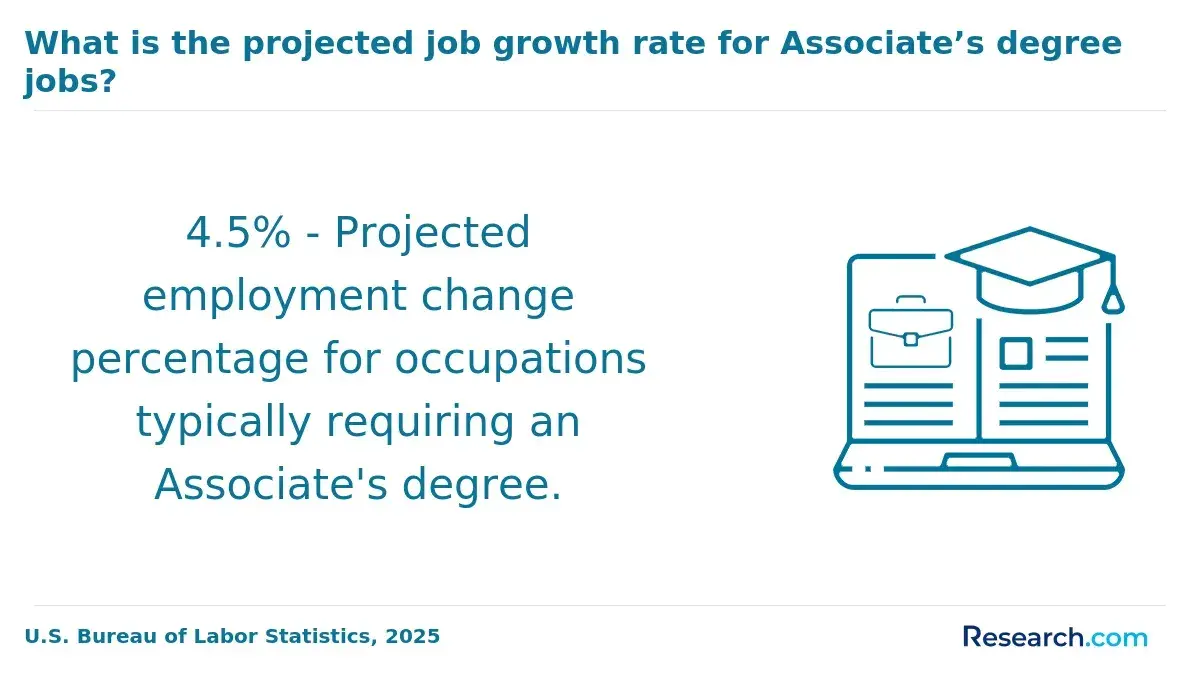
Demand for applied psychology degree holders differs widely across U.S. states, influenced by variations in economic activity and the presence of key industries. According to a 2023 Bureau of Labor Statistics report, psychologist employment rates can differ by over 30% between states, highlighting significant regional disparities. These fluctuations affect the availability of roles and career growth prospects for graduates.
States with weaker demand generally lack robust industries that typically hire applied psychology professionals. Some of these states include:
- West Virginia: Limited healthcare facilities and fewer educational and corporate organizations contribute to a smaller market for applied psychology roles. The state's economy does not strongly support extensive mental health or organizational development sectors.
- Mississippi: A sparse concentration of relevant employers restricts job openings, reflecting a smaller employer base in counseling services and institutional environments.
- Montana: With a largely rural population and less industrial diversity, opportunities in applied psychology are reduced, especially in specialized or large-scale settings.
- Wyoming: Similar to Montana, this state's limited healthcare infrastructure and corporate presence result in fewer vacancies for candidates with applied psychology backgrounds.
Typically, these regions have smaller populations and fewer institutions that utilize applied psychology expertise, reducing the overall job market size and variety.
When discussing which states have the weakest job demand for applied psychology careers, a graduate in the field shared that navigating job searches in these areas felt frustrating and isolating. He described spending months applying to positions that were either very limited or heavily competitive, often facing the reality that many roles were part-time or required relocating. "It became clear that staying put wasn't going to work if I wanted steady work in applied psychology," he said. This experience underscored how geographic location can deeply impact career trajectories in this field.
Entry-level positions for applied psychology graduates differ significantly across U.S. states due to variations in employer density, industry focus, and overall economic conditions. Some areas experience up to 30% fewer early-career job openings in applied psychology-related fields compared to national averages, reflecting marked regional disparities. These differences impact which industries have the fastest salary growth for applied psychology graduates in the United States.
States with limited entry-level applied psychology roles include:
- West Virginia: The state has a smaller healthcare and education sector, leading to fewer opportunities for recent applied psychology graduates to enter the workforce.
- Mississippi: With a limited employer base in corporate and clinical settings, early-career roles in applied psychology are scarce.
- Alaska: Geographic remoteness restricts access to many academic and clinical institutions, reducing job availability for newcomers.
- North Dakota: A lower population density and less diverse economy limit the variety of roles for applied psychology degree holders.
- Wyoming: Economic focus on industries outside applied psychology fields means fewer starting positions for graduates.
Graduates seeking roles in applied psychology should consider these factors alongside data about top sectors with rapid salary increases for applied psychology degree holders. For those exploring career paths, understanding regional differences can guide decisions. Information on best medical billing and coding schools also offers insight into related healthcare careers that may complement applied psychology expertise.
Graduates holding degrees in applied psychology frequently encounter varied career obstacles depending on the state where they seek employment. Wage gaps between regions can surpass 20%, highlighting stark regional employment inequalities and uneven access to quality professional roles. These challenges often arise from systemic and structural factors influencing the local job market and resources available.
Several key barriers shape these varied career experiences:
- Limited Industry Presence: Some states have fewer organizations or clinics requiring applied psychology expertise, resulting in fewer job opportunities and a smaller network of professional contacts essential for career advancement.
- Reduced Employer Diversity: In areas with homogeneous industries, employers may focus on a narrow set of skills, which restricts graduates from utilizing the full range of their training and limits interdisciplinary career options.
- Scarce Advancement Pathways: Regions lacking strong professional development infrastructure offer fewer promotion chances or specialized roles, leaving graduates with stagnant positions and limited leadership opportunities.
- Restricted Continuing Education: Access to mentors, training programs, and supervisory roles required for licensure can be limited, making it challenging for graduates to fulfill professional prerequisites and progress efficiently.
- Economic Constraints: Budget limitations and generally lower wages in health and social services in some states reduce job quality and salary potential for applied psychology professionals.
A professional with an applied psychology degree shared that relocating to a state with fewer training resources initially felt isolating. "Finding qualified mentorship was a slow process, and completing required supervised hours took longer than expected," she reflected. Despite these hurdles, she emphasized the importance of persistence and adapting to the local environment. "It taught me resilience and shaped my approach to building collaborations in less traditional settings," she added. This firsthand perspective underscores the nuanced challenges faced across different states.
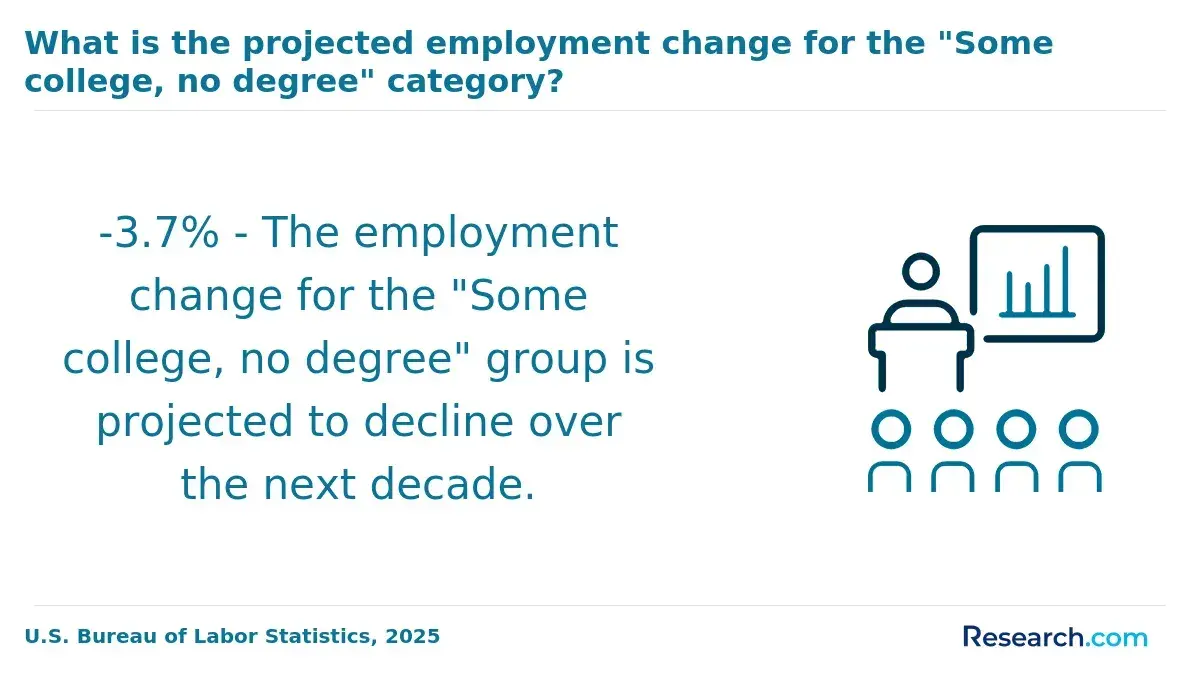
The availability of jobs and salary levels for applied psychology graduates strongly depend on whether key industries are well established within a state. Locations with robust healthcare systems, higher education institutions, government agencies, and corporate headquarters typically offer more job openings and better pay. Concentrations of mental health providers or consulting firms also increase demand for applied psychology professionals. According to the U.S. Bureau of Labor Statistics, employment for psychologists in states with thriving healthcare and social assistance sectors is about 40% higher compared to states with less diversified industry bases.
The interplay of industry presence and overall economic health shapes employment prospects differently across states. Those with diverse and resilient economies tend to provide more stable and plentiful roles in various sectors such as education, healthcare, and business. For example, Massachusetts and California benefit from concentrated clusters of hospitals, universities, and technology firms that support stronger job markets and compensation. Conversely, states like West Virginia and Mississippi often face limited opportunities and reduced pay due to weaker industrial infrastructures and fewer employers competing for applied psychology expertise.
Cost of living significantly influences salary levels for applied psychology graduates, with employers often adjusting pay to match regional expenses. The Bureau of Economic Analysis reports that cost-of-living differences among states can exceed 20%, directly impacting wage scales in this field. Such adjustments help maintain a reasonable standard of living despite variations in housing, healthcare, and transportation costs.
Several key factors illustrate how cost of living shapes applied psychology salaries across states:
- Salary Adjustments: Employers typically offer higher nominal wages in regions where living costs are elevated to compensate for greater expenses related to housing, food, and other essentials.
- Purchasing Power: Even with increased salaries in expensive states, the actual disposable income may be similar or lower than in more affordable states due to higher everyday costs.
- Regional Pay Structures: Local economic conditions influence compensation, prompting employers to set wages that attract talent while remaining competitive within their state market.
- Tax and Public Service Variations: Differences in state taxes and costs associated with public services affect graduates' effective income, altering the real benefit of salary levels across locations.
- Impact on Mobility: Wage differentials sometimes fail to offset the higher expenses tied to relocation, affecting graduates' willingness or ability to move between states with varying costs of living.
Remote work has become a vital option for applied psychology graduates facing job markets with uneven demand, especially in low-opportunity states. For those residing in areas where local roles are scarce, remote career opportunities for applied psychology degree holders in underperforming states can provide access to a wider range of employers and industries without relocating. Recent data shows that nearly 30% of jobs related to applied psychology fields now offer some form of remote flexibility, reflecting a shift toward hiring based on skills rather than location. This trend helps graduates compete from traditionally disadvantaged regions by overcoming geographic barriers to employment.
Remote work also softens the link between state-level industry concentration and job availability for applied psychology graduates, as many organizations prioritize qualifications over proximity. Although challenges like licensure requirements and local credential recognition still exist, skills-based remote hiring allows for greater mobility across state lines. This flexibility reduces the impact of economic conditions and local professional networks on career prospects. For those seeking education or training options aligned with this trend, resources such as the online ultrasound tech school provide examples of effective remote programs supporting career advancement in health-related fields.
A weak job market for applied psychology graduates often means fewer job openings, lengthier hiring processes, and generally lower salaries compared to stronger regions. In some areas, unemployment rates can surpass the national average by up to 2%, which highlights the challenges faced by graduates in low-demand states. This environment compels candidates to adopt strategic approaches to improve their chances of success despite slower job growth and reduced entry-level roles.
Applied psychology degree holders navigating career challenges and remote work opportunities for applied psychology degree holders in poorer-paying states can benefit from several broad strategies including:
- Continued Education: Investing in further education and specialized certifications can increase employability and showcase advanced skills beyond the foundational degree, making candidates more competitive in difficult markets.
- Networking: Building and sustaining a professional network helps uncover hidden job opportunities and provides valuable industry insights, allowing for more focused and informed job searches.
- Practical Experience: Obtaining internships, volunteer positions, or part-time roles builds a relevant portfolio and enhances marketability, offering concrete evidence of skills and dedication to potential employers.
- Versatile Skill Development: Expanding skills that apply across various sectors widens employment options and reduces reliance on a single industry or geographic area.
Engaging with professional associations can keep graduates informed about industry trends, emerging roles, and alternative career pathways not readily visible in weaker job markets. For those considering further specialization, exploring best PMHNP programs can also be a valuable avenue to enhance qualifications and open new career doors.
Location plays a crucial role in shaping career prospects for applied psychology graduates, affecting salary levels, job availability, and overall demand. Regional differences in opportunities can be significant, with job openings related to applied psychology varying by over 25% between areas of highest and lowest demand. These disparities underscore why choosing the right geographic area is vital for long-term career success.
When evaluating where to pursue or advance a career in applied psychology, consider these key factors:
- Industry Concentration: Regions with a strong presence of healthcare facilities, educational institutions, research organizations, or corporate entities generally offer better prospects due to greater need for applied psychology expertise.
- Salary Conditions: Wages differ based on economic health and funding availability, meaning some locations provide more competitive compensation than others.
- Opportunity Availability: The volume of job openings and growth trends in applied psychology careers impact how broad and dynamic the local job market is.
- Professional Resources: Areas with active professional networks, training programs, and mentorship climates create environments that support career development and progression.
What Graduates Say About the Worst States for Applied Psychology Degree Graduates
- Kian: "Graduating with an applied psychology degree was exciting, but staying in a state with low demand posed real challenges. I had to constantly navigate limited job opportunities and wage stagnation, which made me seriously consider relocating. In hindsight, moving to a region with stronger demand would have accelerated my career much more than waiting it out."
- Leonard: "From a professional standpoint, holding an applied psychology degree opened many doors, but only if you're in the right place. I observed firsthand how graduates in certain states struggle to find relevant roles, pushing many to explore remote work or move entirely. This experience taught me that your geographical choice can be just as crucial as the degree itself."
- David: "Reflecting on my journey, the hardest part was dealing with a limited job market in my home state despite my applied psychology credentials. I ultimately chose to relocate where the field has a stronger foothold and more growth prospects. This shift not only enhanced my career opportunities but also enriched my professional development in ways I hadn't anticipated."
Other Things You Should Know About Applied Psychology Degrees
States with the strictest path to licensure often require 1,500 to 4,000 supervised hours after the degree, plus an exam such as the Examination for Professional Practice in Psychology (EPPP). These requirements can slow entry into practice and make low-demand states harder to navigate for new graduates.
State licensing requirements vary widely and can influence career paths for applied psychology graduates. In states with more complex or costly licensure processes, graduates may face delays in pursuing clinical or counseling roles. This can be a significant barrier in states with fewer job openings, reducing professional flexibility and earning potential.
Yes, in states with weaker demand and lower pay, continuing education and certifications often become essential to stand out. Specialized credentials in areas like behavioral analysis or organizational psychology can open niche roles and improve job security. Without these, graduates may struggle to compete for scarce positions.
Job prospects for applied psychology graduates are generally stronger in urban centers due to a denser concentration of healthcare providers, educational institutions, and corporations. Rural areas typically have fewer employers with applied psychology roles, which can exacerbate the challenges posed by already weak state-level demand and salary issues.
- Key advice for graduates | BPS https://www.bps.org.uk/psychologist/key-advice-graduates
- The Best States For Psychologists | Psychology.org https://www.psychology.org/states/best-states-for-psychologists/
- Psychology grads face below-average salaries: study – Association for Psychological Science – APS https://www.psychologicalscience.org/news/psychology-grads-face-below-average-salaries-study.html
- Study links social class origins to lower wage goals in job search https://phys.org/news/2026-01-links-social-class-wage-goals.html
- Graduating into a weak job market: why so many grads can’t find work https://theconversation.com/graduating-into-a-weak-job-market-why-so-many-grads-cant-find-work-45222
- Career Paths in Psychology to Help You Get Started https://www.snhu.edu/about-us/newsroom/social-sciences/psychology-entry-level-jobs-to-start-your-career
- Clinical Psychologist Salary by State (Median Annual Pay) https://www.allpsychologyschools.com/clinical-psychology/salary/
- Clinical Psychologist Salary by State 2026 https://worldpopulationreview.com/state-rankings/clinical-psychologist-salary-by-state
- The Best (& Worst) States for Psychologists in 2024 https://www.berxi.com/resources/articles/best-states-for-psychologists/
- 8 Entry Level Jobs for Psychology Students to Look for on Handshake https://joinhandshake.com/blog/students/8-entry-level-jobs-for-psychology-students-to-look-for-on-handshake/