2027 Is an Applied Psychology Degree Better Than Experience Alone? Salary, Hiring, and Career Growth Compared

Co-Founder and Chief Data Scientist
In the applied psychology field, candidates with degrees often access higher starting salaries and more stable employment than those relying solely on experience. Entry without a formal degree is rare due to licensing and certification requirements that prioritize academic credentials. A 2025 survey found degree holders earn on average 22% more and experience 35% faster career advancement than self-taught professionals.
While practical experience is valuable, the specialized knowledge and theoretical foundation from an applied psychology degree remain critical for long-term growth. This article examines salary trends, hiring practices, and career trajectories to help readers decide if pursuing a degree outweighs relying on experience alone.
Key Points About Having Applied Psychology Degrees vs Experience Alone
- Applied psychology degree holders earn on average 18% more than those relying solely on experience, reflecting greater access to specialized roles and certifications.
- Graduates experience 25% higher employment rates in clinical and organizational psychology sectors, where formal credentials are often mandatory.
- Degree holders advance faster into leadership, with 30% more promotional opportunities reported compared to peers without formal education, highlighting the degree's impact on career growth.
What technical proficiencies can you gain from having Applied Psychology degrees vs self-teaching?
Professionals can acquire foundational principles and practical applications of applied psychology both through degree programs and on-the-job experience. However, degree programs provide a structured curriculum ensuring comprehensive coverage of complex topics, while self-teaching or experience alone may lead to partial skill development. Below are five critical technical proficiencies gained from applied psychology degrees versus experience alone.
- Advanced Statistical Analysis: Degree programs teach a wide range of quantitative methods, including the use of software like SPSS or R and multivariate analysis. Self-taught professionals might grasp basic statistics, but often lack the depth and guidance necessary to master these advanced techniques.
- Psychometric Testing: Creating and validating standardized assessments requires both theoretical knowledge and supervised practice provided in formal education, which is seldom available through work experience alone.
- Experimental Design: Structured coursework trains students to plan studies that control variables and minimize biases, ensuring valid results. Learning this solely on the job may result in incomplete understanding due to lack of critical academic feedback.
- Ethical Frameworks: Formal applied psychology programs emphasize ethical handling of sensitive data and working with vulnerable populations, an area often underrepresented in non-academic learning environments.
- Behavioral Theories: Academic study integrates diverse psychological models essential for effective application, whereas self-teaching can lead to fragmented knowledge without a cohesive framework.
These technical skills gained from an applied psychology degree are increasingly favored by employers. According to a survey by the National Association of Psychology Professionals, 72% prefer candidates with formal education over those with similar experience but no degree, highlighting stronger research literacy and proficiency. Students interested in advancing their education may also explore related options, such as MSN to DNP online programs, for broader career growth.
Evaluating self-taught vs degree in applied psychology proficiency shows that formal education offers a clearer path to mastery of essential, specialized skills that on-the-job experience alone rarely provides.
Are there certifications or licenses that only Applied Psychology degree holders can obtain?
Continuing education and obtaining additional credentials remain valuable for career growth, even as more employers shift toward skills-based hiring. For those pursuing greater professional recognition, several certifications and licenses exclusively require an applied psychology degree or a closely related field. Below are key credentials that highlight this requirement.
- Licensed Professional Counselor (LPC): This license permits legal counseling practice in clinical, educational, or organizational settings. Applicants must hold a master's degree in applied psychology or counseling, complete supervised clinical hours, and pass a licensing exam, establishing a regulated standard of ethical expertise.
- Board Certified Behavior Analyst (BCBA): Focused on behavior analysis in clinical and educational contexts, the BCBA certification demands at least a master's degree in applied psychology or related disciplines, specific coursework, and supervised experience. This credential is essential for careers in behavioral interventions and enhances promotion prospects.
- Certified Rehabilitation Counselor (CRC): Designed for professionals aiding individuals with disabilities in employment and daily living, the CRC requires a degree in applied psychology or rehabilitation counseling, supervised fieldwork, and passing a standard exam. It is often sought by employers in healthcare and vocational rehabilitation fields.
Employers increasingly value candidates with recognized certifications; a survey by the National Association of Psychology Professionals found that over 72% prefer applicants possessing relevant credentials. Holding an applied psychology degree notably raises the chance of management roles by 35% compared to relying solely on experience or self-teaching methods.
For aspiring students weighing the importance of formal education versus experience, formal licensure requirements and these certifications reveal tangible benefits of earning an applied psychology degree. Those who want to complement their qualifications with flexible academic pathways may explore options like the RN to BSN no prerequisites programs, which provide affordable, accessible routes in related healthcare fields.
Will a degree in Applied Psychology make you more employable?
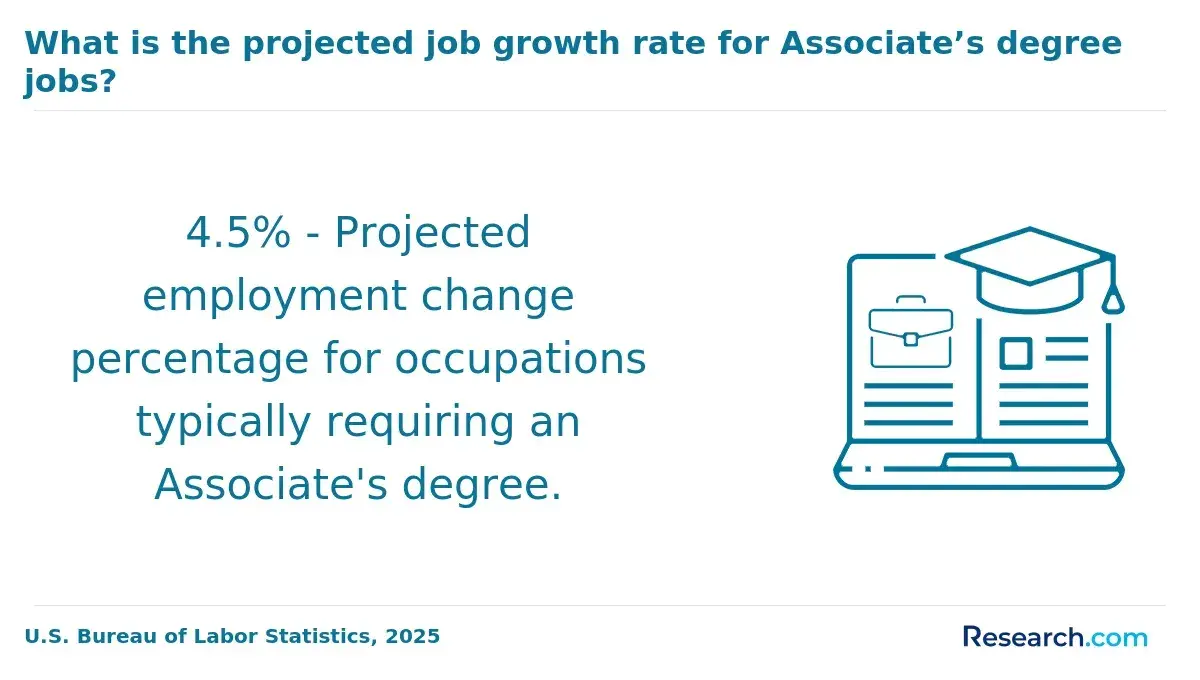
The job market strongly favors candidates with a degree in applied psychology compared to those relying solely on experience or self-learning. A significant portion of job openings now require at least a bachelor's degree, reflecting employers' preference for formal credentials. Positions accessible to individuals without degrees have notably diminished, highlighting a trend toward valuing academic qualifications in this field.
This shift is driven by the importance of specialized knowledge and skills that structured programs provide, such as data interpretation, experimental methods, and proper psychological assessments. Academic training also offers access to internships, research projects, and professional networks that enhance practical readiness. These elements, combined with updated knowledge on ethics and current psychological practices, make degree holders stand out in competitive hiring processes.
Ultimately, whether pursuing a degree is necessary depends on one's career ambitions. For roles demanding recognized certifications and evidence-based competencies, a degree is often crucial, while some positions may allow advancement through experience. Individuals should weigh their specific goals and the expectations of their desired employers when deciding their path.
A professional who recently completed an online applied psychology bachelor's program shared that, despite initial doubts, earning the degree opened doors that experience alone had not. He recalled feeling overwhelmed balancing coursework with job applications, noting that "the internship opportunities and university connections were invaluable." He emphasized, "Employers often asked about my academic projects and research, which gave me a chance to demonstrate real skills." His experience suggests that while self-study builds knowledge, a formal degree can provide essential structures and validations that improve employment prospects.
Certain jobs in applied psychology require candidates to have a formal degree, while others may prioritize skills and job-readiness gained through work experience alone. Understanding the distinct opportunities available to degree holders versus those relying on experience can help guide career decisions. Here are some key applied psychology careers and their typical education requirements:
- Clinical Psychology: This career involves diagnosing and treating mental health disorders, demanding an advanced degree and supervised clinical experience. Full positions almost always require formal education and licensure to ensure professional standards and ethical practice.
- Industrial-Organizational Psychology: I-O psychologists improve employee productivity and workplace culture within businesses. While some non-degree professionals with HR experience may enter related roles, advanced knowledge in research methods and human behavior acquired from a degree is generally necessary for higher-level positions.
- Forensic Psychology: Applied psychology graduates in this field work with legal systems to assess defendants and advise courts. A degree is essential due to the need for combining psychological expertise with legal procedures, although some advisory roles may be filled by law enforcement professionals with informal psychological training.
- School Psychology: Focused on children's mental health and educational needs, this career requires both a degree and certification. Experience alone is insufficient given the need for specialized understanding of developmental psychology and education laws.
Applied psychology career opportunities in the United States are often shaped by employer preferences for formal education, especially for specialized and ethical roles. According to a 2025 employment trend report, applied psychology degree holders have a 27% higher chance of securing stable, well-paying jobs in these fields compared to candidates with experience or self-teaching alone. This difference underscores the growing value placed on formal study and credentials.
For students weighing whether to pursue a degree or rely on experience, exploring options such as an online exercise physiology degree can also complement applied psychology knowledge and expand career pathways in health-related fields.
Holders of applied psychology degrees often gain access to structured networking channels unavailable to those without formal education. Degree programs connect students with faculty, alumni, and peers who share specialized professional interests, frequently opening doors to internships and collaborative research. In contrast, individuals relying solely on self-teaching and experience typically build networks from personal contacts or workplace colleagues, which can be more limited in scope and reach.
Both degree holders and non-degree professionals benefit from resources tailored to their backgrounds. Those with degrees may leverage alumni networks, faculty recommendations, and memberships in organizations like the Society for Industrial and Organizational Psychology. Such resources offer access to job listings, mentoring, and conferences. Meanwhile, self-taught practitioners often depend on online forums, platforms like LinkedIn, and immediate work environments to expand their connections, though establishing credibility may take longer without academic validation.
The applied psychology field strongly values trust and confidentiality, making professional referrals crucial in career advancement. Consequently, networks built through academic programs provide a direct pathway into this referral economy. While experience alone can sustain a career, many professionals agree that institutional support accelerates growth and access to exclusive opportunities in the industry.
Holding a degree in applied psychology can increase eligibility for certain roles, particularly those involving leadership or specialized responsibilities. This educational background signals to employers that candidates possess a solid understanding of both theory and practical skills relevant to the field. Below are key reasons why having an applied psychology degree may enhance promotion possibilities:
- Structured Knowledge: Degree programs provide formal training in research methods, ethical standards, and evidence-based practices, equipping professionals with the tools necessary for making informed decisions and managing complex workplace challenges.
- Managerial Qualification: Employers often regard a degree as a critical criterion for leadership roles, valuing candidates who combine academic credentials with the ability to apply psychological concepts to improve organizational outcomes.
- Professional Credibility: Possessing a formal degree can boost recognition and trust among peers and supervisors, often translating to greater opportunities for advancement and access to specialized training or certifications.
While experience remains important and can lead to promotions in some settings, blending an applied psychology degree with hands-on experience typically provides a more reliable path to consistent career growth and leadership positions.
Professionals holding an applied psychology degree tend to earn significantly more than those relying solely on experience or self-teaching. Entry-level salaries for graduates typically start around $60,000, which is about 25% higher than roles filled by non-degree holders starting near $48,000. This wage pay gap reflects the value employers place on formal education. As careers advance, those with degrees often access positions such as organizational psychologists or clinical researchers that offer salaries exceeding $100,000. In contrast, individuals without formal education frequently face a ceiling at mid-level roles, limiting long-term income growth.
Despite these differences, non-degree holders can improve their income outlook through certifications, specialized training, or graduate studies. Employers increasingly seek candidates who combine practical skills with foundational knowledge, which a degree provides. For those considering alternatives, exploring fast track programs can also offer pathways to bolster qualifications and earning potential.
The impact of applied psychology education on career income growth in the United States remains evident, underscoring the advantage of formal study over experience alone. Continuously upskilling makes professionals harder to replace during economic downturns and organizational shifts. Developing key skills is essential to improving employability and ensuring job security.
The tuition for an applied psychology bachelor's degree typically ranges from $20,000 to $40,000, varying by institution and location. Graduates of these programs generally recoup their investment within 5 to 7 years, benefiting from increased earning potential and job opportunities compared to those relying on experience or self-teaching alone. Studies show that applied psychology degree holders earn approximately 25% more over their careers than professionals without formal qualifications in the field.
To minimize educational costs and maximize return on investment, students should explore scholarships, grants, and employer tuition reimbursement programs. Enrolling in accelerated degree options can also reduce time spent in school, allowing graduates to enter the workforce sooner. Furthermore, gaining practical experience through internships or part-time roles while studying enhances job readiness and career growth, helping applied psychology students achieve a faster ROI than relying solely on experience.
The job market for applied psychology professionals shows resilience amid growing automation and economic shifts. AI is increasingly integrated into fields like mental health, yet these tools tend to enhance rather than replace complex human judgment and interpersonal skills. Applied psychology degree holders benefit from training that includes evidence-based methods and data analysis, making them better prepared to work alongside evolving technologies. Employers generally favor candidates with formal education during hiring periods marked by industry changes or financial uncertainty.
Those with an applied psychology degree are less vulnerable to layoffs caused by economic downturns or technological displacement when compared to professionals relying solely on experience and self-teaching. Lack of formal credentials and up-to-date expertise in AI-supported interventions leaves non-degree holders at a disadvantage. Degree programs also emphasize ethical standards and regulatory knowledge, further securing graduates' roles in environments where compliance and best practices are critical.
When I spoke with a professional who completed an online applied psychology bachelor's program, he shared how the degree gave him a sense of security amid industry changes. "I noticed early on that employers valued my formal training, especially during company restructures," he said. Navigating economic uncertainty felt less stressful knowing his skills were backed by accredited coursework. He admitted the process wasn't easy, balancing studies with work, but felt the investment has made his career more stable and adaptable in the face of automation and market fluctuations.
What Graduates Say About Their Applied Psychology Degrees
- Kristine: "Having a degree in applied psychology truly set me apart in the competitive job market. The practical skills I gained made me immediately job-ready, allowing me to confidently tackle real-world challenges from day one. This degree didn't just open doors; it also accelerated my promotion path and positively impacted my salary trajectory."
- Leonard: "Reflecting on my career journey, my applied psychology degree was foundational in developing a deep understanding of human behavior that employers highly value. It gave me an edge in building interpersonal skills and critical thinking, which proved essential in securing my initial role and earning subsequent raises. I'm grateful for how it shaped my professional identity."
- David: "Professionally, my applied psychology degree has been invaluable in strengthening my analytical and communication skills, which are crucial in this field. The degree helped me become competitive by blending theory with real-world applications, ultimately enhancing my employment opportunities and helping me negotiate better salary offers. It's been a worthwhile investment in my career."
Other Things You Should Know About Applied Psychology Degrees
Applied psychology degree holders often experience greater job stability because their formal education provides a foundational understanding of psychological principles that employers value, especially in regulated sectors. Experience alone may yield job opportunities, but degree holders generally have access to roles with clearer career tracks and more consistent demand, which can enhance long-term stability.
Employers typically recognize that applied psychology graduates have undergone structured training in evidence-based problem-solving approaches and research methods. While self-taught professionals can develop strong practical skills, degree holders are often perceived to have a better grasp of systematic analysis, which is crucial in complex workplace scenarios.
Applied psychology graduates are generally more equipped for interdisciplinary collaboration due to their formal exposure to theories and methodologies applicable across different fields such as healthcare, education, and business. Experience alone might limit understanding of interdisciplinary frameworks, whereas degree programs explicitly foster skills to work effectively with diverse teams.
No. Most U.S. states require a master’s degree, 2,000–4,000 supervised hours, and passing the ASWB exam before social work or counseling licensure. An applied psychology bachelor’s alone usually does not meet licensing rules set by state boards.
- What Certifications Can I Get With A Bachelor's In Psychology? https://www.psychology.org/resources/certification-skills-for-psychology-major-resumes/
- ROI in Higher Education - FREOPP https://freopp.org/roi-in-higher-education/
- Psychology Careers Beyond Mental Health Professions https://www.verywellmind.com/psychology-careers-outside-of-mental-health-2795626
- Young People Are Falling Behind, but Not Because of AI https://www.theatlantic.com/economy/2026/04/job-market-artificial-intelligence/686659/
- Non-Academic Careers https://spsp.org/membership/resource-hub/nonacademic
- Psychology Career Pathways & Earnings https://collegeroi.org/roi/major/psychology/
- State licensure and certification information for psychologists https://www.apaservices.org/practice/ce/state/state-info
- Are there any National Certifications for Psychologists? https://www.bestmastersinpsychology.com/faq/are-there-any-national-certifications-for-psychologists/
- College grads in ‘AI-proof’ careers like psychology and education are seeing negative returns on their degrees https://finance.yahoo.com/economy/articles/college-grads-ai-proof-careers-110200708.html
- Why choose an applied psychology degree? https://www.diploma-msc.com/blog/medical-news/why-choose-an-applied-psychology-degree