
2027 What Job Postings Reveal About Applied Psychology Careers: Skills, Degrees, and Experience Employers Want

Co-Founder and Chief Data Scientist
When a recent graduate reviews job listings in applied psychology, the variety of requirements can seem overwhelming. Positions like behavioral analyst or human factors specialist often demand not only specific degrees but also distinct skills and years of experience.
According to the U. S. Bureau of Labor Statistics, employment of psychologists is projected to grow 8% from 2022 to 2032, highlighting increasing competition and evolving employer expectations. Understanding which qualifications truly matter can clarify this complex landscape.
This article examines what job postings reveal about the essential skills, degrees, and experience employers seek in applied psychology careers to guide aspiring professionals effectively.
Key Things to Know About Skills, Degrees, and Experience Employers Want
- Job postings often emphasize critical skills like data analysis, psychological assessment, and communication, indicating employers value both technical and interpersonal competencies.
- Most roles require at least a master's degree in applied psychology or related fields, combined with 2-5 years of relevant experience, reflecting rising educational and practical standards.
- Analyzing multiple job listings reveals consistent hiring trends, helping candidates target essential qualifications and tailor their preparation to meet evolving industry demands.
What Do Job Postings Say About Applied Psychology Careers?
Job postings in applied psychology consistently highlight the real-world demands candidates must meet, blending formal education with practical skills. Over 70% of these listings require at least a bachelor's degree, with many showing preference for a master's level education.
Employers emphasize analytical abilities and competence in data interpretation, alongside effective communication skills. Additionally, having practical experience such as internships or related work is often seen as a valuable asset that enhances a candidate's chances.
Patterns within job postings reveal a steady expectation for core qualifications like degrees while showcasing notable variation in competencies across different roles and sectors. While some skills remain universally important, others shift depending on specific job functions or industries within applied psychology.
This diversity illustrates how employer priorities can range from teamwork and client interaction to sector-specific expertise. Ultimately, these listings underscore the need for candidates to align their qualifications and skills closely with the demands of their chosen career path.
What Skills Are Most Requested in Applied Psychology Job Postings?
Job postings for applied psychology roles consistently highlight a core set of skills that reflect employer priorities and professional demands.
According to a 2023 survey by the Society for Industrial and Organizational Psychology, over 70% of applied psychology job postings specifically mention data analysis or research skills as critical requirements. These trends reveal the key competencies required for applied psychology roles across various settings.
The following list outlines the most frequently requested skills in applied psychology job listings:
- Analytical Skills: Employers seek candidates who can interpret data from psychological assessments, research studies, and behavioral observations. Strong analytical abilities support the development of evidence-based interventions tailored to individual or organizational needs.
- Communication Skills: Clear and empathetic communication is necessary for interacting with clients, collaborating with multidisciplinary teams, and presenting findings in written reports. Effective communication helps translate psychological insights into practical solutions.
- Problem-Solving: Applied psychology professionals often address complex human or organizational challenges. Creativity and adaptability are essential to tailor interventions that meet unique situations effectively.
- Technical Proficiency: Familiarity with research methods and statistical software is regularly required. Employers expect candidates to design studies, collect reliable data, and use software tools to conduct statistical analyses that inform decision-making.
- Interpersonal Skills: Building trust, demonstrating cultural sensitivity, and managing group dynamics are vital for success. These relational skills facilitate positive outcomes in applied psychology work.
These applied psychology job skills in demand collectively empower professionals to assess needs accurately, implement interventions efficiently, and evaluate outcomes meaningfully.
Prospective students interested in accelerating their credentials may also consider programs like the fastest DNP program, which exemplify the growing emphasis on streamlined, evidence-based education pathways.
What Degrees Do Employers Require for Applied Psychology Careers?
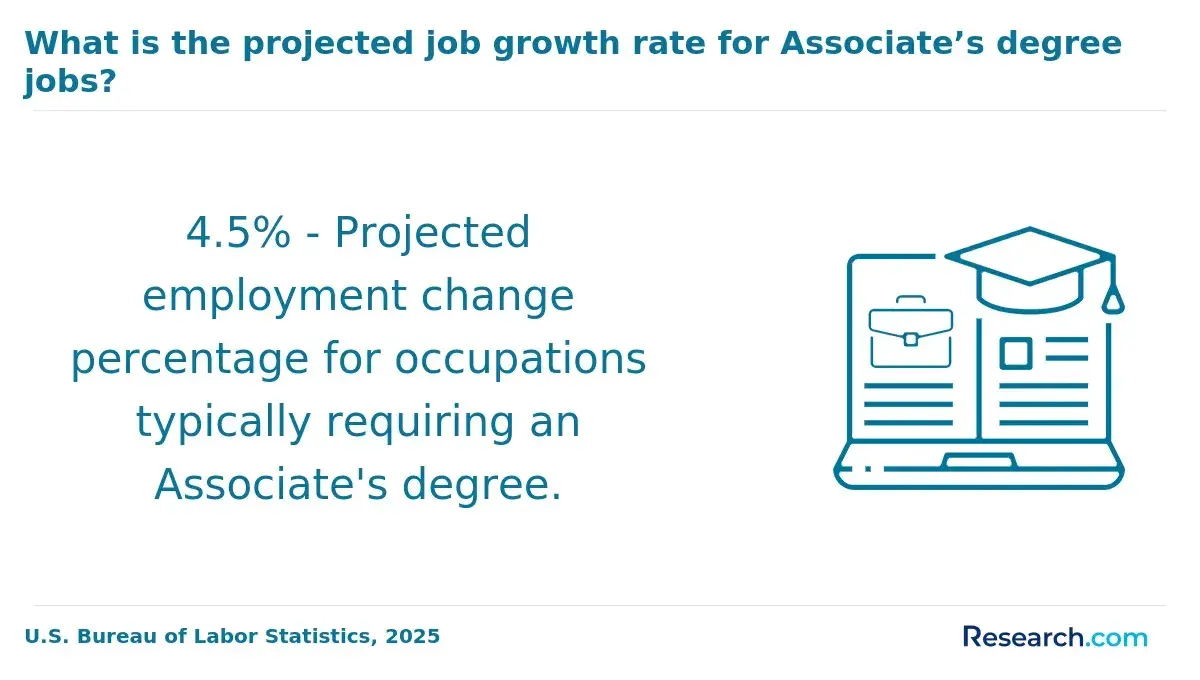
Job postings for applied psychology careers consistently show that educational requirements vary based on job complexity and industry demands.
Entry-level roles often require a bachelor's degree, while more advanced positions favor candidates with graduate degrees. Across sectors, these requirements adapt to the specific responsibilities of each role and the professional context.
Recent hiring data reveals that nearly 65% of job listings in applied psychology emphasize the need for at least a master's degree, highlighting the growing preference for advanced academic preparation in the field.
Common patterns in degree expectations include the following:
- Bachelor's Degree Requirement: Many entry-level and support positions call for a bachelor's degree in psychology or a related field, providing foundational knowledge suited to generalist roles across industries such as marketing research and organizational development.
- Graduate Degree Preference: For specialized or mid-level responsibilities, employers frequently mandate a master's degree, notably in clinical, counseling, or industrial-organizational psychology.
- Doctoral Degree Necessity: Positions that involve independent practice, licensure, or leadership in research generally expect candidates to hold a doctoral degree, reflecting the complexity and accountability of these roles.
- Licensure and Certification: Many health care and clinical settings combine degree requirements with licensure or professional certification to ensure compliance with regulatory standards and professional competency.
An applied psychology degree graduate shared that navigating the degree requirements during job hunting was challenging. "It wasn't enough to just have the degree," he explained, "I had to understand which roles required licensure or doctoral preparation, which sometimes wasn't clear upfront."
The process involved thorough research and often balancing further education with gaining practical experience. He found that employers' expectations varied widely, so staying informed about both academic qualifications and professional credentials was essential for aligning with job opportunities.
Applied psychology job postings set distinct experience requirements depending on the position's seniority and field of specialization.
Employers use experience as a critical filter to match candidates to roles that fit their readiness and expertise. These requirements vary widely, reflecting different expectations across career stages.
Common experience trends in applied psychology job postings include the following:
- Entry-Level Roles: These positions usually ask for minimal to no prior experience, often focusing on candidates with academic knowledge and practical exposure through internships or practicum work.
- Mid-Level Positions: Typically, these require two to five years of hands-on experience. Candidates should have applied psychology work experience relevant to clinical, organizational, or research environments.
- Senior Roles: Advanced jobs demand over five years of professional experience, highlighting skills in leadership, project oversight, or specialized domains within applied psychology.
- Specialized Expertise: Some jobs specify experience in niche areas like neuropsychology or human factors psychology, where targeted work history is essential.
- Progressive Responsibility: Many employers look for a demonstrated increase in responsibility and role complexity over time alongside the sheer number of years of applied psychology work experience employers require.
Though focused on experience, candidates should also consider educational pathways. For example, those exploring options can find valuable information about nursing schools without TEAS, which illustrates how certain professional programs set different entrance standards.
Several sectors demonstrate a strong willingness to hire applied psychology graduates who have little to no professional experience.
Entry-level job postings in these fields often emphasize a candidate's foundational knowledge and interpersonal abilities rather than prior work history. In fact, about 40% of entry-level roles in healthcare-related psychology positions are occupied by individuals new to the workforce.
Below are some industries that frequently welcome fresh applied psychology graduates without experience:
- Healthcare: Hospitals, mental health clinics, and rehabilitation centers commonly seek graduates for roles like behavioral health technicians or patient care assistants. These positions focus on strong communication skills and basic psychological principles instead of extensive experience.
- Education: Schools, special education programs, and community learning centers hire graduates to support student development and counseling initiatives. Emphasis is placed on academic qualifications and enthusiasm for educational support rather than professional tenure.
- Human Resources: Corporate HR departments offer entry-level opportunities in recruitment, training, and workplace wellness programs. Job listings prioritize candidates with foundational psychology knowledge and interpersonal strengths over long-term experience.
- Nonprofit and Community Services: Organizations focused on outreach, program coordination, and social support often recruit fresh graduates. Employers value the ability to apply psychological concepts within community and social settings.
When asked about her journey entering the workforce, a fresh graduate with an applied psychology degree recalled feeling uncertain but hopeful. She described navigating numerous interviews where employers valued her eagerness and theoretical understanding more than her lack of direct experience.
"It was challenging not having a professional track record, but I found opportunities where my academic background and passion to learn were enough to get my foot in the door," she shared. Reflecting on this phase, she noted the importance of patience and openness to varied roles when starting out in the field.
Certain industries set higher bars for experience and specialized skills when hiring graduates in applied psychology, demanding deeper expertise and certifications. Job postings in these fields often reflect a preference for candidates with extensive professional backgrounds to manage complex psychological challenges effectively.
For example, a 2023 analysis found that about 60% of job listings in healthcare and military sectors require candidates to have over five years of relevant experience, highlighting greater selectivity compared to other fields.
The following sectors commonly expect advanced qualifications or multi-year experience from applied psychology professionals:
- Healthcare: Employers seek licensed psychologists or those with specialized clinical training. Candidates must demonstrate proficiency in evidence-based practices and experience working with varied patient groups in hospitals or neuropsychological environments.
- Military and Defense: Roles demand expertise in operational psychology, trauma response, and resilience, often accompanied by security clearances. Experience within structured, high-pressure settings is frequently required to handle sensitive psychological work.
- Corporate Consulting: Applied psychology positions here favor those skilled in data analysis and organizational behavior. Candidates typically bring advanced experience in enhancing workplace efficiency, employee wellness, or product development using psychological research.
- Human Factors: This niche requires in-depth knowledge of applied research methods and ergonomic principles. Employers look for practitioners capable of optimizing human interaction with systems and technology through applied psychological insights.
Employers in applied psychology careers carefully evaluate candidates' credentials to assess their qualifications and readiness for specialized roles.
Certain certifications, licenses, and academic degrees serve as key indicators of both practical skills and theoretical knowledge. These credentials help employers distinguish between applicants by verifying their expertise and commitment to professional standards.
Several credentials frequently appear in job postings as important qualifications. Key examples include:
- Graduate Degrees: Master's or doctoral degrees in psychology, counseling, or related fields are often required as they reflect a deep understanding of psychological principles and research methods essential for applied practice.
- Licenses: Credentials such as Licensed Professional Counselor (LPC), Licensed Clinical Psychologist, and Licensed Clinical Social Worker (LCSW) confirm that candidates have met rigorous state requirements involving education, supervised clinical experience, and examinations.
- Board Certified Behavior Analyst (BCBA): This certification is highly valued in behavioral analysis settings, signaling specialized expertise and adherence to ethical and professional standards.
- National Certified Counselor (NCC): The NCC credential demonstrates a professional's proficiency and ongoing commitment to continuing education, assuring employers of their dedication to quality counseling practice.
Salary levels in applied psychology careers are closely linked to experience, education, and the complexity of the role. Employers often present salary ranges rather than fixed amounts, allowing adjustments according to a candidate's background.
For example, those with advanced degrees or extensive experience typically command higher pay than entry-level professionals. A 30% variation in salaries between early-career individuals and those with 10 or more years of experience highlights how applied psychology salary negotiation based on experience influences earning potential.
Experience also affects the flexibility of salary offers in job postings, with senior roles featuring broader pay scales and more negotiation room compared to entry-level positions. Employers structure compensation to reflect variations in responsibility and specialization, often providing narrower pay bands for less complex jobs.
Variations in applied psychology compensation by career level also depend on credentials and unique qualifications, which can justify premium pay. Candidates interested in advancing their education might explore fast degree programs to strengthen their profiles in this competitive field.
Job postings are vital for tailoring your resume to meet employer expectations in applied psychology careers.
Research shows that about 75% of hiring managers rely on applicant tracking systems (ATS) to filter resumes, highlighting the need to align your resume with relevant keywords and qualifications. Understanding these job descriptions helps candidates effectively position themselves in competitive hiring processes.
Below are key strategies to match your resume with applied psychology job descriptions:
- Interpret Job Postings: Carefully analyze the core competencies, skills, and qualifications emphasized in the listing to understand what the employer values most. This insight guides the focus and structure of your resume content.
- Highlight Relevant Experience: Showcase previous roles or projects that directly relate to the responsibilities outlined, demonstrating your practical application of psychological principles and techniques.
- Align Terminology: Use consistent language found in the job posting, including technical terms, assessment tools, and research methods, to improve ATS compatibility and show familiarity with industry standards.
- Prioritize Required Qualifications: Place your educational background and certifications prominently, especially if the job specifies degrees, licenses, or certifications as essential criteria. This ensures quick recognition of your credentials.
- Balance Skills Presentation: Emphasize both soft skills like client communication and ethical compliance, along with hard skills such as data analysis, aligning your abilities with the job's requirements.
For applied psychology students considering further education to meet these qualifications, pursuing an online masters in nutrition and dietetics may complement some interdisciplinary roles where nutrition intersects with mental health and behavioral sciences.
Integrating these strategies will improve how well your resume speaks to key skills employers seek in applied psychology resumes and increase your chances of success in a highly specialized job market.
Job advertisements in applied psychology careers serve as a valuable window into what employers require from candidates. Examining these postings closely helps clarify the specific skills, education, and experiences organizations prioritize.
A 2023 survey revealed that more than 75% of applied psychology job postings clearly state both necessary qualifications and preferred experience, reflecting a high level of transparency in hiring practices.
Below are essential factors to consider when reviewing job ads in applied psychology careers:
- Core Responsibilities: These outline primary duties such as clinical practice, research, data analysis, or consulting. Understanding the focus helps distinguish between different specialties within the field.
- Educational Credentials: Advertisements often specify required degrees, including bachelor's, master's, or doctoral levels. Professional certifications or licenses may also be emphasized to meet industry standards.
- Experience Requirements: Employers define whether candidates should be entry-level, mid-career, or seasoned professionals. Some roles stress internship or practicum experience, while others ask for extensive direct practice or research.
- Skills and Competencies: Job ads highlight technical skills such as proficiency with statistical software, assessment techniques, along with vital interpersonal abilities like communication and ethical standards.
- Salary Insights: Although not always explicit, some postings reference compensation ranges. For related career insights, consider the psychiatric mental health nurse practitioner salary trends to understand market benchmarks.
What Graduates Say About Skills, Degrees, and Experience Employers Want
- Mina: "As a fresh graduate, I found job postings incredibly useful in identifying roles that matched my credentials in applied psychology. They helped me understand the specific skills employers prioritize and allowed me to tailor my applications effectively. This approach gave me confidence as I entered the job market."
- Finn: "With a few years of experience under my belt, I rely heavily on job ads to steer the direction of my career in applied psychology. They highlight emerging areas of demand and necessary certifications, which motivates me to pursue targeted professional development. Job postings have been instrumental in helping me make informed decisions about advancing my career."
- Paulina: "Throughout my professional journey, job advertisements have shaped how I perceive the evolving landscape of applied psychology. They not only reflect changing industry needs but also challenge me to stay relevant and adaptable. Reviewing these ads regularly has become a strategic part of managing my career growth."
Other Things You Should Know About Applied Psychology Degrees
Many job postings highlight certifications such as Licensed Professional Counselor (LPC) or Board Certified Behavior Analyst (BCBA) as preferred or required. These credentials demonstrate advanced expertise and compliance with industry standards, increasing a candidate's competitiveness. However, requirements vary by role and employer, with some prioritizing degrees and experience over certification.
Employers often look for documented evidence of relevant internships, supervised clinical hours, or research projects tied to applied psychology practice. Job postings frequently request specific types of experience, such as community-based intervention or psychological assessment, reflecting the applied nature of the work. This practical experience signifies readiness to perform in professional settings.
Applied psychology postings most often use titles such as industrial-organizational psychologist, user experience researcher, behavioral analyst, research coordinator, and human factors specialist. Employers usually pair these roles with a master’s degree, research methods skills, and 1 to 3 years of related experience, especially in assessment, data analysis, or program evaluation.
- 5 Top Careers in Applied Psychology https://www.bestmastersinpsychology.com/lists/5-top-careers-in-applied-psychology/
- 80+ Psychology-Related Careers to Consider https://www.verywellmind.com/a-list-of-psychology-careers-2794917
- What Certifications Can I Get With A Bachelor's In Psychology? https://www.psychology.org/resources/certification-skills-for-psychology-major-resumes/
- Negotiate your salary after an offer for a job in psychology | Jobs in Psychology https://www.jobsinpsychology.co.uk/article/negotiate-your-salary-after-an-offer-for-a-job-in-psychology
- What is a psychologist and how to become one https://www.zippia.com/psychologist-jobs/


