
2027 Best Online Health Education Programs

Co-Founder and Chief Data Scientist
Choosing an online bachelor’s degree in health education is a practical decision for students who want to help people make safer, healthier choices at the community, workplace, school, or public agency level. The field became more visible during COVID-19, but the need extends well beyond pandemic response: health educators support chronic disease prevention, wellness programming, health communication, behavioral change, and access to health services.
This guide is for students comparing online health education programs, transfer students looking for a flexible bachelor’s pathway, and working adults who want a degree that can lead to roles in public health, nonprofit outreach, wellness coordination, and health promotion. You will learn what online programs cover, how employers view online degrees, what programs cost, how to evaluate accreditation and fieldwork, and which questions to ask before enrolling.
Health education specialists assess community needs, interpret health trends, design outreach programs, advocate for better services, and teach individuals and groups how to use health information. The U.S. employs about 71,800 health education specialists, and demand is expected to keep growing in the coming years.
Online Health Education Programs for 2027 Table of Contents
- Can you get a degree completely online?
- Will employers take my online degree seriously?
- Are online degrees recognized all over the world?
- Online vs. Traditional Bachelor’s Degree in Health Education
- How much does an online bachelor’s degree in health education cost?
- What are the requirements of an online bachelor’s degree in health education?
- Courses to Expect in an Online Bachelor’s Degree in Health Education
- Benefits of Choosing an Affordable Online Education Program
- What Are the Easiest Programs to Get Into for Aspiring Health Educators?
- Things to Look for in an Online Bachelor’s Degree in Health Education
- What advanced degree options can further enhance a career in health education?
- What student support services do online health education programs offer?
- What financial aid options are available for online health education programs?
- How can I verify the accreditation and quality of online health education programs?
- How can online health education students gain practical experience?
- Are online degrees respected by employers and institutions?
- Career Opportunities and Growth in Health Education
- How are emerging trends reshaping online health education?
- What are common challenges in online health education and how can they be overcome?
- How Do Online Health Education Programs Measure Student Success and Career Outcomes?
Quick Answer: Is an Online Bachelor’s in Health Education a Good Option?
An online bachelor’s degree in health education can be a strong option if the school is accredited, the curriculum includes program planning and evaluation, and students can complete fieldwork, internships, or capstone projects in real-world settings. Online programs are especially useful for working adults, transfer students, military learners, caregivers, and students who need schedule flexibility.
The degree is not the same as a nursing or clinical healthcare credential. It is designed for health promotion, public health education, community outreach, wellness programming, advocacy, and prevention-focused roles. Students who want direct clinical practice should compare this path with nursing, allied health, counseling, or other licensed healthcare programs before enrolling.
| Best fit | Why it makes sense | Potential concern |
| Students interested in public health outreach | The curriculum usually covers health behavior, communication, program planning, and community needs assessment. | Some public health leadership roles may require graduate education. |
| Working adults who need flexibility | Online courses can reduce commuting and make part-time enrollment more manageable. | Students must be disciplined and comfortable using digital learning tools. |
| Students preparing for CHES-related work | Several programs align coursework with Certified Health Education Specialist preparation. | Eligibility and exam preparation vary by program, so students should confirm details with the school. |
| Students seeking clinical practice | The degree builds health education knowledge but is not a clinical license. | A nursing, therapy, counseling, or allied health pathway may be more appropriate. |
Can you get a degree completely online?
Yes. Many accredited colleges now offer fully online bachelor’s degrees, including health education and health promotion programs. Online learning has become more common as colleges expanded remote instruction, hybrid formats, and digital student services. Even fields that once seemed difficult to deliver remotely, such as art therapy graduate programs, now include online or hybrid options at some institutions.
In 2025, only 9% of undergraduate students were exclusively enrolled in asynchronous online courses. That number is useful because it shows that “online education” is not one single format. Some students study fully online and asynchronously, while others take synchronous live classes, hybrid courses, or a mix of online and campus-based requirements.
Students can also find online healthcare degrees at multiple levels, from undergraduate health education programs to advanced options such as online DHA programs. Before enrolling, confirm whether the health education program is fully online or whether it requires campus visits, local fieldwork, proctored exams, or scheduled live class meetings.
Will employers take my online degree seriously?
Employers are generally more concerned with accreditation, institutional reputation, relevant experience, and job-ready skills than with whether every class was completed online. A diploma usually does not identify whether the degree was earned online or on campus. A report from Northeastern University found that most employers view online and in-person degrees equally.
The stronger question is not “online or campus?” but “credible or not?” An online health education degree is most likely to be respected when it comes from an accredited college, includes appropriate upper-division coursework, provides practical experience, and helps students demonstrate skills in communication, program planning, assessment, and evaluation.
BLS data show that workers with a bachelor’s degree earn around $1,543 every week, compared with $1,099 for workers with an associate’s degree and $930 for workers with a high school diploma. These figures do not guarantee individual earnings, but they show why completing a bachelor’s degree can matter in the labor market.
Institutional Efforts for Higher Ed Faculty Development Access

Are online degrees recognized all over the world?
Online degrees can be recognized internationally, but recognition depends on the country, employer, university, licensing body, and the accreditation status of the institution. Students who plan to work or pursue graduate study outside the United States should check credential evaluation requirements before enrolling.
Demand for online learning continues to influence higher education. In one cited finding, 47% of higher educational institutions anticipate creating one to four new online programs in the next three years, while 11% plan to add 10 or more online programs. This does not mean every online program is equally strong. Students should prioritize schools with recognized institutional accreditation and, when relevant, program-level alignment with health education standards or certification preparation.
2027 Best Online Bachelor’s Degree in Health Education
The following programs can help students begin comparing online bachelor’s options in health education, health promotion, and community health education. When reviewing any list, use it as a starting point rather than a final decision. The best program depends on transfer credit, total cost, schedule format, internship availability, certification preparation, and career goals.
| School | Program focus | Program length | Credits | Cost per credit | Accreditation |
| Arizona State University | BS Health Education & Health Promotion with preparation for the Certified Health Education Specialist (CHES) exam, including health theories, community health, and evaluation of health promotion programs. | Four years | 120 | $561 $661 | Higher Learning Commission (HLC) |
| Franklin University | BS Health Education and Promotion with interdisciplinary coursework in healthcare management, disaster planning and response, community mental health, fieldwork, internships, and capstone preparation. | Four years | 120 | $398 | HLC |
| Purdue University Global | BS Health Education and Promotion covering health and wellness models, research methods, program planning, assessment, electives, and an optional internship. | Four years | 180 | $371 | HLC |
| Southern New Hampshire University | BS Community Health Education with courses in communicable disease, social and behavioral health, program administration, internship experience, and CHES exam preparation. | Four years | 120 | $320 | New England Commission of Higher Education (NECHE) |
| University of Florida | BS Health Education with coursework in nutrition, physiology, drug education, health information, and social and biological science foundations. | Four years | 120 | $129.18 (in-state), $552.62 (out-of-state) | Southern Association of Colleges and Schools Commission on Colleges (SACSCOC) |
Online vs. Traditional Bachelor’s Degree in Health Education
Online and campus-based health education programs can lead to the same academic credential when they are offered by accredited institutions. The curriculum may include the same core topics: health behavior, public health foundations, communication, program planning, evaluation, research methods, ethics, and community health. Similar comparisons apply in other health-related fields, including audiology and speech-language pathology graduate pathways, where students must examine delivery format, clinical or field requirements, and accreditation carefully.
The main difference is how students interact with the program. Online learning offers flexibility and can work well for students balancing employment, caregiving, military service, or geographic limitations. Campus programs may offer easier access to labs, libraries, student organizations, faculty offices, and in-person networking.
| Factor | Online bachelor’s in health education | Campus bachelor’s in health education |
| Schedule | Often more flexible, especially when courses are asynchronous. | Usually tied to set class times and campus attendance. |
| Field experience | May be completed locally, virtually, or through approved partner sites. | May be easier to coordinate through nearby campus partners. |
| Networking | Requires intentional participation in online discussions, virtual events, and professional associations. | More spontaneous interaction with classmates, faculty, and campus organizations. |
| Technology | Requires reliable internet, compatible hardware, and comfort with learning platforms. | Still uses digital tools but provides more on-site support and facilities. |
| Best for | Independent learners who need location or schedule flexibility. | Students who prefer face-to-face structure and campus resources. |
Is an online degree cheaper?
An online degree is not automatically cheaper than a campus degree. Some online programs charge similar tuition, and students may pay technology, distance learning, or digital resource fees. However, online students may reduce costs tied to commuting, relocation, parking, campus housing, and meal plans.
When comparing programs, calculate the full cost of attendance rather than tuition alone. Include transfer-credit acceptance, required software, books, fees, internship travel, proctoring charges, and the number of credits required to graduate.
Is an online degree as good as a regular degree?
An online health education degree can be as academically rigorous as an in-person degree when the institution is accredited and the program includes meaningful applied work. In a survey, 18% of postsecondary learners would consider looking into other schools if their initial choice did not offer the modality they preferred (EDDY, 2026). That finding reflects how important delivery format has become for students.
Online students still need to collaborate, present, write, analyze data, and complete projects. They may also need stronger self-management habits, including time blocking, discussion participation, and independent study routines. Students who struggle with open-ended assignments can benefit from structured study systems and practical brainstorming techniques for planning papers, presentations, and outreach projects.
How much does an online bachelor’s degree in health education cost?
Health education programs usually cost around $9,725 (in-state) and around $26,613 (out-of-state) for traditional institutions (College Tuition Compare, 2025). Meanwhile, an online undergraduate degree usually rounds up from $40,536 to $59,011 (Hanson, 2025). Tuition varies by public or private status, residency rules, transfer credits, required fees, and whether the school charges a flat online rate.
Students should not compare programs using sticker price alone. A program with a higher per-credit price may become less expensive if it accepts more transfer credits. A low-cost option may become less attractive if it requires extra prerequisites, limited course availability, or out-of-pocket internship expenses.
| Cost factor | Why it matters | Question to ask |
| Tuition per credit | This is the most visible cost but not always the full cost. | Is tuition different for in-state, out-of-state, online, military, or transfer students? |
| Required credits | Programs may require different credit totals, affecting total tuition. | How many credits will I personally need after transfer evaluation? |
| Fees | Technology, online learning, graduation, proctoring, and course fees can add up. | Which fees are mandatory every term? |
| Books and software | Digital platforms, textbooks, and productivity tools may be required. | Are course materials included in tuition or billed separately? |
| Fieldwork expenses | Students may need transportation, background checks, immunization records, or local placement costs. | Who arranges fieldwork, and what expenses should I expect? |
Are online health education programs worth it?
An online health education program may be worth it for students who want a flexible bachelor’s degree connected to prevention, outreach, wellness, and public health education. Graduates may pursue roles such as family services specialist, diabetes educator, youth program specialist, district wellness coordinator, grant writer, and worksite safety coordinator. Health education specialists usually earn around $63,000 every year.
The degree is most valuable when students use it to build experience before graduation. Internships, volunteering, research projects, public speaking practice, data analysis, and certification preparation can improve employability. Students who want broader healthcare data or systems roles may later consider graduate study, including an online master’s in health informatics.
What are the requirements of an online bachelor’s degree in health education?
Admission requirements vary by school, but most online bachelor’s programs ask for evidence that applicants can handle college-level work. Transfer students may also need course descriptions, syllabi, or official credit evaluations.
Admission Requirements
- High school diploma, GED, and transcripts. Applicants typically submit proof of high school completion or a GED certificate, along with official transcripts from high school and any colleges previously attended.
- GPA and optional test scores. Many universities expect a GPA of around 2.00 or higher. ACT or SAT scores may be optional, but some students submit them if they strengthen the application.
- Transfer-credit documentation. Students with AP coursework, prior college credits, or an associate degree should submit official records so the school can determine which credits apply toward the bachelor’s degree.
- Personal statement or essay. Some programs ask applicants to explain their interest in health education, describe relevant experiences, or respond to a broader writing prompt.
- Additional materials. Depending on the school, applicants may need recommendations, proof of work or volunteer experience, a good moral certificate, or English language proficiency scores for international admission.
Skills That Help Students Succeed
- Communication. Health educators explain complex topics to audiences with different literacy levels, cultural backgrounds, and health concerns.
- Empathy and patience. Effective outreach requires respect, trust-building, and the ability to support people without judgment.
- Instructional ability. Students should be ready to design presentations, workshops, handouts, digital content, and interactive activities.
- Problem solving. Community health challenges often involve limited resources, competing priorities, and urgent needs.
- Critical thinking. Health education students learn to interpret data, evaluate research, and design interventions based on evidence rather than assumptions.
What are the technological requirements of students for online learning?
Online health education students need dependable technology because much of their coursework may involve videos, discussion boards, digital exams, document sharing, virtual presentations, and group projects. Similar expectations appear in related online health and movement science programs, such as online kinesiology degree programs.
A phone or tablet can be useful for checking updates, reading short materials, or joining quick meetings, but a laptop or desktop is usually better for writing papers, building presentations, managing spreadsheets, and participating in longer video sessions. Students comparing devices may find it helpful to review mobile and desktop usage data and differences.
Before classes begin, confirm the school’s technical requirements for operating system, memory, browser, webcam, microphone, internet speed, and required software. Students should also test the learning management system, video conferencing platform, file upload process, and any proctoring tools used in the program.
Courses to Expect in an Online Bachelor’s Degree in Health Education
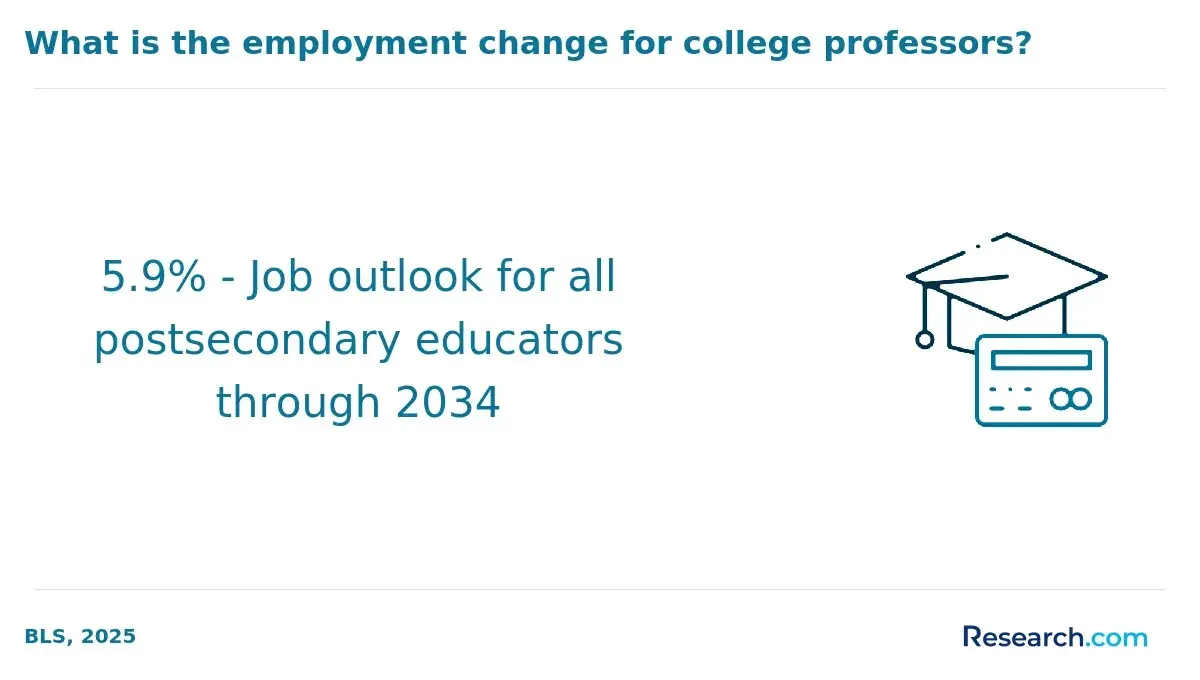
Coursework in health education connects public health concepts with communication, behavior change, program design, and evaluation. Data from the U.S. Bureau of Labor Statistics reveal that the employment change for health education specialists will increase by 4.5% through 2034. The job outlook of community health workers will grow by 11.3% during the same period.
Before choosing a program, review the actual degree plan—not just the program title. One school may emphasize community health, another may focus on wellness promotion, and another may include stronger preparation for certification or graduate study.
- Introduction to health education and promotion. Students examine the history, theories, ethical foundations, and cultural context of health education practice.
- Health promotion program management. This course often covers needs assessment, grant writing, budgeting, leadership, collaboration, and implementation planning.
- Health communication and advocacy. Students learn to create messages for public audiences, speak persuasively, support policy or program goals, and adapt communication strategies. Students considering graduate public health study can also compare this foundation with the best online master’s degrees in public health.
- Diet and nutrition. Coursework may address nutrition principles, dietary patterns, food access, and the economic or geopolitical factors that influence public nutrition.
- Health behavior. Students study how social and behavioral sciences explain health choices, risk behaviors, prevention efforts, and community-level interventions.
Benefits of Choosing an Affordable Online Education Program
Affordability matters because a bachelor’s degree should help expand career options without creating unnecessary financial strain. A lower-cost online program can be a smart choice if it is accredited, accepts transfer credits, offers strong advising, and includes the same essential health education competencies as more expensive alternatives.
Affordable does not have to mean low quality. The key is value: students should compare academic rigor, faculty experience, fieldwork options, student support, CHES preparation, graduation requirements, and total net cost after aid. Students comparing broader education-related online options can use Research.com’s guide to affordable online education degree programs as a cost-comparison reference.
| Good reason to choose a lower-cost program | Risk to avoid |
| The school is accredited and transparent about tuition, fees, and outcomes. | Choosing only because of low tuition without checking accreditation. |
| The program accepts a large number of prior credits. | Assuming all transfer credits will apply to the major. |
| Students can complete fieldwork locally or through approved partners. | Enrolling before understanding placement responsibilities. |
| The curriculum supports health education career goals. | Selecting a program with a title that sounds relevant but lacks core health education coursework. |
What Are the Easiest Programs to Get Into for Aspiring Health Educators?
Students who are concerned about admissions selectivity should compare minimum GPA, transfer policies, test-score requirements, prerequisite courses, and start dates. Some health education students also consider related public health programs, including the easiest bachelor’s in public health programs, as an alternate route into prevention, outreach, and community health work.
“Easy to get into” should not be the only goal. A program with open or less selective admissions still needs strong advising, clear degree requirements, credible accreditation, and useful career preparation. The better question is: “Can I get admitted, afford the program, complete it on schedule, and leave with practical experience?”
Things to Look for in an Online Bachelor’s Degree in Health Education
A strong online health education program should prepare students for real community problems, not just online quizzes and discussion posts. Use the following criteria when comparing schools.
- Fieldwork and applied learning. In 2025, 1,472 candidates took the CHES exam. Programs with fieldwork, internships, service learning, or capstones can help students connect coursework to real-world practice.
- Accreditation. Institutional accreditation helps confirm that a school has gone through external review. Students should verify accreditation directly rather than relying only on marketing materials.
- Scholarships and aid. Financial aid can change the actual price of a degree. The Society for Public Health Education (SOPHE) is one organization students may review for scholarship opportunities.
- Accelerated options. Students who know they want graduate education may consider accelerated pathways that combine undergraduate study with online master’s programs in health education, potentially shortening the path to advanced credentials to just five years.
- Student support. Online learners should look for academic advising, tutoring, library access, career services, mental health support, technical help, and responsive faculty communication.
Questions to Ask Before Enrolling
| Question | Why it matters |
| Is the institution accredited by a recognized accreditor? | Accreditation affects credibility, transferability, graduate admission, and employer confidence. |
| Does the curriculum align with CHES-related competencies? | Students interested in certification preparation need more than a general wellness curriculum. |
| How are internships, practicums, or capstones completed online? | Applied experience is important for resumes and career readiness. |
| How many transfer credits will count toward the major? | Transfer acceptance can significantly change cost and time to graduation. |
| Are courses asynchronous, synchronous, or hybrid? | Students need to know whether live attendance is required. |
| What career outcomes does the program track? | Graduation, employment, certification, and alumni data can help evaluate program quality. |
What advanced degree options can further enhance a career in health education?
Graduate study can help health education professionals move into leadership, research, policy, administration, teaching, or specialized public health roles. Common next steps include master’s degrees in health education, public health, healthcare administration, health informatics, or education. Doctoral pathways may fit professionals interested in senior leadership, applied research, or academic work; some students also compare fast-track online EdD programs when they want an education-focused doctorate.
An advanced degree is not necessary for every entry-level role. It makes the most sense when a student has a clear target: program director, policy analyst, health department leadership, university teaching, grant-funded research, or management in nonprofit and public agencies.
What student support services do online health education programs offer?
Online students should expect more than access to recorded lectures. Strong programs often provide academic advising, writing support, library databases, tutoring, career coaching, technical support, virtual networking events, and faculty office hours. These services are especially important for students who are returning to school after a break or managing full-time work.
Students exploring multiple academic directions may also find it useful to compare support services across fields. For example, Research.com’s guide on what you can do with a master’s in library science shows how student support and career planning can differ by discipline.
What financial aid options are available for online health education programs?
Online health education students may be eligible for federal aid, grants, loans, institutional scholarships, employer tuition reimbursement, military benefits, payment plans, and private scholarships. Eligibility depends on the student, school, enrollment status, and program type.
To reduce costs, submit financial aid materials early, ask about transfer-credit evaluations before committing, compare net price rather than advertised tuition, and confirm whether part-time enrollment affects aid. Students comparing affordability across education-related programs may also review options such as low-cost online elementary education degree programs to understand how tuition structures vary by field.
How can I verify the accreditation and quality of online health education programs?
Start by confirming institutional accreditation through official accreditor or government-recognized databases rather than relying only on a school’s website. Then evaluate program quality: curriculum, faculty credentials, fieldwork support, graduation requirements, CHES preparation, student services, retention data, graduation statistics, employment outcomes, and alumni feedback.
Students can also compare how quality indicators are presented in other online academic fields, such as online library science master’s programs, where accreditation, curriculum structure, and outcomes data also play a major role in decision-making.
How can online health education students gain practical experience?
Practical experience is one of the most important parts of career preparation. Online students can build it without relocating, but they need to plan early and confirm what the school requires.
- Complete local internships or fieldwork. Ask whether the program helps place distance learners with health departments, nonprofits, schools, clinics, community centers, or wellness organizations.
- Use virtual practicum options when available. Some programs use simulations, case studies, tele-collaboration, and virtual planning projects to help students practice decision-making and program design.
- Volunteer with health organizations. Groups such as the American Heart Association or Red Cross may offer outreach, education, event, or administrative volunteer roles that strengthen a student’s resume.
- Join community health events. Health fairs, vaccination drives, wellness workshops, and prevention campaigns can help students practice public speaking, resource coordination, and audience education.
- Pursue relevant certifications. Credentials such as Certified Health Education Specialist (CHES) or Mental Health First Aid can add structure to skill development and show commitment to the field.
- Take capstone projects seriously. A capstone can become a portfolio piece if it includes a needs assessment, intervention plan, communication materials, and evaluation strategy.
Are online degrees respected by employers and institutions?
Accredited online degrees are widely accepted by employers and educational institutions, especially when the awarding school has a credible reputation and the graduate can demonstrate relevant experience. In health education, employers may look closely at internship work, communication ability, program planning skills, cultural competence, and familiarity with community health issues.
Students should be cautious about unaccredited schools, vague program descriptions, and programs that provide little information about fieldwork or outcomes. For a broader discussion of employer perception, Research.com also explains whether online degrees are respected and worth pursuing.
Career Opportunities and Growth in Health Education
Graduates of online bachelor’s programs in health education can pursue roles in public health agencies, schools, hospitals, community organizations, corporate wellness programs, nonprofits, insurance-related wellness initiatives, and advocacy groups. Common titles include community health worker, health educator, program coordinator, wellness coordinator, public health advisor, grant writer, and outreach specialist.
Some professionals later pursue graduate credentials for leadership or higher-responsibility roles. Students comparing graduate education outcomes may also review Research.com’s resource on master’s in education jobs and salary to understand how advanced credentials can affect career options in adjacent education-focused fields.
Health education specialists may work on chronic disease prevention, mental health awareness, substance abuse education, environmental health, nutrition, sexual health, infectious disease prevention, and access to healthcare services. The strongest candidates often combine degree coursework with field experience, data literacy, public speaking, cultural responsiveness, and certification preparation.
How are emerging trends reshaping online health education?
Online health education is being shaped by digital learning tools, virtual simulations, remote collaboration, telehealth-adjacent communication, and stronger use of data in program planning. Students may be asked to analyze community health information, design digital campaigns, create accessible materials, and evaluate outreach results.
Data and quantitative reasoning are becoming more useful in health education because professionals often need to interpret survey results, program metrics, community health indicators, and evaluation findings. Students who want to strengthen analytical teaching or data-related skills can compare approaches used in programs such as an online math education degree, while keeping their core focus on health promotion and public health practice.
What are common challenges in online health education and how can they be overcome?
Online learning can be effective, but it requires structure. Common problems include procrastination, limited peer connection, technology issues, unclear fieldwork expectations, and difficulty translating theory into practice. Students can reduce these risks by choosing programs with strong support services and by building routines from the first week.
| Common mistake | Better approach |
| Choosing a program based only on tuition. | Compare total cost, accreditation, transfer credits, support services, and career preparation. |
| Assuming online means self-paced. | Check whether courses have weekly deadlines, live meetings, group work, or proctored exams. |
| Ignoring fieldwork until senior year. | Ask about placement requirements before enrolling and start building local contacts early. |
| Relying only on rankings. | Use rankings as a starting point, then verify fit, outcomes, cost, and curriculum. |
| Underestimating technology needs. | Confirm hardware, internet, webcam, software, and learning platform requirements in advance. |
Students who want to strengthen research, information management, or data organization skills may also explore interdisciplinary resources, including an affordable online master’s in library science, though this is typically a separate career direction rather than a required path for health educators.
How Do Online Health Education Programs Measure Student Success and Career Outcomes?
Students should look for programs that track clear outcomes instead of relying only on broad claims. Useful indicators include graduation rates, retention, employment statistics, alumni career progression, student satisfaction, fieldwork completion, and licensure or certification-related pass rates when applicable.
Programs that collect feedback from employers, community partners, alumni, and current students are better positioned to update coursework and support services. Students comparing outcome measurement in other human development and education fields may also review Research.com’s guide to master’s programs in child development for another example of how career impact and educational quality can be evaluated.
Becoming Better Prepared for the Future with Health Education Programs
An online bachelor’s degree in health education can prepare students for prevention-focused work in communities, schools, workplaces, nonprofits, and public agencies. The best programs combine flexible delivery with accredited coursework, applied experience, communication training, and preparation for health education responsibilities.
Students should choose carefully. A good program should fit the student’s schedule and budget, but it should also provide field experience, transparent costs, credible accreditation, and a curriculum aligned with real health education work. The goal is not just to earn a degree online; it is to graduate ready to design, communicate, and evaluate health programs that meet community needs.
Key Insights
- Accreditation is nonnegotiable. An online health education degree is most credible when the institution is properly accredited and transparent about curriculum, costs, and outcomes.
- Online can be respected, but experience matters. Employers generally focus on skills, applied projects, internships, and institutional credibility rather than the delivery format alone.
- Costs vary widely. Health education programs usually cost around $9,725 (in-state) and around $26,613 (out-of-state) for traditional institutions, while an online undergraduate degree usually rounds up from $40,536 to $59,011. Always compare net cost after transfer credits and aid.
- The degree is prevention-focused, not clinical licensure. It can lead to health promotion, outreach, wellness, and public health education roles, but students seeking clinical practice should compare other healthcare pathways.
- Fieldwork should be part of the decision. Local internships, practicums, volunteering, and capstones help online students turn coursework into employable experience.
- Career growth is real but not automatic. BLS data project 4.5% employment change for health education specialists through 2034 and 11.3% growth for community health workers, but individual outcomes depend on skills, location, experience, and credentials.
References:
- College Tuition Compare. (2025). Public health education and promotion program 2025 tuition. https://www.collegetuitioncompare.com/majors/51.2207/public-health-education-and-promotion
- EDUCAUSE. (2025). Findings From The 2025 Teaching and Learning Workforce Report. https://events.educause.edu/-/media/files/events/webinar/2025/web2513/slides.pdf
- Learning Policy Institute. (2025, July). An Overview of Teacher Shortages: 2025 Fact Sheet. https://learningpolicyinstitute.org/media/4764/download?inline&file=Teacher_Shortages_Overview_2025_FACTSHEET.pdf
- Hanson, M. (2025, February 22). Average cost of online college. Education Data Initiative. https://educationdata.org/average-cost-of-online-college
- NCES. Digest of Education Statistics. https://nces.ed.gov/programs/digest/d20/tables/dt20_311.15.asp
- NCES. Digest of Education Statistics. https://nces.ed.gov/programs/digest/d21/tables/dt21_311.15.asp
- National Commission for Health Education Credentialing. (2025). Statistical Information Regarding the CHES® April 2025 and October 2025 Examinations. https://www.nchec.org/ches-exam-background-scoring
- National Student Clearinghouse Research Center. (2026, January 15). Final Fall Enrollment Trends. https://nscresearchcenter.org/final-fall-enrollment-trends
- U.S. Bureau of Labor Statistics. (2025, August 28). Occupational projections, 2024–2034, and worker characteristics. Retrieved February 2026, from https://www.bls.gov/emp/tables/occupational-projections-and-characteristics.htm
- EDUCAUSE. Students and technology report. https://www.educause.edu/ecar/research-publications/2022/students-and-technology-report-rebalancing-the-student-experience/introduction-and-key-findings
- Statista. Online education worldwide. https://www.statista.com/outlook/dmo/eservices/online-education/worldwide
- U.S. Bureau of Labor Statistics. Occupational Outlook Handbook: Health education specialists and community health workers. https://www.bls.gov/ooh/community-and-social-service/health-educators.htm
- U.S. Bureau of Labor Statistics. (2025, September 8). Education pays, 2024. https://www.bls.gov/careeroutlook/2025/data-on-display/education-pays.htm
- U.S. Bureau of Labor Statistics. Occupational Employment and Wage Statistics. https://www.bls.gov/oes/current/oes211091.htm
Other Things You Should Know About Online Health Education Programs
Yes, you can obtain a degree completely online. Many postsecondary institutions offer online degrees in various fields, including health education. These programs are designed to provide the same level of education and skills as traditional on-campus programs.
The best online health education programs in 2027 are distinguished by their accreditation status, comprehensive curriculum, experienced faculty, and partnerships with healthcare organizations. Programs often include interactive platforms and flexible scheduling to accommodate students’ diverse needs, and they typically emphasize evidence-based practices and the latest advancements in health education.
An online degree in health education from an accredited program typically holds the same value as a traditional degree. Accreditation ensures that the online program meets specific educational standards, making the qualifications comparable and respected by employers.
Requirements typically include a high school diploma or GED, official transcripts, a GPA of 2.00 or higher, and possibly standardized test scores. Some programs may also require a personal essay, letters of recommendation, and proof of work or internship experience.
Core courses may include Introduction to Health Education and Promotion, Health Promotion Program Management, Health Communication and Advocacy, Diet and Nutrition, and Health Behavior. These courses provide foundational knowledge and skills needed in the field.
Graduates can pursue various roles such as family services specialist, diabetes educator, youth program specialist, district wellness coordinator, grant writer, and worksite safety coordinator. Advanced degrees can lead to roles in health management, research, and policy-making.


