
2027 Best Online Master’s in Health Education Programs

Co-Founder and Chief Data Scientist
Choosing an online master’s in health education is usually a practical decision, not just an academic one. You may already work in public health, healthcare, schools, nonprofit outreach, corporate wellness, or community services and want to move into program leadership, health promotion, prevention planning, or evaluation. The challenge is finding a program that is credible, affordable, flexible enough for working adults, and aligned with the credentials employers recognize.
The need for skilled health educators remains visible after the COVID-19 pandemic. Public health teams continue to address misinformation, vaccine confidence, chronic disease prevention, behavioral health, community trust, and emergency communication. Workforce strain also remains a concern: more than 20 % of public health workers across state and local health agencies reported interest in leaving their positions within the next year as of early 2025, according to the University of Minnesota School of Public Health. At the same time, broader healthcare hiring has stayed elevated, with healthcare job postings about 32.5 % above pre-pandemic levels, according to Indeed/Hiring Lab.
This guide explains how online master’s in health education programs work, how employers view them, what accreditation matters, what costs to expect, which courses are common, and how to compare programs before enrolling. It also includes Research.com’s list of online master’s in health education programs and practical guidance for deciding whether this graduate degree is the right next step.
Best Online Masters in Health Education Programs Table of Contents
- Can you get a degree completely online?
- Will employers take my online degree seriously?
- Are online degrees recognized worldwide?
- Online vs. Traditional Master’s in Health Education Programs
- How much does an online masters in health education cost?
- What are the requirements of an online masters in health education?
- Courses to Expect in Online Masters in Health Education Programs
- Things to Look for in an Online Master’s in Health Education Program
- Best Online Masters in Health Education Programs for 2027
- How are online health education programs evolving to meet future public health challenges?
- How Do Online Programs Ensure Practical Experience in Health Education?
- How can online Master's programs enhance your professional network?
- Impact of Online Learning on Career Outcomes in Health Education
- Is an online Master's in Health Education enough to launch a fulfilling career?
- What Additional Credentials Could Complement Your Master’s in Health Education?
- What is the return on investment for an online master’s in health education program?
- How an Online Master’s in Health Education Prepares You for Community Leadership
- What financial aid options are available for online Master’s in Health Education?
- How Can Online Health Education Programs Enhance K–12 Instruction?
- Can Interdisciplinary Studies Amplify Your Career Impact in Health Education?
Quick Answer: Is an Online Master’s in Health Education Worth Considering?
An online master’s in health education can be worth considering if you want to design, manage, evaluate, or lead health promotion programs and need graduate-level preparation without relocating or leaving your job. The degree is most useful when the institution is accredited, the curriculum supports CHES® or MCHES® competencies, the program includes applied learning, and the total cost fits your realistic career goals.
It is not automatically the best option for everyone. If your target role requires a specific license, school credential, clinical qualification, or public health specialization, you should confirm those requirements before enrolling. For many students, the strongest choice is a program that combines public health theory, communication, evaluation, community engagement, and supervised practice.
Can you get a degree completely online?
Yes. Many universities now offer graduate degrees fully online, including master’s programs in health education, health promotion, public health, healthcare administration, and related fields. Students can also find online options in adjacent areas, from medical billing online class pathways to graduate healthcare programs and even online occupational therapy programs. In health education specifically, reputable institutions such as Arizona State University and the University of South Carolina have offered online options.
The main appeal is flexibility. Online programs can help working adults, parents, military-connected students, rural learners, and career changers access graduate study without moving closer to campus. Related online healthcare programs, such as a masters in clinical trial management, also show how web-based graduate education can support specialized health careers when the program is well designed and properly accredited.
Will employers take my online degree seriously?
Employers are more likely to respect an online master’s in health education when the school is accredited, the curriculum is rigorous, and the degree clearly prepares graduates for recognized health education competencies. In most hiring decisions, the delivery format matters less than the institution’s credibility, the program’s outcomes, your applied experience, and your ability to demonstrate relevant skills.
Health education employers typically look for evidence that candidates can assess community needs, plan interventions, communicate with diverse audiences, use data, evaluate outcomes, and collaborate with health systems, schools, nonprofits, agencies, or employers. A strong online program should help you build those competencies through coursework, projects, practicum experiences, and preparation for credentials such as CHES® or MCHES®.
As with the best online art therapy masters programs, credibility depends on more than the phrase “online.” You should verify that the school and program meet accepted standards. For health education, relevant quality signals include accreditation or alignment with organizations such as the Accrediting Bureau of Health Education Schools, the Council on Education for Public Health, and the National Commission for Health Education Credentialing.
Online Master’s in Health Education Accreditation Bodies
Accrediting Bureau of Health Education Schools
The Accrediting Bureau of Health Education Schools is a nationally recognized accreditor for healthcare-related postsecondary institutions and programs. ABHES is an independent nonprofit agency recognized by the U.S. Secretary of Education and has held national accreditation recognition since 1969. Its review process focuses on institutional quality, accountability, educational standards, and continuous improvement in health education.
Council on Education for Public Health
The Council on Education for Public Health is an independent accrediting body recognized by the U.S. Department of Education. CEPH accredits schools of public health and public health programs outside standalone schools of public health. For students considering health education through an MPH or public health program, CEPH accreditation can be an important indicator that the curriculum has been reviewed against public health education standards.
National Commission for Health Education Credentialing
The National Commission for Health Education Credentialing is a nongovernmental organization that certifies qualified health education professionals. NCHEC offers two widely known credentials: Certified Health Education Specialist and Master Certified Health Education Specialist. These credentials are based on the Seven Areas of Responsibility of Health Education Specialists and can strengthen a graduate’s employment profile when relevant to the role.
Are online degrees recognized worldwide?
Online degrees can be recognized internationally, but recognition is never automatic. The answer depends on the country, employer, licensing authority, institution, degree type, and professional purpose. This is true across many online health and movement science fields, including kinesiology degree online programs.
For online master’s in health education programs, international portability may be supported by relationships among professional and accrediting organizations such as the International Union for Health Promotion and Education, CEPH, and NCHEC. NCHEC has been accredited by International Accreditation Service since 2015, which supports international quality standards for its credentials.
Still, equivalency is not universal. A degree accepted by one employer, country, ministry, university, or credentialing body may not be accepted by another. If you plan to work outside the United States, apply to an international doctoral program, or seek recognition from a foreign regulator, contact the relevant authority before enrolling and ask whether the specific school, degree title, delivery format, and accreditation will be accepted.
Online vs. Traditional Master’s in Health Education Programs
Online and campus-based master’s programs in health education often cover similar academic content: health promotion, disease prevention, program planning, behavior change, communication, policy, research, and evaluation. The major differences are how students attend class, interact with faculty and peers, complete applied requirements, and manage costs.
| Factor | Online Master’s in Health Education | Traditional Campus Program | Best Fit |
| Class delivery | Courses may use recorded lectures, live video meetings, discussion boards, learning modules, and online assessments. | Students usually attend scheduled in-person classes with direct classroom interaction. | Online works best for students who need location flexibility; campus works best for students who prefer face-to-face instruction. |
| Schedule flexibility | Many programs offer asynchronous work, though some require live sessions. | Class times are often fixed and may be harder to fit around full-time work. | Working professionals often benefit from online formats. |
| Interaction | Interaction happens through virtual meetings, group projects, forums, email, and online office hours. | Students can meet faculty, classmates, and campus staff in person. | Students who need high social contact may prefer campus or hybrid formats. |
| Applied experience | Practicums, internships, or capstones may be completed locally, virtually, or through approved organizations. | Campus programs may have established local placement networks. | Online students should ask early how placements are approved and supported. |
| Cost structure | Students may save on relocation, commuting, and housing, but technology fees and online fees may apply. | Students may pay for campus-related expenses and local living costs. | The cheaper option depends on tuition, fees, aid, residency rates, and personal expenses. |
Is an online degree cheaper?
Sometimes, but not always. Online students may avoid relocation, commuting, parking, and campus housing costs. However, tuition policies vary widely. Some universities charge online students the same tuition as campus students, some charge less, and some add online technology or distance-learning fees.
The right comparison is total cost, not tuition alone. Review per-credit tuition, required credits, university fees, course materials, technology costs, practicum travel, residency requirements, graduation fees, and the cost of reducing work hours if you plan to study full time.
Is an online degree as good as a regular degree?
An online master’s in health education can be academically comparable to an on-campus degree when it is offered by an accredited institution, taught by qualified faculty, supported by strong student services, and built around recognized professional competencies. Quality varies by program, so students should examine curriculum depth, faculty access, applied learning, graduation requirements, alumni outcomes, and employer reputation before applying.
How much does an online masters in health education program cost?
The cost of an online master’s in health education depends on the university, credit requirements, tuition model, residency status, fees, books, financial aid, and program format. Some schools charge a flat online rate regardless of state residency, while others use different in-state and out-of-state rates.
For the 2025–26 academic year, the cost of a Master of Public Health at Harvard University varies by format and track. The full-time on-campus 45-credit MPH lists tuition of $77,400 per year, with estimated books, supplies, and course materials of about $1,400 annually. The full-time 65-credit MPH track costs $67,760 per year plus similar materials fees.
Harvard’s part-time online MPH Generalist program is listed at $38,700 per year, with approximately $1,400 for books and supplies. The MPH in Epidemiology, available online or on campus, charges $37,935 per year, with no other required fees beyond materials. These examples show why students should compare the exact program format rather than assuming that all online graduate options cost the same.
| Cost item | Why it matters | Question to ask before enrolling |
| Tuition per credit or per year | This is the largest direct cost and may differ by residency or online status. | Is the published tuition the full program rate or only the current academic-year rate? |
| Required credits | A lower per-credit price can still result in a higher total cost if the program requires more credits. | How many credits are required to graduate? |
| Technology and online fees | Online programs may charge fees for learning platforms, video tools, or digital services. | Are technology fees included in the tuition estimate? |
| Books and materials | Graduate courses may require textbooks, software, reports, or research tools. | What are the expected annual materials costs? |
| Practicum or internship expenses | Students may need background checks, travel, liability coverage, or placement-related documentation. | Are fieldwork costs included in the school’s estimate? |
| Time away from work | Full-time study can reduce income for some students. | Can I complete the degree part time while maintaining employment? |
What are the requirements of an online masters in health education program?
Most online master’s in health education programs are designed for students who want to work in health promotion, disease prevention, public health education, advocacy, program management, or community wellness. Programs commonly include core courses, electives, a capstone or thesis, and sometimes an internship or practicum. Many students complete the degree in about two years, although timelines vary by school, credit load, and whether the student enrolls full time or part time.
Common Admission Requirements
- Bachelor’s degree. Applicants usually need a bachelor’s degree from an accredited college or university.
- Minimum GPA. Some programs set a minimum undergraduate GPA, commonly 2.5 or 3.0 or higher.
- GRE scores. Some schools request GRE scores, while others waive or do not require them.
- Official transcripts. Applicants are generally asked to submit transcripts from all colleges and universities previously attended.
- Relevant experience. Some programs prefer applicants with work or volunteer experience in health, education, community services, public health, or a related field.
- Application and fee. Students must submit the school’s graduate application and pay any required application fee.
- Personal statement and recommendations. Many programs ask for a statement of purpose and usually three letters of recommendation.
- Certification alignment. Some programs may prepare students for the Certified Health Education Specialist exam offered through NCHEC.
Skills That Help Online Health Education Students Succeed
- Active listening. Health educators must understand community concerns, stakeholder priorities, patient questions, and cultural context before recommending interventions.
- Clear speaking. Graduates often present health information to communities, school groups, employees, patients, agencies, or policymakers.
- Professional writing. Students and practitioners may write grant proposals, program plans, reports, needs assessments, curricula, and evaluation summaries.
- Instructional strategy. Health education requires choosing teaching methods that match the audience, literacy level, setting, and behavior-change goal.
- Active learning. Public health evidence changes, so professionals must keep learning and apply new research to real problems.
Technological Requirements
Online graduate students need reliable technology because most coursework, communication, research, and assessment happen through digital platforms. Requirements vary by university, but students commonly need:
- A dependable computer and high-speed internet connection
- A webcam, microphone, and speakers or headset
- A supported operating system and web browser
- Word processing, spreadsheet, and presentation software such as Microsoft Office or Google Docs
- A PDF reader and media player capable of opening common course materials, such as Adobe Acrobat or VLC
Some courses may also require a specific learning management system, video conferencing platform, data tool, assessment software, or proctoring service. Before enrollment, ask the program advisor for the current technology checklist and confirm whether any software subscriptions are included in tuition and fees.
Courses to Expect in Online Masters in Health Education Programs
Online master’s in health education curricula typically combine public health concepts, behavioral science, communication, research, program design, and evaluation. These courses can support careers in hospitals, outpatient care centers, public agencies, nonprofits, schools, and workplace wellness programs. They may also help students compare health education with related paths and better understand what you can do with the healthcare management degree you are interested in.
| Course area | What students usually learn | Career relevance |
| Foundations of Health Education | History, ethics, theories, practice settings, and the role of health educators. | Builds the professional base for health promotion and community education roles. |
| Health Behavior and Social Change | Psychological, social, cultural, and environmental influences on health decisions. | Supports behavior-change programs for communities, schools, workplaces, and patients. |
| Health Communication and Advocacy | Audience analysis, messaging, media strategies, health literacy, persuasion, and policy advocacy. | Prepares graduates to fight misinformation, communicate risk, and support health equity. |
| Research Methods in Health Education | Quantitative and qualitative methods, research design, data collection, analysis, and evidence review. | Helps graduates interpret evidence and apply research to program decisions. |
| Program Planning and Evaluation | Needs assessment, goals, objectives, intervention selection, monitoring, outcome measurement, and reporting. | Directly supports program coordinator, evaluator, and health promotion manager responsibilities. |
Things to Look for in an Online Master’s in Health Education Program
The best online master’s in health education program for you is the one that matches your career goal, budget, schedule, credential needs, and preferred learning style. Rankings can help you build a shortlist, but your final decision should come from a close review of program quality and fit.
- Availability and format. Check whether the program is fully online, hybrid, synchronous, asynchronous, full time, part time, cohort-based, or self-paced. Also confirm start dates and whether courses are offered every term.
- Accreditation and credential alignment. Verify institutional accreditation and look for program alignment with health education or public health standards. If CHES® or MCHES® matters for your career plan, ask how the curriculum prepares students for those exams.
- Curriculum depth. Look for courses in health promotion, health behavior, health literacy, communication, policy, research, evaluation, and community assessment. Electives or concentrations in community health, school health, workplace wellness, or global health can be useful if they match your target role.
- Faculty expertise. Review faculty biographies for public health practice, health education credentials, research, community partnerships, and online teaching experience.
- Cost and aid. Compare total program cost, not just per-credit tuition. Financial planning is part of meeting the customary full state requirements for a career in healthcare, especially when a role requires additional certification, licensure, or continuing education.
- Applied learning. Ask whether the program includes a practicum, internship, capstone, thesis, portfolio, or community-based project. Applied experience is often what turns a degree into job-ready evidence.
- Student support. Strong online programs provide advising, library access, tutoring, technical help, career services, mentoring, and networking opportunities for distance learners.
Questions to Ask Before You Apply
| Question | Why it matters |
| Is the institution accredited, and is the program aligned with health education competencies? | This affects employer confidence, transferability, and credential preparation. |
| Does the program prepare students for CHES® or MCHES®? | Some health education employers prefer or recognize these credentials. |
| How are practicum or internship placements handled for online students? | You need to know whether the school helps identify placements or expects you to secure one independently. |
| What is the total estimated cost through graduation? | Per-credit tuition can be misleading without fees, materials, and required credits. |
| Are courses asynchronous, live, or mixed? | Schedule structure determines whether the program fits work and family responsibilities. |
| What support is available after admission? | Online students need access to advising, technical support, library services, faculty, and career help. |
Best Online Master’s in Health Education Programs for 2027
Research.com reviewed online health education programs using public data and practical selection factors such as academic quality, affordability, faculty credentials, student support, and online flexibility. Use this list as a starting point, then confirm current tuition, accreditation, admissions requirements, fieldwork expectations, and completion timelines directly with each school.
1. Walden University Master of Science in Health Education & Promotion
Walden University offers an MS in Health Education and Promotion for students who want to teach health concepts, design programs, and support behavior change. The curriculum follows National Commission for Health Education Credentialing guidelines and is intended to help students prepare for CHES® and MCHES® exams. The program requires 50 quarter credits across foundation, core, elective, and capstone courses. With the Believe & Achieve Scholarship, tuition is $21,020, and the program can be completed in 18 months.
- Program length: 18 months
- Tracks/Concentrations: Community Health
- Total Tuition Cost: $21,020 ($500 per quarter hour)
- Required Credits to Graduate: 50 quarter credit hours
- Accreditation: National Commission for Health Education Credentialing (NCHEC)
2. The University of Alabama-Tuscaloosa Master of Arts in Health Studies
The University of Alabama-Tuscaloosa provides an online Master of Arts in Health Studies with a health promotion focus. The program is designed to prepare students for either the Certified Health Education Specialist exam or the Master Certified Health Education Specialist exam. It is fully online, accepts applications year-round, and is structured for students who want flexibility while developing the skills to encourage healthier behaviors at individual and community levels.
- Program length: 3 years
- Tracks/Concentrations: Health Education
- Cost per Credit: $440
- Required Credits to Graduate: 30
- Accreditation: National Commission for Health Education Credentialing (NCHEC)
3. East Carolina University Master of Arts in Health Education
East Carolina University offers an online master’s in health education through the College of Health and Human Performance. The program is available to students in the United States and internationally and is intended for current or aspiring health educators in academic, clinical, community, and corporate settings. Coursework emphasizes social and behavioral theories, intervention design, implementation, and evaluation. The basic curriculum structure requires 30 semester hours, and after completing core courses, students may choose a thesis, internship, or coursework option. Because program summaries and graduation lists may distinguish core hours from total requirements, applicants should confirm the current credit requirement with the university.
- Program length: 1-2 years
- Tracks/Concentrations: None
- Cost per Credit: $289.55 (in-state); $1,020.05 (out-of-state)
- Required Credits to Graduate: 42
- Accreditation: National Commission for Health Education Credentialing (NCHEC)
4. Mississippi State University Master of Science in Food Science, Nutrition and Health Promotion
Mississippi State University offers a Master of Science in Food Science, Nutrition, and Health Promotion with a Health Promotion concentration. The program is available on campus and online and is designed to help students develop knowledge and skills connected to entry-level health educator roles outlined in CHES® credentials. Students may choose thesis or non-thesis options, and the program requires 33 credit hours. Core courses include Health Promotion Techniques, Behavioral Epidemiology, and Design and Administration of Health Promotion Programs. Electives include School and Community Drug Use Prevention and School and Community Drug Use Prevention, among others.
- Program length: 1-2 years
- Tracks/Concentrations: Health Promotion
- Cost per Credit: $514.00
- Required Credits to Graduate: 33
- Accreditation: National Commission for Health Education Credentialing (NCHEC)
5. Lenoir-Rhyne University Master of Public Health
Lenoir-Rhyne University offers a 42-credit online Master of Public Health program. Graduates may work in public health policy or practice, public health research, health education, clinical medicine, academia, and related fields. The program is 100% online and allows part-time or full-time study. It is also designed with flexible admission features, including a possible GRE/MAT waiver and quick admission decision. Students may also benefit from the university’s professional network and field experience opportunities.
- Program length: 2 to 3 years
- Tracks/Concentrations: Community Health
- Cost per Credit: $690 ($28,980 total tuition cost)
- Required Credits to Graduate: 42
- Accreditation: National Commission for Health Education Credentialing (NCHEC)
How are online health education programs evolving to meet future public health challenges?
Online health education programs are adapting to a public health environment shaped by misinformation, digital communication, telehealth, workforce shortages, and the need for rapid community response. Stronger programs now emphasize evidence-based messaging, crisis communication, health informatics, behavioral analytics, and digital health tools. Some also use virtual simulations, remote case studies, and telehealth-related assignments to help students practice decision-making in realistic scenarios.
This shift matters because health educators increasingly need to translate evidence for audiences that receive health information through social media, community networks, schools, employers, and healthcare systems. Students interested in instructional design and adult learning may also find useful parallels in an online master's in adult education, especially when their work involves training adults, staff, or community facilitators.
How Do Online Programs Ensure Practical Experience in Health Education?
Good online programs do not rely only on readings and discussion posts. They create structured ways for students to apply health education theory to practical problems. Common approaches include virtual simulations, local practicums, telehealth-related projects, remote internships, capstones with community partners, live case analysis, and mentor-guided program design.
Before enrolling, ask whether the school helps students find approved placements, whether your current workplace can count as a field site, and how supervisors evaluate your performance. Students comparing advanced online education models may also study how applied learning is handled in other flexible programs, including cheap online EdD options.
How can online Master's programs enhance your professional network?
Online master’s programs can support networking when they intentionally connect students with faculty, alumni, classmates, practitioners, and community partners. Useful networking features include live webinars, group projects, virtual career fairs, professional discussion forums, guest speakers, practicum placements, and alumni panels.
Because health education work often depends on collaboration, networking should be treated as a program feature rather than an optional bonus. Students who want stronger research and information-management skills may also explore related questions such as Can you get a masters in library science online?, since public health professionals frequently need to locate, assess, and communicate evidence clearly.
Impact of Online Learning on Career Outcomes in Health Education
An online master’s in health education can improve career mobility when it helps you gain advanced skills, build applied experience, and qualify for roles that prefer graduate training. The degree itself is not a guarantee of promotion or higher pay, but it can strengthen your profile for health education, health promotion, public health program, community outreach, and wellness leadership positions.
- Broader role options. Graduate study can help candidates compete for positions such as health educator, health promotion manager, program coordinator, public health educator, or program director.
- Work-compatible advancement. Online delivery can allow students to keep working while applying new concepts immediately in their current roles.
- Leadership preparation. Courses in planning, evaluation, communication, and policy can support movement into supervisory or administrative responsibilities.
- Specialized expertise. Concentrations or electives in community health, school health, workplace wellness, environmental health, or health technology can help students target specific sectors.
- Portable skills. Evidence-based communication, program evaluation, needs assessment, and health promotion skills can be useful in many public health and healthcare settings.
Some students also combine health education with other scientific or health-related fields. For example, exploring genetics masters programs may make sense for professionals interested in genomic literacy, patient education, or specialized public health communication.
Is an online Master's in Health Education enough to launch a fulfilling career?
An online master’s in health education can be enough for many nonclinical health promotion and public health education roles, especially when paired with relevant experience and a recognized credential. However, some jobs may require additional certification, a teaching credential, public health experience, bilingual communication skills, data skills, grant-writing experience, or supervisory background.
Career Paths for Graduates
- Health educator. Develops and delivers programs on topics such as nutrition, chronic disease prevention, mental health, substance use, sexual health, or preventive care.
- Community health worker. Connects communities with health information, services, outreach, and prevention resources, often in underserved areas.
- Corporate wellness specialist. Builds workplace wellness initiatives that support employee health and well-being.
- Public health educator. Works with public agencies or community partners to design and implement population health initiatives.
Ways to Strengthen Your Profile
- Earn CHES® or MCHES® certification when relevant. These credentials can signal that you meet recognized health education competency standards.
- Choose focused electives. Specialization in school health, community health, workplace wellness, or global health can help align the degree with your intended role.
- Build a portfolio. Save examples of needs assessments, logic models, communication campaigns, evaluation plans, and capstone projects.
- Keep learning. Conferences, workshops, continuing education, and current research help health educators stay effective as public health priorities change.
Salary outcomes vary by job title, employer, location, experience, and responsibilities. Students comparing education-related career paths can also review masters in education jobs to understand how graduate education can affect different roles.
What Additional Credentials Could Complement Your Master’s in Health Education?
Additional credentials can make a master’s in health education more useful when they match your career goal. CHES® and MCHES® are the most directly related credentials for many health education specialists. Other valuable additions may include training in program evaluation, grant writing, health informatics, data analysis, instructional design, school health, or nonprofit leadership.
Some professionals also benefit from stronger research and information organization skills. For example, an affordable MLIS degree online may complement health education work that involves evidence synthesis, resource curation, academic support, or public health information services.
What is the return on investment for an online master’s in health education program?
The return on investment for an online master’s in health education depends on total cost, your current income, your target role, employer tuition assistance, time to completion, certification plans, and whether the degree helps you qualify for positions you could not otherwise pursue. A lower-cost program can still be a poor investment if it lacks accreditation or applied experience. A higher-cost program may be more justifiable if it offers strong placement support, respected faculty, and a curriculum that directly supports your goals.
| ROI factor | How to evaluate it |
| Career requirement | Check job postings for your target roles and see whether a master’s degree is required, preferred, or unnecessary. |
| Credential alignment | Confirm whether the curriculum supports CHES® or MCHES® preparation if those credentials matter in your field. |
| Total program cost | Add tuition, fees, books, technology, fieldwork expenses, and possible lost income. |
| Applied experience | Prioritize programs that produce portfolio-ready projects, practicum experience, or internship outcomes. |
| Time to completion | Consider whether a faster program is manageable or whether a part-time plan better protects your work-life balance. |
| Interdisciplinary value | Some career goals benefit from combining health education with child development, education, analytics, or information science. |
Students interested in children’s health, school wellness, family programs, or early intervention may also compare related programs at the best schools for masters in child development to see whether a different or combined path better supports their goals.
How an Online Master’s in Health Education Prepares You for Community Leadership
Health education leadership is not only about presenting information. It involves assessing community needs, building trust, coordinating stakeholders, designing evidence-based interventions, managing resources, measuring outcomes, and advocating for policies that improve health. A strong online master’s program should train students to move from “sharing health facts” to leading organized health improvement efforts.
Graduates may apply these skills in public health departments, hospitals, nonprofit organizations, schools, community coalitions, faith-based organizations, and workplace wellness programs. Students who are also exploring education-focused pathways through online colleges teaching degree options may find that health education leadership pairs especially well with school-based wellness, family engagement, and prevention programming.
What financial aid options are available for online Master’s in Health Education?
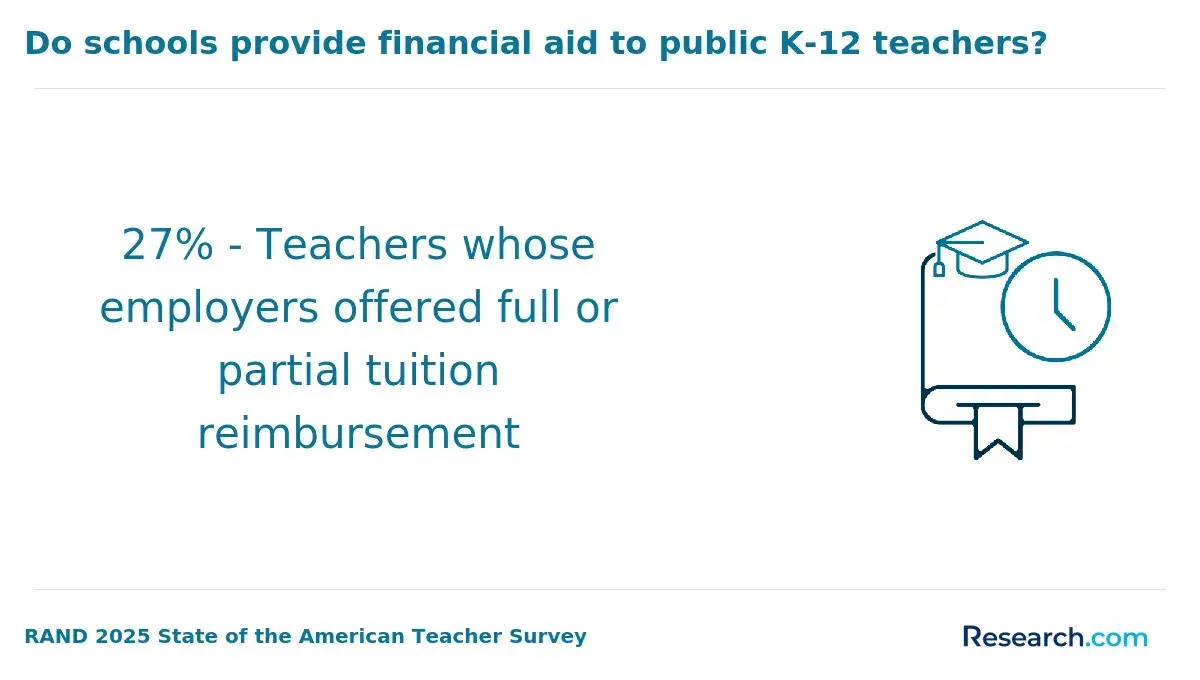
Online master’s students may be eligible for several types of financial aid, but availability depends on the school, enrollment status, accreditation, and student eligibility. Common options include institutional scholarships, grants, federal loans, state aid, employer tuition assistance, military or veteran benefits, payment plans, and external scholarships from health or public service organizations.
Apply early, ask whether online students receive the same aid opportunities as campus students, and request a full cost-of-attendance estimate before committing. Students comparing lower-cost graduate education options may also want to review masters degrees in education online to understand pricing and aid patterns across related online programs.
How Can Online Health Education Programs Enhance K–12 Instruction?
Health education graduate training can support K–12 settings when professionals use it to design wellness initiatives, strengthen prevention curricula, improve health literacy, support mental and emotional well-being, and coordinate school-community partnerships. Graduates may work with administrators, nurses, counselors, teachers, families, and local health agencies to improve student wellness.
This path is especially relevant for educators, school health coordinators, district wellness staff, and community partners who work with children and adolescents. Students who want classroom-focused preparation may also compare health education with the most affordable online elementary education degrees to determine whether their goal is health promotion, classroom teaching, or both.
Can Interdisciplinary Studies Amplify Your Career Impact in Health Education?
Interdisciplinary study can expand the impact of a health education degree when it adds skills directly tied to your career plan. Useful combinations may include public health and data analytics, health education and instructional design, health promotion and child development, or community health and information science.
For professionals who manage evidence, build resource libraries, support research teams, or communicate public health information, the top library science master's online can provide a useful comparison point for advanced research, information access, and knowledge management skills.
Would an online masters in health education program work for you?
An online master’s in health education may work well if you are self-directed, comfortable with technology, able to manage deadlines, and ready to participate actively without the structure of a physical classroom. It can be a strong fit for working professionals who want to continue earning income while preparing for roles in health promotion, community education, public health programming, or wellness leadership.
It may not be the best fit if you need frequent in-person interaction, have limited internet access, cannot protect weekly study time, or are pursuing a career that requires a different license or clinical credential. Online learning is flexible, but it is not effortless. Students must create a study routine, communicate early with instructors, and build their own support systems.
Before enrolling, compare health education with nearby healthcare and administration options, including an online medical office administration certificate or an online speech pathology masters program, if your goals are more administrative or clinical. The best path is the one that matches the work you actually want to do.
Common Mistakes to Avoid When Choosing an Online Master’s in Health Education
- Choosing without checking accreditation. Accreditation affects credibility, aid eligibility, transfer options, and employer confidence.
- Comparing only tuition. Fees, books, fieldwork costs, and required credits can change the real price.
- Assuming online means self-paced. Some online programs require live attendance, cohort pacing, or fixed deadlines.
- Ignoring practicum requirements. Applied experience can be essential, but placement policies vary widely.
- Overlooking certification preparation. If CHES® or MCHES® matters for your target role, confirm that the curriculum supports it.
- Relying only on rankings. A highly ranked program may still be a poor fit if it does not match your schedule, budget, or career direction.
- Assuming salary outcomes are guaranteed. Pay depends on role, employer, location, experience, and responsibilities.
Key Insights
- An online master’s in health education can be a strong option for working adults. It offers flexibility while preparing students for health promotion, prevention, communication, evaluation, and leadership roles.
- Accreditation and credential alignment matter more than delivery format. Employers are more likely to respect an online degree when it comes from a credible institution and supports recognized competencies such as CHES® or MCHES® preparation.
- Total cost varies widely. Compare tuition, fees, required credits, materials, fieldwork expenses, and potential lost income before deciding whether a program is affordable.
- Applied experience is essential. Practicums, internships, capstones, simulations, and community projects help turn coursework into job-ready skills.
- The best program depends on your target role. Community health, school wellness, public health education, corporate wellness, and program management may require different electives, credentials, and experiences.
- Do not assume international or licensure recognition. If you plan to work abroad or in a regulated setting, verify recognition before enrolling.
References:
- Harvard University. (n.d.). Tuition & fees and annual cost of attendance. Harvard.
- National Center for Education Statistics. (n.d.). Master’s degrees conferred by postsecondary institutions, by field of study. NCES.
- U.S. Bureau of Labor Statistics. (2025). Health education specialists and community health workers. BLS.
- Van der Linden, S., Roozenbeek, J., & Compton, J. (n.d.). Inoculating against fake news about COVID-19. Frontiers in Psychology, 11. Frontiers.
- World Health Organization. (n.d.). Fighting misinformation in the time of COVID-19, one click at a time. WHO.
- OECD. (2025). Health and social care workforce. In Health at a Glance 2025. OECD Publishing.
- Harvard T.H. Chan School of Public Health. (2025). Tuition, fees, and annual cost of attendance (2025–26). Harvard.
Other Things You Should Know About Online Master’s in Health Education Programs
In 2027, the cost for an online master's in health education often ranges from $15,000 to $35,000. Tuition varies based on factors such as school reputation, program length, and resident status. Financial aid and scholarships can further alleviate costs.
Employers generally respect online degrees from accredited and reputable institutions. Accreditation by bodies like ABHES, CEPH, or NCHEC ensures the program meets high standards and is valued in the industry.
In 2027, online master's in health education programs typically include courses like Health Promotion, Program Planning and Evaluation, Biostatistics, Public Health Ethics, Behavior Change Theories, and Leadership in Health Education. These courses equip students with essential skills for careers in community and public health settings.
Requirements typically include a bachelor's degree, a minimum GPA, GRE scores (if required), transcripts, letters of recommendation, a personal statement, and sometimes professional experience. Specific requirements can vary by program.
In 2027, pursuing an online master's in health education typically requires a reliable computer and high-speed internet. Courses often use software like Blackboard or Canvas, and students should have capabilities for video conferencing, often via platforms such as Zoom, for live lectures or discussions.
In 2027, employers generally view an online master’s in health education as equivalent to an on-campus degree. Accreditation and the reputation of the institution are key factors influencing employer perception. Online programs often offer flexibility and the same curriculum as traditional programs, ensuring graduates are equally qualified.


