2027 Can You Study Construction Management Master's Programs Part-Time? Options & Duration

Co-Founder and Chief Data Scientist
Enrollment patterns in graduate construction management demonstrate diverse approaches to part-time study shaped by program design and external demands. Program durations vary as institutions differ in course sequencing, intensity, and practicum arrangements, impacting how students balance academic and professional obligations. Licensing and certification prerequisites often influence curricular pacing, requiring coordinated internship or research components that part-time students must carefully navigate.
Employer expectations around project timelines, job performance, and continuing education add complexity to workload management. Understanding these structural nuances is critical for prospective students to assess realistic completion timelines and resources available, making program comparison an essential step beyond simply identifying part-time options.
Key Benefits of Studying Construction Management Master's Programs Part-Time
- Part-time study often extends program duration, delaying credential completion, which can affect timing for career transitions or promotions, requiring careful assessment of opportunity costs in fast-moving construction sectors.
- Employers increasingly value hands-on experience alongside academic credentials, making part-time programs advantageous by allowing concurrent work, though some may question reduced full-time immersion in complex project management topics.
- 2024 data shows 38% of construction professionals prefer part-time online master's for accessibility; this trend reflects a workforce balancing ongoing employment and education but signals potential challenges in networking and peer integration.
Can You Study a Construction Management Master's Program Part-Time?
Part-time enrollment in a construction management master's program is most viable when course structures offer flexible sequencing and accommodate students juggling professional and personal responsibilities. Programs with evening, weekend, or asynchronous online formats better support part-time construction management graduate programs with flexible scheduling, allowing learners to balance work and family commitments without compromising academic progress. However, the feasibility of part-time study varies across different construction management disciplines-especially in areas requiring intensive project-based coursework, internships, or licensure pathways-where delaying certain critical experiences can extend time-to-degree or necessitate careful planning of course loads. Understanding these nuances is crucial for students aiming to integrate education with their evolving work environments and obligations.
The tradeoffs of part-time study include longer time-to-completion and potentially slower skill acquisition, which can delay tangible career advancement despite the program's flexibility. Networking opportunities and access to on-campus resources may be limited by scheduling constraints, impacting professional relationship-building that often accelerates employability in the construction sector. Moreover, extending graduate studies over multiple years carries the risk that industry standards or required competencies evolve, potentially challenging the currency of credentials earned early in the program. Part-time study is therefore not an automatic advantage but a strategic choice that demands weighing immediate work-life balance against long-term professional momentum and adaptability.
Working professionals with stable employment who can apply academic insights directly to their current roles typically gain the most from part-time pathways, as this approach synchronizes learning with practical experience. Conversely, career changers or those with intensive academic or licensure requirements might find full-time enrollment more efficient to preserve momentum and capitalize on immersive, comprehensive educational experiences. Students should also consider how access to internships or collaboration opportunities might be constrained in part-time schedules, underscoring the importance of aligning program format with both personal circumstances and clear career objectives. For those evaluating graduate studies across disciplines, comparing part-time construction management options with other fields, such as speech pathology programs highlighted among the cheapest SLP master's programs, can offer additional perspective on balancing cost, flexibility, and outcomes.
How Long Does It Take to Complete a Part-Time Construction Management Master's Degree?
Part-time construction management master's programs commonly span two to four years, though this range reflects considerable variability tied to program design and student commitment. Unlike the one- to two-year timeline typical of full-time studies, part-time formats cater to professionals balancing work and personal responsibilities, often requiring a slower pace. Completion time hinges largely on how many credits students enroll in each term and the sequencing of required courses, with some institutions offering more flexible or accelerated pathways than others. According to a 2024 graduate education trends report, the average duration for part-time master's degrees in engineering and applied sciences, including construction management, is approximately 3.2 years, underscoring that the timeline is rarely fixed but shaped by multiple factors.
Structural elements such as course availability-especially for advanced or prerequisite-dependent classes-play a crucial role in extending or compressing timelines. Programs that require internships, practicum experiences, or capstone projects add practical layers that may lengthen study, yet also enhance employability. Students working full-time in demanding roles frequently opt for lighter course loads to sustain performance, prolonging their path but maintaining balance. Conversely, those with employer support or flexible schedules may accelerate completion, but this often involves tradeoffs such as increased workload stress. The interplay between institutional pacing and personal circumstances therefore determines much of the variance in completion times.
Longer durations can have nuanced implications: while extended study allows integration of work experience with academic learning, it may delay the moment when advanced credentials translate into salary increases or leadership roles. Additionally, protracted timelines risk potential skill obsolescence in fast-evolving construction fields, necessitating ongoing engagement with current industry standards alongside coursework. Prospective students must weigh these factors carefully, aligning program pacing with financial planning and career timing to optimize outcomes without sacrificing responsiveness to workforce demands.
A student nearing application recall a period of anxious waiting during the rolling admissions process, unsure if submitting materials immediately would expedite their start or if delaying might align better with their current work project cycles. They remember debating whether to apply early despite incomplete prerequisites or to postpone for stronger qualifications, ultimately choosing the latter to avoid course sequencing conflicts that could stretch their program beyond four years. This decision, though nerve-wracking at the time, allowed them to enroll with a clearer pathway and manageable schedule, illustrating how timing and preparation before admission can profoundly shape completion timelines.
How Are Part-Time Construction Management Master's Courses Structured?
Part-time construction management master's programs are intentionally designed to balance flexibility with sustained academic challenge, yet the specifics vary significantly by institution and directly shape student outcomes. Understanding these program elements helps prospective students anticipate workload, engagement levels, and how coursework aligns with professional demands.
- Extended Program Duration: Part-time formats typically lengthen the degree timeline to two to four years, roughly twice that of full-time study, reflecting reduced course loads. This slower pace grants working students the ability to integrate study with employment and family duties but requires long-term commitment and sustained motivation to avoid burnout or stalled progress.
- Hybrid Course Delivery: Most programs mix asynchronous learning-allowing lecture review and assignments on a flexible schedule-with scheduled synchronous sessions such as live discussions or workshops. This blend mitigates the isolation of remote study while fostering timely collaboration and practical skill development, though it demands disciplined scheduling to engage meaningfully without overwhelming time conflicts.
- Modular Coursework with Professional Relevance: Curricula emphasize applied learning through case studies and industry software, tailored for current professionals. This structure deepens skill acquisition relevant to real-world challenges but can intensify short-term pressures, as balancing projects with job responsibilities often requires prioritization and strong time management.
- Limited but Targeted In-Person Components: Some programs incorporate periodic on-campus residencies or intensive seminars, usually once or twice per term. These sessions consolidate networking opportunities and experiential learning without excessive travel, though they introduce concentrated time demands that must be planned around professional schedules.
- Flexible Deadlines and Faculty Accessibility: Extended deadlines and virtual office hours account for fluctuating workloads common in construction fields. This flexibility supports sustained academic quality by reducing stress during peak job periods, yet it shifts greater responsibility to students to self-manage pacing and avoid last-minute bottlenecks.
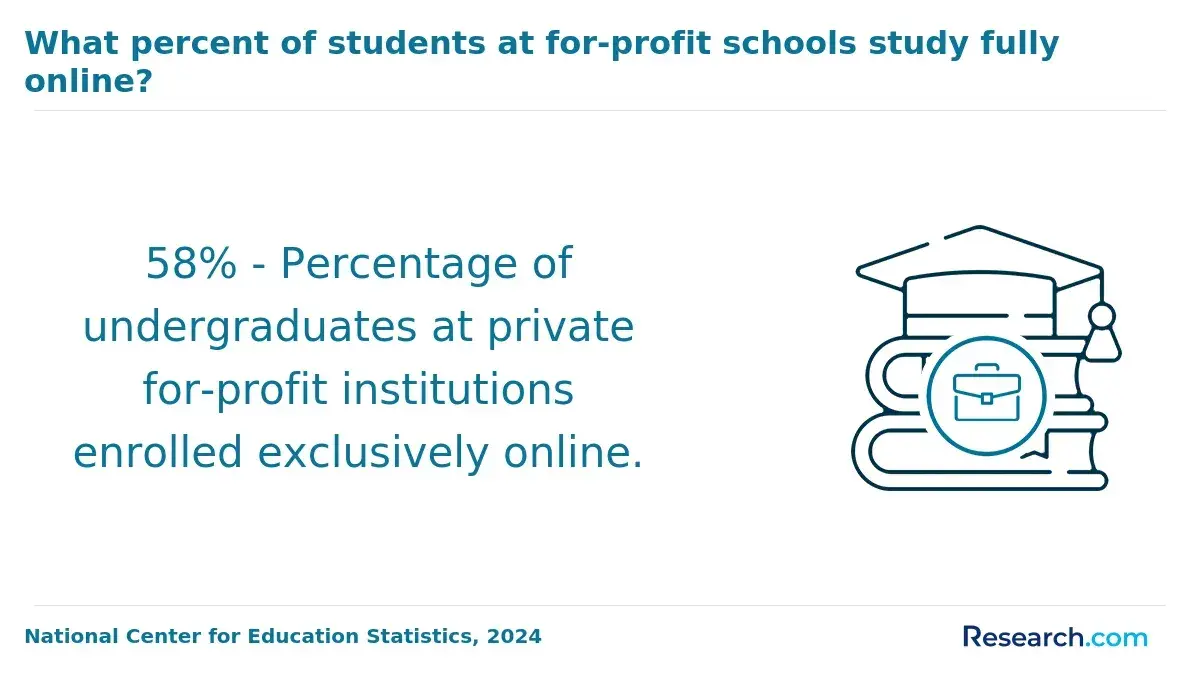
According to data from the National Center for Education Statistics in 2024, nearly 60% of part-time STEM graduate students, including those in construction management, work full-time, underscoring how program design must accommodate significant external commitments while maintaining educational rigor.
Can Students Work Full-Time While Earning a Part-Time Construction Management Master's Degree?
Working full-time while enrolled in a part-time construction management master's program can be feasible when certain conditions align. Programs offering asynchronous learning and predictable course schedules allow students to manage their time more effectively around job responsibilities. Additionally, prior professional experience in construction or related fields often reduces the learning curve, enabling students to integrate academic concepts more seamlessly into their current roles. According to a 2024 survey by the National Center for Education Statistics, roughly 60% of part-time graduate students maintain employment during their studies, highlighting that balancing employment with part-time construction management graduate programs is a common, albeit demanding, path.
However, the concurrent demands of full-time work and part-time study present tangible challenges and tradeoffs. Cognitive overload and fatigue may arise, reducing opportunities for peer networking and comprehensive engagement with course materials. Slower academic progress and the risk of burnout become real considerations, particularly when workplace pressures conflict with academic deadlines or require overtime. Students must weigh these factors carefully, recognizing that employer flexibility and clear time management strategies are critical to sustaining this balance without undermining either employment performance or educational outcomes. For those evaluating program costs, understanding construction management degree online cost variations is also essential in assessing overall feasibility and return on investment.
Which Universities Offer the Best Part-Time Construction Management Master's Programs?
Choosing the right part-time construction management master's program is a strategic decision that impacts employability, salary progression, and career flexibility. The "best" option varies by individual factors such as career stage, workload, and desired specialization, making an informed comparison based on program substance essential rather than relying on surface-level reputations.
- Curriculum Relevance and Depth: Programs with curricula balancing technical theory and practical application better prepare students for industry challenges. A curriculum integrating real-world case studies and up-to-date construction technologies directly supports skill acquisition valued by employers and facilitates immediate workplace contribution.
- Faculty Industry Engagement: Faculty actively involved in construction management practice or research provide current insights and networking opportunities. Their real-world experience enhances academic rigor and build connections that often translate into internships, mentorship, and hiring advantages.
- Program Flexibility and Pacing Options: Flexibility in scheduling, course load, and completion time is critical for professionals balancing jobs and family commitments. Programs offering adjustable pacing reduce burnout risk and enable sustained employment, but may extend degree timeframes by several years.
- Applied Learning Opportunities: Access to internships, capstone projects, or partnerships with construction firms enriches learning beyond theory and sharpens leadership, project management, and technical skills. These experiences are decisive for employability and career advancement in a competitive labor market.
- Accreditation and Industry Recognition: Accreditation by bodies like ABET or ACCE signals adherence to quality standards and assures employers of program credibility. Graduates of accredited programs typically enjoy smoother certification paths and stronger professional legitimacy.
- Alumni Outcomes and Employer Networks: Transparent data on graduate employment rates, salary growth, and employer engagement reveal program efficacy in supporting career development. Programs with active alumni networks often provide enduring industry links beneficial for job placement and knowledge exchange.
A graduate who pursued a part-time master's in construction management recalled navigating a rolling admissions process that demanded strategic timing. Initially hesitant due to overlapping work deadlines, they delayed application submission, risking uncertainty about available seats. Close to cutoff dates, last-minute document preparation was stressful, but eventual acceptance validated their calculated decision to prioritize readiness over speed. This experience highlighted the importance of early, deliberate application planning in environments where course spots fill unpredictably, especially for professionals juggling competing responsibilities.
How Much Does a Part-Time Construction Management Master's Degree Cost?
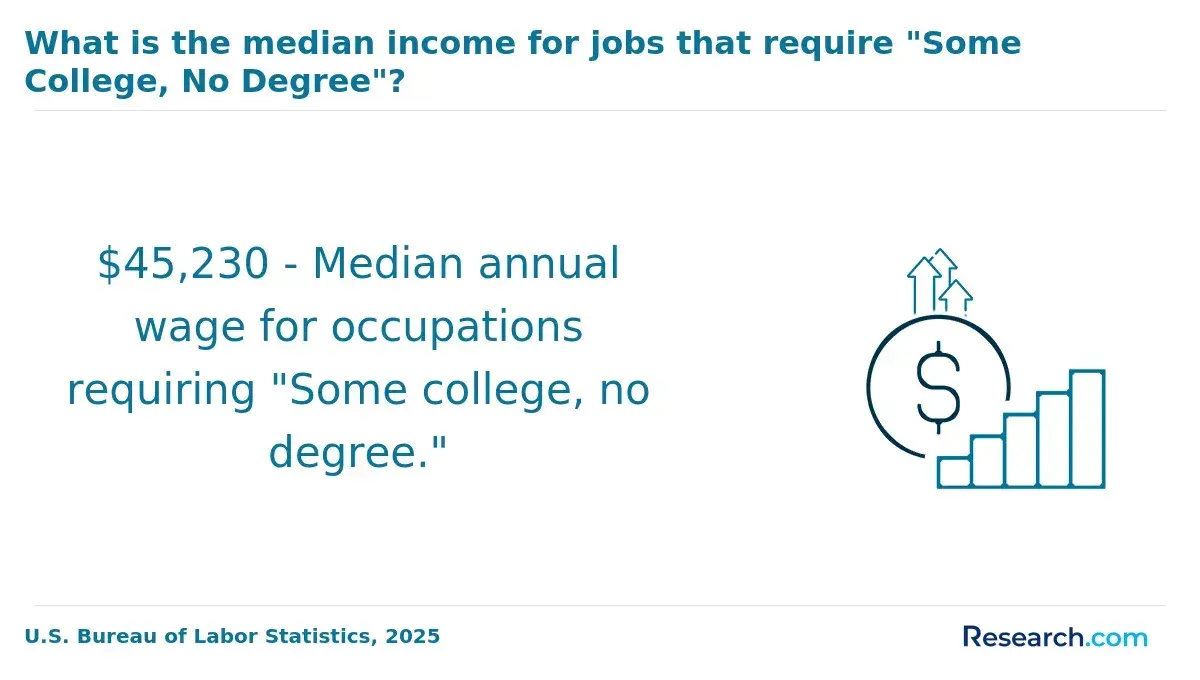
Tuition for part-time construction management master's degree programs typically ranges from around $20,000 to over $60,000, reflecting substantial variation based on institution type and program quality. Public universities, especially for in-state residents, generally offer more affordable pricing, often falling between $20,000 and $40,000, while private or highly ranked programs may exceed $50,000 in total tuition. These figures, supported by analyses of NCES data and university financial disclosures, underscore the broad spectrum of construction management graduate tuition fees that prospective students must navigate.
Costs fluctuate significantly due to credit-hour billing models common in part-time programs, where tuition per credit can range from $500 to $1,500 or more. Residency status heavily influences pricing, as in-state students typically pay less than out-of-state peers. Delivery format also plays a role: online or hybrid programs may offer reduced base tuition but can add fees for technology or digital resources, complicating direct cost comparisons. The sustained enrollment period inherent to part-time study often means spreading expenses over multiple years, which can increase total financial exposure despite per-semester affordability.
Part-time students often leverage continuing employment to manage tuition payments, but the longer duration of study also delays degree completion and potential income growth. Employer tuition assistance or reimbursement programs can mitigate costs and are critical factors in financial planning for many working professionals. For those balancing commitments, exploring alternatives like 4-6 week certification programs online may also complement or accelerate professional development alongside a part-time construction management master's degree cost assessment.
Do Programs Help Arrange Flexible Clinical Placements for Part-Time Students?
Part-time construction management programs that include clinical placements or practicums typically rely on established partnerships with local firms, agencies, and industry networks to facilitate flexible placement opportunities. Institutions often maintain distributed placement options across various sites to accommodate geographic and scheduling constraints faced by working students. These programs may offer extended timelines, variable hours, and hybrid models combining site visits with remote supervision. However, the degree of flexibility is closely tied to the resources and structural design of each program, meaning that not all part-time students receive equal support in arranging these critical hands-on experiences.
Despite these adaptive measures, practical constraints frequently limit placement flexibility for part-time students. Requirements like minimum placement hours, site availability, and employer expectations often demand fixed or extended blocks of time, which can conflict with full-time employment commitments. Geographic restrictions can further complicate access, especially in regions with fewer industry partners or limited university outreach capacity. Moreover, accreditation and licensing bodies may enforce rigid standards on clinical experience, making scheduling less negotiable than programs promote. Thus, while flexible placements exist in theory, reality may include significant rigidity tied to external regulatory and industry factors.
To navigate these challenges effectively, part-time students should engage in early planning and actively leverage existing relationships with current employers to satisfy placement requirements when possible. Selecting programs with well-documented, robust clinical pipelines and employer partnerships can reduce friction and improve placement outcomes. Ultimately, the feasibility of balancing placement obligations with ongoing work hinges on transparent communication with program coordinators and realistic assessment of personal and professional constraints rather than relying solely on advertised flexibility.
What Challenges Do Students Face in Part-Time Construction Management Master's Programs?
Part-time construction management master's programs offer flexibility but impose distinct academic and logistical pressures that differ considerably from full-time study. The demands of balancing professional duties and personal responsibilities shape these challenges, which are further influenced by course structure and workload intensity. Understanding these hurdles is crucial for evaluating the real cost and feasibility of part-time enrollment.
- Time Management Constraints: Part-time students must juggle coursework deadlines alongside ongoing job responsibilities and family obligations, which often leads to fragmented study sessions and elevated stress. This fragmented time allocation can reduce deep learning opportunities, impacting mastery of complex construction management concepts that require sustained focus.
- Extended Program Duration: While full-time programs span about two years, part-time tracks commonly extend to three or more years, which can stall career momentum. Prolonged enrollment often means tuition costs accumulate over a longer period, and students face delayed returns on their educational investment, complicating financial and professional planning.
- Limited Networking and Experiential Learning: Evening and weekend classes reduce engagement with peers, faculty, and industry events-critical avenues for mentorship and connections in construction management. This limited access can hamper development of leadership and strategic skills valued by employers, disadvantaging graduates when compared to their full-time counterparts.
- Employer Perception and Skill Integration: Despite general recognition of advanced degrees, some employers question the immediacy and application of skills gained part-time. Part-time students must proactively demonstrate competency integration within their jobs to offset doubts about commitment and practical expertise.
- Self-Discipline and Accountability Pressures: Absence of a full-time structured environment requires exceptional self-organization and motivation. Students who struggle to maintain consistent study habits risk delays in program completion and diminished long-term career benefits.
Reflecting these challenges, a 2024 survey by the National Center for Education Statistics found nearly 65% of part-time graduate students in various fields reported difficulties balancing study time with work and family demands, underscoring the widespread nature of these stressors within applied professional education.
Which Careers Benefit Most From Part-Time Graduate Education?
Part-time graduate education in construction management serves as a strategic accelerator rather than merely a flexible option. Its value is highest in careers where practical experience, formal credentialing, and ongoing skill acquisition converge to influence promotion eligibility and salary growth.
- Project Managers: Part-time study allows project managers to directly apply advanced methodologies and leadership principles in real time, strengthening their ability to manage complex, multifaceted projects. This immediate integration of learning with work enhances their visibility for managerial promotions while maintaining essential industry connections.
- Construction Superintendents: Superintendents benefit from part-time programs by gaining critical technical expertise and leadership skills without stepping away from their on-site roles. This arrangement sustains uninterrupted field supervision and supports progression toward senior management by filling skill gaps identified through daily operational challenges.
- Construction Estimators: Estimators improve precision in cost control and risk management by engaging in graduate coursework while remaining active in client negotiations and project assessments. This balance sharpens strategic input, directly translating to heightened accuracy and competitiveness in bidding processes.
- Facilities Managers: Though distanced from active construction sites, facilities managers leverage part-time learning to deepen their knowledge of project lifecycle costs and infrastructure maintenance. This education underpins more informed long-term strategic planning, aligning with employer expectations for sustainable asset management.
According to a 2024 report from the U.S. Bureau of Labor Statistics, professionals who pursue part-time graduate programs in construction management improve their managerial prospects by 20 to 30 percent within five years. Such flexible graduate programs for working construction managers accommodate the dual pressures of workplace demands and academic growth. For those balancing family and employment, the option to remain engaged in practical work while advancing credentials optimizes career trajectories.
An informed evaluation of part-time study includes exploring specialized, yet flexible graduate offerings in related fields-such as graphic design programs-which may complement construction management roles, particularly in project visualization and planning phases.
What Factors Matter Most When Comparing Program Flexibility?
Program flexibility for part-time construction management master's degrees is a complex, multi-dimensional feature that varies significantly based on program structure and individual student needs. Flexibility is not simply about the ability to study remotely or on a reduced schedule; it encompasses how a program's design impacts workload management, pacing, and alignment with ongoing career demands.
- Course Scheduling Structure: The availability of courses during evenings, weekends, or across multiple terms directly affects students' ability to juggle employment and family obligations. Rigid or limited scheduling reduces real flexibility and may prolong time-to-degree.
- Asynchronous vs. Synchronous Delivery: Asynchronous courses enhance accessibility by allowing students to engage with content on their own time, critical for working professionals balancing competing priorities. Synchronous options provide interaction benefits but can constrain those with unpredictable schedules.
- Credit Load Adaptability: Programs permitting variable course loads or modular enrollment empower students to adjust their academic pace according to workload fluctuations without penalty, supporting sustained career continuity.
- Pacing Options and Program Length: Flexible pacing choices, including extended time frames or accelerated paths, impact how quickly students can complete their degree or accommodate personal circumstances, influencing both career transitions and ongoing employment.
- Internship and Practicum Requirements: The timing and flexibility of practical components affect students' ability to gain applied experience without disrupting work. Programs with flexible practicum options better support seamless integration of learning and employment.
- Administrative Responsiveness and Support: Efficient administrative processes and robust technical support reduce barriers related to credit transfers, course substitutions, or unexpected scheduling conflicts, directly enhancing students' ability to maintain momentum.
Considering these factors is essential for anyone balancing work and part-time graduate study in construction management, given that a 2024 report from the National Center for Education Statistics indicates 62% of master's students in professional fields prefer part-time formats. The role of specialized coursework is also crucial, as choosing a curriculum aligned with career goals-whether in project delivery, risk management, or sustainability-impacts employability and practical skill development.
For those weighing degrees, reflection on program flexibility parallels other considerations such as whether is library science a good degree for their professional path, emphasizing the need for realistic appraisal beyond surface-level features to ensure alignment with long-term career outcomes.
What Graduates Say About Studying Construction Management Master's Programs Part-Time
- Ashley: "After completing my part-time construction management master's, I quickly realized that employers were less focused on licensure and more interested in seeing robust portfolios and relevant internships. This pushed me to invest significant time in practical projects during the program, which ultimately helped me land a role where I could apply both technical skills and real-world experience. It's been a balancing act, but the hands-on approach the program encouraged was vital for my career transition."
- Jaime: "Balancing work and studies was tough, but the flexibility of the part-time construction management program allowed me to stay employed while upgrading my credentials. Post-graduation, I noticed that while I didn't move into licensed roles immediately, having my master's opened doors to remote project coordination jobs that weren't accessible before. There's definitely a trade-off between speed of entry into management and the need for licensure, but the program's practical focus made remote and contract options a solid stepping stone."
- Roman: "I approached the master's in construction management with a clear goal to pivot into a higher-level planning position, but the realities of hiring were eye-opening-certifications and verified work experience often outweighed academic achievements alone. While my degree helped me meet minimum requirements, it was the additional PMP certification and networking during the program that made a difference. Advancement feels slower without licensure, but the strategic insight I gained has been invaluable for long-term growth."
Other Things You Should Know About Construction Management Degrees
Employer support can significantly influence a student's ability to successfully complete a part-time construction management master's program. Flexible work hours or tuition reimbursement make balancing job duties and academic demands manageable; without such support, students often face increased stress and risk compromised performance in both areas. For professionals in demanding roles, prioritizing programs that either offer employer partnerships or are recognized by key industry players can improve career advancement prospects post-graduation.
Project-based learning simulates real-world construction challenges, which is critical for part-time students who often intend to apply knowledge immediately in their jobs. Programs emphasizing applied projects tend to enhance practical skills and employer appeal more than those focused solely on theory. For career changers especially, a curriculum centered around hands-on problem solving accelerates skill acquisition and better prepares them for supervisory or managerial roles.
While part-time study offers schedule flexibility, an extended timeline can dilute learning momentum and delay entry into higher-paying roles that require a master's credential. Additionally, a prolonged program may affect motivation, requiring disciplined time management to sustain progress. Students must weigh the benefit of spreading out coursework against the potential cost of slower career progression or outdated industry practices by the time of graduation.
Part-time study in a construction management master’s program often includes fewer on-campus hours, potentially limiting hands-on project-based learning. However, many programs offer flexible online modules and simulations to ensure practical skills are still developed effectively.
References
- MSc Construction Management https://www.ube.ac.uk/postgraduate/construction-management/
- Part-time Weekend Post Graduate Program in Construction Management for Working Professionals (PGP CM WP) https://www.nicmar.ac.in/hyderabad/program-pgpcmwp
- Construction Management Online Master's Degree https://wit.edu/academics/management/degrees/masters/online/construction-management
- Exploring and addressing challenges faced by construction management graduates in progressing towards professional status : a case of DUT (2024-2017) https://openscholar.dut.ac.za/items/3e9960e3-a68c-4b4a-8a4b-a1ba41f49dcd
- Flexible study https://www.reading.ac.uk/cme/masters/flexible-study
- 5 Construction Management Career Opportunities Out of College https://aic-builds.org/5-construction-management-career-opportunities-out-of-college/
- Best Master’s in Construction Management Online Degree [currentyear] | NEIT https://www.neit.edu/blog/best-masters-in-construction-management-online-degrees
- The challenges of the part-time student http://fionasaunders.co.uk/the-challenges-of-the-part-time-student/
- Default Title https://www.postgraduatesearch.com/pgs/search
- MSc in Project Management Online (Part-Time) https://www.smurfitschool.ie/programmes/parttimemasters/mscinprojectmanagementonline/