2026 Remote Jobs You Can Get With a Geography Master's Degree

Co-Founder and Chief Data Scientist
When a graduate with a master's degree in geography weighs remote work options, the challenge extends beyond finding roles tagged "flexible." Many advertised positions demand hybrid availability, specialized GIS software expertise, or fieldwork that undercuts location independence. According to a 2024 labor market report, only 37% of geography-related jobs offer fully remote arrangements, highlighting employer caution about sacrificing on-the-ground data collection or collaboration.
This limits purely remote opportunities, emphasizing the need for graduates to align their skills with roles that realistically accommodate distance work. This article details viable remote careers suited to geography master's holders, clarifying which paths support true location flexibility and why.
Key Things to Know About Remote Jobs You Can Get With a Geography Master's Degree
- Many remote roles, such as GIS analyst positions, require advanced software proficiency, demanding ongoing training; this tradeoff impacts time and financial investment beyond the degree itself.
- Employer surveys in 2024 report only 35% of geography graduate roles offer fully remote options, reflecting persistent field-specific onsite data validation and collaboration requirements.
- Credentials like GISP certification improve remote employability but add cost and delay entry; graduates must weigh credential timing against immediate job market access.
What Remote Jobs Can You Get With a Geography Master's Degree?
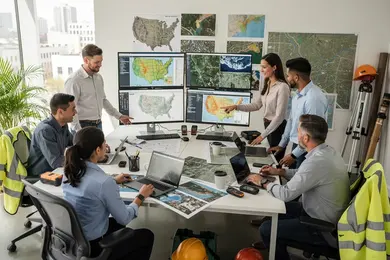
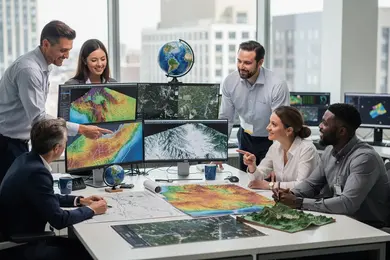
Remote opportunities for master's degree holders in geography increasingly focus on roles requiring strong geospatial and data analysis expertise rather than traditional field-based tasks. Positions such as GIS analyst or spatial data scientist often permit full remote work because their deliverables-mapping, data visualization, and geospatial modeling-can be produced using cloud-based platforms and collaborative software. Still, employers may require periodic hybrid engagements, especially when projects demand coordination with urban planners or transportation agencies, reflecting a workforce pattern where remote work coexists with necessary onsite collaboration. Considering this, job seekers must weigh the convenience of location independence against roles that demand technical proficiency and sufficient experience to operate with minimal supervision in a remote setting.
Many top remote careers for geography master's graduates involve interpreting complex datasets for government, environmental consulting firms, and technology companies, where expertise in remote sensing and environmental modeling supports decision making without daily onsite presence. However, roles in environmental consultancy that emphasize natural resource management can have fluctuating remote eligibility, as some assessments require field verification or client site visits, introducing a hybrid work dynamic. Survey data from the Association of American Geographers indicates that nearly 40% of geography professionals now have access to partial or full remote options, underscoring that while remote job opportunities with a graduate degree in geography are expanding, they often coexist with nuanced employer expectations about field engagement and collaboration rhythms. For those exploring flexible geography-related careers, supplementing geospatial skills with project management or communication capabilities can improve suitability for remote and client-facing roles simultaneously.
Career changers and graduate degree holders should also consider interdisciplinary pathways that leverage geography's technical core, such as integrating geospatial insights with emerging fields like artificial intelligence. Candidates curious about such cross-disciplinary options may find valuable context by exploring degrees in AI, which can complement geography expertise and enhance marketability for advanced remote analytics roles. Ultimately, navigating these evolving labor market conditions demands strategic skill alignment and precise understanding of industry-specific hiring patterns, making informed choices essential to securing remote work that balances autonomy with employer requirements in this specialized domain.
Which Industries Hire Remote Professionals With a Geography Master's Degree?
Remote roles for professionals with a master's degree in geography tend to cluster in sectors where digital spatial analysis and data interpretation dominate workflow, rather than in fields requiring frequent fieldwork or direct community engagement. Environmental consulting firms exemplify this trend, utilizing GIS software and remote sensing for impact assessments that can be conducted online, which aligns with broader organizational goals of reducing carbon footprints.
The technology sector, including firms developing geospatial data platforms and AI applications for location intelligence, also offers robust remote opportunities, though these positions often demand advanced programming and spatial infrastructure skills. According to the U.S. Bureau of Labor Statistics (2024), employment of geographers and GIS specialists is expected to grow by 7% over the next decade, with remote and hybrid roles becoming increasingly normalized, especially in agencies and companies that integrate digital tools for collaboration and data sharing.
In contrast, government roles, while incorporating some remote options, frequently require partial on-site presence due to regulatory or operational constraints related to land management, disaster response, or urban planning. Urban planning agencies represent a mixed model, with data-driven positions more amenable to remote work but many roles necessitating occasional site visits or stakeholder interaction. These industry-specific expectations shape long-term career trajectories, where candidates must evaluate how fully remote or hybrid statuses align with their professional goals and flexibility preferences. Those seeking advancement should consider how sector-specific demands influence role availability and the practical application of a geography degree, balancing technical skill development with adaptability to hybrid work realities.
A remote geography professional recalled navigating job applications across sectors and initially encountering frustration over inconsistent remote work policies. While tech companies emphasized proficiency in coding and AI applications alongside geography expertise, environmental consulting roles prioritized mastery of GIS platforms and remote sensing techniques. Government listings often required presence during critical project phases, limiting pure remote flexibility.
This individual adjusted their approach by tailoring applications to highlight skills relevant to industry remote patterns, ultimately appreciating how discerning sector differences informed their decision to accept a hybrid role in environmental consulting that balanced remote data analysis with occasional field collaboration.

What Are the Highest-Paying Remote Jobs for Geography Master's Degree Graduates?
Remote roles delivering the highest salaries for those with a master's degree in Geography commonly demand technical proficiency in GIS, spatial analytics, and data modeling, alongside specialized industry knowledge. Positions like geospatial data scientist stand out due to their integration of advanced statistical techniques and geospatial intelligence, often requiring candidates to navigate complex datasets for defense, environmental, or tech sectors. Employers typically prioritize demonstrated expertise in cloud platforms and remote sensing tools, reflecting a trend where remote GIS-related jobs have grown over 20% since 2022, according to Emsi Burning Glass, signaling both opportunity and rising competition for roles with flexible arrangements.
Environmental consultants and urban planners also feature among well-compensated remote options, yet these paths often entail tradeoffs, such as periodic travel or contract variability, limiting full-time telework consistency despite competitive pay. Urban and regional planners with remote credentials who can lead virtual stakeholder engagements or manage projects end-to-end may break into higher salary brackets, but achieving this level frequently requires advanced credentials and project management experience beyond foundational geographic skills. The disparity between hybrid roles and fully remote jobs reflects employer caution toward the feasibility of certain duties being performed remotely, underscoring the importance of aligning specialization with realistic work setting expectations when navigating long-term career trajectories in this field.
Can You Get a Remote Job With a Geography Master's Degree and Little or No Experience?
Securing entry-level remote jobs with a geography master's degree and minimal experience requires demonstrating more than academic credentials alone. A 2024 report from the U.S. Bureau of Labor Statistics indicates that around 30% of remote roles in geospatial and related sectors are accessible to new graduates, but employers heavily prioritize candidates with concrete skills in GIS, remote sensing, or data visualization. Practical exposure-through internships, portfolio projects, or certifications-often acts as a critical differentiator, since many hiring managers seek proof of applied abilities alongside theoretical knowledge.
Remote jobs such as GIS technician or spatial data analyst typically demand not only software proficiency but also effective communication skills and the capacity to manage projects independently. According to a 2024 workforce survey, nearly 70% of remote geography positions require some prior internship or relevant project experience, underscoring the difficulty of entering the field without tangible evidence of applied work. Candidates lacking formal experience should invest in targeted certifications and build professional portfolios that highlight independent research or volunteer contributions, enhancing their competitiveness within the pool of remote jobs for geography master's graduates with no experience.
For those evaluating entry-level remote careers with a geography master's degree, understanding industry-specific expectations is vital for realistic job-search planning and long-term growth. Licensing may add value in urban or environmental planning roles but is not universally necessary. Navigating this landscape involves aligning education with skill-building initiatives that meet employer demands, as well as weighing tradeoffs between immediate remote opportunities and gaining practical experience through local or hybrid roles. Those seeking alternative pathways might explore fields like online accounting that offer flexible credentials and can complement spatial analysis expertise, as highlighted in online accounting programs.
What Skills Do Employers Look for in Remote Candidates With a Geography Master's Degree?
Remote roles in geography demand candidates who not only possess advanced technical skills like GIS, spatial analysis, and remote sensing but also demonstrate strong independent problem-solving and project ownership abilities. Employers expect clear written communication and digital collaboration through platforms such as Slack or Zoom to maintain coordination in distributed teams. Practical proof of these competencies-whether via portfolios, capstone projects, professional certifications, or measurable outcomes-is critical to differentiate candidates, as it confirms their capability to deliver without direct oversight. Handling client or stakeholder needs remotely further requires professional judgment and adaptability to manage evolving project parameters independently.
Possessing a master's degree alone may overstate a candidate's remote readiness, as many academic programs have limited hands-on tool experience or insufficient focus on asynchronous communication skills crucial for virtual work. Candidates without industry-specific exposure or clarity on how their role aligns with organizational goals often struggle to meet employer expectations. Furthermore, licensing or compliance requirements within environmental and geospatial fields can restrict flexibility, while competition from those with actual remote work history raises the bar. According to a 2024 report by the U.S. Bureau of Labor Statistics and LinkedIn Workforce Insights, 67% of employers in geospatial sectors weigh communication and self-management skills equal to or above technical expertise for remote hires, underscoring the complex tradeoffs involved.
One remote geography graduate shared how during their interview, the hiring manager focused heavily on examples of self-directed projects and virtual team collaboration from their master's practicum rather than technical concepts alone. Initially unsure if their academic work demonstrated sufficient applied autonomy, the candidate highlighted detailed timelines and stakeholder communications documented in their portfolio, which helped convince the employer of their remote project management aptitude. This experience revealed how proving adaptability and ongoing professional judgment in remote settings often matters more than degree titles in securing location-independent roles.

How Can a Geography Master's Degree Help You Qualify for Remote Leadership and Management Roles?
Remote leadership roles with a geography master's degree demand more than traditional supervisory skills; they require the ability to translate spatial analysis and geospatial data expertise into strategic decisions across distributed teams. A practical scenario involves managing urban planning projects where leaders must coordinate multidisciplinary staff working asynchronously across time zones, relying heavily on digital collaboration tools and measurable project outcomes rather than direct oversight. Employers in sectors like environmental consulting expect geography graduates to demonstrate not only technical proficiency but also the capacity to build trust and ensure accountability remotely, managing resources and compliance even without in-person contact.
Management careers for geography graduates working remotely benefit from the interdisciplinary and data-driven training that geography programs provide, equipping leaders to navigate complex, cross-functional challenges inherent in remote roles. However, these positions often require mastering soft skills such as virtual communication and change leadership, which are not always emphasized in traditional geography curricula. Graduates who supplement their degrees with practical experience in remote team management increase their competitiveness, as proven by labor data indicating higher likelihoods of leadership responsibility upon entry for those with advanced degrees in geography-related fields.
For graduate students considering flexible career paths, exploring related programs such as a sports management degree may also highlight transferable skills in team coordination and digital management applicable to remote leadership. The evolving nature of remote roles means geography master's holders must consciously integrate project ownership, strategic communication, and cross-cultural collaboration abilities to thrive as remote managers, directors, or consultants in fields increasingly reliant on location-independent work.
Can You Work as a Freelance Consultant With a Geography Master's Degree?
The viability of working as a freelance consultant with a master's degree in geography hinges on the ability to translate specialized expertise into client-ready solutions that comply with professional standards and regulatory frameworks. Many clients expect demonstrable results backed by certifications or verifiable project outcomes, especially in areas like environmental assessments or urban planning, where local regulations and licensure impose clear boundaries on advisory roles. Remote consulting further complicates these dynamics, requiring concise communication, defined project scopes, and often a niche focus to differentiate oneself in a competitive market that values both technical proficiency and trustworthiness.
Freelancers with a geography background must carefully navigate client acquisition challenges, as initial years can show high volatility in securing consistent projects-reflecting findings from recent labor trend reports showing significant growth in freelance consulting alongside rising competition. Specializing in distinct applications, such as spatial risk modeling for insurance firms or land use analysis for NGOs, can enhance market positioning but often requires ongoing skill updates and portfolio curation to maintain credibility. This path contrasts with traditional employment by amplifying the responsibility for self-marketing, contract negotiation, and risk management, making it essential to weigh the tradeoffs of independent consulting versus salaried roles within firms that provide infrastructure, steady workloads, and regulatory compliance support.
Where Can You Find Legitimate Remote Jobs for Geography Master's Degree Holders?
Remote roles for master's holders in geography require navigating a competitive landscape where employers rigorously vet candidates to ensure credential authenticity and relevant technical expertise, especially in GIS and environmental analysis. While platforms such as federal and nonprofit job boards curate legitimate listings, a notable challenge lies in distinguishing truly remote positions from hybrid ones misrepresented as fully remote, which can disrupt candidates' location flexibility or work-life balance. Moreover, hiring managers often rely on referrals and professional networks connected to specialized associations or alumni groups, making passive applications less effective despite a candidate's strong academic background.
According to the U.S. Bureau of Labor Statistics' 2024 workforce report, remote jobs for geospatial analysts and related STEM roles have grown by over 30% since 2022, reflecting an uptick in project-based, remote collaboration. This trend underscores the need for graduates to engage actively within sector-specific communities to access these openings, as algorithm-driven job boards rarely filter for advanced degree requirements or licensure conditions pertinent to geography fields. Close attention to employer location stipulations and the legitimacy of postings is critical since some opportunities require state-specific certifications or have geographic hiring limitations that may not be initially clear.
Effective job-search strategies therefore involve combining targeted outreach to industry groups, government agencies focused on GIS and environmental data, and vetted professional networks to increase visibility for roles aligning with advanced geography credentials. Graduates should weigh the tradeoff between broader platform exposure and the curated quality of associations and institutional channels, as these often reflect employer expectations more accurately, mitigating risks of scams or mismatched job conditions.
What is the Salary Potential for Remote Professionals with a Geography Master's Degree?
Salary potential for remote professionals with a master's degree in geography is fundamentally shaped by role specialization, industry sector, and experience rather than the degree alone. For instance, geographers working in government or scientific research roles earn median salaries near $83,000 annually, reflecting stable demand for expertise in spatial analysis and environmental consulting. However, compensation varies widely, with technical roles in GIS analysis or urban planning often reaching $70,000 to $95,000 when paired with advanced skills like spatial modeling or programming. Remote salary expectations for geography master's degree holders must also weigh geographic pay adjustments, as employers frequently calibrate wages based on the worker's location, which can limit income growth for those in lower-cost areas despite equivalent qualifications.
Experience is a decisive factor in achieving higher incomes, with entry-level professionals typically earning in the $55,000-$65,000 range and seasoned experts, especially those managing projects or teams, surpassing six-figure salaries in consultancy or federal positions. Certifications such as GIS Professional (GISP) status can strengthen candidacies but do not alone translate into significant salary premiums without proven domain proficiency.
Data from the National Association of Colleges and Employers 2024 report highlights that geography-related technical roles with remote flexibility are becoming increasingly competitive, with median starting salaries rising modestly year-over-year. Such trends underscore how employers prioritize both a master's degree and relevant technical skills when setting salaries in remote geography careers. Prospective students should consider these dynamics when evaluating the value of specialized degrees alongside broader market demands within remote work contexts like those outlined in masters degrees that make the most money.
What is the Long-Term Career Outlook for Remote Jobs Requiring a Geography Master's Degree?
Long-term career prospects for remote geography jobs with a master's degree show cautious viability shaped by technical specialization and regulatory constraints. Workforce data from the U.S. Bureau of Labor Statistics 2024 projections indicate a 5% growth in related geoscience fields through 2032, signaling steady but competitive opportunities. Remote roles remain concentrated in areas like geographic information systems (GIS) and spatial data analysis, where cloud-based tools enable flexibility, but many positions still require hybrid or onsite presence due to collaboration or fieldwork demands. Employers increasingly expect advanced data science and programming skills alongside geographic expertise, making continual upskilling essential for sustaining remote career paths.
Remote work opportunities with a master's in geography often hinge on industry shifts toward hybrid models rather than fully location-independent roles, particularly in sectors with strict licensure or regional compliance requirements. Urban planning and environmental management illustrate how regulatory frameworks can limit geographic flexibility, placing a premium on candidates who navigate these constraints effectively. Graduates should weigh these tradeoffs early, balancing technical credentials with practical adaptability to evolving employer expectations. For those targeting data-intensive roles, pursuing complementary credentials such as an online PhD data science may provide a competitive advantage in remote-compatible career trajectories.
What Do Graduates Say About Working Remotely With a Geography Master's Degree?
- Louis: "After completing my master's in geography, I quickly realized that employers often prioritize a strong portfolio of internships and hands-on GIS projects over formal licensure. Working remotely, I've been able to focus on building a diverse set of skills through freelance contracts, which gave me a practical edge when transitioning to a full-time role. It's a competitive field for remote positions, but showcasing real-world deliverables is what made the difference."
- Zain: "I opted for remote work early on because flexibility was essential for my situation. While salary growth has some limits without professional certification, my geography degree opened doors to entry-level roles in environmental consulting that didn't require licensure. The challenge was navigating organizations that often preferred candidates with more traditional credentials, but gaining experience quickly helped me pivot toward data analysis opportunities where I could leverage my skills effectively."
- Myles: "Completing a geography master's propelled me into a unique niche of urban planning analytics, mainly through remote work setups. However, I found that advancing beyond a certain point often demands additional certifications or licensure. Initially, I wasn't prepared for how much practical experience and continuous upskilling would be necessary, but embracing those challenges helped me carve out a specific career path and avoid the stagnation common in purely academic roles."
Other Things You Should Know About Geography Degrees
The design of a geography master's program is crucial in determining remote employment outcomes. Programs that integrate substantial practical components such as GIS projects, remote sensing labs, or collaborative mapping assignments tend to better prepare graduates for remote roles because they simulate distributed teamwork and technical problem-solving. Conversely, programs heavily focused on theoretical coursework with limited hands-on experience may leave graduates less equipped to meet employer expectations for independent work and digital proficiency in remote settings.
Yes, prospective remote workers should weigh programs that emphasize industry-standard remote tools like ArcGIS Online, QGIS, Python scripting, and cloud-based data management. Certifications embedded within these programs often serve as concrete proof of technical competence for employers, increasing employability in remote roles. Choosing curricula aligned with current technology trends will likely yield a competitive advantage when seeking location-independent positions, where mastery of such software and independence is expected.
Employers in remote geography jobs expect more than technical skills; effective virtual communication and collaboration are often decisive factors. Geography graduates must be adept at using communication platforms and managing asynchronous workflows, which requires training beyond traditional classroom settings. Those from programs offering structured team projects using remote tools develop these soft skills naturally, whereas graduates from solitary research-focused paths may struggle to meet these expectations, potentially limiting their success in distributed teams.
Remote geography positions often promise flexibility but may involve unpredictable or intensive workloads, especially in consulting, data analysis, or emergency response mapping. Graduates should critically assess personal work-life boundaries and program training on time management before pursuing such roles. Prioritizing programs that incorporate real-world case studies on workload management or offer mentoring can better prepare candidates for balancing demanding project cycles with remote work autonomy.
References
- Jobs & Careers - AAG https://www.aag.org/jobs-careers/
- Finding jobs in geography | RGS https://www.rgs.org/professionals/developing-your-career/finding-jobs-in-geography
- What can I do with my Geography degree? https://careers.atkinsrealis.com/en/life-at-atkinsrealis/blogs/2023/what-can-i-do-with-my-geography-degree
- Careers you didn’t know a Masters in Geography could lead to https://www.postgrad.com/blog/careers-masters-in-geography/
- Jobs you can pursue with a geography degree https://www.openstudycollege.com/blog/jobs-you-can-pursue-geography-degree
- What Can You Do With A Geography Degree? https://www.immerse.education/career-exploration/geography/careers-in-geography/