
2027 Best Construction Management Degrees for Working Adults

Co-Founder and Chief Data Scientist
Choosing a construction management degree while working full time is a timing, cost, and career-return decision. The right program should help you build management skills, qualify for advancement, and keep your current job from becoming impossible to sustain. The wrong program can create scheduling conflicts, unnecessary debt, or credits that do not transfer.
This guide is for working adults already in or near the construction field, including trades professionals, estimators, site supervisors, project coordinators, veterans, and career changers with related experience. Nearly 60% of working professionals report time constraints as the main barrier to returning to school in this field, so flexibility is not a minor feature—it is central to whether a degree is realistic. At the same time, the construction industry continues to grow, with employment projected to increase by 8% over the next decade, making qualified construction managers important to employers that need people who can control budgets, schedules, safety, contracts, and teams.
Below, you will find a practical breakdown of degree types, admissions, coursework, timelines, costs, financial aid, support services, accreditation, salary potential, and career outcomes for adults who need education to fit around work rather than replace it.
Key Things to Know About Construction Management Degrees for Working Adults
- Flexible scheduling and online or hybrid formats allow working adults to balance employment with coursework, increasing degree completion rates by up to 25% compared to traditional programs.
- Construction management degrees often emphasize practical skills aligned with employer needs, enhancing job placement and salary prospects in a market growing at 8% annually.
- Accelerated pacing and dedicated support services, such as career advising and tech assistance, help working professionals graduate faster without sacrificing education quality.
What Are the Best Construction Management Degrees for Working Adults?
The best construction management degree for a working adult is the one that matches current experience, career target, schedule limits, and budget. A field supervisor aiming for project manager roles may need a bachelor's degree. A project manager pursuing executive or owner-representative responsibilities may benefit more from a master's degree. Someone who needs a faster credential may start with a certificate or associate degree before committing to a longer program.
For working professionals, the strongest programs usually share several features: regional or recognized institutional accreditation, construction-specific coursework, part-time or online enrollment options, faculty with industry knowledge, career support, and clear credit-transfer policies. Asynchronous online courses can be especially useful because they allow students to complete lectures and assignments outside normal jobsite hours.
Common degree options for working adults
- Online Bachelor's in Construction Management: This is often the most practical option for adults who need a full undergraduate credential while maintaining employment. It typically covers estimating, scheduling, contracts, safety, building systems, and project leadership.
- Part-Time Bachelor's or Master's Degrees: Part-time study reduces weekly academic pressure, although it usually extends the time to graduation. Evening, weekend, hybrid, and online courses can make this path more manageable for students with demanding jobs or family responsibilities.
- Construction Project Management Specialization: A specialization can be useful for professionals who already have technical experience but need stronger skills in budgeting, scheduling, risk control, procurement, and stakeholder communication.
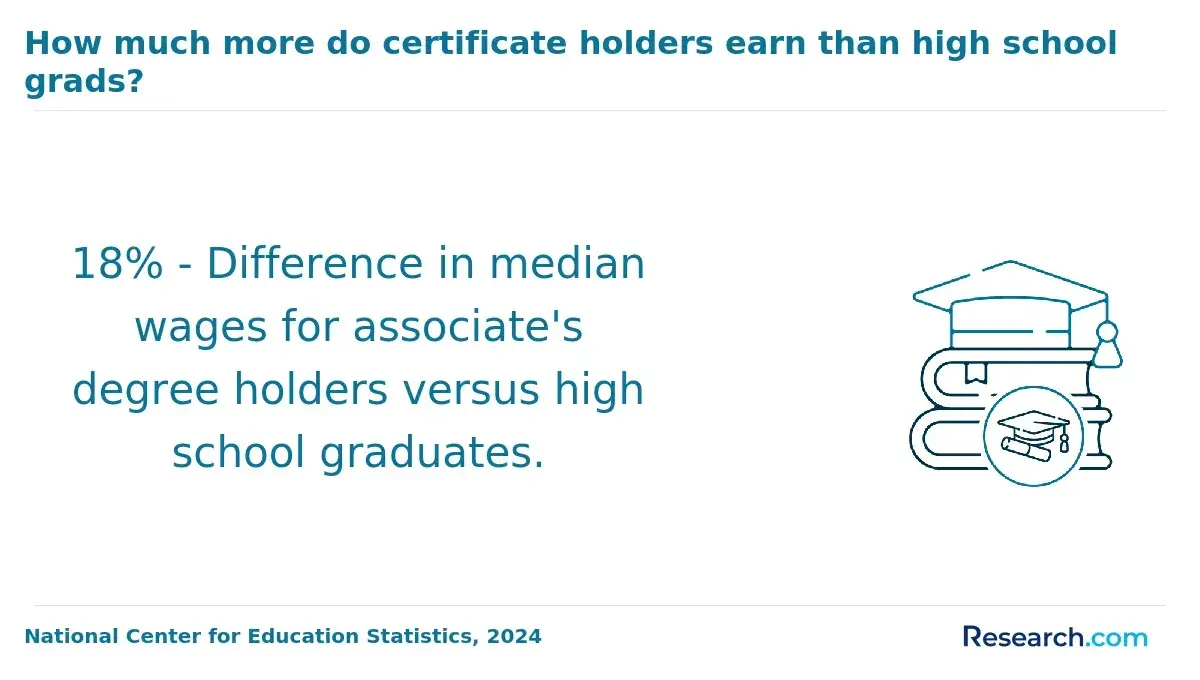
- Technical Certificates or Associate Degrees in Construction Management: These shorter options can help trades workers, assistant superintendents, or project coordinators build management foundations without immediately committing to a four-year degree.
- Master's in Construction Management with Executive Focus: This option is generally best for mid-career professionals who already manage projects or teams and want stronger preparation in strategic planning, advanced project controls, finance, leadership, and organizational decision-making.
How to choose the right fit
| Student profile | Often best fit | Why it may work |
| Trades professional moving into supervision | Certificate, associate degree, or bachelor's degree | Builds formal knowledge in estimating, scheduling, safety, and management. |
| Assistant project manager or coordinator | Bachelor's in Construction Management | Supports advancement into project manager or superintendent roles. |
| Experienced manager seeking senior leadership | Master's in Construction Management | Develops higher-level planning, finance, risk, and leadership skills. |
| Adult learner with limited time each week | Part-time online or hybrid program | Allows slower pacing without leaving the workforce. |
Working adults comparing flexible graduate formats may also review Research.com resources such as online master's program affordability guides to understand how cost, pacing, and online delivery are evaluated across professional fields.
What Are the Admission Requirements for Working Adults in Construction Management Degree Programs?
Admission requirements depend on the degree level, school, and delivery format. Working adults are often evaluated through a broader lens than recent high school graduates because professional experience, military training, trade background, certifications, and prior college credits may show readiness for construction management coursework. About 40% of graduate students in the U.S. enroll part-time, which reflects the growing demand for admissions pathways that accommodate adults already in the workforce.
Most programs still require proof of academic preparation, but many also value construction-related experience. Applicants should read requirements carefully because a program that appears flexible may still have strict prerequisites in math, business, drafting, engineering technology, or prior college credit.
Common admission requirements
- High school diploma, GED, or prior college record: Undergraduate programs generally require proof of secondary completion. Degree-completion programs may also require a minimum number of transferable college credits.
- Relevant work experience: Construction, architecture, engineering, inspection, facilities, logistics, safety, military construction, or project coordination experience can strengthen an application, especially for adult-focused or graduate programs.
- GPA expectations: Schools may list minimum GPA requirements, but some programs review adult applicants holistically when professional experience is strong.
- Standardized test waivers: Many graduate programs waive GRE or similar test requirements for applicants with sufficient work history, prior graduate coursework, or strong undergraduate performance.
- Professional recommendations: Letters from supervisors, project managers, clients, or colleagues can help confirm leadership ability, reliability, technical competence, and readiness for advanced study.
- Statement of purpose or resume: These materials allow applicants to explain career goals, construction background, management responsibilities, and why the program fits their plans.
- Technology readiness: Online and hybrid programs may expect students to have reliable internet access, basic software skills, and the ability to use learning management systems, video platforms, spreadsheets, and construction-related applications.
Admission tips for working adults
- Ask whether military training, apprenticeships, certifications, or previous technical coursework can be evaluated for credit.
- Confirm whether courses are offered every term; limited course rotation can delay graduation.
- Check whether internships are required and whether current employment can satisfy field-experience requirements.
- Request a transfer-credit estimate before enrolling, not after starting classes.
- Clarify whether the program is designed for students with construction experience or for beginners.
Adults comparing accelerated professional programs in other fields can review accelerated online graduate program examples to see how schools structure intensive formats for students balancing work, family, and coursework.
What Coursework Is Required in Construction Management Degree Programs for Working Adults?
Construction management coursework is designed to turn field knowledge into project leadership ability. For working adults, the most useful courses are not abstract; they connect directly to decisions made on jobsites, in project meetings, during bidding, and throughout closeout. Nearly 60% of adult learners in construction management programs participate in part-time or online study, so many programs organize assignments around applied projects, case studies, digital collaboration, and real construction scenarios.
Course requirements vary by degree level. Certificates and associate degrees usually focus on fundamentals. Bachelor's programs add broader management, technical, and business coursework. Master's programs often emphasize advanced project controls, leadership, risk, finance, and strategic decision-making.
Core construction management subjects
- Project Management: Covers planning, scheduling, coordination, execution, monitoring, and closeout. Students learn how to manage scope, deadlines, teams, subcontractors, and owner expectations.
- Construction Estimating and Cost Control: Focuses on quantity takeoffs, bid preparation, budgeting, forecasting, change orders, and cost tracking. This coursework is especially valuable for students moving into project manager or estimating roles.
- Construction Safety and Risk Management: Addresses jobsite safety, regulatory compliance, hazard prevention, insurance considerations, and risk response. Strong safety knowledge is critical for supervisors and managers responsible for people and project performance.
- Building Materials and Methods: Explores construction systems, methods, equipment, materials, quality standards, and sequencing. This course helps managers understand how design and field decisions affect cost, schedule, durability, and safety.
- Contract Administration: Covers bidding, procurement, contract documents, claims, dispute resolution, change management, and relationships among owners, architects, contractors, and subcontractors.
- Scheduling and Planning: Introduces tools and methods used to sequence work, identify critical activities, manage delays, and communicate schedule impacts.
- Construction Law and Ethics: Examines legal duties, professional responsibility, documentation, compliance, and ethical decision-making in construction environments.
- Building Codes and Regulations: Helps students understand how code compliance, inspections, permits, and jurisdictional requirements affect project delivery.
What working adults should look for in coursework
| Course feature | Why it matters for working adults |
| Applied assignments | Lets students connect coursework to current job responsibilities and real project problems. |
| Software exposure | Supports practical skills in estimating, scheduling, document control, and collaboration tools. |
| Flexible deadlines where appropriate | Helps students manage peak work periods without falling behind permanently. |
| Capstone or portfolio project | Provides evidence of skills that can be shown to employers during promotion or job searches. |
Because online learning quality varies by school, adult students may find it useful to compare how unrelated programs such as a psychology degree online present affordability, course delivery, and student support before evaluating construction management options.
How Long Does It Take to Complete a Construction Management Degree While Working?
The time required depends on degree level, transfer credit, course load, term length, and how consistently a student can enroll. Data shows that part-time students typically take around four to five years, whereas full-time students finish closer to two to four years on average. For working adults, the fastest option is not always the best option if it causes burnout, weak grades, or missed work responsibilities.
Before enrolling, students should build a realistic completion plan with an advisor. The plan should show how many courses are needed, when each required course is offered, which credits transfer, and whether summer or accelerated terms are available.
Factors that affect completion time
- Program format: Online and hybrid options can make it easier to study around work, travel, and family obligations. However, online courses still require consistent weekly time.
- Course load: Taking fewer classes per term makes the workload more manageable but usually extends graduation. Taking too many can undermine performance and persistence.
- Prior credits: Transfer credits from prior college coursework, military education, or approved professional training can reduce total time if the school accepts them.
- Work schedule: Long shifts, travel, weather delays, jobsite emergencies, and seasonal workload changes can affect study time. Students in field-heavy roles should plan for unpredictable weeks.
- Accelerated options: Some programs offer shorter terms, summer courses, or intensive formats that can shorten the timeline. Students comparing faster pathways can also review an accelerated construction management degree online to understand how compressed formats may fit a working schedule.
Practical pacing guidance
- Start with a manageable course load in the first term to test the workload.
- Avoid scheduling the most demanding courses during known peak work seasons.
- Use asynchronous courses strategically, but do not assume they are easier.
- Ask whether missed terms affect program standing, financial aid, or course sequencing.
- Choose a pace that you can sustain for the entire program, not just for one semester.
One professional who completed an online construction management degree while working full time described the experience as a "constant juggling act." He said organization was "crucial" because project deadlines and exams often competed for attention. Recorded lectures and asynchronous assignments made it possible to study during off-hours and weekends. He remembered feeling both "exhausted and accomplished" at the finish, and said the ability to apply new concepts immediately at work helped him stay motivated.
How Much Does a Construction Management Degree Cost for Working Adults?
The cost of a construction management degree can vary widely by school type, residency status, degree level, delivery format, fees, and transfer credit. For working adults, the real cost is not only tuition. It also includes books, software, technology fees, transportation, time away from work, and the risk of extending a program by taking courses that do not apply to graduation. Part-time enrollment in these programs has grown by more than 20% over the past ten years, reflecting the demand for more affordable and flexible options.
Major cost factors
- Tuition per Credit: Tuition rates may differ for in-state, out-of-state, online, undergraduate, and graduate students. Students should calculate the full program cost, not just the per-credit price.
- Program Length: Accelerated tracks may reduce time in school but can concentrate costs into shorter periods. Longer part-time programs spread payments out but may increase total exposure to fees or tuition changes.
- Additional Fees: Technology, lab, distance learning, proctoring, student services, and campus fees can add to the bill even when courses are online.
- Textbooks and Materials: Construction programs may require textbooks, codes, estimating resources, drafting tools, scheduling tools, or software licenses.
- Delivery Format: Online programs can reduce commuting, parking, and relocation costs, but students should still confirm all online-specific fees.
- Transfer Credit: Accepted transfer credits can lower total cost substantially by reducing the number of courses required.
- Employer Support: Tuition reimbursement or direct payment can change the affordability equation, especially if the degree aligns with the employee's current role.
Questions to ask before enrolling
- What is the total estimated cost to complete the degree after transfer credits?
- Are tuition and fees different for online students?
- Are books, software, and certification-related expenses included in the estimate?
- Does the school offer payment plans for part-time students?
- Will employer reimbursement require a minimum grade, continued employment, or a repayment agreement?
- Are there extra fees for internships, labs, portfolio reviews, or graduation?
Working adults can lower out-of-pocket expenses by combining employer tuition assistance, federal aid, scholarships, grants, transfer credit, and payment plans. The best financial choice is usually the accredited program that meets career goals at the lowest total cost, not necessarily the school with the lowest advertised tuition per credit.
What Financial Aid Options Are Available for Working Adults in Construction Management Degree Programs?
Financial aid can make a construction management degree more realistic for adults who are already managing household expenses, transportation, tools, certifications, and other work-related costs. The strongest aid strategy usually combines several sources rather than relying on one. Students should begin with the school's financial aid office and ask specifically about eligibility for part-time, online, transfer, and adult learners.
Common financial aid options
- Federal Financial Aid: Eligible students may use federal aid such as Pell Grants and federal student loans. Federal loans must be repaid, while grants generally do not need repayment if eligibility requirements are met.
- Employer Tuition Assistance: Many employers offer tuition reimbursement or direct assistance when coursework relates to the employee's job. Policies may require preapproval, minimum grades, employment for a set period, or repayment if the employee leaves.
- Scholarships for Adult Learners: Some scholarships target returning adults, construction students, veterans, first-generation students, or learners pursuing technical and management fields.
- Grants: State, local, institutional, or workforce-development grants may help reduce tuition costs. Eligibility may depend on residency, income, program type, or career goals.
- Payment Plans: Institutional payment plans allow students to divide tuition into installments. These plans can reduce the need for short-term borrowing, but students should check setup fees and missed-payment rules.
- Veterans and Military Benefits: Eligible service members, veterans, and dependents may be able to use education benefits for approved programs.
- Union, Trade Association, or Industry Awards: Construction-related organizations may offer scholarships or training funds for members and their families.
How to use aid wisely
- Complete required financial aid forms early because some funds are limited.
- Confirm that the program is eligible for federal aid before enrolling.
- Ask whether aid changes if you attend part time.
- Use grants, scholarships, and employer assistance before borrowing when possible.
- Borrow only what is needed for education-related costs.
- Keep records of reimbursement approvals, grades, invoices, and payment deadlines.
A professional who completed a construction management degree while working said the financial side felt intimidating at first: "Trying to coordinate work hours with classes and keeping up with payments was stressful." She said open communication with her employer helped her use tuition assistance, and a payment plan made monthly costs more manageable. Looking back, she said, "It wasn't simple, but finding the right mix of aid and support encouraged me to keep pushing forward." Her experience shows why adults should build a funding plan before the first bill is due.
What Support Services Help Working Adults Succeed in a Construction Management Program?
Support services can determine whether a working adult finishes a construction management program on time or stops out after a few difficult terms. Construction jobs often involve early mornings, travel, changing site conditions, and urgent deadlines. A strong adult-friendly program anticipates those realities and provides academic, technical, and career support beyond standard office hours.
Important support services to look for
- Flexible Scheduling: Evening, weekend, asynchronous, hybrid, and part-time options help students maintain progress without leaving employment. Flexibility should include both course delivery and predictable course rotation.
- Academic Advising: Advisors help students choose the right sequence of courses, apply transfer credits, avoid unnecessary classes, and plan around work-heavy terms.
- Online Learning Support: Reliable technical help is essential for students taking virtual courses after work hours. Support should cover the learning platform, video access, assignment submission, and online testing tools.
- Tutoring Services: Tutoring can help with math, estimating, scheduling, writing, software, and technical subjects. Working adults should ask whether tutoring is available online or outside traditional business hours.
- Career Services: Career staff can assist with resumes, promotion strategy, interview preparation, employer connections, and translating field experience into management language.
- Faculty Access: Instructors who offer virtual office hours, timely feedback, and practical examples can make online and part-time study much more effective.
- Library and Research Help: Online databases, writing support, citation help, and research consultations are useful for reports, capstones, and graduate-level assignments.
- Disability and Accessibility Services: Students who need accommodations should confirm the process early and ask how accommodations apply in online, hybrid, lab, or field-based courses.
Warning signs for working adults
- Required courses are offered only during daytime business hours.
- Advising is limited or unavailable to online students.
- The school cannot clearly explain transfer-credit policies.
- Technical support is not available when online students are most likely to study.
- Career services focus only on traditional students with little attention to experienced professionals.
Are Construction Management Degrees for Working Adults Accredited?
Construction management degrees for working adults can be accredited, but accreditation is not automatic. Students should verify both the institution's accreditation and, when relevant, any program-level recognition before enrolling. Accreditation helps confirm that a school meets established quality standards, and it can affect financial aid eligibility, credit transfer, graduate admission, employer recognition, and professional credibility.
For working adults, accreditation is especially important because the degree is often a major investment of time and money. Employers frequently prefer candidates from accredited schools, and federal financial aid generally requires attendance at an eligible accredited institution. Over 40% of graduate students in the U.S. balance studies with full-time employment, which makes flexible accredited options particularly important for adults who cannot pause their careers.
What to verify
- Institutional accreditation: Confirm that the college or university is accredited by a recognized accrediting body.
- Program relevance: Review whether the curriculum clearly focuses on construction management, not only general business or general technology.
- Credit transfer: Ask whether credits are likely to transfer to other accredited institutions if you later change schools or pursue a graduate degree.
- Financial aid eligibility: Confirm that the program qualifies for the aid you plan to use.
- Employer recognition: If you are seeking promotion or tuition reimbursement, ask your employer whether the program meets internal education requirements.
- Licensure and certification impact: Some credentials, certifications, or professional pathways may require education from an accredited institution or recognized program. Requirements vary, so students should check with the relevant credentialing body.
The safest approach is to verify accreditation directly through official school materials and recognized accreditation databases before applying. Do not rely only on advertising language such as "industry aligned" or "career focused." Those phrases may describe a program's intent, but they are not the same as accreditation.
Does a Construction Management Degree Increase Salary for Working Adults?
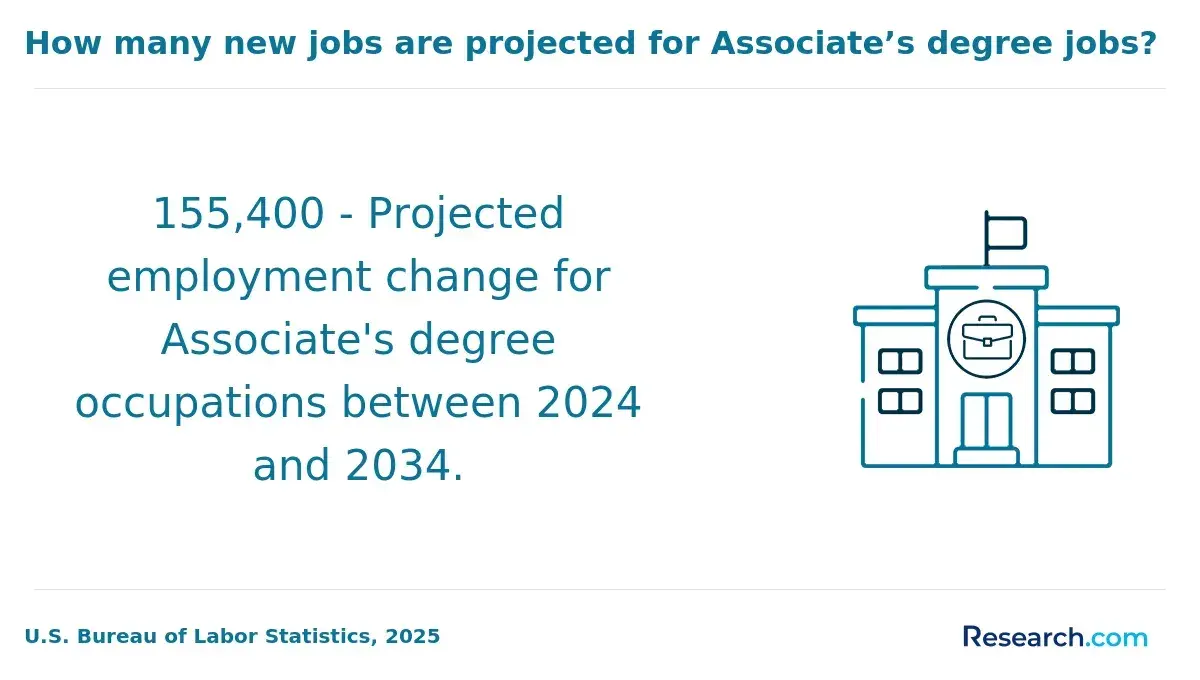
A construction management degree can support salary growth for working adults, but it does not guarantee a raise by itself. Salary outcomes depend on role, employer, location, project size, union or nonunion environment, experience, specialization, and the student's ability to move into higher-responsibility positions. Annual salaries typically range from $65,000 to over $100,000 depending on experience and location.
The degree is most likely to affect earnings when it helps a worker qualify for positions involving budget authority, team leadership, contract responsibility, safety oversight, scheduling, estimating, or client communication. It may also help experienced workers become stronger candidates for promotion when employers require or prefer a bachelor's or master's degree for management roles.
Factors that influence salary impact
- Industry Demand: Construction employers need managers who can control cost, schedule, quality, safety, and risk on complex projects. Demand can improve salary prospects in competitive markets.
- Role Advancement: A degree may help professionals move from field or coordination roles into assistant project manager, project manager, superintendent, estimating manager, or operations roles.
- Employer Policies: Some employers tie pay increases, promotions, or bonus eligibility to completed degrees, while others reward performance and experience more heavily.
- Years of Experience: The strongest salary gains often occur when formal education is combined with substantial field experience. A degree without relevant experience may have a smaller immediate effect.
- Specialization: Skills in sustainable construction techniques, advanced project management software, estimating, safety, or large-scale project controls can improve marketability.
- Geography and project type: Compensation can vary by region and by whether a professional works in residential, commercial, industrial, infrastructure, or specialty construction.
How to evaluate return on investment
- Compare total program cost with realistic promotion or salary opportunities at your current employer.
- Ask supervisors or HR whether the degree affects advancement eligibility.
- Review job postings for target roles and note whether a degree is required, preferred, or not mentioned.
- Consider whether the program builds skills you can apply immediately on the job.
- Use employer reimbursement when available to reduce personal financial risk.
Working adults comparing flexible undergraduate formats can review an accelerated bachelor's degree guide to understand how compressed scheduling may affect workload, completion time, and career planning.
What Jobs Can Working adults Get With a Construction Management Degree?
A construction management degree can help working adults move into roles that require planning, budgeting, coordination, compliance, leadership, and communication across multiple stakeholders. For people already in the field, the degree can validate hands-on experience and make it easier to compete for management positions. For career changers with related technical or military experience, it can provide the construction-specific foundation employers expect.
Job titles vary by employer, project size, and region. Smaller companies may combine responsibilities under one role, while larger firms may separate estimating, scheduling, safety, procurement, and project controls.
Common career paths
- Project Manager: Oversees projects from preconstruction through closeout, including budgets, schedules, teams, subcontractors, documentation, and client communication. A construction management degree can strengthen planning, financial, and leadership skills for this role.
- Construction Superintendent: Manages daily jobsite operations, coordinates trades, monitors progress, enforces safety expectations, and solves field problems. Coursework in safety, scheduling, materials, and methods supports this position.
- Estimating Manager: Leads cost estimating, bid preparation, quantity takeoffs, subcontractor pricing, and proposal strategy. Construction management education can improve understanding of labor, materials, risk, and market conditions.
- Facilities Manager: Oversees the maintenance and operation of buildings or property portfolios after construction. This role benefits from knowledge of building systems, budgeting, vendor management, and long-term asset performance.
- Construction Consultant: Advises owners, contractors, or organizations on feasibility, cost, scheduling, claims, compliance, quality, or risk. Advanced education and strong field experience are especially valuable in consulting work.
- Project Controls Specialist: Tracks budgets, schedules, forecasts, progress data, and performance metrics to help project leaders make informed decisions.
- Safety Manager: Develops and monitors safety programs, supports regulatory compliance, investigates incidents, and works with site teams to reduce hazards.
- Preconstruction Manager: Coordinates early planning, estimating, design input, constructability reviews, bid strategy, and owner communication before construction begins.
How to use the degree during a job search
- Connect coursework to measurable job outcomes, such as improved scheduling, better documentation, stronger safety practices, or more accurate estimates.
- Update your resume with software, capstone projects, certifications, and leadership experience.
- Use current work projects as examples in interviews when appropriate and allowed by confidentiality rules.
- Target roles that match both your degree and your field experience rather than relying on the credential alone.
Working adults looking broadly at short, career-focused education options can compare fast degrees online while keeping in mind that construction management roles usually reward both education and substantial practical experience.
Overall, job opportunities with a construction management degree extend beyond entry-level trades work. The degree can help experienced adults compete for management, operations, estimating, safety, consulting, and project leadership positions that depend on both technical judgment and business skill.
What Graduates Say About Their Construction Management Degrees for Working Adults
- : "Choosing an online construction management degree while working full-time was a game changer for me. The average cost hovered around $20,000, which felt like a smart investment compared to traditional programs, especially since I could keep earning while learning. Completing the program not only boosted my confidence but also opened doors to a senior project manager role faster than I expected. —Otis"
- : "Pursuing a part-time construction management degree was a deliberate choice to balance work and education. Reflecting back, the cost-usually between $15,000 to $25,000-was reasonable given the flexibility and quality of instruction. The degree helped me gain credibility with clients and led to a steady career advancement in the construction industry. —Ronan"
- : "I decided to enroll in an online construction management program due to the convenience it offered alongside my demanding job schedule. While the cost was slightly intimidating at first, averaging around $18,000, it felt justified once I saw the direct impact on my career growth and salary increase. Earning this degree truly gave me a competitive edge in the market. —Brooks"
Other Things You Should Know About Construction Management Degrees
Working adults in construction management programs often grapple with time management, balancing work, family responsibilities, and study commitments. Additionally, staying updated with evolving industry technologies while juggling professional obligations can be challenging. Supportive program structures and flexible learning options are critical to successfully navigating these challenges.
Online construction management degrees can be as effective as on-campus alternatives when offered by accredited institutions. They provide flexible scheduling and allow working adults to study without relocating or interrupting their careers. However, success depends on the program's curriculum quality, faculty expertise, and availability of practical or internship opportunities.
Many construction management master's programs do not require the GRE, especially for applicants with a bachelor’s degree in construction, engineering, or a related field. When a school does require it, the admission page usually lists the test and minimum score, which is often waived for applicants with substantial professional experience.
References
- ONLINE STUDENT SUPPORT - CEI https://constructionclasses.com/construction-students/online-student-support/
- Online Construction Management Bachelor Degree Program https://www.national.edu/degreecert/construction-management-bs/
- Construction Management, Bachelor of Technology, Full-time/Part-time (8800BTECH) - BCIT https://www.bcit.ca/programs/construction-management-bachelor-of-technology-full-time-part-time-8800btech/
- Occupational Student Support Services https://students.delta.edu/occupational-support-services/index.html
- AWARDS & SCHOLARSHIPS https://www.acce-hq.org/awards-scholarships
- Construction Management | UCLA Extension https://www.uclaextension.edu/engineering/civil-environmental-engineering/certificate/construction-management
- Courses & Training https://www.cmaanet.org/education-training/courses-training
- Construction Management, BS https://www.ccsu.edu/programs/construction-management-bs
- Best Online Construction Management Degrees 2025 https://www.onlineu.com/degrees/construction-management
- 5 Tips for What You Can Do With a Construction Management Degree https://aic-builds.org/5-tips-for-what-you-can-do-with-a-construction-management-degree/


