
2027 Different Types of Construction Management Degrees and Their Salaries

Co-Founder and Chief Data Scientist
Choosing a construction management degree is not just a question of earning a credential. It is a decision about how quickly you want to enter the field, what kinds of projects you want to manage, how much debt you can reasonably take on, and whether you are aiming for field supervision, project leadership, executive roles, consulting, or research.
Construction management sits at the intersection of building science, budgeting, scheduling, safety, contracts, and people management. As projects become more complex and technology-driven, employers increasingly look for candidates who can coordinate teams, control costs, manage risk, and communicate across owners, architects, engineers, subcontractors, and regulators.
This guide explains the main types of construction management degrees, how long they take, what they cost, which jobs they can lead to, how salaries differ by education level, and what to consider before choosing a program. It is designed for high school graduates, working tradespeople, transfer students, career changers, and construction professionals deciding whether another credential is worth the time and expense.
Key Points About Different Types of Construction Management Degrees and Their Salaries
- Graduates holding a bachelor's degree in construction management typically earn higher entry-level salaries, around $65,000 annually, compared to associate degree holders who start closer to $45,000, reflecting the broader career opportunities available with a four-year program.
- Master's degree holders in construction management can access senior management and specialized roles which average salaries above $95,000 per year, demonstrating the value of advanced education for long-term career growth in the industry.
- The U.S. Bureau of Labor Statistics projects a 10% growth in construction management jobs through 2032, with those holding higher degrees benefiting most from competitive salaries and leadership positions across both private and public sectors.
What Are the Different Types of Construction Management Degrees Available?
Construction management degrees are available at several levels, and each one serves a different purpose. The right choice depends on your current education, work experience, career target, and how much time you can commit to school.
In general, lower-level credentials help you enter the field faster, while bachelor’s and graduate degrees are better suited for project management, senior leadership, consulting, and academic or research careers.
| Degree Type | Best Fit | Typical Career Direction |
| Associate Degree in Construction Management | Students seeking a faster, lower-cost entry point into construction careers | Field support, estimating assistance, construction technician, assistant supervisory roles |
| Bachelor's Degree in Construction Management | Students who want the standard credential for many construction management positions | Project manager, construction manager, site supervisor, scheduler, estimator |
| Master's Degree in Construction Management | Professionals seeking senior leadership, specialization, or advancement into larger projects | Senior project manager, operations manager, consultant, construction executive |
| Doctoral (Ph.D.) Degree in Construction Management | Students focused on research, university teaching, policy, or high-level consulting | Professor, research director, construction innovation specialist, industry consultant |
| Certificate in Construction Management | Working professionals or career changers who need targeted skills without a full degree | Skill upgrade, management transition, safety or project coordination support |
An associate degree usually emphasizes practical fundamentals such as construction methods, materials, codes, site safety, and basic project coordination. It can be a smart option if you want to start working quickly or later transfer into a bachelor’s program.
A bachelor’s degree provides broader preparation in construction science, project controls, contract administration, legal issues, business operations, communication, and leadership. For many students, it offers the strongest balance between career mobility and time investment.
A master’s degree is most useful when you already have construction experience or a related bachelor’s degree and want to move into complex project delivery, cost control, sustainability, risk management, or executive decision-making. A doctoral degree is more specialized and is usually unnecessary unless your goal is research, teaching, policy work, or elite consulting.
Certificates are narrower than degrees. They can be valuable for professionals who already understand the construction environment but need formal training in management, safety, estimating, scheduling, or project delivery.
What Specializations Are Available in Construction Management Degrees?
Specializations help you align your education with the sector where you want to work. Construction management is not one uniform career path: managing a highway project is different from managing a residential subdivision, a hospital expansion, a commercial tower, or a green building retrofit.
When comparing programs, look beyond the degree title. Review electives, faculty expertise, internship partners, software training, capstone projects, and whether the curriculum reflects the type of construction you want to enter.
- Commercial Construction Management: Focuses on non-residential projects such as office buildings, retail centers, warehouses, hospitals, and mixed-use developments. Students build skills in budgeting, scheduling, procurement, stakeholder coordination, and subcontractor management. Common roles include commercial project manager, assistant project manager, site supervisor, and project engineer.
- Residential Construction Management: Centers on single-family homes, multi-unit housing, subdivisions, and residential development. This path emphasizes building codes, client communication, cost estimating, permitting, scheduling, and quality control. It is a strong fit for students interested in homebuilding, housing development, remodeling, or residential project supervision.
- Heavy Civil Construction Management: Prepares students for infrastructure work such as highways, bridges, water treatment plants, utilities, and transportation systems. It requires comfort with civil engineering concepts, public-sector regulations, safety planning, environmental requirements, and complex logistics. Graduates may pursue roles such as civil construction manager, project engineer, or infrastructure project coordinator.
- Sustainable Construction Management: Focuses on energy-efficient buildings, green materials, waste reduction, environmental performance, and certifications such as LEED. This specialization can be useful for students who want to work in green building, sustainability consulting, energy retrofits, or environmentally responsible project delivery.
- Real Estate Development: Combines construction management with finance, market analysis, land use, risk assessment, negotiation, and development strategy. This path is best for students interested in overseeing projects from concept and financing through construction and occupancy. Graduates often pursue roles such as development manager, owner’s representative, or real estate project executive.
If you are considering long-term research or academic pathways related to construction, engineering, or the built environment, you may also want to compare doctoral expectations carefully; resources that discuss which phd is easiest to get can provide broader context, though construction management doctorates are usually research-intensive and should be chosen for fit rather than perceived ease.
How Long Does It Take to Complete Each Type of Construction Management Degree?
Program length matters because it affects your tuition cost, opportunity cost, work schedule, and time to career advancement. Construction management programs can vary widely depending on whether you study full-time or part-time, transfer prior credits, enroll online, or choose an accelerated format.
| Credential | Typical Full-Time Completion Time | What Can Change the Timeline |
| Associate Degree in Construction Management | About two years | Part-time enrollment, remedial coursework, transfer credits, summer courses, online pacing |
| Bachelor's Degree in Construction Management | Usually four years | Associate degree transfer, prior credits, internships, co-ops, accelerated terms, part-time study |
| Master's in Construction Management | Often one to two years beyond a bachelor's degree | Full-time or part-time status, thesis or non-thesis format, employer schedule, online delivery |
| Doctorate in Construction Management | Typically three to five years | Research scope, dissertation progress, faculty advising, publication requirements, part-time enrollment |
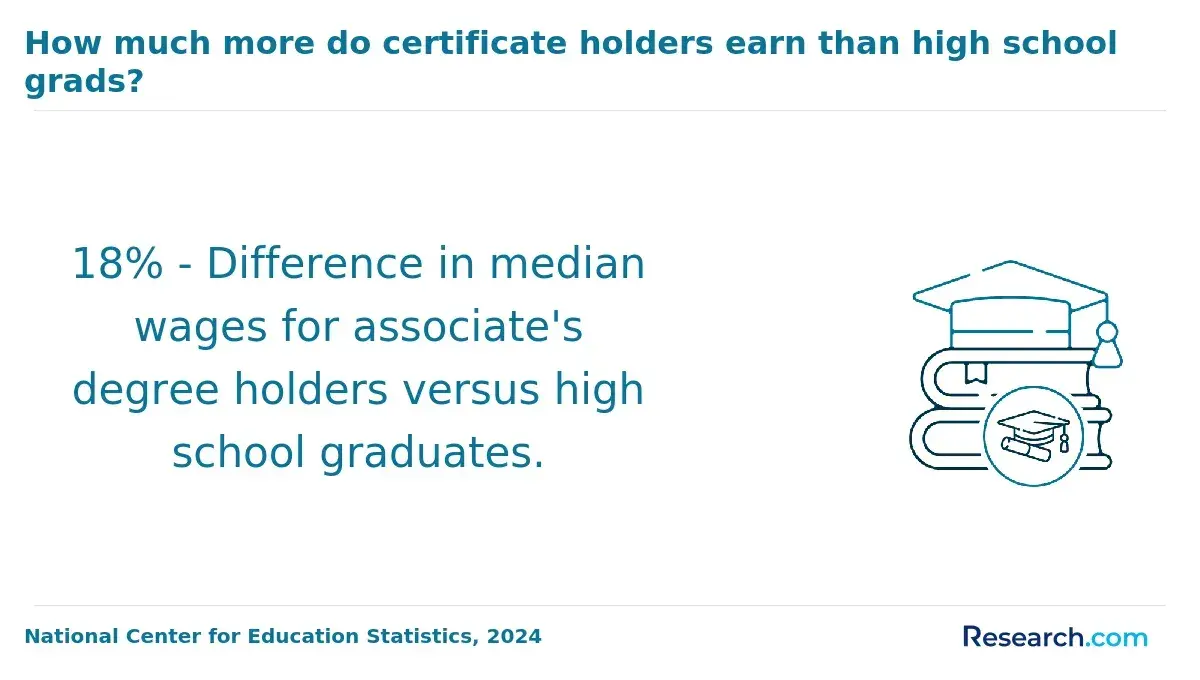
An associate degree is usually the fastest degree route into the field and can be especially practical for students who want to work while continuing toward a bachelor’s later. A bachelor’s degree takes longer, but it usually provides broader access to management-track positions.
Master’s programs are often designed for working professionals, so many offer evening, hybrid, or online options. However, part-time study can stretch a program beyond the shortest advertised timeline. Doctoral programs are the least predictable because completion depends heavily on research progress and dissertation approval.
Before enrolling, ask the school for a realistic degree plan based on your actual situation: transfer credits, work hours, family responsibilities, required internships, and course availability. The fastest advertised option is not always the most realistic option.
Breakdown of Public Fully Online Title IV Institutions

Are There Accelerated Construction Management Degree Programs?
Yes. Accelerated construction management degree programs are available in the United States, especially at the bachelor’s and master’s levels. They are designed to shorten completion time through compressed courses, year-round calendars, transfer credit, credit for relevant work experience, or combined degree pathways.
Common accelerated formats include 5- to 10-week sessions, multiple start dates, summer terms, online coursework, and dual BS/MS structures that allow students to begin graduate-level courses before finishing the bachelor’s degree. Some online bachelor's degrees in construction management can be finished in 2 to 3 years rather than the usual four. At the graduate level, accelerated master's programs typically require between 30 and 45 credits and can be completed in as little as 18 months.
Students comparing flexible or faster pathways may find that a construction management online degree is worth considering if they need to keep working while completing coursework.
Acceleration has trade-offs. Shorter terms mean less time to absorb technical material, complete projects, and recover between deadlines. A compressed schedule can be especially demanding in courses involving estimating, scheduling software, construction documents, contracts, and group project simulations.
- Best suited for: motivated students with strong time management, prior college credit, relevant construction experience, or a clear career goal.
- Potential advantages: faster graduation, earlier workforce entry, reduced opportunity cost, and possible credit for previous learning or work experience.
- Potential drawbacks: heavier weekly workload, limited breaks, strict assignment timelines, and less flexibility if work or family demands increase.
- Admission considerations: some accelerated tracks require a minimum GPA, prerequisite coursework, professional experience, or approval for credit-for-experience options.
While accelerated programs can speed up entry into construction management careers that, according to recent U.S. Bureau of Labor Statistics data, have a median salary over $100,000, they are not automatically the best choice for every student. A slower program may be better if you need more time for internships, licensing-related experience, employer-sponsored training, or family responsibilities.
A graduate of an accelerated construction management program described the experience as "intense but rewarding." He said balancing short course sessions with part-time work "tested my discipline every week" and that each class felt "like a marathon rather than a sprint." Transfer credit for work experience helped, but he still described the schedule as "a nonstop cycle of projects and exams." His conclusion: the accelerated path was demanding, but it strengthened the time management skills he later needed on construction projects.
Are Online Construction Management Degrees as Credible as Traditional Ones?
Online construction management degrees can be as credible as campus-based degrees when they come from reputable, properly accredited institutions and include rigorous coursework, qualified faculty, practical assignments, and industry-relevant tools. Employers generally care more about the school, curriculum, accreditation, experience, and demonstrated skills than whether courses were completed online or in person.
Many universities use the same syllabi, learning outcomes, assessments, and faculty standards for online and campus programs. In construction management, online programs often rely on project simulations, estimating assignments, scheduling software, construction document analysis, recorded lectures, discussion boards, virtual teamwork, and sometimes local internships or field-based projects.
Research from East Carolina University found that students in online construction management courses performed as well or slightly better than their on-campus counterparts, with statistically significant higher grade distributions for online learners. This does not mean every online program is strong, but it does show that online delivery can support rigorous learning when the program is well designed.
Credibility depends on several factors:
- Accreditation: Choose an institution with recognized accreditation, and check whether the construction management program has relevant programmatic recognition where applicable.
- Curriculum quality: Look for coursework in estimating, scheduling, safety, contracts, project controls, building systems, construction law, and leadership.
- Faculty experience: Strong programs often include instructors with real construction, engineering, architecture, or project management backgrounds.
- Hands-on learning: Online students should still complete applied projects, software-based assignments, capstones, internships, or field experiences.
- Employer perception: Degrees from reputable accredited institutions are more likely to be respected than degrees from poorly known or unaccredited providers.
Recent trends show growing employer acceptance of online construction management degrees, especially from established universities. Studies by BestColleges indicate that online degrees can be cost-effective, potentially saving students over $30,000 compared to traditional programs, while also showing comparable or higher student retention rates-ranging from 25% to 60% for online versus 8% to 10% for traditional programs.
The safest approach is to evaluate an online program the same way you would evaluate an on-campus program: verify accreditation, compare curriculum depth, review outcomes, ask about career services, and confirm whether local field experience or internships are required.
How Much Does Each Type of Construction Management Degree Typically Cost?
Construction management degree costs vary by credential level, school type, residency status, delivery format, transfer credits, and financial aid. Tuition is only one part of the total cost. Students should also budget for fees, books, software, transportation, tools, housing, lost work hours, and potential internship expenses.
| Program Type | Typical Tuition Range Stated | Cost Considerations |
| Associate Degree in Construction Management | $8,000 to $20,000 total | Often most affordable at public community colleges; transfer pathways can reduce later bachelor’s costs |
| Bachelor's Degree in Construction Management | $15,000 and $25,000 per year; around $60,000 to $100,000 for four years at public institutions | Non-resident and private tuition can be higher; online options may reduce housing or commuting costs |
| Master's in Construction Management | $11,000 and $27,000 per year; $20,000 to $55,000 over two years | Employer tuition assistance can be especially important for working professionals |
| Graduate Certificates in Construction Management | $8,500 and $14,000 | Shorter and more targeted than a degree; may qualify for employer reimbursement or professional development funding |
Associate degrees generally cost less because they are shorter and often offered by community colleges. Bachelor’s degrees require a larger commitment, but they may qualify graduates for a wider range of management-track roles. Some online bachelor’s programs cost as low as $8,774 annually after financial aid.
Master’s degrees can be worthwhile for professionals aiming for senior project leadership, operations roles, consulting, or specialized areas such as sustainability, risk, or real estate development. However, graduate school should be evaluated against likely career gains, employer support, and whether the degree is necessary for the roles you want.
Before choosing a program, compare the net price, not just the advertised tuition. Ask each school about transfer credit, scholarships, grants, employer partnerships, military benefits, payment plans, and whether students commonly work while enrolled.
When I spoke with a graduate from a construction management degree program, she said careful financial planning was essential. She balanced part-time work with coursework and actively pursued scholarships, which "made a real difference" in managing tuition fees.
Looking back, she said the upfront cost felt intimidating, but the practical skills and credential helped her qualify for better roles sooner. Her advice was simple: research financial aid early, avoid borrowing more than necessary, and treat the degree as an investment that still needs a realistic repayment plan.
What Jobs Can You Get with Each Type of Construction Management Degree?
Your degree level can influence which construction roles you qualify for, but it is not the only factor. Employers also weigh field experience, internships, technical skills, safety knowledge, leadership ability, certifications, and familiarity with construction software.
In many cases, construction careers progress through a combination of education and experience. A degree can help you enter the management track, but jobsite credibility and project results matter heavily for advancement.
- Associate Degree in Construction Management: Graduates often begin in support or entry-level field roles such as field engineer, construction technician, estimating assistant, assistant superintendent, or project coordinator. These positions may involve site documentation, quantity takeoffs, safety support, schedule updates, and coordination between field and office teams.
- Bachelor's Degree in Construction Management: A bachelor’s degree can qualify graduates for roles such as construction manager, project manager, assistant project manager, site supervisor, scheduler, estimator, and project engineer. Responsibilities may include budgets, contracts, safety compliance, subcontractor coordination, procurement, schedule oversight, and client communication.
- Master's Degree in Construction Management: Master’s graduates often pursue senior project manager, construction executive, operations manager, program manager, consultant, or owner’s representative roles. Their work may involve strategic planning, risk management, business development, claims analysis, and leadership of large or complex projects. Advanced construction management can also overlap with fields listed among high paying master's degrees, particularly when paired with strong experience and leadership responsibility.
- Doctorate (PhD) in Construction Management: PhD holders typically work in academia, research, policy, or specialized consulting. Possible roles include university professor, research director, construction innovation analyst, or expert consultant. These careers are less focused on day-to-day jobsite management and more focused on developing knowledge, improving systems, teaching, or advising organizations.
Students should also note that job titles vary by company. One employer’s “project engineer” may be an entry-level coordination role, while another employer may expect several years of technical experience. Always read job descriptions carefully and compare required experience, software skills, safety training, and travel expectations.
How Do Salaries Differ by Construction Management Degree Type?
Salaries in construction management tend to rise with responsibility, experience, project complexity, location, and employer size. Degree level can help open doors, but it does not guarantee a specific salary. A bachelor’s graduate managing major commercial projects in a high-cost market may out-earn a graduate degree holder in a smaller organization or lower-paying sector.
| Degree Type | Salary Information Stated | What Usually Drives Pay |
| Associate Degree in Construction Management | $45,000 to $65,000 per year for many entry-level roles | Local demand, jobsite experience, trade knowledge, employer size, project type |
| Bachelor's Degree in Construction Management | $65,000 and $105,000 for entry-level salaries; median salary of $106,980 in 2024 according to the U.S. Bureau of Labor Statistics | Management responsibility, region, sector, internships, technical skills, leadership ability |
| Master's Degree in Construction Management or Related Field | $120,000 to $165,000 or more for experienced professionals | Senior project leadership, large commercial or infrastructure work, consulting, certifications, executive responsibility |
| Doctoral Degree (PhD) in Construction Management | $90,000 to $150,000 or more for senior faculty and consultants | Research reputation, consulting expertise, publication record, institution type, industry specialization |
Associate degree holders often start in field support, estimating, or assistant roles. Their pay can grow with experience, but some employers may require a bachelor’s degree for promotion into full project manager or construction manager positions.
A bachelor’s degree is commonly viewed as the standard credential for many construction management careers. It can support earlier access to budgeting, scheduling, supervision, and client-facing responsibilities. According to the U.S. Bureau of Labor Statistics, the median salary for those holding this degree was $106,980 in 2024.
Master’s degrees can support higher earnings when they are paired with substantial experience and responsibility. The degree itself is usually not enough; employers typically pay more for professionals who can lead large teams, reduce risk, manage complex budgets, resolve claims, and deliver projects reliably.
Doctoral salaries vary because PhD careers often differ from traditional construction management roles. Academic compensation, research leadership, and specialized consulting depend on reputation, expertise, and institutional or client demand.
Students comparing speed, cost, and payoff may also want to review broader education options such as quick college degrees that pay well to understand how construction management compares with other career-oriented programs.
Is There High Demand for Construction Management Degree Holders in the Job Market?
Yes. Construction management degree holders face strong demand in the US job market, especially when they combine formal education with field experience, technology skills, safety awareness, and the ability to coordinate complex teams.
Demand is driven by construction activity, labor shortages, infrastructure and manufacturing investments, retirements, and the industry’s growing use of digital tools. Technologies such as Building Information Modeling (BIM), cloud-based project management platforms, and drones are changing how projects are planned, monitored, and delivered. For instance, 73% of firms on the West Coast use BIM, and more than half rely on drones for site inspections.
The construction sector averaged 382,000 job openings per month between August 2023 and July 2024, reflecting a persistent need for qualified workers and managers. Regional demand also varies. Urban hubs like Los Angeles, San Francisco, and Seattle show particularly strong demand and a 5% year-over-year rise in average salaries to attract qualified candidates.
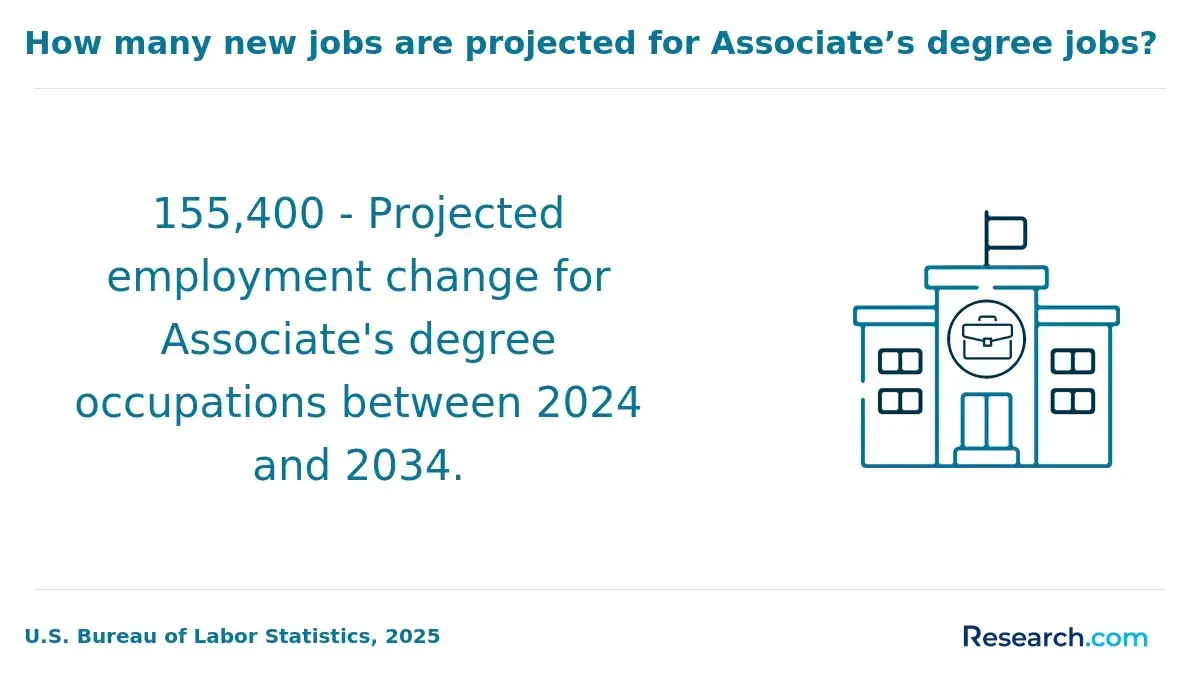
The job market includes approximately 505,800 construction managers currently, with an anticipated growth rate of 9% from 2024 to 2034 and about 46,800 openings expected in that period due to retirements and infrastructure expansion. Graduates with degrees in construction management, construction science, or civil engineering are especially sought after.
Certifications such as the Certified Construction Manager (CCM) can provide a competitive edge, particularly for candidates pursuing leadership roles or seeking to distinguish themselves from applicants with similar degrees. Students who need flexibility while managing work and school costs may also compare options such as the cheapest online colleges for working students.
Overall, the outlook is favorable, but students should avoid assuming that a degree alone will secure a high-paying role. The strongest candidates usually have internships, field exposure, software competence, communication skills, and a clear understanding of the sector they want to enter.
What Factors Should You Consider When Picking a Type of Construction Management Degree?
The best construction management degree is the one that matches your career goal, budget, timeline, experience level, and preferred learning format. A more advanced degree is not always the better choice. For some students, an associate degree plus work experience is the smartest starting point. For others, a bachelor’s degree or master’s degree is necessary to reach management or executive roles.
- Career Goals: Start with the role you want. An associate degree may support entry-level field or office roles, while a bachelor's degree is generally required for many construction manager positions in the US. Master's and doctoral degrees are better suited for senior management, consultancy, research, or academic careers.
- Salary Expectations: Higher degrees can improve access to better-paying roles, but salary depends heavily on experience, project size, location, and responsibility. Construction managers with a bachelor's degree had a median annual wage of $101,480 in 2023. Advanced degrees can qualify you for senior or executive roles that often provide higher salaries.
- Time Commitment: Associate degrees typically take two years, bachelor's degrees four, and master's degrees an additional two beyond the bachelor's. Certificates and NVQs offer quicker, more flexible options, often compatible with full-time work. Consider whether you can realistically manage the weekly workload, especially in accelerated or online formats.
- Professional Experience and Prerequisites: Some programs, such as NVQ Level 6 or 7, require you to be employed in the field with several years of experience. These are usually better for workers formalizing existing expertise than for students with no construction background.
- Specialization and Curriculum: A broad construction management curriculum is useful if you are still exploring the field. A specialization may be better if you already know you want commercial, residential, heavy civil, sustainable construction, or real estate development.
- Accreditation and Industry Recognition: Verify that the institution is properly accredited and that the program is respected by employers. If you plan to pursue professional memberships or certifications, confirm that the degree supports those pathways.
- Flexibility and Learning Format: Online and hybrid programs can help working adults, parents, military students, and career changers. However, make sure the format still includes applied learning, software practice, faculty access, and career support.
- Total Cost and Financial Aid: Compare net price after grants, scholarships, employer assistance, and transfer credits. A cheaper program is not always better if completion rates, support, or employer recognition are weak.
- Internships and Employer Connections: Construction is relationship-driven. Programs with strong employer partnerships, internships, career fairs, and alumni networks can improve your chances of landing relevant work before graduation.
A practical way to decide is to work backward from job postings. Find roles you want in your target region, list the required education and experience, and then choose the least expensive credible program that helps you meet those requirements.
What Construction Management Graduates Say About Their Degree and Salary
- : "Completing my bachelor's degree in construction management opened doors I did not expect. The curriculum gave me technical training, but it also taught me how to communicate with teams, read project documents, and think about sustainable building practices. The program's industry connections helped me move into a role at a major firm after graduation, and that stability made the degree feel worthwhile. — Latoya"
- : "My associate degree in construction management helped me move from hands-on work into more responsibility on site. Balancing school with family was difficult, but the practical coursework made the effort feel connected to my job from the start. I learned scheduling basics, safety expectations, and how supervisors think through daily problems. The classmates and instructors I met still support my career growth. — Diego"
- : "An online master's program in construction management gave me the flexibility to keep working full-time while building stronger skills in project finance and risk management. That training became directly useful in my work on multi-million dollar infrastructure projects. The degree was demanding, but it expanded my professional network and helped me take on larger responsibilities. — Mei"
Other Things You Should Know About Construction Management Degree Programs & Salaries
In 2027, graduates with a bachelor's degree in construction management can expect an average salary ranging from $65,000 to $95,000 annually. Factors such as location, experience, and additional certifications can significantly influence these earnings.
The most relevant exam is the Certified Construction Manager (CCM) exam from the Construction Management Association of America. Candidates need a four-year degree plus four years of construction management experience, or additional qualifying experience without the degree. Passing it can strengthen salary negotiations and senior-level job prospects.
References
- What Is a Construction Managerâs Salary? https://www.coursera.org/articles/construction-manager-salary
- How Credible Are Online Degrees? And are they worth it? https://potomac.edu/are-online-degrees-taken-seriously-by-employers/
- How to choose a bachelor's in construction management | edX https://www.edx.org/resources/how-to-choose-a-bachelors-in-construction-management
- Construction Management Degree - Wayne State College Nebraska https://www.wsc.edu/construction-management-degree
- What can you do with a construction management degree? - FutureLearn https://www.futurelearn.com/info/blog/what-can-you-do-with-construction-management-degree
- Salary Construction Manager - Poland https://www.pensjometr.pl/en/salaryinfo/construction-real-estate/construction-manager
- Types of Construction Degrees - Everglades University https://www.evergladesuniversity.edu/blog/types-construction-degrees/
- 5 Things to Consider Before Getting a Construction Management Degree https://esub.com/blog/5-things-for-construction-management-degree
- A Look at the Different Construction Management Jobs on the Jobsite https://www.hie-ce.com/blog/a-look-at-the-different-construction-management-jobs-on-the-jobsite
- Online Master's in Construction Management (Accelerated) | NEIT https://www.neit.edu/academics/graduate-degrees/construction-management-ms


