
2027 Construction Management Degree Programs for Career Changers

Co-Founder and Chief Data Scientist
Changing careers into construction management is a practical move for professionals who already know how to manage people, budgets, timelines, vendors, or complex operations but need construction-specific training. The challenge is choosing a program that respects prior experience, fits around work and family responsibilities, and leads to realistic job options.
Construction management sits at the intersection of business, engineering, safety, contracts, and field operations. According to the Bureau of Labor Statistics, employment in construction management is projected to grow 11% from 2022 to 2032, which makes the field attractive for career changers who want a more hands-on leadership role in a growing industry.
This guide explains which construction management programs tend to work best for adult learners, what specializations to consider, what admissions committees may expect, how coursework supports a career transition, what formats are available, how much programs may cost, and what career and salary outcomes to evaluate before enrolling.
Key Things to Know About Construction Management Degree Programs for Career Changers
- Many programs offer flexible scheduling with evening, weekend, or asynchronous online classes, enabling working adults to balance jobs and studies effectively.
- Online or hybrid formats provide access to quality construction management education without geographic constraints, expanding opportunities for career changers nationwide.
- Accelerated courses and dedicated support services, including tutoring and career advising, help transition adults complete degrees faster and enhance employer-relevant skills.
What Construction Management Programs Accept Career Changers?
Many construction management programs accept career changers, especially those designed for working adults, transfer students, military-connected learners, and applicants with experience in business, skilled trades, engineering support, logistics, facilities, real estate, finance, or operations. Adult learners account for more than 40% of graduate program enrollments nationally, so many schools now build programs around nontraditional pathways rather than assuming every applicant is coming directly from high school or a traditional undergraduate track.
The best fit depends on your previous education, how quickly you want to transition, and whether you need a full degree or a shorter credential.
- Online Degree Programs: Online construction management programs are often the most practical option for career changers who cannot pause work. They may offer asynchronous coursework, remote collaboration, and digital project tools. Before enrolling, confirm whether any labs, site visits, internships, or proctored exams require in-person attendance.
- Accelerated Programs: Accelerated tracks may allow students to move through coursework more quickly, especially when transfer credits or prior learning are accepted. They can be useful for career changers who already have college credits or industry-adjacent experience and want a shorter path into construction management. Students comparing speed-focused options can also review a fast track construction management degree to understand how accelerated online formats are structured.
- Part-Time or Evening Programs: These programs are built for adults who need predictable scheduling while remaining employed. They usually take longer than full-time study, but they reduce the risk of burnout and make it easier to apply coursework to current work responsibilities.
- Graduate Certificate Programs: Certificates can be a strong option for people who already hold a degree in another field and need targeted construction management knowledge rather than a second full degree. They typically focus on areas such as estimating, scheduling, contracts, safety, or project controls.
Career changers should review admissions requirements carefully and ask whether the program evaluates professional experience, accepts transfer credits, offers credit for prior learning, or provides academic advising for adult learners. For comparison across flexible online education models, readers may also review AI degrees online.
What Construction Management Specializations Are Best for Career Changers?
The best specialization is the one that connects your existing strengths to construction industry needs. Employment in construction management is projected to grow 11% from 2022 to 2032 according to the U.S. Bureau of Labor Statistics, but opportunities vary by region, project type, employer, and specialization. Career changers should choose a focus that makes their previous experience easier to explain to employers.
| Specialization | Best Fit for Career Changers With Experience In | Why It Works |
| Project Management | Operations, business administration, logistics, military leadership, team supervision | Builds on planning, coordination, communication, and decision-making skills while adding construction-specific scheduling, procurement, and field coordination. |
| Cost Estimation | Finance, accounting, procurement, analytics, sales operations | Uses quantitative judgment, budgeting, forecasting, and documentation skills to support bids, budgets, and cost control. |
| Sustainability and Green Building | Environmental work, public policy, energy, architecture support, facilities | Connects construction practices with environmental goals, building performance, materials decisions, and compliance priorities. |
| Safety Management | Healthcare safety, manufacturing, industrial operations, compliance, risk management | Leverages knowledge of procedures, training, audits, risk reduction, and regulatory awareness in construction jobsite settings. |
Project management is often the broadest specialization because it connects to many construction roles. Cost estimation can be a smart pivot for analytical professionals. Sustainability may appeal to learners who want to work on energy-conscious or environmentally focused building practices. Safety management can be especially suitable for professionals who already understand compliance, documentation, and workplace risk.
Career changers should avoid choosing a specialization only because it sounds high-paying or trendy. Review job postings in your target region, note recurring software and credential requirements, and compare those expectations with the curriculum. Learners considering other career-change fields may also compare program structure with accelerated social work programs.
What Are the Admission Requirements for Career Changers Applying to a Construction Management Program?
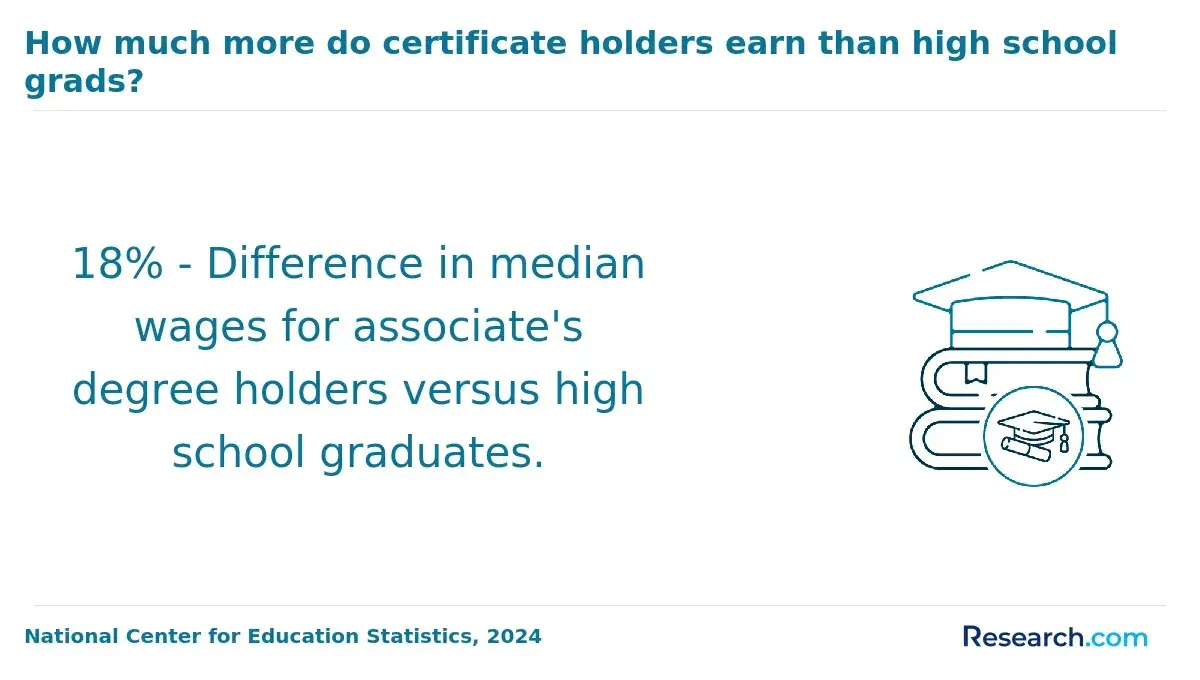
Admission requirements vary by school and degree level, but construction management programs that welcome career changers usually look for evidence of academic readiness, professional maturity, and a clear reason for entering the field. Nearly 40% of U.S. undergraduates are adult learners, and many institutions now provide more flexible admissions pathways for applicants whose experience does not fit a traditional profile.
- Educational Background: Undergraduate programs typically require a high school diploma or equivalent. Degree-completion programs may request prior college transcripts. Graduate programs usually require a bachelor’s degree, though the degree may not always need to be in construction if the applicant can show relevant experience or complete prerequisites.
- Relevant Experience: Construction experience can help, but it is not the only useful background. Admissions teams may value work in project coordination, procurement, facilities, real estate, business operations, finance, engineering support, safety, or the skilled trades. Applicants should clearly connect prior work to construction management responsibilities.
- Prerequisite Coursework: Some programs may expect prior coursework in math, business, physics, drafting, construction methods, or related subjects. If prerequisites are missing, ask whether they can be completed before enrollment, during the first term, or through approved transfer courses.
- Flexible Scheduling Needs: While flexibility is not an admission requirement, career changers should confirm before applying whether the program offers online, evening, weekend, part-time, or hybrid options. A strong admissions match is not useful if the schedule is impossible to maintain.
- Alternative Pathways: Some programs may consider portfolios, professional training, industry certifications, military experience, competency-based evaluations, or credit for prior learning. These options can matter for applicants with strong work histories but limited recent academic experience.
- Additional Documentation: Letters of recommendation, a resume, and a statement of purpose are commonly requested. The statement should explain why construction management is the next logical step, what experience the applicant brings, and how the program supports specific career goals.
A common mistake is submitting a generic application that does not translate prior experience into construction language. Instead of simply listing past job duties, applicants should highlight budgeting, scheduling, vendor coordination, safety awareness, documentation, supervision, problem-solving, and communication. Career changers comparing different professional pathways may also find it useful to examine how a MLIS degree handles admissions and career transition planning.
What Is the Coursework for a Construction Management Degree for Career Changers?
Construction management coursework gives career changers the technical and managerial foundation needed to understand how projects move from planning to completion. The goal is not only to teach construction vocabulary, but also to help students make decisions about cost, schedule, contracts, safety, quality, and risk.
- Construction Fundamentals: Covers building materials, methods, drawings, site processes, construction sequencing, and safety basics. This is especially important for learners without field experience because it explains how work actually happens on a jobsite.
- Project Management: Focuses on planning, scheduling, resource allocation, communication, and project execution. Career changers with management backgrounds often find this area familiar, but construction adds unique constraints such as weather, subcontractor coordination, inspections, and supply delays.
- Contract Administration and Legal Issues: Introduces contract types, change orders, claims, documentation, procurement, compliance, and dispute prevention. This coursework helps students understand why careful paperwork and communication are central to project success.
- Construction Technology: Examines software and digital tools used for estimating, scheduling, project documentation, collaboration, and construction planning. Students should ask which platforms are taught and whether software access is included in program costs.
- Cost Estimation and Financial Management: Teaches estimating methods, budgeting, cost tracking, cash flow awareness, and financial controls. This subject is valuable for career changers moving from finance, accounting, procurement, or operations.
- Safety and Risk Management: Helps students understand jobsite hazards, safety planning, training, incident prevention, and regulatory responsibilities. This is a key area for anyone pursuing supervisory roles.
Many programs also use case studies, group projects, simulations, and capstone assignments to connect classroom concepts to real construction decisions. For working adults, the strongest courses are those that require students to solve realistic problems: adjusting schedules, interpreting project documents, preparing estimates, responding to change orders, or evaluating safety risks.
A professional who completed an online construction management program described his experience as "a balancing act between work and study, but the structure was flexible enough to fit my schedule." He noted that industry-specific terminology was difficult at first, but "gradually, the hands-on projects helped make everything click." His experience shows why applied coursework matters for career changers: it turns unfamiliar construction concepts into repeatable professional skills.
What Construction Management Program Formats Are Available for Career Changers?
Construction management programs are available in several formats, and the right choice depends on schedule, learning style, budget, commuting distance, and how much hands-on support you need. Adult enrollment in online higher education programs increased more than 40% over the past 10 years, reflecting the growing demand for flexible study options.
| Program Format | Best For | Main Trade-Off |
| Online Programs | Working adults who need maximum schedule flexibility and limited commuting | Students must be self-directed and should confirm any in-person requirements before enrolling. |
| Hybrid Programs | Learners who want online convenience plus some face-to-face instruction or site-based activities | Campus visits or scheduled meetings may create travel and time constraints. |
| Evening and Weekend Classes | Students who prefer live instruction but work during regular business hours | The schedule can be demanding after long workdays or during weekends. |
| Part-Time Enrollment | Career changers balancing school with full-time work, caregiving, or financial obligations | The degree may take longer to complete, which can delay career transition plans. |
Online programs can be convenient, but students should look beyond flexibility. Ask whether the program includes live sessions, career services, internship support, access to faculty, peer collaboration, and construction-specific software. Hybrid programs may provide stronger hands-on learning, but they can be harder to manage if campus visits are frequent or unpredictable.
Part-time study is often the safest option for adults with heavy responsibilities, while accelerated or full-time study may be better for those who can temporarily reduce work hours. The right format is not necessarily the fastest one; it is the one you can complete without sacrificing academic performance, finances, or job stability.
What Skills Do Career Changers Gain in a Construction Management Program?
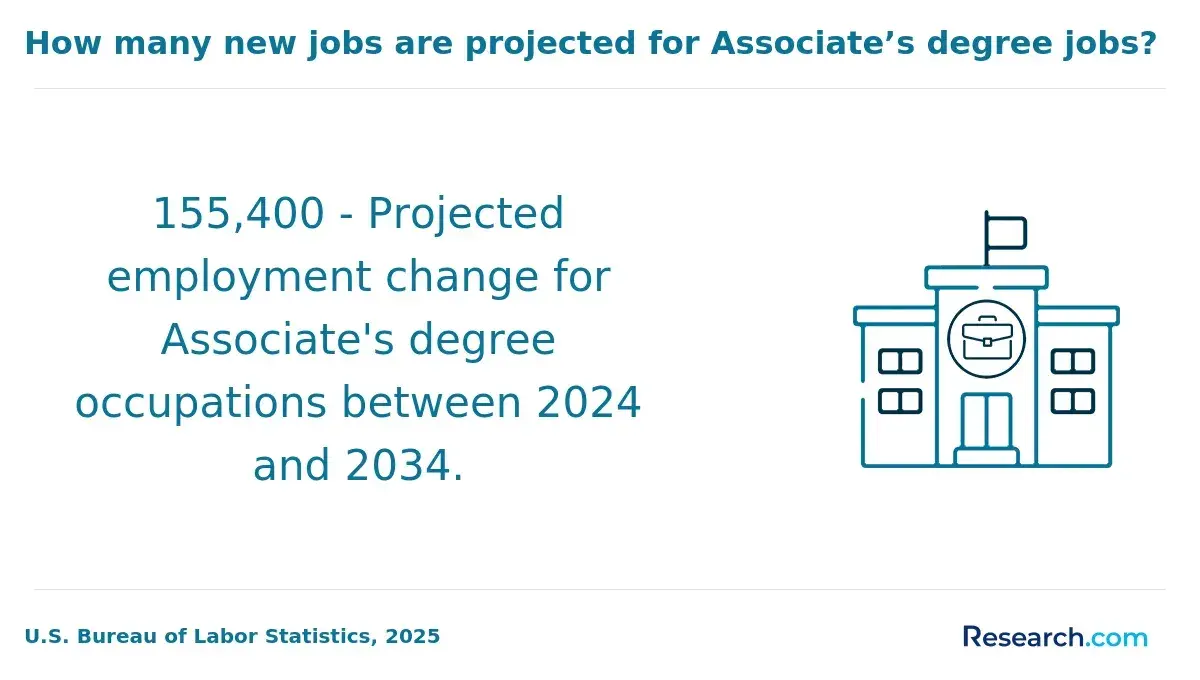
Career changers gain a blend of technical, financial, leadership, and field coordination skills. Research indicates that 87% of workers see reskilling as essential for sustaining long-term career success in today's fast-changing job environment, and construction management programs are designed to translate prior professional experience into industry-specific competence.
- Project Planning and Scheduling: Students learn how to organize construction activities, sequence work, identify dependencies, manage deadlines, and respond when conditions change. This skill is central to keeping projects moving.
- Budgeting and Cost Control: Programs train students to estimate costs, monitor expenses, review budgets, and recognize financial risks. These skills are especially transferable for learners from finance, procurement, accounting, or operations.
- Safety Management: Students learn how safety planning, training, jobsite procedures, and risk prevention support both worker protection and project performance.
- Leadership and Communication: Construction managers must communicate with owners, architects, engineers, subcontractors, suppliers, inspectors, and field crews. Programs help students build clear, practical communication habits for high-pressure project environments.
- Technical Proficiency: Coursework may introduce construction software, digital documentation systems, scheduling tools, estimating platforms, and collaboration technology. These tools help career changers compete for roles that require modern project controls.
- Decision-Making Under Constraints: Construction projects involve budget limits, weather delays, labor availability, supply issues, code requirements, and client expectations. Students learn to weigh trade-offs rather than look for perfect answers.
One career changer who completed a construction management degree said, "Transitioning from a different field wasn't simple. Initially, I had difficulty grasping some of the technical tools and industry jargon." She found that practical exercises helped her "apply lessons on budgeting and scheduling directly to case studies," which made the material easier to use.
She also found the leadership training valuable, especially learning how to communicate with different teams on real projects. Looking back, she said, "The program's focus on safety and cost management helped me feel genuinely prepared for the challenges ahead. It wasn't just about gaining knowledge but learning how to think like a construction professional."
How Much Does a Construction Management Degree Cost for Career Changers?
Cost is one of the most important considerations for career changers because many students are already managing mortgages, family expenses, existing student loans, or reduced income during school. Graduate students in the U.S. face an average debt nearing $80,000 for master's or professional degrees, so it is important to calculate the full cost of attendance before enrolling.
- Tuition and Fees: Tuition ranges widely, generally between $10,000 and $50,000 for the entire program. Public versus private status, online versus on-campus delivery, residency rules, degree level, and program length can all affect total cost. Ask whether tuition is charged per credit, per term, or as a flat program rate.
- Textbooks and Materials: Textbooks, digital resources, codes, manuals, and other course materials can add several hundred to a few thousand dollars. Some programs reduce costs through open educational resources, digital libraries, or rental options.
- Technology and Software: Construction management courses may require estimating, scheduling, project management, or design-related software. Confirm whether licenses are included in tuition or billed separately.
- Travel and Housing: On-campus and hybrid programs may require commuting, parking, lodging, or temporary housing. Online formats can reduce these costs, though some may still include occasional in-person requirements.
- Lost Income and Time Costs: A program that requires cutting work hours may cost more than tuition alone. Career changers should account for missed overtime, childcare, commuting time, and reduced availability for current job responsibilities.
- Employer Support and Cost-Saving Pathways: Some employers offer tuition reimbursement, professional development funding, or paid time off. Transfer credits, prior learning credit, scholarships, payment plans, and lower-fee online courses may also reduce total cost.
Before committing, compare the total program cost with likely career outcomes, not just advertised tuition. Ask the school for a full cost estimate, typical time to completion, financial aid options, refund policies, and whether students commonly continue working while enrolled. Students evaluating return on investment may also compare construction management with other degrees that pay well.
How Does a Construction Management Curriculum Support Career Transitions?
A strong construction management curriculum helps career changers convert previous experience into construction-ready skills. It should not assume that every student has years of field experience, but it also should not ignore the leadership, business, analytical, or technical strengths adult learners already bring.
- Applied Learning Opportunities: Internships, simulations, case studies, labs, and capstone projects allow students to practice construction decisions before taking on workplace responsibility. These experiences are especially useful for learners who have limited jobsite exposure.
- Transferable Skill Development: Courses often build on skills career changers already have, including planning, budgeting, communication, supervision, documentation, and problem-solving. The curriculum then applies those skills to construction-specific constraints.
- Flexible Course Pacing: Many programs allow part-time study, online learning, or staged course sequences. This flexibility helps students stay enrolled while managing work and family obligations.
- Real-World Projects: Assignments based on construction scenarios help students practice reading project documents, coordinating schedules, managing costs, evaluating risks, and explaining decisions to stakeholders.
- Technology Integration: Training in digital construction tools helps students understand how modern projects are planned, tracked, documented, and communicated. This can improve confidence for learners entering a tech-enabled job market.
- Professional Identity Building: Career changers often need help explaining their transition to employers. A well-designed curriculum gives students projects, vocabulary, and examples they can use in interviews, resumes, and portfolios.
The strongest programs help students connect classroom learning to job outcomes. Look for curricula that include estimating, scheduling, contracts, safety, project controls, communication, and field operations. Career changers should also ask whether the program offers career coaching, employer connections, resume support, portfolio development, or preparation for relevant credentials. Students asking what certifications can I get online may also consider how short credentials can complement a construction management curriculum.
What Careers Can Career Changers Pursue With a Construction Management?
Career changers with a construction management education can pursue roles that combine leadership, coordination, budgeting, documentation, and field awareness. The U.S. Bureau of Labor Statistics projects an 11% growth in construction management jobs from 2022 to 2032, but actual opportunities depend on location, construction activity, prior experience, and the type of projects an employer handles.
- Project Manager: Oversees construction projects from planning through closeout. This role is a strong fit for people with prior leadership, operations, logistics, business, or client management experience.
- Cost Estimator: Prepares and evaluates project cost projections. Professionals from finance, accounting, procurement, analytics, or sales operations may find this path especially aligned with their background.
- Construction Scheduler: Builds and maintains project timelines, tracks dependencies, and helps teams adjust when delays occur. This role suits people with strong planning, logistics, or operations experience.
- Quality Control Manager: Monitors work quality, documentation, inspections, and compliance with project standards. Detail-oriented professionals from regulated industries may transition well into this role.
- Safety Manager: Develops and supports safety procedures, training, inspections, and risk prevention. This can be a good fit for people with backgrounds in industrial safety, healthcare compliance, manufacturing, or risk management.
Career changers should not assume a degree alone will automatically lead to a management title. Employers may also look for construction exposure, internships, software skills, communication ability, and proof that the candidate understands jobsite realities. Entry paths may include assistant project manager, project coordinator, field engineer, estimator assistant, scheduler assistant, or safety coordinator before moving into higher-responsibility roles.
What Is the Average Salary After Earning a Construction Management Degree as a Career Changer?
Salary after a construction management degree depends on location, employer type, project size, previous experience, credentials, and whether the graduate enters residential, commercial, industrial, or infrastructure construction. About 60% of reskilled professionals report salary increases following additional education, but career changers should evaluate salary expectations carefully against tuition, time, and opportunity cost.
- Entry-Level Positions: Typically range from $55,000 to $70,000 annually, influenced by local market demand, prior experience, degree level, and the role’s responsibilities.
- Mid-Career Managers: Earnings often fall between $75,000 and $95,000 per year, with geographic location and industry sector playing significant roles.
- Senior Project Managers: Experienced professionals can command salaries from $100,000 to $130,000 or more, reflecting leadership responsibilities and project complexity.
- Industry Variations: Commercial and infrastructure sectors tend to offer higher pay compared to residential construction, due to scale and budget differences.
- Additional Credentials: Certifications and prior managerial experience may accelerate salary growth and open opportunities for bonuses or profit sharing.
For career changers, the most realistic salary planning starts with local job postings. Compare required experience, software skills, degree preferences, certifications, travel expectations, and project types. A person with prior management or finance experience may enter at a different level than someone who is new to both construction and supervision.
What Graduates Say About Their Construction Management Degrees for Career Changers
- : ""Switching careers was intimidating, but enrolling in a construction management degree program made it manageable. Although the cost was higher than I anticipated-averaging around $30,000-the investment was justified by the practical experience and industry connections I gained. Today, I'm confidently leading projects that once seemed out of reach." — Otis"
- : ""Reflecting on my decision to pursue a construction management degree later in life, I recognize how pivotal it was despite the financial commitment. The approximately $25,000 expense felt steep, yet the comprehensive curriculum and supportive faculty transformed my professional outlook. The degree didn't just open doors; it gave me the blueprint to build a brand-new career." — Richard"
- : ""I approached the idea of changing careers with caution, particularly because of the costs involved-around $28,000 on average for the construction management program. However, completing the program was a game changer. It equipped me with the skills and confidence required to enter the construction industry successfully, making the expense a worthwhile investment." — Brooks"
Other Things You Should Know About Construction Management Degrees
Most bachelor’s programs ask for 12–18 credits of college-level math and science before upper-division admission, including algebra, trigonometry, chemistry, or physics. Many schools also require a minimum 2.5 GPA and completed prerequisite courses before juniors can enroll in construction management classes.
Many institutions offer career services such as job placement assistance, resume reviews, and networking events tailored for construction management graduates. Additionally, professional organizations related to construction management provide mentorship programs and industry connections that support career changers entering the field.
References
- Transitioning into Construction: Advice for Career Changers https://www.constructionforce.com/post/construction-career
- Degree for Construction Manager: Best Options 2025 https://www.constructionplacements.com/degree-for-construction-manager/
- Is it Possible to Make a Career Switch in the Construction Sector? - Marshall Recruitment https://marshall-recruitment.co.uk/career-switch-construction-sector/
- CourseCareers https://coursecareers.com/course/construction-management
- 5 Entry-Level Construction Management Degree Jobs After Graduating https://aic-builds.org/entry-level-construction-management-degree-jobs/
- Construction management salaries: What you need to know https://www.fieldwire.com/blog/construction-management-salaries/
- Six ways to build your career in construction with Bellway https://www.bellwaycareers.co.uk/media-wall/six-ways-to-build-a-career-in-construction
- Degrees That Build: The Many Potential Paths to a Career in Construction Management - Ruppert Landscape https://www.ruppertlandscape.com/degrees-that-build-the-many-potential-paths-to-a-career-in-construction-management/
- Key Skills for Project Management Jobs in Construction Industr https://elevateconstructionist.com/key-skills-for-project-management-jobs-in-the-construction-industry/
- 5 Great Career Specializations in Construction Management - The Best Master's Degrees https://www.bestmastersdegrees.com/lists/5-great-career-specializations-in-construction-management/


