2027 Online Library and Information Science Degrees With Career-Ready Professional Coursework

Co-Founder and Chief Data Scientist
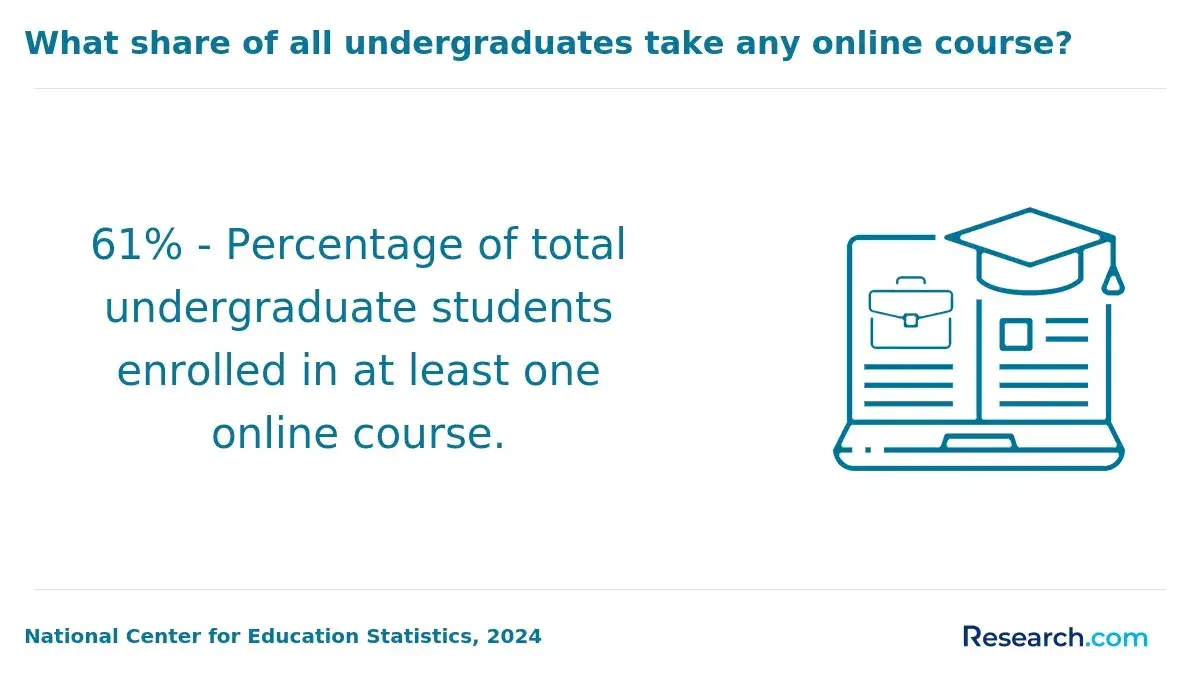
Facing a rapid shift in information technology and resource management, many library and information science professionals struggle to update their skills without disrupting ongoing careers. With nearly 30% of adult learners prioritizing flexible schedules and online formats, according to the National Center for Education Statistics, accessibility directly influences enrollment decisions and program completion.
This shift represents a broader challenge: balancing career demands with upskilling needs amid evolving employer requirements for digital literacy and data management. This article evaluates online library and information science degrees featuring career-ready coursework designed to optimize accessibility, practical skills, and long-term career advancement for working professionals.
Key Things You Should Know
- Employment growth for library and information science professionals is projected at only 2% through 2032 according to the U.S. Bureau of Labor Statistics, pressuring candidates to prioritize programs with embedded technology and data management skills to improve long-term viability.
- Employer demand increasingly favors graduates with experience in digital archiving and user experience design, creating a significant credentialing tradeoff between traditional library sciences degrees and specialized professional coursework.
- Median tuition for top-tier online library and information science degrees exceeds $20,000 annually, imposing a critical timing and cost consideration for mid-career pivots given uncertain salary uplift in entry-level roles.
What are online library and information science degrees?
Employers in the library and information science (LIS) sector increasingly demand proficiency not only in traditional cataloging and metadata but also in managing electronic resources and evolving technologies like linked data and digital preservation systems. For instance, a public library candidate must integrate established cataloging skills with electronic resource management, whereas healthcare information specialists must navigate HIPAA-compliant data systems effectively.
These nuanced expectations make choosing among LIS degree programs critical for aligning education with practical workforce needs.
The 13% rise in graduates from ALA-accredited LIS master's programs since 2019 reflects growing competition for advanced roles, emphasizing the value of career-focused library science degree programs that encompass both theory and applied projects. These programs often require synchronous participation across time zones, portfolio submissions, and supervised remote internships, which can introduce significant logistical challenges for students balancing work and family commitments.
Specialization within LIS programs-from school librarianship to digital libraries and information architecture-directly affects employability and mid-career transitions. While entry-level positions may accept bachelor's credentials, higher-level or specialized roles increasingly demand the master's degree as a minimum standard, together with ongoing certification and technological skills development to remain competitive in an evolving information landscape.
Are online library science programs accredited?
Employers in public, academic, and specialized libraries commonly require candidates to hold degrees from accredited programs, making online library and information science program accreditation a critical factor in employability. Without ALA accreditation, graduates frequently encounter obstacles when seeking librarian certification or competitive positions needing a master's in LIS.
This distinction directly influences whether applicants qualify for many jobs, with unaccredited programs often failing to provide updated training in areas like digital archiving and metadata management-skills increasingly essential in modern library roles.
Regional institutional accreditation complements ALA program approval by ensuring transferability of credits and eligibility for federal financial aid, which impacts long-term educational planning, including doctoral studies. Prospective students should verify both to avoid costly setbacks or limitations. In practice, employers screen applicants by these credentials, prioritizing graduates with verified competency aligned with evolving industry standards.
The U.S. Bureau of Labor Statistics projects a 2% employment increase for librarians and media specialists from 2024 to 2034, reflecting modest but steady demand. Selecting accredited online library science degrees strategically aligns with this outlook, supporting sustained workforce relevance.
When balancing program costs and outcomes, those comparing options may also consider related animal science bachelor degree online data as a reference for how specialized online degrees handle tuition and fees, revealing common pricing patterns and financial planning models for fully remote education.
What coursework do LIS programs include?
Mastering core competencies in library and information science programs requires balancing traditional cataloging with digital information management, a shift reflecting employers' demand for versatile skill sets. Coursework covers metadata standards like Dewey Decimal and Library of Congress to organize collections across public, academic, and corporate libraries.
Yet, information retrieval and database management also command significant attention, equipping students to optimize search algorithms and manage digital repositories vital for sectors such as healthcare informatics and legal research. This integration of technical expertise with foundational skills is a consistent element in online library and information science professional coursework.
Programs embed research methods and statistical analysis to enable data-driven evaluation of library services, which is necessary for institutions aiming to demonstrate impact or improve user engagement.
Courses on intellectual freedom and ethics are pivotal for navigating policies related to copyright and privacy-key considerations when working in government or nonprofit organizations. A notable tradeoff within these programs involves the diversity of practicum settings, which may include university libraries or corporate knowledge management-each demanding application of skills in distinct, specialized environments.
The median annual wage of $64,370 for librarians and media collections specialists, rising to $72,840 in colleges and professional schools, underscores the need for graduates who can marry traditional knowledge with emerging information technologies.
Prospective students should weigh these returns alongside real-world employer expectations. For those assessing educational pathways, exploring the best GIS programs may offer complementary options in spatial data management and digital curation, expanding possibilities beyond conventional LIS roles.
How do online and campus LIS programs differ?
The choice between online and campus library and information science programs hinges on a balance of flexibility, networking potential, and cost-efficiency. Online formats offer unparalleled convenience for working professionals, enabling them to maintain employment and avoid relocation. This model suits mid-career librarians in rural areas seeking to update digital skills without interrupting their income stream.
In contrast, campus programs provide stronger face-to-face mentorship, local internship access, and immersive peer interaction, benefiting recent graduates targeting urban library systems where personal connections and experiential learning carry weight.
Differences between online and on-campus LIS degree programs also reveal tradeoffs in cost versus employer expectations. Online tuition ranges widely, from approximately $7,000 to over $30,000, markedly impacting return on investment.
Employers often favor candidates with practical exposure and robust alumni networks fostered by campus experiences, but online curricula increasingly integrate professionally oriented coursework to mitigate this gap. Online students must actively pursue virtual internships and local partnerships to align with employer priorities.
Campus graduates report faster job placements but face higher educational expenditures, while online learners benefit from affordability and flexibility, requiring greater self-motivation to achieve comparable experiential learning. This pragmatic perspective informs decisions based on career stage, geographic limitations, and financial capacity.
For those considering advanced interdisciplinary pathways, options like the PhD data science online can complement LIS expertise and expand career potential.
What are the admission requirements for LIS degrees?
Admission to LIS graduate programs often hinges on academic credentials, but practical experience can significantly influence outcomes-especially for professionals seeking mid-career shifts. Most programs expect a bachelor's degree with a GPA near 3.0, yet relevant work in information management or archives can mitigate modest academic gaps.
Applicants must submit transcripts, resumes or CVs, and sometimes standardized test scores, though GRE requirements are increasingly discretionary. Admission committees emphasize essays that clearly align career objectives with evolving information services, particularly where digital fluency and user-centered approaches meet real-world demands.
Letters of recommendation remain a critical validation of skills from supervisors familiar with an applicant's professional potential. For international students, meeting additional language proficiency standards such as TOEFL or IELTS is mandatory. These layers add complexity to the admission process, especially for those balancing work and study.
With over 60 ALA-accredited master's programs available fully or partially online, candidates must evaluate program format and residency rules carefully. Working professionals will find asynchronous coursework appealing, but should weigh prerequisites for specialized tracks requiring prior technical or research coursework to avoid enrollment delays.
A practical implication is that program flexibility often comes with tradeoffs in course sequencing and support, affecting time to completion and career impact.
How long do online LIS degrees take to finish?
Completion times for an online library and information science degree vary significantly based on enrollment status and program requirements, typically ranging from 1.5 to 3 years. Full-time students usually finish around two years by completing 30 to 40 credit hours, while part-time students-often juggling professional responsibilities-may extend their studies to three years or longer.
This variation has practical implications: those seeking a swift transition into emerging LIS roles must weigh accelerated, intensive programs against their capacity to maintain employment.
Students pivoting careers should consider:
- If balancing work-study, part-time pathways provide flexibility but lengthen completion.
- Full-time, accelerated formats shorten timelines but reduce work opportunities.
- Programs requiring internships may delay graduation but improve employability in data-focused LIS roles.
Specialized or dual-degree tracks frequently increase time commitments by adding coursework in data science, digital curation, or user experience, fields that have seen roughly 30% job growth recently. Employers prioritize candidates with practical skills gained through project-based or capstone experiences, so program structures incorporating internships or practicums can affect completion time and immediate job readiness.
The tradeoff between time-to-degree and skill depth is critical. Shorter programs may facilitate faster workforce entry but could limit exposure to evolving LIS specializations that employers value. Conversely, longer programs offer broader preparation but demand substantial time investment, challenging adult learners balancing work and study.
How much do online LIS degrees cost?
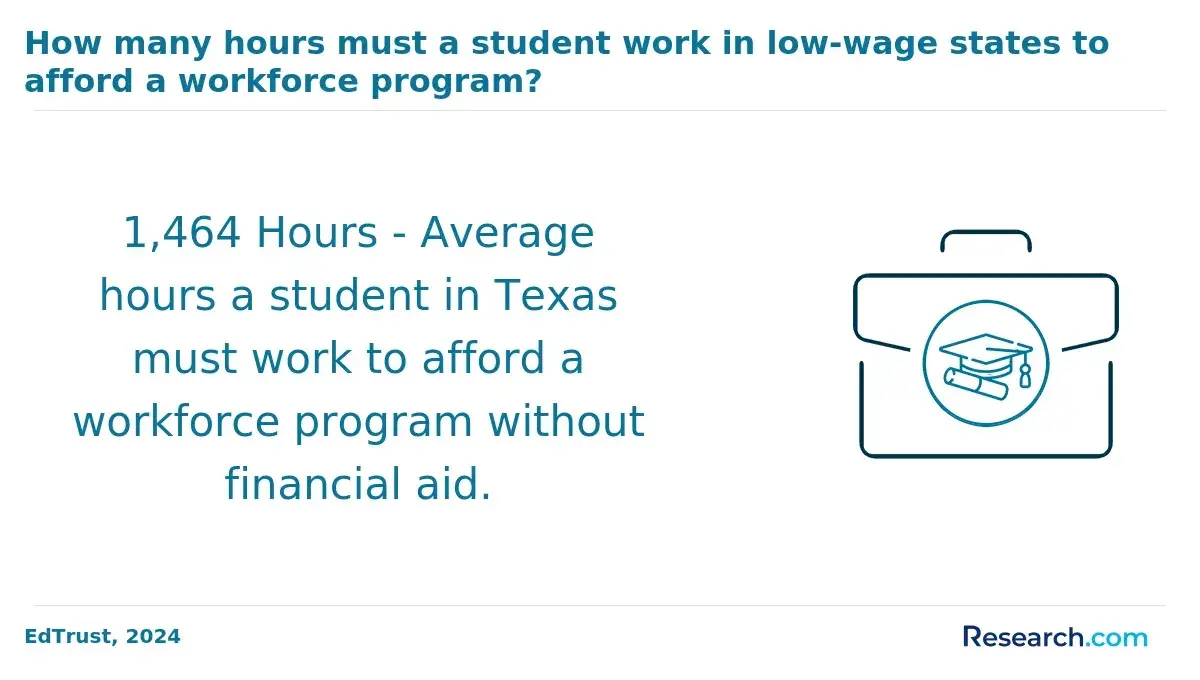
Tuition costs for online library and information science degrees vary widely, typically spanning $15,000 to $60,000, shaped by institutional selectivity, sector, and credit requirements. Public universities generally charge $500 to $1,200 per credit hour for in-state students and $800 to $1,600 out-of-state, while private schools push credits up to $2,000. This means a 36- to 42-credit program can require significant investment, particularly at private institutions.
The financial calculus extends beyond sticker price. While on-campus tuition might be comparable at public universities, online learners often save on relocation, commuting, and campus fees. For working professionals, this difference can balance the tradeoff between cost savings and reduced access to in-person networking, which remains influential in some LIS-related employer cultures.
Accreditation by the American Library Association often signals a program's pricing stability and employer recognition, an important consideration when evaluating return on investment. Financial aid, including federal loans and scholarships aimed at distance learners, can impact net costs.
What jobs can you get with an LIS degree?
An lis degree opens specific career paths including librarian, archivist, digital asset manager, records manager, and information specialist, but practical demands vary notably by sector. For example, archivists in government roles must prioritize compliance with stringent data privacy regulations, while corporate information specialists focus on metadata standards that support business intelligence systems. This differentiation impacts elective choices and necessary certifications.
More than 70% of ALA-accredited programs now embed technology-focused coursework to address employer demand for digital library expertise, data management, and information systems skills. Without these technical proficiencies, candidates risk falling short in fields emphasizing automation and data accessibility.
Job responsibilities often require managing cataloging systems, databases, and digital preservation platforms. For instance, digital asset managers in media firms oversee large repositories using specialized software, demanding both LIS knowledge and IT skills acquired through technology electives.
Key workforce implications include:
- Assessing whether your targeted sector demands programming or data analytics skills beyond traditional LIS curricula
- Recognizing that roles blending LIS with technology competencies yield higher salary potential (e.g., corporate or health informatics roles starting around $75,000 versus $60,000 median for public librarians)
- Preparing for evolving software environments and compliance complexities in specialized fields
Students and professionals must weigh these tradeoffs strategically to align educational choices with real-world expectations and advancement potential.
What salaries do library science graduates earn?
Salaries for master's-level graduates in library & information science vary notably by sector, location, and experience, shaping practical career decisions beyond textbook averages. Traditional library roles-public and academic-offer median wages between $50,000 and $70,000, with entry-level positions closer to $50,000 and seasoned professionals around $65,000 to $70,000.
However, 30-40% of graduates enter non-traditional settings such as corporations, government, and tech industries, where salaries start near $70,000 and can exceed $90,000 as specialized skills grow.
For instance, a professional moving into a government role focused on compliance and records management might see compensation 15-30% above the typical library salary range. This disparity reflects employers' demand for competencies in data management, analytics, or IT, rather than core library knowledge alone.
Key tradeoffs include navigating more competitive, capped-growth roles within traditional libraries versus investing in cross-functional skills and certifications to access higher-paying but less predictable opportunities in adjacent fields. Geographic factors also influence outcomes: metropolitan regions with strong tech or government sectors generally support better pay.
- Salary ranges depend heavily on whether one remains in library settings or applies LIS expertise in broader information roles.
- Upskilling into data or IT-focused credentials is often essential for competitive advantage outside libraries.
- Locational market forces affect earning potential, with urban centers offering superior compensation.
These dynamics emphasize the importance of strategic coursework and skill development aligned with employer trends for professionals navigating library & information science pathways.
What certifications or licensure may LIS graduates need?
Licensure and professional certifications shape career trajectories in Library & Information Science significantly, yet the value and requirements vary notably by role and setting. For instance, public school librarians must secure state certifications tied to teaching credentials, whereas roles in archives or special collections often mandate Certified Archivist designation to validate domain expertise.
This divergence means candidates must navigate a complex landscape of regulatory expectations or capitalize on professional credentials to qualify for specialized positions.
Technical jobs emphasizing digital curation, metadata, or information systems management prioritize certifications like Certified Records Manager (CRM) or Project Management Professional (PMP) to demonstrate applied competencies beyond the degree alone. Employers in corporate and government sectors frequently treat these credentials as prerequisites to ensure compliance with stringent data governance and security standards.
Students and professionals should weigh key tradeoffs when deciding whether to pursue licensure or certifications:
- Public and K-12 libraries typically require state licensure, entailing standardized exams and ongoing continuing education.
- In contrast, emerging trajectories-such as data science within LIS-rely more on portfolios and practical validations that may directly impact compensation and advancement.
- Additional exam preparation and financial investment lengthen timelines beyond coursework completion, though institutional scholarships can offset tuition costs and help fund certification fees.
This layered credentialing environment means prospective candidates must assess their target employers' expectations carefully and plan for extended preparation phases when aiming for roles demanding formal licensure or specialized certifications.
Other Things You Should Know About Library & Information Science
Online library & information science programs often provide the same curriculum as in-person options, but the learning experience differs in interaction and networking opportunities. For students prioritizing flexible schedules or balancing work, online programs can deliver comparable technical knowledge but may limit hands-on experiences and face-to-face mentorship that some employers value.
If practical training and immediate professional connections are critical, hybrid or campus-based programs can offer advantages over fully online formats.
It depends on your career goals. For roles focused on data management or digital libraries, technology emphasis is beneficial. For aspiring library directors or department heads, management skills are crucial. Evaluate program offerings and align them with your desired career trajectory.
Practicum or internships add significant time commitments but are crucial for building real-world competence and employer trust in your skills. Programs that integrate these experiences often result in stronger resumes and more direct access to job networks.
However, balancing internships with coursework and existing employment can increase workload and stress. Prioritize programs with structured, supported fieldwork that fits your availability to maximize professional growth without overwhelming your schedule.
Not all online library & information science programs carry equal weight with employers. Recognition depends on institutional reputation, accreditation status, and alumni outcomes more than delivery mode alone. Graduates from programs known for rigorous standards and strong industry ties have higher job placement rates.
When evaluating programs, prioritize those with transparent graduate employment data and established connections within relevant professional circles, as these influence hiring decisions more than the fact the program was online.
References
- Tuition + Finance https://www.ualberta.ca/en/school-of-library-and-information-studies/admissions/tuition-fees.html
- Online vs. On-Campus Library and Information Science Programs in India https://lis.somaiya.edu/en/blog/online-vs-on-campus-library-and-information-science-programs-in-india/
- Alternative Career Paths Utilizing Library Science Skills https://www.librariancertification.com/alternative-career-paths-utilizing-library-science-skills/
- State/Regional Certifications (primarily for public library staff) https://ala-apa.org/certification-news/stateregional-certifications/
- 2025 Best Online MLIS Programs that are ALA Accredited https://www.librarysciencedegrees.org/programs/online/best-mlis-ala-accredited
- 30 Best Online MLIS (Library Science) Programs For 2025 https://librarysciencedegreesonline.org/30-best-online-library-science-degrees/
- Online vs. On-Campus: Which Mode of Learning Is Best for You? https://www.onlinemastersdegrees.org/student-resources/which-mode-of-learning-is-best/
- Requirements to Become a Librarian By-State - EveryLibrary Institute https://www.everylibraryinstitute.org/requirements_to_become_a_librarian_by_state
- Expected Salaries for Library & Information Science Careers by State https://www.mastersinlibraryscience.org/careers/salary-by-state/