2027 How to Prepare for a College Interview

Co-Founder and Chief Data Scientist
A college interview is often your best chance to turn an application file into a human conversation. Common App reported more than 1.4 million first-year applicants in its 2024 end-of-season update, which means selective schools may see many strong transcripts that look similar on paper.
This guide is for high school seniors, transfer applicants, adult learners, and families who want a practical interview plan. You will learn what to prepare, what to ask, how to practice, and how to avoid mistakes that can weaken an otherwise strong application.
Key Things You Should Know
- A strong college interview should connect your academics, activities, values, and goals to the specific college rather than repeating your application word for word.
- College costs make fit questions important. College Board reported 2024-25 average published tuition and fees of $11,610 for in-state public four-year colleges and $43,350 for private nonprofit four-year colleges, before aid.
- Most interviews are evaluative, informational, or a mix of both; your goal is to show preparation, self-awareness, curiosity, and clear communication.
How do you prepare for a college interview?
To prepare for a college interview, treat it as a structured conversation rather than a performance. An admissions officer, alumni interviewer, faculty member, or student ambassador may ask about your background, academic interests, activities, goals, and reasons for applying. Some interviews influence admissions decisions, while others mainly help the college answer your questions and assess fit.
The most effective preparation starts with a clear story: who you are, what you care about, what you have done, and why this college makes sense for your next step. Use the steps below to organize your preparation without sounding scripted.
- Review your application materials so your interview answers are consistent with your essays, activities list, transcript, and intended major.
- Identify three experiences you can discuss in detail, such as a class project, job, family responsibility, leadership role, research project, volunteer activity, or personal challenge.
- Prepare a concise answer to "Tell me about yourself" that includes your academic interests, one personal quality, and what you are looking for in college.
- Research the college's programs, curriculum, campus culture, student support services, outcomes, and costs so your answers are specific.
- Practice aloud with a counselor, teacher, friend, parent, mentor, or recording tool, then revise answers that sound too vague or memorized.
- Prepare thoughtful questions for the interviewer that cannot be answered by the first paragraph of the college website.
- Confirm the interview time, location or video link, time zone, interviewer name, and expected format at least one day in advance.
Students comparing long-term academic pathways should also think beyond admission. For example, if you plan to pursue graduate school later, understanding options such as the easiest master's degree to get can help you ask better questions about advising, prerequisites, and academic planning.
A common mistake is trying to impress the interviewer with a perfect résumé instead of showing judgment, growth, and genuine interest. Colleges do not expect teenagers to have everything figured out; they do expect applicants to explain how they think, what motivates them, and how they might contribute to a campus community.
What questions do college interviewers usually ask?
College interviewers usually ask open-ended questions that reveal how you think, communicate, make choices, and understand the school. They are less interested in polished slogans and more interested in examples that show self-awareness.
The table below summarizes common college interview questions and what each question is designed to reveal. Use it to understand the purpose behind the question before deciding what story or example to share.
| Common question | What the interviewer is assessing | What a strong answer usually includes |
| Tell me about yourself. | Your ability to summarize your identity, interests, and direction. | A short overview of your academic interests, personal qualities, and what you hope to explore in college. |
| Why are you interested in this college? | Whether your interest is informed and specific. | References to programs, learning environment, faculty access, campus culture, location, or support services that match your goals. |
| What academic subject excites you most? | Your intellectual curiosity and readiness for college-level learning. | A class, project, book, problem, lab, debate, or experience that sparked genuine interest. |
| What is a challenge you have faced? | Your resilience, maturity, and ability to reflect. | Context, action, outcome, and what you learned without oversharing private details. |
| How would you contribute to our campus? | Your understanding of community and involvement. | Specific ways you might participate in classes, clubs, service, work, athletics, arts, research, or peer support. |
| What do you do outside the classroom? | Your priorities, initiative, and time management. | Depth of involvement, responsibility, impact, or personal meaning rather than a long activity list. |
| Do you have any questions for me? | Your preparation and curiosity. | Questions that show you have researched the college and are evaluating fit thoughtfully. |
When answering behavioral questions, use a simple structure: situation, action, result, and reflection. The reflection matters most because it shows what you learned and how you might handle similar situations in college.
Be careful with answers that sound copied from a brochure, such as "I love the community" or "the academics are great." Those statements are not wrong, but they need proof. A better answer names a first-year seminar, advising model, lab opportunity, honors pathway, service program, or campus tradition and explains why it matters to you.
What should you ask the college interviewer?
You should ask questions that help you decide whether the college is a strong academic, financial, and personal fit. Good questions also show the interviewer that you have moved beyond surface-level research.
Use your questions to learn what the website cannot fully show: how students experience classes, advising, belonging, internships, workload, support, and transitions into careers or graduate school. The strongest questions are specific but flexible.
- How do first-year students usually get academic advising before choosing or confirming a major?
- What kinds of students tend to thrive here, and what kinds of students sometimes struggle?
- How accessible are professors outside class, especially for first-year students?
- What support exists for students who are undecided, changing majors, or balancing work and school?
- How do students find internships, research opportunities, clinical experiences, or community-based projects?
- What is something students often misunderstand about this college before they enroll?
- How does the college help students compare majors with different costs, timelines, or career outcomes?
- What should admitted students do before orientation to prepare academically and socially?
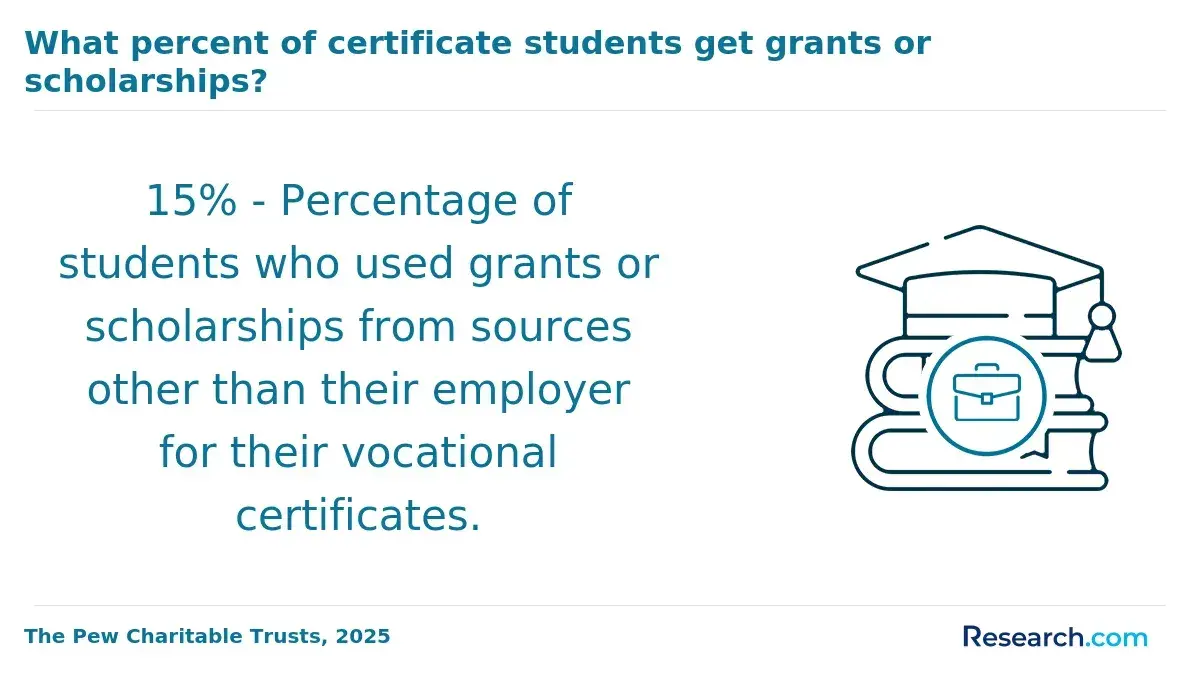
If you are considering a career-focused path, ask whether the college offers stackable credentials, employer partnerships, or nondegree options alongside bachelor's programs. Students who want a faster route into the workforce may also compare short certificate programs that pay well before deciding which college pathway fits their goals.
Avoid questions that are too easily answered online, such as the application deadline or whether the school has a biology major. Also avoid turning the interview into a financial aid negotiation. It is appropriate to ask how students navigate costs, but detailed aid appeals should go to the financial aid office.
How should you research the college before the interview?
Researching the college before the interview helps you give specific answers and ask smarter questions. It also protects you from choosing a school based only on reputation, rankings, location, or a single campus tour.
Start with official college sources, then compare them with independent information when possible. This gives you a clearer view of academic fit, affordability, student outcomes, and campus experience.
- Read the admissions interview page to confirm whether the interview is required, optional, evaluative, informational, alumni-led, or conducted by staff.
- Review the academic department page for your intended major or area of interest, including required courses, concentrations, capstone options, research, internships, and faculty areas.
- Check the college's net price calculator because published tuition rarely reflects what every family actually pays after grants and scholarships.
- Look at student support services, including tutoring, disability services, mental health counseling, first-generation student programs, career services, and transfer advising.
- Review outcomes information carefully, such as graduation rates, retention rates, graduate school placement, internship access, and career services data.
- Search for recent campus news to understand current initiatives, construction, program changes, leadership transitions, or student concerns.
- Prepare two or three connections between your interests and the college so your "why this school" answer sounds grounded.
Research should include your longer academic plan, not just freshman year. If you are comparing colleges based on graduate school preparation, professional licensure, or future flexibility, resources on options like the easiest master's degree to get can help you think more strategically about prerequisites and advising.
The College Board's 2024 pricing data shows why this step matters: the average published tuition and fees at private nonprofit four-year colleges were $43,350 for 2024-25, before room, board, books, and other costs. That does not mean private colleges are always unaffordable after aid, but it does mean applicants should ask informed questions about value, support, and total cost.
What should you say when discussing your interests and goals?
When discussing your interests and goals, be honest, specific, and open to growth. Colleges do not expect every applicant to have a fixed career plan, but they do want to see curiosity, initiative, and a thoughtful reason for wanting their learning environment.
A strong answer usually connects the past, present, and future. You can explain what first sparked your interest, what you have done to explore it, and what you hope to learn in college.
- If you know your intended major, explain the experiences that led you there and name one or two college opportunities that would help you go deeper.
- If you are undecided, describe two or three subjects you are seriously considering and explain how you make academic decisions.
- If your career goal is broad, such as healthcare, business, education, technology, law, or public service, name the problems or communities you want to work with.
- If your goals changed, explain what caused the shift and what the change taught you about your strengths or values.
- If your path includes work, family responsibilities, military service, caregiving, or a gap year, show how that experience shaped your maturity and readiness.
Applicants considering flexible study formats can mention that they are evaluating how schedule, cost, and learning style affect academic success. If online learning is part of your plan, comparing easy college degrees online may help you discuss flexibility without sounding like you are choosing a program only because it seems convenient.
One red flag is presenting a career goal only because it sounds impressive. For example, saying you want to be a doctor, engineer, entrepreneur, or lawyer is not enough. Explain what you have done to test that interest, what skills you are building, and what you still need to learn.
How do you practice college interview answers?
You practice college interview answers by speaking them aloud, getting feedback, and refining them until they sound clear but natural. Reading answers silently is not enough because interviews test communication, not just content.
A practical practice routine should help you avoid both extremes: rambling with no structure and sounding like you memorized a script. Use the sequence below to build confidence over several short sessions.
- Write brief bullet notes for common questions, but do not write full paragraphs to memorize.
- Record a five-minute mock interview and listen for unclear points, filler words, rushed pacing, or answers that lack examples.
- Practice the same answer with different wording so you can stay flexible if the interviewer asks the question differently.
- Ask a teacher, counselor, mentor, or trusted adult to challenge you with follow-up questions.
- Time your answers so most responses stay around 60 to 90 seconds unless the interviewer invites more detail.
- Prepare one concise story each for leadership, challenge, intellectual curiosity, teamwork, service, and personal growth.
- End practice sessions by reviewing what felt authentic, not just what sounded polished.
AI tools can help generate practice questions or simulate follow-ups, but they should not write your personality for you. Admissions interviewers can usually tell when answers are overly generic, especially if they include broad claims without lived examples.
The best practice answers include a concrete detail: a book you argued with, a coding bug you solved, a lab result that surprised you, a family responsibility that changed your schedule, or a club problem you helped fix. Specifics make your answer believable and memorable.
What should you wear to a college interview?
You should wear clean, comfortable, neat clothing that fits the interview setting and lets the conversation stay focused on you. Most college interviews do not require formal business attire, but you should look intentional and respectful.
The table below compares reasonable outfit choices by interview setting. Use it to match the level of formality without overdressing in a way that makes you uncomfortable.
| Interview setting | Appropriate level of dress | Examples |
| Admissions office or formal campus interview | Business casual | Button-down shirt, blouse, sweater, chinos, dress pants, modest dress, skirt, loafers, flats, or clean dress shoes. |
| Alumni interview at a café or library | Neat casual to business casual | Polished top, clean jeans without distressing, casual slacks, sweater, simple shoes, or similar neat clothing. |
| Virtual interview | Camera-ready business casual | Solid-color top, neat sweater, collared shirt, or blouse that contrasts with your background. |
| Arts, design, or performance program conversation | Polished with room for personal style | Creative but tidy clothing that reflects personality without distracting from the conversation. |
| Outdoor campus visit with interview included | Comfortable and neat | Weather-appropriate layers and comfortable shoes that still look clean and intentional. |
Avoid clothing that distracts you, makes noise, needs constant adjustment, or displays offensive language or images. If you are unsure, choose the simpler option. The interviewer is not scoring fashion; they are looking for readiness, judgment, and communication.
For virtual interviews, test how your outfit looks on camera. Busy patterns, low contrast, or very bright lighting can make the video distracting even if the clothing looks fine in person.
How do online college interviews differ from in-person interviews?
Online college interviews differ from in-person interviews because your technology, environment, and camera presence become part of the first impression. The content of the conversation is similar, but you need to manage fewer physical cues and more technical variables.
Virtual interviews are now common because they reduce travel barriers and help colleges reach applicants across regions. They can be especially helpful for rural students, working students, international applicants, transfer applicants, and students who cannot afford campus travel.
Use the checklist below to prevent technical issues from weakening an otherwise strong conversation.
- Test your camera, microphone, internet connection, video platform, and charger before the interview day.
- Choose a quiet space with a simple background and enough light on your face.
- Place the camera at eye level so you are not looking sharply down or away from the interviewer.
- Close unrelated tabs, silence notifications, and keep your phone nearby only as a backup contact method.
- Join a few minutes early, but do not interrupt another meeting if the interviewer has not opened the room yet.
- Look at the camera when making key points and at the screen when listening, so your attention feels natural.
- Keep a few notes nearby, but do not read answers from the screen.
If something goes wrong, stay calm and communicate clearly. A frozen screen, dropped connection, or audio issue is not automatically a disaster. How you respond can show maturity and problem-solving under pressure.
The main mistake in online interviews is treating them as casual because they happen at home. Sit upright, dress appropriately, and keep the same level of focus you would bring to an admissions office.
What should you bring to a college interview?
What you should bring depends on whether the interview is in person or online, but the goal is the same: arrive prepared without overwhelming the interviewer with unnecessary materials. Most interviewers do not need a full portfolio unless the college or program specifically requests one.
For an in-person interview, bring only items that support the conversation and help you stay organized. The list below covers what is usually appropriate.
- A small notebook or folder with your prepared questions and a few reminder notes.
- A pen that works.
- A copy of your résumé or activities list if the interviewer requested one or if the college encourages it.
- A portfolio, writing sample, art sample, or project summary only if relevant to the program or requested in advance.
- Directions, parking information, building name, room number, interviewer name, and contact information.
- A water bottle, if appropriate, especially for longer campus visits.
- A government-issued or school ID if the campus requires visitor verification.
For an online interview, keep digital files ready but do not send attachments unless asked. Have your questions, application notes, and the interviewer's contact information nearby, and keep a backup device or phone available in case your main connection fails.
If your educational path includes a criminal record, disciplinary history, or other sensitive context, do not bring legal documents unless the college has specifically requested them. Instead, prepare a concise and honest explanation if disclosure is required, and review guidance on college degrees for felons to better understand program access, support, and career-planning questions.
A common mistake is handing the interviewer a stack of certificates, awards, or transcripts to prove your worth. If the material is already in your application, use the interview to add context rather than duplicate paperwork.
What should you do after a college interview?
After a college interview, you should send a brief thank-you note, record what you learned, and update your college comparison notes while the conversation is fresh. The follow-up is not about flattering the interviewer; it is about professionalism and reflection.
A strong follow-up process helps you make a better enrollment decision later. Use these steps after the interview ends.
- Write down the interviewer's name, role, and any important details you discussed.
- Send a thank-you email within 24 to 48 hours, unless the college instructs applicants not to contact interviewers.
- Mention one specific topic from the conversation so the note feels personal and genuine.
- Reflect on whether the college sounded like a good fit academically, socially, financially, and personally.
- Add any unanswered questions to your list for admissions, financial aid, academic departments, or current students.
- If you made an error, such as forgetting a detail or giving an unclear answer, correct it only if the issue is important and can be addressed briefly.
- Continue meeting deadlines for applications, scholarships, financial aid, housing, and admitted-student events.
If the interview helped you realize that speed, flexibility, or cost matters more than a traditional four-year timeline, compare options carefully before committing. Some students may want to explore fast track degree programs, but accelerated formats require strong time management and may not be ideal for students who need a lighter workload.
Your thank-you note should be short. Two to five sentences are usually enough: thank the interviewer, reference one meaningful part of the conversation, reaffirm your interest if true, and close professionally. Do not use the note to repeat your résumé or argue for admission.
Other Things You Should Know About
They can matter, but the weight varies by college. Some interviews are evaluative and become part of the admissions file, while others are mainly informational. Even when the interview is not a major factor, it can help you show interest, clarify fit, and learn details that affect your decision.
Most college interviews last about 20 to 45 minutes. Shorter interviews may focus on basic fit and questions, while longer ones may explore academics, activities, goals, and campus life in more depth.
Yes. Being undecided is fine if you can explain what subjects interest you, how you explore options, and what kind of academic support you want. Colleges prefer thoughtful uncertainty over a fake career plan.
Avoid negative comments about teachers or classmates, vague praise that could apply to any college, exaggerated achievements, inappropriate jokes, and answers that suggest you have not researched the school. Be honest, respectful, and specific.
References
- Blog Detail https://notgoingtouni.co.uk/blogs/how-to-prepare-for-your-college-interview-285
- Admission Interview: What to Wear? Psychology of Color - Live & Study - Czech Universities https://www.czechuniversities.com/article/admission-interview-what-to-wear-psychology-of-color
- College Interview Tips and Strategies - The Ultimate Guide | College Essay Guy https://www.collegeessayguy.com/blog/college-interview
- How to Write a Thank You Email After a College Admissions Interview https://www.ivywise.com/blog/thank-you-email-after-interview/
- How the Interview Question “What Are Your Interests?” Can Help You Avoid a Workplace You’ll Hate | The Muse https://www.themuse.com/advice/what-are-your-interests-interview-questions-answers-examples
- Here Are 20 Questions to Ask in Your University Interviews https://www.oxfordscholastica.com/blog/university-preparation-articles/here-are-20-questions-to-ask-in-your-university-interviews/
- Advice for a Successful College Admission Interview | Scoir https://www.scoir.com/blog/college-admission-interview-tips
- What to Wear to College Interviews - Signet Education https://signeteducation.com/resources/attire-college-interview/
- What I’m reading: Virtual vs. In Person Interviews - is one more valid than the other? — AdmissionsRx https://www.deborahgutmanmd.com/blog/what-im-reading-virtual-vs-in-person-interviews-is-one-more-valid-than-the-other
- College Interview Attire: What to Wear to Your Interview · PrepScholar https://blog.prepscholar.com/what-to-wear-to-a-college-interview