2027 How to Compare College Admission Requirements

Co-Founder and Chief Data Scientist
Comparing college admission requirements is not just about finding the easiest school to enter; it is about choosing a program you can afford, complete, and use for your goals. College Board's 2024 pricing data shows average published tuition and fees of $11,610 for in-state public four-year colleges and $43,350 for private nonprofit four-year colleges, making poor-fit applications costly.
This guide is for high school students, transfer students, adult learners, and career changers who want to compare GPA rules, prerequisites, testing policies, accreditation, costs, formats, and career outcomes before applying.
Key Things You Should Know
- Compare admission requirements across at least five areas: GPA, required coursework, test policy, application materials, and program-specific prerequisites; one missing prerequisite can matter more than a strong overall application.
- Use 2024-25 cost benchmarks when building your college list: College Board reports average published tuition and fees of $4,050 at public two-year colleges, $11,610 for in-state public four-year colleges, and $43,350 at private nonprofit four-year colleges.
- Connect admissions to outcomes: BLS 2024 data shows median weekly earnings of $1,543 for workers with a bachelor's degree and $1,099 for those with an associate degree, but results vary by major, location, experience, and licensing requirements.
What are the main types of college admission requirements students should compare?
College admission requirements are the academic, personal, financial, and administrative conditions a student must meet to be considered for entry. The key is to compare requirements at the institution level and the program level, because a college may admit you generally while a competitive major, honors college, nursing program, engineering school, or business school has higher standards.
If you are still choosing a field of study, comparing admissions alongside career direction can help you avoid applying to programs that do not fit your goals; reviewing best college majors can make that comparison more practical.
The table below summarizes the main requirement categories students should compare before building an application list. Use it to identify which requirements are universal and which may change by major, school type, or enrollment format.
| Requirement type | What to compare | Why it matters |
| Academic record | Minimum GPA, class rank, grade trends, and rigor of coursework | Shows whether your academic profile is competitive or only minimally eligible |
| Course prerequisites | Required high school or college courses, such as math, lab science, foreign language, or writing | Some programs reject otherwise strong applicants who lack required subjects |
| Testing policy | Test-required, test-optional, test-flexible, or test-blind policies | Determines whether SAT, ACT, placement, English proficiency, or major-specific tests help or are required |
| Application materials | Essays, recommendations, resume, portfolio, audition, interview, or personal statement | Matters most at selective colleges and programs where qualitative review is important |
| Administrative requirements | Deadlines, application fees, transcript rules, residency documentation, and immunization records | Missing paperwork can delay admission, registration, housing, or financial aid |
| Program-specific criteria | Prerequisite GPA, clinical clearance, background checks, licensure alignment, or technical standards | Especially important for nursing, education, allied health, social work, aviation, and teacher preparation |
A strong comparison looks beyond whether you meet the minimum. Minimum requirements usually mean you are eligible to apply; they do not always mean you are likely to be admitted, receive aid, or enter your intended major immediately.
How do GPA, coursework, and standardized tests differ across colleges and universities?
GPA, coursework, and standardized tests differ because colleges use them for different purposes. GPA reflects sustained performance, coursework shows preparation for college-level study, and test scores may help with admission, merit aid, course placement, or honors eligibility depending on the school.
For most students, the smartest comparison is not "Which college has the lowest GPA requirement?" but "Which college's expectations match my record and the major I want?" A 3.0 GPA may be enough for general admission at one institution, below the competitive range at another, and insufficient for direct admission to nursing, engineering, or computer science at a third.
The table below shows how these academic factors commonly vary across colleges. It is designed to help you separate minimum eligibility from competitive readiness.
| Academic factor | Less selective or open-access setting | Moderately selective setting | Highly selective or capacity-limited setting |
| GPA | May require a high school diploma, GED, or minimum GPA for placement into credit-bearing courses | Often evaluates GPA with course rigor and grade trends | Often expects strong grades in advanced courses, especially for competitive majors |
| Coursework | May focus on completion of core high school subjects or placement testing | May require specific college-prep units in English, math, science, social science, and electives | May expect advanced math, lab science, AP, IB, honors, dual enrollment, or portfolio preparation |
| Standardized tests | May use tests mainly for placement or waive them for admission | May be test-optional but still use scores for scholarships or course placement | May be test-optional, test-required for some applicants, or use scores as one part of holistic review |
| Major entry | May allow students to start in general studies before declaring a major | May admit to the university first and major later after prerequisites | May require direct admission to the major or a secondary competitive review |
When comparing academic requirements, use a simple sequence so you do not overvalue one factor and miss another. This process is especially useful for students applying to a mix of reach, match, and likely schools.
- Check the minimum GPA and required coursework for general admission.
- Check whether your intended major has a separate GPA, prerequisite, portfolio, audition, or test requirement.
- Review the middle academic profile of recently admitted students when available through the Common Data Set or admissions profile.
- Confirm whether test scores are required, optional, ignored, or used for scholarships and placement.
- Ask whether you can be admitted to the college but not directly admitted to your first-choice major.
A common mistake is assuming "test-optional" means test scores never matter. At some colleges, not submitting scores has no negative effect; at others, scores may still influence merit scholarships, math placement, honors admission, or competitive program review.
How can I compare admission requirements for community colleges, public universities, and private schools?
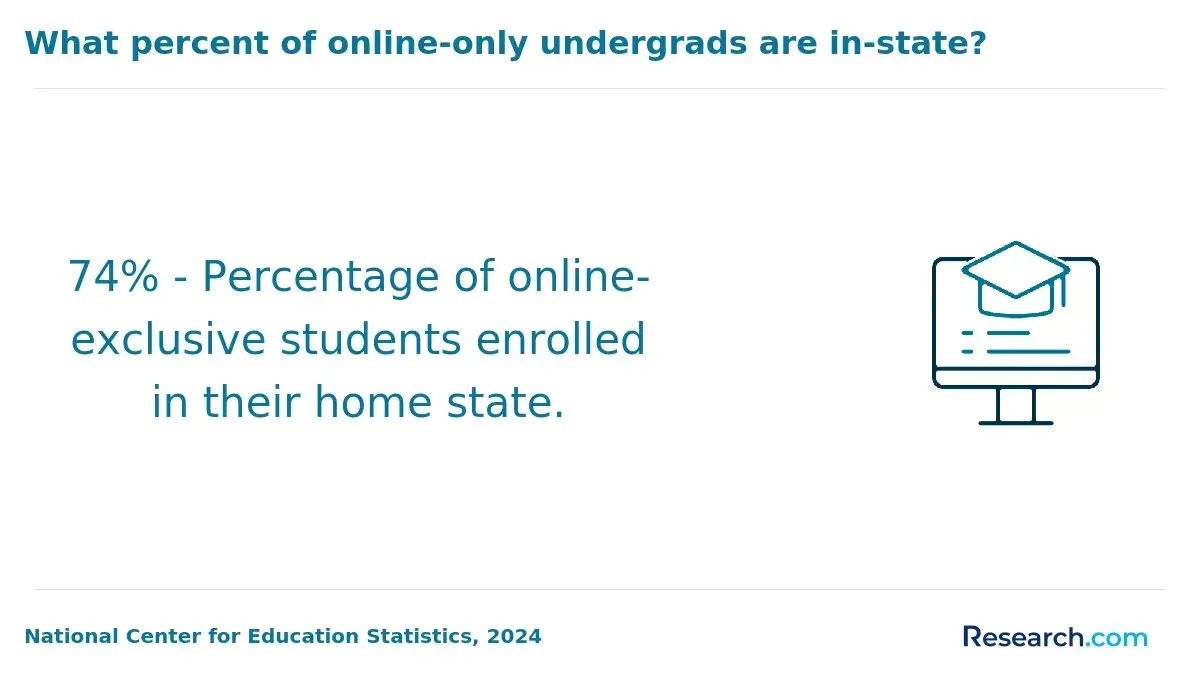
Community colleges, public universities, and private colleges often serve different student needs, so their admission requirements should not be compared as if they are interchangeable. Community colleges often prioritize access and transfer pathways, public universities may balance statewide eligibility with capacity limits, and private colleges may use more holistic review.
Students who want a faster or lower-cost starting point may also compare short associate pathways, including 1-year associate degree programs, but they should confirm transferability and program accreditation before enrolling.
The table below compares the typical admissions patterns of three broad institution types. These are general patterns, so always verify the exact policy for the campus and program you are considering.
| Institution type | Common admission approach | Best fit | Potential trade-off |
| Community college | Open-access or less selective admission, with placement, program prerequisites, or selective entry for health and technical programs | Students seeking affordability, transfer credits, career certificates, or a second academic start | Not every course transfers cleanly, and selective programs may have waitlists or separate admissions |
| Public university | State residency rules, GPA and coursework standards, major capacity limits, and transfer articulation policies | Students seeking broad major options, lower in-state tuition, research opportunities, or campus life | Competitive majors may be much harder to enter than the university overall |
| Private nonprofit college | Often holistic review using academics, essays, recommendations, activities, and demonstrated fit | Students seeking smaller classes, institutional aid, specialized programs, or mission-driven campuses | Sticker prices can be high, so net price matters more than published tuition |
| Private for-profit institution | May emphasize career-focused enrollment requirements, prior education, and program readiness | Students considering flexible, career-oriented formats | Students should carefully review accreditation, graduation outcomes, loan debt, transferability, and employer recognition |
Cost should be part of this comparison, but it should not be the only factor. College Board's 2024-25 figures show public two-year colleges have much lower average published tuition and fees than four-year institutions, which can make them attractive for the first two years of study; however, the financial benefit depends on whether credits transfer toward the degree you actually want.
Before choosing among school types, ask admissions and advising offices questions that reveal how the requirements work in practice. The answers can prevent surprises after you enroll.
- Does admission to the college guarantee admission to my intended major?
- Which courses transfer into the exact degree plan, not just as electives?
- Are there minimum grades required for transfer or prerequisite courses?
- Does the school publish net price estimates for students with my residency, income, and enrollment status?
- Are internships, clinical placements, student teaching, or labs available in my location?
What role does accreditation play when evaluating and comparing college admission criteria?
Accreditation is a quality review process that helps determine whether a college or program meets recognized academic and operational standards. When comparing admission requirements, accreditation matters because it can affect federal financial aid eligibility, credit transfer, graduate school admission, employer recognition, and licensing eligibility.
There are two major levels to check. Institutional accreditation applies to the college or university as a whole, while programmatic accreditation applies to a specific program, such as nursing, teacher education, counseling, social work, business, engineering, or allied health.
The table below explains why different accreditation checks matter before you apply. This is especially important when a program leads to licensure or certification.
| Accreditation item | What it tells you | Why it affects admissions decisions |
| Institutional accreditation | The school has been reviewed by a recognized accrediting agency | Often connected to federal aid eligibility, transfer acceptance, and graduate school recognition |
| Programmatic accreditation | A specific program meets standards in a professional field | May be required or strongly preferred for licensure, certification, or employer acceptance |
| State authorization | The school is allowed to offer education to students in a state | Important for online students, internships, clinical placements, and regulated professions |
| Licensure alignment | The curriculum is designed to meet requirements in a specific state or jurisdiction | Prevents enrolling in a program that does not qualify you for your intended credential |
Red flags often appear before enrollment if you know what to look for. Do not rely only on marketing language such as "accredited" or "career-ready"; verify the accreditor, program status, and state-specific licensing fit.
- A school cannot clearly name its institutional accreditor or the accreditor is not recognized by the U.S. Department of Education or CHEA.
- A licensure-oriented program says requirements "may vary" but will not confirm whether it meets your state's rules.
- Credits are unlikely to transfer to the public universities or graduate schools you may want later.
- The program advertises fast completion but hides clinical, fieldwork, or in-person requirements until late in the admissions process.
- Admissions staff pressure you to enroll before you review accreditation, cost, transfer, and refund policies.
How do admission requirements differ between online, hybrid, and campus-based degree programs?
Online, hybrid, and campus-based programs may offer the same credential, but their admission requirements can differ in important ways. Online programs may require technology readiness, state authorization checks, remote proctoring, and local placement approvals, while campus-based programs may emphasize housing deadlines, in-person orientation, auditions, labs, or studio access.
NCES reported in 2024 that more than half of U.S. undergraduates took at least one distance education course in fall 2022. That trend means students have more flexible options, but it also makes it more important to compare format-specific requirements before assuming an online or hybrid program will be easier to start or finish.
For students prioritizing flexibility, comparing formats can include entry-friendly options such as the easiest online associates degree, but "easy to enter" should still be weighed against transfer value, accreditation, support services, and career goals.
The table below compares admissions and readiness issues by delivery format. Use it to identify which format fits your schedule, learning style, and program obligations.
| Program format | Admissions or enrollment requirements to compare | Best fit | Watch out for |
| Online | Technology standards, online orientation, state authorization, proctored exams, identity verification, and local placement rules | Working adults, caregivers, military students, and students far from campus | Some programs still require in-person labs, exams, internships, or clinical placements |
| Hybrid | Campus visit schedule, lab weekends, synchronous class times, commuting expectations, and placement availability | Students who want flexibility but still need hands-on learning or campus access | Travel and scheduling requirements can be harder than a fully online or fully campus-based program |
| Campus-based | Housing, immunization records, orientation, placement testing, auditions, studio review, lab access, and transportation | Students seeking in-person support, campus life, labs, networking, and structured schedules | Higher living costs and less scheduling flexibility may affect completion |
A common mistake is assuming online admission requirements are always lighter. In regulated fields, online students may face extra verification steps because the school must confirm that the program is authorized in the student's state and that required field experiences can be completed locally.
How can I use program prerequisites and core coursework to assess academic fit?
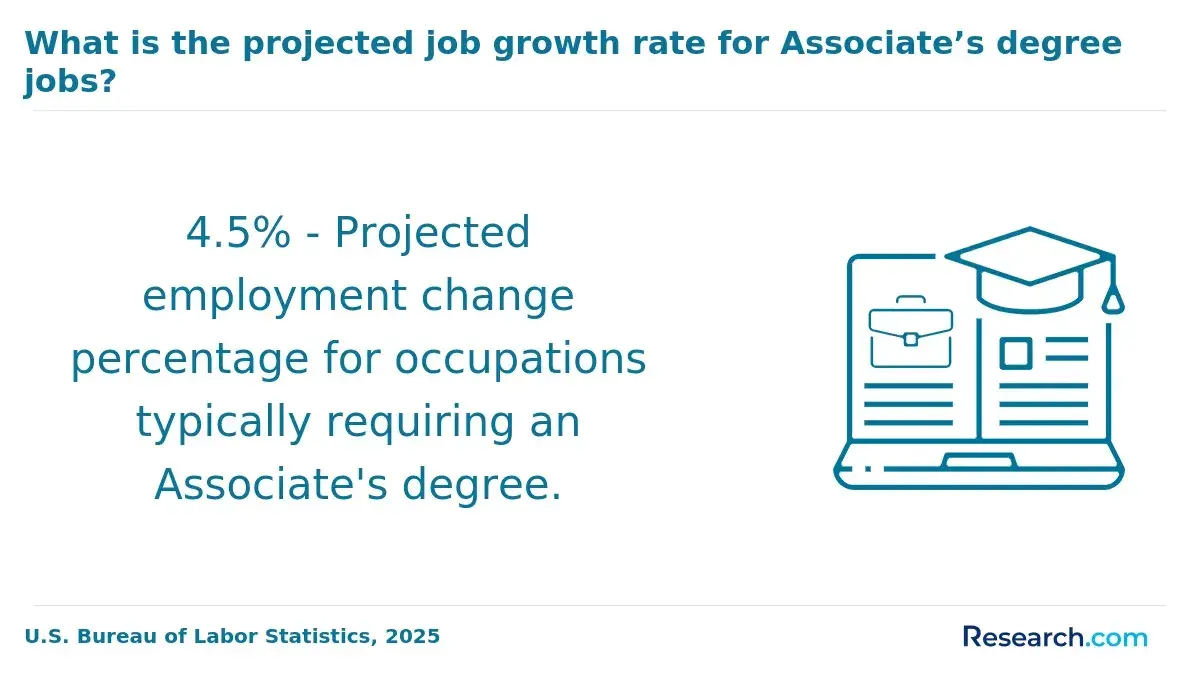
Program prerequisites are required courses, grades, skills, or experiences that prove you are ready for a specific major or degree level. Core coursework is the required set of classes you must complete after admission to earn the degree. Comparing both helps you determine academic fit before you invest time and application fees.
This matters for undergraduate, transfer, and graduate applicants. For example, a student comparing a quickest cheapest master's degree should still confirm whether the program requires prior coursework, a qualifying bachelor's degree, professional experience, statistics, programming, accounting, lab science, or teacher certification before admission.
The table below shows how prerequisites can reveal whether a program is a good academic fit. It is not a checklist of actions; it is a way to understand where requirements often become more demanding.
| Field or program area | Common prerequisite pattern | What it signals about fit |
| Nursing and allied health | Anatomy, physiology, microbiology, chemistry, prerequisite GPA, entrance exam, background check, and immunizations | Best for students prepared for science-heavy coursework and clinical scheduling |
| Engineering | Calculus readiness, physics, chemistry, and strong math progression | Best for students with solid quantitative preparation and tolerance for sequential coursework |
| Business | College algebra or calculus, economics, accounting, statistics, and minimum grades in pre-business courses | Best for students who can complete quantitative and communication-focused core courses |
| Computer science | Precalculus or calculus, programming foundations, discrete math, and sometimes portfolio or prior coding experience | Best for students comfortable with logic, problem-solving, and cumulative skill building |
| Education | Minimum GPA, basic skills testing in some states, field observations, background check, and teacher preparation sequence | Best for students who understand state licensure requirements before enrolling |
To assess academic fit, compare the curriculum before you compare the brand name of the college. A practical review should include prerequisites, sequencing, grading rules, and whether courses are available when you need them.
- Download the degree plan for each program and highlight all prerequisite and core courses.
- Mark courses that must be taken in sequence, such as math, science, language, or clinical courses.
- Check whether a minimum grade is required in prerequisites, not just overall GPA.
- Ask how often required courses are offered and whether online students can access them every term.
- Compare the program's academic expectations with your transcript, schedule, work hours, and support needs.
The biggest red flag is a program that admits you quickly but leaves unclear whether you can enter the major, complete prerequisites on time, or access required placements. Fast admission is not the same as a realistic path to graduation.
What financial factors and cost-related requirements should I review before applying?
Financial requirements can affect admission, enrollment, and completion. Before applying, compare not only tuition but also application fees, enrollment deposits, housing deposits, residency documentation, financial aid forms, scholarship deadlines, placement costs, and program fees.
College Board's 2024-25 pricing data shows a large gap between average published tuition and fees at public two-year colleges and private nonprofit four-year colleges. That gap does not automatically mean one option is better; it means students should compare net price, aid, time to degree, transfer success, and the requirements attached to scholarships or grants.
The table below summarizes cost-related requirements that students often overlook. Reviewing these items before applying can help you avoid choosing a college that is affordable on paper but difficult to finance in practice.
| Cost-related item | What to compare | Why it matters |
| Application fees | Fee amount, fee waivers, and whether extra program applications have separate fees | Applying broadly can become expensive if you do not use waivers strategically |
| Enrollment deposits | Deposit amount, refund deadline, housing deposit, and orientation fee | Nonrefundable deposits can lock up money before financial aid is finalized |
| Residency rules | In-state eligibility, documentation, deadlines, and rules for online students | Residency classification can significantly change public college costs |
| Financial aid forms | FAFSA, CSS Profile where required, institutional aid forms, and verification documents | Missing deadlines can reduce access to grants, scholarships, work-study, or subsidized loans |
| Program fees | Lab fees, equipment, software, uniforms, background checks, testing, travel, and clinical costs | Program-level expenses may not appear clearly in base tuition figures |
| Satisfactory academic progress | Minimum GPA, completion rate, and maximum timeframe rules for aid renewal | Financial aid can be lost if academic progress requirements are not met |
Use a total-cost mindset when comparing colleges. The lowest tuition is not always the lowest total cost if credits do not transfer, required courses are unavailable, or the program takes longer than expected.
- Do not compare sticker prices without using each school's net price calculator.
- Do not assume a merit scholarship renews automatically; check GPA and credit-hour renewal rules.
- Do not ignore living costs, transportation, childcare, technology, and lost work hours.
- Do not pay a nonrefundable deposit before reviewing your full financial aid offer.
- Do not borrow for a program before checking whether it leads to your intended credential, transfer path, or career requirement.
How do admission requirements connect to career pathways, licensing, and certification needs?
Admission requirements are closely connected to career pathways because some fields require specific degrees, accredited programs, supervised experience, exams, or state licensure. A college can be legitimate and still not be the right path for your intended occupation if its curriculum does not match licensing or certification rules.
BLS 2024 data shows median weekly earnings of $1,543 for workers with a bachelor's degree compared with $1,099 for workers with an associate degree. This does not mean every bachelor's degree has a higher payoff, but it does show why students should connect admission decisions to occupation requirements, major choice, completion time, and likely debt.
Career changers and returning learners should be especially careful to compare program requirements with work experience, schedule, and age-inclusive support; reviewing best degrees for older adults can help identify programs that fit nontraditional student needs.
The table below shows how admissions and career requirements can intersect. Use it to identify whether you are choosing a degree for general career mobility, a regulated profession, or a specific credential.
| Career goal | Admission requirement to review | Career or licensing issue to verify |
| Registered nurse | Science prerequisites, entrance exam, clinical eligibility, background check, and program accreditation | State board approval, NCLEX eligibility, clinical placement availability, and licensure rules |
| Teacher | Teacher preparation admission, minimum GPA, field experience, and state testing rules | State certification requirements and subject-area endorsement pathways |
| Engineer | Math and science readiness, direct admission to engineering, and progression standards | ABET accreditation may matter for professional engineering licensure and employer preference |
| Accountant | Business prerequisites, accounting core, and transfer credit limits | CPA eligibility varies by state and often requires specific accounting coursework and credit hours |
| Counselor or social worker | Graduate admission prerequisites, references, field placement, and program accreditation | State licensure generally requires accredited graduate education, supervised experience, and exams |
Before applying to a career-focused program, work backward from the job or license you want. This prevents the common mistake of choosing a school first and discovering later that the degree does not meet employer, certification, or state board expectations.
- Identify the exact job title or license you want, not just the general field.
- Check the state licensing board or professional association requirements for education, exams, and supervised hours.
- Confirm whether the program's accreditation is required, preferred, or optional for that pathway.
- Ask the college where students complete internships, clinicals, practica, student teaching, or fieldwork.
- Compare job placement support, employer partnerships, alumni outcomes, and career services without treating them as guarantees.
How can I compare colleges using acceptance rates, selectivity, and application timelines?
Acceptance rates, selectivity, and application timelines help you estimate admission risk, but they should not be used alone. A college's overall acceptance rate may hide major-level competition, transfer limits, honors college standards, scholarship thresholds, or out-of-state differences.
Use selectivity data as a planning tool, not a judgment of quality. A lower acceptance rate may indicate high demand, limited seats, or a large applicant pool; it does not automatically mean better teaching, stronger career outcomes, or better fit for your budget and goals.
The table below explains the most useful selectivity signals and how to interpret them. These measures are most helpful when combined with your academic profile and intended major.
| Selectivity signal | What it can tell you | Limitation |
| Acceptance rate | How many applicants are admitted overall | May not reflect competitiveness by major, residency, transfer status, or applicant type |
| Middle academic profile | Typical GPA, test score range, or course rigor of enrolled students when reported | Does not guarantee admission for students inside the range or rejection for those outside it |
| Yield rate | How many admitted students choose to enroll | Useful for institutional context but less useful for individual admission chances |
| Early action or early decision rules | Whether applying earlier can affect timing, commitment, or review process | Early decision is usually binding and should not be used without financial confidence |
| Program capacity | Whether a major has limited seats, secondary admission, or competitive progression | Often more important than the college's overall admission rate |
A balanced college list reduces risk and keeps options open. Instead of applying only to famous or low-admit-rate schools, group colleges by how your profile compares with their published requirements and admitted-student data.
- Label each college as likely, match, or reach based on your GPA, coursework, test policy, major requirements, and cost fit.
- Check whether deadlines differ for admission, scholarships, honors programs, housing, FAFSA priority filing, and competitive majors.
- Separate nonbinding early action from binding early decision before applying.
- Track whether transcripts, recommendations, test scores, portfolios, auditions, or supplemental essays are due on the same date.
- Keep at least one financially realistic option where you meet admission and program requirements comfortably.
One common mistake is applying to a college by the general deadline while missing an earlier major or scholarship deadline. For competitive programs, the earliest relevant deadline is the one that matters.
What tools and resources help students systematically compare college admission requirements?
The best way to compare college admission requirements is to use a repeatable system. Admissions websites are useful, but they are often organized differently from school to school, so a spreadsheet or checklist can help you compare requirements consistently.
The table below lists reliable resource types and what each one is best used for. Use multiple sources because no single tool captures every major-level, financial, transfer, and licensing detail.
| Resource | Best use | What to verify separately |
| College admissions website | General admission requirements, deadlines, test policy, and application steps | Major-specific requirements and scholarship deadlines |
| Program or department page | Prerequisites, degree plans, progression standards, portfolio rules, and clinical or fieldwork requirements | Whether requirements differ for transfer, online, or part-time students |
| Common Data Set | Admissions factors, applicant numbers, enrollment profile, and testing data when available | Program-level selectivity and current-year policy changes |
| Net price calculator | Estimated cost after grants and scholarships based on your household and enrollment profile | Renewal rules, fees, living costs, and loan assumptions |
| Accreditation databases | Institutional and programmatic accreditation status | State licensure alignment for your intended location |
| Transfer equivalency or articulation tools | How completed courses may transfer between institutions | Whether credits apply to the major or only to general electives |
To make your comparison actionable, build one row per college and one column per requirement. Keep notes short, factual, and tied to the source page or office that confirmed the information.
- Create columns for GPA, required coursework, testing policy, application materials, major prerequisites, deadlines, accreditation, net price, transfer rules, and career or licensure fit.
- Use the same categories for every college so the comparison is fair.
- Mark each requirement as "met," "missing," "unclear," or "needs confirmation."
- Email admissions, financial aid, transfer advising, or the department when a requirement is unclear.
- Update the spreadsheet after every campus visit, advising call, financial aid offer, or transcript evaluation.
The most useful comparison is the one that leads to a decision. A good final list includes schools you can enter, afford, complete, and use for your next academic or career step.
Other Things You Should Know About
Start with eligibility: GPA, required coursework, deadlines, and whether your intended major has separate requirements. After that, compare cost, accreditation, format, and career fit.
No. Open-access or less selective colleges can be excellent choices, especially for affordability, transfer, and career training. The key is to verify accreditation, credit transfer, support services, and whether the program leads to your goal.
It depends on the college. Some do not require or emphasize scores, while others may still use them for scholarships, placement, honors programs, or specific applicants. Always check the school's current policy.
Many students benefit from comparing at least six to eight colleges across likely, match, and reach categories. The right number depends on your budget, deadlines, academic profile, and how specialized your intended major is.
References
- Ivy League & College Acceptance Rates https://toptieradmissions.com/resources/college-acceptance-rates/
- Which College Application Timeline Is Right for You? - Sesameed Education https://sesameed.com/which-college-application-timeline-is-right-for-you-2/
- Understand College Acceptance Rates: A Student's Guide https://www.topcollegecoach.com/post/understand-college-acceptance-rates-a-students-guide
- Private vs. Public Colleges: Differences, Pros & Cons https://collegewise.com/blog/private-vs.-public-colleges-differences
- Which College Should You Attend? Expert Ivy Scholars Guide https://www.ivyscholars.com/which-college-is-right-for-you/
- College Database Find the Best Colleges in US | CollegeData https://www.collegedata.com/
- Eligibility Pathways for Professional Certification https://assess.com/eligibility-pathways-certification/
- How Occupational Licensing Requirements Affect Access to Middle-Skills Pathways - R Street Institute https://www.rstreet.org/
- How to Strategically Select Courses to Build a Strong High School Profile https://riseglobaleducation.com/blogs/strategic-course-selection-how-to-build-an-academically-rigorous-high-school-profile-that-opens-doors
- MSW Programs by State: Campus vs Hybrid vs Online MSW Programs https://www.masterofsocialwork.com/states/