2027 GPA vs Test Scores: What Matters More?

Co-Founder and Chief Data Scientist
Choosing whether to focus on GPA, test scores, or both can change where you apply, how you present your application, and what aid you may qualify for. Common App reported more than 1.4 million first-year applicants in its 2023-24 cycle, making admissions strategy more important in a crowded field. This guide is for high school students, transfer applicants, adult learners, and families comparing college options. You will learn how colleges interpret grades, course rigor, SAT/ACT scores, test-optional policies, scholarships, and alternative ways to build a stronger application.
Key Things You Should Know
- For most colleges, GPA and course rigor usually matter more than test scores because they show sustained academic performance across multiple semesters, not just one exam date.
- Test scores still matter most when they strengthen the rest of the application, meet scholarship cutoffs, support placement decisions, or help applicants stand out at selective colleges.
- College Board's 2024 pricing data shows published tuition and fees of $11,610 for in-state public four-year colleges and $43,350 for private nonprofit four-year colleges, so admissions strategy should also consider scholarship eligibility and total cost.
Which matters more for college admissions: GPA or test scores?
In most U.S. college admissions decisions, GPA matters more than test scores because it reflects academic habits over time. A transcript shows whether you took appropriate classes, completed assignments, improved after setbacks, and performed consistently. SAT and ACT scores can add useful context, but they are usually a supporting signal rather than the main measure of readiness.
This does not mean test scores are unimportant. A strong score can help if your GPA is borderline, your high school grading system is unfamiliar, your course options were limited, or you are applying to a program that values quantitative readiness. A weak score, however, may not help at a test-optional college if your transcript, essays, recommendations, and activities already make a stronger case.
The practical answer depends on your target schools. Open-access and broad-access institutions may focus heavily on completion of required high school courses and minimum GPA. Moderately selective colleges often evaluate GPA, rigor, and fit together. Highly selective colleges usually expect both excellent grades and demanding coursework, while scores may help differentiate applicants who already meet a high academic bar.
Use this comparison to decide where your energy should go before you apply. It summarizes the admissions value of each factor and when it becomes especially important.
| Factor | What it measures | When it matters most | How applicants should use it |
| GPA | Long-term performance, consistency, study habits, and classroom achievement | Nearly all admissions reviews, especially at test-optional colleges | Prioritize strong grades in core academic courses and explain major disruptions when appropriate |
| Course rigor | Academic challenge relative to available options | Selective colleges, honors programs, STEM pathways, and competitive scholarships | Choose challenging courses you can handle well rather than overloading just to look impressive |
| SAT or ACT score | Standardized academic performance under timed conditions | Selective admissions, merit aid, course placement, and applicants with uneven transcripts | Submit scores when they are at or above a school's typical admitted-student range |
| Application context | Essays, recommendations, activities, work, family responsibilities, and obstacles | Holistic review, test-optional applications, and nontraditional pathways | Use the application to show maturity, purpose, and readiness beyond numbers |
How do colleges weigh GPA and test scores differently?
Colleges do not use one universal formula. Some institutions use minimum academic thresholds, some recalculate GPA using only core subjects, and others read applications holistically. Even within the same university, engineering, nursing, computer science, business, honors colleges, and direct-entry professional programs may set higher expectations than general admission.
The biggest distinction is between eligibility review and competitive review. In eligibility review, the school checks whether you meet minimum requirements. In competitive review, the school compares you with other qualified applicants. GPA often gets you into the competitive pool; test scores may help you stand out once you are already there.
The table below shows how different college types commonly interpret GPA and test scores. It is a decision aid, not a guarantee, because requirements vary by institution and program.
| College or program type | Typical GPA emphasis | Typical test score emphasis | Best applicant strategy |
| Community colleges and open-access colleges | Completion of required coursework often matters more than selectivity | May be used for placement rather than admission | Confirm placement rules, transfer pathways, and whether remedial coursework can be avoided |
| Regional public universities | Often central to admission, especially for in-state applicants | Useful if required for certain programs or scholarships | Apply with a balanced school list and check program-specific GPA rules |
| Test-optional private colleges | Very important because the transcript carries more of the academic evidence | Helpful only when scores strengthen the file | Submit scores selectively and invest time in essays and recommendations |
| Highly selective colleges | High grades in rigorous courses are usually expected | Can still help distinguish applicants, even under test-optional policies | Compare your score with the middle range for admitted students before deciding whether to submit |
| Direct-entry majors such as nursing, engineering, or computer science | Strong math, science, and prerequisite grades may be heavily weighted | May help demonstrate readiness for quantitative coursework | Check major-level requirements, not only university-wide admission standards |
A common mistake is reading a school's average GPA or score as a strict cutoff. Averages describe enrolled or admitted students; they do not tell you how every applicant was evaluated. Your better move is to compare your academic profile with the school's published middle ranges, admit rate, program requirements, and scholarship rules.
When do test-optional policies change admissions decisions?
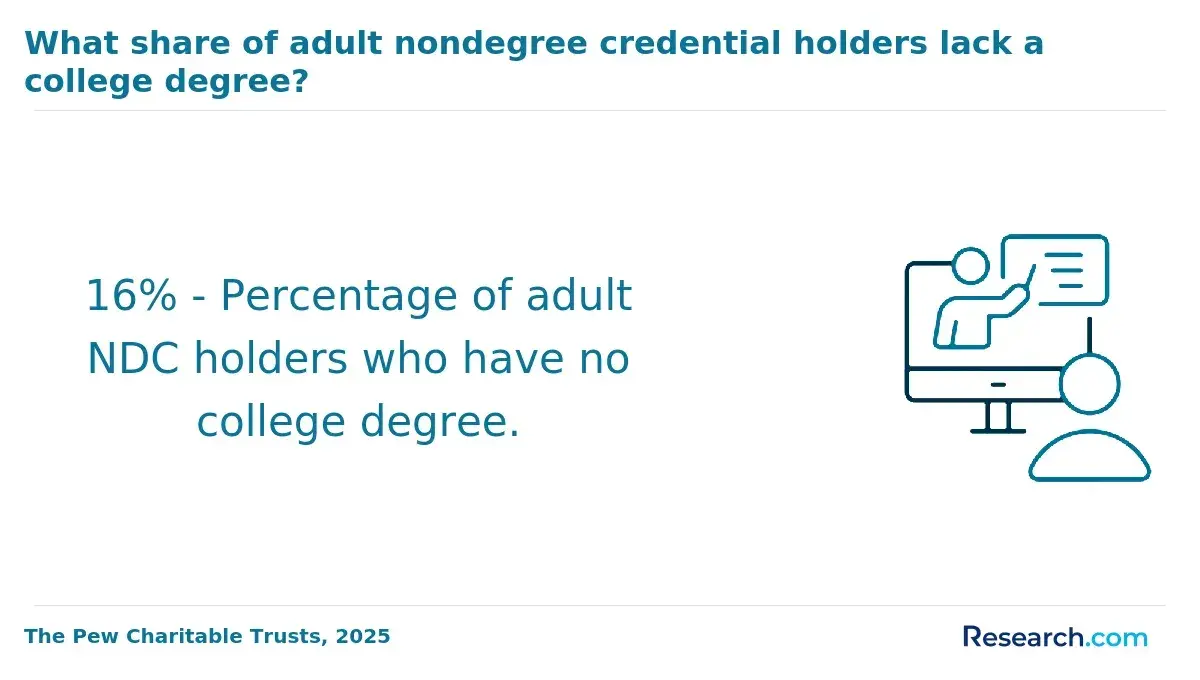
Test-optional policies change the decision mainly when your score does not add useful evidence. If a college says scores are optional, you can usually apply without SAT or ACT results and still receive full consideration for admission. However, optional does not always mean irrelevant. Some schools still use scores for merit scholarships, honors programs, academic placement, or advising.
Common App's recent admissions reporting shows that test-optional admissions is no longer a temporary exception for many applicants. The practical effect is that the transcript, essays, recommendations, and activities must carry more weight when scores are absent.
Before applying test-optional, use a simple decision process. These steps help you avoid both underselling a strong score and submitting a score that weakens your academic story.
- Find the school's middle 50% SAT or ACT range for admitted or enrolled students, if published.
- Submit your score if it is near the middle of the range or above it, especially for selective colleges or competitive majors.
- Consider withholding the score if it falls clearly below the range and the rest of your application is stronger without it.
- Check whether scholarships, honors colleges, athletic eligibility, or major-specific programs have separate test requirements.
- Ask the admissions office how test-optional applicants are reviewed if the policy language is unclear.
Test-optional policies also affect application costs and risk management. If you are building a larger school list, options such as no application fee colleges can help you compare admissions outcomes without adding unnecessary upfront expenses.
How does course rigor affect GPA in admissions?
Course rigor explains the story behind your GPA. A 3.8 GPA in mostly basic courses and a 3.8 GPA in honors, AP, IB, dual enrollment, or advanced STEM courses may not be viewed the same way. Colleges want to know whether you challenged yourself appropriately based on what your high school offered and what you plan to study.
Rigor matters because admissions officers are trying to predict college readiness. A demanding course load can show that you are prepared for faster pacing, heavier reading, lab work, quantitative assignments, or independent study. But rigor only helps when it is paired with solid performance. Taking too many advanced courses and earning sharply lower grades can raise concerns about balance and readiness.
The best course schedule is ambitious but sustainable. Consider these trade-offs before choosing senior-year classes or explaining your transcript.
- Choose advanced courses in subjects connected to your intended major, such as calculus for engineering or biology and chemistry for nursing or pre-health pathways.
- Keep core academic subjects strong, because colleges usually care more about English, math, science, social science, and world language than electives.
- Avoid taking the hardest possible schedule only for appearance if it will damage your GPA, mental health, or ability to complete applications well.
- Use the additional information section to explain legitimate disruptions, such as illness, school changes, caregiving, work responsibilities, or limited course availability.
Weighted GPA can also create confusion. Some high schools add extra points for advanced classes, while others do not. Many colleges recalculate GPA using their own method, so do not assume your school's weighted number will be the number admissions officers use. Focus on the transcript pattern: course level, subject strength, grade trend, and whether you kept challenging yourself.
What GPA and test score ranges do selective colleges expect?
Selective colleges typically expect strong grades in rigorous courses. For the most competitive institutions, many admitted students have mostly A grades, advanced coursework where available, and scores near the upper end of national SAT or ACT distributions if they submit them. Still, selective admissions is not a checklist. Excellent numbers can make you academically viable, but they do not guarantee admission.
Published admitted-student ranges are most useful when you read them as context. If your GPA and scores are within range, you are academically competitive, but essays, recommendations, institutional priorities, major choice, and demonstrated preparation still matter. If you are below range, you may need a stronger explanation, a different school list, or a pathway such as transfer admission.
The table below gives broad planning ranges for U.S. undergraduate applicants. Use it to classify reach, target, and likely schools, then verify each college's current data directly.
| Admissions selectivity | Typical academic profile | How test scores are used | Application strategy |
| Open access or minimally selective | High school completion, required coursework, or basic GPA thresholds | Often optional or used for placement | Focus on enrollment steps, placement, transfer credit, and cost |
| Moderately selective | Solid GPA with college-prep coursework and few major academic gaps | Helpful when scores confirm readiness or improve scholarship chances | Apply to several target schools and compare aid packages carefully |
| Selective | Strong GPA, rigorous courses, and clear academic direction | Useful if scores are within or above the school's typical middle range | Submit scores strategically and tailor essays to academic fit |
| Highly selective | Mostly top grades in the most rigorous courses available | Can strengthen an already excellent file, even when optional | Treat admission as uncertain and build a balanced list with realistic options |
One red flag is building a college list entirely from average scores. Scores do not show affordability, support services, major availability, graduation rates, advising quality, or career outcomes. A better list includes academic fit, financial fit, and personal fit.
How do online and campus programs compare on admissions requirements?
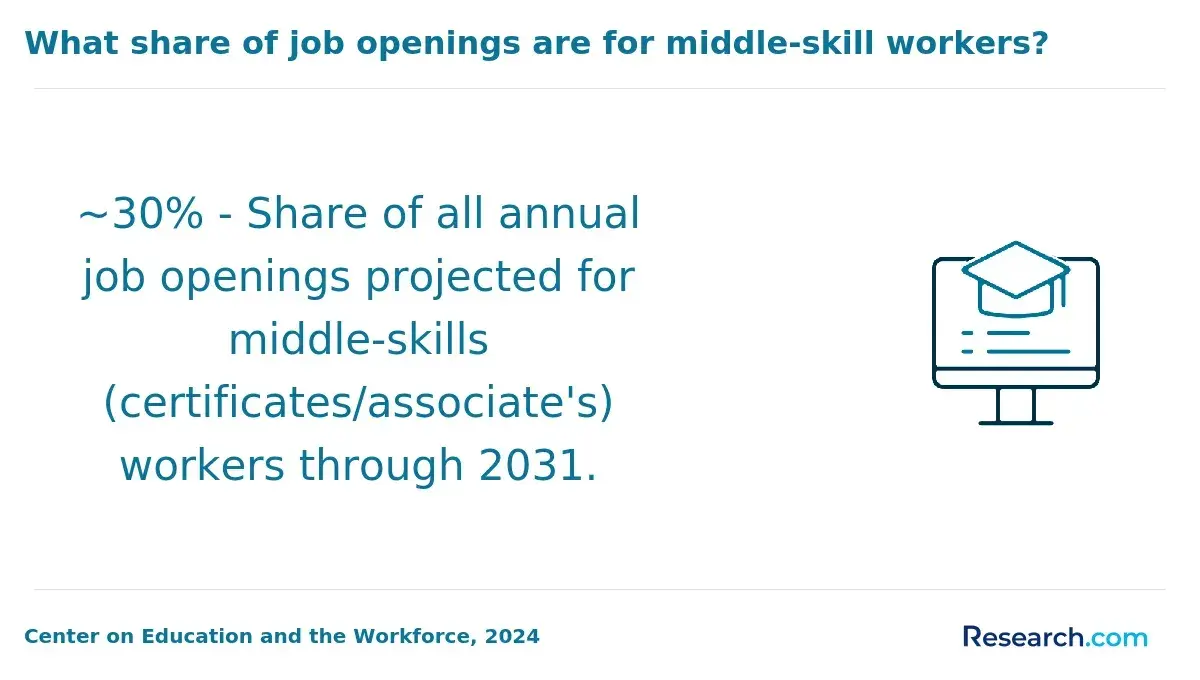
Online and campus programs can have similar academic standards when they are offered by the same accredited institution, but their admissions processes may feel different. Campus-based first-year programs often emphasize high school GPA, course rigor, essays, and campus fit. Online programs, especially degree-completion pathways, may emphasize transfer credits, prior college GPA, work experience, and readiness for independent learning.
For cost-sensitive students, format matters because tuition is only part of the total price. College Board's 2024 Trends in College Pricing reported published tuition and fees of $11,610 for in-state public four-year colleges and $43,350 for private nonprofit four-year colleges. Online study may reduce housing or commuting costs, but it can still include technology fees, proctored exam costs, and limited access to campus-based scholarships.
The table below compares admissions factors by format. It can help you decide whether a traditional campus pathway, online bachelor's program, or hybrid option is the better fit.
| Factor | Campus programs | Online programs | What to check before applying |
| GPA review | Often emphasizes high school GPA for first-year applicants | Often emphasizes transfer GPA for adult or degree-completion applicants | Ask whether the school recalculates GPA and which courses count |
| Test scores | May be optional, required, or used for scholarships | Often not required for adult learners, but policies vary | Confirm whether scores affect admission, placement, or aid |
| Course rigor | Important for first-year applicants and selective majors | Less central if you already have college credits | Check prerequisite courses for your intended major |
| Schedule fit | Best for students who want in-person activities and structured routines | Best for working students, caregivers, military learners, and remote students | Compare synchronous meeting times, pacing, and support services |
| Cost structure | May include housing, meal plans, transportation, and campus fees | May reduce living costs but can include online-specific fees | Compare total cost of attendance, not tuition alone |
If affordability is the main concern, reviewing cheapest online degrees can help you identify programs where admissions requirements, accreditation, and total cost align with your goals.
What accreditation should you check before applying?
Accreditation is one of the most important checks before applying because it affects transfer credit, financial aid eligibility, graduate school options, employer recognition, and licensure pathways. In the U.S., you should first confirm that the college is institutionally accredited by an accreditor recognized by the U.S. Department of Education or the Council for Higher Education Accreditation.
Some fields also require programmatic accreditation. This is especially important in nursing, education, social work, counseling, engineering, business, public health, and allied health. A college can be institutionally accredited while a specific program lacks the accreditation needed for licensure or professional recognition.
Use this checklist before paying an application fee or enrolling. These steps help you avoid programs that look convenient but create problems later.
- Search the institution in the U.S. Department of Education's accreditation database and confirm current institutional accreditation.
- Check whether your specific program has field-specific accreditation if your career goal involves licensure, certification, or graduate admission.
- Ask whether credits transfer to public universities or graduate programs you may want to attend later.
- Review state authorization rules if you will study online from a different state than the school's main campus.
- Request written confirmation that the program meets educational requirements for your intended state license, when licensure applies.
Accreditation matters at every level, including graduate study. If you are comparing an easy online master's degree with a more demanding program, do not judge by workload alone; verify accreditation, employer acceptance, faculty qualifications, and whether the curriculum supports your career goal.
How do GPA and test scores affect scholarship eligibility?
GPA often has a direct effect on scholarship eligibility because many merit awards use minimum GPA cutoffs for initial consideration and renewal. Test scores can also matter, especially for automatic merit scholarships, honors colleges, and competitive awards. Even at test-optional colleges, scholarship rules may differ from admission rules.
Financial aid context matters because the cost gap between institutions can be large. The federal Pell Grant maximum for the 2024-25 award year is $7,395, which can help eligible students reduce cost but may not cover the full price of attendance. That makes merit aid, state grants, institutional scholarships, and lower-cost pathways important parts of the decision.
Scholarship policies vary, but students should check these common requirements before deciding whether to submit test scores.
- Minimum high school GPA for first-year merit awards or minimum transfer GPA for transfer scholarships.
- SAT or ACT thresholds for automatic scholarships, even when scores are optional for admission.
- Renewal rules, such as maintaining a college GPA after enrollment or completing a minimum number of credits each year.
- Separate applications, priority deadlines, essays, interviews, portfolios, or auditions for competitive scholarships.
- Whether scholarship amounts stack with need-based aid, state grants, employer tuition benefits, or military education benefits.
A major mistake is applying after the priority scholarship deadline. Many colleges award the largest institutional scholarships earlier in the cycle, and late applicants may still be admitted but have fewer funding options. If your GPA is strong, apply early enough for the school to consider you for merit aid.
How can lower scores be offset by other application strengths?
Lower test scores can often be offset, especially at test-optional colleges, but lower grades are harder to explain unless there is an upward trend or a clear reason for the dip. The goal is not to hide weaknesses. The goal is to show that you are prepared for college-level work through stronger evidence elsewhere in the application.
If your test score is below a college's usual range, strengthen the parts of the application that predict persistence, maturity, and academic readiness. The following actions are more persuasive than simply saying you are motivated.
- Earn strong senior-year grades, especially in core academic courses connected to your intended major.
- Ask teachers for recommendations that speak to effort, improvement, writing, problem-solving, participation, or resilience.
- Use essays to explain purpose, growth, and fit rather than repeating your resume.
- Show meaningful commitments through work, family responsibilities, leadership, service, research, creative projects, or technical skills.
- Consider dual enrollment, community college coursework, or a transfer pathway if your high school record does not reflect your current ability.
Some students can also use accelerated or transfer-friendly pathways to recover time and lower cost. For example, 2-year accelerated bachelor degrees may make sense for students who already have substantial transfer credits, but they are usually not ideal for students who need more academic support or a slower pace.
Do not over-explain a weak score if the application does not ask for it. A concise explanation of a documented obstacle can help, but a long excuse can distract from your strengths. Focus most of the application on what you have done, what changed, and why you are ready now.
What should adult learners know about GPA and test requirements?
Adult learners are often evaluated differently from traditional first-year applicants. If you have prior college credits, admissions offices may care more about your college GPA than your high school GPA or SAT/ACT scores. If you have been out of school for years, some colleges may waive test requirements and focus on transcripts, work history, professional goals, military training, or prior learning assessment.
This is especially important for working adults, caregivers, veterans, career changers, and older students returning for personal or professional growth. Programs designed for adult learners may offer part-time pacing, asynchronous classes, shorter terms, transfer credit reviews, and credit for industry certifications or military experience.
Adult learners should ask practical questions before applying because admissions flexibility does not always mean the program is the right fit. These questions can prevent costly enrollment mistakes.
- Will the school evaluate transfer credits before enrollment, and will it provide a written degree plan?
- Is there a minimum transfer GPA, and are older credits accepted differently from recent credits?
- Are SAT or ACT scores waived for applicants over a certain age or applicants with prior college coursework?
- Does the program offer evening, weekend, asynchronous, hybrid, or part-time options?
- What academic support is available for writing, math, technology, tutoring, advising, and career planning?
Older students should also compare programs built around their needs rather than assuming every online option is adult-friendly. Reviewing online degree programs for seniors can be useful for learners who want flexible pacing, accessible student support, and a realistic return-to-school plan.
Other Things You Should Know About
Usually, yes. A high GPA in rigorous courses shows consistent academic performance over time. A high test score is still valuable, especially for selective colleges, scholarships, and applicants whose grades need additional context.
Submit scores when they are within or above the college's typical admitted-student range or when they are required for scholarships or specific programs. If scores are clearly below range and the rest of your application is stronger, applying without them may be the better choice.
Strong essays can help explain growth, challenges, and fit, but they rarely erase a weak academic record by themselves. The strongest offset is evidence of recent academic improvement, challenging coursework, or successful college-level classes.
Many online programs do not require SAT or ACT scores, especially for adult learners or transfer students. Policies vary, so applicants should check whether scores are needed for admission, placement, honors programs, or merit scholarships.
References
- How Much Does GPA Matter When Applying to College? | SoFi https://www.sofi.com/learn/content/does-gpa-matter-for-college-admission/
- Do Colleges Look at Weighted or Unweighted GPA? | Ivy Coach https://www.ivycoach.com/the-ivy-coach-blog/college-admissions/do-colleges-look-at-weighted-gpa/
- Can You Change Your Test-Optional Decision After Applying? https://orieladmissions.com/change-test-optional-decision/
- How to Address Weaknesses, Strengths as MBA Applicant https://www.stacyblackman.com/how-to-address-weaknesses-strengths-as-mba-applicant/
- What Is More Important: GPA or SAT Scores? https://www.collegexpress.com/articles-and-advice/admission/blog/what-more-important-your-gpa-or-sat-scores/
- Which GPA Is Required for College Applications? https://www.envisionexperience.com/blog/which-gpa-is-required-for-college-applications
- What GPA Do You Need For a Full Scholarship in 2026? https://bold.org/blog/what-gpa-do-you-need-to-get-a-full-scholarship/
- Understanding Adult Learners’ Needs https://www.facultyfocus.com/articles/teaching-and-learning/understanding-adult-learners-needs/
- How GPA Impacts Scholarships, Internships, and Postgraduate Admissions https://www.researchprospect.com/how-gpa-impacts-scholarships-internships-admissions/
- Rigor vs GPA: which do you give the edge to? https://talk.collegeconfidential.com/t/rigor-vs-gpa-which-do-you-give-the-edge-to/3673045