2027 Marketing Salaries: How Much Does a Social Media Manager Make?

Co-Founder and Chief Data Scientist
Choosing a social media management career usually comes down to three practical questions: what the job actually involves, how much it can pay, and what skills or credentials help someone move from entry-level content work into higher-paying strategy roles. This guide answers those questions with a salary-focused view of the profession, including pay by state, pay by experience level, related occupations, education options, certifications, remote-work considerations, and the trends reshaping the field.
Social platforms are no longer just brand-awareness tools. They influence product discovery, customer service, hiring, reputation management, and direct sales. The same platforms that help users quickly research topics such as how to become an actuary or what actuaries do also give companies a direct channel to reach, persuade, and support audiences. That shift has made social media management a more visible career path for people with strengths in writing, analytics, design, customer insight, and campaign planning.
LinkedIn has over 11,000 listings for social media manager jobs in the United States (US). Average pay varies widely by location, employer, industry, and experience, but available salary data shows that the role can pay more than the $45,760 median annual wage for all US occupations. Use this guide to understand where the strongest salary opportunities appear, what employers tend to expect, and how to evaluate whether this path fits your goals.
Quick Answer: How Much Do Social Media Managers Make?
Social media managers earn an average annual salary of $75,462, with average hourly rates for social media manager jobs ranging between $26 and $52. State-level averages in this guide range from New Jersey at $72,123 to Washington at $89,087 among the top-paying states listed. Experience matters: entry-level professionals average $50,750, while professionals with more than 15 years of experience may earn $115,200 each year on average.
The role can be worth pursuing for people who enjoy fast-moving digital work, can combine creative judgment with data analysis, and are comfortable being accountable for public-facing brand performance. It may be less suitable for people who dislike constant platform changes, real-time audience engagement, or performance metrics.
Social Media Manager Salary Table of Contents
- What does a social media manager do?
- Social media manager salary by state
- Social media manager salary by experience level
- How education can support social media management career growthExperience-based salary details
- Salaries for careers related to social media management
- How creative writing strengthens social media performance
- Alternative career paths for social media managersCreative communication skillsRelated salary options
- Emerging trends shaping social media management
- How social media managers can reduce burnout risk
- The role of visual design in social media engagement
- Transferable digital skills and nontraditional careers
- How remote work affects social media manager roles for 2027
- Understanding the financial trajectory of this career
- Best educational paths for social media management
- Advanced tools and techniques for social media managers
- Certifications that can support advancementCareer earnings over timeComparable occupations
What does a Social Media Manager do?
A social media manager plans, produces, publishes, monitors, and improves content for a brand, organization, product, public figure, or campaign. The job is not limited to posting updates. It often includes audience research, editorial planning, social listening, community engagement, paid and organic content coordination, campaign reporting, and cross-functional collaboration with marketing, sales, public relations, customer support, creative, and leadership teams.
In a small organization, one person may handle strategy, copywriting, graphics coordination, scheduling, comments, analytics, and reporting. In a larger company, the social media manager may own the channel strategy while working with designers, copywriters, performance marketers, video producers, public relations teams, and customer service specialists. Many report to a marketing director, content lead, communications manager, or head of brand.
Common responsibilities
- Build content calendars tied to business goals, campaigns, product launches, events, and seasonal priorities.
- Create or oversee social copy, short-form video concepts, graphics briefs, captions, polls, stories, and community posts.
- Schedule posts and monitor performance across platforms such as LinkedIn, Instagram, TikTok, Facebook, X, YouTube, and emerging channels.
- Track metrics such as reach, impressions, engagement rate, clicks, conversions, saves, comments, follower growth, and audience sentiment.
- Use performance data to refine content themes, posting times, creative formats, and targeting assumptions.
- Coordinate with sales, public relations, design, product, and customer-facing teams so brand messaging stays consistent.
- Respond to audience comments, route customer issues, and help protect the brand during public feedback cycles or crises.
- Prepare campaign reports that translate social performance into business-relevant insights.
Skills employers often expect
Social media management sits at the intersection of communication, analytics, project management, and creative production. A degree is not always the only route into the field, but many employers prefer candidates with formal preparation in marketing, communications, public relations, business, or related fields. Some candidates pursue a digital marketing degree, business marketing program, communications program, or even specialized paths connected to organizational leadership such as nonprofit management programs.
- Communication: turning business goals into clear public-facing messages.
- Writing: crafting concise copy that fits each platform and audience.
- Research: understanding competitors, audience behavior, trends, and platform norms.
- Organization: managing calendars, approvals, campaigns, assets, and deadlines.
- Analytical thinking: interpreting performance data rather than relying only on likes or follower counts.
- Time management: balancing planned campaigns with urgent responses and real-time opportunities.
- Project management: coordinating creative, approvals, reporting, and stakeholder expectations.
- Creativity: developing ideas that feel timely, useful, and brand-appropriate.
- Technology fluency: using scheduling tools, analytics platforms, social listening software, design tools, and AI-assisted workflows responsibly.
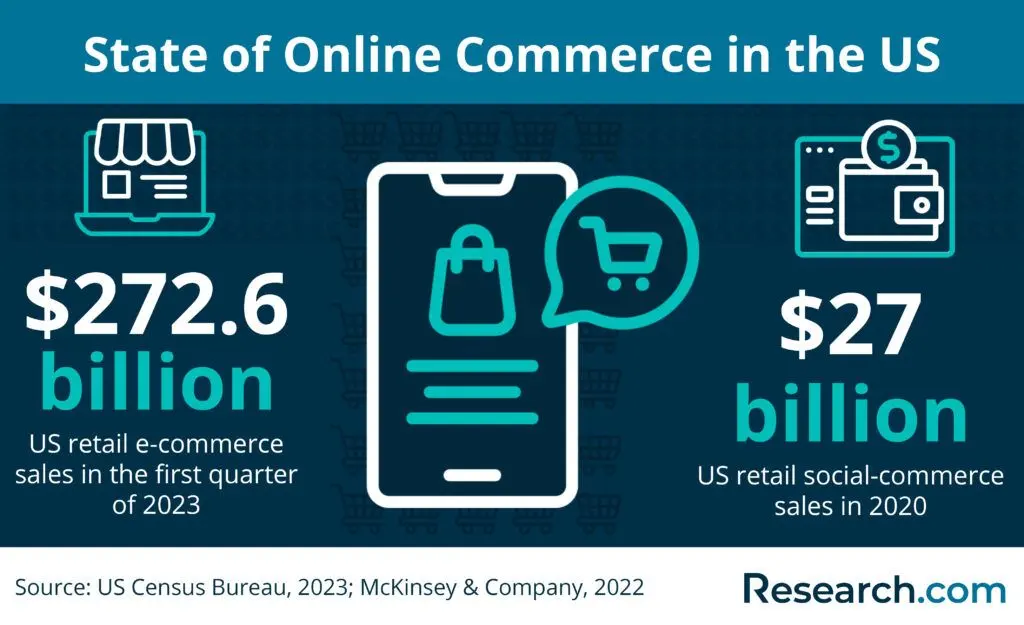
The business case for social media work is tied to broader digital commerce. In the first quarter of 2024, national retail e-commerce sales in the US totaled approximately $320.4 billion. Social platforms have also shown their ability to generate about $34 billion in sales, especially as social commerce allows consumers to discover products and complete transactions directly within social platforms.
Social Media Manager Salary by State
Salary is one of the first factors people consider when evaluating social media management. The field can be attractive to students and professionals interested in digital marketing, content strategy, communications, or the career outlook for business administration majors who want to specialize in marketing. However, compensation is not uniform. Location, employer size, local industry mix, cost of living, portfolio strength, platform expertise, and whether a role includes paid media or leadership duties can all affect pay.
Across the US, social media managers earn an average annual salary of $75,462, and the average hourly rate for social media manager jobs is between $26 and $52. The following states are among the highest-paying locations covered in this guide.
| State | Average annual salary listed | Why the market may be attractive |
| Washington | $89,087 | Strong technology presence and major employers. |
| California | $88,236 | Technology, entertainment, tourism, and large corporate markets. |
| Nevada | $87,105 | Tourism, gaming, hospitality, mining, and natural resource technologies. |
| Oregon | $86,846 | Retail, agriculture, tourism, and major consumer brands. |
| New Mexico | $81,743 | Smaller business base but high average pay in the data cited. |
| Arizona | $78,150 | Aerospace, defense, manufacturing, and digital media production activity. |
| New York | $78,098 | Finance, retail, healthcare, tourism, media, and corporate headquarters. |
| Connecticut | $75,652 | Aerospace, defense, financial services, and manufacturing. |
| Utah | $75,513 | Manufacturing, aerospace, financial services, and business growth. |
| New Jersey | $72,123 | Pharmaceuticals, life sciences, financial services, and technology. |
Washington — $89,087
Washington ranks highest in this guide for average annual social media manager pay, at $89,087. The state finished with 245,672 operational business establishments, and Seattle remains a major hiring market because of its concentration of technology and corporate employers. LinkedIn shows at least 190 job listings for social media manager roles in Seattle. The state is also associated with major companies such as Amazon and Microsoft, which helps explain the demand for digital marketing and brand communication talent.
California — $88,236
California is listed at $88,236, while another cited average annual social media manager salary for the state is $95,000. The state includes Silicon Valley, a global technology center, and had 2,567,000 business establishments by December 2024. Apple, Google, Adobe, and many other major technology companies operate in the state. California also has extensive entertainment, tourism, retail, startup, and creator-economy activity, all of which can create demand for social media strategy and content professionals.
Nevada — $87,105
Nevada is listed at $87,105, with another cited average annual social media manager salary of $89,350. The state reached 107,890 total business establishments. Its economy is strongly connected to tourism, gaming, hospitality, natural resource technologies, and mining. The hospitality and tourism sector alone supports tens of thousands of jobs for residents, creating opportunities for social media professionals who understand destination marketing, customer engagement, event promotion, and reputation management.
Oregon — $86,846
Oregon is listed at $86,846, and another cited average annual social media manager salary for the state is $96,500. Business establishments grew by 9.2% in one year, with 2024 showing 227,312. Oregon is home to Nike’s global headquarters and is also the largest softwood lumber producer in the country. Retail, agriculture, tourism, consumer goods, and outdoor lifestyle brands can all rely heavily on social media storytelling and audience engagement.
New Mexico — $81,743
New Mexico is listed at $81,743, while another cited average annual social media manager salary is $92,340. That places it fifth among the states discussed here. The state has fewer businesses than many larger markets: only 540 new businesses were launched, increasing the total from 68,529 to 69,069. For candidates, this means the salary figure should be weighed against the size of the local job market, remote-work availability, and industry-specific demand.
Arizona — $78,150
Arizona is listed at $78,150, and another cited average annual social media manager salary for the state is $85,400. The state recorded 13.5% growth in businesses, with 2024 showing 270,200. Arizona has more than 1,400 aerospace and defense companies and includes major manufacturing employers such as Intel and Frito-Lay. Its natural landscapes also support film and digital media production, which can create demand for social media professionals who understand visual storytelling, campaign coordination, and audience targeting.
New York — $78,098
New York is listed at $78,098, with another cited average annual social media manager salary of $91,430. The state’s economy spans financial services, retail, healthcare, tourism, media, professional services, and entertainment. Tourism remains a major contributor, with 255 million tourists in 2024. Wall Street, located in Lower Manhattan’s financial district, also supports a wide range of entry-level through executive roles and broader business career paths.
Connecticut — $75,652
Connecticut is listed at $75,652, and another cited average annual social media manager salary is $81,300. The state added 12,457 new businesses in 2024 and ended the year with 165,350 business establishments. Major industries include aerospace and defense, financial services, and manufacturing. Social media roles in these sectors may emphasize employer branding, business-to-business communication, recruiting campaigns, and reputation-focused content rather than only consumer-facing promotion.
Utah — $75,513
Utah is listed at $75,513, while another cited average annual social media manager salary is $76,105. That figure is still above the national average cited in this article and almost $19,500 higher than the median annual wage for all US occupations. The state approved 12,457 new business establishments by December 2024 and reported 149,732 businesses. Utah targets several industries for economic growth, including manufacturing, aerospace, and financial services.
New Jersey — $72,123
New Jersey is listed at $72,123, with another cited average annual social media manager salary of $85,200. The state experienced a 6.3% increase in business establishments, added 20,150 new organizations in one year, and reached 340,958 total establishments. Its economy includes pharmaceuticals, life sciences, financial services, and technology, making it a relevant market for social media managers who can handle regulated-industry messaging, brand trust, and professional audience communication.
Social Media Manager Salary by Experience Level
Experience changes both the salary range and the type of work assigned. Early-career social media managers are often evaluated on writing ability, platform fluency, reliability, creativity, and willingness to learn analytics. More experienced professionals are expected to connect social media activity to business outcomes, manage stakeholders, guide teams, own budgets, and explain performance data clearly.
| Experience level | Average annual salary cited | Typical focus of the role |
| Entry level | $50,750 | Content creation, scheduling, community engagement, and basic reporting. |
| Entry level with one to three years | $58,300 | Platform management, campaign support, simple analytics, and content testing. |
| Mid level with three to five years | $67,200 | Strategy development, project coordination, campaign planning, and advanced analytics. |
| Senior level with five seven years | $78,129 | Campaign ownership, budget input, team coordination, and performance optimization. |
| Senior level with sevennine years | $93,099 | Leadership, cross-channel strategy, reporting to executives, and team supervision. |
| Nine to 15 years | $102,800 | Senior specialist, strategist, consultant, or department-level responsibilities. |
| More than 15 years | $115,200 | Marketing leadership, consulting, brand strategy, or broader communications oversight. |
Entry-level social media managers may be hired with limited formal work history if they can show relevant education, internship experience, freelance work, a strong portfolio, or platform-specific skills. They often create content, draft captions, monitor comments, build simple reports, and learn when to publish using evidence-based resources such as guidance on the best times to post on social media. Professionals at this level have an average salary of $50,750, while those with one to three years of experience earn an average annual salary of $58,300.
Mid-level professionals, generally with three to five years of experience, earn an average annual salary of $67,200. At this stage, employers expect stronger ownership of campaigns, content strategy, analytics interpretation, stakeholder communication, and project management.
Senior social media managers earn between $78,129 for five seven years of experience and $93,099 for sevennine years of experience. These roles usually involve more than posting and reporting. Senior managers may supervise social media specialists, manage campaign budgets, set content strategy, coordinate creative production, interpret performance data for leadership, and make decisions about brand voice during sensitive or high-visibility moments.
Professionals with nine to 15 years of experience have an average social media specialist salary of $102,800. Those with more than 15 years in marketing may earn $115,200 each year on average, particularly if they move into leadership, consulting, integrated marketing strategy, or broader communications management.
How to increase earning potential
- Build a portfolio that shows business results, not just attractive posts.
- Learn analytics well enough to explain what changed, why it changed, and what should happen next.
- Develop paid social, social commerce, influencer marketing, or community management expertise.
- Gain experience in industries where digital reputation, customer acquisition, or compliance-sensitive communication matters.
- Practice presenting campaign outcomes to non-marketing stakeholders.
- Keep examples of reports, content calendars, campaign briefs, and testing plans when confidentiality allows.
What is the role of education in elevating social media management careers?
Education can help social media professionals move beyond execution into strategy. While many people enter the field through marketing, communications, journalism, public relations, business, or self-directed digital experience, structured study can provide a stronger foundation in consumer behavior, branding, analytics, campaign planning, ethics, and marketing technology.
A marketing online degree can be useful for students or working adults who want formal preparation without leaving the workforce. Programs may cover digital marketing trends, segmentation, content strategy, market research, analytics, and audience targeting. Those subjects matter because employers increasingly expect social media managers to justify decisions with data and to connect content performance to business goals.
Education is not a guarantee of a higher salary. Employers still weigh portfolio quality, platform experience, writing ability, judgment, and measurable outcomes. However, a degree can help candidates compete for roles that require broader marketing knowledge, and it can support transitions into marketing manager, communications manager, brand strategist, or digital director positions.
| Educational path | Best for | Decision factor |
| Bachelor’s degree in marketing or communications | Students seeking broad preparation and access to entry-level roles. | Look for coursework in analytics, digital strategy, writing, and campaign planning. |
| Digital marketing degree | Candidates who want direct preparation for online campaigns and performance measurement. | Check whether the curriculum includes current tools, paid media, SEO, and social analytics. |
| Public relations or journalism background | People strong in writing, media relations, and audience communication. | Add analytics and platform-specific marketing skills to stay competitive. |
| Certificates and platform credentials | Working professionals who need focused upskilling. | Choose credentials tied to tools or responsibilities employers actually request. |
| Portfolio-first route | Freelancers, creators, or career changers with proof of results. | Document strategy, execution, metrics, and lessons learned for each project. |
Salaries of Occupations Related to Social Media Management
Social media managers often work closely with public relations, sales, advertising, brand, content, and broader marketing teams. That collaboration creates natural pathways into related roles. If you are exploring marketing-adjacent work and asking how to become a business consultant, or if you want to compare communication-focused careers, the following occupations can help you evaluate alternatives.
- Public Relations Specialist. If you are asking what a public relations degree can lead to, this role is one of the most direct answers. Public relations specialists manage how organizations, clients, or public figures communicate with media, customers, communities, and other stakeholders. They prepare communication plans, write press materials, support events, and help protect reputation. In 2024, public relations specialists in the US had a median annual wage of $78,700 and an employment outlook of 6%.
- Advertising Sales Agent. Advertising sales agents sell advertising placements across media channels to businesses and individuals. They explain audience reach, campaign options, pricing, and expected value to clients while working to maintain relationships and generate sales. In 2024, these professionals earned a median annual wage of $58,560, and employment is projected to decline by 6% between 2024 and 2034.
- Marketing Manager. Marketing managers oversee campaign planning, team coordination, budgets, promotions, positioning, and performance measurement. They may supervise specialists across social media, content, paid advertising, email, events, and research. In 2024, marketing managers in the US had a median annual wage of $154,690. Employment for the role has been projected to grow by 9% between 2024 and 2034.
How can creative writing skills boost a social media manager’s impact?
Creative writing helps social media managers turn brand messages into content people actually want to read, watch, save, share, or respond to. Strong writing is especially valuable because social platforms reward clarity, timing, voice, and emotional relevance. A good caption, hook, short-form video script, or thread can make a campaign feel human rather than transactional.
Writing skill also improves adaptability. A social media manager may need to write a polished LinkedIn post in the morning, a concise customer response in the afternoon, a short video script later in the day, and a crisis-response holding statement before the week ends. Professionals who want to deepen narrative and communication skills can explore advanced writing options, including Research.com’s guide on what you can do with a master’s in writing.
Is Social Media Management a Good Career Choice?
Social media management can be a strong career choice for people who enjoy both creativity and accountability. The work offers exposure to brand strategy, audience behavior, content production, analytics, and business communication. It can also be a stepping stone into marketing leadership, public relations, content strategy, influencer marketing, community management, digital advertising, or consulting.
The career is not effortless. Platform changes, public feedback, urgent posts, performance pressure, and always-on audience expectations can make the job demanding. Before pursuing this path, compare your strengths with the day-to-day reality of the role.
| This career may fit you if... | You may want another path if... |
| You enjoy writing, editing, and shaping messages for different audiences. | You dislike frequent feedback, revisions, or public response to your work. |
| You are curious about why certain content performs better than others. | You prefer work with stable rules and limited platform or technology changes. |
| You can balance creativity with deadlines, approvals, and reporting. | You want a role with little collaboration or stakeholder management. |
| You are comfortable learning tools, metrics, and platform updates continuously. | You are not interested in analytics, testing, or campaign performance. |
| You can manage fast-moving priorities without losing attention to detail. | You need a predictable schedule with minimal real-time demands. |
For those who want a business foundation before entering the field, affordable business degree programs may provide a practical starting point, especially when paired with marketing internships, freelance projects, or a portfolio of measurable campaigns.
What alternative career paths can expand a social media manager’s expertise?
Social media skills transfer well because they combine audience understanding, writing, campaign coordination, brand voice, trend analysis, and performance reporting. A professional who starts in social media may later move into agency consulting, freelance content strategy, creator partnerships, digital advertising, public relations, corporate communications, media planning, employer branding, customer community leadership, or entrepreneurship.
A communications background can make those transitions easier. Professionals evaluating adjacent roles can review Research.com’s guide to jobs available with a communications degree. The best path depends on whether you prefer strategy, writing, analytics, client service, leadership, paid media, or creative production.
What emerging trends are shaping the future of social media management?
Several trends are changing what employers expect from social media managers. AI-assisted content workflows, faster platform cycles, privacy changes, short-form video, social commerce, creator partnerships, and stronger scrutiny of brand authenticity are all raising the bar. The strongest candidates are not simply “good at social.” They understand how to use tools responsibly, interpret data, protect brand trust, and adapt without chasing every trend blindly.
- AI-assisted work: AI can support ideation, drafting, reporting, listening, and content variation, but managers still need human judgment for brand voice, accuracy, ethics, and audience sensitivity.
- Short-form and visual-first content: Brands increasingly rely on concise video, motion graphics, carousels, and visual storytelling to compete for attention.
- Social commerce: Product discovery and purchasing inside social platforms make content strategy more directly tied to sales and customer experience.
- Privacy and data limitations: Changes in tracking and audience data require better first-party insights, stronger creative testing, and careful reporting.
- Authenticity and trust: Audiences often respond poorly to overly polished or disconnected brand content, making community understanding and tone essential.
Professionals who want to strengthen storytelling as platforms become more content-saturated may benefit from creative study, including options such as a low-cost online bachelor’s in creative writing degree.
How can social media managers avoid burnout and maintain work-life balance?
Burnout is a real risk in social media roles because the job can feel continuous. Platforms operate at all hours, trends move quickly, comments can become intense, and some organizations expect one person to handle strategy, creative production, customer response, reporting, and crisis monitoring. Sustainable performance requires boundaries and systems.
- Set escalation rules. Clarify which comments, complaints, or crises require immediate response and who approves sensitive replies.
- Use a content calendar. Planning ahead reduces last-minute posting and gives stakeholders time to review work.
- Batch routine tasks. Drafting, scheduling, reporting, and social listening can often be grouped to reduce context switching.
- Protect off-hours. If monitoring is required after hours, define rotation schedules, compensation expectations, or emergency-only rules.
- Document repeatable processes. Templates for reports, briefs, responses, and campaign recaps save time and reduce decision fatigue.
- Invest in training. Programs such as an accelerated online social media marketing degree can help professionals build systems, strengthen strategy, and manage workloads more effectively.
What role does visual design play in boosting social media engagement?
Visual design strongly affects whether users notice, understand, and interact with social content. Strong visuals make messages easier to scan, reinforce brand identity, and help campaigns feel consistent across platforms. Poor design can make even useful content look untrustworthy or forgettable.
Social media managers do not always need to be professional designers, but they should understand layout, hierarchy, contrast, accessibility, image selection, brand consistency, and platform-specific creative formats. Those who want deeper preparation can consider a graphic design online degree, especially if they plan to work in small teams, freelance, or specialize in visual-first platforms.
Can transferable digital skills open pathways to nontraditional careers?
Yes. Social media managers develop transferable skills that can apply outside traditional marketing departments. Audience research, trend analysis, digital storytelling, analytics, content testing, community engagement, and campaign planning can support roles in entertainment, education, nonprofit outreach, creator businesses, e-commerce, product marketing, employer branding, and even technology-driven creative fields.
For example, someone with strong storytelling, audience behavior, and trend-analysis skills may explore adjacent creative industries. Professionals considering a move into interactive media can review whether a career in game design is worth it and compare the required skills with their existing digital marketing background.
How does remote work influence social media manager roles for 2027?
Remote work has expanded access to social media management jobs, but it has also increased competition. Since much of the role happens through digital tools, many organizations can hire candidates outside their immediate location. That flexibility can benefit professionals who want broader job options, but it also means candidates may compete with applicants from different markets.
- More remote job possibilities. Companies with distributed teams can hire social media managers who work from anywhere, especially when the role focuses on content planning, scheduling, analytics, and digital collaboration.
- Flexible but sometimes irregular schedules. Social media activity does not always fit a standard workday. Remote arrangements can make it easier to respond across time zones, but expectations should be defined clearly.
- Greater need for collaboration systems. Remote social media managers must coordinate with marketing, sales, public relations, design, and leadership teams using tools such as Slack, Trello, and Zoom.
- Higher importance of self-management. Without direct supervision, professionals need strong routines for content production, approvals, reporting, monitoring, and stakeholder updates.
- Wider talent competition. Remote hiring lets employers access global talent, so candidates need clear proof of skills in analytics, platform strategy, writing, content planning, and campaign results.
Understanding the Financial Trajectory of a Social Media Management Career
The financial path in social media management usually improves when a professional moves from task execution to measurable strategy. Early-career employees may focus on posting and engagement, while higher-paid professionals often manage campaigns, budgets, teams, analytics, paid media, influencer partnerships, social commerce, or cross-channel strategy.
Entry-Level Salaries and Growth Potential
Social media managers typically start their careers with entry-level salaries averaging around $52,600 annually. Within the first three years, pay often increases as professionals gain platform expertise, demonstrate campaign results, improve reporting skills, and show they can manage content without constant supervision.
Senior Roles and Beyond
Mid-level roles requiring three to five years of experience offer average annual salaries of $66,400. Senior-level positions with leadership duties can exceed $97,500 annually for professionals with seven to nine years of experience. Those with more than 15 years of experience may move into broader marketing or leadership roles, earning upwards of $120,000 annually.
Cross-Industry Earning Potential
Social media management is used across industries, so compensation can differ by sector. Finance, technology, healthcare, consumer goods, higher education, nonprofits, entertainment, and professional services all use social channels differently. Candidates with business or finance knowledge may find opportunities where content strategy intersects with complex products or regulated communication. For comparison, Research.com’s finance major salary insights can help readers evaluate earning potential in a related business field.
What are the best educational paths for a social media management career?
The best educational path depends on your starting point. A high school graduate may benefit from a bachelor’s degree in marketing, communications, public relations, or digital marketing. A working adult may prefer a flexible online program. A career changer with writing or design experience may need targeted certificates and a portfolio rather than a second full degree.
If you want a program focused specifically on the field, review affordable online social media marketing degree options. When comparing schools, do not look only at tuition. Ask whether the program teaches current platforms, analytics, content strategy, paid social, campaign planning, digital ethics, and portfolio development.
Questions to ask before choosing a program
- Is the institution properly accredited?
- Does the curriculum include analytics, paid media, content strategy, and social platform management?
- Will you graduate with portfolio pieces or campaign projects?
- Are courses taught by faculty with current marketing or communications experience?
- Can prior credits transfer?
- Are internships, capstones, or employer partnerships available?
- Does the program fit your schedule if you work full time?
- What is the total cost after fees, books, technology costs, and financial aid?
What advanced digital tools and techniques can enhance a social media manager’s success?
Modern social media managers need more than platform familiarity. They often use scheduling tools, analytics dashboards, social listening platforms, customer relationship management systems, design software, video editing tools, link tracking, paid social platforms, and AI-supported research or drafting tools. The goal is not to automate everything; it is to improve consistency, speed, learning, and decision-making.
- Scheduling and publishing tools: help coordinate content calendars, approvals, and cross-platform posting.
- Analytics dashboards: show performance trends, campaign outcomes, traffic sources, and audience behavior.
- Social listening tools: monitor brand mentions, customer sentiment, competitor activity, and emerging topics.
- AI-assisted workflows: support brainstorming, summarizing, reporting, and variation testing when used with human review.
- Design and video tools: help teams produce platform-ready visuals, short-form video, and branded assets.
- Reporting frameworks: connect social metrics to goals such as awareness, engagement, leads, customer support, sales, or retention.
Professionals who want to move into leadership or strategic communications may consider an affordable online master’s degree in communications to deepen their understanding of messaging, organizational communication, and audience strategy.
What certifications are needed to advance as a social media manager?
No single certification is required for every social media manager job. Employers usually care most about relevant experience, writing skill, platform fluency, judgment, analytics ability, and proof of results. However, recognized certifications can help candidates demonstrate current knowledge, especially when changing careers, applying for specialized roles, or adding paid media and analytics responsibilities.
| Certification or credential | What it can signal | Best fit |
| HubSpot Social Media Certification | Understanding of social media strategy, content planning, and performance analysis. | Early-career professionals and career changers. |
| Hootsuite Social Marketing Certification | Practical knowledge of managing campaigns across social platforms. | Professionals responsible for scheduling, community management, and multi-platform execution. |
| Google Analytics Certification | Ability to analyze traffic, campaign performance, and user behavior. | Social media managers who need stronger reporting and optimization skills. |
| Facebook Blueprint certifications | Knowledge of Facebook and Instagram marketing, especially advertising. | Professionals focused on paid social or Meta platform strategy. |
Certifications work best when paired with a portfolio. Instead of listing credentials alone, show how you used the skills: a campaign brief, before-and-after performance metrics, a reporting dashboard, a paid social test, or a content calendar tied to business objectives. For broader academic preparation, accelerated marketing degree programs online may provide a faster and more flexible route into formal marketing study.
Common Mistakes to Avoid When Pursuing This Career
- Choosing a program without checking accreditation. Accreditation affects transfer credits, graduate school options, employer trust, and financial aid eligibility.
- Focusing only on tuition. Total cost can include fees, software, books, equipment, commuting, and time away from work.
- Assuming a degree alone guarantees a job or salary. Employers still expect proof of writing ability, judgment, platform fluency, and results.
- Building a portfolio with only pretty posts. Include goals, audience insight, strategy, execution, metrics, and lessons learned.
- Ignoring analytics. Social media managers who cannot interpret data may be limited to lower-level execution roles.
- Chasing every trend. Not every platform trend fits every brand, audience, or business goal.
- Underestimating burnout risk. Clarify expectations for monitoring, after-hours work, crisis response, and approvals.
- Relying only on rankings or salary averages. Compare local demand, remote competition, job duties, benefits, growth paths, and cost of living.
Key Insights
- Social media management combines creative and analytical work. The job includes content planning, writing, publishing, community engagement, reporting, and strategy—not just posting.
- Pay varies by geography and experience. The average annual salary cited is $75,462, while top listed states include Washington at $89,087, California at $88,236, and Nevada at $87,105.
- Experience changes earning power. Entry-level professionals average $50,750, while those with more than 15 years of experience may earn $115,200 each year on average.
- Education can help, but portfolio evidence matters. Degrees in marketing, communications, digital marketing, or public relations can build a foundation, but employers also want campaign results and platform fluency.
- Certifications are useful when targeted. HubSpot, Hootsuite, Google Analytics, and Facebook Blueprint credentials can support advancement when they match the job’s responsibilities.
- Remote work expands opportunity and competition. Candidates should be ready to prove self-management, collaboration, analytics, and content strategy skills in distributed work environments.
- Related careers can offer strong alternatives. Public relations specialists, advertising sales agents, and marketing managers use overlapping skills, with different pay levels and outlooks.
- Growing Demand: Social media management is a rapidly growing field, with over 55,000 job listings in the US as of 2024. This high demand is driven by the necessity for businesses to maintain a strong online presence.
- Competitive Salaries: Social media managers earn an average annual salary of $70,287, which is significantly higher than the median annual wage for all US occupations.
- Regional Salary Variation: The highest-paying states for social media managers include Washington ($89,087), California ($88,236), and Nevada ($87,105). These variations are influenced by the presence of major industries and large corporations in these states.
- Essential Skills: Key skills for social media managers include communication, writing, research, organization, analytical thinking, time management, project management, creativity, and technology.
- Career Advancement: Experience significantly impacts salary. Entry-level social media managers earn around $49,575, while those with over 15 years of experience can earn up to $113,333 annually.
- Related Career Paths: Professionals in social media management can transition to related roles such as public relations specialists, advertising sales agents, and marketing managers, with competitive salaries and positive job outlooks.
References
- Empire State Development. Tourism. https://esd.ny.gov/industries/tourism
- Glassdoor. (2024, June 14). Social Media Manager Salaries: United States. https://www.glassdoor.com/Salaries/social-media-manager-salary-SRCH_KO0,20.htm
- Karten, R. (2024). Social Media Compensation Survey Results. https://www.milkkarten.net/p/surveyresults
- LinkedIn. Jobs, Social Media Manager, United States. https://www.linkedin.com/jobs/social-media-manager-jobs?position=1&pageNum=0
- McKinsey & Company. (2024, October 19). Social commerce: The future of how consumers interact with brands. https://www.mckinsey.com/capabilities/growth-marketing-and-sales/our-insights/social-commerce-the-future-of-how-consumers-interact-with-brands
- US Bureau of Labor Statistics. (2024). Advertising, Promotions, and Marketing Managers. Occupational Outlook Handbook. https://www.bls.gov/ooh/management/advertising-promotions-and-marketing-managers.htm
- US Bureau of Labor Statistics. (2024, September 10). Occupational Outlook Handbook. https://www.bls.gov/ooh/sales/advertising-sales-agents.htmv
- US Bureau of Labor Statistics. (2024). Employment Projections. https://www.bls.gov/emp/tables/fastest-growing-occupations.htm
- US Bureau of Labor Statistics. (2024, March 26). Occupational Employment and Wage Statistics. https://www.bls.gov/oes/current/oes.htm
- US Bureau of Labor Statistics. Percent change in number of business establishments by state, total covered employment. Graphics for Economic News Releases. https://www.bls.gov/charts/county-employment-and-wages/percent-change-est-by-state.htm
- US Bureau of Labor Statistics. (2024). Occupational Outlook Handbook. https://www.bls.gov/ooh/media-and-communication/public-relations-specialists.htm
- US Census Bureau. (2024, May 23). QUARTERLY RETAIL E-COMMERCE SALES, 1st QUARTER 2024. https://www.census.gov/retail/mrts/www/data/pdf/ec_current.pdf
- Zippia. (2024). Social Media Manager Salary. https://www.zippia.com/social-media-manager-jobs/salary
Other Things You Should Know About Social Media Manager Salaries
The average annual salary for a social media manager in the US is $70,287. However, this can vary based on location, experience, and the specific industry.
In 2027, the salary of a social media manager is influenced by several factors including geographical location, industry, company size, and level of experience. Managers in tech-driven cities and industries tend to earn higher salaries. Additional certifications and expertise in data analytics and digital marketing tools can further boost earning potential. **Question 1** What is the average salary of a social media manager in the US? **Answer** In 2027, the average salary for a social media manager in the US is approximately $75,000 per year. Salaries can vary widely based on location, industry, and experience levels. **Question 2** How does experience impact the salary of a social media manager? **Answer** Experience significantly impacts a social media manager's salary. Entry-level managers might earn around $50,000 annually, while those with over 10 years of experience can command salaries exceeding $100,000, depending on their industry and location. **Question 3** What are the highest-paying states for social media managers? **Answer** In 2027, the highest-paying states for social media managers are typically California, New York, and Massachusetts. These states boast major tech hubs and corporate headquarters, driving competitive salary offerings. **Question 4** What industries offer the most opportunities for social media managers? **Answer** Industries such as technology, entertainment, and retail offer abundant opportunities for social media managers in 2027. These sectors prioritize digital engagement and invest heavily in social media strategies to reach a wider audience.
Experience significantly impacts salary. Entry-level social media managers earn around $49,575, while those with one to three years of experience earn about $56,605. Mid-level managers earn approximately $64,320, and those with over 15 years of experience can earn up to $113,333 annually.
The highest-paying states for social media managers are Washington ($89,087), California ($88,236), and Nevada ($87,105). These states have a high concentration of major industries and large corporations that drive up salary averages.
In 2027, social media managers in the US typically earn an average salary of $70,000 to $85,000 annually. Salaries can vary based on factors like experience, location, and industry demand, with the top 10% earning over $105,000.
Industries such as technology, entertainment, retail, hospitality, and financial services offer significant opportunities for social media managers due to their heavy reliance on digital marketing and online presence.