2027 Marketing Degree Enrollment Trends by Age Group: Traditional Students vs Adult Learners

Co-Founder and Chief Data Scientist
Shifts in marketing degree enrollment reveal underlying pressures within the industry's evolving labor market. Traditional students often enroll amid rising credential inflation, driven by employers seeking graduates proficient in digital analytics and strategic branding. Meanwhile, adult learners disproportionately pursue these programs following economic disruptions, leveraging previous work experience while addressing skills gaps from advancing employer demands.
Notably, the Bureau of Labor Statistics projects a 10% growth in marketing specialist roles through 2030, intensifying competition for entry-level positions typically filled by recent graduates. These age-divergent patterns highlight how educational accessibility and workforce adaptation shape the profession's trajectory amid rapid technological change and strategic complexity.
Key Things to Know About Marketing Degree Enrollment Trends by Age Group
- Enrollment rates for traditional college-age students in marketing programs have declined by 8% since 2023, reflecting a shift toward immediate workforce entry, which may limit practical exposure gained through formal study.
- Employers increasingly favor candidates with digital marketing experience and certifications over mere degree possession, highlighting a skill-gap that older students often fill by integrating work experience with education for better job relevance.
- Adult learners face higher opportunity costs due to longer program completion times and family obligations, prompting many to prioritize certificate programs despite these offering narrower theoretical foundations compared to full degrees.
- Key Things to Know About Marketing Degree Enrollment Trends by Age Group Key Things to Know About Marketing Degree Enrollment Trends by Age Group
- Which Age Groups Represent the Largest Share of Marketing Students? Students by Age Group
- Why Do Traditional Students Choose Marketing Degree Programs? Traditional Students
- Why Do Adult Learners Return to School for a Marketing Degree? Adult Learners
- How Do Academic Goals Vary Between Younger and Older Marketing Students? Academic Goals by Age Group
- How Do Financial Concerns Differ Between Traditional Students and Adult Learners? Financial Concerns by Age Group
- What Challenges Do Adult Learners and Traditional Students Face While Earning a Marketing Degree? Student Challenges by Age Group
- How Does Age Affect Marketing Degree Student Retention? Age and Student Retention
- Which Marketing Specializations Are Most Popular Among Adult Learners? Top Specializations for Adult Learners
- How Does Age Affect Job Opportunities for Marketing Graduates? Impact of Age in Job Opportunities
- What Do Current Marketing Enrollment Trends Reveal About Future Demand? What Do Current Marketing Enrollment Trends Reveal About Future Demand?
Which Age Groups Represent the Largest Share of Marketing Students?
Marketing programs draw students at varied life stages, but enrollment is heavily skewed toward particular age brackets shaped by workforce entry schedules, financial positioning, and educational access routes. These enrollment patterns reveal intersecting influences of labor market demand and the structure of higher education rather than mere individual preference. Understanding how different age groups engage with marketing education clarifies the role of career timing and program flexibility in shaping student demographics.
- Ages 18-24: This group accounts for the largest share of marketing degree students, reflecting the traditional post-secondary pipeline. Students in this range typically transition directly from high school to college, aligning with employer demand for entry-level talent with up-to-date digital and analytical skills. Their enrollment is often full-time and driven by clear career-start motives tied to undergraduate credentialing.
- Ages 25-34: Adult learners in this bracket are increasingly prominent in marketing programs, often balancing part-time study with employment or family commitments. Many pursue degrees to shift careers or boost their competencies, leveraging the flexibility of online or evening offerings. This segment's growth signals adaptation in program delivery corresponding to evolving workforce needs and the emphasis on continuous professional development in marketing fields.
- Ages 35-44: Students within this mid-career range make up a smaller but meaningful portion of enrollments. They typically approach marketing education for strategic career pivots and upskilling, often targeting managerial or specialized roles. Financial and time demands are critical considerations, as opportunity costs of study intensify with established professional and personal responsibilities.
- Ages 45 and above: Representing the smallest enrollment share, older adult learners engage less frequently yet often with distinct objectives, such as transitioning into leadership positions or executive marketing roles. Their participation underscores the importance of lifelong learning but also highlights higher barriers due to work-life balance challenges and increased academic rigor juxtaposed with career demands.
These dynamics align with broader national patterns in marketing degree enrollment by age group United States-wide, where traditional versus adult learners in marketing programs reflect divergent entry points and progression strategies. This distribution has practical ramifications for prospective students weighing the timing and format of their education, particularly when aligning choices with long-term career trajectories and labor market realities. For those evaluating degree options, understanding these population trends alongside labor needs contributes to more informed decisions-whether entering immediately after high school or returning later to refine marketing expertise within a competitive environment. The varied profiles of marketing students underscore evolving educational accessibility and workforce integration complexities common across applied bachelor's pathways, detailed further among the best bachelors degrees.
Why Do Traditional Students Choose Marketing Degree Programs?
Traditional students often choose marketing degree programs based on a combination of academic interest and strategic career planning that begins early in their postsecondary journey. The degree functions as a versatile signal to employers, reflecting competencies in communication, analytics, and creativity, which aligns with a broad array of entry-level roles. Many students are motivated by the opportunity to explore diverse aspects of business within a structured curriculum, using their undergraduate years to clarify professional preferences and develop foundational skills relevant across industries.
According to the National Center for Education Statistics, nearly 28% of traditional-age students pursuing business-related fields highlight the appeal of marketing's adaptable skill set and growth potential as key factors in their decision-making. Beyond individual academic interests, university recruitment strategies and institutional advising significantly influence enrollment patterns in marketing programs. Guidance counselors and early exposure to marketing concepts in high school or introductory college courses often shape students' perceptions of the field's stability and relevance amid shifting job market demands.
This structured exposure encourages selection of marketing degrees among those seeking a balance of creativity and business acumen, fostering a pathway supported by peer networks and institutional resources. For students weighing practicality alongside passion, marketing frequently represents a middle ground that prepares them for varied career outcomes, a contrast to more narrowly focused degrees. Such enrollment dynamics reflect the importance of understanding marketing degree benefits for traditional college students as a key intersection of academic choice and labor market expectations.
For prospective students interested in complementary fields, evaluating allied programs such as psychology may also be relevant. The cheapest online psychology bachelor degree options illustrate how affordability and accessibility influence enrollment trends among both traditional and non-traditional students, highlighting broader considerations in educational pathway decisions.
Why Do Adult Learners Return to School for a Marketing Degree?
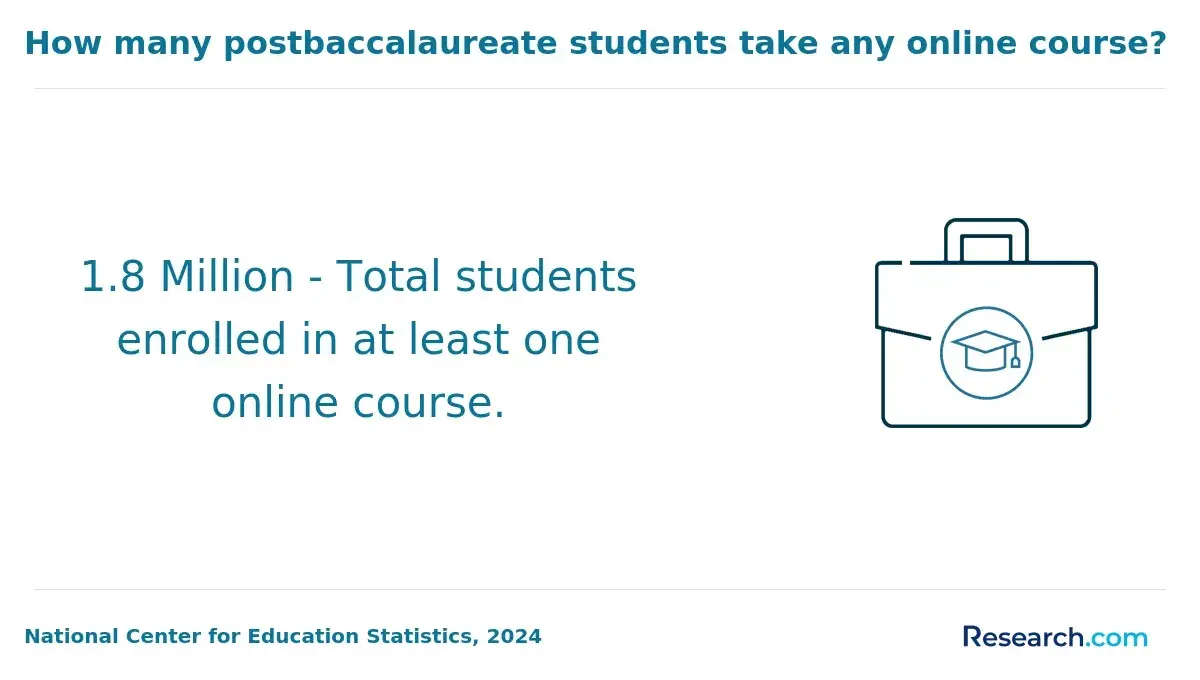
Adult learners typically pursue a marketing degree with clear objectives tied to upgrading their professional standing or transitioning careers. For many, returning to education is a calculated move to secure promotions, increase earnings, or enter marketing from unrelated fields where growth opportunities may have plateaued. Unlike traditional students focused on foundational knowledge, these learners prioritize credentials that validate skills in areas like digital marketing and brand management, which have become essential as industries evolve. Data from the National Center for Education Statistics in 2024 shows that nearly 40% of non-traditional students select marketing or business-related programs, reflecting labor market demands for adaptable and current expertise.
Several structural factors facilitate this trend beyond individual ambition. Employer tuition assistance programs make upskilling more accessible, while the expansion of online and hybrid learning models caters to adults balancing study with work and family obligations. Additionally, the marketing field's rapid technological shifts require ongoing skill renewal, particularly in analytics and social media management, making formal education a practical means to remain competitive. These realities underscore the interplay between credential inflation and professional relevance, as returning students must demonstrate fresh competencies to meet employer expectations in dynamic market environments.
How Do Academic Goals Vary Between Younger and Older Marketing Students?
Younger marketing students often approach their education with a broad exploratory mindset, prioritizing foundational theories and versatile skills over immediate specialization. Typically aged 18 to 24, they tend to pursue comprehensive degree programs that integrate internships and networking opportunities designed to open doors to entry-level roles or graduate studies. According to the 2024 National Center for Education Statistics, 68% of these students emphasize acquiring a broad knowledge base that enables flexibility across various marketing functions. Their academic goals reflect a desire to build a robust framework applicable to evolving markets, balancing theoretical understanding with practical experience to position themselves competitively in early-career job searches.
In contrast, adult marketing students, often aged 25 and above, tend to enroll with clear career objectives linked to existing professional experience and immediate workplace outcomes. The 2024 Strada Education Network report notes that 74% of these learners focus on targeted credentials or skill sets-such as digital analytics, brand management, or strategic communication-to facilitate role transitions, promotions, or lateral moves within the industry. Their educational choices frequently reflect a strategic calculation of return on investment, seeking flexible formats like evening classes or online programs that accommodate personal responsibilities and accelerate credential completion. Rather than foundational exploration, their focus centers on specialized learning that supports defined career trajectories and adapts to shifting labor market demands.
One adult learner's experience highlights the nuanced challenges of navigating academic timing and admissions amid career pressures. Returning to school after several years in corporate marketing, they hesitated initially, unsure if enrolling during a rolling admissions period aligned well with upcoming work commitments and family obligations. After consulting advisors and assessing program pacing, they chose to delay application by a semester to optimize readiness and secure part-time scheduling. This cautious decision-making reflects a common pattern among adult students balancing educational advancement with complex personal and professional timelines.
How Do Financial Concerns Differ Between Traditional Students and Adult Learners?
Traditional students pursuing a marketing degree typically depend heavily on family support, federal financial aid, and student loans to finance their education. Their financial concerns center largely on tuition costs and the long-term impact of accruing debt, as they generally anticipate extended periods of full-time study without immediate income replacement. According to the National Center for Education Statistics, around 84% of students aged 18 to 24 benefit from some form of federal student aid, underscoring their reliance on external funding sources. This cohort's financial decision-making often weighs projected career earnings against potential debt burdens, reflecting a life stage where personal income is usually limited and dependency on external funding is high, shaping a distinct pattern in tuition and funding differences for marketing degree learners.
In contrast, adult learners face complex financial pressures shaped by their existing employment, family responsibilities, and limited flexibility in time and income. Their primary concern is often the opportunity cost of reduced work hours or lost wages while attending classes, which can outweigh direct tuition expenses. Many adult students consider employer tuition reimbursement programs and flexible scheduling as critical factors, using these benefits to balance education with ongoing financial obligations. Studies, including the Georgetown University Center on Education and the Workforce, indicate adult learners are 30% more likely to enroll part-time, reflecting their prioritization of manageable debt accumulation and prompt return on investment. These dynamics influence enrollment and funding decisions distinctly from traditional students, revealing a nuanced financial behavior that integrates workforce participation and lifecycle economic planning.
These financial differences also affect program selection and enrollment trends, with adult learners often favoring accelerated or certificate programs and online formats to minimize disruption and cost. Understanding these patterns clarifies why many adult students choose pathways that emphasize immediate employability and reduced opportunity costs, while traditional students might prioritize broader educational experiences despite higher debt tolerances. For those exploring educational choices, including options like a project management degree, recognizing these financial behavior distinctions offers clearer insight into the practical tradeoffs that shape enrollment and educational accessibility across life stages.
What Challenges Do Adult Learners and Traditional Students Face While Earning a Marketing Degree?
Traditional students pursuing a marketing degree often confront challenges rooted in academic transition and environmental adjustment. Many enter higher education directly from high school, requiring acclimatization to rigorous coursework and unfamiliar theoretical concepts, particularly in areas like digital marketing and analytics. Time management remains a critical hurdle as these students adapt to full-time study schedules, campus life, and develop consistent discipline without prior professional experience. Research from the National Center for Education Statistics in 2024 estimates that nearly 30% of first-year marketing students struggle with this adjustment phase, affecting both retention and timely degree progress.
By contrast, adult learners face a distinct set of challenges shaped by competing professional and personal obligations. Over 60% balance full-time employment alongside their studies, necessitating flexible scheduling and often resulting in prolonged degree pathways. Family responsibilities and limited financial aid tailored to their circumstances further complicate sustained academic engagement. Adult learners must also navigate re-entry into academic settings, where evolving technologies and pedagogies may differ significantly from previous education or work experience. These pressures demand pragmatic approaches to program design and support to ensure alignment with the realities of adult life and work commitments.
Institutions that recognize these divergent needs increasingly implement flexible learning formats, such as hybrid or asynchronous courses, and tailored advising to support both populations effectively. Such adaptations acknowledge how life stage and external duties influence workload management and persistence within marketing programs. Addressing these systemic differences is essential for improving accessibility and degree completion rates, as adult learners and traditional students require distinct resources to bridge gaps between their unique challenges and employer expectations for applied marketing competencies.
How Does Age Affect Marketing Degree Student Retention?
Younger marketing students often confront retention challenges rooted in the transition to college-level demands and fluctuating motivation. The shift from a structured high school environment to autonomous learning creates adjustment pressures that some struggle to manage effectively. Early uncertainty about career direction and academic relevance can diminish engagement, increasing the likelihood of pause or dropout. National Student Clearinghouse Research Center data from 2024 reveals that roughly 10% fewer traditional-age students persist beyond the first year compared to adult learners, underscoring how early academic and social integration remains a critical barrier.
Adult learners in marketing programs tend to exhibit stronger persistence linked to clearer professional objectives and a pragmatic approach to coursework. Their retention patterns, however, are tempered by external obligations such as employment and family responsibilities, which can fragment study continuity and extend time to completion. Balancing competing demands often leads these students to opt for part-time enrollment rather than full withdrawal, reflecting a different but equally valid form of retention. Institutions recognizing these distinctions can better tailor scheduling flexibility and targeted advising to support varied life circumstances, enhancing overall persistence in marketing education.
One marketing graduate recalled hesitating to commit during rolling admissions, unsure if deferring enrollment might better accommodate an impending job transition. The uncertainty intensified as deadlines approached, complicated by the desire to ensure academic preparedness alongside financial stability. Ultimately, the decision to start promptly, despite incomplete certainty, yielded a smoother path through the program, illustrating how timing and strategic enrollment choices significantly influence retention outcomes across age groups.
Which Marketing Specializations Are Most Popular Among Adult Learners?
Adult learners pursuing a marketing degree tend to focus on specializations offering direct, practical benefits that align closely with their current professional experience or career transition goals. Unlike traditional students who might explore broader or theoretical marketing fields, working professionals prioritize areas that enhance immediate job performance, increase salary potential, or facilitate meaningful industry shifts. This targeted approach reflects the necessity for adult learners to balance education with ongoing work and personal responsibilities while maximizing return on investment.
- Digital marketing: This specialization appeals due to its relevance in a digitally-driven economy and the flexibility it offers, including remote work opportunities. Adult learners often seek to update skills in SEO, social media marketing, and content strategy to remain competitive or pivot within their industry.
- Marketing analytics and data interpretation: Prior work experience in different sectors pushes adults toward analytics, which harnesses data to inform strategy and optimize campaigns. Its emphasis on software tools and analytical frameworks aligns with employer demand for data-literate marketers, supporting salary growth through technical proficiency.
- Brand and product management: Adult learners targeting leadership roles gravitate toward this specialization for its focus on strategic planning, consumer psychology, and market positioning. It supports upward mobility by equipping professionals to oversee comprehensive marketing efforts and long-term brand performance.
- Content marketing and strategy: Catering to those with creative and communication skills, this field allows adult learners to apply storytelling and strategic development to their organizations, bridging marketing theory with actionable campaigns.
- Market research and consumer insights: For learners invested in understanding behavioral drivers and target audiences, this specialization offers tools to translate research into actionable business strategies, critical for career changers seeking evidence-based marketing roles.
A 2024 report from the National Center for Education Statistics shows that 62% of adult marketing students enroll in programs focused on digital and data-centric tracks. This underlines the strong correlation between specialization choice and labor market demands, especially among career changers and those motivated by workforce reskilling. These trends reflect how specialization decisions among adult learners are shaped by practical career considerations rather than purely academic interests.
For many adult learners evaluating their options, practical accessibility to recognized credentials-such as flexible, online formats akin to offerings like an online clinical psychology masters-influences specialization choice, especially where balancing work and study is paramount.
How Does Age Affect Job Opportunities for Marketing Graduates?
Younger marketing graduates, typically between 18 and 24, often enter a competitive job market with limited hands-on experience but benefit from structured pipelines such as internships and on-campus recruiting events. Employers tend to target this age group for entry-level roles that demand adaptability and current digital competencies, given their recent academic exposure to these skills. These early career opportunities often capitalize on networking advantages provided by college programs and institutional partnerships. This dynamic shapes marketing graduate job prospects by age group, as younger candidates are usually positioned for growth within entry-level tracks supported by systematic hiring initiatives.
Conversely, older marketing graduates, generally 25 and above, approach the labor market with the benefit of prior work experience and often transferable skills, yet face potential employer hesitance connected to perceived overqualification or concerns about cultural fit and salary expectations. The 2024 National Association of Colleges and Employers survey indicates that 37% of employers express some reservations when hiring older recent graduates, though they recognize these candidates' strengths in leadership and strategic thinking vital for mid-career roles. Navigating these biases and leveraging existing professional skills is crucial for adult learners, especially those considering career pivots or advanced credentials like the online EdD programs without a dissertation. The impact of age on marketing career opportunities underscores the need for continuous skill development aligned with evolving market demands to maintain employability across the marketing career lifecycle.
What Do Current Marketing Enrollment Trends Reveal About Future Demand?
Shifts in enrollment patterns in marketing degree programs reveal evolving student perceptions of career value and education relevance. The increased representation of adult learners, rising to nearly 40% of new enrollments in 2024 according to the National Center for Education Statistics, reflects a pragmatic response to workforce changes and the need for skill updating. Traditional students remain the majority, but the growing blend of age groups indicates diversified academic interests shaped by digital marketing's expanding scope. This demographic evolution signals a more segmented educational market, where marketing education must balance foundational theory for entry-level candidates with applied expertise tailored to mid-career professionals.
These enrollment trends align closely with labor market demands rooted in technological advancement, data-driven campaigns, and the growth of digital commerce. Employers increasingly seek candidates with practical experience and advanced analytical skills, pushing programs toward flexible, online, and part-time formats to accommodate working adults. The sustained interest across demographics points to ongoing industry expansion and workforce shortages in specialized roles, driving program development focused on emerging marketing technologies and leadership competencies. Such dynamics suggest future marketing education will emphasize adaptive curricula designed to meet shifting employer expectations and diverse student needs.
References
- 3 demographic trends shaping the future of graduate and adult enrollment | EAB https://eab.com/resources/blog/adult-education-blog/3-demographic-trends-shaping-future-graduate-adult-enrollment/
- Marketing Recruitment in 2025 | Ashdown Group https://www.ashdowngroup.com/marketing-recruitment-in-2025
- Marketing Trends in Higher Education: What to Expect in 2026 https://www.caylor-solutions.com/marketing-trends-in-higher-education-2026/
- How can educational marketing help your student retention? - 4Revops https://www.mkt4edu.com/en/blog/how-can-educational-marketing-help-your-student-retention
- 7 Marketing Strategies to Increase Student Enrollment in Higher Ed https://unibuddy.com/blog/marketing-strategies-to-increase-student-enrollment/
- How Different Age Groups Are Using Social Media | Target Internet https://targetinternet.com/resources/how-different-age-groups-are-using-social-media
- So you’re graduating and want a marketing career—tips from ad industry leaders https://adage.com/career-development/resources/aa-marketing-career-advice-new-grads/
- 23 Instagram demographics marketers need to know in 2026 https://blog.hootsuite.com/instagram-demographics/
- Marketing to Students at Their Current Life Stage https://www.lt.agency/blog/marketing-to-students-at-life-stage
- Meeting the Needs of Adult Students | Insight Into Academia https://insightintoacademia.com/meeting-the-needs-of-adult-students/
Other Things You Should Know About Marketing
Traditional students typically enroll in marketing programs that follow a semester-based schedule with full-time course loads, which aligns with their ability to dedicate most of their time to studying. Adult learners, who often juggle work and family responsibilities, generally benefit from flexible, part-time, or accelerated programs. Choosing the right format is crucial: adult learners should prioritize programs with modular or evening classes to balance commitments, while traditional students might focus on programs offering immersive experiences and internships that prepare them for entry-level positions.
Adult learners must critically assess programs based on workload intensity relative to their outside obligations. High-intensity traditional formats may increase stress and attrition risk if work and family commitments are inflexible. Programs offering asynchronous coursework or competency-based progressions help manage these challenges. Adult learners should prioritize programs that allow them to demonstrate mastery over time rather than those enforcing rigid deadlines, as this approach better sustains long-term career advancement goals without compromising personal responsibilities.
While it may seem beneficial for traditional students to access adult-learner programs for flexibility, this can reduce chances for immersive experiences, peer collaboration, and campus networking that shape early career development. Conversely, adult learners entering traditional programs risk burnout due to heavier course loads and fixed schedules. Therefore, traditional students should prioritize programs with structured, cohort-based learning that enhances skill-building through interaction, while adult learners should seek programs tailored to their real-world contexts to maintain balance and maximize practical outcomes.