2027 Marketing Careers: Guide to Career Paths, Options & Salary

Co-Founder and Chief Data Scientist
Marketing is the function that connects a business’s products or services to the people most likely to buy, trust, or use them. That sounds simple, but the work behind it is broad: research, messaging, pricing, campaign planning, digital execution, analytics, and customer insight all sit under the same umbrella. If you are deciding whether marketing is the right field for you, this guide will help you understand the career paths, skills, education options, salary ranges, and advancement steps that matter most.
This 2026 guide is designed for students, career changers, and early-career professionals who want a realistic view of marketing. You will learn what marketers do, which roles match different strengths, what education is actually useful, how to start with or without a degree, and how to choose the right next step based on your goals.
For readers who are still mapping out next steps, it can also help to determine your career goals before choosing a specialty.
Quick Answer: Is marketing a good career?
Yes, marketing can be a strong career choice if you want work that combines creativity, communication, strategy, and measurable results. It offers multiple entry points, including associate’s degrees, bachelor’s degrees, certificates, internships, and portfolio-based routes. It also has room for advancement into management, analytics, brand strategy, public relations, content, and digital roles. The best fit is usually for people who enjoy both people-centered thinking and performance-driven work.
Marketing Careers Table of Contents
- Why pursue a career in marketing?
- Marketing career outlook
- Skills and tools employers look for
- How to start a marketing career
- How to advance in marketing
- How data analytics improves marketing
- How higher education supports marketing careers
- How creative writing can strengthen marketing work
- How emerging technologies are changing marketing careers
- How networking can accelerate growth
- How to build a marketing portfolio
- Alternative career options for marketers
- How visual design skills support marketing
- How game design ideas can inform marketing
- How professional development programs shape careers
- How online degrees can help aspiring marketers
- How to handle common marketing career challenges
Why pursue a career in marketing?
Marketing appeals to people who want a career that is always tied to business growth. Every company needs someone to understand customers, translate features into benefits, and decide how to reach the right audience. That makes marketing relevant across industries, from retail and healthcare to technology, nonprofit work, and professional services.
Another reason people choose marketing is flexibility. Some roles lean heavily into analysis, such as market research or SEO. Others are more creative, such as content strategy, campaign copywriting, social media, or brand management. If you want a field with multiple entry points and room to specialize later, marketing gives you that range.
It also connects well to adjacent fields. If you want to work more on reputation, messaging, and public-facing communication, you may want to explore what you can do with a public relations degree. If you are aiming for leadership or a broader strategic role, some professionals later get into grad school to strengthen their credentials and network.
According to the U.S. Bureau of Labor Statistics, marketing specialists and market research analysts earn a median wage of $76,950. The bottom 10% earn $42,070 annually, while the top 10% earn $144,610. Those numbers show two important things: entry-level roles exist, and income potential can grow substantially with experience and specialization.
If you are comparing education paths, it also helps to review a marketing degree before committing to a school or program.
Marketing career outlook
The long-term outlook for marketing depends on your specialty, industry, and ability to work with digital tools. For market research analysts and marketing specialists, the BLS projects 6.7% growth through 2034, along with 87,200 annual openings. That suggests steady demand for people who can interpret customer behavior, improve campaign performance, and help organizations compete more effectively.
The strongest demand is generally in areas where data, content, and digital distribution intersect. Employers increasingly want marketers who can work across platforms, use analytics responsibly, and adapt to changing tools such as automation software and AI-assisted workflows. For job seekers, that means the most valuable skill set is rarely just “creative” or just “analytical”; it is usually both.
Marketing also fits many remote and hybrid roles, especially in digital marketing, content, SEO, email, and campaign management. For professionals who want to keep working while advancing their education, online marketing graduate programs can be a practical option.
Skills and tools employers look for
Marketing employers expect more than general communication skills. They want people who can manage digital systems, understand data, coordinate projects, and produce work that supports business goals. The exact mix depends on the role, but the following skills show up often.
Core marketing tools and technical skills
Marketing automation platforms. These systems help teams schedule campaigns, segment audiences, track engagement, and reduce repetitive tasks. They are common in larger organizations and in B2B environments where lead nurturing and reporting matter.
Content management systems. CMS platforms are used to build, update, and publish website content. Marketers use them to manage pages, multimedia, categories, and structured content without relying on developers for every change.
Design software. Basic visual production skills help marketers create campaign graphics, social posts, presentations, and ads. Experience with tools such as Adobe Illustrator or Adobe Photoshop can be useful, especially in smaller teams.
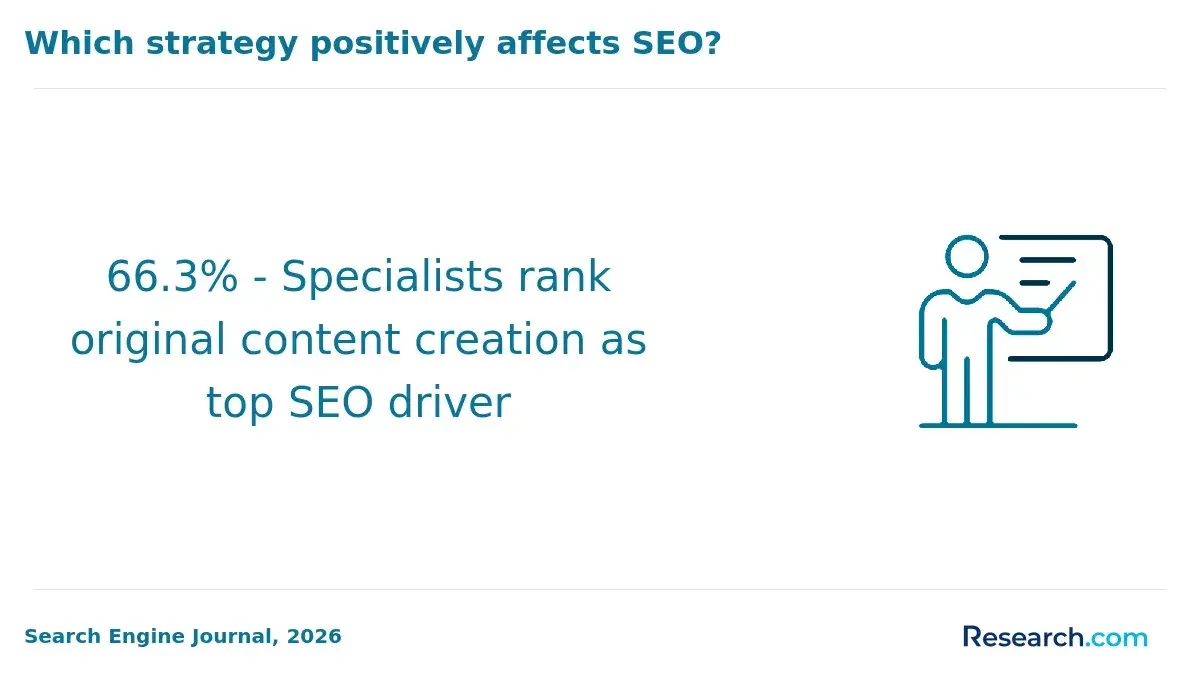
SEO and analytics tools. Search engine optimization is still a major part of digital visibility. Marketers often use SEO platforms to identify ranking opportunities, measure traffic, spot technical issues, and improve content performance.
Industry research also suggests that automation tools are helpful but not a cure-all. A 2021 study in the Italian Journal of Marketing noted challenges with real-time data, privacy concerns, and the risk that conversational AI can weaken relationship-building if it is used without human judgment. The practical takeaway is simple: automation works best when it supports strategy rather than replacing it.
General skills employers value
Written and verbal communication. Marketers explain ideas to teams, clients, vendors, and customers. Strong writing and clear speaking are needed in nearly every role.
Time management and organization. Campaigns usually involve multiple deadlines, shifting priorities, and cross-functional coordination. Good organization helps marketers avoid missed launch dates and inconsistent messaging.
Creativity. Effective marketing requires original thinking. Even data-heavy roles benefit from someone who can develop better angles, messages, and problem-solving approaches.
Analytical thinking. Marketers must interpret results, compare channels, and decide what to change based on evidence rather than instinct alone.
Collaboration. Marketing rarely happens in isolation. Teams often work with sales, product, design, customer support, and leadership.
What skills should you focus on first?
If you are early in your career, start with the skills that create the fastest employability gains:
- writing and editing
- basic analytics and reporting
- social media planning
- email marketing fundamentals
- SEO basics
- presentation and project coordination
If you already have those covered, move toward deeper specialization in areas such as paid media, marketing operations, brand strategy, or conversion optimization.
How to start a marketing career
The best way to enter marketing depends on the role you want. Some jobs are accessible with an associate’s degree and a portfolio. Others usually expect a bachelor’s degree, internship experience, or technical skills. A clear starting plan helps you avoid spending time and money on credentials that do not support your target role.
If you are still exploring options, one useful starting point is to compare what you can do with a business marketing degree with related business and communications pathways. You can also review bachelor’s degree options if you are choosing between program types.
| Career path | What you typically do | Common entry point | Examples of roles | Why this path fits |
| Special events | Plan, organize, and support events, launches, and promotional functions | Associate’s or bachelor’s degree plus practical experience | Executive Assistant ($52,935), Marketing Events Manager ($62,670), Events Director ($75,027) | Good for organized, detail-focused people who like fast-moving projects |
| Public relations | Handle messaging, media outreach, and public-facing communication | Bachelor’s degree is common | Staff Writer ($52,835), Communications Manager ($75,638), PR Director ($100,660) | Best for strong writers and speakers who manage reputation and media relationships |
| Customer relationship management | Maintain client communication and support long-term retention | Bachelor’s degree or equivalent experience | CRM Coordinator ($59,085), Client Relationship Manager ($85,115), Head of CRM ($138,917) | Good for people who enjoy process, customer experience, and data-driven retention |
| Sales and marketing | Generate demand, support revenue, and coordinate with sales teams | Associate’s or bachelor’s degree, plus strong interpersonal skills | Digital Marketing Specialist ($61,549), Account Executive ($86,132), Director of Marketing ($114,906) | Useful for candidates who like persuasion, business development, and measurable goals |
What can you do with an associate’s degree in marketing?
An associate’s degree can help you qualify for support roles, coordination work, and entry-level content or social media tasks. It is often a reasonable path if you want to begin working sooner, reduce upfront tuition, or test whether marketing is the right fit before committing to a longer program.
Marketing assistant
Marketing assistants often support senior staff with admin tasks, client communication, press release coordination, and data collection. The role is especially useful for gaining exposure to how campaigns are planned and executed.
Median salary: $48,602 per year
Social media marketing coordinator
Social media coordinators help create content, manage campaigns, monitor performance, and track platform trends. This role tends to reward strong writing, visual awareness, and platform fluency.
Median salary: $38,989 per year
What can you do with a bachelor’s degree in marketing?
A bachelor’s degree is one of the most common entry credentials for marketing careers. It often helps candidates move beyond support work into roles that require campaign ownership, client interaction, or strategic analysis.
SEO specialist
SEO specialists improve content visibility in search engines. They analyze rankings, test content, identify traffic opportunities, and use data to improve performance before and after campaigns.
Median salary: $52,856 per year
Account manager
Account managers maintain client relationships, coordinate strategy, and help oversee campaign delivery. The role usually requires communication skills, reliability, and the ability to balance client needs with internal execution.
Median salary: $54,370 per year
Content marketer
Content marketers create blogs, whitepapers, scripts, eBooks, and website copy. They often need to understand SEO so their content can be discovered and used effectively.
Median salary: $60,566 per year
Can you get a marketing job with just a certificate?
Yes, a certificate can help you enter marketing or pivot into a new specialty, especially if you already have work experience in another field. Certificates are often useful for people who want targeted training without starting a full degree program. They can be earned through extension schools, community colleges, online providers, or graduate-level continuing education.
That said, certificates work best when they are paired with proof of skill. Employers often want to see campaign samples, writing samples, analytics work, or internship experience. If you use a certificate, treat it as part of a larger job-search strategy rather than the whole strategy.
How to advance in marketing
Career growth in marketing usually comes from a combination of deeper specialization, better results, and stronger professional credibility. In practice, that means continuing education, more advanced projects, and clearer proof that you can improve outcomes such as traffic, engagement, leads, retention, or revenue.
Useful ways to move forward include internships, fellowships, open courseware, certifications, and networking. Some marketers also choose graduate study when they want to move into leadership, strategy, or higher-paying specialty roles.
What do master’s programs usually require?
Most marketing master’s programs expect applicants to already hold a bachelor’s degree. Requirements vary, but the University of Minnesota lists the following for its Master of Marketing program:
- an online application
- a resume
- an applicant statement
- two recommendations
- a video essay
- a $75 application fee
- an interview by invitation only
- English language test scores, if applicable
- GMAT or GRE scores optional
What certifications can help?
Certifications are most valuable when they match your target role. They are especially helpful if you want to prove job-ready skills in a narrow area such as digital marketing, analytics, advertising operations, or content strategy.
The American Marketing Association offers the PCM credential, with tracks in marketing management, digital marketing pro, sales management, and content marketing. According to the AMA, the credential requires a passing score on an exam administered by ACM.
The Interactive Advertising Bureau offers certifications in digital ad operations, digital media sales, and digital media buying and planning. It also provides group training for larger organizations.
What can you do with a master’s in marketing?
A master’s degree is usually most helpful when you want to move into strategy-heavy, leadership, or highly specialized roles. It is not always required, but it can support advancement if your target jobs expect deeper knowledge of brand, analytics, or product strategy.
Product marketing manager
Product marketing managers need strong knowledge of the company’s offerings and market position. They shape messaging, support launches, and help drive revenue.
Median salary: $89,610 per year
SEO director
SEO directors lead search strategy, oversee technical and content-focused optimization efforts, and coordinate teams working to improve online visibility.
Median salary: $93,510 per year
Which certification is best for marketing?
There is no single best certification for every marketer. The right choice depends on your goal. If you want broad professional recognition, the AMA’s PCM credential is widely relevant. If you want to specialize in advertising operations or digital media buying, IAB certifications may fit better. If you are focused on analytics, platform-specific training can be more useful than a general credential. For social and paid campaigns, platform training such as Twitter Flight School can also be useful.
For some professionals and business owners, social platform certifications and training can strengthen credibility, but they should still be backed by real campaign results.
How data analytics improves marketing
Data analytics has become central to modern marketing because it helps teams understand what customers do, which messages work, and where budgets should go. Without analytics, marketers are mostly guessing. With it, they can make more informed decisions and adjust campaigns in real time.
- Personalization: Analytics makes it possible to segment audiences and tailor messaging to different needs, behaviors, and interests.
- Better decisions: Teams can compare channels and shift spending toward what is performing well instead of waiting until the campaign is over.
- Predictive planning: Historical data can help marketers anticipate trends, identify likely demand, and prepare campaigns earlier.
- ROI tracking: Analytics tools make it easier to measure return on investment and justify marketing spending.
If you are choosing a specialty, analytics is one of the most practical areas to learn because it improves nearly every other marketing function, from content to paid media to email.
How higher education supports marketing careers
Higher education can be useful in marketing, but it is not equally important for every role. For some jobs, a degree is a standard expectation. For others, a strong portfolio or technical skill set may matter more. The smartest choice is to match the program to the career you actually want.
Programs such as digital marketing degrees can be valuable for students who want structured training in SEO, analytics, brand management, and social media. These programs are especially useful when you want a formal credential, internship access, and a clearer bridge to entry-level work.
Before enrolling, ask whether the program teaches practical tools, includes portfolio-building assignments, and has graduates in jobs similar to your target role. If it does not, the degree may not deliver enough return for your goals.
How creative writing can strengthen marketing work
Creative writing can improve marketing because it trains you to shape ideas, build narratives, and write with audience emotion in mind. Good marketing is rarely just information delivery. It is persuasion, clarity, and timing.
Marketers with stronger storytelling ability often do better in content marketing, brand copy, campaign messaging, email, and social media. If you want to sharpen that side of your skill set, you may also want to explore What can you do with a masters in writing?.
How emerging technologies are changing marketing careers
AI, automation, and more advanced analytics tools are changing how marketing teams work. Many repetitive tasks are being automated, which means marketers are spending more time on strategy, interpretation, and content judgment. At the same time, employers now expect a stronger grasp of data, experimentation, and platform-specific tools.
These changes do not eliminate marketing jobs, but they do change the most valuable skills. Marketers who can use technology thoughtfully, test campaigns, and maintain human-centered messaging will usually be better positioned than those who rely only on manual workflows.
For creative professionals who want broader cross-disciplinary skills, an online MFA may support work that blends communication, storytelling, and brand strategy.
How networking can accelerate your marketing career
Marketing often rewards people who build relationships early. Networking helps you learn about trends, uncover job leads, find mentors, and understand how different industries use marketing. It can also help you discover which specialty fits you best.
Practical places to network include industry associations, alumni groups, conferences, webinars, LinkedIn communities, and informational interviews. It can also help to connect with professionals in related fields, such as communications career paths, since marketing and communications frequently overlap.
How to build a marketing portfolio
A portfolio gives employers proof that you can do the work, not just talk about it. This matters in marketing because many roles are evaluated by outcomes, creativity, and execution quality. A strong portfolio should be easy to scan, clearly organized, and focused on results.
- Include real work: Use internship projects, freelance assignments, class projects, or employer work samples when possible.
- Show measurable results: Add metrics such as traffic growth, engagement, lead generation, email performance, or conversions.
- Demonstrate range: Include examples from writing, SEO, social media, email, paid campaigns, or branding if you have them.
- Use personal or volunteer projects: These can be especially helpful if you are just starting out and do not yet have many professional samples.
- Keep the presentation clean: Make it easy for recruiters or hiring managers to understand your role, your process, and the result.
If you completed an accelerated marketing degree online, capstone work can often become part of your portfolio.
Alternative career options for marketers
Marketing skills transfer well to other careers that value communication, customer understanding, strategy, and research. If you later decide you want a different type of work, you may not have to start over completely.
What else can a marketer do?
Business development specialist
Business development specialists look for new market opportunities, help shape growth strategy, and support the development of new offerings.
Median salary: $56,222 per year
Human resources specialist
HR specialists recruit, train, and support employees. Marketers who understand audience behavior, messaging, and retention may adapt well to this area.
Median salary: $66,265 per year
Web developer
Web developers build and maintain websites and handle technical functionality. Marketers with strong technical curiosity and analytics awareness may move in this direction with the right training.
Median salary: $77,027 per year
How visual design skills support marketing
Visual design helps marketers communicate faster and more clearly. Strong layout, color, typography, and image choices can improve brand recognition and make campaigns more persuasive. Even if you are not aiming to become a designer, basic design literacy can make you more effective in digital marketing and content roles.
If you want to strengthen that side of your background, an online degree for graphic design can be a useful complement to marketing training.
How game design ideas can inform marketing
Game design principles such as engagement loops, incentives, feedback, and interactivity can inspire stronger marketing campaigns. Marketers often borrow these ideas when they create quizzes, rewards programs, immersive brand experiences, and gamified customer journeys.
That does not mean marketing should feel like a game. It means marketers can learn from design disciplines that keep people engaged. If you are curious about that overlap, you may want to see whether is earning a degree in game design worth it.
How professional development programs shape careers
Professional development can be one of the fastest ways to stay competitive in marketing because tools and platforms change quickly. The best programs help you build practical skills that you can use right away, not just theory you will forget later.
- Current knowledge: Short courses help you keep up with changing platforms, tactics, and tools.
- Specialization: You can build depth in a specific area such as SEO, email, social media, or paid media.
- Career mobility: Additional training can strengthen your case for promotion or a role change.
- Networking: Many programs connect you with instructors, peers, and industry contacts.
- Flexible learning: Online options allow you to keep working while you study.
- Credentials: Certifications can strengthen your resume when they are tied to real skill development.
For professionals who want to build stronger messaging and leadership communication, an affordable online master's degree in communications may also be worth comparing.
How online degrees can help aspiring marketers
Online degrees can be a practical route for students who need flexibility, live far from campus, or want to keep working while studying. They are especially useful when the program includes internships, applied projects, and career services.
If you want a focused, flexible option, a social media marketing degree online may help you build skills in content, audience engagement, and campaign planning. For students who want faster completion, a fast social media marketing online degree may be a better fit, provided it still meets your goals for depth and credibility.
When comparing online degrees, check accreditation, learning format, assignment requirements, internship support, and whether graduates land jobs in roles you want.
How to handle common marketing career challenges
Marketing is rewarding, but it can also be demanding. Common challenges include constant platform changes, budget pressure, crowded content environments, and the need to prove value quickly. The best response is to keep learning and stay adaptable.
To handle these challenges well:
- learn new tools regularly
- track campaign results instead of relying on assumptions
- build a portfolio that shows measurable impact
- develop one or two specialty areas rather than trying to do everything
- improve writing and storytelling so your work stands out in crowded channels
- understand the limits of automation and AI so you can use them wisely
If you want to strengthen your narrative skills, you can also explore the cheapest online creative writing degree programs.
Questions to ask before choosing a marketing path
Before you commit to a degree, certificate, or specialty, ask yourself:
- Do I want a creative, analytical, or hybrid role?
- Do I need a degree for the jobs I want, or would a certificate and portfolio be enough?
- Does this program teach real tools and provide work samples I can show employers?
- Is the school or program accredited if that matters for my goals?
- Will this path help me get the first job, or only add more credentials?
- Am I interested in agency work, in-house work, nonprofit work, or freelancing?
Common mistakes to avoid in a marketing career
Many people slow their progress by making the same avoidable mistakes. The biggest ones are:
- choosing a program without checking accreditation or outcomes
- assuming all online programs fit licensure or employer expectations
- focusing only on tuition instead of total value
- ignoring portfolio quality and practical experience
- pursuing general training when a specialized skill would be more useful
- believing salary figures are guaranteed rather than role- and location-dependent
- relying on tools and automation without understanding the strategy behind them
What makes a strong marketer?
The strongest marketers combine honesty, judgment, and adaptability. They know how to persuade without exaggerating, analyze performance without getting lost in numbers, and communicate clearly across teams. Good marketers do not just promote products. They help businesses understand customers and earn trust.
That is why the field can be both creative and credible. The best long-term marketers are the ones who keep learning, stay results-focused, and can adjust when the market changes.
Key Insights
- Marketing is a broad career field, not a single job, and it can fit analytical, creative, and strategic thinkers.
- The U.S. Bureau of Labor Statistics lists a median wage of $76,950 for marketing specialists and market research analysts, with significant room for higher earnings in advanced roles.
- The BLS projects 6.7% growth through 2034 and 87,200 annual openings for market research analysts and marketing specialists, which points to steady demand.
- Entry can happen through associate’s degrees, bachelor’s degrees, certificates, internships, and portfolios, but your best path depends on the role you want.
- Employers increasingly value analytics, SEO, automation, content systems, communication, and the ability to work across digital channels.
- Certifications such as the AMA’s PCM and IAB credentials can help, but they work best when paired with real projects and measurable results.
- Higher education can help, especially for leadership and specialized roles, but it should be chosen based on career fit, not prestige alone.
- Marketing is changing quickly because of AI and automation, so professionals who combine technical fluency with human judgment are likely to stay competitive.
References:
- American Marketing Association. (2025). Marketing in the Age of Disruption: The Skills Marketers Need in 2025 and Beyond. AMA
- Corsaro, D., Maggioni, I., & Olivieri, M. (2021). Sales and marketing automation in the post-covid-19 scenario: Value drivers in B2B relationships. Italian Journal of Marketing, 2021(4), 371-392. DOI
- Gambardella, S. (2020, August 28). Six Reasons to Become a Marketer. LinkedIn
- HubSpot. (2026). The State of Marketing 2026. HubSpot
- Mordor Intelligence. (2026). United States Marketing Agencies Market Size & Share Analysis - Growth Trends and Forecast (2026 - 2031). Mordor Intelligence
- Search Engine Journal. (2026). State of SEO 2026: How to Survive. Search Engine Journal
- U.S. Bureau of Labor Statistics. (2025, August 28). Occupational projections and worker characteristics. Retrieved March 2026, from BLS
Other Things You Should Know About Marketing Careers
Essential skills for marketing include written and verbal communication, creativity, time management, organization, and proficiency in digital marketing tools like SEO software, content management systems, and graphic design programs.
Advancing in marketing can be achieved through continued education, obtaining certifications (such as PCM from AMA or digital media certifications from IAB), gaining specialized work experience, and building a professional network. Pursuing a master’s degree in marketing can also lead to leadership roles.
Yes, marketing offers numerous remote work opportunities. The flexibility of digital marketing roles, such as social media management, content creation, and SEO, makes them well-suited for remote work. This trend has grown significantly, with a 177% increase in remote marketing jobs in recent years.
Common entry-level marketing jobs include marketing assistant, social media marketing coordinator, SEO specialist, and content marketer. These positions provide a foundation in various aspects of marketing and offer opportunities for growth and specialization.
In 2027, starting a career in marketing often requires a bachelor's degree, typically in marketing, business, communications, or a related field. Advanced roles may necessitate a master's degree, but certifications and hands-on experience can enhance job prospects, providing practical insights and specialized skills that appeal to employers.
The shift to remote work has broadened the talent pool for companies, influencing salaries in marketing. While geographic pay adjustments are common, many employers in 2027 offer competitive salaries regardless, valuing flexibility and skills over location. However, some regions may still see a cost-of-living adjustment.
To begin a career in marketing in 2027, a bachelor's degree in fields like marketing, business, or communications is typically required. However, specialized certifications and experience through internships can also pave the way for entry-level positions and further career advancement in this dynamic field.
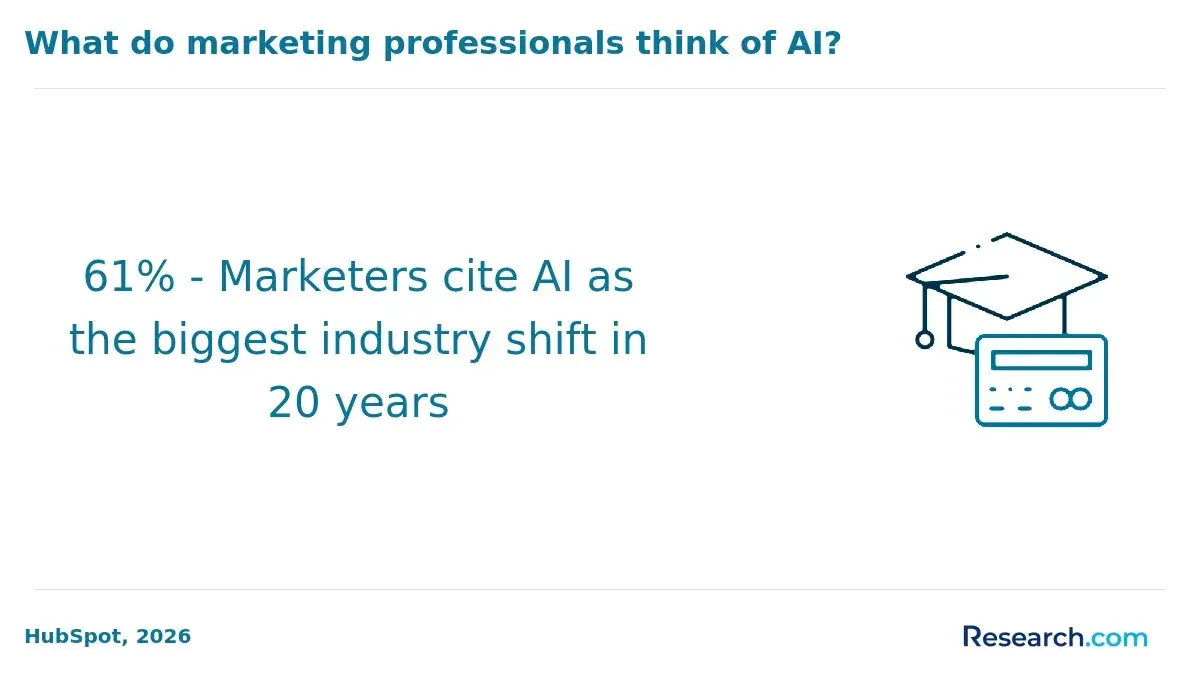
Experienced marketers can transition into roles such as consultant, brand strategist, or digital marketing specialist. They might also explore entrepreneurship, leveraging their skills to start a business or work as a freelance marketing expert, catering to various industries needing high-level marketing insights in 2027.