2027 Psychiatric Mental Health Nurse Practitioner Career Outcomes by Degree Level Report: Pay, Employment, and Advancement Patterns

Co-Founder and Chief Data Scientist
This article analyzes key career outcomes by degree level to help prospective and current psychiatric mental health nurse practitioner students navigate these complex decisions.
Key Things to Know About Psychiatric Mental Health Nurse Practitioner Career Outcomes by Degree Level
- Master's-prepared psychiatric mental health nurse practitioners have broader access to diverse clinical roles, reflecting employer preferences for advanced clinical training, which limits hiring flexibility for lower-degree holders.
- Doctoral credentials correlate with increased leadership roles within healthcare systems, indicating employer trends that prioritize research and policy competencies for advancement, affecting career trajectory decisions.
- Certificate pathways offer faster credential completion but present tradeoffs in employment scope and advancement potential, highlighting cost-time efficiency versus long-term market competitiveness for students.
- Key Things to Know About Psychiatric Mental Health Nurse Practitioner Career Outcomes by Degree Level Key Things to Know About Psychiatric Mental Health Nurse Practitioner Career Outcomes by Degree Level
- What Career Outcomes Can Students Expect From Each Psychiatric Mental Health Nurse Practitioner Degree Level? Career Outcomes by Degree
- How Much Do Psychiatric Mental Health Nurse Practitioner Graduates Earn by Degree Level? Salary by Degree Level
- Which Psychiatric Mental Health Nurse Practitioner Degree Level Offers the Strongest Employment Prospects? Best Degrees for Employment
- What Entry-Level Jobs Can You Get With a Psychiatric Mental Health Nurse Practitioner Degree? Entry-Level Career Opportunities
- How Do Psychiatric Mental Health Nurse Practitioner Degree Levels Affect Career Advancement and Promotion Opportunities? Career Growth by Degree
- Is a Psychiatric Mental Health Nurse Practitioner Degree Worth It Based on Salary, Employment, and ROI? Salary, ROI, and Value
- How Do Associate, Bachelor's, Master's, and Doctoral Psychiatric Mental Health Nurse Practitioner Degrees Compare? Comparing Degree Levels
- Which Industries and Employers Hire Psychiatric Mental Health Nurse Practitioner Graduates by Degree Level? Which Industries and Employers Hire Psychiatric Mental Health Nurse Practitioner Graduates by Degree Level?
- What Skills, Credentials, and Experience Improve Psychiatric Mental Health Nurse Practitioner Career Outcomes? What Skills, Credentials, and Experience Improve Psychiatric Mental Health Nurse Practitioner Career Outcomes?
- Which Psychiatric Mental Health Nurse Practitioner Degree Level Is Best for Your Career Goals? Choosing the Right Degree
What Career Outcomes Can Students Expect From Each Psychiatric Mental Health Nurse Practitioner Degree Level?
Master's programs remain the primary gateway into sustainable psychiatric mental health nurse practitioner roles, combining clinical readiness and certification eligibility that align closely with current regulatory frameworks and employer expectations. This credential level typically unlocks mid-tier leadership and improved job security in an increasingly competitive landscape shaped by growing demand for mental health professionals and evolving state-level prescriptive privileges.
Doctoral degrees—DNP or PhD—extend beyond clinical practice to leadership, research, and academic opportunities, but require significant additional time and financial resources that may not be practical for all learners.
According to the U.S. Bureau of Labor Statistics, the most robust employment gains are projected for master's and doctoral-prepared PMHNPs, underscoring the tangible workforce advantage these degrees confer amid expanding mental health care access pressures. Adult learners and degree completers considering transfer strategies should also explore pathways highlighted by the cheapest online FNP programs to optimize cost-efficiency alongside career suitability.
How Much Do Psychiatric Mental Health Nurse Practitioner Graduates Earn by Degree Level?
Earnings for psychiatric mental health nurse practitioners vary sharply by degree level due to differing licensure requirements, employer preferences, and the scope of clinical responsibilities. While master's and doctoral graduates typically access median salaries between $110,000 and $135,000 annually according to 2024 Bureau of Labor Statistics data, those with only associate or bachelor's credentials often earn in line with registered nurse wages closer to $75,000, reflecting limited eligibility for full APRN licensure and independent practice.
This underscores a tangible tradeoff, especially for working adults weighing the time, financial investment, and credit transfer complexities needed to progress from lower-level nursing roles into advanced psychiatric specialization. Regional variations and demand intensity further complicate the outlook, with urban centers offering stronger upward mobility and pay increases for advanced-degree holders than many rural or lower-demand areas.
Beyond immediate salary figures, earning potential must be contextualized with employment stability and leadership pathways frequently more accessible to those holding graduate degrees. Doctorally prepared practitioners engaged in research or policy roles often command the highest entry salaries and long-term career flexibility, whereas certificate holders or those without graduate education face slower wage growth and fewer advancement channels.
One psychiatric mental health nurse practitioner graduate recalled initially considering certificate programs to shorten time to workforce entry but soon realized local employers often required at least a master's degree for independent practice and career advancement. After reviewing area job postings and informally consulting hiring managers, the graduate decided to commit to a master's program despite the additional two years and tuition expense.
This choice was driven by seeing clearer pay differentials and leadership opportunities tied to that credential. However, balancing work, study, and family obligations revealed the financial and emotional strain involved, leading to cautious optimism about eventual returns but a more measured view on how quickly degree-level upgrades translate into practical benefits on the ground.
Which Psychiatric Mental Health Nurse Practitioner Degree Level Offers the Strongest Employment Prospects?
The strongest immediate job prospects for psychiatric mental health nurse practitioners clearly favor those holding a master's degree, as most employers and state licensure boards require this level for independent practice and specialized clinical roles. While a bachelor's degree may facilitate entry into nursing or serve as a stepping stone to graduate education, it rarely meets the credential threshold for autonomous psychiatric mental health care. For example, a nurse with a bachelor's planning to enter this specialty must realistically anticipate additional graduate study to secure stable employment; data from the U.S. Bureau of Labor Statistics in 2024 shows that over 85% of clinically employed psychiatric mental health nurse practitioners possess a master's or doctoral degree.
Doctoral credentials like the DNP or PhD often expand career pathways over time, especially in leadership, research, and academic positions, but they offer limited advantage in initial hiring compared to master's degrees. This creates a practical tradeoff for students deciding whether to invest several more years before entering the workforce or to start with a master's program that balances clinical training and job readiness. Lower-level certificates or associate credentials typically restrict access to independent roles and tend to function more as supplemental qualifications rather than primary entry points, largely due to strict employer and licensing standards. Those aiming for quicker workforce entry might opt for a master's-level route and later pursue doctoral study to enhance advancement potential without sacrificing near-term employability.
Prospective psychiatric mental health nurse practitioners must weigh employer expectations, state regulations, and the specialized skill demands that limit opportunities at sub-master's levels. Although doctoral pathways promise longer-term mobility, they come at the cost of delayed workforce participation and higher upfront investment. In contrast, master's programs, supported by established internships and licensure frameworks, consistently generate stable employment outcomes, with median unemployment rates below 2% reported by the National Council of State Boards of Nursing. This data helps clarify the practical value of targeting graduate credentials to access both immediate clinical positions and a viable foundation for future growth.
What Entry-Level Jobs Can You Get With a Psychiatric Mental Health Nurse Practitioner Degree?
Entry-level psychiatric mental health nurse practitioner jobs often depend heavily on the degree level held and the practical experience accumulated during training. For those with a master's degree, initial roles typically involve supervised practice or clinical fellowships, where certification and state licensure are essential prerequisites. Employers prioritize candidates with solid internship or practicum experiences, as applicants with robust clinical exposure demonstrate stronger readiness for outpatient clinics, community health centers, or primary care settings. Conversely, doctorate holders generally access advanced leadership or academic tracks but may find that early career roles still require time-intensive demonstration of clinical competence beyond academic credentials.
Employment stability and skill development at the outset hinge on matching educational attainment with realistic practice expectations, especially given that mental health care demands are increasing across healthcare systems, according to recent U.S. Bureau of Labor Statistics data. Urban employers often seek practitioners with comprehensive portfolios reflecting interdisciplinary collaboration and patient communication skills, while underserved or rural areas may offer more immediate entry points despite fewer resources for mentorship.
Students weighing degree options should consider how entry-level roles serve either as immediate career entry or as deliberate pathways for future advancement, understanding the tradeoffs between early job accessibility and long-term mobility. Those exploring integrated healthcare administration paths may find valuable context in a healthcare administration degree to complement clinical skills.
Professional certification and licensure remain gatekeepers in this specialty, with remote and telehealth opportunities emerging but usually requiring full credentials. The nuance of employer expectations suggests that entry-level psychiatric mental health nurse practitioner job opportunities vary significantly by degree level, prior experience, and the ability to demonstrate applied skills, making strategic educational and certification decisions critical for employment prospects and sustainable career trajectories.
How Do Psychiatric Mental Health Nurse Practitioner Degree Levels Affect Career Advancement and Promotion Opportunities?
Degree level plays a pivotal role in shaping promotion trajectories for psychiatric mental health nurse practitioners (PMHNPs), with doctoral credentials often opening pathways to leadership and specialized roles that remain less accessible to those with master's degrees. According to 2024 data from the National Center for Education Statistics, PMHNPs with doctorates are approximately 30% more likely to hold management or administrative positions, reflecting employer preferences for advanced preparation in research, policy, and supervision. While master's-prepared PMHNPs typically enter clinical practice sooner due to shorter programs and flexible formats appealing to working adults, they may face advancement plateaus without further certification or degrees, especially in settings that prioritize doctoral-level expertise for academic or administrative functions.
This dynamic creates a tradeoff between immediate workforce entry and long-term career mobility. Doctoral-level PMHNPs often benefit from curricula that emphasize leadership and research competencies, accelerating eligibility for supervisory appointments or faculty roles, yet require greater upfront time and financial investment. For adult learners, including those with prior credits or workplace experience, transfer-friendly master's programs with part-time or online options may offer a faster path into direct patient care, though potentially at the expense of upward mobility. Employers increasingly signal expectations for doctoral-level qualifications in competitive job postings, meaning ongoing education can be integral to breaking into higher-tier positions rather than a guaranteed promotion based solely on degree attainment.
One PMHNP student shared hesitation when deciding between a master's and doctoral program. Already practicing with a master's license, they weighed the prospect of slower academic progress against concerns about remaining "stuck" in non-leadership roles. Conversations with supervisors underscored limited in-house openings for doctoral-level roles but also highlighted how a doctorate could enable transition into research projects and policy development, areas previously inaccessible. This nuanced decision reflected both cautious optimism about future mobility and recognition that career advancement often hinges on more than just degree level—incorporating timing, workplace politics, and individual readiness as well.
Is a Psychiatric Mental Health Nurse Practitioner Degree Worth It Based on Salary, Employment, and ROI?
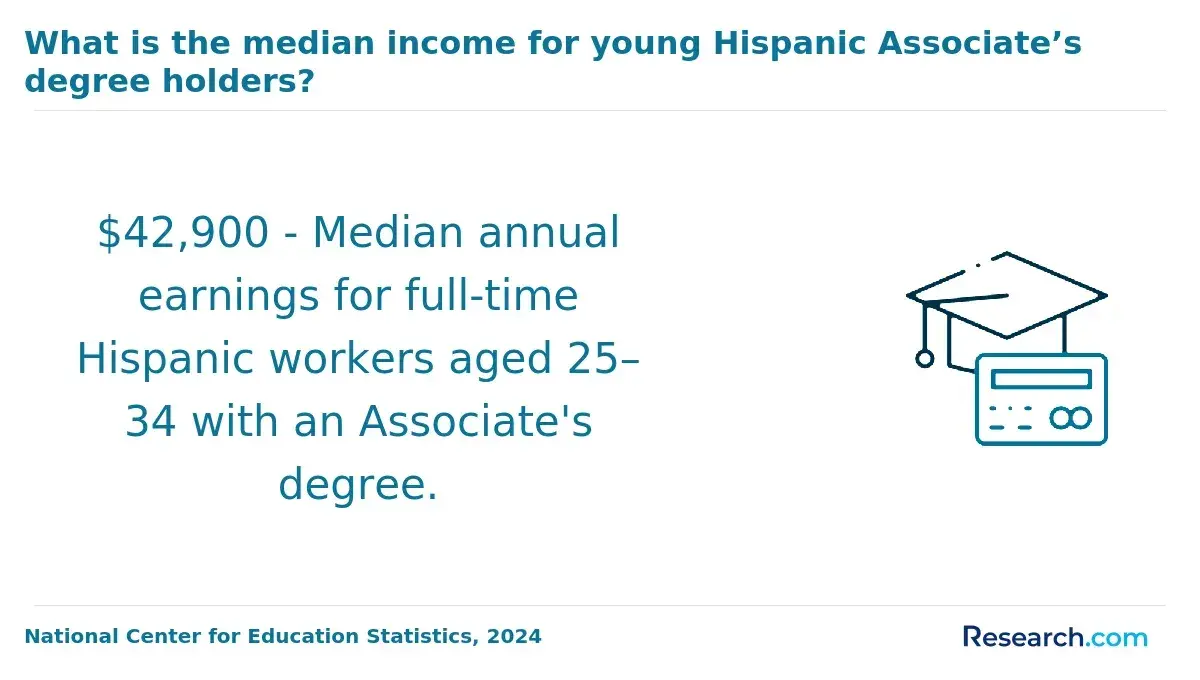
Salary and employment realities for psychiatric mental health nurse practitioner degree holders vary notably between master's and doctoral levels, shaping the overall return on investment. While the median wage for nurse practitioners in this specialty is competitive and job growth substantially outpaces the average across healthcare, the decision to pursue an MSN versus a DNP hinges on balancing initial costs and time against longer-term leadership prospects and pay differentials that typically range from 10% to 20%. Working adults and transfer students especially must consider how part-time enrollment options, credit acceptance, and program length influence their capacity to maintain income during study and how those factors interact with regional demand and credentialing requirements in their target labor market.
Employment stability for psychiatric mental health nurse practitioner degree graduates is strong, with unemployment under 2% reported, but career mobility and advancement increasingly require higher degrees, specialized credentials, or administrative roles. For many, an MSN provides a quicker path to stable employment and solid starting salaries; however, a DNP often becomes essential for those targeting leadership or academic roles. The higher tuition and longer duration of doctoral programs significantly increase upfront debt, which must be weighed against employer loan repayment support frequently available in mental health settings. Prospective students should rigorously assess their career ambitions, geographic flexibility, and financial aid access to determine if pursuing this advanced degree aligns with their expected outcomes and lifestyle constraints.
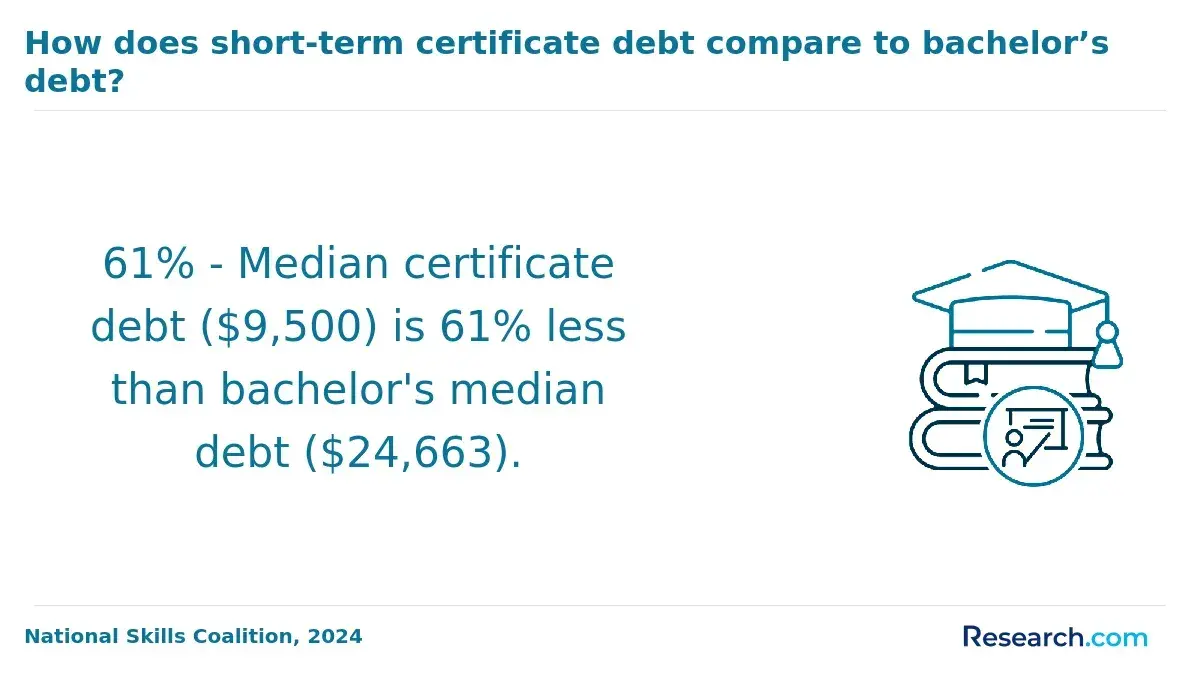
Cost considerations for mental health nurse practitioner education range widely based on institutional type and degree level, with average MSN program expenses between $40,000 and $70,000 and DNP programs often exceeding $75,000. These investment figures factor heavily into the return on investment for psychiatric mental health nurse practitioner education, especially when juxtaposed with median loan debt levels and incremental salary increases. For those weighing advanced nursing degrees alongside related healthcare fields, exploring options such as the best online MHA programs may provide alternative pathways with distinct career implications and financial profiles.
How Do Associate, Bachelor's, Master's, and Doctoral Psychiatric Mental Health Nurse Practitioner Degrees Compare?
Career trajectories for psychiatric mental health nurse practitioners differ significantly by degree level, with decisive impacts on licensure eligibility, clinical roles, and career flexibility. An associate degree primarily offers foundational clinical skills without direct access to advanced practice roles, limiting immediate employment options in psychiatric mental health nursing.
In contrast, bachelor's degrees provide a crucial stepping stone, improving employment stability and facilitating credit transfer toward master's programs, but do not confer independent practice authority or certification as a psychiatric mental health nurse practitioner. These distinctions mean many working nurses find returning for a master's degree essential to meet state licensure requirements and secure positions with prescribing privileges and broader clinical responsibilities.
The master's level remains the critical threshold for autonomous practice and higher workforce demand, with projections indicating a sustained growth rate through 2032. This degree unlocks specialized tracks and stackable credits supporting clinical specialization and pathways into leadership or education. However, deciding whether to pursue a doctoral degree involves weighing extended study time and higher debt against enhanced opportunities in executive roles, research, and academia.
While doctoral credentials offer expanded authority and salary potential, many employers prioritize master's-prepared clinicians for direct patient care roles, making the doctorate more relevant for those targeting administration or scholarly contributions. A 2024 College Scorecard study reveals that earnings and job stability tend to increase with degree level, though completion rates and affordability remain critical considerations shaping educational choices in this field.
Which Industries and Employers Hire Psychiatric Mental Health Nurse Practitioner Graduates by Degree Level?
Employers seeking psychiatric mental health nurse practitioner graduates differentiate sharply by degree level, reflecting distinct responsibilities and regulatory frameworks. Roles requiring clinical autonomy and prescriptive authority almost universally expect at least a master's degree, aligning with state licensure mandates and employer demands for direct patient care competence. For example, master's-credentialed graduates typically secure positions in outpatient psychiatric clinics or primary care settings where independent diagnosis, medication management, and treatment planning are standard duties. According to Bureau of Labor Statistics data from 2024, the majority of advanced practice nursing roles require this level of credential to access full scope and compensation benefits.
Graduates holding associate or bachelor's degrees are more commonly employed in subordinate, collaborative settings such as hospitals or community health organizations where supervision by licensed providers is required. These roles limit autonomy, focusing instead on support functions and teamwork within broader mental health departments. Conversely, doctoral-level practitioners (DNP or PhD) engage in leadership, academic, or policy-oriented positions often within universities, research institutions, and government agencies. Their combined clinical expertise and scholarly training meet employer expectations for managing complex care systems or advancing mental health research. Finally, post-master's certificates serve as crucial pathways for existing practitioners aiming to specialize further, enhancing employability in subspecialty psychiatric roles amid growing interdisciplinary demands.
Hiring frameworks for psychiatric mental health nurse practitioners also prioritize clinical experience, state licensing, and role-specific skills, often influencing advancement opportunities more than degree level alone. Employers increasingly screen for demonstrated prescriptive authority and specialized certifications alongside academic credentials, adding complexity to hiring decisions. This underscores a key tradeoff for prospective students: stopping at a bachelor's credential limits independent practice options, while attaining doctoral-level education opens broader leadership avenues but entails significant time and financial investment. Aligning degree choices with targeted employer types and role expectations remains essential for navigating the evolving psychiatric mental health workforce landscape.
What Skills, Credentials, and Experience Improve Psychiatric Mental Health Nurse Practitioner Career Outcomes?
Career outcomes for psychiatric mental health nurse practitioners depend heavily on a strategic mix of credentials, applied skills, and clinical experience that directly affect licensure and job market readiness. For example, securing an accredited master's degree combined with the Psychiatric-Mental Health Nurse Practitioner (Across the Lifespan) certification (PMHNP-BC) is often a non-negotiable requirement for initial employment and licensure, as outlined in current psychiatric mental health nurse practitioner licensure and certification requirements.
Candidates without this certification face significantly longer job searches, underscoring its gatekeeping function beyond academic preparation. Moreover, technical competencies such as telepsychiatry proficiency and electronic health record management increasingly differentiate candidates amid employer expectations focused on operational adaptability in digital healthcare settings.
The practical value of internships, apprenticeships, and diverse clinical placements cannot be overstated, as hands-on experience accelerates promotion potential and enhances clinical judgment. A workforce report showed that psychiatric mental health nurse practitioner career advancement correlates more strongly with experiential learning than purely academic credentials, with a 30% faster promotion rate linked to varied practicum hours.
Doctoral-level candidates benefit from documented leadership roles, research projects, and quality improvement portfolios that support transitions into administrative or academic positions. Importantly, military healthcare experience remains a highly transferable asset, aiding adults who are career changers in navigating this pathway efficiently.
Working professionals and transfer students planning their educational journey should also consider overlap opportunities with other pathways such as NASP approved online school psychology programs to optimize time and credits. Balancing specialized certifications with soft skills like communication and emotional intelligence continues to influence employer screening and leadership potential, with practical effects on career mobility at all degree levels.
This trade-off between advanced degrees and hands-on credentials highlights critical decision points for those weighing whether to pursue graduate-level education or focus on immediate employability factors within the psychiatric mental health nurse practitioner framework.
Which Psychiatric Mental Health Nurse Practitioner Degree Level Is Best for Your Career Goals?
Choosing the best psychiatric mental health nurse practitioner degree for career advancement depends on balancing immediate employability with long-term mobility and role specialization. Master's degrees typically allow faster entry into practice, supporting working adults who prioritize timely workforce reentry and steady employment—evidenced by over 85% of graduates securing jobs within six months, according to 2024 Bureau of Labor Statistics data.
However, those aiming for leadership or specialized clinical positions often find that a Doctor of Nursing Practice (DNP) degree aligns better with employer expectations for terminal qualifications, though this requires a greater investment of time and higher educational costs. This tradeoff means students must weigh opportunity costs and potential debt against expanded career options and salary improvements.
Decision-making for many adult learners, transfer students, and military-affiliated candidates also hinges on program flexibility, credit transfer strategies, and clinical experience prerequisites. RN-to-DNP pathways, noted by the National Center for Education Statistics in 2024 for accelerated completion timelines, provide an attractive option to those with prior experience who want to minimize time out of the workforce while enhancing specialization scope.
Conversely, master's-level programs tend to offer part-time or more flexible schedules conducive to balancing work and study. For those considering broader healthcare roles or academic careers, integrating additional credentials—similar to choosing a speech pathology degree online for veterans—can complement nursing credentials and expand interdisciplinary opportunities within psychiatric mental health settings.
Students must also account for employer preferences that increasingly favor doctoral degrees for advancing in policy, research, and administration. While master's-prepared nurse practitioners maintain robust entry-level employment, DNP holders report higher placement in specialized or leadership roles, reflecting real workforce dynamics across diverse settings.
Ultimately, the psychiatric mental health nurse practitioner degree-level employment outcomes depend on aligning educational investment with realistic career trajectories and personal circumstances, ensuring choices enhance both short-term access and long-term professional growth.
References
- What Kind of Nurse Practitioner Should I Be? Find Your Best Fit Today! https://www.nphub.com/blog/choosing-np-specialty
- PMHNP Recruiters | Top Recruitment Agency https://hcrnetwork.com/employers/advanced-practice-provider-recruiters/nurse-practitioner-recruiters/psychiatric-mental-health-nurse-practitioners-pmhnps/
- MSN vs DNP Degree - What’s the Difference? https://nursinglicensemap.com/nursing-degrees/dnp-degree-programs/msn-vs-dnp/
- Which NP Career Path Fits Your Personality? | West Coast University https://westcoastuniversity.edu/blog/which-np-career-path-fits-your-personality
- How to Become a Psychiatric-Mental Health NP (PMHNP) https://www.npschools.com/blog/how-to-become-a-psychiatric-nurse-practitioner
- Psychiatric Nurse Practitioner Career Guide 2026 https://betternurse.org/psychiatric-nurse-practitioner-career/
- How to Become a Psychiatric Nurse Practitioner (Salary 2025) https://www.allnursingschools.com/specialties/psychiatric-nurse/
- Master of Science in Nursing/Psychiatric Mental Health Nurse Practitioner | University of Phoenix https://www.phoenix.edu/online-nursing-degrees/psychiatric-mental-health-nurse-practitioner-masters-degree.html
- Unlocking Doors of Opportunity: Tips for Advancing Your Career in Psychiatric Nursing https://drcynthia.com/blog/unlocking-doors-opportunity-tips-advancing-career-psychiatric-nursing/
- Are You Considering a Career as Psychiatric Mental Health Nurse Practitioner? https://www.aanp.org/news-feed/are-you-considering-a-career-as-psychiatric-mental-health-nurse-practitioner
Other Things You Should Know About Psychiatric Mental Health Nurse Practitioner
The longer duration of doctoral programs often translates into extended periods of study alongside work or personal commitments, which can increase stress and reduce time for practical experience early on. Master's level programs, typically shorter and more streamlined, may allow quicker entry into the workforce, helping students prioritize earning potential and practical clinical exposure sooner. Prospective students should carefully assess their current life responsibilities and career urgency, prioritizing degree paths that align with their tolerance for educational time investment versus immediate workload demands.
While many employers accept master's level degrees for psychiatric mental health nurse practitioner roles, those with doctoral degrees may gain preference in academic, research, or leadership positions. However, some clinical settings prioritize experience and certifications over the highest degree attained, emphasizing practical skill sets. For students aiming at frontline care roles, focusing on accredited programs with rich clinical practicum opportunities may yield better employment outcomes than pursuing advanced degrees without commensurate clinical relevance.
Doctoral programs generally require more extensive clinical hours, providing deeper hands-on experience, which can improve readiness for complex psychiatric cases and leadership in multidisciplinary teams. Master's programs offer less clinical time but are often designed for quicker clinical competency acquisition. Students prioritizing practical skills and immediate clinical confidence might find master's pathways more efficient initially, while those seeking eventual roles involving policy, education, or research should consider the added practicum benefits of doctoral programs.
Doctoral programs often offer broader specialization tracks and elective options, allowing tailored expertise but requiring more focused academic commitment. In contrast, master's level programs tend to be more standardized with limited specialization, which can be a limitation for those seeking niche roles but provides a more direct path to licensure. Students should prioritize degree levels aligned with their desired specialty breadth and willingness to invest time in a more customizable curriculum versus a faster, more generalist route.