2027 Psychiatric Mental Health Nurse Practitioner Student Debt Report: Borrowing, Monthly Payments, and Repayment Risk

Co-Founder and Chief Data Scientist
Psychiatric Mental Health Nurse Practitioner programs often require extended clinical hours and specialized training that influence borrowing behavior distinctly from other health professions. The necessity of meeting rigorous accreditation and licensing requirements can extend time to degree completion, prompting varied debt accumulation patterns.
Recent data from the National Center for Education Statistics suggest that mid-career entrants into psychiatric mental health nursing exhibit unique borrowing profiles, often balancing prior financial commitments with educational expenses. These factors shape monthly payment obligations and elevate repayment risk through fluctuating salary ranges across healthcare settings. The age distribution of students signals an evolving workforce adapting to growing mental health service demands and shifting educational access.
Key Things to Know About Psychiatric Mental Health Nurse Practitioner Student Debt
- Psychiatric mental health nurse practitioner programs often require substantial borrowing, with a 2024 survey showing average debt exceeding $100,000; this elevates long-term financial risk, influencing choices about program length and institution type.
- Monthly repayment demands can strain new graduates, since clinical salary growth plateaus early; understanding this dynamic is critical for minimizing default risk and aligning debt levels with regional job markets.
- Employers increasingly assess candidates' practical experience over credentials alone, implying that excessive debt for extended education timelines may reduce competitive advantage in fast-evolving mental health care settings.
- Key Things to Know About Psychiatric Mental Health Nurse Practitioner Student Debt Key Things to Know About Psychiatric Mental Health Nurse Practitioner Student Debt
- How Much Student Loan Debt Do Psychiatric Mental Health Nurse Practitioner Graduates Typically Have at Graduation? Average Studen Loan Debt
- What Factors Have the Biggest Impact on Psychiatric Mental Health Nurse Practitioner Student Loan Debt? Student Debt Key Factors
- What Is the Average Monthly Student Loan Payment for Psychiatric Mental Health Nurse Practitioner Graduates? Average Monthly Payment
- How Do Repayment Rates Compare Between Public and Private Institutions? Public vs. Private Institution Repayment Rates
- Do Online Psychiatric Mental Health Nurse Practitioner Graduates Have Different Repayment Outcomes Than Campus-Based Students? Online vs. On-Campus Student Loan Repayment
- Which Industries Provide the Best Financial Return Relative to Borrowing Costs? Which Industries Provide the Best Financial Return Relative to Borrowing Costs?
- Does Student Debt Affect Which Jobs Psychiatric Mental Health Nurse Practitioner Graduates Accept? Does Student Debt Affect Which Jobs Psychiatric Mental Health Nurse Practitioner Graduates Accept?
- What Factors Increase Student Loan Repayment Risk for Psychiatric Mental Health Nurse Practitioner Graduates? Loan Repayment Risk Factors
- How Can Psychiatric Mental Health Nurse Practitioner Students Reduce Student Loan Debt While Earning Their Degree? Tips to Reduce Student Debt
- How Should Prospective Students Evaluate Borrowing Risk Before Enrolling? Evaluating Student Debt Risk
How Much Student Loan Debt Do Psychiatric Mental Health Nurse Practitioner Graduates Typically Have at Graduation?
Graduates of psychiatric mental health nurse practitioner programs typically carry student loan debt ranging from approximately $60,000 to $100,000 at the time of graduation. This wide variance reflects multiple factors including the type of institution attended, with public universities often resulting in lower borrowing compared to private schools, and regional tuition costs that fluctuate by state and urban area. Recent analyses from education datasets such as NCES indicate that the mode of enrollment-whether part-time or full-time-also significantly impacts total debt levels, as extended study durations increase expenses. These debt figures highlight the importance of understanding the financial scope of psychiatric mental health nurse practitioner graduate student loan debt early on in the educational journey.
Differences in debt among graduates stem largely from institutional and program characteristics. Public institutions generally offer reduced tuition rates for in-state students, while private and out-of-state enrollees face higher costs, often leading to increased reliance on loans. The availability of scholarships and grants further shapes borrowing needs but is inconsistent across programs, affecting individual debt loads.
Program length is crucial; accelerated pathways can compress tuition and living expenses, as seen in alternative options like the accelerated CMA program, which reduce cumulative costs by shortening time to credential completion. Moreover, working students who pursue their degree part-time frequently incur greater overall costs due to prolonged tuition payments, driving variations in average student loan debt for psychiatric mental health nurse practitioner programs.
What Factors Have the Biggest Impact on Psychiatric Mental Health Nurse Practitioner Student Loan Debt?
Student loan debt levels for psychiatric mental health nurse practitioner students are shaped by a complex interplay of institutional cost structures, program design, and individual financial circumstances. Rather than arising from a single factor, borrowing amounts reflect both how educational programs are priced and how students navigate aid, enrollment, and living expenses. These factors combine uniquely across diverse student demographics, leading to significant variation in debt burdens. Realistically understanding these drivers is crucial for managing repayment obligations and assessing long-term financial risks.
- Institutional Pricing and Program Type: Tuition costs vary widely between public and private institutions, with private programs often charging more than twice the tuition of public options. This disparity directly influences borrowing levels, especially since additional fees and clinical placement costs frequently accompany tuition. According to 2024 data from the National Center for Education Statistics, graduate nursing program tuition ranges from $12,000 to over $45,000 annually, making institutional choice a primary determinant in loan amounts.
- Program Length and Enrollment Patterns: The duration and format of psychiatric mental health nurse practitioner programs critically affect total debt. Full-time enrollments lasting 2 to 4 years concentrate borrowing over fewer periods but may limit income earning during study. Conversely, part-time or online pathways lengthen the borrowing horizon and can increase cumulative debt despite lower annual fees, as living expenses and interest accumulation extend over more semesters.
- Access to Financial Aid and Employer Reimbursement: Availability of scholarships, grants, and employer tuition assistance directly mitigates loan reliance. However, many students must depend on federal Direct Unsubsidized or Grad PLUS loans, which accrue interest while enrolled, inflating debt. Limited access to aid compounds borrowing, particularly for those attending higher-cost programs or living in expensive regions, reinforcing systemic equity gaps in student loan burdens.
- Prior Debt and Socioeconomic Background: Students entering with existing undergraduate debt tend to carry heavier cumulative balances. Data from the American Association of Colleges of Nursing indicates students from underrepresented or lower socioeconomic groups often have fewer external resources, which heightens borrowing needs. This interaction of prior debt and demographic factors contributes to pronounced debt disparities among psychiatric mental health nurse practitioner students.
- Geographic Cost of Living Influences: Urban and high-cost-of-living areas increase financial pressure beyond tuition, as housing, transportation, and daily expenses rise. These living costs are frequently embedded in loan packages, elevating total debt. Regional economic conditions therefore amplify borrowing differences, often correlating with where students choose to enroll based on program availability or local healthcare market demands.
For those navigating Psychiatric Mental Health NP student loan debt by program format and financial reality, pursuing online colleges with free applications can be a practical first step toward identifying programs with more favorable cost structures or aid options.
What Is the Average Monthly Student Loan Payment for Psychiatric Mental Health Nurse Practitioner Graduates?
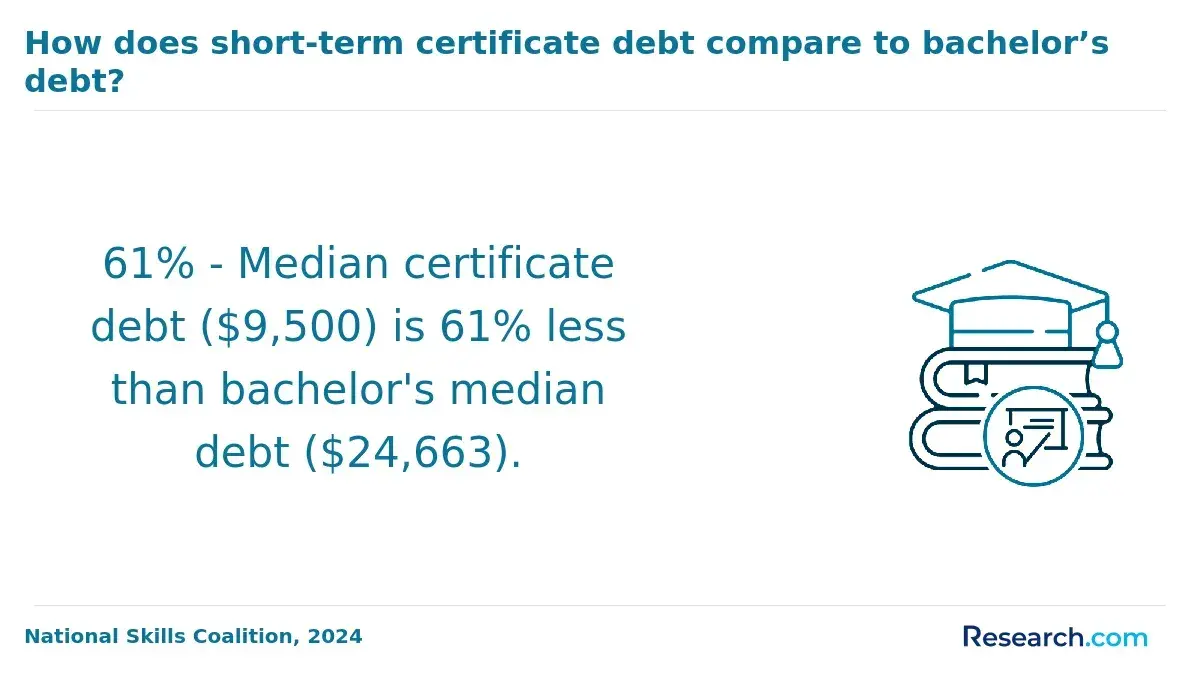
Psychiatric Mental Health Nurse Practitioner graduates typically face monthly student loan payments ranging from approximately $300 to $550, according to recent figures sourced from the U.S. Department of Education and Federal Reserve analyses for borrowers beginning repayment in 2024. This payment window reflects median total debts often falling between $70,000 and $120,000, influenced by the advanced training costs and extended program durations typical of this specialty. The variability also hinges on the interplay between interest rate environments-usually from 5% to 7% for graduate-level loans-and borrowers' chosen repayment strategies, shaping the immediate financial demands that graduates confront as they enter the workforce.
The divergence in monthly payments stems largely from differences in borrowing amounts, which correlate strongly with program length, living costs, and certification expenses, as well as from repayment plan choices. Graduates who opt for income-driven repayment plans generally see lower monthly obligations initially-sometimes cutting standard payments by up to 30%-but this often leads to prolonged debt tenures and higher cumulative interest.
Additionally, employment income variability within Psychiatric Mental Health Nurse Practitioner roles materially impacts payment calculations under income-sensitive plans, where discretionary income thresholds determine affordability. As a result, assessing loan repayment burden requires careful balancing of upfront payment size against long-term financial cost and anticipated career earnings stability.
One graduate recalled hesitating during the rolling admissions process, uncertain whether to apply immediately or wait for more information on financial aid options. "I knew waiting might risk losing a spot, but I also wanted to clarify loan counseling details and repayment projections first," they explained. After a delay of several weeks, they committed once clearer estimates on loan payments aligned with their anticipated salary, a decision shaped by balancing urgency against the financial clarity they needed to proceed confidently.
How Do Repayment Rates Compare Between Public and Private Institutions?
Recent data from the U.S. Department of Education's College Scorecard highlights a consistent gap in loan repayment rates between graduates from public and private psychiatric mental health nurse practitioner programs. Approximately 72% of borrowers from public universities begin repaying their loans within three years, compared to roughly 62% of private institution graduates. This disparity aligns with Federal Reserve findings that borrowers from private programs face elevated risks of late payments and defaults within the first five years after graduation, underscoring tangible repayment challenges linked to institutional sector.
These repayment differences stem largely from variations in tuition costs and resulting debt burdens. Public programs generally have more affordable tuition, which translates into lower average student debt and less strained monthly payments post-graduation. Additionally, graduates from public institutions often secure employment in settings that provide access to loan forgiveness programs, such as government or community health agencies, improving their repayment capacity. In contrast, private institutions-especially nonprofits with higher sticker prices-tend to produce graduates with larger loan balances, intensifying repayment stress despite sometimes higher institutional prestige and selectivity.
Such structural factors affect not only individual borrower outcomes but also broader perceptions of program value within the psychiatric mental health nurse practitioner field. Sustained repayment difficulties can limit long-term financial mobility, alter employment decisions, and influence institutional accountability conversations. Understanding these dynamics is crucial for prospective students weighing borrowing strategies against expected earnings and career pathways, as repayment performance serves as a key indicator of the practical affordability and economic return of their educational investment.
Do Online Psychiatric Mental Health Nurse Practitioner Graduates Have Different Repayment Outcomes Than Campus-Based Students?
Recent data from the National Center for Education Statistics highlights distinct disparities in loan repayment rates between graduates of public and private institutions in psychiatric mental health nurse practitioner programs. Public university graduates tend to demonstrate a three-year repayment rate near 45%, outpacing private institution graduates, who average around 38% within the same timeframe. These differences reflect broader patterns affecting online psychiatric mental health nurse practitioner graduate loan repayment and represent more than simple institutional classification; they underscore how financial pressures and educational delivery formats interact with borrower profiles. The variations also align with observed outcomes across campus-based psychiatric mental health nurse practitioner student debt outcomes, where institutional type and program modality shape debt management success.
The divergence in repayment performance is driven largely by structural factors such as tuition levels and resultant debt burdens, with private programs-especially for-profit ones-imposing higher costs that translate into larger loan balances. In contrast, public institutions typically offer more affordable tuition, reducing initial borrowing amounts and easing repayment strains. Post-graduation earnings and employment outcomes further influence repayment ability, as campus-based programs often facilitate stronger employer connections and clinical placements, improving salary prospects. These factors collectively create a repayment environment in which debt-to-income ratios exert substantial impact on borrower behavior, institutional value perception, and long-term financial mobility for psychiatric mental health nurse practitioner graduates.
Understanding these repayment dynamics is essential for prospective students weighing institutional options, as ongoing repayment stress can affect career decisions and future economic stability. Programs must increasingly demonstrate accountability through transparent outcomes, influencing how potential students assess educational investments. For those evaluating advanced healthcare credentials, exploring options such as a doctorate in healthcare administration may also be relevant to align career pathways with long-term financial planning and professional advancement.
Which Industries Provide the Best Financial Return Relative to Borrowing Costs?
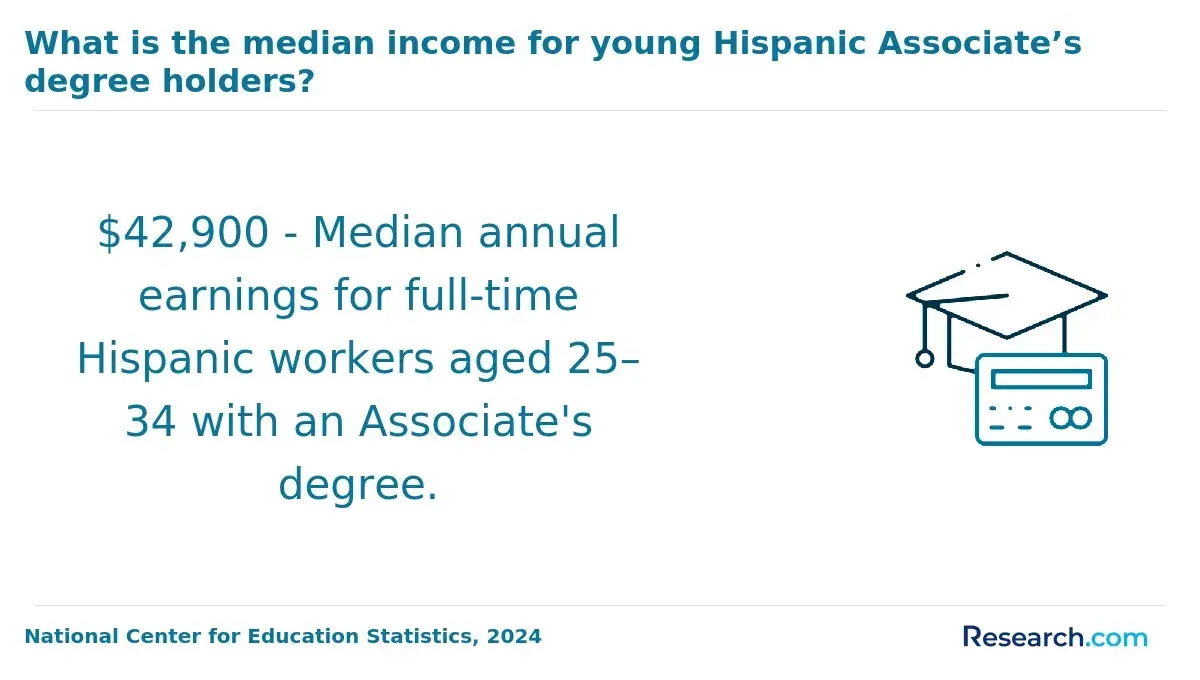
Financial return for Psychiatric Mental Health Nurse Practitioner graduates differs widely across industries and is shaped by the interplay between earning potential and debt incurred during graduate study. Strong return on investment (ROI) hinges on how salaries evolve relative to typical borrowing levels, not just entry wages. Graduates employed in sectors with faster income growth and robust demand are better able to manage loan repayment burdens and reduce default risk.
- Mental Health Facilities and Hospitals: These settings generally offer some of the highest starting salaries for psychiatric mental health nurse practitioners, often between $95,000 and $115,000, according to 2024 labor data. Sustained demand for mental health services and integrated care models supports steady salary growth, enabling graduates to maintain debt-to-income ratios below critical thresholds. This dynamic helps contain loan repayment risk and accelerates debt amortization.
- Community Health Centers and Outpatient Clinics: Positions here typically balance competitive compensation with accessible career advancement pathways. Many rural and underserved facilities offer loan repayment incentives, which can significantly offset educational debt. While salaries may be somewhat lower than large hospital systems, these incentives and demand-driven hiring can create favorable ROI conditions.
- Academic and Research Institutions: Though providing more stability and benefits, these roles frequently start closer to $70,000 annually, which translates into extended repayment timelines. Slower salary progression and often limited bonus structures increase the relative burden of student loans, making ROI less sustainable without supplementary financial support.
- Telehealth and Crisis Response Services: Growing investment in virtual mental health care and crisis intervention has raised entry salaries and demand for psychiatric mental health nurse practitioners. Fast-emerging career tracks promise quicker salary improvement but may vary geographically. These sectors can provide competitive repayment capacity when demand aligns with program expansion.
- Integrated Primary Care Settings: Increasingly common models that embed mental health services within primary care can offer moderate initial salaries but often feature faster career progression tied to multidisciplinary collaboration. These earnings trajectories potentially improve debt servicing ability over time, especially where employers include loan repayment assistance.
Labor market data from the U.S. Bureau of Labor Statistics and National Center for Education Statistics in 2024 underscore that industries combining strong hiring demand with effective salary growth pathways consistently yield superior financial returns for psychiatric mental health nurse practitioner graduates. Evaluating which sectors optimize debt-to-income balance is essential for managing long-term loan repayment risk and maximizing education-to-career value alignment.
Does Student Debt Affect Which Jobs Psychiatric Mental Health Nurse Practitioner Graduates Accept?
Student debt heavily shapes the initial employment choices of Psychiatric Mental Health Nurse Practitioner graduates, with the size of outstanding loans often driving decisions that prioritize financial stability over ideal clinical roles. Those with elevated debt balances tend to accept positions offering higher salaries or guaranteed income to meet repayment schedules, even if these roles are outside their preferred specialty areas or less desirable work environments. For instance, data from the American Association of Colleges of Nursing in 2024 reveals that nearly 58% of PMHNP graduates acknowledge student loan obligations as central to their job acceptance, highlighting the widespread impact of debt-to-income ratios on career entry points. The urgency to generate consistent cash flow frequently favors employment in larger healthcare organizations or urban settings, which typically provide loan repayment incentives and competitive compensation packages. Consequently, this practical calculus can limit early career flexibility and divert talent away from lower-paying but potentially more impactful or personally satisfying clinical environments.
Behavioral and structural factors further complicate job selection patterns among PMHNP graduates based on their debt levels. High-debt individuals disproportionately cluster in metropolitan healthcare systems offering robust financial incentives, while those with lighter debt burdens may pursue roles in rural clinics, academia, or community-based mental health centers with lower pay but greater autonomy or specialty focus. This geographic and sectoral sorting reflects inherent mobility constraints tied not only to immediate financial pressures but also to long-term planning considerations, such as delaying advanced certifications or niche specialization due to income requirements. Moreover, debt burden influences the likelihood of entering nonclinical roles like research or education, which often entail income sacrifices but contribute to workforce diversification and innovation. These dynamics underscore the nuanced intersections of borrowing obligations, labor market structures, and professional development trajectories affecting PMHNP graduates' workforce integration.
A recent PMHNP graduate recalled a tense period during rolling admissions when she hesitated to commit to a program due to uncertainty about loan funding. Her initial application was strong, but the delay in loan approval made her reassess the timing, knowing that entering the workforce promptly to begin repayment was critical. After multiple consultations with financial advisors and program coordinators, she ultimately accepted an offer aligned less with her preferred clinical interest and more with institutions known for loan repayment support. This decision, shaped by timing and debt management concerns, reflected the complex interplay between administrative processes and financial realities faced by many graduates navigating early career choices.
What Factors Increase Student Loan Repayment Risk for Psychiatric Mental Health Nurse Practitioner Graduates?
Repayment risk for psychiatric mental health nurse practitioner graduates is shaped by multiple intertwined financial, academic, and labor market factors rather than any single cause. This risk emerges from the balance between accumulated debt and the stability of income after graduation, with fluctuations in employment and regional pay disparities adding complexity. Analyzing these dimensions clarifies why some graduates face more challenges in meeting loan obligations, highlighting important structural conditions beyond surface-level debt concerns.
- High Loan Amounts and Interest Accumulation: Programs in psychiatric mental health nursing often require borrowing upwards of $100,000, significantly increasing monthly repayment amounts. Larger principal balances also mean interest accrues more rapidly, especially without proactive management, heightening the likelihood of delinquency when paired with irregular income streams.
- Income Variability by Region and Setting: Graduates working in underserved or rural areas typically encounter lower starting salaries than those in urban centers. Such disparities restrict disposable income for loan repayment and may extend repayment periods, compounding long-term financial strain linked to regional healthcare funding differences.
- Employment Stability and Workforce Integration: Delays in securing full-time positions, reliance on temporary contracts, or part-time work are common, creating inconsistent cash flow. This instability undermines consistent repayment capacity and increases vulnerability to market shifts or reimbursement policy changes within mental health services.
- Limited Utilization of Repayment Support Programs: Lack of awareness or engagement with income-driven repayment plans, loan forgiveness options, or financial counseling tailored to healthcare professionals reduces opportunities to mitigate debt burdens. Without strategic planning, graduates risk higher default rates despite available assistance.
A 2024 National Student Loan Data System report indicates nearly 27% of nurse practitioner graduates in specialized tracks exceed recommended debt-to-income ratios, correlating with higher default rates and underscoring repayment challenges specific to psychiatric mental health nurse practitioner programs.
Financial concerns tied to factors like program format and demographic variables on psychiatric mental health nurse practitioner loan repayment risk demand careful consideration by prospective students. For those exploring educational pathways, comparing program costs alongside earning prospects is critical. Resources discussing accelerated pathways, such as the accelerated PharmD program, can provide insights into structuring education to balance duration and debt exposure.
How Can Psychiatric Mental Health Nurse Practitioner Students Reduce Student Loan Debt While Earning Their Degree?
Reducing student loan debt while pursuing a psychiatric mental health nurse practitioner degree demands proactive financial planning combined with strategic academic decisions. Balancing borrowing with available resources, institutional aid, and enrollment options is essential for managing overall debt. This approach requires navigating program structures and external funding to minimize reliance on loans without compromising timely degree completion.
Choose Part-Time or Online Programs: Selecting accredited part-time or online psychiatric mental health nurse practitioner programs allows students to maintain employment during their studies. Data from the National Center for Education Statistics indicates that part-time students who work borrow 15-25% less on average. This reduces direct loan needs by offsetting living and tuition expenses through earned income.
Leverage Employer Tuition Assistance: Many healthcare employers now provide tuition reimbursement or loan repayment benefits targeted at psychiatric mental health nurse practitioner education, especially in underserved regions. Early engagement with employer programs can significantly lower debt by substituting loans with funded aid tied to employment agreements.
Maximize Federal Loan Repayment Options: Income-driven repayment plans and Public Service Loan Forgiveness (PSLF) reduce long-term debt burdens but require consistent documentation and employment within qualifying public or nonprofit sectors. Students should evaluate career paths against PSLF criteria to avoid unexpected repayment challenges.
Apply for Specialty Scholarships: Competitive scholarships for advanced nursing degrees, including those specific to psychiatric mental health nurse practitioner programs, have grown by 12% since 2023. Targeted scholarship applications can directly reduce borrowing by offsetting tuition and fees.
Optimize Academic Efficiency: Minimizing the time to degree completion by carefully planning course loads and prerequisites lowers cumulative interest accrual and reduces overall borrowing needs. Academic efficiency balances manageable coursework with steady progress.
Utilize Shared Living Arrangements: Practical cost-saving through shared housing situations mitigates living expense inflation, which significantly impacts total debt levels. Avoiding lifestyle inflation during training helps maintain lower debt growth.
Explore Work-Study and On-Campus Jobs: Engaging in eligible work-study programs or campus employment provides flexible income without increasing borrowing. This strategy requires balancing clinical hours and coursework but delivers direct debt offset benefits.
Students considering various educational pathways might also investigate options among medical degrees online that offer alternative structures potentially better aligned with their financial and academic circumstances. Incorporating these deliberate strategies throughout the degree journey enhances affordability and reduces total psychiatric mental health nurse practitioner student loan debt by integrating financial aid optimization, enrollment decisions, and institutional resource use.
How Should Prospective Students Evaluate Borrowing Risk Before Enrolling?
Evaluating borrowing risk before enrolling in a psychiatric mental health nurse practitioner program is essential for understanding the long-term financial impact of education debt relative to anticipated career earnings. This process requires balancing the total debt burden-including tuition, fees, and living costs-against realistic post-graduation income projections and repayment obligations. According to the U.S. Department of Education 2024 data, median monthly loan payments for nurse practitioner students typically fall between $300 and $500, highlighting the importance of aligning debt with earning capacity to avoid financial strain.
- Total Debt Estimation: Accurately projecting cumulative borrowing, including hidden costs like fees and living expenses, establishes the base level of financial commitment and repayment required.
- Projected Salary Benchmarking: Comparing anticipated starting salaries in psychiatric mental health roles against monthly loan payments helps determine if debt is sustainable or poses an undue financial risk.
- Program Length and Attrition Rates: Longer programs or higher dropout rates prolong time to income generation, increasing borrowing risk by delaying repayment ability and escalating cumulative costs.
- Repayment Plan Scenarios: Evaluating different loan repayment options-including income-driven or forgiveness programs-provides insight into flexibility and potential long-term financial relief.
- Institutional Cost Structure: Assessing tuition pricing relative to credential value and market demand identifies whether the program's cost aligns realistically with expected employability outcomes.
- Availability of Funding Assistance: Factoring in scholarships, employer tuition support, or federal grants can substantially reduce debt load and mitigate borrowing risk.
- Labor Market Demand and Career Stability: Understanding job market trends and role sustainability ensures that debt repayment projections are grounded in plausible employment opportunities.
By systematically applying these considerations, prospective students can make informed decisions about whether a psychiatric mental health nurse practitioner program represents a manageable and strategically sound financial investment.
References
- Health Professionals Seeking Loan Repayment Options https://www.ruralhealthinfo.org/topics/scholarships-loans-loan-repayment/healthcare-professionals
- A Guide to the Average Student Loan Debt for Nurse Practitioners https://www.studentloanplanner.com/student-debt-nurse-practitioners/
- How Student Loans Affect Healthcare Professionals https://luvohealthcare.com/how-student-loans-affect-healthcare-professionals/
- Guide to Student Loan Forgiveness for Nurse Practitioners (NPs) https://www.npschools.com/blog/np-student-loan-forgiveness
- School of Nursing https://www.ohsu.edu/school-of-nursing/psych-mental-health-nurse-practitioner
- Nursing School Debt: Two NPs Share How They’re Managing Life With Loans https://www.berxi.com/resources/articles/nursing-school-debt-managing-life-with-student-loans/
- External Funding Opportunities https://www.aanp.org/education/professional-funding-support/external-funding-opportunities
- 3RNET's Guide to Loan Repayment Programs https://www.3rnet.org/resources/loan-repayment
- 3 Ways Student Loan Repayment is Offered to Nurse Practitioners | ThriveAP https://provider.thriveap.com/blog/3-ways-student-loan-repayment-offered-nurse-practitioners
- Online MSN â Psychiatric Mental Health Nurse Practitioner | IWU https://www.indwes.edu/program/ms-nursing/psychiatric-mental-health/
Other Things You Should Know About Psychiatric Mental Health Nurse Practitioner
The psychiatric mental health nurse practitioner (PMHNP) role demands a significant number of clinical hours that often extend program length or require additional unpaid time commitments. This can push students to borrow more than anticipated to cover living expenses during clinical rotations, especially if balanced with part-time or no employment. The increased debt burden raises monthly repayment amounts, intensifying financial strain immediately post-graduation. Prospective students should weigh programs with more flexible clinical hour scheduling or financial support options to mitigate unplanned borrowing.
Programs with high tuition but limited clinical placement assistance can increase repayment risk by delaying graduation or forcing students to seek additional support services. Without reliable access to quality clinical sites, students may incur extra costs or extend enrollment, adding to debt. The practical implication is that higher upfront costs do not always translate to better employment outcomes or quicker repayment. Applicants should prioritize programs with proven, supported clinical networks that facilitate timely completion and employment readiness.
Students aiming for public sector or community mental health roles should prioritize income-driven repayment plans and Public Service Loan Forgiveness eligibility, as salaries tend to be lower but loan forgiveness programs reduce long-term risk. Conversely, those targeting private or outpatient specialty practices with higher earning potential might opt for aggressive standard repayment to minimize interest accumulation. Deciding repayment strategy depends on realistic post-graduation income expectations and job stability within the chosen mental health care environment.
Early-career workloads, especially in understaffed or high-demand settings, often include long hours and high patient volumes which may delay transition into higher earning roles or additional certifications needed for expanded practice. This can prolong the repayment timeline and increase risk of income insufficiency against debt service. Graduates should evaluate employers' workload norms and advancement pathways before committing to roles, balancing immediate income needs with career growth that supports sustainable loan repayment.