2027 Psychiatric Mental Health Nurse Practitioner Salary Trends Report: Are Wages Keeping Up With Tuition and Inflation?

Co-Founder and Chief Data Scientist
Considering a career as a psychiatric mental health nurse practitioner often begins with weighing the financial commitment against potential earnings. A prospective student or recent graduate faces rising tuition fees and growing concerns about inflation eroding the value of future salaries.
Determining if the investment in education will provide a sufficient return requires careful comparison of salary growth relative to these economic factors. Without this context, salary figures alone can be misleading and fail to reflect real purchasing power.
Salary increases, tuition costs, and inflation rarely align in timing or scale, complicating the evaluation of long-term financial gains from earning this degree. Understanding how these elements interact is critical to assessing affordability and return on investment.
This article explores trends in psychiatric mental health nurse practitioner salaries alongside tuition inflation and broader economic pressures to clarify the true financial outlook of pursuing this career path.
Key Things to Know About Psychiatric Mental Health Nurse Practitioner Salary Trends
- Graduates face stagnant entry salaries that often lag behind inflation-adjusted tuition increases, reducing early-career financial flexibility and extending the break-even timeline for educational investment.
- Regional demand variability significantly impacts salary trajectories, with urban and high-cost areas offering up to 25% higher wages but also higher living expenses that mitigate net income gains.
- Advanced certifications and specialized clinical experience correlate with a 15%-30% salary premium, underscoring the importance of targeted skill acquisition for long-term earning potential.
- Key Things to Know About Psychiatric Mental Health Nurse Practitioner Salary Trends Key Things to Know About Psychiatric Mental Health Nurse Practitioner Salary Trends
- What Is the Current Salary Outlook for Psychiatric Mental Health Nurse Practitioner Graduates? Salary Outlook
- Are Psychiatric Mental Health Nurse Practitioner Salaries Keeping Up With Inflation? Inflation Impact
- How Do Tuition Costs Compare With Psychiatric Mental Health Nurse Practitioner Salary Growth? Tuition vs Salary
- Does a Psychiatric Mental Health Nurse Practitioner Degree Deliver a Positive Return on Investment? Degree ROI
- Which Industries Offer the Highest Salaries for Psychiatric Mental Health Nurse Practitioner Graduates? Which Industries Offer the Highest Salaries for Psychiatric Mental Health Nurse Practitioner Graduates?
- Which States and Cities Offer the Highest Pay for Psychiatric Mental Health Nurse Practitioner Professionals? Which States and Cities Offer the Highest Pay for Psychiatric Mental Health Nurse Practitioner Professionals?
- How Do Psychiatric Mental Health Nurse Practitioner Salaries Grow Throughout a Career? Career Growth
- How Do Psychiatric Mental Health Nurse Practitioner Salaries Compare With Similar Degrees? Salary Comparison
- How Is Employer Demand Affecting Psychiatric Mental Health Nurse Practitioner Salary Trends? Employer Demand
- How Can Students Maximize Their Lifetime Earnings With a Psychiatric Mental Health Nurse Practitioner Degree? Maximizing Earnings
What Is the Current Salary Outlook for Psychiatric Mental Health Nurse Practitioner Graduates?
The 2024 salary landscape for psychiatric mental health nurse practitioner graduates reflects both encouraging opportunities and notable nuances. Median annual wages for nurse practitioners hover around $123,000, with specialists in psychiatric mental health often earning above this. However, factors such as location and experience significantly influence pay.
For example, a graduate entering an urban hospital might start with a salary between $95,000 and $110,000, while another pursuing a private practice or telehealth role in a rural region could face different earning dynamics despite holding the same degree. This variance underscores the importance of evaluating career choices beyond initial compensation alone, particularly as markets for behavioral health services grow unevenly across different regions.
Interpreting the psychiatric mental health nurse practitioner salary trends 2024 requires a focus on long-term progression rather than entry-level figures exclusively. Demand fueled by federal and state mental health initiatives suggests steady employment growth, with seasoned professionals potentially exceeding $140,000 annually by developing subspecialties or gaining prescribing authority.
Yet rising tuition costs and inflation temper the net financial benefits of advanced degrees in this field. Prospective students are well-advised to weigh these tradeoffs and consider program options carefully, including pathways like MSN to DNP programs, which may enhance earning potential over time.
Ultimately, understanding the salary outlook alongside career trajectory and geographic trends provides a more realistic framework for deciding whether to invest in a psychiatric mental health nurse practitioner degree.
Are Psychiatric Mental Health Nurse Practitioner Salaries Keeping Up With Inflation?
Nominal wage increases for psychiatric mental health nurse practitioners have not consistently kept up with inflation, meaning that even when salaries rise, the real earning power of graduates may stagnate or decline. According to the U.S. Bureau of Labor Statistics, the median annual wage for nurse practitioners rose by about 4.5% between 2022 and 2023, while inflation, as measured by the Consumer Price Index, increased roughly 5.0%.
This gap indicates that pay adjustments are slightly trailing the rising cost of living, which can erode the actual financial benefits of obtaining this advanced degree over time. For example, a graduate who begins with a salary increase that seems positive in dollars may find that after factoring in tuition debt and everyday expenses, their purchasing power does not improve meaningfully, or may actually shrink.
Whether Psychiatric Mental Health Nurse Practitioner salary inflation trends keep pace with the cost of living also depends heavily on geography and employer circumstances. Some states experiencing acute shortages in mental health providers see more robust wage growth, improving the net economic advantages for graduates in those areas.
Meanwhile, tuition costs for nursing programs have soared, often outstripping inflation and placing additional pressure on prospective students to evaluate return on investment carefully. This dynamic means that while salary growth can help offset living expenses in certain contexts, prospective students and career changers must assess whether the overall financial outlook justifies the upfront educational costs alongside evolving economic conditions.
A practical comparison to other health careers, such as those evaluated for whether is medical coding a good career, can provide useful perspective on relative wage performance across fields.
How Do Tuition Costs Compare With Psychiatric Mental Health Nurse Practitioner Salary Growth?
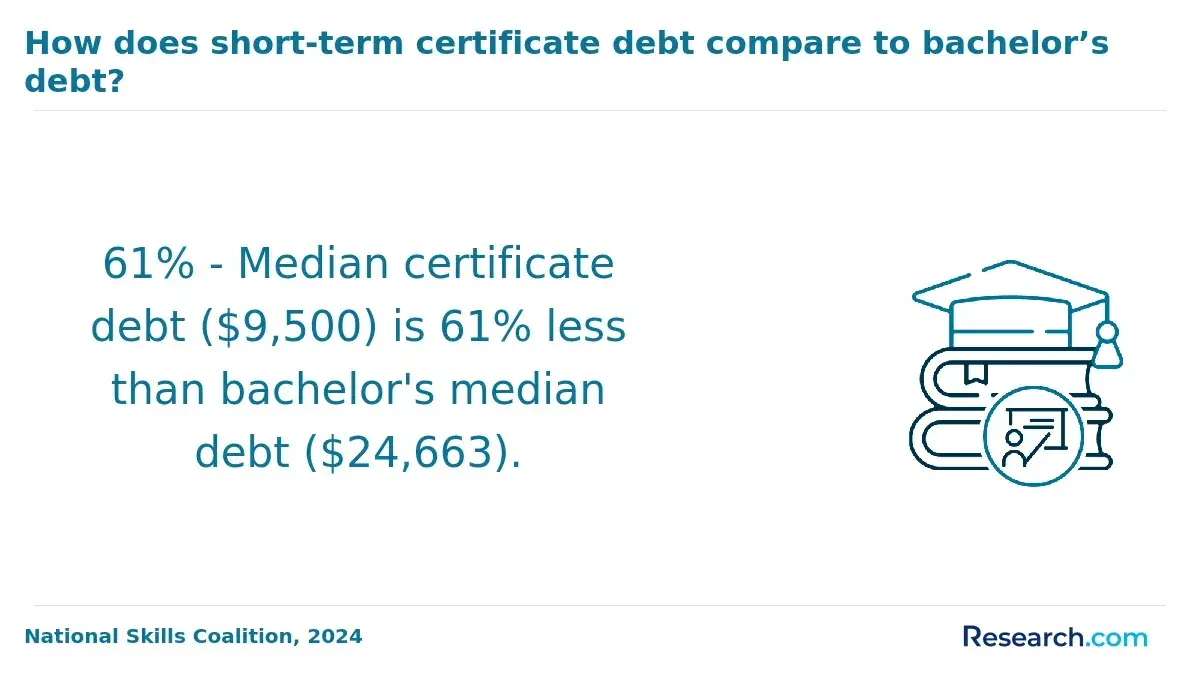
Evaluating the financial value of a psychiatric mental health nurse practitioner degree demands comparing rising tuition costs with salary growth rather than viewing each in isolation. Data from the U.S. Bureau of Labor Statistics in 2024 shows that while median starting salaries hover around $110,000, full tuition for these graduate programs at public universities ranges broadly from $30,000 to $60,000, with private institutions often charging more.
This gap means new graduates face substantial upfront costs that outpace early salary increases when adjusted for inflation. Thus, the true investment return hinges on career longevity and gradual wage increments rather than immediate financial gain, highlighting a nuanced tradeoff shaped by program choice, geographic location, and personal financial circumstances.
Consider a prospective student from a region with modest salary growth but high tuition rates: the extended repayment period for loans could limit financial flexibility in early career stages, making budget planning critical.
Conversely, another graduate benefiting from strong regional demand and incremental raises might experience a more favorable wage-to-debt ratio within five to ten years. Factors such as loan interest, availability of scholarships, and differences in employer reimbursement also influence how tuition compares with earning potential.
Recognizing this variability underscores the importance of individualized financial planning grounded in realistic expectations about market conditions and personal career trajectories.
One recent PMHNP graduate recalled hesitating before enrolling due to soaring tuition costs that nearly doubled compared to earlier cohorts. Facing the choice of a less expensive program with fewer clinical opportunities or a pricier option offering broader post-graduate support, the graduate ultimately prioritized long-term career prospects despite immediate financial strain.
Reflecting on their decision several years later, they noted that initial salary growth was slower than anticipated, necessitating disciplined budgeting and some delayed lifestyle choices. However, steady demand for mental health practitioners and incremental wage increases eventually brought relief, affirming that the investment, while challenging upfront, yielded sustainable professional and financial rewards over time.
Does a Psychiatric Mental Health Nurse Practitioner Degree Deliver a Positive Return on Investment?
Return on investment in higher education, especially for a psychiatric mental health nurse practitioner degree, hinges on weighing the substantial upfront costs against career earnings and advancement opportunities over time. This calculation extends well beyond initial salaries, encompassing long-term growth potential, job stability, and professional versatility.
For instance, a registered nurse transitioning to a psychiatric mental health nurse practitioner who incurs $70,000 in debt might expect median annual earnings exceeding $120,000 within a few years, according to the Bureau of Labor Statistics 2024 data, which shows this specialty's wages surpass many nursing roles and keep pace with inflation.
Factors that affect whether the degree delivers a positive return include program tuition increases that often outpace inflation, the opportunity cost of reduced income during full-time study, and regional variability in demand for mental health services. Graduates who secure positions quickly in diverse settings-from hospitals to community clinics-benefit from steady income streams and opportunities for salary growth tied to increasing mental health care needs.
Meanwhile, those facing longer job searches or higher debt burdens may see a delayed or diminished financial payoff, illustrating how individual circumstances and local market conditions critically influence outcomes.
Longitudinal studies and workforce analyses affirm that despite rising education costs, psychiatric mental health nurse practitioner roles often translate into strong financial returns over a career span due to consistent wage increases and robust demand driven by expanding mental health awareness and services.
This data underscores a cautiously optimistic outlook: while the degree can justify its investment for many, candidates must consider their financial resilience, geographic mobility, and timing to fully realize its economic advantages.
Which Industries Offer the Highest Salaries for Psychiatric Mental Health Nurse Practitioner Graduates?
Salary outcomes for psychiatric mental health nurse practitioner graduates vary considerably across industries, influenced by demand, case complexity, and institutional resources. The highest-paying sectors often require advanced clinical expertise and the capacity to manage diverse patient populations with specialized mental health needs. Those entering these fields must weigh financial incentives against workload demands and career sustainability.
Below is a list highlighting industries that generally offer the strongest salary potential for psychiatric mental health nurse practitioners, supported by data from the U.S. Bureau of Labor Statistics and recent industry salary surveys:
- Outpatient Care Centers: These settings typically pay well due to the need for continuous, holistic psychiatric management in community clinics and addiction treatment programs. PMHNPs in this sector frequently leverage specialized counseling and medication management skills to address complex patient profiles, driving higher compensation opportunities.
- Hospitals With Psychiatric Units: Salaries are elevated in psychiatric hospitals or large medical centers owing to the acuity of cases and 24/7 patient care requirements. Challenging shifts and the necessity of responding to acute crises often translate into premium pay for experienced PMHNPs in these environments.
- Government Healthcare Agencies: Entities such as the Department of Veterans Affairs and state mental health departments provide competitive wages coupled with robust benefits. Roles often include working in correctional health facilities or veterans' programs, requiring adaptability and expertise in public sector mental health policy.
- Private Practice and Telehealth Services: Emerging as high-earning pathways, these options allow PMHNPs to command premium fees by building independent caseloads, especially in underserved geographic areas. Success here hinges on entrepreneurial skills and the ability to deliver care remotely, meeting rising demand.
- Correctional Facilities: Specialized roles in prison healthcare systems offer above-average compensation reflecting the complex mental health challenges in these populations. These positions demand resilience and specialized training in forensic psychiatric care, which contribute to higher salaries.
- Academic and Research Institutions: While not always the highest-paying, select research and teaching roles in mental health nursing can provide competitive compensation, particularly for those with advanced certifications and a track record of published work or grant acquisition.
According to the U.S. Bureau of Labor Statistics' latest data, outpatient care centers and hospitals consistently rank as the top-paying industries for roles related to psychiatric mental health nurse practitioner salary. The industry-based variation underscores the importance of aligning one's specialization and practice setting with both financial goals and professional strengths.
For example, a PMHNP with strong crisis intervention skills may find hospital roles lucrative despite the demanding hours, whereas those valuing autonomy might prefer private practice despite the variability in client acquisition.
Which States and Cities Offer the Highest Pay for Psychiatric Mental Health Nurse Practitioner Professionals?
Income for psychiatric mental health nurse practitioner professionals varies widely depending on geographic location due to differences in regional demand, healthcare infrastructure, and cost of living. The 2024 data from the U.S. Bureau of Labor Statistics highlights how states with large urban centers and advanced mental health services offer the highest annual salaries, though these come with financial tradeoffs.
For example, while cities like San Francisco can pay over $140,000 annually, the high housing costs can significantly reduce net income. Below are key areas where psychiatric mental health nurse practitioners tend to earn the most, along with important factors to weigh when considering these options:
- California: Home to several major metropolitan areas such as San Francisco, San Jose, and Los Angeles, California offers some of the highest wages nationwide due to substantial demand for mental health services and dense healthcare networks. However, practitioners must consider the state's steep cost of living and housing prices that can offset these higher salaries.
- New York: New York state, particularly New York City, features competitive pay linked to its vast population and extensive medical systems. The financial benefits, though, need to be balanced against high taxes and urban living expenses that influence take-home pay.
- Massachusetts: Cities like Boston support a thriving healthcare and academic community, boosting salaries for psychiatric mental health nurse practitioners. The area's educational resources and specialized job opportunities come alongside considerable living costs and potential professional demands.
- Alaska: Despite its remote location, Alaska offers premium salaries reflecting urgent local shortages of healthcare providers and challenging working conditions. Prospective practitioners should weigh isolation and cost considerations against potentially lucrative wages.
- Texas: With growing urban centers and lower living expenses compared to coastal states, Texas presents a middle ground where wages are moderate but purchasing power is stronger. This can translate into better overall financial stability for practitioners managing student loans and personal expenses.
- Florida: Known for lower housing costs and no state income tax, Florida attracts psychiatric mental health nurse practitioners seeking a balance between decent pay and affordable living. High demand in retirement and healthcare services fuels job availability.
- Washington: Cities such as Seattle benefit from strong mental health initiatives and multiple academic hospitals, driving salary growth. Professionals should consider the increasing cost of living and competition within these markets when planning their careers.
How Do Psychiatric Mental Health Nurse Practitioner Salaries Grow Throughout a Career?
Salaries for psychiatric mental health nurse practitioners tend to rise steadily with experience but are shaped by several variables including location, work environment, and individual career choices. Entry-level PMHNPs typically earn a median annual salary around $100,000 according to 2023 data from the U.S. Bureau of Labor Statistics.
By mid-career, between 5 to 10 years in practice, many see increases to approximately $120,000, with late-career practitioners frequently surpassing $140,000. This growth often reflects a combination of deeper specialization, leadership responsibilities, and working in urban or high-demand clinical settings, which generally offer higher compensation than rural or less specialized fields.
Consider two graduates starting with identical PMHNP degrees: one remains in primary care mental health clinics in a smaller city, while the other pursues advanced certifications and supervisory roles in a metropolitan hospital system. Over 15 years, the latter's salary trajectory will likely outpace the former's significantly due to expanded duties and higher pay scales.
The American Association of Nurse Practitioners reports a 15-25% salary increase once practitioners move beyond their first decade, highlighting how professional development, geographic mobility, and sector choice are critical to long-term earning potential. Despite these trends, rising tuition and inflation may blunt the real value of salary gains, prompting careful consideration of financial planning for those entering the field.
One graduate recalled the difficult decision to pursue additional certification after several years in community mental health, initially hesitating due to concerns about student debt and lost income during further training.
After completing the advanced certification and accepting a supervisory role at a hospital, the increase in salary brought relief and validated the short-term sacrifices. This experience underscores how ongoing education and strategic position changes significantly influence salary growth for psychiatric mental health nurse practitioners, even though the path is not financially straightforward from the outset.
How Do Psychiatric Mental Health Nurse Practitioner Salaries Compare With Similar Degrees?
When assessing pmhnp salary comparison with other mental health and nursing degrees, the numbers reflect both specialized skills and market demand. The median salary for psychiatric mental health nurse practitioners hovers near $125,000, reflecting their advanced clinical role that includes prescribing medication and managing integrated care.
However, considering rising tuition costs for these programs and modest salary growth adjusted for inflation, prospective and current students must weigh earnings against educational investment carefully.
Below is an informed comparison of pmhnp salaries with related professions, helping clarify where the degree stands within the broader healthcare landscape:
- Family Nurse Practitioners: The median salary is slightly lower at approximately $120,000, as family nurse practitioners serve broader populations with less psychiatric specialization. Their role is versatile across outpatient and primary care settings, which typically results in a wider but less specialized client base compared to pmhnps.
- Psychiatric Physician Assistants: Often earning around $124,000, this group shares a similar scope of practice with pmhnps but follows a different training path. Differences in licensing and prescribing authority can influence employer preference and salary scales, though earning potential remains competitive.
- General Registered Nurses (RNs): With median earnings near $80,000, RNs usually earn substantially less due to broader responsibilities and fewer clinical privileges than advanced practice roles. The wage gap highlights the financial premium for psychiatric specialization.
- Clinical Psychologists: Earning about $100,000 median, psychologists focus primarily on therapy and assessments without prescribing medication, which limits earnings compared to pmhnps. Their different credentialing pathway and service scope explain the salary disparity despite overlapping mental health focus.
For example, a prospective student evaluating the return on investment might consider that while pmhnp programs have seen tuition increases outpacing wage growth, the nationwide shortage of psychiatric providers creates sustained demand and possible future wage gains.
Time spent attaining a pmhnp degree often offers a salary advantage over peers pursuing related healthcare degrees, but understanding these tradeoffs within the context of rising education costs is essential. Those interested can also explore options like NASP accredited school psychology programs as alternative routes within mental health education.
How Is Employer Demand Affecting Psychiatric Mental Health Nurse Practitioner Salary Trends?
Employer demand directly shapes salary trends for psychiatric mental health nurse practitioners by influencing competition among healthcare organizations seeking qualified candidates. As demand intensifies, employers may increase hiring activity and adjust compensation strategies to attract and retain talent, leading to faster wage growth.
For example, in a rural health clinic facing a shortage of psychiatric mental health nurse practitioners, administrators might offer higher salaries and signing bonuses compared to urban counterparts, where market saturation limits wage increases. This scenario highlights how local demand and supply dynamics create uneven salary patterns.
Major factors driving employer demand include demographic shifts, expanding mental health awareness, and the integration of psychiatric services into primary care. According to the U.S. Bureau of Labor Statistics 2024 Occupational Outlook Handbook, demand for advanced practice registered nurses specializing in psychiatric mental health is expected to grow 23% from 2022 to 2032, much faster than the average for all occupations.
This strong employer demand impact on psychiatric nurse practitioner salaries has contributed to annual salary increases of about 5%, as reported by the National Association of Nurse Practitioners in Psychiatry, outpacing general inflation but not fully offsetting rising education costs.
Still, salary trends reflect more than employer demand alone; experience, specialization, economic conditions, and institutional budgets also play significant roles. Prospective students should weigh these factors carefully alongside tuition expenses. Some might consider flexible pathways like pursuing an accelerated applied behavior analysis masters online to complement their clinical expertise and enhance long-term earning potential.
How Can Students Maximize Their Lifetime Earnings With a Psychiatric Mental Health Nurse Practitioner Degree?
Maximizing lifetime earnings as a psychiatric mental health nurse practitioner requires more than completing a degree; it demands strategic decision-making throughout one's career.
Salary variances reflect where one practices, additional certifications, ongoing education, and roles beyond clinical care. For instance, a practitioner working in a metropolitan outpatient clinic may earn substantially more than one in a rural community health center.
Below are key strategies to enhance long-term earning potential within this field:
- Target High-Paying Settings: Focus on gaining employment in outpatient mental health clinics, inpatient hospital units, or private psychiatric practices where wages are statistically higher, according to the U.S. Bureau of Labor Statistics and the American Association of Nurse Practitioners 2024 data. Geographic location also matters; metropolitan regions typically offer superior salary opportunities that offset cost-of-living differences.
- Obtain Specialized Certifications: Subspecialties like substance use disorders or child and adolescent psychiatry increase clinical value and can boost earnings by up to 15%, per the National Council for Behavioral Health 2024. Students should plan certification coursework alongside degree requirements to align with market demand.
- Advance Education Level: Pursuing doctoral education (DNP or PhD) opens pathways to academic, research, or consulting roles, diversifying income streams and enhancing long-term financial resilience beyond clinical practice.
- Seek Leadership Roles: Taking on administrative or supervisory positions increases salary potential and builds career stability. Developing management skills during graduate training can facilitate these transitions.
- Engage in Continuous Learning: Staying current with emerging mental health treatments through continuing education enables practitioners to remain competitive and command premium salaries within evolving healthcare landscapes.
- Leverage Teaching and Research: Supplementing clinical work with academic appointments or research collaborations provides additional income and career advancement opportunities, especially when combined with doctoral-level qualifications.
References
- Adult Psychiatric Mental Health Nurse Practitioner Salary (April 2026) | GNSA https://gradcareers.aacnnursing.org/salary/adult-psychiatric-mental-health-nurse-practitioner
- PMHNP Job Outlook 2026: Growth Rate, Demand & Future Predictions (2026) | PMHNP Hiring | PMHNP Hiring https://pmhnphiring.com/blog/pmhnp-job-outlook
- PMHNP Career Outlook 2026: Salary Trends & Career Growth https://apea.com/blog/PMHNP-Career-Outlook-2026-Part-1-78/
- 10 Highest Paid Nurse Practitioner Specialties in 2025 https://www.nphub.com/blog/highest-paid-nurse-practitioner-salaries
- How to Become a Psychiatric Nurse Practitioner (PMHNP) https://nursinglicensemap.com/advanced-practice-nursing/nurse-practitioner/psychiatric-and-mental-health-nurse-practitioner-pmhnp/
- Robot Challenge Screen https://opportunityhealthcare.com/blog/demand-more-your-np-salary-growth-plan-2026
- 10 Highest-Paying Nurse Practitioner Specialties: Complete Salary Guide https://www.directshifts.com/clinician-resources/10-highest-paying-nurse-practitioner-specialties-complete-salary-guide
- Psychiatric Nurse Practitioner Programs (PMHNP) | Jobs and Salary Information | Education https://www.graduatenursingedu.org/psychiatric-mental-health-nurse-practitioner/
- MSN | Psychiatric Mental Health Nurse Practitioner | Rivier University https://www.rivier.edu/academics/all-programs/msn-psychiatric-mental-health-nurse-practitioner/
- Psychiatric Nurse Practitioner vs. Psychiatrist Guide: Role, Education, Scope of Practice, and Current Salary Comparison https://nightingale.edu/blog/psychiatric-np-vs-psychiatrist.html
Other Things You Should Know About Psychiatric Mental Health Nurse Practitioner
Part-time programs often extend the time before graduates can enter the workforce full-time, delaying salary growth and compounding tuition costs. However, they allow students to maintain employment and steady income, mitigating debt accumulation. Candidates prioritizing quicker salary increases may benefit from full-time programs despite the upfront financial strain, while those valuing steady cash flow should evaluate employer support and workload management carefully.
Geographic flexibility can open opportunities for higher initial salaries or faster wage growth, especially in underserved or urban areas with competitive demand. However, relocation costs and varying state licensing requirements complicate the decision. Graduates should assess whether potential salary gains justify these expenses and hurdles, prioritizing regions with sustainable demand rather than short-term peaks that may lead to burnout or instability.
Specializing within psychiatric mental health can command premium wages in niche settings but may limit flexibility if market demand shifts. Conversely, broader practitioner roles may offer more consistent employment but potentially lower top-end salaries. Professionals should align certification choices with market trends and personal career resilience, leaning toward specializations with steady or growing employer demand to ensure wage premiums outweigh narrower opportunities.
Positions with higher patient loads or complex caseloads typically offer better compensation but also increase burnout risk and require advanced clinical skills. When negotiating salary, candidates should consider whether the pay adequately reflects these demands and whether additional support or training is available. Prioritizing roles that balance fair compensation with manageable workload can lead to better long-term earnings and career sustainability.