
2027 Female CEOs of the S&P 500 by Industry

Co-Founder and Chief Data Scientist
Women remain underrepresented in the highest corporate offices, even as more companies publicly commit to equity, leadership development, and inclusive hiring. For students, early-career professionals, MBA candidates, and business leaders, the question is no longer whether women can lead major corporations. The better question is what their career paths reveal about power, preparation, sponsorship, industry opportunity, and the barriers that still shape who becomes CEO.
This guide reviews women CEOs associated with S&P 500 companies, grouped by industry, and explains what aspiring leaders can learn from their education, work history, executive transitions, and leadership preparation. It also examines the current challenges women face in reaching the C-suite, how companies are trying to strengthen leadership pipelines, and what education, mentoring, financial expertise, technology skills, and early career choices can do to improve long-term advancement.
Gender inequality in the workplace has never been limited to pay. Women are still less likely to receive the same career support, sponsorship, and access to profit-and-loss leadership roles that often lead to CEO appointments. In 2025, an analysis found that as women move higher in organizations, they receive less fundamental career support; one major barrier in the United States is that at least half of employers simply do not prioritize women's career advancement (McKinsey, 2025).
Quick Answer: What Do Women CEOs of S&P 500 Companies Show About Leadership?
Women CEOs in major U.S. corporations often reach the top after building deep expertise in finance, operations, technology, law, engineering, healthcare, retail, or strategy. Their paths show that CEO readiness usually comes from a combination of business results, board visibility, cross-functional experience, sponsorship, and credibility in high-impact roles. Progress is real but still limited: women leaders in S&P 500 companies increased from 9 in 2000 to 48 in 2025, a 9.6% growth (Women's Power Gap, 2025).
The same study found that chief financial officer roles can be important stepping stones to CEO positions, with 10% of women surveyed holding CFO roles compared with 6% of men. That matters because finance, operations, and business-unit leadership roles are often more directly connected to CEO succession than support functions alone.
Women CEOs of S&P 500 Companies: Table of Contents
- Women CEOs in consumer industries
- Women CEOs in healthcare
- Women CEOs in information technology
- Women CEOs in finance
- Women CEOs in real estate
- Women CEOs in utilities, energy, and industrials
- How technology and AI are changing leadership opportunities for women
- Education and training options for aspiring female CEOs
- The role of advanced education in executive advancement
- Barriers women face on the path to CEO roles
- How policy and industry initiatives can support systemic change
- How mentorship and sponsorship move women toward CEO roles
- How international trends are influencing women’s CEO pathways
- Sectors with underused leadership opportunities for women
- Company strategies that encourage more female leadership
- How early career experience shapes women’s leadership trajectories
- Current trends increasing female CEO representation
- How intersectionality affects access to CEO roles
- Executive coaching and strategic networking for women leaders
- Fast-track online bachelor’s degrees and early career acceleration
- Accessible undergraduate programs for future female CEOs
- Doctoral programs and advanced executive preparation
- Unconventional academic pathways, including sports management
- Analytical skills, risk management, and finance expertise for CEO readiness
Research has repeatedly linked gender-diverse executive teams with stronger value creation and profitability (Lamson, 2018). Gallup’s (2015) work also suggested that female managers are more engaged than male counterparts and that women managers may help build more engaged, higher-performing teams. Still, the CEO pipeline remains uneven, and men continue to occupy a larger share of top executive and board positions.
The leaders below demonstrate that there is no single route to the chief executive office. Some built careers through engineering and operations, others through finance, law, healthcare, retail merchandising, product strategy, or technology. The shared lesson is practical: CEO candidates need measurable business impact, not just credentials.
2025 Share of Women CEOs in the U.S.

What the Career Paths of Women CEOs Have in Common
Before reviewing the individual leaders, it helps to look at the recurring patterns. Many women CEOs have led large business units, managed financial performance, handled mergers or transformation projects, or built expertise in highly technical sectors. Education helps, but advancement usually depends on the ability to make decisions that affect revenue, risk, people, customers, and long-term strategy.
| Common CEO pathway | Why it matters | Examples from the profiles |
| Finance and CFO roles | Boards often value leaders who understand capital allocation, performance metrics, risk, and investor expectations. | Corie Barry, Joanne Crevoiserat, Lisa Palmer, Carol Tomé |
| Operations and business-unit leadership | Running a major division shows that a leader can manage people, execution, customers, and profit responsibility. | Mary Barra, Sonia Syngal, Tricia Griffith, Lynn Good |
| Technical or scientific expertise | In technology, energy, healthcare, and manufacturing, deep subject knowledge can strengthen strategic credibility. | Lisa Su, Reshma Kewalramani, Patricia Poppe, Lori Ryerkerk |
| Legal, governance, and compliance experience | Complex companies need leaders who understand regulation, governance, negotiation, and enterprise risk. | Julie Sweet, Safra Catz, Debra Cafaro, Christine Leahy |
| Long tenure inside one company | Internal candidates may gain operational depth, institutional trust, and board familiarity. | Barbara Rentler, Jennifer Johnson, Vicki Hollub, Linda Rendle |
Leadership does not have to come from a field society stereotypes as “female.” For example, running a beauty, consumer, or retail company requires market judgment, supply chain knowledge, brand strategy, financial discipline, and executive leadership. Students interested in the beauty sector may wonder what degree do you need for cosmetology, but executive leadership in that industry usually requires broader business capability in addition to technical or creative knowledge.
The following profiles highlight women who reached top corporate roles despite barriers that continue to affect leadership pipelines.
Women CEOs in Consumer Industries
1. Mary Barra
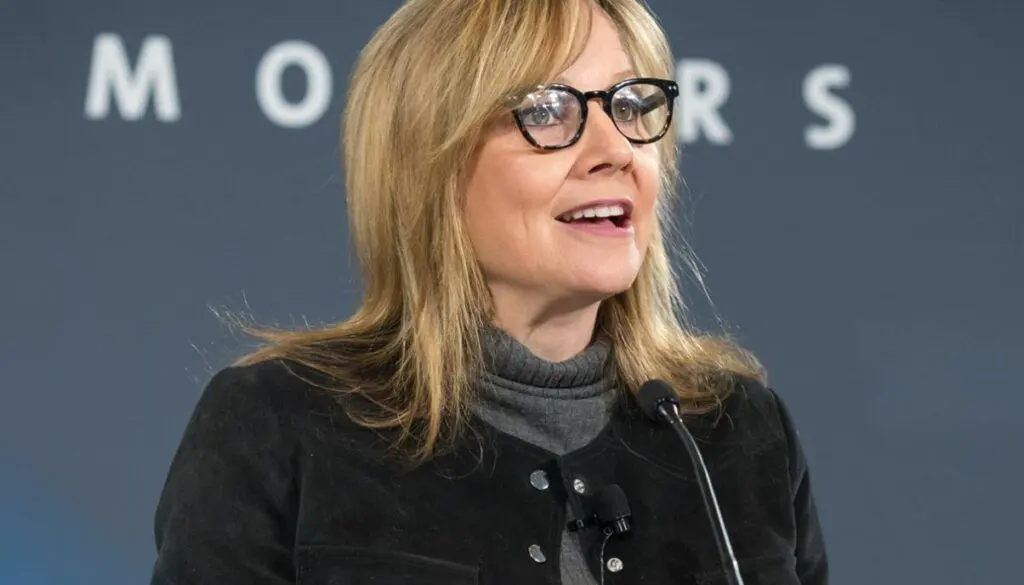
Mary Barra serves as chairman and CEO of General Motors. She became CEO on January 15, 2014, and later became chairman of the board of directors on January 4, 2016.
Before taking the top role, Barra was executive vice president for global product development, purchasing, and supply chain, beginning in August 2013. Earlier, she led global product development as senior vice president starting in February 2011. Her background shows the importance of operations, product strategy, and technical understanding in industrial leadership.
Barra earned an electrical engineering degree from General Motors Institute, now Kettering University, in 1985. She later completed a Masters in Business Administration degree at Stanford Graduate School of Business in 1990.
2. Corie Barry
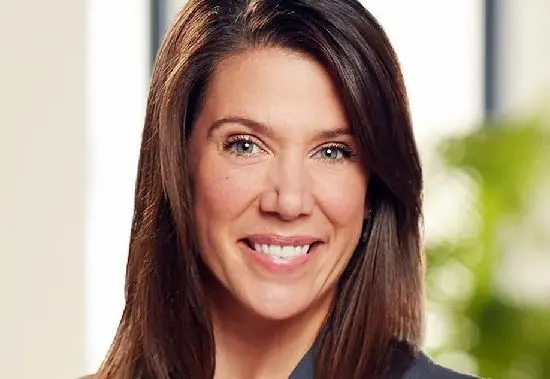
Corie Barry has led Best Buy Co. Inc. as CEO since June 2019. Before becoming CEO, she held several senior positions, including chief financial and strategic transformation officer.
Barry joined Best Buy in 1999 and built experience across finance, operations, and growth strategy. Her previous roles included chief financial officer, chief strategic growth officer, and senior vice president of domestic finance.
She completed undergraduate degrees in business management and accounting at the College of St. Benedict.
3. Mary Dillon

Mary Dillon began serving as CEO of Ulta Beauty in July 2013. Before joining Ulta, she was president and CEO of U.S. Cellular from 2010 to 2013. She also worked at McDonald’s as executive vice president and global chief marketing officer from 2005 to 2010.
Fortune recognized Dillon as one of the year’s most powerful women in 2016. In October 2018, she received the Sandra Taub Humanitarian Award for philanthropic leadership.
Dillon earned bachelor’s degrees in Asian Studies and Marketing from the University of Illinois at Chicago, making her path relevant to future marketing majors who want to understand how brand, customer, and market expertise can lead to executive responsibility.
4. Joanne Crevoiserat
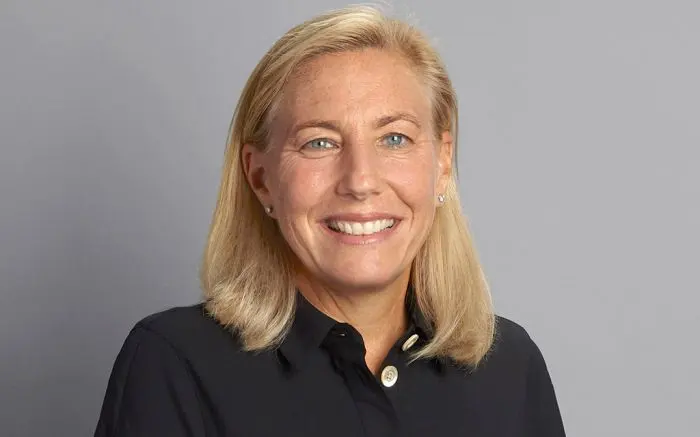
Joanne Crevoiserat has served as CEO of Tapestry, Inc. since July 2020. She joined the company as chief financial officer in 2019 and brought decades of retail, finance, and operations experience from companies including Abercrombie & Fitch and Kohl’s.
Crevoiserat earned a bachelor of science in Finance from the University of Connecticut in 1985.
5. Barbara Rentler
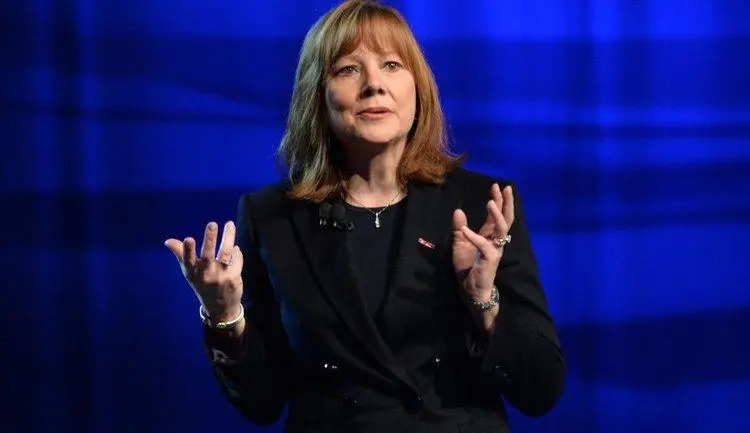
Barbara Rentler became CEO of Ross Stores in June 2014. Before that, she was president and chief merchandising officer of Ross Dress for Less from 2009 to 2014 and executive vice president of merchandising from 2006 to 2009. She also served as executive vice president and chief merchandising officer at dd’s DISCOUNTS from 2004 to 2005. She joined Ross Stores in 1986.
Forbes named Rentler one of America’s Most Innovative Leaders in 2019, and she was the only woman on that list. Rentler has kept her education and other personal information private.
6. Sonia Syngal

Sonia Syngal became CEO, president, and director at Gap, Inc. in March 2020. She also has served on the boards of The Gap Foundation and Boys & Girls Clubs of America.
Before becoming Gap’s CEO, Syngal was co-president and co-CEO of Old Navy LLC. During her leadership, Old Navy was named a Great Place to Work from 2016 to 2018. Earlier in her career, she worked at Sun Microsystems as director for procurement strategy.
Syngal earned a bachelor’s degree in mechanical engineering from Kettering University in 1993 and a master’s in manufacturing systems engineering from Stanford University two years later.
7. Michele Buck
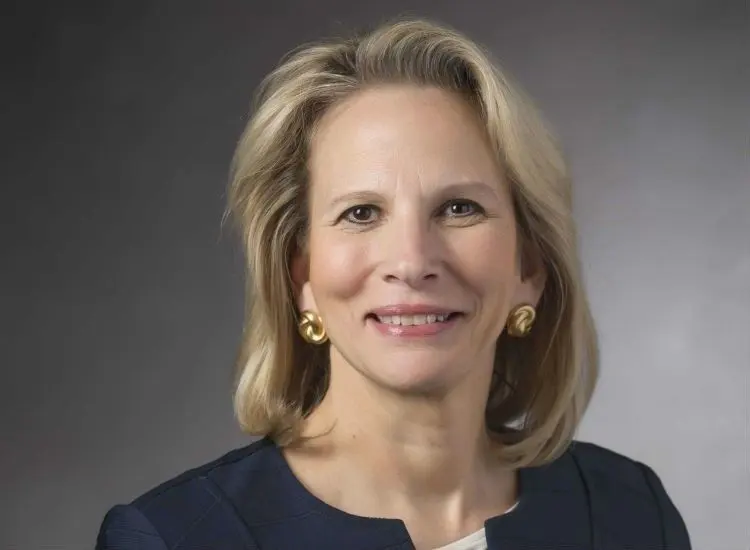
Michele Buck became The Hershey Company’s first female president, chairman, and CEO in 2017. She has more than 25 years of experience in consumer packaged goods and previously held senior leadership roles including chief operating officer. Before Hershey, Buck spent 17 years with Kraft/Nabisco and PepsiCo’s Frito-Lay division.
Buck earned a bachelor of business administration from the Shippensburg University of Pennsylvania in 1982 and completed an MBA at the University of North Carolina at Chapel Hill in 1987.
8. Linda Rendle

Linda Rendle became CEO of The Clorox Company in September 2020 after nearly two decades with the organization. Before becoming CEO, she served as president, overseeing major global functions. In 2016, she became senior vice president of the cleaning division and joined the Clorox Executive Committee.
Rendle earned her bachelor’s degree in economics from Harvard University.
9. Michelle Gass

Michelle Gass serves as director and CEO of Kohl’s Corporation. She became CEO in May 2018 after joining Kohl’s in 2013 as chief customer officer. In 2015, she became chief merchandising and customer officer, then was named CEO-elect in October 2017.
Before Kohl’s, Gass spent more than 15 years at Starbucks Corporation, where she held leadership positions in marketing, merchandising, and global strategy. She holds a bachelor’s degree in chemical engineering from Worcester Polytechnic Institute and an MBA from the University of Washington.
10. Sue Nabi

Sue Nabi was named CEO of Coty, Inc. in July 2020. Before Coty, she founded Orveda, a vegan skincare line launched in 2017. She also spent 20 years at L’Oreal, where she served as president for the Lancôme and L’Oréal brands.
Nabi completed an engineering degree at ENGEES, France’s National School for Water and Environmental Engineering. She also earned an advanced master’s degree in marketing management from ESSEC Business School.
Women CEOs in Healthcare
11. Gail Boudreaux
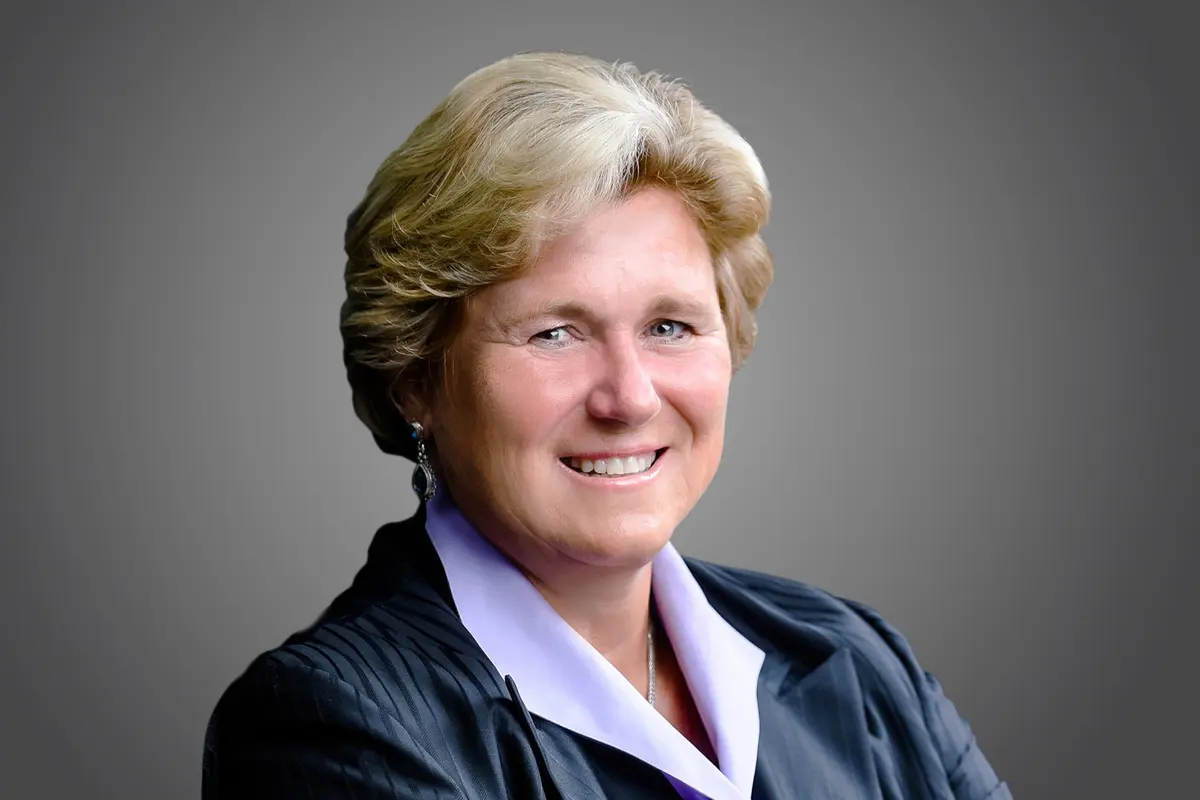
Gail Boudreaux is CEO and president of Anthem, Inc., a health benefits and insurance provider. She has held the role since November 2017. Before Anthem, she was CEO of UnitedHealthcare. She also served as executive vice president at Health Care Service Corporation and president of Blue Cross/Blue Shield of Illinois.
Boudreaux earned a bachelor’s degree in psychology, with honors, from Dartmouth College and an MBA with distinction from Columbia Business School.
12. Reshma Kewalramani
Reshma Kewalramani, M.D., FASN, became CEO and president of Vertex Pharmaceuticals on April 1, 2020. She has spent more than 15 years involved in the development of new medicines. At Vertex, she previously served as chief medical officer and executive vice president of Global Medicines Development and Medical Affairs. Before joining Vertex in 2017, she spent more than 12 years at Amgen in senior research and development roles.
Dr. Kewalramani completed an internal medicine residency and internship at Massachusetts General Hospital. She also completed a nephrology fellowship through a combined program at MGH and Brigham and Women’s Hospital. She earned her medical degree, with honors, from Boston University School of Medicine and completed Harvard Business School’s General Management Program.
13. Kristin Peck
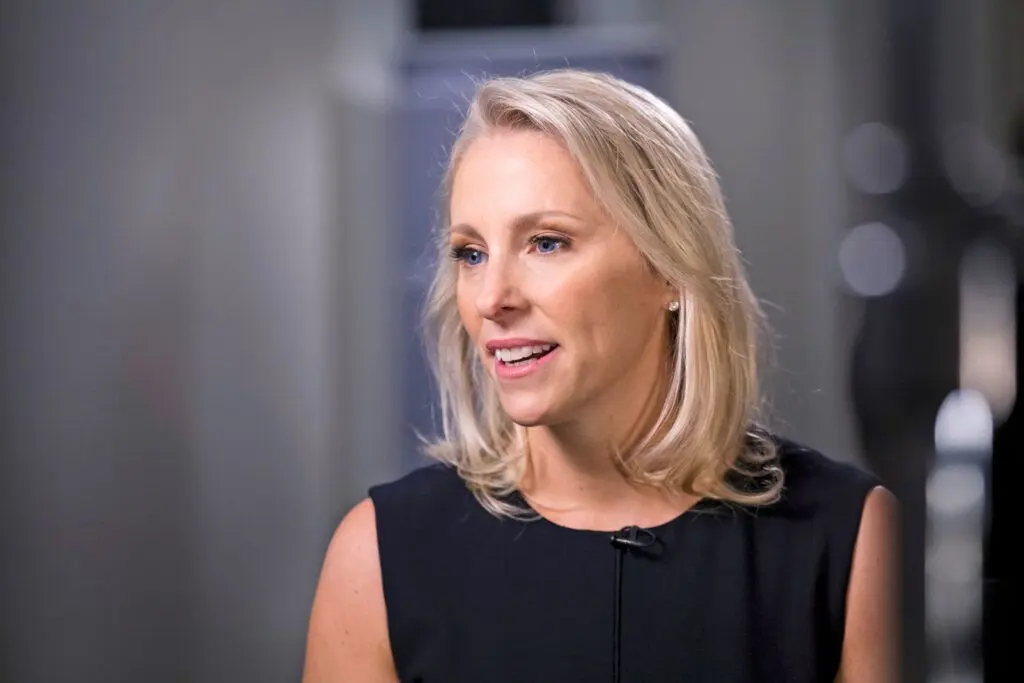
Kristin Peck became CEO of Zoetis, a global animal health company, in January 2020. Before that, she was executive vice president and group president for U.S. operations, business development, and strategy. Since joining Zoetis, she has held key roles in global product and corporate development.
Before Zoetis, Peck served as executive vice president for worldwide business development and innovation at Pfizer. She also worked at The Boston Consulting Group and in finance.
Peck earned a bachelor’s degree from Georgetown University and an MBA from Columbia Graduate School of Business.
Women CEOs in Information Technology
14. Safra Catz
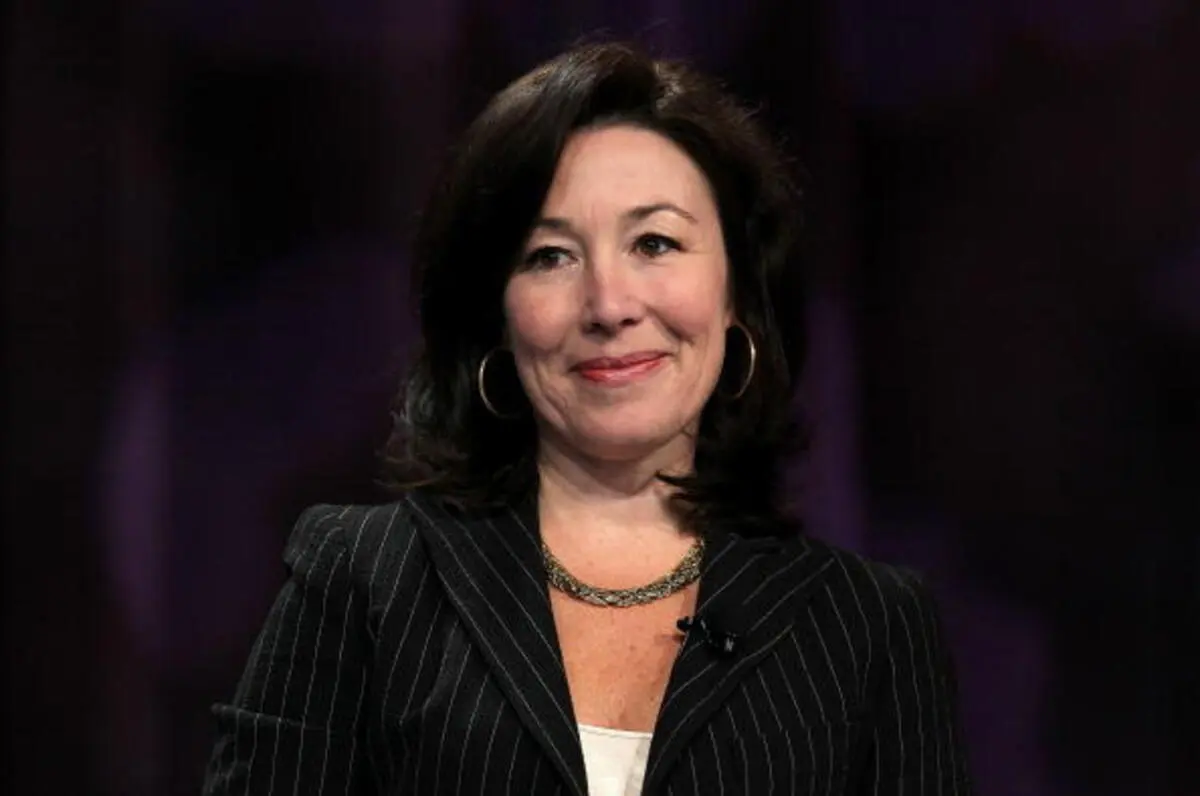
Safra Catz has been CEO of Oracle Corporation since 2014 and has served on Oracle’s board of directors since 2001. Before becoming CEO, she was president of the company and previously served as chief financial officer. She joined Oracle in 1999 and played a major role in the company’s acquisition strategy.
Catz earned a bachelor’s degree from the Wharton School of the University of Pennsylvania in 1983 and a J.D. from the University of Pennsylvania Law School in 1986.
15. Christine Leahy
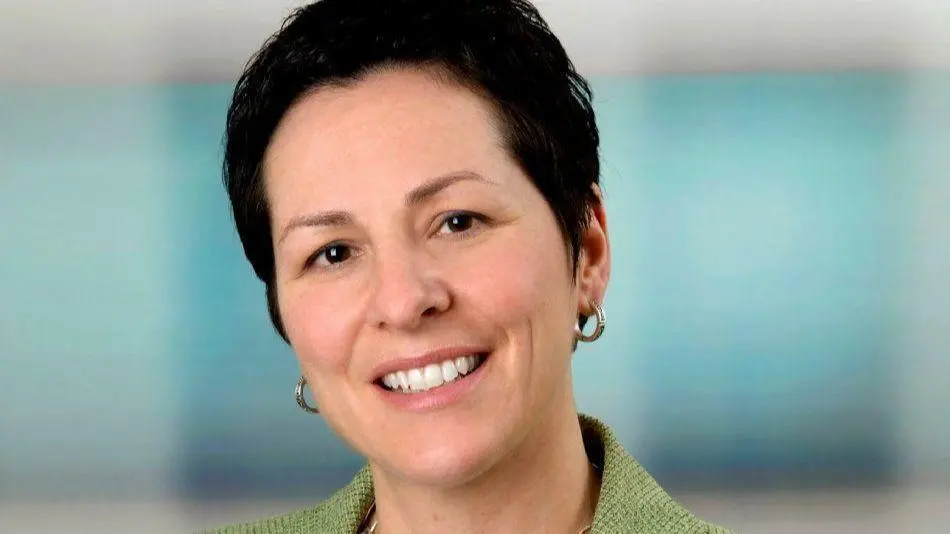
Christine Leahy became CDW Corporation’s first female CEO in 2019 after her predecessor stepped down. Before becoming CEO, she served as chief revenue officer. She also held the role of senior vice president international, where she guided the company’s international strategy. Leahy joined CDW in 2002 as its first general counsel.
She earned a bachelor’s degree from Brown University and a J.D. from Boston College Law School. She also completed the Kellogg School of Management’s CEO Perspectives Program and the Kellogg Center for Executive Women’s Women’s Director Development Program.
16. Lisa Su
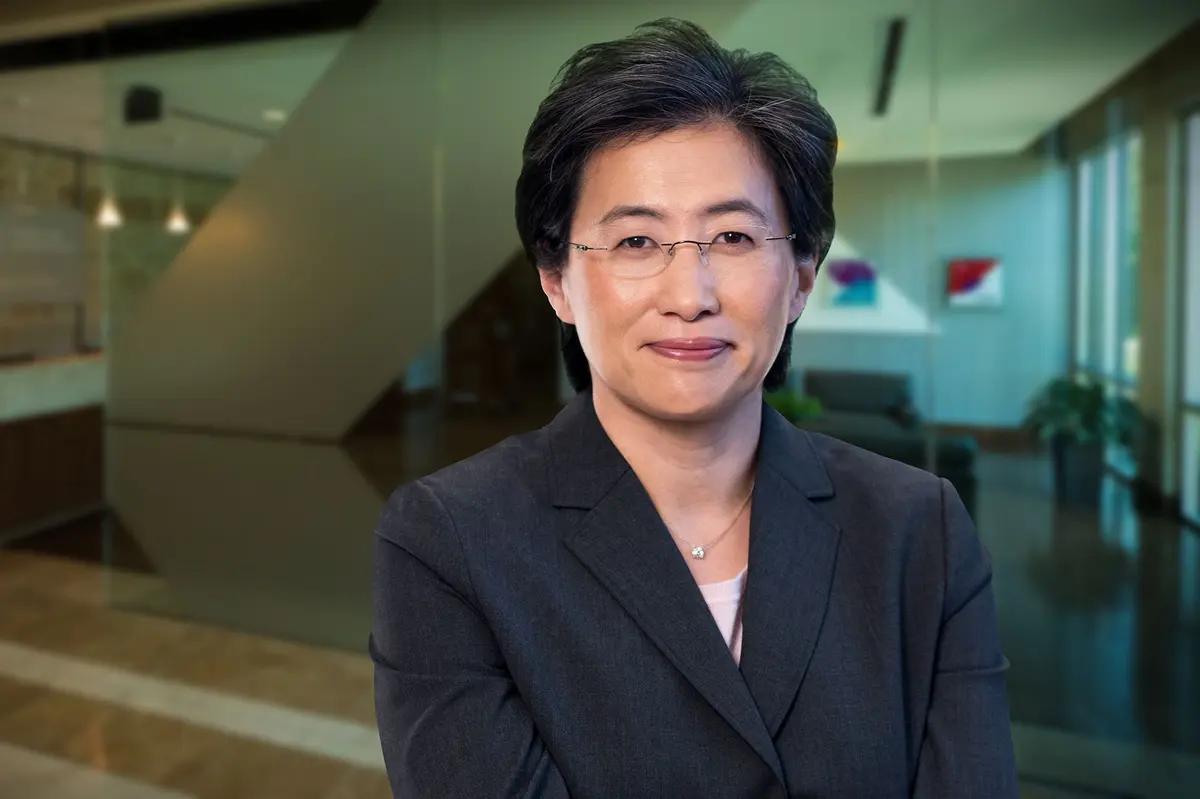
Lisa Su is president and CEO of Advanced Micro Devices, roles she has held since October 2014. She also serves on the company’s board of directors. Before becoming CEO, she was chief operating officer from July to October 2014, overseeing integration across company units. She joined AMD in January 2012 as senior vice president and general manager for global business units.
Before AMD, Dr. Su was senior vice president and general manager at Freescale Semiconductor’s networking and multimedia division. She also spent 13 years at IBM in engineering and business leadership roles.
Dr. Su earned bachelor’s, master’s, and doctorate degrees from the Massachusetts Institute of Technology. In 2009, she was named a Fellow of the Institute of Electronics and Electrical Engineers.
17. Julie Sweet
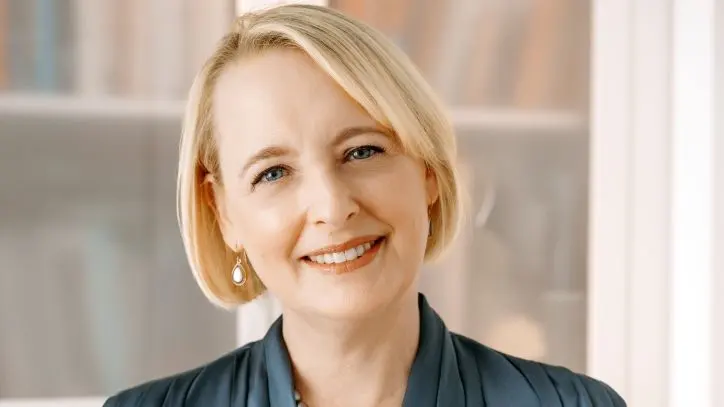
Julie Sweet is CEO of Accenture and serves on its board of directors. Before becoming CEO in September 2019, she led Accenture’s North America business, the company’s largest geographic market. Earlier, she served for five years as secretary, general counsel, and chief compliance officer. Before joining Accenture in 2010, she spent a decade as a partner at Cravath, Swaine & Moore LLP.
Sweet earned a bachelor of arts degree from Claremont McKenna College and a J.D. from Columbia Law School. In 2020, she ranked first on Fortune’s Most Powerful Women in Business list.
18. Jayshree Ullal
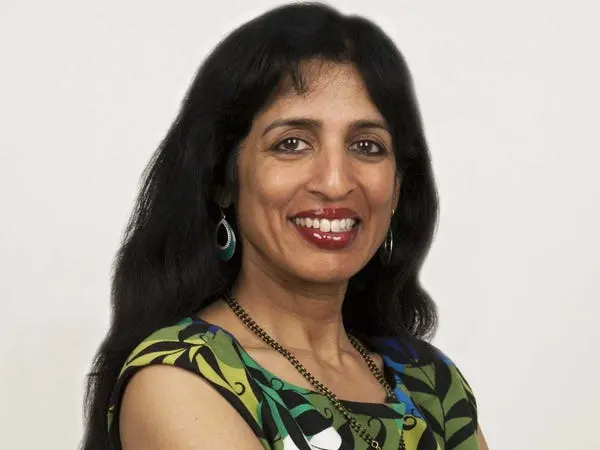
Jayshree Ullal has led Arista Networks, a cloud networking company, for more than a decade. She joined Arista in May 2008 and became CEO in October of that year. She led the company through a successful and historic initial public offering in June 2014.
Before Arista, Ullal spent 15 years at Cisco, where her final role was senior vice president. Overall, she has more than 30 years of experience in computer networking.
Ullal earned a bachelor of science in electrical engineering from San Francisco State University and a master’s degree in engineering management from Santa Clara University.
Women CEOs in Finance
19. Adena Friedman
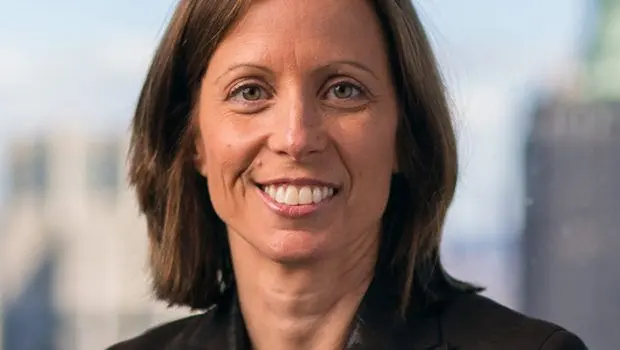
Adena Friedman became president and CEO of Nasdaq on January 1, 2017. She also serves on the board of directors. Before becoming CEO, she was chief operating officer and oversaw all Nasdaq business segments. Friedman first joined Nasdaq in 1993, left in March 2011 to become chief financial officer and managing director at Carlyle Group, and returned in June 2014 as COO.
Friedman earned a bachelor of arts in political science from Williams College and completed an MBA at Vanderbilt University’s Owen Graduate School of Management.
20. Tricia Griffith

Tricia Griffith became president and CEO of The Progressive Corporation in 2016. Before becoming CEO, she served as Personal Lines chief operating officer, overseeing personal lines, customer relationship management, and claims. Griffith joined Progressive in 1988 as a claims representative and advanced through multiple managerial and executive roles.
She earned a bachelor’s degree from Illinois State University and completed the Wharton School of Business’s Advanced Management Program.
21. Jennifer Johnson
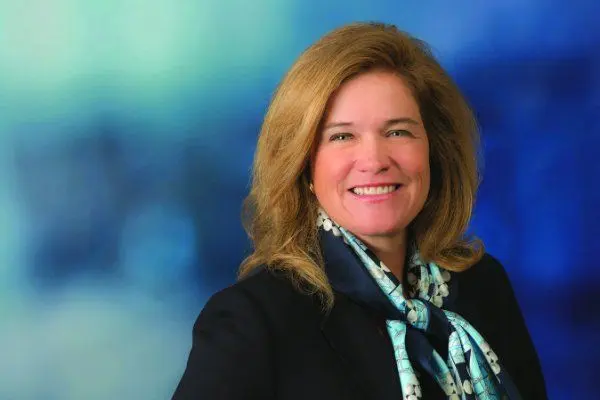
Jennifer Johnson is CEO and president of Franklin Resources, Inc. She has held the position since February 2020. Before that, she was chief operating officer, overseeing much of the company’s investment management activities and services. She has been with the company since 1988.
Johnson also serves on the boards of Riva Financial Systems and Lucile Packard Children’s Hospital and is a trustee of Crystal Springs Uplands School.
She earned a bachelor of arts in economics from the University of California at Davis.
22. Margaret Keane
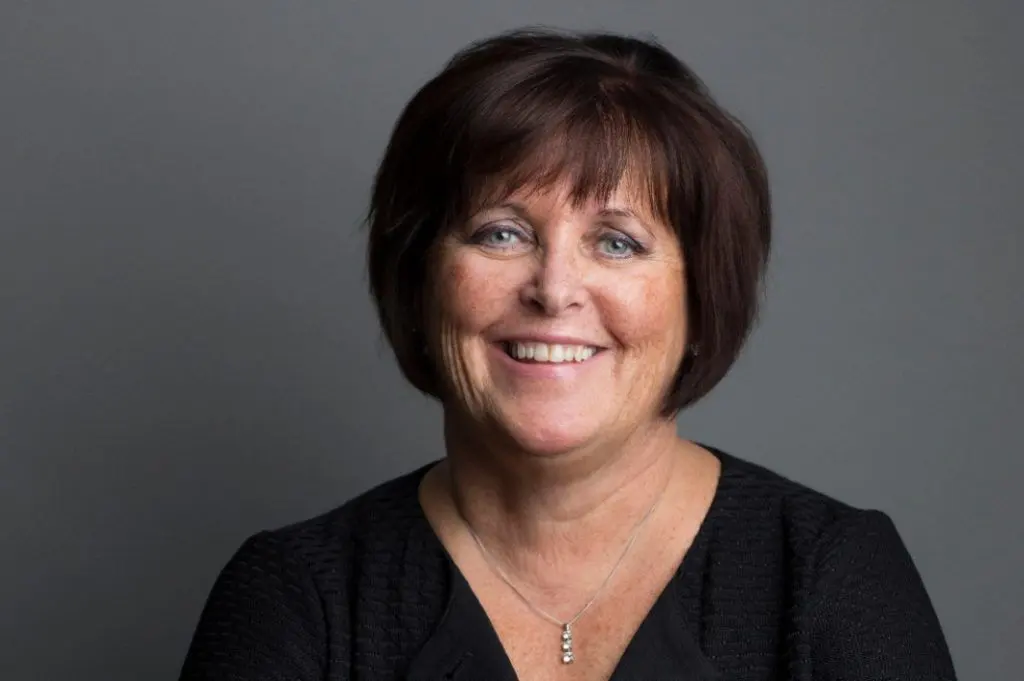
Margaret Keane became CEO of Synchrony Financial, formerly GE Capital Retail Financing, in 2011. She had led GE Capital’s Retail Card platform as CEO from 2004 and continued as CEO of GE Capital Retail Financing. She spent almost two decades at GE Capital in leadership positions.
Before GE Capital, Keane worked at Citibank for about 16 years.
Keane earned a bachelor of arts in government and politics from Saint John’s University and completed an MB with a concentration in marketing at Saint John’s University Peter J. Tobin College of Business.
Women CEOs in Real Estate
23. Debra Cafaro
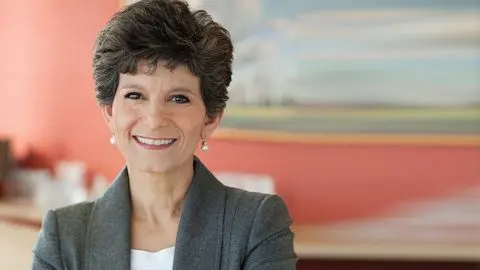
Debra Cafaro is CEO and chairman of the board at Ventas, Inc., a real estate investment trust focused on healthcare facilities. She has led the company since 1999. Under her leadership, the company’s market capitalization grew from $200 million in 1999 to $28 billion in 2019.
Before Ventas, Cafaro was president and director at Ambassador Apartments Inc., another REIT. A lawyer by training, she practiced real estate, finance, and corporate law from 1983 to 1997. She also worked as an adjunct professor for real estate transactions and finance at Northwestern University Law School from 1988 to 1992.
Cafaro earned a bachelor of arts in government economics, magna cum laude, from the University of Notre Dame in 1979 and a J.D., cum laude, from the University of Chicago Law School in 1982.
24. Lisa Palmer
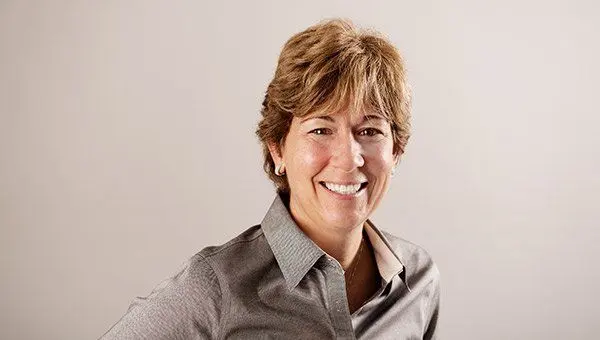
Lisa Palmer became president and CEO of Regency Centers Corporation on January 1, 2020, after serving as president since 2016. She was chief financial officer from January 2016 to August 2019, executive vice president from 2013 to 2015, and senior vice president and president of capital markets from 2003 to 2013. Earlier, she was vice president of capital markets in 1999 and senior manager of investment services in 1996.
Before Regency, Palmer worked with Accenture, ESH Hospitality, and Brooks Rehabilitation. She earned a bachelor of arts in economics from the University of Virginia and an MBA from the Wharton School of the University of Pennsylvania.
Women CEOs in Utilities, Energy, and Industrials
25. Lynn Good

Lynn Good is CEO, chair, and president of Duke Energy. Before becoming CEO in 2013, she served as chief financial officer and led commercial energy businesses during the early stages of the company’s renewable energy initiatives.
Good entered the utility industry in 2003 through Cinegy, which later merged with Duke Energy. Before 2003, she was a partner at two international accounting firms, including Arthur Andersen.
She completed a bachelor of science in accounting and degrees in systems analysis at Miami University.
26. Patricia Poppe
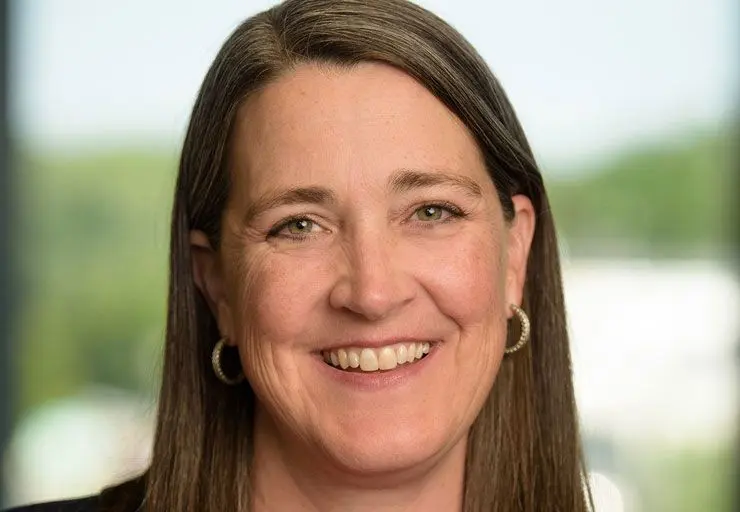
Patricia Poppe was president and CEO of CMS Energy and Consumer Energy from July 2016 to November 2020. On December 1, 2020, she became CEO of Pacific Gas & Electric, another energy company that also used to be included in the S&P 500.
Before becoming CEO of CMS Energy, Poppe served as senior vice president of distribution operations, engineering, and transmission. She also served as vice president of customer experience, rates, and regulation. Poppe joined CMS in January 2011 as vice president of customer operations.
Poppe earned undergraduate and master’s degrees in industrial engineering from Purdue University and completed a master’s degree in management at Stanford University Graduate School of Business.
27. Vicki Hollub
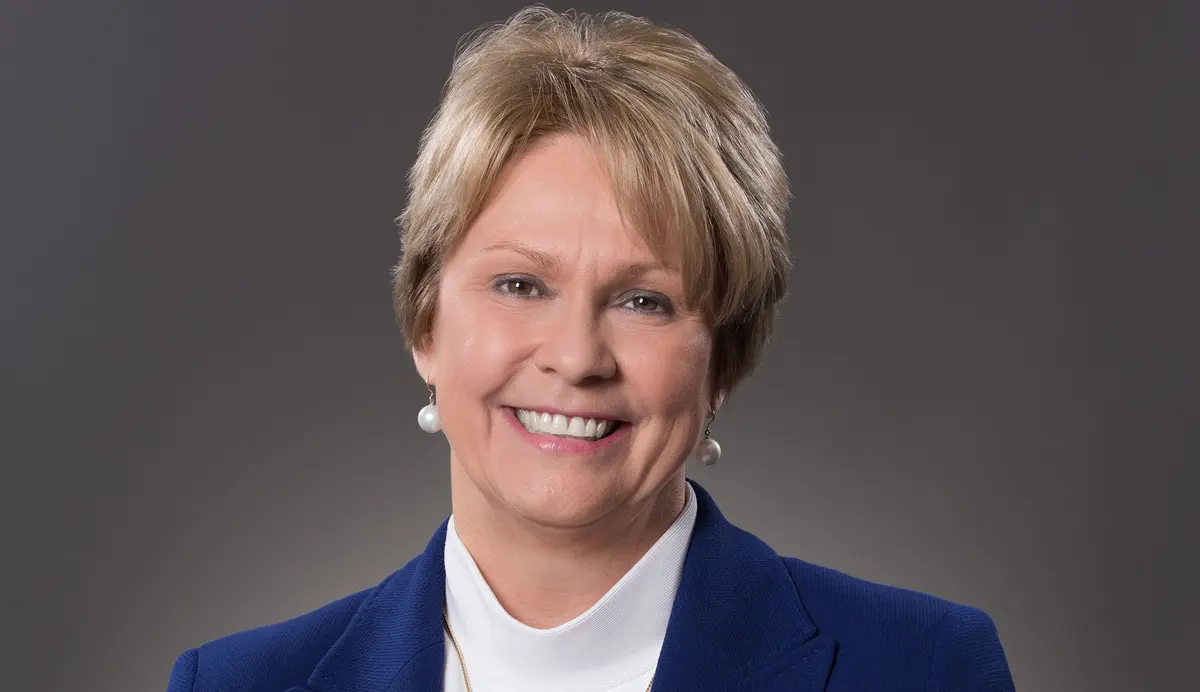
Vicki Hollub became CEO and president of Occidental Petroleum in April 2016 and has served on the company’s board of directors since 2015. She has worked at Occidental for more than 35 years, holding senior and technical roles. Most recently before becoming CEO, she served as chief operating officer. She also led Oxy Oil and Gas, overseeing operations in the U.S. and other countries. Hollub began her career at Permian Basin, which was acquired by CMS Energy.
Hollub earned a bachelor’s degree in mineral engineering in 1981, focusing on fuels and mineral resources. She also became a Distinguished Engineering Fellow at Alabama College of Engineering.
28. Phebe Novakovic
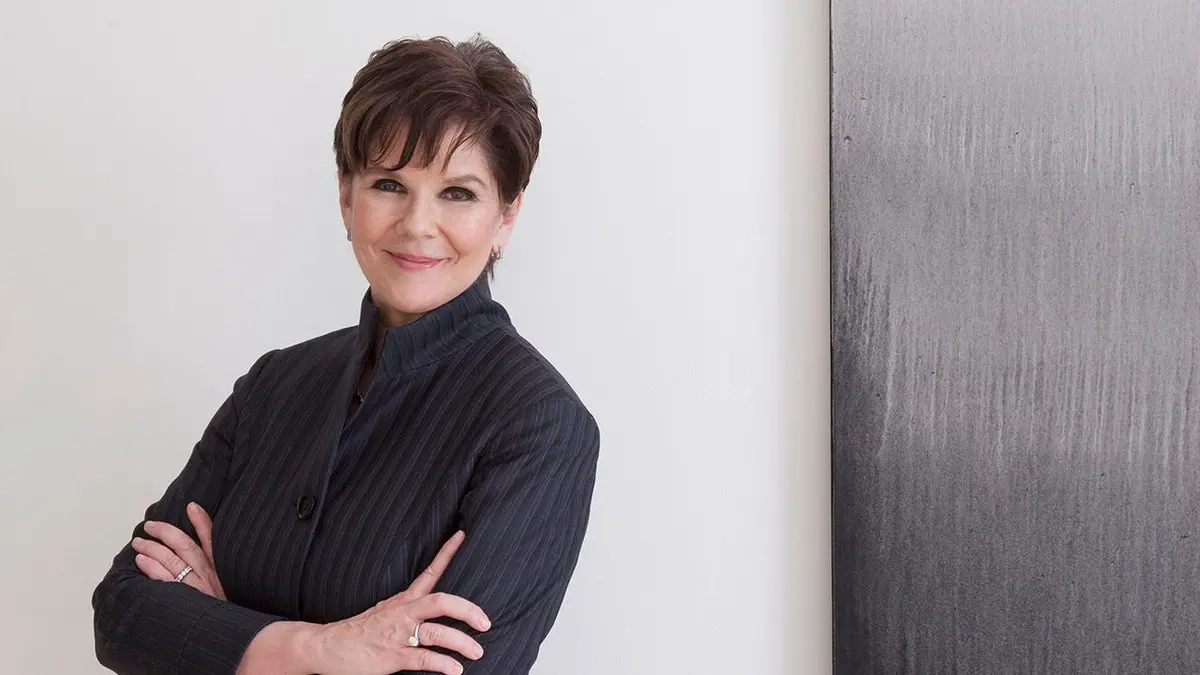
Phebe Novakovic became chairman and CEO of General Dynamics on January 1, 2013. Before that, she served as president and chief operating officer.
She also led General Dynamics’s Marine Systems group as executive vice president, overseeing NASSCO, Bath Iron Works, and Electric Boat. Earlier roles included senior vice president for planning and development and vice president for strategic planning.
Novakovic completed her undergraduate degree at Smith College and earned an MBA from the Wharton School of the University of Pennsylvania. Before General Dynamics, she served as Special Assistant to the Secretary and later Deputy Secretary of Defense from 1997 to 2001.
29. Carol Tomé
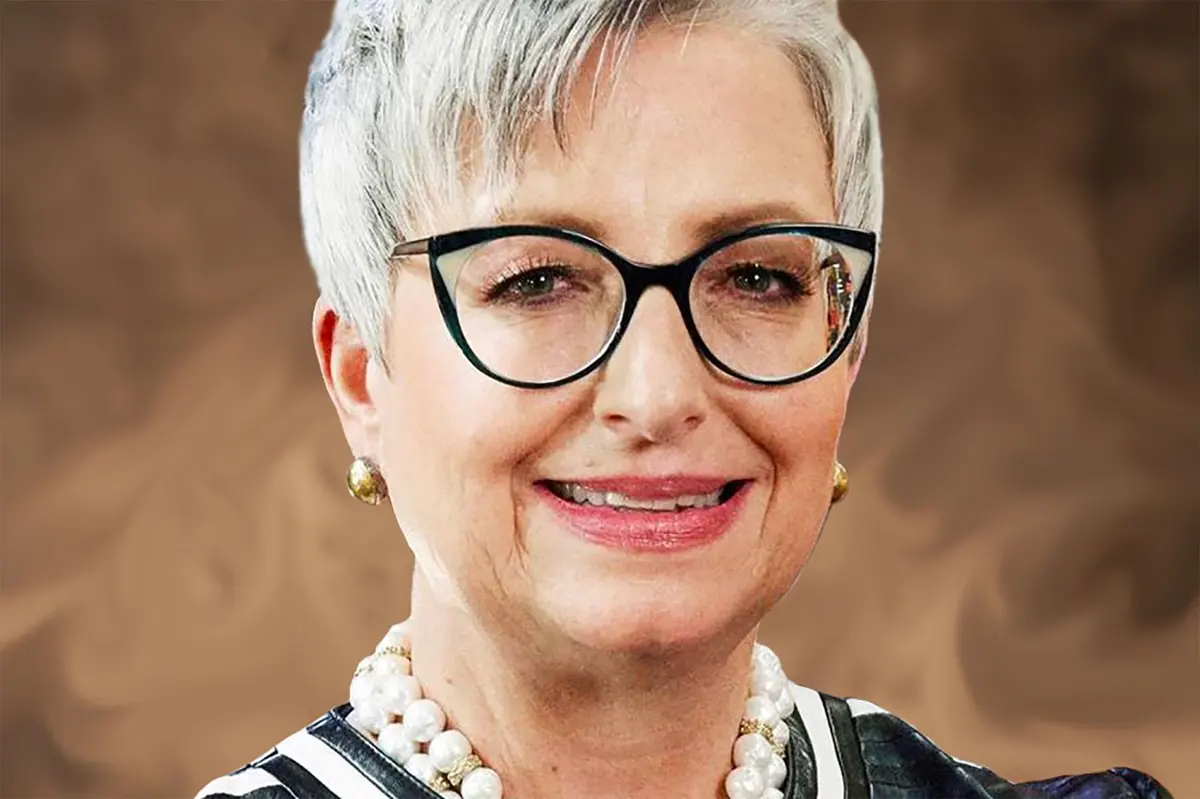
Carol Tomé is CEO of United Parcel Service and is the 12th CEO of the 113-year-old company. Before joining UPS as CEO, she was executive vice president and chief financial officer of The Home Depot, Inc. She joined Home Depot in 1995 as vice president and treasurer. Earlier, she was vice president and treasurer at Riverwood International Corporation.
A native of Jackson, Wyoming, Tomé earned a bachelor’s degree in communication from the University of Wyoming and an MBA with a major in finance from the University of Denver.
30. Lori Ryerkerk
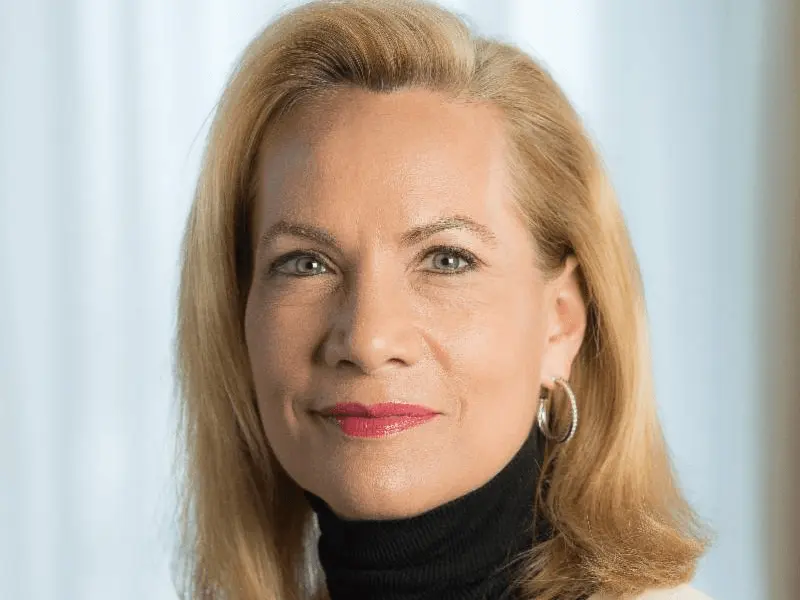
Lori Ryerkerk is president, chairman, and CEO of Celanese Corporation, a chemical and specialty materials company. She became CEO in May 2019 and was appointed chairman one month earlier. Before Celanese, she served as executive vice president of Global Manufacturing at Shell Downstream, Inc.
Ryerkerk earned a chemical engineering degree from Iowa State University.
31. Kathy Warden
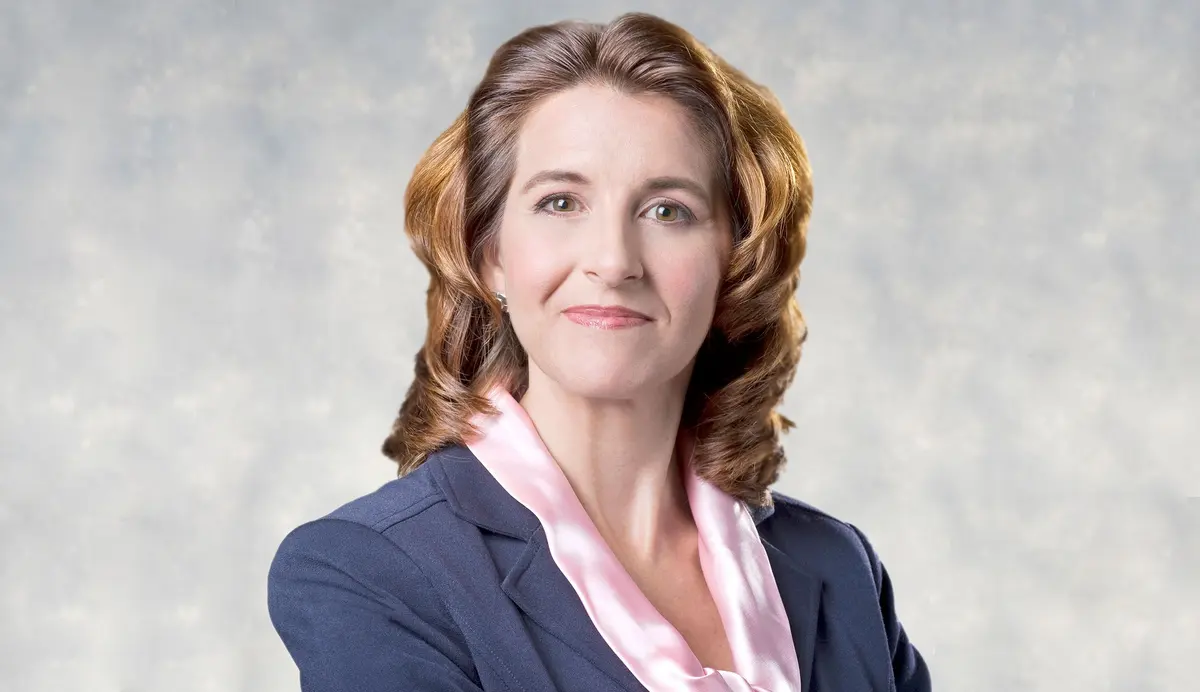
Kathy Warden is chairman, president, and CEO of Northrop Grumman Corporation. She became president and CEO on January 1, 2019, and was elected chairman of the board of directors on August 1 of the same year. She joined the board in 2018.
Before becoming CEO and president, Warden served as chief operating officer and vice president. She also held roles as corporate vice president and as president of the company’s information systems and mission systems sectors. Before Northrop Grumman, she worked with General Dynamics, Veridian Corporation, and the General Electric Company.
Warden earned her undergraduate degree from James Madison University and an MBA from George Washington University.
How Technology and AI Are Opening Doors for Women in Leadership
Technology and artificial intelligence are reshaping leadership work by changing how companies make decisions, manage talent, automate routine processes, and identify growth opportunities. For women seeking senior roles, the opportunity is twofold: technical fluency can strengthen executive credibility, and AI-enabled tools may help organizations detect bias in hiring, promotion, and performance evaluation.
As of February 2026, 26.7% of women are in the global tech workforce, while 29% are in C-Suite positions (WomenHack, 2026). Those figures show both opportunity and imbalance. Women who can combine business leadership with data, AI, cybersecurity, digital transformation, or product strategy may be better positioned for executive roles in companies where technology is central to growth.
Formal study can help professionals move into these roles. A program such as an MS in artificial intelligence online may be useful for leaders who need to understand AI strategy, model governance, automation, and the business implications of emerging technologies.
AI can also support more equitable talent systems when used carefully. Companies can use analytics to compare promotion rates, identify gaps in sponsorship, and evaluate whether women are being assigned high-visibility work. However, AI tools must be audited because automated systems can also reproduce bias if the underlying data or decision rules are flawed.
What Education and Training Opportunities Are Available for Aspiring Female CEOs?
Aspiring female CEOs can prepare through several routes: undergraduate degrees, MBAs, specialized master’s programs, executive education, professional certifications, leadership development programs, coaching, and structured mentorship. The right option depends on career stage, industry, time, budget, and the skills a leader needs to strengthen.
Flexible institutions, including online colleges with open enrollment, can help working adults continue their education without leaving the labor market. For women balancing work, caregiving, relocation, or financial constraints, accessibility can be a major factor in whether additional education is realistic.
| Training option | Best for | Decision factor |
| Bachelor’s degree | Early-career professionals building foundational business, technical, or analytical skills | Choose a field that connects to target industries and allows internships or applied projects. |
| MBA or specialized master’s degree | Managers seeking broader strategic, financial, or functional expertise | Compare curriculum, alumni network, flexibility, employer reputation, and total cost. |
| Executive education | Mid-career and senior leaders who need focused training without a full degree | Look for programs tied to strategy, finance, governance, digital transformation, or board readiness. |
| Certifications | Professionals who need targeted proof of technical or financial competence | Prioritize credentials recognized in the industry you want to lead. |
| Mentorship, sponsorship, and coaching | Leaders preparing for promotion, board exposure, or enterprise-level responsibility | Seek sponsors who can advocate for high-stakes assignments, not only mentors who offer advice. |
The Role of Advanced Education in Empowering Female Leaders
Advanced education can help women build credibility, widen their networks, and gain tools for strategic decision-making. It is not a guaranteed route to CEO status, but it can be especially valuable when paired with business-unit responsibility, measurable performance, and executive sponsorship.
Many women use MBAs, specialized master’s degrees, or executive programs to deepen expertise in finance, analytics, leadership, operations, technology, or industry regulation. These programs can also help address perceived gaps in managerial or technical readiness that sometimes affect how women are evaluated for senior roles.
Flexible options, including one year master's programs online, may appeal to professionals who want to accelerate learning while continuing to work. The strongest programs typically combine rigorous coursework, applied projects, networking opportunities, and faculty or industry access.
Employer support can make advanced education more equitable. Tuition reimbursement, scholarships, cohort-based leadership programs, and executive learning partnerships help companies strengthen their internal leadership pipelines while reducing the financial burden on employees.
Challenges Women Face in Obtaining CEO Positions
Women’s advancement to CEO roles is shaped by structural barriers, not just individual effort. The most persistent obstacles involve access to sponsorship, profit-and-loss roles, board visibility, and fair evaluation.
- Limited sponsorship. Mentorship helps leaders learn, but sponsorship helps leaders advance. Women are often less likely to have senior executives actively advocating for their promotion or recommending them for high-impact assignments.
- Bias about leadership style. Executive presence is still often judged through narrow expectations. Women may face criticism for being too assertive or not assertive enough, even when their performance is strong.
- Unequal access to CEO-track roles. Roles in operations, finance, product, and business-unit leadership often lead more directly to CEO succession. Women who are concentrated in support functions may have fewer chances to prove enterprise-level impact.
- Work-life assumptions. Women may be judged through assumptions about caregiving, relocation, travel, or availability. These assumptions can reduce access to stretch assignments and succession discussions.
- Underrepresentation in male-dominated sectors. Industries such as technology, energy, finance, and industrials include many large corporations, but women remain underrepresented in some of the roles that feed executive pipelines.
How Can Government Policies and Industry Initiatives Drive Systemic Change for Female CEOs?
Policy and industry initiatives can influence who reaches the CEO office by changing the rules around transparency, accountability, caregiving, and leadership selection. Equal opportunity enforcement, pay transparency, family-friendly workplace policies, and clearer board appointment practices can reduce barriers that individual women cannot solve alone.
Industry groups can also help by publishing benchmarks, sharing succession practices, and encouraging companies to measure gender representation in roles that actually lead to CEO appointments. Executive education remains part of the solution because leaders need strategy, finance, governance, and people-management expertise. For professionals comparing graduate options, resources on masters degrees that pay well can help frame the financial side of further study.
How Can Mentorship and Networking Propel Female Leadership to the CEO Level?
Mentorship provides advice, but sponsorship creates access. Women moving toward executive roles often need both: mentors who help refine judgment and sponsors who recommend them for major assignments, board exposure, investor-facing work, and succession consideration.
Networking also matters because CEO selection is rarely based only on job postings or formal applications. Senior leaders are often chosen through relationships, reputation, and demonstrated trust. Affordable and flexible education, including options highlighted in guides to the cheapest online college, can expand access to learning communities and professional networks for women who cannot pause their careers for full-time study.
How Are International Trends Reshaping the Path to Female CEO Roles?
International trends show that women’s advancement is affected by local culture, regulation, childcare structures, board expectations, and corporate governance norms. Regions with stronger diversity policies and social supports may create better conditions for women to remain in the leadership pipeline long enough to compete for top roles.
Global companies can learn from these differences by comparing leadership development, parental leave, succession planning, and board diversity practices across markets. For professionals seeking flexible graduate pathways, information on easy master's degrees may help identify programs that fit work and life constraints, although ease should never be the only factor in choosing a program.
Which Sectors Offer Untapped Lucrative Opportunities for Female Leaders?
Women’s leadership opportunities are not limited to traditional corporate headquarters roles. Manufacturing, skilled trades, energy, logistics, healthcare operations, infrastructure, entrepreneurship, and technical services can all create routes to ownership, management, and executive responsibility.
Fields that have historically had lower female representation may offer significant opportunity for women who build technical expertise and business leadership skills. Career resources on blue collar jobs for women can help students and career changers consider high-demand sectors that may lead to supervisory, operational, or entrepreneurial roles over time.
What Strategies Are Companies Implementing to Encourage More Female Leadership?
Companies that want more women in CEO-track roles need to go beyond public commitments. The most useful strategies focus on measurable pipeline development, fair access to business-critical assignments, and accountability for promotion outcomes.
- Leadership development programs. Strong programs identify high-potential women early, provide executive education, and connect participants to strategic assignments.
- Flexible work policies. Remote work, flexible hours, and results-based performance measures can help retain talented women, especially when flexibility is available without career penalties.
- Bias training with accountability. Training alone is not enough. Companies need promotion audits, calibrated performance reviews, and clear criteria for advancement.
- Board and succession diversity. More women on boards can influence CEO succession discussions, but companies also need women in operating roles that boards see as CEO preparation.
- Sponsorship programs. Senior leaders should be expected to advocate for women in high-potential roles and open access to enterprise-level work.
- Inclusive leadership cultures. Organizations need to reward different leadership styles and stop equating executive potential with outdated stereotypes.
Education can support these strategies when it is accessible. For women balancing career and personal obligations, self-paced online college programs can make it easier to build credentials and skills without following a rigid classroom schedule.
How Do Early Career Experiences and Foundational Education Shape Female Leadership Trajectories?
Early career choices can affect long-term leadership potential. Women who gain exposure to customers, operations, finance, analytics, product development, or technical teams often build the kind of cross-functional judgment that senior leaders need. Entry-level roles should not be evaluated only by title; the better question is whether the role builds measurable skills and visibility.
Foundational education can also create access. A program such as the shortest associate degree program may serve as an entry point for students who need an affordable, practical credential before transferring, working full time, or pursuing higher degrees.
| Early career move | Why it helps future leaders | What to look for |
| Rotational programs | Builds exposure to multiple business functions | Assignments in finance, operations, product, and customer-facing teams |
| Frontline management | Develops people leadership and execution discipline | Real authority over schedules, budgets, performance, or service outcomes |
| Analytical roles | Strengthens data-driven decision-making | Projects that influence pricing, forecasting, risk, or strategy |
| Technical roles | Builds credibility in complex industries | Hands-on experience with products, systems, engineering, or digital platforms |
| Mentor-supported stretch assignments | Creates visibility with senior decision-makers | Clear outcomes, executive sponsors, and promotion pathways |
What Are the Current Trends in Increasing Female Representation in CEO Positions?
Several trends are influencing women’s representation in CEO roles. The most meaningful developments are those that change access to power, not just participation in general leadership training.
- Women-focused leadership programs. More organizations and educational institutions are offering programs designed to prepare women for executive roles, including negotiation, strategy, board communication, and leadership presence.
- Corporate gender equity initiatives. Companies are using mentorship, leadership training, pay audits, and promotion reviews to address inequities more directly.
- Greater attention to flexible work. Flexible arrangements are increasingly viewed as retention tools for high-performing leaders, not just employee benefits.
- Growth in female-led startups. Entrepreneurship gives women an alternative route to top leadership when traditional corporate pipelines are slow or biased.
- More investment in credentials and skills. Online learning and certifications allow women to build targeted expertise in management, analytics, technology, finance, and operations.
Professionals who want focused skill development can compare online certifications that align with leadership goals, industry needs, and measurable career outcomes.
How Does Intersectionality Impact the Path to CEO Roles?
Intersectionality recognizes that women do not face identical barriers. Race, ethnicity, disability, socioeconomic background, immigration status, age, caregiving responsibilities, and educational access can all shape how women are evaluated, sponsored, and promoted.
Companies that want broader CEO pipelines need mentorship and sponsorship models that account for these differences. They should also value nontraditional pathways, including healthcare, technical training, and applied credentials. Career guides on options such as 6 figure medical jobs with little schooling show that leadership potential can emerge outside elite or conventional business tracks.
How Can Executive Coaching and Strategic Networking Enhance Female Leadership Trajectories?
Executive coaching can help women refine communication, decision-making, negotiation, conflict management, and boardroom presence. The best coaching is specific: it should connect to a leader’s current role, promotion goals, feedback patterns, and organizational context.
Strategic networking complements coaching by increasing access to decision-makers and new opportunities. It is especially powerful when combined with skill-building. For professionals who need faster academic options, quick degrees may be worth exploring, provided the program is credible, relevant, and aligned with long-term leadership goals.
Can Fast Track Bachelor's Degree Online Programs Accelerate Early Career Growth for Female Leaders?
Fast-track online bachelor’s programs can help emerging professionals complete credentials more quickly, especially when they have prior credits, work experience, or a clear career target. These programs may support early advancement by building business, communication, analytical, and technical skills in a shorter timeframe.
Speed should not be the only consideration. Students should evaluate accreditation, transfer policies, total cost, academic support, employer recognition, and whether the program offers practical projects or internships. To compare accelerated models, review options for a fast track bachelor's degree online.
How Can Accessible Undergraduate Programs Pave the Way for Future Female CEOs?
Accessible undergraduate programs can help women build the foundation for long-term leadership: writing, critical thinking, quantitative reasoning, teamwork, technology use, and industry knowledge. A bachelor’s degree does not guarantee executive advancement, but it can open doors to management-track roles, graduate education, and professional networks.
Some students prioritize flexible or less complex degree structures because they need to balance school with work and family responsibilities. Guides to the easiest bachelors to get can be useful starting points, but students should still evaluate career relevance, program quality, and transfer or graduate-school options.
How Can Advanced Doctoral Programs Empower Female Leadership?
Doctoral programs can strengthen executive-level research, strategy, and analytical skills. For women already in senior roles, a doctoral business program may support consulting, teaching, board work, thought leadership, or advancement in research-driven industries.
Programs such as DBA programs online may be especially relevant for professionals who want applied doctoral study focused on business problems. As with any advanced credential, candidates should consider cost, time, accreditation, dissertation expectations, and whether the degree clearly supports their goals.
Can Advanced Analytical Skills and Risk Management Expertise Propel Female Leaders to the CEO Role?
Analytical ability is increasingly important for executives because CEOs must interpret risk, capital allocation, market shifts, technology investments, and performance data. Women who develop strong quantitative and risk-management expertise may gain credibility in industries where financial and operational judgment are central to leadership.
Actuarial training is one example of a rigorous analytical pathway. Professionals interested in risk modeling, insurance, pensions, or financial forecasting can explore resources on how to become an actuary to understand how that expertise can support leadership development.
How Can Financial Expertise, Including CPA Qualification, Support Female Leaders in Reaching CEO Roles?
Financial fluency is one of the most useful skills for future CEOs. Leaders who understand budgeting, margins, forecasting, controls, investor communication, and enterprise risk are often better prepared for executive decision-making.
A credential such as a CPA qualification can strengthen credibility in accounting, audit, compliance, and financial strategy. It is not required for every CEO path, but it can be valuable for women pursuing finance-heavy roles or leadership in regulated industries.
How Can Affordable Online Master's in Finance Degrees Empower Female Leaders?
Finance education can help aspiring executives understand capital markets, valuation, risk, corporate finance, and strategic investment decisions. For women seeking leadership in finance, real estate, insurance, consulting, healthcare, technology, or operations, these skills can improve readiness for roles with profit-and-loss responsibility.
Affordable online options may reduce barriers for working professionals. Comparing the cheapest online master's in finance programs can help candidates evaluate cost, curriculum, flexibility, and expected career fit before committing.
How Can Unconventional Academic Pathways, Such as Sports Management, Bolster Female Leadership?
Not every executive begins with a traditional business major. Fields such as sports management can develop leadership skills in event operations, sponsorships, team coordination, analytics, budgeting, marketing, facilities, and stakeholder management. These experiences can translate into broader management capability.
For students who want a business-related field with applied leadership opportunities, the cheapest sports management online bachelor's degree options may offer an accessible pathway. The key is to pair the degree with internships, measurable projects, and roles that build financial and operational responsibility.
Common Mistakes to Avoid When Preparing for Executive Leadership
- Choosing education based only on speed or convenience. Fast programs can be useful, but accreditation, reputation, curriculum, and career support matter.
- Assuming an advanced degree automatically leads to promotion. Credentials help most when paired with measurable business impact and sponsor visibility.
- Staying too long in roles without enterprise exposure. CEO-track leaders usually need experience with revenue, operations, customers, finance, or major transformation work.
- Relying only on mentors. Advice is valuable, but sponsorship is what often opens doors to high-stakes assignments.
- Ignoring financial literacy. Even leaders outside finance need to understand budgets, performance metrics, risk, and capital decisions.
- Waiting for perfect readiness. Many leadership opportunities require learning while leading. Strategic stretch assignments can be career accelerators.
Questions Aspiring Female CEOs Should Ask Before Choosing a Career or Education Path
- Does this role or program build skills that boards and executive teams value?
- Will I gain experience with profit-and-loss responsibility, operations, customers, finance, or strategy?
- Who in my organization can sponsor me for visible assignments?
- Does this degree or credential have clear employer recognition in my target industry?
- What measurable outcomes can I point to when seeking promotion?
- Am I building a network beyond my immediate department?
- Does my current path lead to CEO-track roles, or only to narrower support functions?
- What leadership gaps do I need to close in the next one to three years?
The Future of Management: Closing the CEO Gender Gap
The number of women in senior corporate roles has increased over the last several years, but barriers remain. Women continue to face gaps in sponsorship, board access, succession planning, and assignment to the roles most likely to lead to CEO appointments. At the time reflected in this article, only 9.4% of the S&P 500 companies had female CEOs.
Women executives are still often concentrated in departments that do not traditionally produce CEOs, such as administration, human resources, and legal. These functions are important and may even support teams learning what are the steps to starting an LLC, but boards often favor candidates with finance, operations, product, or business-unit leadership experience. Men also continue to hold more board seats, which can create a built-in advantage in succession and governance networks.
The women profiled here show that CEO pathways are expanding across consumer industries, healthcare, information technology, finance, real estate, energy, and industrials. Closing the CEO gender gap will require both individual preparation and institutional change: more women in CEO-track assignments, stronger sponsorship, transparent promotion systems, and boards that recognize leadership potential across more varied career paths.
Key Insights
- Women’s representation at the CEO level has grown but remains limited. Women leaders in S&P 500 companies increased from 9 in 2000 to 48 in 2025, a 9.6% growth, yet women still account for a small share of CEOs overall.
- CEO pathways often run through finance, operations, technology, and business-unit leadership. Many women CEOs built credibility by managing revenue, risk, product strategy, transformation, or large teams.
- Education helps most when it supports measurable business impact. MBAs, technical degrees, finance credentials, and executive programs can strengthen readiness, but they do not replace results, sponsorship, and visibility.
- Sponsorship is different from mentorship. Mentors advise; sponsors advocate. Women seeking CEO-track roles need senior leaders willing to recommend them for high-stakes opportunities.
- AI and technology can create new leadership openings. Women who build digital, analytical, and AI-related skills may be better positioned for executive roles in technology-driven organizations.
- Companies must fix the pipeline, not only celebrate individual success stories. Flexible work, transparent succession planning, bias audits, leadership development, and board diversity all matter.
- Aspiring female CEOs should choose roles strategically. The strongest early and mid-career moves build financial literacy, operational judgment, customer understanding, and enterprise-level decision-making.
References:
- Accenture (n.d.). Julie Sweet. Leadership. Dublin, Ireland: Accenture.
- AIA (n.d.). Phebe Novakovic. Arlington, VA: Aerospace Industries Association.
- AMD (n.d.). AMD President and CEO Dr. Lisa Su. Sta. Clara, CA: Advanced Micro Devices.
- Anthem (n.d.). Gail K. Boudreaux. Indianapolis, IN: Anthem.
- Arista (n.d.). Management Team. Sta. Clara, CA: Arista.
- Best Buy (n.d.). Corie Barry. Richfield, MN: Best Buy.
- Celanese (n.d.). Lori J. Ryerkerk. Celanese Corp.
- The Chicago Network (n.d.). Christine Leahy. The Chicago Network.
- The Clorox Company (n.d.). Linda Rendle. The Clorox Company.
- CMS Energy (n.d.). Leadership. CMS Energy.
- Coty (n.d.). Sue Y. Nabi. Coty.
- Franklin Templeton (n.d.). Jennifer M. Johnson. Franklin Templeton.
- General Motors (n.d.). Mary T. Barra. Detroit, MI: General Motors.
- The Hershey Company (n.d.). It takes leadership to bring goodness to the world. The Hershey Company.
- Keane, M. (n.d.). Margaret Keane about. LinkedIn.
- Kohl’s (n.d.). Our Leadership Team. Menomonee Falls, WI: Kohl’s.
- Krivkovich, A., Goldstein, D., & McConnell, M. (2025). Women in the Workplace 2025. McKinsey.
- MarketScreener (n.d.). Business Leaders Mary Dillon. MarketScreener.
- Nasdaq (n.d.) Adena T. Friedman. New York, NY: Nasdaq.
- Northrop Grumman (n.d.). Company Leadership Kathy J. Warden. Falls Church, VA: Northrop Grumman.
- Oracle (n.d.). Safra A. Catz Biography. Sta. Clara, CA: Oracle Corp.
- OXY (n.d.). Vicki Hollub. Houston, TX: Occidental Petroleum.
- People Pill (n.d.). Sonia Syngal. People Pill.
- Progressive (n.d.). Leadership. Mayfield Village, OH: Progressive Casualty Insurance Co.
- Regency Centers (n.d.). Lisa Palmer. Jacksonville, FL: Regency Centers.
- Ross Stores, Inc. (n.d.). Corporate governance. RossStores.com.
- Silbert, A., Punty, M. W., Hickey, M. C., Hoepner, A., Hoepner, K., & Ramer, J. (2025). Barriers and Breakthroughs: A Data-Driven Look at Women CEOs at America's Largest Corporations. WomensPowerGap.
- Tapestry (n.d.). Leadership. New York, NY: Tapestry.
- UPS Pressroom (n.d.). Leadership. Seattle, WA: United Parcel Service.
- Ventas (n.d.). Leadership. Chicago, IL: Ventas.
- Vertex (n.d.). Reshma Kewalramani, M.D. Leadership. Boston, MA: Vertex.
- Women Business Collaborative. (2025). Women CEOs in America. WBC.
- Zoetis (n.d.). Zoetis Executive Team. Parsippany, NJ: Zoetis.
Other Things You Should Know About Female CEOs of the S&P 500
As of 2027, the industries with the most female CEOs in the S&P 500 include technology, consumer goods, and finance. These sectors have seen a higher representation of women in leadership, reflecting ongoing efforts towards gender diversity and inclusion.
The apparel industry has the highest number of female CEO replacements, followed by real estate, financial services, and the food industry.
Female CEOs in the S&P 500 often hold advanced degrees in business or related fields, such as an MBA. They typically possess extensive industry experience, having climbed the corporate ladder through roles in finance, operations, or marketing, which provides them with a comprehensive understanding of their industry and company.
Companies can actively handle gender inequality issues, ensure fair representation of women in senior management roles, and create supportive environments that foster the growth of female leaders.
The percentage of women in senior management positions reached significant strides. In Fortune 500, the share of women CEOs is 11%, 9.3% in Fortune 1000, 9.4% in S&P, 7.6% in Russell 3000, and 8.6% in private companies in the U.S.


