
2027 List of Best Employee Perks: Health & Wellness Benefits, Leaves, and Financial Aid

Co-Founder and Chief Data Scientist
Choosing employee perks in 2026 is no longer a side project for HR. Benefits now affect hiring, retention, productivity, burnout risk, workplace equity, and how employees judge whether an employer is worth staying with. Salary remains essential, but workers also look at whether a job supports their health, family responsibilities, financial stability, flexibility, and long-term career growth.
This guide is for HR leaders, founders, managers, and business decision-makers who need a practical employee perks strategy—not a list of fashionable benefits that may not fit their workforce. You will learn which perks tend to matter most, how to match benefits to employee needs, what mistakes to avoid, and how to measure whether perks are improving retention, engagement, productivity, and employer reputation.
Randstad (2026) found that 23% of employees would stay with their current employer if it provided competitive pay and benefits. The takeaway is clear: employees do not evaluate compensation in isolation. They compare the complete employment experience.
Quick Answer: What Are the Best Employee Perks in 2026?
The best employee perks are benefits that solve real problems for employees while supporting business goals. In most organizations, the strongest benefits mix includes competitive pay, health insurance, flexible work, paid time off, mental health support, professional development, educational assistance, retirement support, family-friendly benefits, financial wellness resources, and meaningful recognition.
There is no single perk that works for every company. A remote technology team may value learning stipends, home-office support, and asynchronous flexibility. A frontline or hourly workforce may place more value on predictable scheduling, affordable healthcare, paid sick leave, commuter assistance, and childcare support. The right benefits strategy starts with workforce data, not assumptions.
| Perk Category | Best Fit | Employee Value | Employer Consideration |
| Flexible work | Knowledge workers, caregivers, employees with lengthy commutes | Gives employees more control over how they balance work and life demands | Needs clear performance expectations, communication rules, and fair access |
| Health and wellness | Most full-time employee populations | Supports physical health, mental well-being, and sustainable performance | Programs should be confidential, accessible, and genuinely useful |
| Paid leave | Employees across job levels and life stages | Allows workers to rest, recover, handle illness, and care for family | Leave policies must be usable without career penalties |
| Career development | Employees who want advancement, leadership opportunities, or new skills | Shows workers they can grow without leaving the organization | Training should connect to real roles, promotions, or skill gaps |
| Educational aid | Early-career employees, career changers, technical teams | Reduces the cost of degrees, certificates, or job-relevant training | Eligibility, reimbursement rules, and approved programs must be clear |
| Financial wellness | Employees dealing with debt, savings pressure, retirement planning, or money stress | Helps reduce financial anxiety that can affect focus and well-being | Use qualified providers and avoid advice that creates conflicts of interest |
Employee Perks Table of Contents
- Recognition, discounts, and everyday rewards
- Health and wellness benefits
- Paid leave and time away from work
- Career advancement benefits
- Educational aid and upskilling support
- Specialized technical training and innovation
- Further education and employee growth
- Personalized perk strategies
- Measuring employee perks ROI
- Family-friendly benefits
- Financial stability benefits
- Employee perks and employer branding
- Additional high-value perks
- Affordable online education and career mobility
- Accelerated degree programs for working adults
Why Employee Perks Matter
Employee perks matter because they shape the daily reality of work. A thoughtful benefits package can reduce stress, improve access to care, support caregiving responsibilities, encourage skill growth, and make employees feel that their employer understands their lives beyond the job description. A poorly matched package can waste money and still leave employees feeling unsupported.
BambooHR has highlighted the importance of helping employees feel valued. That principle should guide benefits design. Perks should not be random gifts or branding slogans. They should reinforce a workplace where employees feel respected, included, and able to perform without sacrificing their health or future.
Benefits also influence more than retention. They affect recruitment, engagement, inclusion, productivity, internal mobility, and trust in leadership. Used well, they turn broad employee engagement ideas into practical support employees can actually use.
- Michelle Hayward, CEO and Founder of Bluedog Design, has described flexible work as a valuable but still underused benefit because it helps employees manage school events, remote-work needs, and difficult commutes.
- Nate Masterson, HR Manager at Maple Holistics, has noted that even smaller gestures, such as a thoughtful meal or recreational activity, can be useful ways to motivate employees during demanding periods.
- Patrick Colvin, Strategic HR Business Partner at USA Today Network, has emphasized that benefits can influence retention when employers are competing for skilled workers.
- Lisa Oyler, HR Director at Access Perks, has argued that showing empathy toward employees can support engagement and reduce retention risk.
- Southwest Airlines Founder and former CEO Herb Kelleher connected employee happiness with customer outcomes and company performance. Investments in healthcare, equipment, and communication support can benefit employees and the business at the same time (Belosic, n.d.).
| Question Employers Should Ask | Why the Question Matters | Stronger Decision |
| What employee problem are we trying to solve? | A perk should address a real need rather than follow a trend. | Use surveys, exit interviews, manager input, and benefit usage data before investing. |
| Which employees can realistically use this benefit? | A perk that helps only one group can create fairness concerns. | Review access for remote, onsite, hourly, salaried, caregiving, and non-caregiving employees. |
| Will employees trust this program? | Health, mental health, and financial benefits involve sensitive information. | Clarify privacy protections and choose credible providers. |
| How will we know whether it worked? | Without measurement, low-impact perks can continue unchecked. | Track participation, retention, engagement, absenteeism, and employee feedback. |
Workers' Top Factors When Looking for Employment

Recognition, Discounts, and Everyday Rewards
Small rewards cannot compensate for poor pay, excessive workloads, or weak management. However, when the basics are in place, discounts, gifts, meals, and recognition programs can make employees feel noticed. These perks work best when they are timely, fair, and connected to sincere appreciation.
Employee Discounts and Rewards
The shift from school to employment often brings new financial responsibilities. Research.com’s guide to life after college explains that transition, and employers can support early-career workers by offering discounts that reduce practical costs, such as retail purchases, dining, fitness, transportation, or everyday services.
Discounted Prescription Medicine Prices
Prescription expenses can be difficult even for insured employees, particularly when medication is not fully covered or copays are high. Prescription discount programs can be meaningful because they address a necessary expense rather than offering a symbolic perk (Murphy, n.d.).
Care and Appreciation Gifts
Care gifts can mark life events, recognize exceptional work, or show support during difficult moments. The key is consistency. Employers should create clear standards so gifts feel personal without creating perceptions of favoritism.
Appreciation Programs
Recognition programs can improve morale when they reward specific, valued behaviors. Employees who feel invisible are more likely to disengage, while employees who feel appreciated may be more willing to contribute ideas, support colleagues, and stay with the company. Recognition can also reinforce efforts to improve workplace productivity when it highlights quality, collaboration, accountability, and customer impact.
Free Food
Free meals, subsidized lunches, snacks, and shared food spaces can save employees money and reduce friction during the workday. They can also create informal social moments. Employers should treat food as a convenience and culture enhancer, not as a substitute for manageable workloads or healthy leadership practices (Gendelman, 2016).
Company Product or Service Discounts
Discounts on the company’s own products or services can increase employee pride and familiarity with what the organization sells. They can also create a practical feedback loop when employees use products before or alongside customers.
Apple, Samsung, and Google have been known to give employees access to anticipated products for testing. Discovery Communications has also hosted internal premieres before public program launches (Murphy, n.d.). In these cases, employee access functions as both a benefit and a source of product insight.
Health and Wellness Benefits
Health and wellness benefits are among the most important employee perks because they affect whether people can work sustainably. A modern wellness strategy goes beyond fitness challenges. It includes healthcare access, mental health support, workload norms, stress management, sleep, preventive care, and a culture where employees can seek help without stigma.
Workplace Wellness Program
A study published in the Annals of Internal Medicine examined health risks linked to common American work patterns, including extended sitting. Long sedentary periods have been associated with risks involving cardiovascular disease, cancer, and diabetes. For employers, these risks can contribute to higher healthcare costs, absenteeism, morale problems, and reduced capacity.
Workplace wellness programs may include health education, biometric screenings, movement breaks, stress management, sleep resources, mental well-being support, and broader changes to work culture. The strongest programs are voluntary, inclusive, and designed around employee needs rather than generic wellness campaigns.
Workers With Two Jobs Due to the Rising Living Cost
Onsite Health Clinic
Steelcase, a design and manufacturing company, developed an onsite health clinic where employees could schedule time with a massage therapist or consult a registered nurse. The company also offered healthier pantry options (Paljug, 2020). Onsite care can be especially helpful when employees struggle to schedule routine appointments during standard work hours.
Gym Membership
Many employees spend much of the day seated and may find it difficult to fit exercise around long hours, caregiving responsibilities, or commuting. Gym memberships, onsite fitness centers, movement incentives, exercise classes, and treadmill desks can make healthier routines easier to maintain.
EMC has offered financial incentives tied to healthy choices, including vaccination and gym membership. 23andMe has provided an onsite gym with yoga, Pilates, strength training, and treadmill desks. Employers should also consider remote employees, disabled employees, caregivers, and workers with nontraditional schedules when designing fitness perks.
Health Insurance
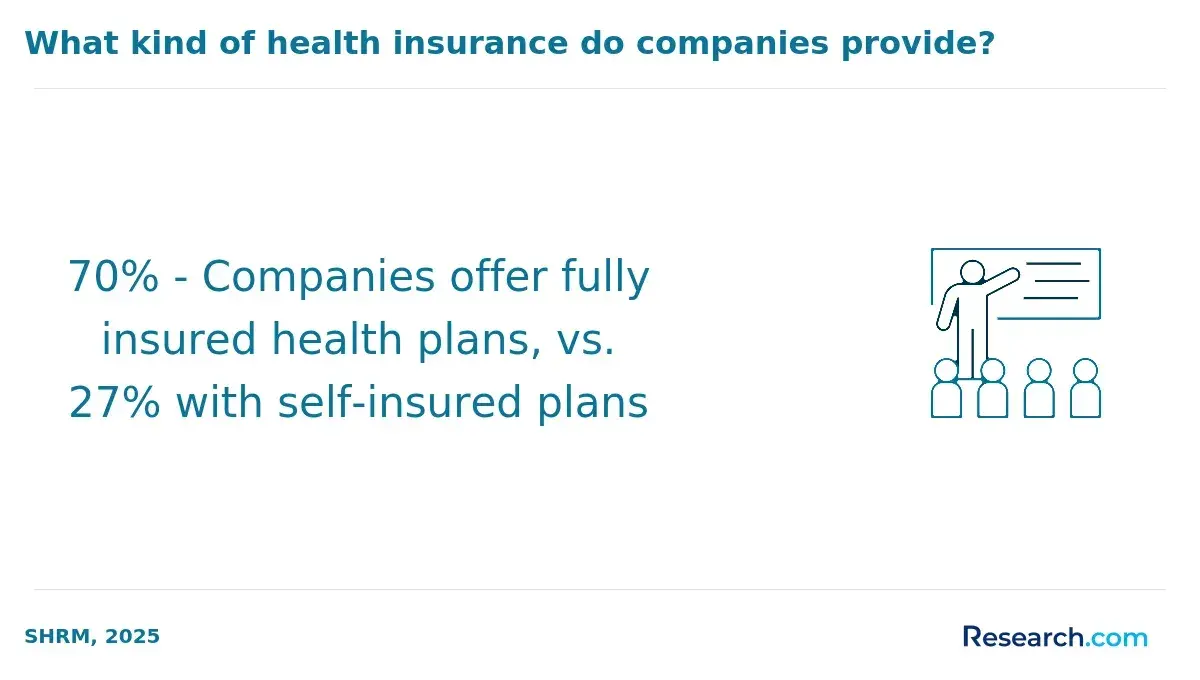
SHRM’s 2025 benefits survey found that 70% of companies offer fully insured health plans. Health insurance remains a core benefit because medical costs can create major financial pressure for employees and their families.
Employer-sponsored health coverage is often less expensive for employees than securing public or private coverage independently. Employers may also benefit when workers can access care earlier, recover properly, and feel that their organization is investing in their well-being.
Mental Health Support
Mental health support should be part of the benefits foundation, not an occasional awareness campaign. Stress, burnout, caregiving pressure, financial strain, and workload problems can all affect performance, attendance, and retention.
- Provide professional resources: Offer counseling access, mental health hotlines, or an Employee Assistance Program.
- Make mental health days explicit: Allow employees to take time away for mental well-being without forcing them to describe it as a physical illness.
- Train managers: Help supervisors recognize signs of distress, respond appropriately, and refer employees to qualified support.
- Improve work norms: Reduce unnecessary after-hours messages, monitor workload, and set reasonable boundaries.
- Protect psychological safety: Employees should be able to ask for help without fearing damage to their reputation or advancement prospects.
Employers that address mental health early can reduce burnout risk, improve trust, and create a more sustainable work environment.
Paid Leave and Time Away From Work
Paid leave communicates that rest, illness, recovery, caregiving, and major life events are legitimate needs. Strong leave policies also build trust because employees can step away when needed while remaining accountable for results. That trust can improve workplace culture and mutual respect (Murphy, n.d.).
Paid Time Off and Vacation
Research discussed in studies on money and happiness suggests that experiences can create more happiness than material purchases. A Glassdoor survey also found that employees valued paid time off and vacation more than a salary increase. This helps explain why some organizations have experimented with open vacation policies, summer Fridays, and more flexible PTO structures.
Netflix has reported benefits from its unlimited vacation policy, including a more productive workforce. Still, unlimited vacation works only when employees feel safe using it. If workloads, manager behavior, or cultural pressure discourage time away, the policy may look generous while offering limited practical value.
Paid Sick Leave
Paid sick leave allows employees to recover without losing income. It also helps protect coworkers and customers during cold, flu, and other contagious illness periods. A clear policy gives employees permission to stay home when they are unwell instead of working while sick.
Dr. Patricia Stoddard-Dare and co-authors found in research on employees without paid sick leave that lack of sick leave was associated with psychological distress that interfered with daily functioning.
Career Advancement Benefits
Career advancement perks help employees see a future inside the company. They can include mentoring, training, leadership preparation, internal mobility, stretch assignments, performance incentives, and skill-building pathways. These benefits matter because employees are more likely to leave when they feel stuck, underused, or unclear about how to grow.
Performance Incentives
Monetary incentives can be effective when employees understand the goals, trust the evaluation process, and can influence the results. Poorly designed incentives may encourage short-term thinking, internal competition, or confusion. Well-structured performance incentives can support accountability, ownership, and motivation.
In-House Professional Development
LinkedIn CEO Reid Hoffman, Ben Casnocha, and Chris Yeh have argued that lifetime employment is no longer a realistic assumption. That shift changes the employer-employee relationship: companies should help workers grow, and employees should keep building relevant skills.
In-house development can include manager training, technical workshops, peer learning, leadership programs, and internal coaching. These efforts should support practical career growth, not simply add training hours with no connection to roles or advancement.
| Career Perk | Best Use Case | Risk to Avoid |
| Mentorship | Employees need guidance, networks, role clarity, or confidence. | Mentors are not trained or given time to participate. |
| Internal training | Teams need consistent skills across roles or departments. | Content is too broad and disconnected from daily work. |
| Leadership development | High-potential employees need preparation for management roles. | Selection is unclear, which may create concerns about favoritism. |
| Performance incentives | Goals are measurable and employees can influence outcomes. | Metrics reward speed or volume while ignoring quality, ethics, or teamwork. |
Educational Aid and Upskilling
Educational aid helps employees gain new skills while reducing the financial burden of certificates, training, or degrees. It can also support loyalty among younger employees and recent graduates, especially those managing student debt (Bedrick, n.d.).
Tuition Assistance
Tuition assistance allows employees to continue learning while remaining employed. Employers can use this benefit to support job-relevant education, promotion pathways, and future workforce planning. Employees comparing academic options can also review Research.com’s guide to the top colleges in America as part of their evaluation process.
Student Loan Repayment Assistance
The Education Data Initiative reports that 42.8 million Americans have federal student loan debt. Student loan repayment assistance can be a meaningful benefit for employees whose education helped them qualify for professional roles but left them with long-term repayment obligations.
How Specialized Technical Training Can Accelerate Workforce Innovation
Specialized technical training can close skill gaps faster than broad professional development. Short courses, certification paths, and role-specific programs help employees apply new knowledge directly to products, systems, processes, and client work.
Technical teams may benefit from employer-supported learning in areas such as software development, data, cybersecurity, engineering, or digital design. In some cases, employees may consider formal programs such as a game programming degree online. The value comes from alignment: employees gain marketable expertise, and the organization builds stronger internal capability.
How Further Education Can Support Employee Growth
Further education can expand expertise, prepare employees for leadership, and support career mobility. Employers can make this path more realistic through tuition subsidies, flexible scheduling, institutional partnerships, and reimbursement for approved programs.
Employees considering graduate study may compare options such as the highest paying masters degrees. Employers should be careful, however, not to treat every advanced degree as having the same business value. Strong education benefits define eligible programs, connect learning to role pathways, and avoid promising promotions that are not guaranteed.
How to Personalize Employee Perk Strategies
Personalized benefits tend to deliver more value because employees do not all need the same support. A recent graduate, a parent of young children, a remote employee, a mid-career manager, and an employee approaching retirement may prioritize very different benefits.
Employers can personalize perks through surveys, listening sessions, usage data, employee resource group feedback, and flexible benefit allowances. One worker may value childcare help, while another may want an education path such as the easiest online master's degree that can fit around job and family responsibilities.
| Employee Group | Perks That May Matter Most | Decision Guidance |
| Early-career employees | Mentoring, student loan help, skill development, visible career paths | Make advancement expectations and timelines transparent. |
| Parents and caregivers | Flexible schedules, paid leave, childcare support | Do not assume parents are the only employees who need flexibility. |
| Remote employees | Home-office support, virtual wellness resources, online learning | Protect remote workers from being overlooked for recognition or advancement. |
| Employees nearing retirement | Retirement planning, financial education, healthcare support | Offer planning resources without pressuring employees about retirement timing. |
How Companies Can Measure the ROI of Employee Perks
Companies can evaluate the return on employee perks by comparing program costs with changes in retention, engagement, absenteeism, productivity, recruitment, and employee sentiment. The goal is not to reduce every human benefit to a simple dollar calculation. The goal is to determine whether a perk is solving the problem it was designed to address.
Useful evidence can come from surveys, benefit usage reports, exit interview themes, retention trends, absenteeism data, performance indicators, and cost-benefit reviews. Education benefits can also be evaluated by tracking completion, internal movement, skill application, and alignment with roles related to the best majors to make money.
| Perk Type | Metrics to Review | What Employers Can Learn |
| Flexible work | Retention, engagement, manager feedback, productivity indicators | Whether flexibility supports sustainability without weakening collaboration |
| Health benefits | Enrollment, utilization, absenteeism trends, employee satisfaction | Whether employees can access care and feel supported |
| Learning benefits | Participation, completions, promotions, skill use | Whether training supports both business needs and employee growth |
| Recognition programs | Participation, distribution of recognition, engagement scores | Whether appreciation is consistent, timely, and inclusive |
| Financial wellness | Attendance, usage, survey feedback, retention patterns | Whether employees view the resources as useful and trustworthy |
Family-Friendly Employee Benefits
Family-friendly benefits help employees manage caregiving without feeling forced to choose between work and home. These benefits can reduce stress, improve loyalty, and make the workplace more inclusive for employees at different life stages.
Paid Maternity and Paternity Leave
Apple has offered complimentary egg freezing services to female employees. Microsoft has also provided maternity and paternity leave beyond minimum requirements.
Fertility support, parental leave, and return-to-work programs signal that employees have responsibilities and life goals outside of work (Murphy, n.d.). Employers should design these policies equitably, including support for different family structures and caregiving situations.
Childcare Support
Childcare is a required expense for many American households and can cost up to $700 per month. For many families, that amount is a serious financial burden. Childcare support, backup care, dependent care benefits, flexible scheduling, or partnerships with childcare providers can help employees remain focused and present at work.
Financial Stability Benefits
Financial stress can affect concentration, well-being, and long-term planning. Benefits that improve financial stability are valuable because they address practical concerns employees may bring to work, including debt, emergency savings, retirement readiness, and everyday money management.
Financial Literacy and Money Management Programs
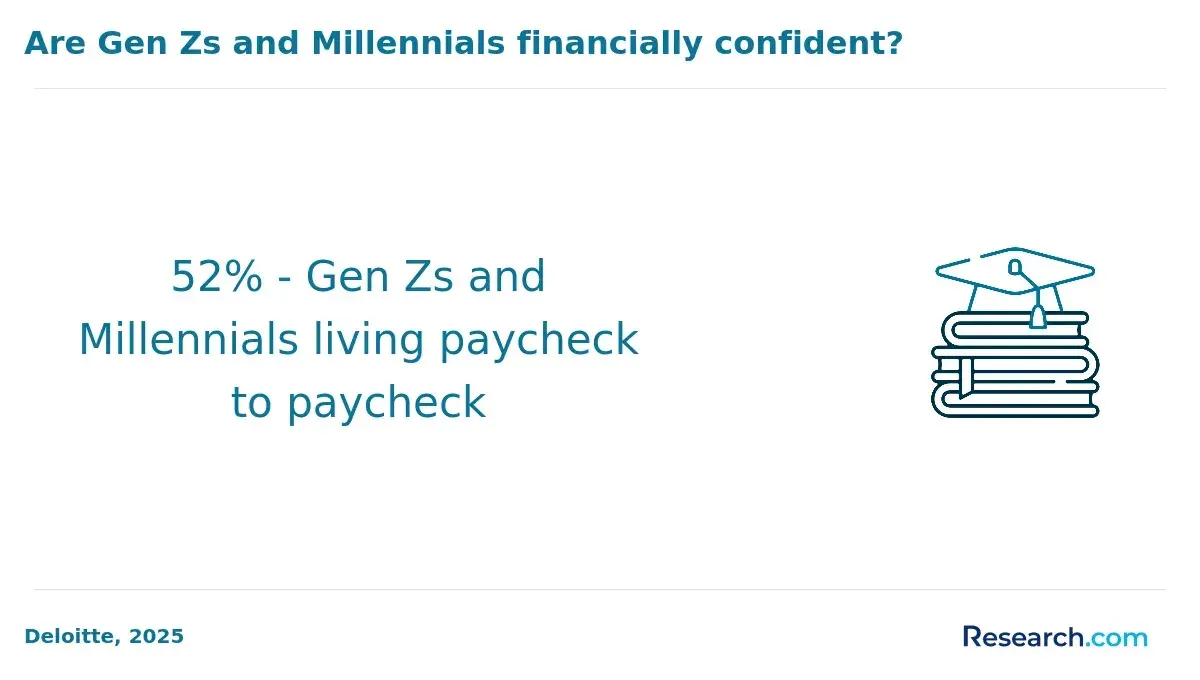
TIAA (2025) reported that only 38% of Gen Z scored well on the Personal Finance Index, reflecting low financial literacy levels. Employers can respond with financial education, savings resources, workshops, coaching, and access to qualified professionals who can explain budgeting, debt, retirement planning, and benefits choices.
401(K), Pension and/or Retirement Saving Plans
Retirement benefits remain one of the most important long-term supports employers can offer. Plans such as 401(K) accounts, pensions, and retirement savings programs help employees prepare for the future. Employers can strengthen these benefits through matching contributions, education, automatic enrollment features, and clear communication about plan options (Murphy, n.d.).
Stock Options
In 2016, Chobani gave employees equity with significant potential value. CEO Hamdi Ulukaya described the award as a shared commitment to a common goal and responsibility (Miller, 2016).
Stock options and equity programs can create a sense of ownership, especially when employees understand how their work contributes to company growth. Employers should explain vesting, risk, tax considerations, and the difference between potential value and guaranteed income.
How Employee Perks Strengthen Employer Branding
Employee perks influence how current employees, candidates, alumni, and industry peers perceive an organization. A thoughtful benefits package can show that the company invests in well-being, learning, inclusion, and long-term careers. A weak or confusing package can damage credibility, especially if public messaging claims the company is employee-centered.
Employer branding is strongest when advertised benefits match the employee experience. Distinctive offerings, including learning pathways and accelerated education options such as fast track degree programs, can help employers stand out when they are connected to real development opportunities rather than used only as recruiting language.
Other High-Value Employee Perks
Some useful perks do not fit neatly under health, leave, education, or financial benefits. These benefits often improve convenience, flexibility, inclusion, and workplace culture. Employers should choose them based on workforce needs rather than copying competitors.
Flexible Work Arrangement and Remote Work
Flexible work has become a major expectation for many employees balancing jobs with family, education, health, or commuting demands. Options may include remote work, hybrid schedules, compressed workweeks, flexible hours, or location flexibility.
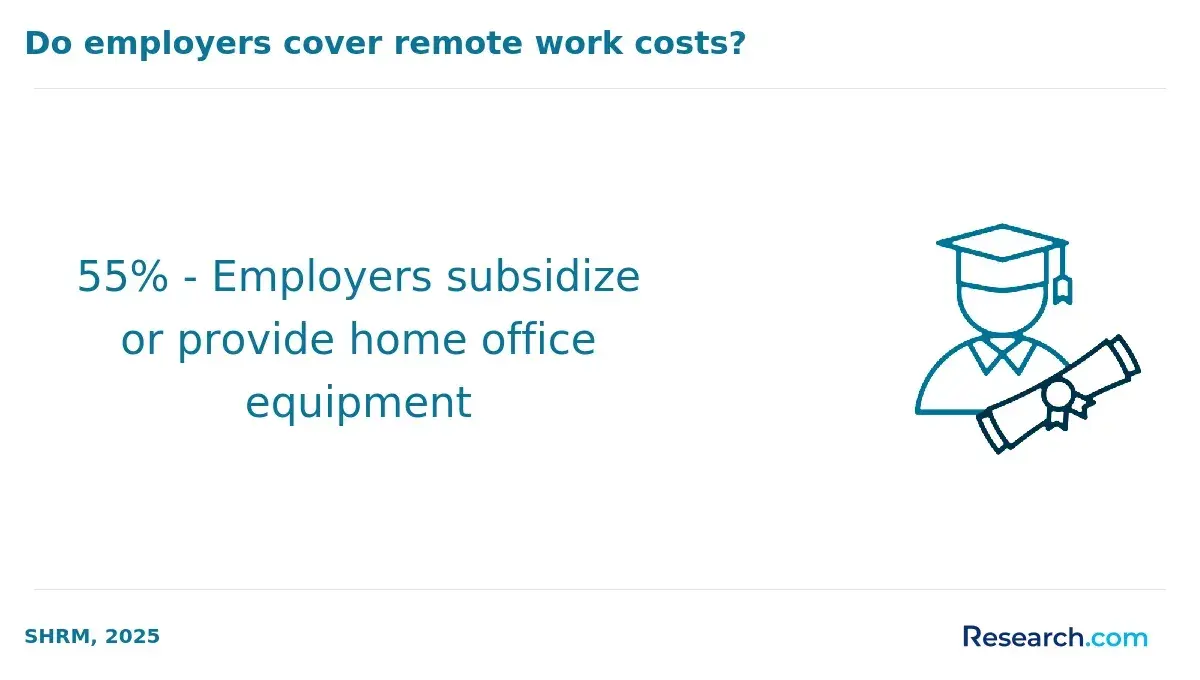
Resources on remote work often connect flexibility with retention because employees who have more control over where and when they work may feel more trusted. Employers should define expectations clearly, including availability, response times, meeting norms, cybersecurity, equipment, and performance standards.
Unique Workplace Amenities
Distinctive amenities can make the workplace more enjoyable and help employees connect. Examples include team-building areas, pet-friendly spaces, entertainment rooms, basketball courts, live music, or other features that make the office feel less rigid (Murphy, n.d.).
These perks are most effective when the fundamentals are already strong. A game room will not repair poor management, low trust, or unsustainable workloads. Amenities should enhance the employee experience, not distract from unresolved problems.
Commuter Support
Commuting can be costly, stressful, and time-consuming. According to the Census Bureau, commuters spend 27.2 minutes commuting one-way. Employers can reduce that burden with public transportation passes, rideshare support, parking assistance, shuttle buses, flexible start times, or remote-work options where feasible.
Diversity Program
Diversity programs should go beyond hiring language. A strong program helps employers evaluate culture, broaden viewpoints, improve inclusion, and remove barriers to advancement. It should consider representation, belonging, accessibility, pay equity, leadership pathways, and employee voice (Murphy, n.d.).
Accenture has demonstrated support for LGBTQIA+ inclusion by sponsoring gender reassignment for employees. Benefits like this can send a strong message when they are part of a broader inclusion strategy.
Company Car Program
A company car program may be useful for roles involving frequent travel, client visits, regional assignments, or difficult commutes. It can also serve as a recognition benefit for certain positions. Employers should evaluate costs, tax implications, maintenance, insurance, safety rules, and fairness before offering vehicles as a perk.
Companies trying to manage costs may consider partnerships with automotive providers or used vehicle sources. For example, employers exploring lower-cost options can review vehicles at EchoPark. The program should be structured carefully so it supports business needs and employee convenience without creating unclear liability.
Common Mistakes Employers Make With Employee Perks
Employee perks often fail when companies choose them for appearances instead of usefulness. Most problems can be avoided by listening to employees, defining the purpose of each benefit, communicating clearly, and reviewing outcomes.
| Mistake | Why It Creates Problems | Better Approach |
| Copying another employer’s benefits | A perk that works for one workforce may not solve problems in another. | Base decisions on employee data, workforce demographics, and business priorities. |
| Using perks to hide culture problems | Employees recognize when benefits are used to distract from burnout, poor leadership, or low trust. | Improve workload, management, communication, and culture alongside perks. |
| Prioritizing flashy benefits over core needs | Novel perks may attract attention but fail to support daily employee well-being. | Fund healthcare, leave, flexibility, growth, retirement, and financial stability first. |
| Overlooking equity and access | Some employees may be unable to use benefits because of schedule, role, location, disability, or family status. | Analyze who uses each benefit and who is excluded. |
| Communicating benefits poorly | Employees cannot value or use benefits they do not understand. | Explain eligibility, deadlines, employee costs, privacy rules, and enrollment steps. |
| Failing to measure effectiveness | Companies may continue funding low-impact programs. | Review usage, retention, engagement, absenteeism, and qualitative employee feedback. |
How Affordable Online Education Can Enhance Career Opportunities
Affordable online education can help working adults gain credentials or skills without leaving their jobs. Employers can support this path through tuition reimbursement, learning stipends, flexible scheduling, or partnerships with accredited institutions.
Employees searching for flexible and cost-conscious options may review resources such as cheap online degrees fast. Employers should encourage workers to check accreditation, transfer credit policies, program length, student support, and whether the credential aligns with career goals.
Can Accelerated Degree Programs Support Career Advancement?
Accelerated degree programs can help employees complete credentials more quickly while continuing to work. They may be useful for workers who already have credits, professional experience, or a clear career goal. However, accelerated programs can be demanding, so employees should evaluate workload, scheduling, tuition, accreditation, and employer support before enrolling.
Some workers may explore advanced options such as a one year PhD. Employers that support accelerated education should set realistic expectations: a faster credential may improve qualifications and skills, but it does not guarantee promotion, salary growth, or a specific role.
How to Build an Employee Perks Strategy in 2026
A strong perks strategy is deliberate. It begins with employee needs and business priorities, then connects benefits to measurable outcomes. Employers should avoid treating perks as a checklist, a recruiting slogan, or a substitute for fixing deeper workplace problems.
- Audit the current benefits package: Review what is offered, what employees use, what they ignore, and how the package compares with competitors.
- Ask employees what they actually need: Use anonymous surveys, focus groups, manager feedback, and exit interview themes.
- Segment the workforce thoughtfully: Consider role type, location, schedule, life stage, caregiving responsibilities, and career goals.
- Prioritize foundational benefits: Healthcare, paid leave, flexibility, fair pay, retirement support, and career development usually matter more than novelty perks.
- Define eligibility and access: Make it clear who qualifies, how to enroll, what the limits are, and whether employees have out-of-pocket costs.
- Train managers: A benefit is only valuable if managers allow employees to use it without penalty.
- Measure and revise: Track participation, retention, engagement, absenteeism, and employee comments, then adjust the program over time.
Employee Perks: Supporting Employees Beyond Salary
Employees contribute judgment, creativity, technical ability, customer service, institutional knowledge, problem-solving, and day-to-day labor. Pay compensates them for work, but benefits help determine whether that work is sustainable over time.
The best employee perks in 2026 are not gimmicks. They are practical supports that help people stay healthy, manage family needs, grow professionally, build financial stability, and do strong work. Employers that invest carefully can improve trust, strengthen retention, and create a workplace where employees are more likely to contribute over the long term.
Key Insights
- Compensation is bigger than salary: Employees evaluate pay together with healthcare, flexibility, leave, growth opportunities, financial support, and workplace culture.
- Useful perks solve real problems: Health insurance, paid leave, flexible work, childcare support, education benefits, and financial wellness usually matter more than trendy amenities.
- One-size-fits-all benefits often underperform: Different employee groups need different support, so flexible or modular benefit designs can create more value.
- Career development supports retention: Mentoring, training, tuition assistance, and internal mobility help employees imagine a future with the organization.
- Mental health should be treated as a core benefit: Counseling access, mental health days, manager training, and healthier workload norms can reduce burnout risk.
- Measurement protects the benefits budget: Employers should review usage, retention, engagement, absenteeism, and employee feedback to see which perks are working.
- Culture determines whether benefits are real: A generous policy has limited value if employees are discouraged from using it or managers apply it inconsistently.
References
- Bedrick, S. (n.d.). The 9 Best Employee Perks Employees for 2021. Compt. Retrieved April 16, 2021, from https://www.compt.io/hr-articles/best-employee-perks
- Belosic, J. (n.d.). How to Give the Best Employee Perks—on Any Budget. The Muse. Retrieved April 16, 2021, from https://www.themuse.com/advice/how-to-give-the-best-employee-perkson-any-budget
- Deloitte. (2025). 2025 Gen Z and Millennial Survey: Growth and the pursuit of money, meaning, and well-being. https://www.deloitte.com/content/dam/assets-shared/docs/campaigns/2025/2025-genz-millennial-survey.pdf
- Gendelman, V. (2016, October 4). 11 Employee Perks to Attract Top Creative Talent. Company Folders. https://www.companyfolders.com/blog/best-employee-benefits-job-perks
- Mercer. (2026). Global Talent Trends 2026: Driving exponential performance. https://www.mercer.com/insights/people-strategy/future-of-work/global-talent-trends
- Miller, S. (2016, April 29). Chobani Gives Employees Equity with Big Potential Value. Society for Human Resource Management. https://www.shrm.org/resourcesandtools/hr-topics/compensation/pages/chobani-gives-employees-equity-with-big-potential-value.aspx
- Paljug, K. (2020, June 18). 16 Cool Job Perks That Keep Employees Happy. Business News Daily. https://www.businessnewsdaily.com/5134-cool-job-benefits.html
- Randstad. (2026). Workmonitor 2026: The Great Workforce Adaptation. https://www.randstad.com/workmonitor
- SHRM. (2025). 2025 Employee Benefits Survey. https://www.shrm.org/topics-tools/research/employee-benefits-survey
- TIAA. (2025). National financial literacy remains stagnant at 49% as generational gaps widen, TIAA institute-GFLEC study finds. https://www.tiaa.org/public/about-tiaa/news-press/press-releases/2025/06-09
- U.S. Census Bureau. (2024). United States Commuting At A Glance: American Community Survey 1-Year Estimates. https://www.census.gov/topics/employment/commuting/guidance/acs-1yr.html
Other Things You Should Know About Employee Perks
Employee perks are important because they significantly enhance job satisfaction, engagement, and retention. They help employees feel valued and appreciated, which in turn boosts productivity and loyalty to the company.
Common types of employee perks include health and wellness programs, flexible work hours, paid time off, professional development opportunities, financial assistance programs, and family support benefits such as childcare and parental leave.
In 2027, health and wellness programs boost productivity by enhancing mental and physical health. Programs like mental health counseling, fitness memberships, and on-site health screenings reduce absenteeism and healthcare costs while fostering a happier, healthier workforce.
Flexible work arrangements allow employees to balance their personal and professional responsibilities more effectively. They help reduce stress, increase job satisfaction, and improve productivity. Examples include remote work options, flexible hours, and compressed workweeks.
Career advancement opportunities encourage employees to stay with the company by providing clear pathways for growth and development. This can include in-house training programs, performance incentives, and opportunities for promotion.
Companies can offer financial assistance programs such as tuition reimbursement, student loan repayment, retirement savings plans, and financial literacy workshops. These programs help employees manage their finances better and plan for their future.
Family support benefits, such as paid maternity and paternity leave, childcare support, and flexible work arrangements, are important because they help employees balance their work and family responsibilities. This support leads to higher job satisfaction and loyalty.
In 2027, prioritizing health, wellness, and financial aid perks ensures employee satisfaction, reduces stress, and enhances productivity. These perks address physical and mental health needs and offer financial security, creating a supportive work culture that attracts and retains talent.
Offering stock options gives employees a sense of ownership in the company and aligns their interests with the company’s success. This can lead to increased motivation, higher productivity, and long-term retention.
Generous leave policies, including paid time off, paid sick leave, and special leaves like COVID-19 leave, greatly enhance employee satisfaction by allowing them to take necessary breaks without financial stress. This fosters a healthier, more balanced work environment.


