2027 Online Organizational Leadership Degrees With Strong Applied Management Training

Co-Founder and Chief Data Scientist
Many professionals with undergraduate degrees outside of management struggle to find advanced programs that balance leadership theory with real-world application. They need flexible online options that provide strong applied management training without sacrificing academic rigor. This gap can hinder career growth in dynamic fields requiring both strategic insight and practical skills. Organizations increasingly demand leaders who can navigate complex challenges and drive results immediately upon graduation.
This article explores reputable online organizational leadership degree programs emphasizing applied management, guiding prospective students toward accredited options designed to equip them for effective leadership roles and career transitions in today's competitive environment.
Key Things You Should Know
- Online organizational leadership degrees in 2026 emphasize applied management skills, with over 70% of programs integrating real-world projects to enhance practical leadership experience.
- Graduates see a 15% higher employment rate within six months compared to general business degrees, reflecting strong industry demand for applied leadership expertise.
- Flexible online formats allow working professionals to balance studies and careers, with 85% of programs offering asynchronous coursework and collaborative virtual team projects.
What is an online organizational leadership degree with applied management training, and who is it best for?
An online organizational leadership degree with applied management skills integrates core leadership theories with practical approaches to managing teams, projects, and organizational change. This combination equips students to lead effectively through strategic decision-making, human resource management, and hands-on methods like case studies and real-world projects. Such programs focus on applied learning, enabling graduates to address complex workplace challenges from day one.
The best online programs for organizational leadership and management training often cater to working professionals seeking career advancement and recent graduates pursuing supervisory roles. Flexible online formats accommodate busy schedules while providing skills in conflict resolution, data-driven decision-making, and change management.
This degree is particularly valuable in fields like healthcare administration, non-profit leadership, and corporate team management, where applied management skills are critical. Employers favor candidates who can translate leadership knowledge into real organizational improvements.
The U.S. Bureau of Labor Statistics forecasts a 5% increase in management jobs over the next decade, adding around 1.1 million positions. This growth underscores the demand for leaders proficient in both theory and applied practice. For those interested in further specialized education, exploring options such as the online PhD leadership programs can provide advanced expertise and career opportunities.
How do online organizational leadership programs compare to on-campus options for flexibility and learning quality?
Online organizational leadership programs offer greater flexibility compared to on-campus options, making them ideal for working professionals and individuals managing family or other commitments. These programs typically provide asynchronous access to lectures, assignments, and discussions, allowing students to study beyond traditional class hours. In contrast, on-campus formats often demand fixed schedules and mandatory attendance, which can be difficult for those with varied routines or location limitations.
Regarding quality of learning in online vs on-campus organizational leadership programs, online courses have advanced significantly. Many now include interactive elements such as live webinars, case study reviews, and practical management projects. Accredited online programs emphasize applied leadership skills through simulations and collaborative assignments that mirror real workplace challenges. Graduates often secure roles like human resources managers and administrative services managers, with median annual wages of $136,350 and $106,470 respectively, per U.S. Bureau of Labor Statistics data.
Students evaluating program options should consider accreditation and faculty expertise as they strongly influence the rigor and relevance of applied training. Online cohorts also foster diverse networking opportunities via virtual collaboration, while on-campus environments may provide richer face-to-face mentorship and peer interactions.
For those interested in a flexible advanced degree, exploring an online MBA in operations management can be a valuable option alongside organizational leadership studies.
Which accreditation and institutional quality indicators matter most for organizational leadership degrees?
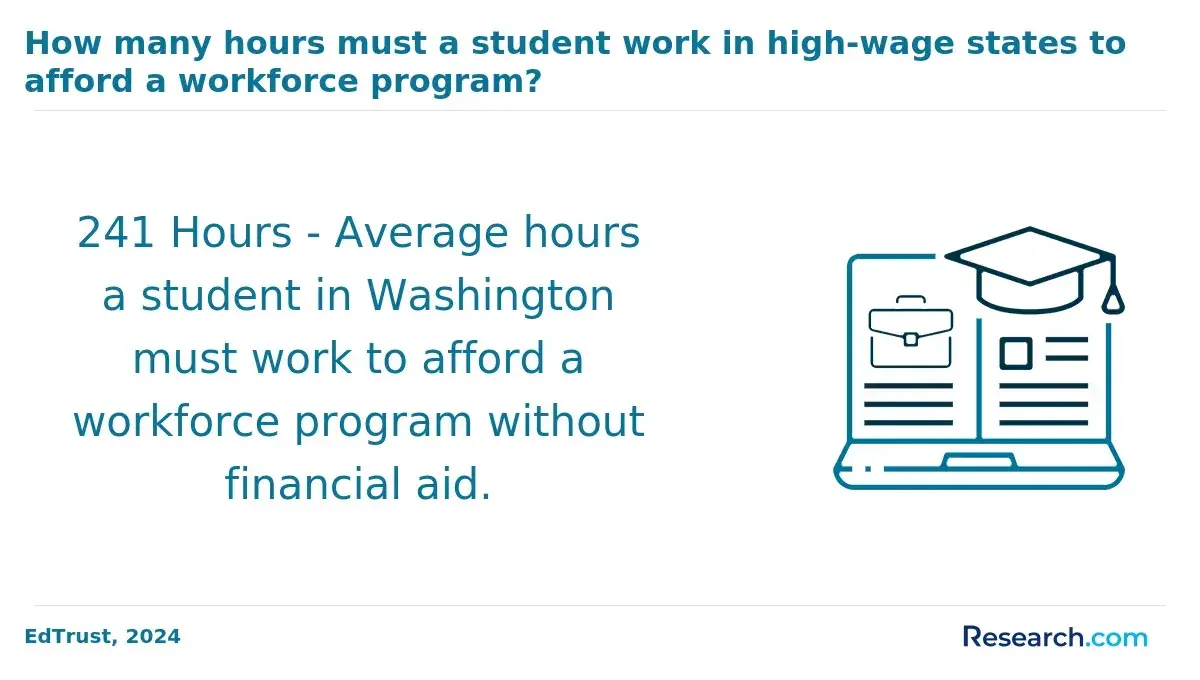
Regional accreditation from agencies recognized by the U.S. Department of Education serves as a crucial quality benchmark for organizational leadership degrees. This accreditation ensures programs meet rigorous academic standards and provide credentials widely accepted for employment and further education. Examples include the Higher Learning Commission and the Middle States Commission on Higher Education. Although less common, specialized accreditation from organizations such as the International Leadership Association highlights a curriculum that emphasizes leadership theory and practice.
Beyond accreditation, regional and national institutional quality indicators for leadership degrees involve evaluating faculty expertise in applied management, availability of experiential learning opportunities like internships or capstone projects, and curriculum integration of change-management training. Programs that combine leadership theory with applied management skills-such as organizational change, team dynamics, and performance management-better align with employer demand in today's labor market.
The Bureau of Labor Statistics projects 6% growth for training and development specialists from 2022 to 2032, reflecting rising demand for professionals who can lead organizational learning and change initiatives. Students should also consider program delivery formats, with flexible online or hybrid options appealing to working professionals seeking continued career advancement.
Institutional support services such as career counseling and networking opportunities further enhance student outcomes and professional success. Interested individuals may explore pathways with a project management bachelor degree that complements applied leadership skills.
What core courses and applied management experiences are typically included in online organizational leadership curricula?
Core courses in online organizational leadership programs consistently emphasize strategic management, ethical decision-making, and team development. These foundational subjects include organizational theory, change management, and communication strategies that prepare students for leadership challenges. Applied management training in organizational leadership programs frequently involves case studies, simulations, and project-based learning to build practical skills.
Students often take classes in financial resource management, human capital leadership, and conflict resolution to develop a well-rounded skill set. Many curricula incorporate capstone projects or internships, enabling hands-on leadership experience within various sectors such as businesses, non-profits, or public agencies. This applied focus helps students effectively translate theory into leadership practice.
Specializations may shape curriculum variations, highlighting areas like healthcare leadership, technology management, or entrepreneurial leadership. For example, healthcare leadership tracks might include clinical team collaboration projects, while technology-oriented programs emphasize innovation management and digital transformation case studies. For those interested in advanced healthcare leadership education, exploring healthcare PhD programs online can provide further pathways.
Data USA reports that the most commonly awarded degree in organizational leadership is the master's degree, underscoring the growing demand for graduate-level competencies. Prospective students should look for programs that clearly integrate theoretical coursework with applied management training in organizational leadership programs to strengthen job readiness.
What admission requirements and prior experience do online organizational leadership programs usually expect?
Applicants to online organizational leadership programs typically need a bachelor's degree from an accredited institution, with many schools expecting a minimum GPA around 3.0. Some programs may waive GPA requirements for candidates with significant professional experience. Official transcripts are universally required as part of the application.
Work experience usually ranges from two to five years in supervision, management, or leadership roles. Mid-career-focused programs often emphasize practical leadership skills, so demonstrated applied management experience strengthens applications. Even candidates without direct leadership roles may qualify if they show potential through related work or professional development.
Admissions frequently request professional references or letters of recommendation that highlight leadership skills and character. Personal statements or essays explaining leadership philosophy and career goals are common to gauge motivation and fit. Although some programs require GRE or GMAT scores, test waivers may be granted based on work history or academics.
Additional requirements can include interviews and resume submissions. International applicants often must prove English proficiency through exams like TOEFL or IELTS. Being aware of these factors helps tailor applications and meet deadlines effectively.
Graduates of organizational leadership programs often enjoy median salaries between $80,000 and $100,000 within a few years after completing their degrees, reflecting the value of strong leadership training and admissions standards.
How long do online organizational leadership degrees take, and what do they typically cost?
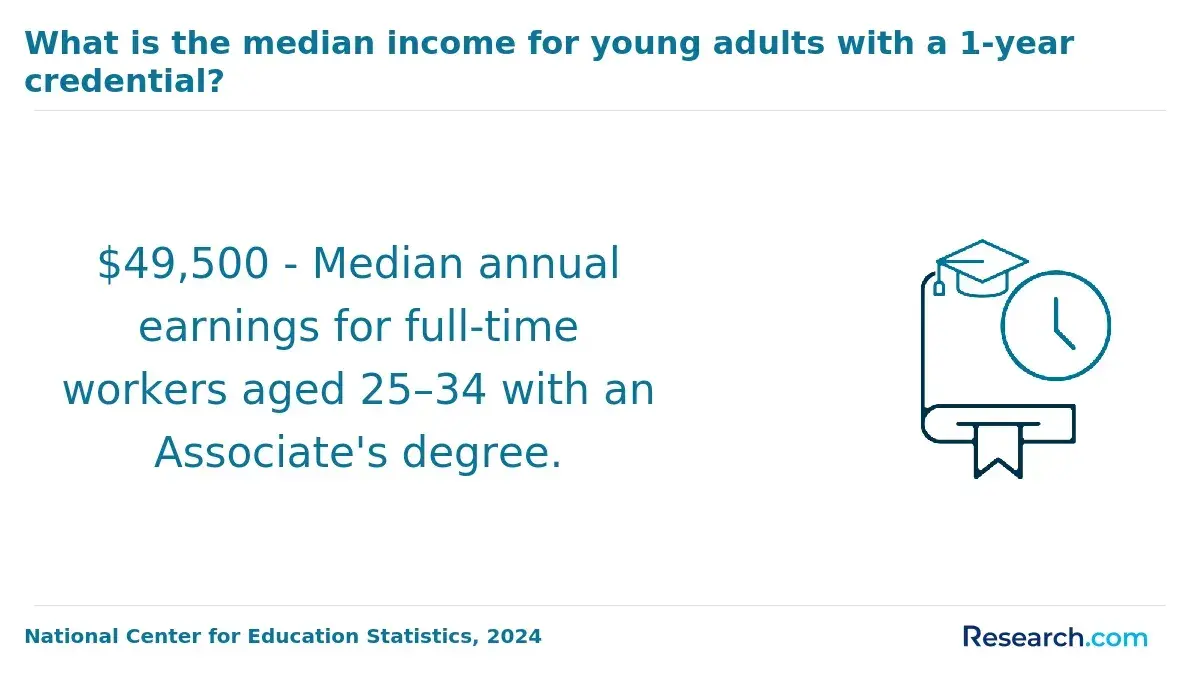
Organizational leadership degrees vary in length, typically requiring one to four years depending on the level and enrollment status. For instance, associate degrees usually take about two years, bachelor's degrees approximately four years, and master's degrees can be completed in one to two years with full-time study. Many programs offer accelerated or part-time options to accommodate working professionals. Certificates and shorter programs, often under a year, focus more on applied management skills than on comprehensive degree requirements.
Costs differ significantly by institution and format. Public universities generally charge $15,000 to $40,000 for a bachelor's degree online, while private institutions may exceed $50,000. Graduate degrees often cost between $20,000 and $60,000. Additional fees for technology, materials, or specialized courses may apply, but financial aid and employer tuition reimbursement can reduce expenses substantially.
Graduates enjoy diverse career opportunities across sectors such as government, healthcare, and consulting. According to Maryville University, common roles include management analyst with a median salary of $99,410, social and community service manager ($77,030), and training and development specialist ($64,340). These positions highlight how a degree in organizational leadership equips students with critical applied management skills.
Prospective students should weigh program length, cost, and available financial support to maximize their educational investment and career potential.
What concentration options and specialized tracks exist within online organizational leadership programs?
Online organizational leadership programs offer a wide range of concentrations tailored to meet diverse career goals and industry needs. Popular tracks include applied leadership, change management, human resource development, nonprofit leadership, and healthcare leadership, each focusing on practical skills like team building, conflict resolution, strategic planning, and ethical decision-making.
These programs may also feature specialized sector options in education, government, or corporate settings, allowing students to customize their expertise. For instance, healthcare leadership focuses on healthcare policy and administration, while nonprofit leadership emphasizes fundraising, volunteer management, and program evaluation.
Additional certificates or minors in project management, diversity and inclusion, or global leadership help professionals enhance their skill sets without pursuing a separate degree. These options support career advancement by deepening knowledge in specific areas complementary to core organizational leadership principles.
The distinction between master's degrees in organizational leadership and traditional MBAs is significant. According to BestColleges, MBA programs lean more toward quantitative business coursework, whereas organizational leadership focuses on applied leadership, change management, and people-centered training. This means organizational leadership concentrations emphasize real-world challenges and people management over purely analytical business tasks.
Prospective students should consider whether a program's track matches their career objectives, especially if they aim for roles focused on leading teams and managing organizational change in dynamic environments.
What careers can you pursue with an online organizational leadership degree focused on applied management?
An online organizational leadership degree with an emphasis on applied management equips graduates for diverse leadership roles across industries. Common career paths include management consultant, where one evaluates business operations and implements improvement plans. Project managers are another option, focusing on guiding projects from start to finish while efficiently managing teams and resources. Human resource managers use leadership skills to recruit, train, and develop staff, ensuring alignment with organizational goals.
Other roles include operations managers overseeing production, quality control, and supply chain logistics to enhance efficiency. Graduates may pursue nonprofit director positions, handling program development and fundraising efforts. Opportunities also exist in public administration, involving policy development and government agency management. Corporate training and development specialists design and implement employee performance strategies.
Key leadership responsibilities often require expertise in cross-functional communication, conflict resolution, strategic planning, and resource management. These skills prepare graduates for middle to upper management roles with a focus on practical decision-making and team leadership. Knowledge of financial management and organizational behavior further opens doors to executive management.
Tuition for top online master's programs in organizational leadership ranges from $500 to over $1,500 per credit, with total costs between $15,000 and $45,000 depending on the institution and credit load, as noted in BestColleges' 2025 rankings. Prospective students should weigh these costs against potential salary gains in leadership positions.
What salary ranges and job outlook can graduates in organizational leadership expect?
Graduates with degrees in organizational leadership can expect salaries that vary widely by role, industry, and experience. Entry-level positions such as leadership coordinators or assistant managers typically earn between $50,000 and $65,000 annually. Mid-level management roles, including department heads or project managers, usually command between $75,000 and $95,000. Senior leadership positions like directors or vice presidents tend to earn from $110,000 up to $150,000 or more, especially within healthcare, technology, and professional services sectors.
The job outlook in this field remains positive, influenced by the growing need for professionals with advanced leadership expertise. Employers increasingly prefer or require a master's degree in organizational leadership or related management fields for mid- to upper-level roles. This demand is particularly strong in healthcare and professional services, where specialized skills in applied management and strategic decision-making are essential.
Key career paths with strong growth prospects include:
- Healthcare administrators, with a projected 28% growth through 2028 and median salaries around $104,000 annually.
- Management analysts, expected to grow by 14%, earning median wages near $87,000 per year.
- Human resources managers, who have a 7% growth rate and median pay exceeding $121,000.
To boost employability, graduates should gain applied management experience and consider certifications in project management or process improvement. These credentials complement an organizational leadership degree, enhancing competitiveness for higher-level leadership roles and increased salary potential.
How can you choose a credible online organizational leadership program that aligns with your career goals?
Verifying accreditation is essential when selecting an online organizational leadership program. Regional accreditation recognized by the U.S. Department of Education ensures the institution upholds rigorous academic quality. Programs offering internships, capstone projects, or real-world consulting opportunities integrate practical experience that extends beyond theoretical learning.
Align your program choice with career goals by reviewing course offerings and specialization areas. Some focus on nonprofit leadership, corporate management, or public sector administration. For instance, prospective healthcare leaders should seek programs with relevant industry partnerships or electives. Faculty credentials and professional experience are key to ensuring up-to-date instruction that addresses modern leadership challenges.
Geographic factors influence a program's reputation and networking potential. Degree production tends to cluster in metro areas like Millcreek, UT, Chandler, AZ, and Scottsdale, AZ. Many leading programs in these areas offer flexible online formats that connect remote students to active professional networks within these hubs.
Consider the technology platform and student support services provided. Reliable online delivery combined with accessible advising, career assistance, and peer interactions fosters effective learning. Alumni outcomes concerning job placement, career advancement, and salary increases provide important insight into a program's real-world impact.
Other Things You Should Know About Organizational Leadership
Students in online organizational leadership programs develop key management skills such as strategic planning, effective communication, conflict resolution, and team leadership. Additionally, these programs emphasize data-driven decision making and ethical leadership to prepare graduates for real-world challenges in diverse organizational settings.
Organizational leadership skills are versatile and can be applied across various industries such as healthcare, education, technology, and finance. They include strategic planning, team management, and effective communication, equipping professionals to lead and innovate in their respective fields.
Yes, organizational leadership skills are highly versatile and relevant across industries such as healthcare, education, non-profits, business, and government. The focus on managing people, processes, and resources prepares graduates to lead effectively in various sectors and organizational cultures.
Many programs facilitate networking through virtual group projects, discussion forums, alumni networks, and mentorship programs. These connections can be valuable for career advancement and professional development, even though the programs are delivered online.
References
- MBA in Leadership Online: Compare Top Programs https://www.onlinemastersdegrees.org/best-programs/mba-programs/leadership/
- The Best EdD in Organizational Leadership Programs of 2025 https://www.eddprograms.org/schools/organizational-leadership/
- Advance Your Career with Leadership Development Courses https://drivenleadership.com/blog/which-advanced-leadership-course-best-fits-your-career-goals
- 5 Career Paths in Organizational Leadership https://www.jobconvo.com/blog/en/5-career-paths-organizational-leadership/
- IMIB Journal of Innovation and Management https://jim.imibh.edu.in/pages/table-of-contents/fulltext/
- Master of Science in Leadership and Organizational Development https://lakeland.edu/degrees/master-of-science-in-leadership-and-organizational-development/curriculum
- Performance Indicators in Higher Education Institutions: A Comparative Analysis of International Reference Models https://www.eua.eu/publications/conference-papers/performance-indicators-in-higher-education-institutions-a-comparative-analysis-of-international-reference-models.html
- Quality Standards and Accreditation of Distance Education Programs in a Pandemic - OJDLA https://ojdla.com/articles/quality-standards-and-accreditation-of-distance-education-programs-in-a-pandemic
- What You Learn with an Organizational Leadership Degree https://www.snu.edu/blog/what-you-learn-with-an-organizational-leadership-degree
- Bachelor's in Organizational Leadership - Online BAOL Degree Program | UMass Global https://www.umassglobal.edu/academic-programs/ba-organizational-leadership