2027 Organizational Leadership Concentrations With the Strongest Long-Term Momentum

Co-Founder and Chief Data Scientist
Many professionals face uncertainty when choosing an advanced concentration that ensures career growth and relevance in leadership roles. As industries evolve, aligning education with long-term momentum becomes critical for success. Individuals with unrelated undergraduate backgrounds need clear guidance to select a path that not only fits their interests but also stands strong in the competitive job market. This decision impacts future opportunities and adaptability in dynamic workplaces.
This article examines the organizational leadership concentrations demonstrating the strongest growth and sustainability, offering insights to help prospective students and working professionals make informed choices for a resilient and impactful career pivot.
Key Things You Should Know
- The demand for organizational leadership concentrations in change management, digital transformation, and diversity and inclusion shows sustained growth, reflecting evolving workplace priorities.
- Graduates specializing in these areas report 15% higher median salaries and stronger long-term career advancement opportunities compared to general leadership degrees.
- Employer surveys from 2024 indicate 67% prioritize candidates with expertise in strategic change and cultural competence for leadership roles.
Which organizational leadership concentrations show the strongest long-term demand and career stability?
Concentrations in strategic leadership, executive management, and human resources leadership continue to demonstrate the strongest long-term demand and career stability within organizational leadership. Employment of top executives is projected to grow approximately 4% by 2032 with 311,600 annual openings, driven by retirements and organizational expansion, according to the U.S. Bureau of Labor Statistics. This steady increase reflects the ongoing need for leaders skilled at navigating complex environments and guiding teams effectively, which is central to organizational leadership career growth and stability.
Focusing on strategic leadership enables graduates to develop and align organizational goals for sustained success across industries such as corporate, nonprofit, and government. Executive management prepares professionals for high-level decision-making and company-wide operational leadership, crucial amid globalization and technological change. Human resources leadership remains vital due to evolving workforce diversity, inclusion, and compliance demands, with HR leaders playing key roles in talent acquisition and employee development.
Emerging areas like innovation leadership and project leadership are gaining importance as organizations prioritize agility and continuous improvement. Prospective students should consider concentrations aligned with industries showing leadership scarcity and growth, including healthcare leadership and technology management, for robust career opportunities. Those exploring advanced degrees may find a range of options by reviewing the best online EdD programs, which can support leadership development in these dynamic fields.
How do different organizational leadership concentrations align with specific career paths and industries?
Organizational leadership concentrations align closely with industry-specific organizational leadership career paths, tailoring skills to meet sector demands. Change management prepares graduates for consulting firms, healthcare, and technology companies, addressing a market growing at a 9.6% compound annual rate, with spending expected to reach $4.3 billion by 2030, according to Grand View Research. Leadership in human resources focuses on talent development, conflict resolution, and employee engagement, preparing professionals for corporate HR, nonprofits, and government agencies.
Strategic leadership hones decision-making and innovation abilities, fitting careers in executive management, financial services, and product development. Healthcare leadership targets hospital and public health administration, emphasizing regulatory knowledge and patient care protocols. Education leadership prepares graduates for administrative roles in K-12 and higher education, strengthening policy and curriculum improvement. Entrepreneurial leadership supports startups and small businesses by focusing on innovation and resource mobilization.
Prospective students considering organizational leadership concentrations for career advancement should balance personal goals with industry growth trends. Those interested in consulting or tech sectors might prioritize change management or strategic leadership, while public sector or education careers align better with human resources or education leadership concentrations. Exploring specialized programs, such as a fast track construction management degree, may also complement leadership skills in certain fields.
What should you look for in an accredited organizational leadership program in the U.S.?
Accredited organizational leadership programs in the U.S. should be regionally accredited by agencies like the Higher Learning Commission or WASC to ensure rigorous academic standards and degree credibility. Select programs that offer specialized concentrations or electives aligned with your career goals, such as change management, diversity and inclusion, or strategic leadership. For example, incorporating diversity initiatives is vital; McKinsey's "Diversity Matters Even More" report highlights that companies with high ethnic and cultural diversity in executive teams are 39% more likely to financially outperform those lacking such diversity.
When researching top U.S. organizational leadership program features, evaluate faculty expertise-preferably practitioners or leading scholars-and look for mentorship or networking opportunities that can boost your professional growth. A well-balanced curriculum should blend theory with applied skills, including case studies, simulations, and leadership labs, preparing students for real-world challenges.
Flexible delivery options such as online, evening, or hybrid formats accommodate working professionals effectively. Additionally, career support services like internships, job placement rates, and active alumni networks provide measurable benefits to graduates. For those interested, exploring a project management degree online accredited can complement organizational leadership skills and enhance career prospects.
How do online organizational leadership concentrations compare with campus-based options for working adults?
Online organizational leadership programs for working adults offer valuable flexibility and accessibility. These programs typically feature asynchronous coursework, which lets professionals balance study with employment without the need for commuting or rigid schedules. This arrangement lowers opportunity costs and enables continuous career growth while enrolled.
In contrast, campus-based organizational leadership concentrations flexibility tends to promote immersive experiences through face-to-face mentorship and direct peer interaction. While traditional programs excel in networking opportunities, online cohorts are increasingly leveraging technology such as video conferencing, discussion boards, and collaborative projects to simulate these benefits. The curriculum in many online concentrations is frequently updated to include emerging industry trends, including the rise of people analytics-a crucial factor in effective workforce planning highlighted by Deloitte's Global Human Capital Trends report.
Working professionals should weigh these factors carefully against their own career objectives and learning preferences:
- Online: Suitable for those needing flexible schedules, aiming for leadership in dispersed or remote teams, and prioritizing applied data-driven leadership skills.
- Campus-based: Ideal for individuals seeking immersive, in-person environments with robust networking and mentorship opportunities.
Cost is another important consideration. Online programs can reduce expenses related to relocation and commuting, and many employers offer tuition assistance for these options. Prospective students interested in a related field might explore an online hospitality management course as an example of flexible, career-focused education.
What are the typical admission requirements and prior experience needed for organizational leadership concentrations?
Admission to organizational leadership programs usually requires a bachelor's degree from an accredited institution, often in fields like business, psychology, or education. A minimum GPA of 3.0 is typically expected, though more competitive programs may demand higher academic achievement. Standardized test scores such as the GRE or GMAT are often required, but some programs waive these based on professional experience or prior graduate coursework.
Work experience expectations vary by degree level. Most master's programs prefer applicants with 2 to 5 years in roles involving team management, project leadership, or organizational development. Executive and doctoral tracks usually require at least 5 years of leadership experience, including strategic decision-making and oversight of business units.
Key candidate qualities include strong communication, analytical skills, and a proven history of driving change or innovation within organizations. Applicants typically provide letters of recommendation and a personal statement describing their leadership philosophy and career goals. Some programs also conduct interviews to evaluate interpersonal skills and program fit.
With rapid technological advances, leadership programs now emphasize skills in AI and digital transformation. According to IBM's CEO Study, 75% of CEOs attribute their competitive advantage to advanced generative AI, highlighting the importance of technological literacy. Applicants who demonstrate experience integrating AI tools often have a distinct advantage in admissions.
How long do organizational leadership degrees take, and what tuition and financial aid can you expect?
Organizational leadership degrees vary in length depending on the program type and study format. Associate degrees typically take about two years, bachelor's degrees around four years, and master's programs from one to two years, with accelerated and part-time options allowing some students to finish master's degrees in under 18 months. Planning the program length helps candidates balance education with career goals effectively.
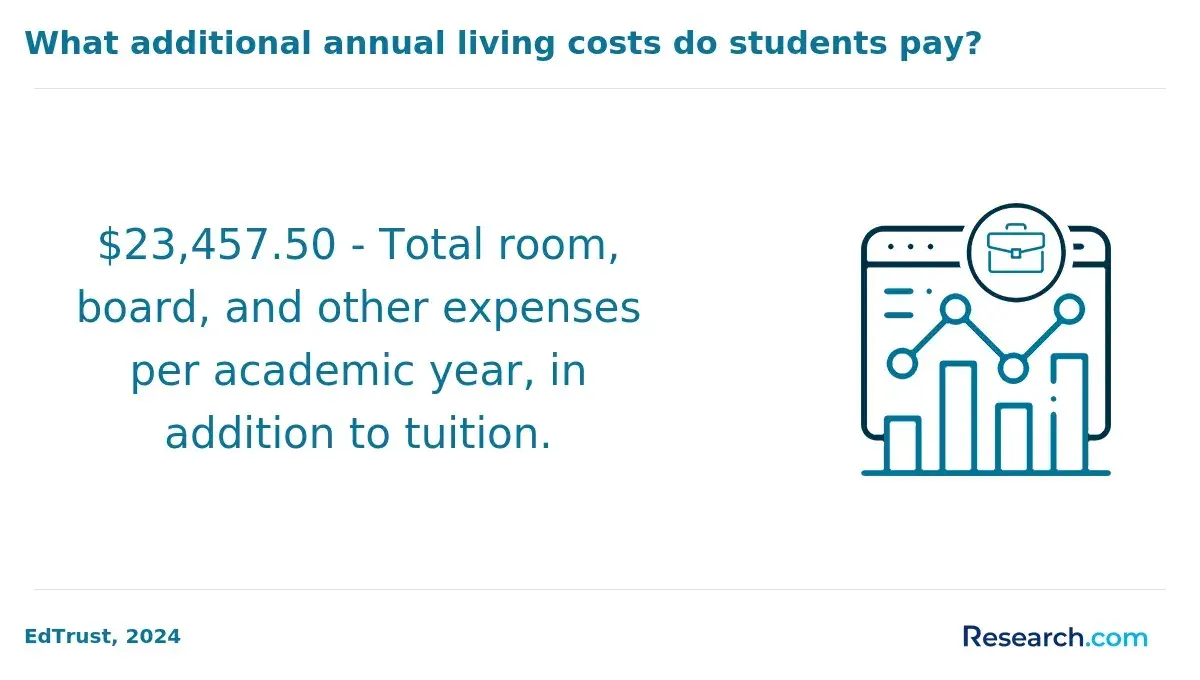
Tuition costs fluctuate based on institution and degree level. Community colleges usually charge between $3,000 and $8,000 annually for associate programs, while public universities range from $10,000 to $25,000 per year for bachelor's degrees. Private colleges often exceed $30,000 yearly, and graduate programs generally cost $15,000 to $40,000 per year. Online programs may offer more flexible and affordable options.
Financial aid is widely accessible. There are also colleges online that accept FAFSA, including federal Pell Grants for undergraduates and Stafford Loans available at all levels. Many institutions provide scholarships, especially for leadership-focused students or nonprofit sector employees. According to the 2024 Johns Hopkins Nonprofit Employment Report, nonprofit employment grew by 13.5% from 2017 to 2022, outpacing private sector growth and suggesting increased scholarship availability and tuition assistance.
Applying early for FAFSA maximizes financial aid potential. Candidates should also explore institution-specific grants, work-study programs, and employer-sponsored tuition reimbursement to fund their organizational leadership education.
What core courses and specialized coursework define high-momentum organizational leadership concentrations?
High-momentum organizational leadership concentrations combine core courses with specialized studies designed to develop adaptable, strategic leaders. Core coursework typically covers strategic management, organizational behavior, ethical leadership, and data-driven decision-making. These subjects build essential skills for managing teams, leading change, and aligning organizational goals with operational realities.
Specializations often tailor foundational lessons to specific industries or leadership challenges. For instance, healthcare-focused tracks emphasize healthcare policy, regulatory compliance, and healthcare financial management. This focus is supported by labor market trends showing employment for medical and health services managers is projected to grow by 28% from 2022 to 2032, with about 54,700 new openings annually. Such data highlights the increasing need for leaders equipped with both organizational principles and sector-specific expertise.
Other concentrations target technology leadership, nonprofit management, or global organizational strategy, including advanced topics like information systems leadership, social impact strategies, cross-cultural communication, and innovation management. Coursework often incorporates case studies and applied projects to develop practical abilities such as conflict resolution, performance improvement, and leading diverse teams.
Prospective students should seek programs blending theory and applied skills-like negotiation, project management, and leadership ethics-with experiential learning and industry-relevant electives. Adapting to workforce demands means integrating leadership fundamentals with specialized knowledge tailored to dynamic environments.
What salary ranges and advancement potential exist for major organizational leadership concentration areas?
Salary ranges in major organizational leadership concentrations fluctuate based on specialization, experience, and industry. Leaders focusing on cross-cultural management typically earn between $75,000 and $130,000 annually, reflecting the increasing need for global workforce expertise. Those specializing in cross-cultural training often advance into high-level roles such as global diversity officers or international program directors, where compensation may exceed $150,000.
Change management and organizational development leaders generally see salaries from $80,000 to $140,000. As these professionals take on broader strategic responsibilities, they can advance to senior consultant or executive leadership roles, sometimes earning over $160,000.
According to Verified Market Research, the cross-cultural training market is expected to grow at a 7% CAGR through 2030, reaching nearly $1.7 billion. This trend highlights strong career growth opportunities for organizational leaders in cultural and global domains.
Ethics and corporate responsibility specialists usually start with salaries around $65,000 to $110,000. These roles can lead to compliance and governance positions with salaries rising above $140,000. Practical experience and advanced certifications further promote career advancement across all leadership concentrations.
- Cross-cultural management: $75,000-$130,000
- Change management and organizational development: $80,000-$140,000
- Leadership ethics and corporate responsibility: $65,000-$110,000
Considering these salary ranges alongside the growing demand for global and ethical leadership skills can help prospective students maximize their career potential in organizational leadership fields.
What professional certifications or credentials complement organizational leadership concentrations for long-term momentum?
Professional certifications that complement organizational leadership concentrations significantly boost career momentum by validating expertise and expanding practical skills. Key credentials include the Project Management Professional (PMP) certification, which prepares leaders to manage projects and resources effectively in dynamic settings.
The Certified Manager (CM) credential from the Institute of Certified Professional Managers emphasizes broad management and leadership principles applicable across many industries. Similarly, the Certified Professional in Talent Development (CPTD) supports leaders focused on workforce growth and aligning leadership strategies with people development.
In sustainability and ethical governance, credentials like the Sustainability and Climate Risk (SCR) Certificate and Certified ESG Analyst are increasingly essential. With global assets in ESG-focused investment funds reaching approximately $30 trillion and expected to surpass $40 trillion by 2030, leaders skilled in environmental, social, and governance criteria remain highly sought after.
Lean Six Sigma certifications help improve operational efficiency-an important skill for leaders driving continuous improvement. Additionally, the Society for Human Resource Management (SHRM) Certified Professional credential offers valuable HR leadership expertise to shape effective workforce policies.
Aspiring leaders should pursue certifications aligned with their career goals, whether in project management, people development, sustainability, operations, or HR. Each credential equips leaders to manage diverse teams, implement change, and meet evolving stakeholder demands, enhancing their impact across industries.
How can you compare and choose between organizational leadership programs with similar concentrations?
When choosing between organizational leadership programs with similar focuses, prioritize curriculum alignment with your career goals. Seek programs offering coursework tailored to your industry or leadership style, such as strategic planning, change management, or ethical leadership. Faculty expertise and partnerships with reputable organizations can enhance educational quality and relevancy.
Delivery format matters-traditional, online, or hybrid options affect flexibility and work-study balance. Review alumni success, including job placement and leadership roles, to gauge practical outcomes. Accreditation and institutional reputation also ensure your qualification is recognized and valuable for networking.
Costs vary widely, so consider total expenses including tuition, fees, and materials. Investigate scholarships or employer reimbursement options. While higher costs don't always mean better quality, very low-cost programs may lack essential training.
Experiential learning like internships, practicums, or consulting projects deepens real-world skills and leadership competencies. These opportunities make a tangible difference in professional readiness.
According to Fortune Business Insights, the global corporate leadership training market is expected to grow from around $71 billion to $107 billion by 2032 at a 5.3% CAGR, highlighting rising demand for advanced leadership skills. Selecting a program with strong industry ties is increasingly important to meet this growing need.
Other Things You Should Know About Organizational Leadership
In 2027, concentrations in Change Management, Ethical Leadership, and Technology-Driven Leadership are gaining significant momentum. These areas are crucial as organizations increasingly prioritize adaptability, integrity, and technological integration to thrive in ever-evolving business landscapes.
While a graduate degree is not always required, it significantly enhances advancement opportunities in organizational leadership roles. Many mid- to senior-level positions prefer candidates with a master's degree in organizational leadership or a related field. Graduate education provides deeper knowledge of leadership theories, organizational behavior, and advanced management techniques.
Yes, organizational leadership programs often develop skills relevant to entrepreneurship, such as strategic planning, team management, and effective communication. These programs help candidates understand how to lead ventures, navigate challenges, and create sustainable business models. However, additional specialized training in entrepreneurship may be beneficial for specific business startup needs.
Graduates often face challenges such as adapting leadership style to diverse teams and managing resistance to change within organizations. Another difficulty is balancing operational responsibilities with strategic initiatives. Continued professional development and experience can help overcome these challenges effectively over time.
References
- Organizational & Leadership Development Insights | Hult Ashridge https://www.hultashridge.com/en/insights/
- Career path | Deel https://www.deel.com/glossary/career-path/
- Why Business Strategy Certifications Are Essential for Leadership Development https://www.thestrategyinstitute.org/insights/why-business-strategy-certifications-are-essential-for-leadership-development
- Becoming an Organizational Leader | ACE Blog https://ace.edu/blog/becoming-an-organizational-leader/
- Career Paths With a Degree in Organizational Leadership https://www.calcoast.edu/news/career-paths-with-a-degree-in-organizational-leadership
- Leadership and Change Management in Volatile Times - Social Current https://www.social-current.org/2025/11/leadership-and-change-management-in-volatile-times/
- What Can I Do With a Master’s in Organizational Leadership? https://claremontlincoln.edu/news-blog/what-can-i-do-with-a-masters-in-organizational-leadership/
- Business Management Concentration https://www.eastern.edu/academics/colleges-seminary/college-business-and-leadership/programs-offered/graduate-programs-5
- Benefits of Organization Leadership Degrees in Management https://www.umassglobal.edu/blog-news/benefits-organization-leadership-degrees-management
- What Can You Do With a Degree in Organizational Leadership? | CSU Global https://csuglobal.edu/blog/what-can-you-do-degree-organizational-leadership