
2027 Highest Paying Jobs Without a Degree

Co-Founder and Chief Data Scientist
Choosing not to earn a four-year college degree does not automatically mean choosing low wages, unstable work, or limited advancement. The real question is more practical: which jobs pay well without a degree, what training do they require, and when is a non-degree path a smarter choice than college?
This guide is for high school graduates, college stop-outs, career changers, and working adults who want a realistic look at high-paying jobs that do not require a bachelor’s degree in 2026. It explains which roles offer strong earnings, what credentials or apprenticeships may still be required, how to compare non-degree paths with college, and how to avoid common mistakes when choosing training.
The decision matters because college outcomes are uneven. The national six-year college completion rate has made very little progress, even decreasing by 0.9% for the Fall 2019 cohort, according to the 2025 National Student Clearinghouse Research Center data. The U.S. also has a dropout rate of 23.3% for first-time full-time undergraduate freshmen within a 12-month period (Hanson, 2025), and broader college dropout rates show similar concerns. At the same time, some workers without degrees earn more than many graduates do (Carnevale et al., 2021), and famous successful college dropouts such as Bill Gates and Steve Jobs show that formal credentials are not the only route to career success.
Quick Answer: What Are the Best-Paying Jobs Without a Degree in 2026?
The highest-paying jobs without a degree are usually not “no training” jobs. They tend to require apprenticeships, licenses, safety training, certifications, union experience, military experience, or years of supervised work. Based on the roles covered in this guide, strong non-degree options include elevator and escalator installers and repairers, power plant operators, line installers, police officers and detectives, boilermakers, railroad workers, flight attendants, electricians, plumbers, industrial machinery mechanics, and heavy equipment technicians.
| Best fit | Non-degree path that may make sense | Important caution |
| Hands-on learners who want paid training | Apprenticeships in electrical work, plumbing, elevator repair, line work, boilermaking, or ironwork | Work can be physically demanding and safety-sensitive |
| People comfortable with rules, procedures, and shift work | Power plants, railroads, water transportation, public safety, or aviation support roles | Licensing, background checks, medical standards, or recurring training may apply |
| Self-directed workers with marketable digital skills | Freelancing, content creation, sales, digital marketing, web development, or creative work | Income can be inconsistent, especially early on |
| Workers who may want a credential later | Short-term certificates, online associate degrees, accelerated programs, or employer-funded training | Program quality, accreditation, and transfer credit policies matter |
List of Highest Paying Jobs Without a Degree
- Elevator and Escalator Installers and Repairers
- Power Plant Operators, Distributors, and Dispatchers
- Professional Athletes and Sports Competitors
- Line Installers and Repairers
- Police or Patrol Officers and Detectives
- Boilermakers
- Railroad Workers
- Water Transportation Workers
- Flight Attendants
- Electricians
- Vloggers
- Plumbers, Pipefitters, and Steamfitters
- Industrial Machinery Mechanics, Machinery Maintenance Workers, and Millwrights
- Ironworkers
- Heavy Equipment and Mobile Service Technicians
- Apprenticeships vs. degrees, freelance work, alternative career paths, certifications, supplementary online education, online associate degrees, online learning options, short-term training, long-term growth, and advanced credentials
Why Some Students Choose Not to Pursue a Degree
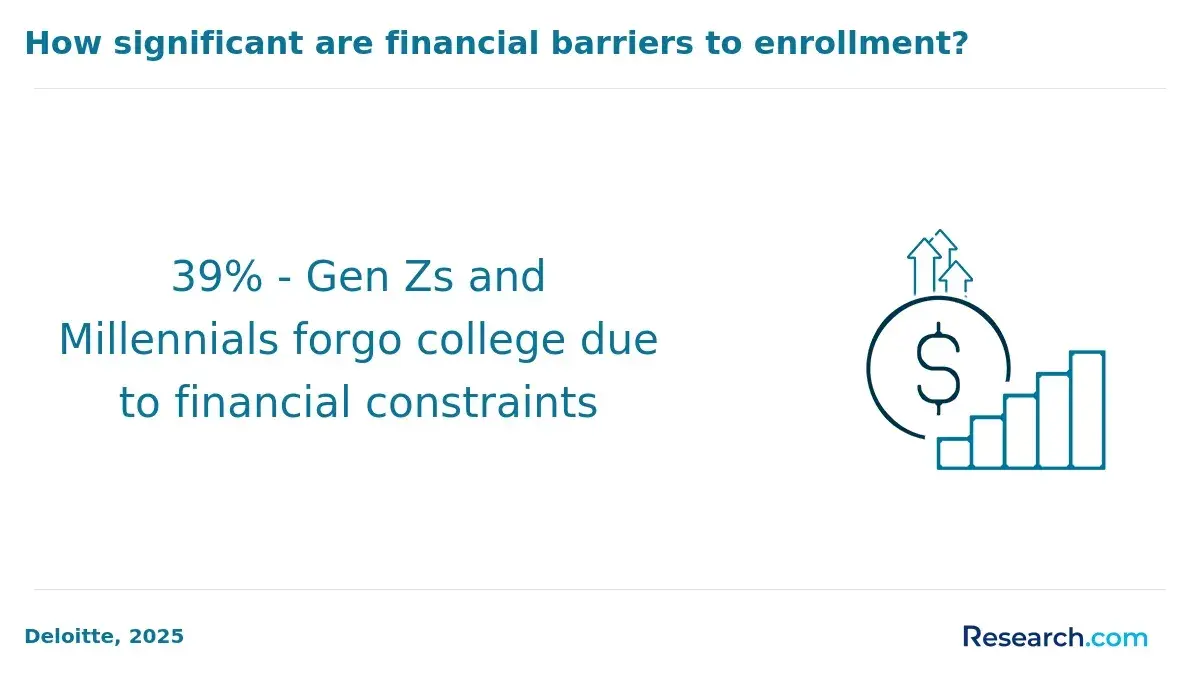
A bachelor’s degree can still pay off, but the payoff is not automatic. Statistically, workers whose highest credential is a high school diploma earn around $46,000 yearly, while postsecondary educational attainment is typically associated with higher pay at around $78,000 (Georgetown University CEW, 2024). However, 39% of Gen Zs and Millennials forgo college due to financial constraints (Deloitte, 2025). The key lesson is that education level matters, but field of study, occupation, location, experience, and skills also shape earnings.
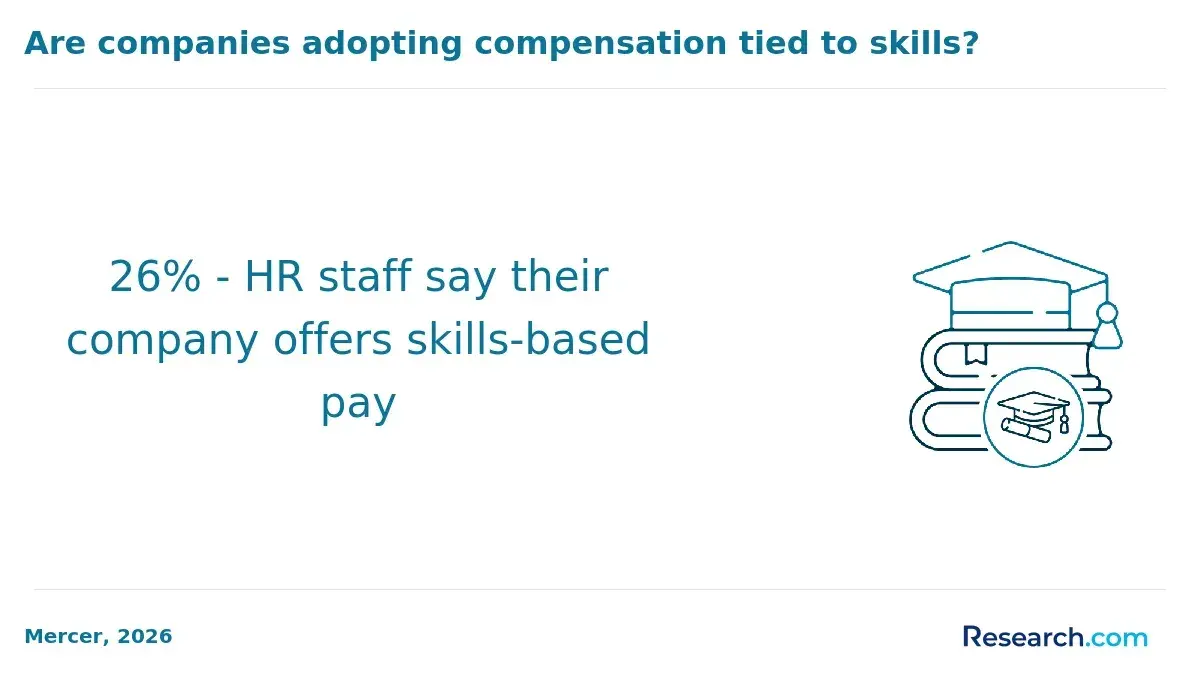
Wage differences are influenced by degree field, age, gender, race and ethnicity, and location. Skills also matter. A Mercer (2026) survey found that 26% of HR staff said their company offered skills-based pay, showing that some employers are beginning to reward demonstrated capability rather than relying only on formal credentials.
Brown and Souto-Otero’s study, “The End of Credential Society? An Analysis of the Relationship Between Education and the Labour Market Using Big Data,” reinforces this point.
-
: "
The authors argue in the Journal of Education Policy that credentials “cannot determine how recruitment operates” and “can no longer be seen as the differentiating factor in employer hiring decisions.” Their analysis also warns against placing a “single-sided focus on formal academic credentials” because labor market outcomes depend on much more than the credential itself.
"
For many students, the decision to skip or delay college comes down to three practical concerns: tuition, debt, and the availability of cheaper ways to gain job-ready skills.
College Costs Can Change the ROI Calculation
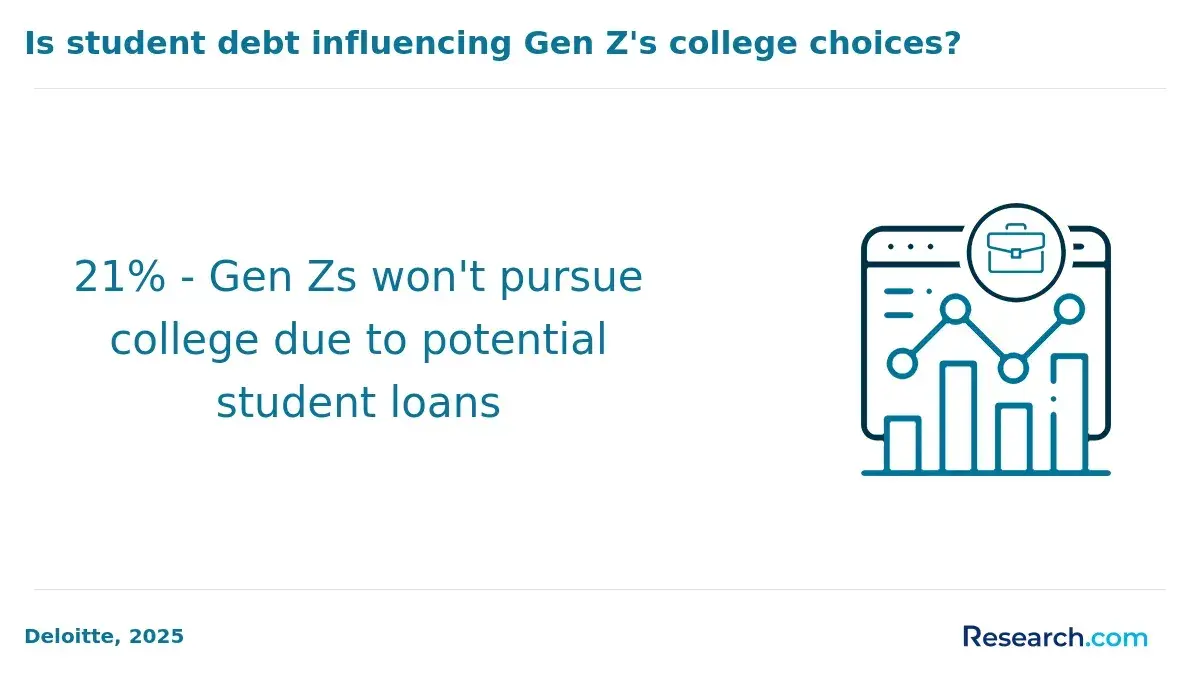
Before enrolling, students need to understand how much colleges cost, not just the advertised tuition. In 2025, public in-state tuition and fees cost $11,950, and the net cost of attendance can reach up to $21,340 even after financial aid (College Board, 2025). When families also consider selective admissions and the fact that many colleges are hard to get into, college can feel financially and emotionally risky. Deloitte (2025) reports that 21% of Gen Zs will not pursue college because of potential student loans.
Student Debt Can Delay Career and Life Decisions
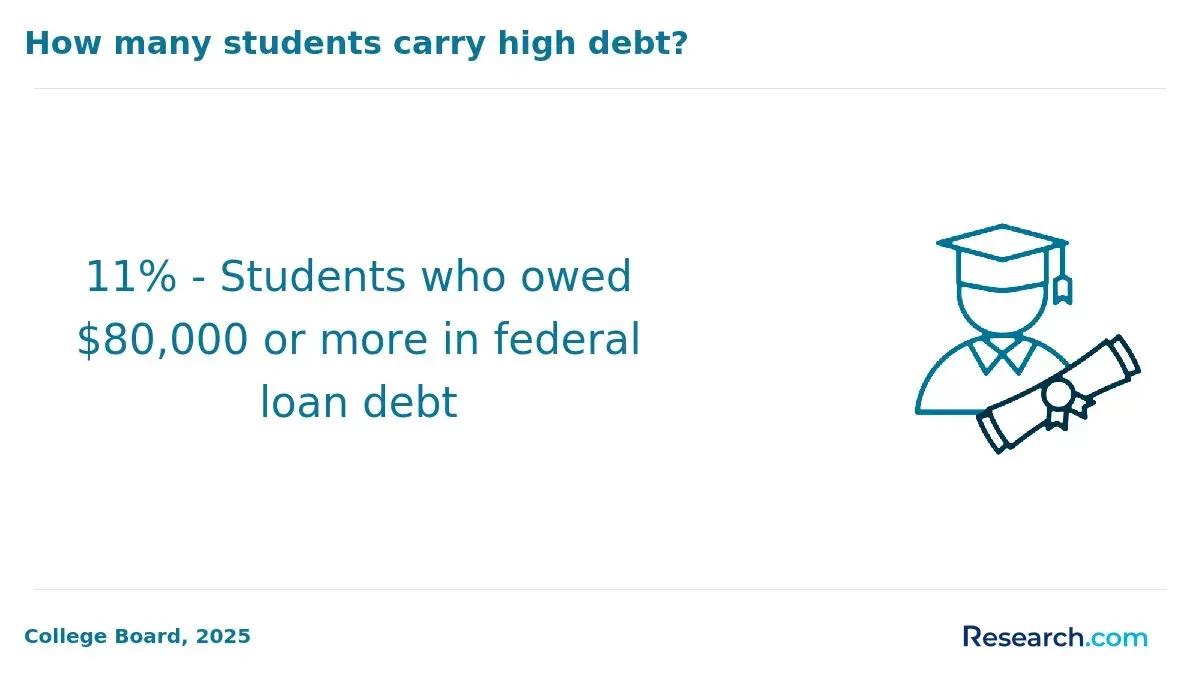
Student loans are another major reason some students look for paid training instead of a degree. On average, a college graduate owes $39,547, and repayment typically takes around 10 years or more (Hanson, 2026). For students who are unsure about their major, career goal, or likelihood of completion, taking on debt before confirming a path can be a costly mistake.
Cheaper Training Options Are Easier to Access
Massive open online courses and other flexible learning formats give students more ways to build skills before committing to a full degree. Online education statistics and related reports project that the MOOC market will expand to $209.13 billion by 2031, representing 36.92% growth from its estimated value in 2026. These options can be free or low cost, and they allow learners to test subjects, build portfolios, or prepare for certifications at their own pace.
Highest Paying Jobs Without a Degree in 2026
The jobs below do not require a bachelor’s degree, but most still require proof of competence. That proof may come from an apprenticeship, employer training, licensing, physical ability, a clean background check, a portfolio, technical certification, or documented work experience. Even the highest paying degrees involve major costs, so comparing training time, safety risks, job outlook, and income potential is essential.
The salary, job outlook, and employment figures in this guide were gathered from the U.S. Bureau of Labor Statistics, Glassdoor, and Statista as cited in the original source list. They include annual average salary, projected percentage change in job outlook over a decade, projected 2034 employment where available, and a practical description of each role.
| Rank | Job | Salary | Job outlook | 2034 employment | Typical non-degree preparation |
| 1 | Elevator and escalator installers and repairers | $106,580 | 5% | 25,400 | Apprenticeship, safety training, employer training, possible certifications |
| 2 | Power plant operators, distributors, and dispatchers | $103,600 | -10.1% | 41,900 | Extensive on-the-job training and licensing for certain roles |
| 3 | Professional athletes and sports competitors | $62,360+ | 5.5% | 20,200 | Elite athletic performance, coaching, competitive experience |
| 4 | Line installers and repairers | $81,110 | 2.4% | 232,600 | Hands-on training, apprenticeships, electrical knowledge |
| 5 | Police or patrol officers and detectives | $76,290 | $93,580 | 3.1% | -0.7% | 720,800 | 117,100 | Police academy, background checks, physical and legal training |
| 6 | Boilermakers | $73,340 | -2.4% | 10,100 | Apprenticeship, welding skills, safety training |
| 7 | Railroad workers | $77,400 | 0.7% | 30,300 | On-the-job training, FRA certification, medical testing |
| 8 | Water transportation workers | $66,490 | 1.3% | 85,400 | Training, TWIC, possible U.S. Coast Guard credentials |
| 9 | Flight attendants | $67,130 | 9.2% | 142,900 | Airline training, FAA certification, recurrent training |
| 10 | Electricians | $62,350 | 9.5% | 896,100 | Apprenticeship, technical school, licensing |
| 11 | Vloggers | $66,452+ | Not listed | $583.7 billion digital video content market size | Portfolio, audience growth, editing, marketing, platform compliance |
| 12 | Plumbers, pipefitters, and steamfitters | $62,970 | 4.5% | 527,200 | Apprenticeship, licensing, technical skills |
| 13 | Industrial machinery mechanics, machinery maintenance workers, and millwrights | $63,500 | 12.8% | 608,400 | On-the-job training or apprenticeship |
| 14 | Ironworkers | $59,280 - $62,700 | 4.4 - 4.6% | 20.300 - 68,600 | Apprenticeship, welding, safety training |
| 15 | Heavy equipment and mobile service technicians | $63,980 | 5.8% | 199,600 | On-the-job training, technical knowledge, optional certifications |
1. Elevator and Escalator Installers and Repairers
- Salary: $106,580
- Job Outlook: 5%
- 2034 Employment: 25,400
Elevator and escalator installers and repairers assemble, maintain, inspect, and troubleshoot elevators, escalators, lifts, and moving walkways. The work combines mechanical systems, hydraulics, electrical controls, and safety procedures. High school math, physics, and computer literacy can be useful because technicians must understand layouts, interpret technical instructions, and diagnose equipment problems.
This is a strong path for people who want skilled trade earnings without a degree, but it is not casual work. Technicians may lift heavy equipment, work in shafts or mechanical spaces, and test systems before public use. Employers may require intensive on-the-job training, apprenticeships, and certifications from organizations such as the National Association of Elevator Safety Authorities (NAESA) or the National Association of Elevator Contractors (NAEC).
2. Power Plant Operators, Distributors, and Dispatchers
- Salary: $103,600
- Job Outlook: -10.1%
- 2034 Employment: 41,900
Power plant operators, distributors, and dispatchers help control the systems that generate and distribute energy from sources such as gas, coal, and nuclear power. Their work can include monitoring meters, checking equipment, adjusting controls, responding to transformer failures, and keeping generation systems operating safely.
This career can pay well, but the negative job outlook means applicants should research local hiring conditions carefully. Math, physics, and chemistry knowledge can help because operators read technical data and follow precise procedures. Nuclear power plant operators need extensive training and a license from the U.S. Nuclear Regulatory Commission, along with medical testing and periodic license renewals.
3. Professional Athletes and Sports Competitors
- Salary: $62,360+
- Job Outlook: 5.5%
- 2034 Employment: 20,200
Professional athletes and sports competitors can begin building careers without a degree, especially if they have elite performance records, coaching support, and access to competitive leagues. Many start in minor leagues or lower-level professional circuits before moving into higher-profile opportunities.
This path is highly competitive and physically demanding. Athletes must train continuously, maintain health and stamina, understand the rules of their sport, study performance, and work with coaches, trainers, agents, or managers. The upside can be substantial, but the path is less predictable than licensed trades or public-sector careers.
4. Line Installers and Repairers
- Salary: $81,110
- Job Outlook: 2.4%
- 2034 Employment: 232,600
Line installers and repairers build and maintain power lines, communications lines, fiber optic systems, and related infrastructure. They may climb utility poles, work underground, use construction tools, lift heavy materials, and respond to outages or damaged lines.
Because the work involves heights, electricity, weather exposure, and emergency repairs, safety training is central. Apprenticeships are common and often preferred. Employers may value electricity or electronics coursework, and some may expect algebra or trigonometry preparation. Certifications from the Building Industry Consulting Service International (BICSI) or Electrical Training Alliance may improve competitiveness, even when not mandatory.
5. Police or Patrol Officers and Detectives
- Salary: $76,290 (Police or Patrol Officers) | $93,580 (Detectives)
- Job Outlook: 3.1% (Police or Patrol Officers) | -0.7% (Detectives)
- 2034 Employment: 720,800 (Police or Patrol Officers) | 117,100 (Detectives)
Police and patrol officers respond to emergencies, patrol assigned areas, control traffic, prepare reports, serve warrants, and protect public safety. Detectives investigate crimes, gather evidence, interview witnesses, and prepare cases for legal proceedings.
This career requires judgment, communication skills, physical readiness, emotional control, and ethical decision-making. Candidates generally complete police academy training covering law, civil rights, procedures, sanctions, and police ethics. Applicants should also expect background checks and agency-specific requirements.
6. Boilermakers
- Salary: $73,340
- Job Outlook: -2.4%
- 2034 Employment: 10,100
Boilermakers install, maintain, and repair boilers, vats, tanks, and other containers used to hold liquids or gases in industrial sites, buildings, and ships. They read blueprints, assemble heavy components, check systems for leaks, and perform tests to make sure equipment operates safely.
Most boilermakers complete an apprenticeship lasting about four years. Training typically covers metal installation, layout interpretation, safe equipment use, and jobsite procedures. Welding certification can be helpful, and some states may require licensing from the National Center for Construction Education and Research (NCCER).
7. Railroad Workers
- Salary: $77,400
- Job Outlook: 0.7%
- 2034 Employment: 30,300
Railroad workers help trains operate safely and on schedule. Depending on the job, they may inspect locomotives, monitor tracks, check signals and switches, coordinate freight movement, or support passenger operations. They often work closely with locomotive engineers, rail yard engineers, and yardmasters.
Entry-level railroad jobs may be available to high school graduates, but workers generally need three to 12 months of on-the-job training. Some employers may require community college coursework or send workers for additional instruction. Railroad workers also need Federal Railroad Administration (FRA) certification, vision and hearing tests, and recertification.
8. Water Transportation Workers
- Salary: $66,490
- Job Outlook: 1.3%
- 2034 Employment: 85,400
Water transportation workers support vessels such as tugboats, cargo ships, cruise ships, and other maritime vehicles. Entry-level roles may include sailors and marine oilers. Sailors maintain decks and equipment, serve as lookouts, assist passengers or cargo movement, and support vessel operations. Marine oilers help engineers maintain engines, tanks, and propulsion systems.
Most workers need six to 12 months of training. Those working on U.S. vessels often need a Transportation Worker Identification Credential (TWIC) from the Transportation Security Administration. Depending on route, vessel, and job function, additional U.S. Coast Guard credentials may be required.
9. Flight Attendants
- Salary: $67,130
- Job Outlook: 9.2%
- 2034 Employment: 142,900
Flight attendants are responsible for passenger safety and service before, during, and after flights. They check cabin conditions, participate in preflight briefings, demonstrate safety procedures, respond to passenger needs, and coordinate with pilots and crew members.
Many candidates first gain customer service experience in roles such as ticketing or check-in support. Airlines may have requirements related to height, vision, background checks, and training completion. Flight attendants must also earn Federal Aviation Administration (FAA) certification and complete recurrent training every few years.
10. Electricians
- Salary: $62,350
- Job Outlook: 9.5%
- 2031 Employment: 896,100
Electricians install, maintain, and repair wiring, control systems, electrical components, and power equipment in homes, commercial buildings, and industrial facilities. They read blueprints, use testing devices, identify unsafe conditions, and often coordinate with engineers, architects, and construction teams.
Most electricians complete a four-year apprenticeship, and some attend technical school before or during training. Licensing is commonly required, and employers may also value credentials connected to the National Electrical Contractors Association or other recognized organizations. Soldering and electrical troubleshooting skills can improve employability.
11. Vloggers
- Salary: $66,452+
- 2034 Digital Video Content Market Size: $583.7 billion
Vloggers create video content for social platforms, streaming services, and other digital channels. Independent creators often handle research, scripting, filming, editing, posting, audience engagement, brand outreach, and monetization. Income may come from advertising, sponsorships, merchandise, subscriptions, affiliate offers, or partnerships.
A degree is not required, but this path demands business discipline. Creators need platform knowledge, editing ability, communication skills, audience research, and consistency. They may also invest in cameras, lighting, microphones, editing software, and training in marketing or production. Unlike many trade careers, earnings can vary widely and may take time to stabilize.
12. Plumbers, Pipefitters, and Steamfitters
- Salary: $62,970
- Job Outlook: 4.5%
- 2034 Employment: 527,200
Plumbers, pipefitters, and steamfitters install and maintain systems that move water, steam, air, chemicals, and other materials. They work in homes, businesses, factories, and construction sites. Their tasks may include reading plans, estimating materials, following safety codes, using specialized tools, and installing systems within budget requirements.
Most workers complete four to five years of apprenticeship training and learn through supervised job experience. Math, chemistry, and applied physics can help, and welding skills may be valuable. Plumbers typically need a license, while fitters may need licensing depending on state rules. Additional certifications can support advancement.
13. Industrial Machinery Mechanics, Machinery Maintenance Workers, and Millwrights
- Salary: $63,500
- Job Outlook: 12.8%
- 2034 Employment: 608,400
Industrial machinery mechanics, machinery maintenance workers, and millwrights install, maintain, calibrate, and repair equipment used in factories and industrial facilities. They may work on hydraulic lifts, cranes, forklifts, conveyor belts, motors, or automated production systems.
Industrial machinery mechanics and machinery maintenance workers often complete at least one year of on-the-job training, while millwrights commonly complete a four-year apprenticeship. Training may include tool use, blueprint reading, computer-based diagnostics, machine alignment, preventive maintenance, and troubleshooting.
14. Ironworkers
- Salary: $59,280 - $62,700
- Job Outlook: 4.4 - 4.6%
- 2034 Employment: 20.300 - 68,600
Ironworkers help build the steel framework of bridges, skyscrapers, towers, and other major structures. They position steel columns and beams, read blueprints, work with cranes, and coordinate with architects, engineers, and construction crews to support structural stability.
The job requires physical strength, comfort with heights, and strict attention to safety. Apprenticeships and on-the-job training teach equipment operation, blueprint sketching, rigging, and jobsite safety. Welding certification from the American Welding Society and certifications from the National Center for Construction Education and Research may strengthen a candidate’s profile.
15. Heavy Equipment and Mobile Service Technicians
- Salary: $63,980
- Job Outlook: 5.8%
- 2034 Employment: 199,600
Heavy equipment and mobile service technicians diagnose, repair, and maintain machinery used in construction, agriculture, transportation, and other industries. They may repair engines, hydraulic systems, electrical systems, and mechanical components on large vehicles or mobile equipment.
High school courses in automotive repair, welding, physics, and electronics can be useful. Entry-level workers typically need months of on-the-job training. Certifications are not always required, but they may help with advancement. Technicians who want to move into higher-level roles often need software skills and additional training through community or vocational institutions.
Workers' Top Factors When Looking for Employment

How Do Apprenticeships Compare to Traditional Degrees?
Apprenticeships and degrees solve different problems. An apprenticeship is best when a person wants paid, occupation-specific training in a trade or technical field. A traditional degree is usually better when the target career requires broad academic preparation, professional licensure, graduate study, or access to roles that list a degree as a standard requirement.
| Factor | Apprenticeship | Traditional degree |
| Cost and income during training | Often allows workers to earn while learning | May require tuition payments before full-time career earnings begin |
| Training style | Hands-on, jobsite-based, occupation-specific | Classroom-based with broader academic coursework |
| Best for | Trades, maintenance, utilities, construction, manufacturing, and technical service roles | Fields where degrees are expected, such as many healthcare, engineering, education, business, and professional roles |
| Career mobility | Strong within a specific trade or industry | Can support broader pivots, especially when paired with internships and experience |
| Main risk | May be narrow if the worker later wants a different occupation | May be expensive if the student does not complete the program or chooses a low-return path |
Advantages of Apprenticeships
- Paid skill development: Apprenticeships can reduce the need for student loans because workers earn income while training.
- Job-ready experience: Training happens in the actual work environment, so apprentices learn tools, safety standards, workflows, and employer expectations directly.
- Clearer employment pathway: Many apprentices move into full-time work with the same employer, union, or industry network after training.
Drawbacks of Apprenticeships
- Narrower career focus: Apprenticeships are usually tied to a specific occupation, which can make career changes harder without retraining.
- Limited campus-style support: Apprentices may not get the same alumni networks, career centers, student organizations, or broad elective options found in college.
Advantages of Traditional Degrees
- Broader eligibility: Some careers still require a degree for entry, promotion, licensure, or graduate school admission.
- Long-term flexibility: A degree can help workers move across industries when paired with relevant experience.
- Flexible online options: Programs such as online degrees that pay well may help working adults combine academic study with career advancement.
The best choice depends on the target job. If a career is trade-based and employers hire through apprenticeships, paid training may be more efficient. If the career requires academic credentials or offers stronger long-term mobility through a degree, college may still be worth considering.
How Can Career Seekers Use Freelance Work Without a Degree?
Freelancing can help workers without degrees prove ability through completed projects rather than academic credentials. It is especially useful in fields where clients care about results, portfolios, deadlines, and communication.
- Choose a skill-based niche: Focus on work where performance can be demonstrated, such as graphic design, copywriting, web development, digital marketing, video editing, or data entry.
- Build proof before pitching: Create sample projects, case studies, testimonials, or a small portfolio before relying only on applications.
- Use freelance marketplaces strategically: Platforms such as Upwork, Fiverr, and Freelancer can help beginners find clients, but competition is high, so clear positioning matters.
- Develop a professional online presence: A LinkedIn profile, social media presence, or personal website can show credibility and make referrals easier.
- Use short courses to close skill gaps: Affordable courses through platforms such as Udemy and Coursera can help freelancers learn tools, update skills, and improve service quality.
- Network outside platforms: Industry groups, online communities, events, and referrals can reduce dependence on marketplace algorithms.
Freelancing is not a guaranteed shortcut. It works best for self-directed people who can sell, deliver, manage clients, track income, and keep learning without a formal employer training structure.
What Alternative Career Paths Can Pay Well Without a Degree?
High-earning non-degree careers are not limited to trades. Many industries reward practical ability, certification, customer relationships, portfolios, or business results. The right path depends on risk tolerance, physical demands, schedule preferences, and willingness to complete training.
| Career area | Examples | When it may be a good fit |
| Skilled trades | Plumbers, electricians, HVAC technicians, elevator installers | You want structured training, hands-on work, and a clear path from apprentice to experienced worker |
| Real estate | Real estate agents, property managers, commercial real estate brokers | You are comfortable with sales, networking, licensing requirements, and income that may fluctuate |
| Transportation and logistics | Truck drivers, air traffic controllers, commercial pilots, logistics managers | You can meet certification, safety, scheduling, or travel requirements |
| Sales and marketing | Sales managers, digital marketers, social media managers, account executives | You can communicate persuasively, understand customers, and show measurable results |
| Technology | Web developers, IT support specialists, cybersecurity analysts | You can build technical skills through certificates, bootcamps, projects, or entry-level support work |
| Medical support | Medical assistants, dental hygienists, EMTs, medical billers | You are interested in healthcare roles that may require specialized certificates rather than four-year degrees |
| Entrepreneurship | E-commerce business owners, freelance consultants, content creators, online coaches | You can tolerate uncertainty and manage sales, operations, marketing, and finances |
| Creative industries | Graphic designers, musicians, film editors, animators | You can build a strong portfolio and compete through visible work quality |
Some healthcare roles still require formal training even if they do not require a bachelor’s degree. Students considering the field should compare certification requirements, state rules, and earnings for medical field jobs that pay well before enrolling.
The Role of Certifications and Short-Term Training Programs
Certifications and short-term training programs can help non-degree workers enter fields where employers need proof of specific technical skills. They are most valuable when they are recognized by employers, aligned with a target job, and paired with practice or experience.
Why Certifications Matter
A good certification signals that a candidate has learned a defined skill set and can meet an industry standard. In technology, healthcare support, project management, construction, and skilled trades, certifications can make a resume easier to screen and can help employers trust that a worker understands key tools, safety procedures, or workflows.
Examples of High-Value Certifications and Training
- Technology: IT, cybersecurity, and data analysis roles often recognize credentials from CompTIA, such as A+ and Network+, Google credentials such as Data Analytics and IT Support, and AWS credentials such as Certified Solutions Architect.
- Healthcare: Medical billing specialists, phlebotomists, and dental assistants may use credentials from groups such as the American Medical Technologists (AMT) or National Healthcareer Association (NHA).
- Project management: Credentials such as Project Management Professional (PMP) or Certified ScrumMaster (CSM) can support candidates moving toward project coordination or management roles.
- Skilled trades: Organizations such as the National Center for Construction Education and Research (NCCER) and the Building Industry Consulting Service International (BICSI) offer credentials relevant to electricians, plumbers, and line workers.
- Creative industries: Designers and marketers may use Adobe Creative Cloud or Google Ads certifications to demonstrate tool knowledge and campaign skills.
Benefits of Short-Term Training Programs
- Lower upfront commitment: Bootcamps, vocational courses, and MOOCs may cost less and take less time than a traditional degree.
- Job-focused curriculum: Strong programs are built around tools, tasks, and projects that match employer needs.
- Flexible access: Many programs are online or hybrid, which can help working adults study part time.
How to Choose the Right Certification or Program
- Start with job postings: Look for the exact credentials employers request for the role you want.
- Check recognition: Avoid paying for certificates that employers in your field do not know or value.
- Ask about outcomes: Review completion support, placement help, portfolio requirements, and employer connections.
- Consider long-term goals: If you may eventually need a degree, choose training that can transfer or stack toward future education.
Certifications can be powerful stepping stones, but they are not always substitutes for degrees. Workers who want broader long-term options may eventually compare certificates with the highest paying degree paths to decide whether additional education is worth the investment.
Is Supplementary Online Education Worth Investing in for Non-Degree Careers?
Supplementary online education can be worthwhile when it fills a specific skill gap, prepares a learner for certification, or helps a worker qualify for a higher-responsibility role. It is less useful when students enroll without a target job, pay for unrecognized credentials, or assume completion alone will lead to employment.
For workers who already have practical experience, online learning can add structure and credibility. In some cases, accelerated bachelors online programs may help adults move from hands-on roles into management, technical supervision, or fields where a degree becomes more important for advancement.
No Degree, No Problem: How to Compete for Good Jobs
Job seekers without degrees need to make their value easy to verify. That means showing skills, training, experience, references, projects, and readiness for the specific job. These career goals and tips can help applicants build a stronger path into high-paying work.
- Lead with skills and proof: A non-degree resume should emphasize tools used, safety training, customer results, projects completed, equipment handled, internships, volunteer experience, apprenticeships, and supervised training.
- Build targeted credentials: Choose the best online diploma and certificate programs, workshops, apprenticeships, or certifications that match actual job requirements in your target field.
- Show work samples where possible: Portfolios are especially important for creative, digital, technical, freelance, and marketing roles.
- Use networking deliberately: Professional social media, trade associations, unions, local employers, alumni from training programs, and referrals can help candidates get noticed.
- Prepare for entry-level stepping stones: Some high-paying careers require starting in helper, trainee, assistant, or customer service roles before moving into the better-paid position.
Could an Affordable Online Associate's Degree Boost Career Prospects for Non-Degree Professionals?
An online associate degree can help workers who want a recognized credential but are not ready for a four-year degree. It may be useful for people in technical support, healthcare support, business operations, criminal justice, information technology, or skilled trades management, especially when the program aligns with employer requirements.
Affordability and transferability matter. Students should ask whether credits can transfer later, whether the school is properly accredited, and whether the program supports their target job. For cost-conscious learners, a best value online associate's degree may provide a practical middle ground between no credential and a bachelor’s degree.
Can Fast-Track Programs Bridge the Skills Gap for Non-Degree Professionals?
Fast-track programs and bootcamps can help workers gain specific job skills in a shorter period than traditional academic programs. They are most useful when they include projects, employer-recognized tools, career coaching, and transparent expectations about placement.
However, speed should not be the only factor. Before enrolling, compare curriculum depth, instructor experience, student support, refund policies, employer partnerships, and whether the credential is recognized outside the school. For workers who want a more formal path, an accelerated degree program may combine faster completion with broader academic recognition.
What Are the Most In-Demand Jobs That Don't Require a Degree?
In-demand non-degree jobs vary by region, industry, licensing rules, and economic conditions. Skilled trades, transportation, real estate, sales, marketing, healthcare support, and technical service roles often provide accessible entry points for workers without bachelor’s degrees.
Some roles, such as ultrasound technicians, may not require a traditional four-year degree but still require specialized education or clinical training. Anyone considering that path should research how much does sonogram tech make, what credentials employers require, and whether programs meet state or employer standards.
How Do Non-Degree Careers Support Long-Term Career Growth?
Long-term growth in non-degree careers usually comes from stacking experience, certifications, licenses, leadership skills, and specialized knowledge. A worker may begin as an apprentice, helper, technician, assistant, or freelancer, then advance into senior technical roles, supervision, training, estimating, operations, sales, safety, or business ownership.
Ongoing learning matters because tools, safety standards, software, customer expectations, and regulations change. Targeted credentials such as certifications that pay well can help workers stay competitive, especially when paired with mentorship, professional networks, and documented results.
Can a Short-Term Advanced Degree Accelerate Career Growth?
A short-term advanced degree can help some experienced professionals move into leadership, specialized technical work, or roles where employers prefer graduate-level preparation. This option is usually not for someone just starting a non-degree career. It is more relevant for workers who already have a bachelor’s degree or substantial experience and want a faster credential to support advancement.
Professionals considering 1 year masters degrees should compare admissions requirements, accreditation, workload, employer recognition, and whether the degree leads to specific career mobility rather than simply adding another credential.
Can Hybrid Learning Accelerate Career Success for Non-Degree Professionals?
Hybrid learning can be useful when it combines hands-on work with structured online coursework. For example, a worker may gain experience on the job while completing online classes that support licensing, promotion, or technical specialization. This model can reduce career interruption while still adding formal validation.
Programs such as the fastest online associate's degree may appeal to adults who want a recognized credential quickly. Before enrolling, students should confirm accreditation, credit transfer policies, scheduling expectations, and whether the degree matches actual employer requirements.
Are Non-Degree Career Paths Future-Proof?
No career path is completely future-proof. Non-degree workers can improve their resilience by choosing fields with durable demand, learning digital tools used in their occupation, earning recognized credentials, and staying alert to safety, licensing, and technology changes.
Workers should avoid assuming that early wages will continue without upskilling. Modern careers often require periodic retraining, whether through employer programs, certifications, apprenticeships, or academic options such as a 6 month associate online degree. The safest strategy is to keep skills current and maintain options.
Common Mistakes to Avoid When Choosing a Non-Degree Career
| Mistake | Why it can hurt you | Better approach |
| Assuming “no degree” means “no training” | Many high-paying roles require apprenticeships, licenses, certifications, or years of supervised work | Map the exact training path before choosing the career |
| Choosing only by salary | High pay may come with safety risks, travel, shift work, physical demands, or limited openings | Compare pay, outlook, working conditions, and personal fit |
| Ignoring licensing rules | Some jobs require state, federal, or employer-specific credentials | Check requirements in the state or region where you plan to work |
| Paying for unrecognized certificates | A certificate with little employer value may not improve hiring odds | Verify credentials against real job postings and employer preferences |
| Relying only on online courses | Courses alone may not prove job readiness | Combine learning with projects, apprenticeships, portfolios, internships, or work experience |
| Overlooking advancement | An entry-level role may plateau without additional training | Ask how workers move into senior, supervisory, or specialized roles |
| Assuming salary outcomes are guaranteed | Earnings vary by region, employer, overtime, union status, experience, and demand | Use salary figures as benchmarks, not promises |
Questions to Ask Before Choosing a Job Without a Degree
- What training is required before I can be hired? Look for apprenticeships, licenses, certifications, background checks, medical tests, or physical standards.
- How long will it take to reach full earning potential? Entry-level pay may be much lower than experienced-worker pay.
- Is the job growing, stable, or declining? Compare salary with job outlook and projected employment.
- Will I need to relocate, travel, work nights, or accept overtime? Schedule and location can affect quality of life.
- What are the safety risks? Trades, transportation, utilities, and public safety roles can involve hazards.
- Can this career lead to ownership, supervision, or specialization? Advancement potential affects long-term value.
- Would a certificate, associate degree, or bachelor’s degree improve my ceiling later? A non-degree start does not have to mean avoiding education forever.
When a Degree May Still Be the Better Choice
A non-degree path can be smart, but college is still valuable for many people. A degree may be the better option if your target career requires licensure, graduate school, broad academic preparation, or employer screening that heavily favors degree holders. It may also be worth reconsidering if you want access to roles in fields where promotion often depends on formal education.
If you decide that college fits your goals after all, compare flexible options carefully. The best online degrees can help working adults study with less disruption, while rankings of the best universities in the world can help students understand broader academic options. The point is not to choose college or non-college based on pressure. The point is to choose the path with the strongest fit, manageable cost, and clear connection to your target career.
Key Insights
- The best jobs without a degree still require preparation: High-paying non-degree careers usually demand apprenticeships, licenses, certifications, safety training, portfolios, or employer-supervised experience.
- Elevator and escalator work leads this list by salary: Elevator and escalator installers and repairers show a listed salary of $106,580, followed closely by power plant operators, distributors, and dispatchers at $103,600.
- Job outlook matters as much as salary: Some high-paying roles have negative projected outlooks, so applicants should compare local hiring demand before committing to training.
- College is not automatically the highest-return choice: Tuition, debt, completion risk, field of study, and labor market demand all affect whether a degree pays off.
- Short-term credentials can help when they are employer-recognized: Certifications are most valuable when real job postings request them and when they build toward a clear role.
- Apprenticeships are strong for hands-on workers: They can offer paid training and a direct path into skilled trades, but they may be narrower than a degree if you later want to change fields.
- Non-degree careers require continuous upskilling: Workers who keep learning tools, safety standards, software, regulations, and leadership skills are better positioned for long-term growth.
- A degree can still be added later: Many people start with work, certificates, or an associate degree, then pursue further education once their career goals are clearer.
References:
- Brown, P., & Souto-Otero, M. (2018). The End of Credential Society? An Analysis of the Relationship Between Education and the Labour Market Using Big Data. Journal of Education Policy, 35(1), 95-118. https://doi.org/10.1080/02680939.2018.1549752
- Carnevale, A., Cheah, B., & Wenzinger, E. (2021). The college payoff: More education doesn’t always mean more earnings. Georgetown University. https://cewgeorgetown.wpenginepowered.com/wp-content/uploads/cew-college_payoff_2021-fr.pdf
- Deloitte. (2025). 2025 Gen Z and Millennial Survey: Growth and the pursuit of money, meaning, and well-being. https://www.deloitte.com/content/dam/assets-shared/docs/campaigns/2025/2025-genz-millennial-survey.pdf
- Education Dynamics. (2025). Engaging the Modern Learner: Preferences & Behaviors Shaping Higher Ed. https://insights.educationdynamics.com/modern-learner-report-2025.html
- Gulish, A., Morris, C., Cheah, B., & Strohl, J. (2024). Graduate Degrees: Risky and Unequal Paths to the Top. Georgetown University Center on Education and the Workforce. https://cew.georgetown.edu/cew-reports/graduatedegrees
- Hanson, M. (2025, July 7). College Dropout Rates. Education Data Initiative. https://educationdata.org/college-dropout-rates
- Hanson, M. (2026, February 2). Student Loan Debt Statistics. Education Data Initiative. https://educationdata.org/student-loan-debt-statistics
- Ma, J., Pender, M., & Hu, X. (2025). Trends in College Pricing and Student Aid 2025. College Board. https://research.collegeboard.org/media/pdf/Trends-in-College-Pricing-and-Student-Aid-2025-final_1.pdf
- Mercer. (2026). Global Talent Trends 2026: Driving exponential performance. https://www.mercer.com/insights/people-strategy/future-of-work/global-talent-trends
- National Student Clearinghouse Research Center. (2025, December 4). Yearly Progress and Completion. https://nscresearchcenter.org/wp-content/uploads/Completions_Report_2022.pdf
- Randstad. (2026). Workmonitor 2026: The Great Workforce Adaptation. https://www.randstad.com/workmonitor
- Research and Markets. (2026, February). Digital Video Content Market Report by Business Model, Device, Type, and Region 2026-2034. https://www.researchandmarkets.com/report/digital-video-content
- U.S. Bureau of Labor Statistics. (2025, August 28). Occupational projections, 2024–2034, and worker characteristics. Retrieved March 2026, from https://www.bls.gov/emp/tables/occupational-projections-and-characteristics.htm
- ZipRecruiter. (2026). Vlogger Salary. Retrieved March 2026, from https://www.ziprecruiter.com/Salaries/Vlogger-Salary
Other Things You Should Know About The Highest Paying Jobs Without a Degree
Some high-paying jobs without a degree include elevator and escalator installers, power plant operators, professional athletes, line installers and repairers, and police officers. These roles offer competitive salaries and often require specialized training or certifications.
Certifications can enhance your employability without a degree. Popular options include IT certifications like CompTIA, AWS Certified Solutions Architect, and Certified ScrumMaster. Other fields include medical coding, project management (PMP), and HVAC or welding certifications, all of which can lead to high-paying job opportunities in 2027.
Employers value practical skills and experience, such as technical proficiency, problem-solving abilities, communication skills, and the ability to learn on the job. Certifications and hands-on training can also enhance employability.
Advancing your career without a degree involves gaining relevant skills and experience, obtaining certifications, participating in apprenticeship programs, and continuously learning through online courses and workshops. Building a strong professional network and showcasing your abilities through internships and volunteer work can also help.
Yes, online courses and MOOCs can be effective alternatives to traditional college education. They offer flexibility, lower costs, and the ability to learn at your own pace. These courses can help you acquire specific skills and knowledge needed for various careers.
In 2027, employers seeking high-paying job candidates without a degree prioritize skills such as technical proficiency, adaptability, problem-solving, and effective communication. Proficiency in digital tools and a strong work ethic are also valued. These skills can often be developed through online courses and on-the-job training.
While degrees are still valued, many employers prioritize practical skills and experience over formal education. The increasing acceptance of alternative education and training programs reflects this shift in employer preferences.
Yes, it is possible to switch careers later in life without a degree. Gaining new skills through online courses, certifications, and practical experience can facilitate career changes. Networking and leveraging transferable skills from previous roles can also aid in transitioning to a new career.





