2027 Entrepreneurship Degree Completion Rates by Format: Online, Hybrid, and Campus Programs Compared

Co-Founder and Chief Data Scientist
Key Things to Know About Entrepreneurship Degree Completion Rates by Format
- Online entrepreneurship programs show completion rates averaging 55% as of 2024, reflecting challenges in sustained engagement without in-person accountability, which may hinder progress for self-directed students.
- Hybrid formats combine online study with periodic campus sessions, boosting completion rates to nearly 68%, suggesting structured face-to-face touchpoints support retention while maintaining scheduling flexibility.
- Campus-based entrepreneurship degrees report the highest completion rates, around 75%, highlighting that immersive environments and direct peer interaction significantly enhance persistence and practical skill development.
- Key Things to Know About Entrepreneurship Degree Completion Rates by Format Key Things to Know About Entrepreneurship Degree Completion Rates by Format
- How Do Completion Rates Compare Across Online, Hybrid, and Campus Entrepreneurship Programs? Completion Rate Comparison
- What Factors Have the Greatest Impact on Entrepreneurship Degree Completion? Degree Completion Factors
- Which Entrepreneurship Degree Format Is Hardest to Complete? Completion Difficulty
- How Does Each Entrepreneurship Learning Format Affect Student Success? How Does Each Entrepreneurship Learning Format Affect Student Success?
- How Does Enrollment Status Affect Entrepreneurship Completion Rates? How Does Enrollment Status Affect Entrepreneurship Completion Rates?
- Can Transfer Credits Improve Entrepreneurship Degree Completion? Transfer Credits
- What Student Support Services Improve Entrepreneurship Completion Rates? Student Support Services
- How Do Entrepreneurship Completion Rates Affect Career Outcomes? Impact on Career Outcomes
- How Should Students Choose the Best Entrepreneurship Learning Format? Choosing the Best Format
- What Are the Long-Term Pros and Cons of Each Entrepreneurship Learning Format? Learning Format Pros & Cons
How Do Completion Rates Compare Across Online, Hybrid, and Campus Entrepreneurship Programs?
Completion rates in entrepreneurship degree programs reflect more than just program quality; they also indicate the diverse backgrounds and challenges of students enrolled in each format. Traditional campus settings often show higher rates due in part to the structured environment and readily available campus resources. However, these figures should be understood as outcomes shaped by the distinct student populations in online, hybrid, and campus formats rather than as direct comparisons of instructional effectiveness or curriculum rigor. This perspective helps clarify why data on entrepreneurship degree completion rates by program format requires careful interpretation.
Variations in graduation success in online, hybrid and campus entrepreneurship programs often stem from factors such as work obligations, enrollment patterns, and access to support systems. Online students may face competing demands from employment and family, impacting engagement despite the flexibility of remote learning. Hybrid programs blend in-person interaction with online convenience, potentially boosting motivation, while campus programs benefit from immersive peer and faculty engagement. Yet, no format guarantees success alone; individual commitment and the ability to navigate personal responsibilities play equally crucial roles in degree completion.
Prospective students can make better-informed decisions by combining completion rate data with their own situational awareness. Evaluating personal learning preferences, available time for study, external commitments, and career objectives allows candidates to select the format that aligns best with their needs. For instance, a working professional balancing job and family might leverage hybrid options to improve persistence, whereas a student prioritizing campus networking opportunities might find on-site learning more supportive. Exploring related options such as online certifications that pay well can also complement entrepreneurship studies for career advancement.
What Factors Have the Greatest Impact on Entrepreneurship Degree Completion?
Completing an entrepreneurship degree hinges on more than just personal motivation; it requires a multifaceted blend of academic resources, institutional support, and individual circumstances. Success depends on how well students navigate these intersecting factors and capitalize on services designed to maintain their progress. Recognizing this complexity is critical for prospective students who must weigh not only format convenience but also structural and personal influences tied to completion rates. The following key factors most commonly impact entrepreneurship degree completion:
- Institutional support and advising: Access to comprehensive academic advising and timely feedback significantly boosts persistence across all learning formats. According to a 2024 National Student Clearinghouse report, students benefiting from proactive advising are 30% more likely to graduate, highlighting how universities' investment in personalized guidance helps students overcome academic and administrative hurdles.
- Student engagement mechanisms: Active participation in classes and support services directly correlates with better completion outcomes, especially for online learners. Regular involvement in synchronous sessions, tutoring, or mentoring can improve completion rates by up to 25%, as noted by the U.S. Department of Education. Students who cultivate self-discipline and seek interaction perform notably better in flexible settings.
- Balancing external responsibilities: Many entrepreneurship students juggle work, family, or other commitments that complicate degree completion. Campus programs show that those with flexible scheduling and integrated career services are more likely to persist, underscoring the importance of institutions accommodating diverse lifestyles and responsibilities.
- Program format and structure compatibility: Hybrid formats blend online flexibility with in-person accountability, improving motivation and community connection when paired with structured progress tracking. However, success depends on disciplined time management to navigate both environments effectively, a skill that institutions can help students develop through checkpoint systems.
- Socioeconomic status and resource access: Students from lower socioeconomic backgrounds often face additional challenges that impact persistence, including financial pressures and limited access to technology or quiet study environments. Programs that address these gaps through targeted support improve outcomes, illustrating the importance of equity-focused services.
- Quality of support services beyond academics: Career counseling, mental health resources, and peer networks provide essential scaffolding that helps students maintain momentum. For example, an adult learner balancing entrepreneurship studies with family needs may find sustained success through available counseling and community support-services commonly associated with higher completion rates.
- Proactive personal time management: Especially in online and hybrid programs, students who develop structured study routines and self-regulation habits tend to persist at higher rates. Practical skills such as setting deadlines and minimizing distractions directly impact the ability to meet program demands.
When considering degree completion, prospective entrepreneurship students should research not only the learning format but also the institutional capacity for fostering engagement and providing tailored support. For instance, comparing programs, a student might identify options that also offer the cheapest online master's in mental health counseling as an ancillary resource supporting student well-being-demonstrating the value of holistic service environments to completion.
Which Entrepreneurship Degree Format Is Hardest to Complete?
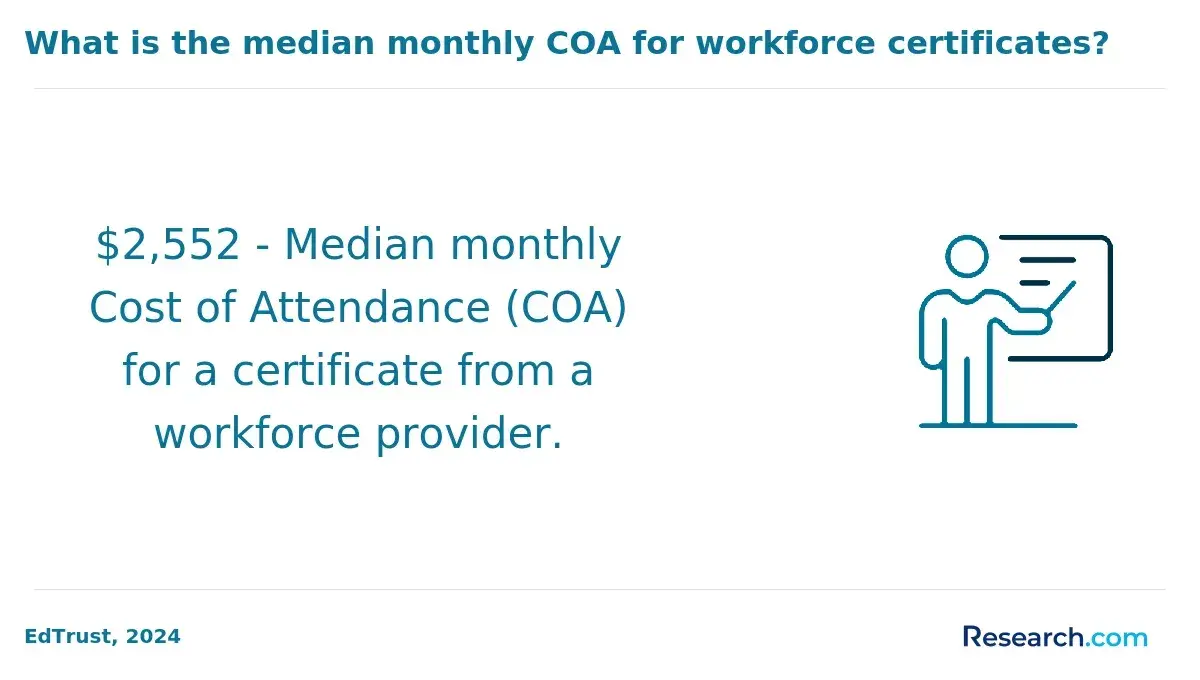
A 2024 report from the National Center for Education Statistics reveals that fully online entrepreneurship degree programs have notably lower completion rates than hybrid or on-campus formats. This disparity often reflects the challenges faced by online learners balancing work, family, and study without the structure and peer support that in-person environments provide. Hybrid designs tend to foster better outcomes by combining flexible online elements with direct interpersonal engagement, while traditional campus programs maintain the highest persistence rates through immersive access to resources and immediate feedback channels.
The tradeoff in format choice hinges on individual circumstances and learning styles rather than inherent difficulty alone. For example, a student working full-time with caregiving duties might struggle with the self-discipline required for online study but appreciates the flexibility it offers. Conversely, a peer-interaction-driven learner may benefit more from campus settings, where community involvement enhances motivation. These nuances underscore that completion rates reflect broader social and logistical factors beyond curricular content alone.
One recent entrepreneurship graduate recounted hesitating to enroll online due to concerns about isolation and time management. They initially tried to navigate coursework alongside a demanding job but found it overwhelming without consistent check-ins. After switching to a hybrid program, the blend of scheduled on-campus sessions and online flexibility created a more manageable pace, easing feelings of urgency and isolation. Their experience highlights how support structures and realistic scheduling weigh heavily on a student's ability to finish, often more than the format's delivery mode by itself.
How Does Each Entrepreneurship Learning Format Affect Student Success?
Success in an entrepreneurship degree depends less on the learning format itself and more on how well that format fits a student's unique learning style, time availability, and life commitments. For example, a working parent juggling childcare may find asynchronous online courses logical, while someone seeking immersive networking might thrive in an on-campus environment. Aligning format and personal circumstances helps avoid pitfalls like disengagement or schedule conflicts that commonly derail completion. The following points highlight key factors shaping academic outcomes across online, hybrid, and campus entrepreneurship programs.
- Access to academic support services: Campus programs often provide the most immediate and varied academic help, such as tutoring and faculty office hours, which foster persistence. Online students may struggle without real-time access, making robust virtual support critical. Hybrid students benefit moderately, balancing accessibility and flexibility.
- Flexibility for balancing responsibilities: Online formats offer unmatched scheduling freedom, ideal for students working full-time or managing family duties. However, this flexibility requires high self-discipline, which some students find challenging, increasing dropout risk. Hybrid models offer partial flexibility with some structure.
- Engagement and peer networking opportunities: Face-to-face settings promote stronger student-faculty connections and peer collaboration, boosting motivation and professional networking crucial in entrepreneurship. Online learners often face isolation unless programs actively facilitate virtual communities.
- Impact of social interaction on retention: Regular social and academic interactions on campus help build accountability and belonging, reducing attrition. Hybrid programs partially replicate this benefit, while fully online environments may lack social cohesion, demanding intentional strategies to maintain engagement.
- Technology reliance and digital literacy: Online and hybrid students must navigate learning platforms independently, which can be a barrier for those less tech-savvy, potentially delaying progress. Support in digital skills is essential to prevent frustration and withdrawal.
- Completion rates and persistence data: According to 2024 findings from the National Student Clearinghouse Research Center, campus entrepreneurship students achieve the highest degree completion rates, with hybrids trailing moderately and fully online students completing at lower rates. These disparities reflect differences in support, interaction, and structure rather than inherent format quality alone.
- Alignment with career goals and learning preferences: Students aiming for hands-on experience or local networking generally fare better on campus, while those needing geographical flexibility may accept trade-offs in completion likelihood for lifestyle fit. Recognizing one's priorities ensures the chosen format sustains motivation through program challenges.
How Does Enrollment Status Affect Entrepreneurship Completion Rates?
Enrollment status is a pivotal factor shaping completion rates for entrepreneurship degrees, yet its influence is nuanced and deeply tied to individual circumstances beyond simply the number of courses taken. Full-time and part-time designations affect students differently, depending largely on their personal responsibilities, learning preferences, and available institutional supports. This complexity means the impact of enrollment status cannot be generalized but must be assessed in relation to each student's context and goals. The following points clarify the key ways enrollment status interacts with program completion and what prospective students should consider.
- Intensity of Academic Engagement: Full-time students often benefit from a continuous academic rhythm, allowing them to immerse more deeply in coursework and campus resources. This intensity is linked to higher completion rates, especially for those able to dedicate significant time to studies without external distractions.
- Flexibility for Life Commitments: Part-time enrollment offers critical flexibility, especially for students balancing work, family, or other obligations. While this flexibility supports persistence for many, the extended timeline can increase risks of dropout or delays, requiring strong self-management and institutional support.
- Access to Advising and Networking: Campus-based full-time students typically have better access to academic advising, mentorship, and peer networks, which positively influence completion rates. Part-time students, particularly online, may miss these direct engagements, posing challenges to sustained progress.
- Completion Rate Disparities: Recent data from the National Center for Education Statistics shows full-time entrepreneurship students graduate at rates approximately 20-30% higher than part-time peers. This discrepancy largely reflects the cumulative effects of engagement, resource access, and time-to-degree pressures.
- Real-World Experience vs. Academic Pace: Part-time students often bring valuable professional experience into their studies, which can enrich learning outcomes but makes balancing academic demands more complex. Full-time students may sacrifice immediate work experience for faster degree completion, which can affect post-graduation trajectories differently.
- Program Format Interaction: Hybrid programs can mitigate part-time challenges by combining online flexibility with periodic face-to-face support, improving completion chances compared to fully online formats. This blend is particularly beneficial for students needing structure without sacrificing flexibility.
- Importance of Self-Discipline and Support Systems: Successful part-time students often rely heavily on institutional support, including structured pathways and advising, to maintain motivation and pace. Full-time students are less vulnerable to these pitfalls due to the immersive nature of their enrollment but still benefit from strong support services.
For prospective students evaluating entrepreneurship degree options, understanding how enrollment status intersects with their life circumstances and learning style is crucial. Those requiring balance might explore online courses for stay at home moms or hybrid formats that provide flexibility without sacrificing engagement. Ultimately, informed choices about enrollment intensity are foundational to navigating toward completion and career readiness.
Can Transfer Credits Improve Entrepreneurship Degree Completion?
Transfer credits can noticeably shorten the time needed to complete an entrepreneurship degree, but this advantage hinges on multiple program-specific and institutional factors. According to 2024 data from the National Student Clearinghouse Research Center, students who successfully transfer credits complete their degrees roughly 1.2 years faster on average than those beginning without prior credits. This acceleration can reduce dropout risk by eliminating redundant coursework and sustaining academic momentum, which is particularly valuable in entrepreneurship programs that emphasize continuous project work and skill development.
Students entering with prior college credits, military training, or professional certifications may benefit most from transfer credit policies that recognize these experiences. For instance, a working professional transitioning back into academia who secures transfer credits for foundational business or management courses might avoid repeating content, allowing greater focus on specialized entrepreneurship topics. However, the extent of this benefit can vary widely. Some campus-based entrepreneurship programs, for example, may restrict credit transfers due to the importance of cohort collaborations or hands-on, in-person experiences that cannot be substituted.
Hence, transfer credits do not guarantee faster graduation for every learner. The relevance and acceptability of those credits, program structure, and remaining course requirements are critical determinants. An online or hybrid format often offers more flexible transfer options, potentially translating to a quicker path to degree completion compared to more rigid on-campus programs. Yet, students must weigh this flexibility against the possible loss of face-to-face experiential learning opportunities that enhance entrepreneurial competencies.
Prospective students should carefully assess the likely impact of transfer credits by obtaining an official credit evaluation early and comparing the remaining credits needed against their planned enrollment intensity. Reviewing detailed program requirements and transfer policies can clarify whether credit acceptance will substantially reduce their study load or simply replace a small portion of the degree. Transfer credits represent one influential factor among many affecting graduation timelines, and aligning them strategically with personal educational goals is key to improving completion outcomes.
What Student Support Services Improve Entrepreneurship Completion Rates?
Student support services directly influence completion rates across entrepreneurship degree formats, addressing unique challenges each presents. Data from the National Center for Education Statistics in 2024 shows students leveraging these resources have about a 25% higher chance of timely graduation. The following services emerge as critical to fostering persistence and degree attainment regardless of delivery mode.
- Personalized Academic Advising: Targeted guidance tailored to individual goals helps students navigate curriculum choices and workload pacing, which is especially vital for those in flexible or self-paced online settings.
- Embedded Peer Mentoring: Facilitating connections with fellow students builds a sense of community and accountability, improving motivation and retention, particularly in campus and hybrid environments.
- Entrepreneurial Incubators and Practical Labs: Access to hands-on environments strengthens applied skills and engagement, reinforcing theoretical knowledge with real-world experience that drives program commitment.
- Integrated Digital Platforms: Combining synchronous advising with asynchronous content and on-site workshops in hybrid programs maintains engagement while accommodating diverse schedules.
- Virtual Learning Communities: Regular live interactions with faculty and peers alleviate isolation common in fully online programs, creating opportunities for immediate feedback and sustained dialogue.
- Comprehensive Career Counseling: Aligning coursework with marketplace demands and job placement support enhances perceived program value, especially for adult learners balancing work and studies.
- 24/7 Resource Accessibility: Around-the-clock access to learning materials and support services helps students manage study times and reduces barriers linked to time zone differences and personal commitments.
One online entrepreneurship graduate recalls the pivotal role of weekly live webinars and prompt responses from advisors. Balancing a full-time job and family, this student initially hesitated to enroll due to fears of isolation and falling behind. However, knowing that support was consistently accessible without rigid schedules reduced anxiety and enabled steady progress through coursework. The combination of digital engagement and meaningful academic support helped sustain focus and made completing the degree manageable despite competing demands.
How Do Entrepreneurship Completion Rates Affect Career Outcomes?
Completion rates in entrepreneurship degree programs significantly shape long-term career success by determining access to key opportunities in employment and advanced education. While earning the degree is a critical milestone, the pathway to completion-whether online, hybrid, or campus-based-introduces practical tradeoffs that affect persistence and outcomes. Recent labor market data underline that students who finish their bachelor's in entrepreneurship tend to outperform non-completers in both earnings and employment stability. Below are primary ways completing this degree can influence career trajectories.
- Enhanced Employability and Wage Premiums Following Graduation: Completing an entrepreneurship degree signals to employers a baseline of relevant knowledge and dedication. Graduates typically experience higher initial employment rates and earn more compared to those without degrees. The U.S. Bureau of Labor Statistics notes bachelor's degree holders earn approximately 20-30% more over their careers on average, demonstrating why persistence through graduation matters most for those prioritizing financial returns.
- Access to Experiential Learning and Professional Networks Improves Career Mobility: Campus programs often provide immersive networking and internship resources that accelerate job placement and promotion opportunities. Students most likely to benefit are those seeking hands-on mentorship and peer collaboration, factors less available in purely online formats. However, hybrid learners balance flexibility with some in-person support, making this format viable for working adults balancing education with family or jobs.
- Graduate School Enrollment and Advanced Career Pathways Expand with Degree Completion: Completing the entrepreneurship degree remains a strong predictor of pursuing graduate education, which can unlock specialized roles and leadership tracks. According to recent studies, degree completion correlates with a 15% higher likelihood of enrolling in graduate programs, especially important for students aiming at high-level business careers or academia.
- Demonstrated Self-Discipline in Online Programs Translates to Comparable Long-Term Outcomes: Although online entrepreneurship degrees face challenges with engagement and lower completion rates, graduates who finish these programs realize similar employment and salary outcomes when leveraging digital networks effectively. Students self-motivated to manage time and build virtual connections can capitalize on the same labor market benefits as campus peers.
For students comparing this degree with alternatives like graphic design programs, understanding how entrepreneurship degree completion rates impact on career success is essential for making informed choices aligned with personal circumstances and professional goals.
How Should Students Choose the Best Entrepreneurship Learning Format?
Choosing the best entrepreneurship learning format for degree completion requires weighing personal commitments, learning preferences, and program demands. Recent 2024 data from the National Center for Education Statistics shows students juggling work and family are more successful in hybrid programs, which blend flexibility with essential face-to-face support. Below are key factors to consider when selecting between online, hybrid, and campus entrepreneurship programs.
- Work-Life Balance and Flexibility: For adult learners managing jobs or family, hybrid or fully online formats offer greater scheduling flexibility. Hybrid programs, in particular, allow students to engage on campus when needed without sacrificing work hours. Assess your daily commitments realistically to determine which option you can consistently maintain.
- Need for Structured Interaction: Campus-based programs provide immersive networking and direct faculty access crucial for many entrepreneurial ecosystems. If you thrive on in-person collaboration and scheduled routines, campus or hybrid formats align better with your learning style and increase persistence.
- Self-Discipline and Technological Comfort: Fully online programs demand strong time-management skills and tech proficiency. Students lacking these may face higher attrition unless robust support systems exist. Reflect on your ability to stay motivated without in-person cues.
- Access to Academic Resources: Hybrid models often offer the advantages of both worlds-online content complemented by on-campus resources like workshops or mentoring, supporting degree completion. Investigate whether your prospective school provides integrated support services across formats.
- Peer Support and Community Building: Close peer connections improve program persistence. Campus and hybrid formats typically facilitate peer interaction better than solely online ones, which can feel isolating. Consider how much community engagement you require.
- Long-Term Career Goals and Employability: Some employers value the tangible network and interpersonal skills gained through campus experiences. While online degrees can be equally rigorous, think about the industries and roles you target and whether in-person connections might offer an advantage.
- Program-Specific Flexibility and Offerings: Not every entrepreneurship program is equally adaptable across formats. Compare curriculum delivery and opportunities such as internships or live projects to identify which format best supports your professional objectives, similar to how veterans might explore tailored options like electrical engineering degree online for veterans programs designed for flexible learning pathways.
Choosing the right entrepreneurship program format hinges on a nuanced evaluation of how each factor aligns with your lifestyle and academic habits. No format guarantees success universally; sustained engagement and matching format strengths with personal circumstances govern degree completion outcomes.
What Are the Long-Term Pros and Cons of Each Entrepreneurship Learning Format?
Choosing between online, hybrid, and campus formats for an entrepreneurship degree involves assessing how each impacts long-term academic success and career trajectories. For example, a working parent might find online programs ideal for balancing responsibilities but may sacrifice networking depth. Conversely, a full-time student on campus benefits from immersive engagement but faces limited scheduling flexibility. Consider these key long-term factors when deciding your path.
- Completion Rates and Structure: Campus programs show higher completion rates due to structured schedules and immediate faculty support, ideal for students who thrive on routine. Online formats, increasingly supported by advanced digital tools, are improving completion but require self-discipline. Hybrid programs often yield the highest retention by combining flexibility with periodic in-person engagement.
- Networking and Mentorship Opportunities: Campus learning fosters rich peer and mentor relationships through face-to-face interaction, vital for building entrepreneurial networks. Online programs struggle to replicate this depth, though some platforms enhance virtual connections. Hybrid learners enjoy a balanced network experience.
- Flexibility Versus Time Commitment: Online courses excel in accommodating diverse schedules, critical for working adults or those with families. Campus programs demand full-time presence and possible relocation, posing barriers. Hybrids offer moderate flexibility but may involve complex scheduling.
- Practical Skill Application: Hands-on projects and real-time feedback are more seamless in campus settings, aiding skill mastery and confidence. Online programs rely on virtual simulations, which can limit immediate problem-solving practice. Hybrid models blend these benefits but may increase costs.
- Costs and Resource Access: While online programs often reduce expenses related to commuting and housing, hybrid delivery can incur higher fees due to dual modalities. Campus students gain direct access to on-site resources, like labs and incubators, enhancing experiential learning.
References
- [PDF] The Impact of Entrepreneurship Education on Student Success https://africanscientificjournal.com/index.php/AfricanScientificJournal/article/download/1587/1470/1620
- Credit Transfer & Accreditation of Prior Learning https://www.wittenborg.eu/credit-transfer.htm
- Online Master's Degrees in Business: Review Top Programs & More https://www.onlinemastersdegrees.org/best-programs/business/
- Online and hybrid college programs explained. Flexibility, risk, and the real value equation | CG https://collegegrind.org/posts/online-and-hybrid-college-programs-explained/
- Your future with BSc Commerce Entrepreneurship and Organisations https://www.tio.nl/en/commerce-entrepreneurship-and-organisations/after-graduation/
- Entrepreneurship | Duties, Job Skills, and Career Paths | edX https://www.edx.org/resources/is-a-masters-in-entrepreneurship-worth-it
- Hybrid Master’s of Business Administration (MBA) for International Students https://www.shawnee.edu/hybrid-mba-international
- How Entrepreneurship Can Be Learned through Experiential Learning Formats, Especially through Training Firms https://www.ijmar.org/v7n4/20-033.html
- Entrepreneurship studies - Everything at a glance | CBS https://www.cbs.de/en/topics/entrepreneurial-studies
- eLearning Statistics for 2026: Corporate Trends and Insights to Know https://www.ispring.com/knowledge-hub/elearning-statistics
Other Things You Should Know About Entrepreneurship
The flexibility of online entrepreneurship programs offers significant scheduling freedom but requires strong self-discipline to manage asynchronous coursework and project deadlines independently. Hybrid formats often demand consistent on-campus attendance alongside online work, creating a more structured yet potentially more time-consuming schedule. Students lacking clear time management strategies may find hybrid formats challenging, while those seeking flexibility without daily campus visits might favor fully online programs despite the heightened risk of procrastination impacting completion.
Face-to-face interaction in campus entrepreneurship programs tends to foster deeper peer collaboration and mentorship, which can motivate students to persist through difficult coursework. This structured networking environment often builds accountability, reducing attrition. Online programs generally struggle with replicating the spontaneous community bonds vital to sustaining momentum. For students whose completion depends on peer support and real-time feedback, campus formats may provide a critical advantage that online options cannot reliably replace.
Entrepreneurship curricula frequently involve hands-on ventures, pitch presentations, and team-based projects that are more organically supported by campus facilities and in-person collaboration. Online programs might limit real-time feedback and the dynamic problem-solving often required to advance these projects, potentially prolonging or complicating completion. Students comfortable navigating digital collaboration tools and remote mentorship may still succeed online, but those who benefit from immediate interaction and physical resources might find campus environments more conducive to timely degree completion.
Working professionals pursuing entrepreneurship degrees part-time generally benefit from the flexibility of online programs that accommodate irregular schedules, although this flexibility demands rigorous self-motivation. Conversely, early-career students or those seeking immersion in entrepreneurship ecosystems often fare better in campus or hybrid formats, which embed them in communities facilitating focus and accountability. Prioritizing one's current work-life balance and learning preferences is crucial: online programs suit those balancing full-time jobs, while campus or hybrid choices might accelerate completion for full-time students seeking intensive engagement.