2027 Entrepreneurship Affordability by State: Where Students Pay the Most and Least

Co-Founder and Chief Data Scientist
Choosing between two entrepreneurship programs often boils down to more than tuition rates; students must weigh hidden costs like living expenses and out-of-state fees that can drastically alter affordability. For instance, a 2024 National Postsecondary Student Aid Study reveals that nearly 45% of undergraduates rely on loans, highlighting how tuition sticker prices underestimate total financial burdens. This trend signals uneven state policies on education funding and support, distorting enrollment decisions ahead of long-term debt and career outcomes.
Understanding these complex cost drivers is crucial for students prioritizing financial feasibility alongside program quality. This article examines where pursuing an entrepreneurship degree is most and least affordable by state to guide informed enrollment choices.
Key Things to Know About Entrepreneurship Affordability by State
- States with lower tuition often have higher living costs, which offsets savings; students must weigh total cost of attendance, not just sticker prices, to avoid underestimating financial burden.
- Out-of-state tuition premiums in Entrepreneurship programs create workforce localization effects, incentivizing graduates to remain in-state, affecting regional entrepreneurial ecosystems and employer talent pools.
- Growth in online options shows mixed affordability impact as many programs blend campus fees with digital costs, challenging students to balance timing flexibility with unpredictable net expenses and aid availability.
- Key Things to Know About Entrepreneurship Affordability by State Key Things to Know About Entrepreneurship Affordability by State
- Which States Have the Most Affordable Entrepreneurship Degree Programs? Most Affordable State Programs
- Which States Have the Highest Entrepreneurship Degree Costs? Highest State Tuition Costs
- How Much Does a Entrepreneurship Degree Cost by State? Degree Costs by State
- Why Does Entrepreneurship Affordability Vary So Much Between States? State Affordability Variations
- How Do In-State and Out-of-State Tuition Rates Affect Entrepreneurship Affordability? In-State vs. Out-of-State Rates
- How Does the Cost of Living Impact Overall Entrepreneurship Affordability by State? Living Costs and Affordability
- Which States Offer the Best Value for a Entrepreneurship Degree? Best Value State Degrees
- What Financial Aid and Scholarship Opportunities Can Reduce Entrepreneurship Costs? What Financial Aid and Scholarship Opportunities Can Reduce Entrepreneurship Costs?
- Are Online Entrepreneurship Degree Programs More Affordable Than On-Campus Options? Are Online Entrepreneurship Degree Programs More Affordable Than On-Campus Options?
- Is a Entrepreneurship Degree Worth the Cost Based on Career Outcomes and ROI? Degree ROI and Outcomes
Which States Have the Most Affordable Entrepreneurship Degree Programs?
State-level differences in public funding and tuition policies significantly shape which regions offer the most affordable entrepreneurship degree programs by state, with low in-state tuition playing a pivotal role in reducing overall costs. For example, students in Wyoming benefit from substantial state investment in higher education, resulting in lower tuition and fees that often fall between $5,000 and $7,000 annually, according to National Center for Education Statistics 2024 data. However, affordability must be contextualized-residential status, availability of state-specific financial aid, and cost of living all interact to influence net student expenses. A practical consequence emerges when comparing institutions: cross-border students may face higher out-of-state rates that can offset a program's sticker price advantage, emphasizing the need for learners to weigh residency benefits carefully before committing to a particular state's program.
In addition, the presence of accessible community college pathways into entrepreneurship bachelor's degrees often enhances affordability in states like West Virginia, where flexible credit transfer options can reduce the overall length and cost of completion. However, these more affordable entrepreneurship degree programs by state frequently entail tradeoffs, such as fewer nationally ranked programs or limited direct access to metropolitan internship networks that many employers value. This creates a strategic decision point for students balancing tuition savings against potential impacts on professional development and employability, underscoring how institutional pricing and regional educational infrastructure impact long-term degree value.
Budget-conscious learners would also be wise to evaluate evolving program formats, including hybrid and online offerings, which can further trim expenses by minimizing living and commuting costs, particularly when paired with short-term credential options like 4 week certificate programs online.
Which States Have the Highest Entrepreneurship Degree Costs?
States with the highest entrepreneurship degree costs often reflect a mix of elevated urban living expenses, diminished public funding, and institutional profiles dominated by private or specialized business schools. For example, California's out-of-state tuition at public universities surpasses $15,000 annually, with private colleges charging over $40,000, a pricing structure influenced both by steep housing costs and shrinking state subsidies. Beyond tuition, residency requirements sharply increase financial barriers for non-residents, causing many students to reconsider enrolling in costly programs versus more affordable in-state or online alternatives. These cost dynamics create a tangible tradeoff where prospective students must weigh the prestige and local entrepreneurial ecosystems of top-tier states against potentially outsized debt burdens and a tighter net return on investment.
The concentration of programs in high-demand regions with smaller cohorts further drives up expenses due to resource intensity and limited competition on pricing. While strong startup networks and employment prospects in places like New York and Massachusetts can justify some premium, the total cost of attendance-which frequently exceeds $35,000 annually-requires careful scrutiny relative to projected earnings and post-graduation financial resilience. Students targeting entrepreneurship education must therefore assess how program availability, residency criteria, and regional economic factors shape affordability and career outcomes in ways that differ starkly across states.
One recent graduate recalled hesitating due to the stark tuition difference between their home state and a prestigious program in a neighboring state. Navigating residency rules, they initially assumed the out-of-state tuition was inevitable but found some programs offered online options with markedly lower costs. Though the local entrepreneurial community was appealing, the student ultimately prioritized financial aid packages and the reduced living expenses of attending nearer to home, citing concerns that the high sticker price did not align with the uncertain short-term payoff. This experience highlights the nuanced considerations students face beyond just headline tuition figures when selecting where to pursue an entrepreneurship degree.
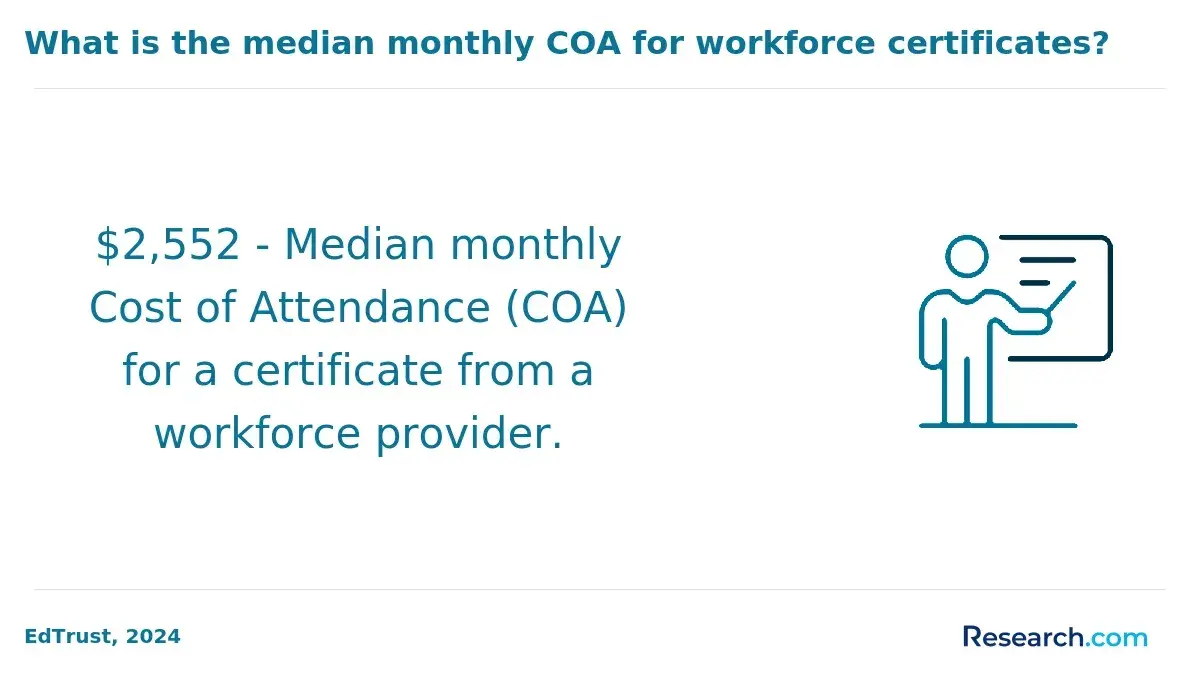
How Much Does a Entrepreneurship Degree Cost by State?
The cost of earning an entrepreneurship degree varies widely across states, shaped largely by factors such as in-state versus out-of-state tuition policies and the public-private institutional mix. For example, students enrolling in public universities in states like Wyoming or New Mexico may pay close to $6,000 annually, while counterparts in states with more private options, like California or New York, can face tuition exceeding $30,000 each year. This disparity often forces students to weigh the financial tradeoffs between attending more affordable in-state programs versus more prestigious but costly out-of-state or private institutions, especially given that public universities typically charge non-residents two to three times the in-state rate.
Beyond tuition, regional cost-of-living differences impact the overall financial burden associated with pursuing entrepreneurship degrees. States with high housing and transportation expenses, including Massachusetts and New York, add significant costs that tuition figures alone don't capture, complicating budget planning for students and families. Financial aid availability is inconsistent and sometimes poorly aligned with these cost variations, meaning that moderate tuition states might not always translate into more accessible options for lower-income students. These factors influence strategic decisions about relocation, borrowing, and program selection, with online learning emerging for some as a practical alternative to mitigate geographic and economic barriers.
Prospective entrepreneurship students must consider how tuition disparities and living costs intersect with local entrepreneurial ecosystems and job market conditions to evaluate the real return on investment. According to 2024 data from the National Center for Education Statistics and IPEDS, these state-level cost dynamics are more than just sticker price variations-they shape who can realistically pursue entrepreneurship education and where, influencing accessibility and long-term career positioning within the increasingly competitive business landscape.
Why Does Entrepreneurship Affordability Vary So Much Between States?
State funding levels are a primary driver behind the wide variation in entrepreneurship degree cost differences by state, as public universities with stronger appropriations can offer substantially lower in-state tuition. For instance, Wyoming and New Mexico benefit from higher per-student investments, translating to more accessible tuition rates, whereas states with shrinking educational budgets, often combined with high local living costs like California or New York, present markedly less affordable options. These disparities influence student decisions, encouraging those prioritizing cost-efficiency to consider programs in states with favorable funding even if it means leveraging online options or navigating residency requirements. Such choices underscore complex tradeoffs between immediate affordability and long-term career alignment with regional business ecosystems.
The availability of state-specific financial aid significantly shapes entrepreneurship affordability by offsetting tuition burdens, particularly for students from lower-income backgrounds. Enrollment density also affects cost structures: campuses with larger entrepreneurship cohorts can spread fixed operational expenses more efficiently, which may reduce per-student costs. However, research-intensive institutions with higher faculty salaries often drive tuition upward as specialized program delivery demands increase.
Prospective students evaluating these factors must weigh not just sticker price but also institutional mission and location-related expenses to map out sustainable educational pathways. Students seeking to balance economic constraints with program quality sometimes compare alternatives like a cheap psychology degree online to optimize budget without sacrificing academic progress.
How Do In-State and Out-of-State Tuition Rates Affect Entrepreneurship Affordability?
Residency status profoundly shapes the financial calculus for students pursuing an entrepreneurship degree, often dictating whether a program is within reach. For example, public institutions typically offer in-state tuition rates that can be less than half of out-of-state costs, with the National Center for Education Statistics reporting the average in-state tuition at public four-year colleges near $11,500 in 2024 versus over $27,000 for non-residents. This gap forces students to weigh the value of paying premium fees against potential local alternatives or online programs that may offer more uniform pricing regardless of geography. Enrollment decisions thus may hinge on state funding policies, the availability of reciprocity agreements like the Western Undergraduate Exchange, and strategic residency reclassification efforts designed to reduce expense burdens.
These tuition disparities also interplay with financial aid landscapes and regional living costs, sometimes narrowing or widening overall affordability beyond sticker price alone. While private colleges standardize tuition regardless of residence, their higher baseline often drives students to prioritize public options within their state or neighboring states offering reciprocity, to optimize educational investment without sacrificing program quality. Moreover, the rise of online entrepreneurship degrees provides a less location-dependent model, appealing to those who cannot access in-state rates or prefer to avoid out-of-state premiums. Prospective students must therefore integrate residency rules, auxiliary costs, and aid availability into their financial plans to navigate these layered affordability challenges effectively.
An entrepreneurship student from a border state shared that despite relocating to attend a reputable out-of-state university, the unexpected out-of-state tuition nearly doubled her projected education costs. She hesitated before enrolling, weighing whether the program's networking opportunities justified the expense. Ultimately, she applied for residency reclassification in her second year, which reduced tuition significantly but also required her to remain in-state for a longer period than anticipated. Her experience underscored how residency status not only affects immediate affordability but can also shape medium-term planning and mobility during the degree.
How Does the Cost of Living Impact Overall Entrepreneurship Affordability by State?
Cost-of-living disparities sharply influence the real expense of earning an entrepreneurship degree, with housing costs often serving as a critical differentiator. For example, pursuing the degree in high-rent states like California or New York can inflate housing expenses two to three times above the national average, forcing many students to juggle part-time jobs or seek more affordable off-campus housing, which can detract from study time and limit engagement with local entrepreneurial networks. This dynamic underscores how regional living expenses and entrepreneurship education costs must be incorporated when evaluating institutions and states-beyond headline tuition figures-to avoid underestimating the financial strain inherent in certain locations.
Transportation costs compound this challenge in sprawling metropolitan areas where commuting demands add fuel, maintenance, or transit pass expenditures. Conversely, rural students might pay less for transportation but face limited access to internships and networking, crucial elements in practical entrepreneurship training and career placement. Additionally, factors like fluctuating food prices, healthcare premiums, and utility rates push monthly expenses in various states, affecting whether students must take on additional debt or reduce coursework loads to manage finances. These regional cost-of-living effects on entrepreneurship affordability by state direct students toward a more nuanced assessment of where a degree is pragmatically attainable and economically viable.
Such financial realities make online options worth considering for some, though not all students, as practical exposure and hands-on opportunities vary. Budget-conscious learners should evaluate how living costs intersect with local wage conditions and internship availability to weigh total economic impact and long-term return on investment. For those comparing paths, exploring online MBA entrepreneurship programs offers one dimension of flexibility, yet in-person dynamics remain vital for many. Balancing living expenses against educational quality and employment prospects provides a clearer picture for enrollment, financial aid strategy, and degree completion planning.
Which States Offer the Best Value for a Entrepreneurship Degree?
Evaluating the value of an entrepreneurship degree across states requires scrutinizing more than just tuition costs; students must consider in-state tuition eligibility, completion rates, and the strength of regional ecosystems that influence job prospects. For example, Texas offers moderate tuition combined with a graduation rate above 60%, bolstered by vibrant metropolitan areas like Austin that provide tangible entrepreneurial opportunities-factors that balance cost with practical outcomes. Conversely, Florida's lower living expenses and financial aid availability can reduce overall education costs, but its near 50% graduation rates may extend time to degree, increasing total indebtedness despite affordable sticker prices.
North Carolina presents another scenario where moderate tuition aligns with targeted workforce preparation and business programs designed to meet labor market demands, resulting in graduates earning roughly 10% above the national median salary for entrepreneurship majors. This highlights how post-graduation income potential and completion rates directly affect return on investment, aspects often overlooked when focusing narrowly on upfront costs. Students contemplating relocation or online study must weigh state residency rules, local economic conditions, and financial aid policies since low tuition alone rarely guarantees the best value; the interplay of educational completion and regional demand is key to maximizing the long-term advantage of this degree.
What Financial Aid and Scholarship Opportunities Can Reduce Entrepreneurship Costs?
Federal grants, notably Pell Grants, remain a cornerstone for offsetting entrepreneurship degree costs, with nearly 30% of undergraduates nationally benefiting in 2024 according to the U.S. Department of Education. However, eligibility and renewal requirements-often tied to income thresholds and continuous enrollment-require careful planning to maintain support throughout the degree timeline. State-specific grants and tuition reciprocity programs, such as those between New York and Pennsylvania, offer strategic financial advantages that can shift a student's decision to enroll across state lines, but these benefits depend heavily on residency status and adherence to specific state policies.
Institutional scholarships awarded for academic merit or demonstrated entrepreneurial potential can reduce costs substantially, yet their varied criteria and frequent full-time enrollment mandates can exclude part-time or working students. Employer-sponsored tuition assistance, available through roughly 22% of companies in 2024, introduces another variable, balancing financial relief with ongoing work commitments and eligibility constraints that may limit access to relevant programs. Together, these layers of federal, state, institutional, and employer funding shape affordability but also require prospective students to navigate complex aid stacking policies and deadlines, emphasizing the importance of a tailored, location-aware approach rather than a one-size-fits-all financial plan.
Geographic disparities in aid infrastructure profoundly affect long-term financial outcomes and career flexibility for entrepreneurship students, making cost comparisons between institutions critical. Relying on student loans remains common but introduces repayment burdens that can outweigh immediate savings gained through grants and scholarships, underscoring the need to weigh short-term affordability against future financial stability when mapping educational investments.
Are Online Entrepreneurship Degree Programs More Affordable Than On-Campus Options?
Online entrepreneurship degree affordability in the United States varies significantly when considering tuition, residency policies, and ancillary costs. While tuition for online programs often runs 10% to 30% lower than on-campus equivalents, particularly at public institutions, this does not automatically translate to universal savings. Students enrolled in on-campus programs may face substantial additional costs such as housing, meal plans, transportation, and campus fees, which can add thousands annually-expenses online students typically avoid. However, technology fees and hardware requirements for online learners can reduce these savings, and institutional scholarships or state grants often favor on-campus attendance, complicating financial aid dynamics.
Cost comparison of on-campus versus online entrepreneurship programs by state reveals wide disparities driven largely by residency rules and local living expenses. For example, students who relocate for on-campus study in states like California or New York absorb higher overall costs due to the expensive housing market, often spending nearly 40% more than their online peers who can study remotely without relocating.
Yet, affordability also hinges on employment flexibility; online programs allow many to maintain jobs, offsetting opportunity costs. Realistically, evaluating which path suits a budget-conscious student requires balancing direct expenses with long-term career impacts, including employer recognition and networking opportunities that may differ between delivery modes. This practical complexity mirrors considerations faced by professionals changing careers or advancing credentials, such as those exploring shifts toward roles like a speech pathologist.
Is a Entrepreneurship Degree Worth the Cost Based on Career Outcomes and ROI?
The decision to pursue an entrepreneurship degree must consider how tuition affordability and localized economic factors shape its return on investment. In states with high public college tuition like New York or California, the increased debt burden can diminish net gains, especially for students who do not complete their degree on time. Conversely, pursuing the same credentials in states with lower tuition costs such as Texas or Florida often results in a more favorable cost-benefit balance. This disparity highlights how entrepreneurship degree return on investment in the United States is uneven, and students must weigh these regional affordability differences alongside potential career outcomes.
Beyond tuition, factors like opportunity cost, geographic mobility, and the ability to leverage local startup ecosystems or incubators influence long-term career value. The Bureau of Labor Statistics projects sustained demand for business and finance roles, reinforcing the relevance of such degrees, but graduation rates between 50% and 70% in entrepreneurship-related fields signify that timely program completion is critical to realizing financial benefits. Affordability and career alignment should also be evaluated in context with program quality and support services to avoid excessive reliance on debt.
Students must recognize that an entrepreneurship degree's value extends beyond immediate salary, encompassing skill diversity, adaptability, and readiness for self-driven work. Considering career goals alongside economic conditions and institutional support enables a nuanced assessment of whether the degree justifies its financial investment. This approach ensures budget-conscious learners can better navigate the complex tradeoffs posed by varying tuition costs and workforce expectations when weighing the affordability of entrepreneurship degrees by state.
Veterans exploring creative career paths outside traditional business tracks may also want to research an online photography bachelor degree for veterans, which offers a similarly flexible, benefits-eligible option worth weighing alongside entrepreneurship. This approach ensures budget-conscious learners can better navigate the complex tradeoffs posed by varying tuition costs and workforce expectations when weighing the affordability of entrepreneurship degrees by state.
References
- Best entrepreneurial programs in the US in 2025 – Bachelor’s Degree Guide – All Bachelor Degrees https://allbachelordegrees.com/degrees/best-entrepreneurial-programs-in-the-us-in-2025-bachelors-degree-guide/
- 146 Best Entrepreneurship courses In the USA 2026 https://www.hotcoursesabroad.com/study/training-degrees/us-usa/entrepreneurship-courses/loc/211/cgory/d13-3/sin/ct/programs.html
- Top 30 Most Affordable Online MBA in Entrepreneurship Degrees https://www.bestcollegesonline.org/most-affordable/online-mba-entrepreneurship/
- Importance of Cost of Living | Goldwater Institute https://www.goldwaterinstitute.org/cost-of-living/
- Why the US Leads the World in Entrepreneurship and Innovation - ResearchFDI https://researchfdi.com/why-the-us-leads-the-world-in-entrepreneurship-and-innovation/
- The 10 Best States For Business 2026 https://workwell-global.com/blog/best-states-for-business
- The College Affordability Gap: Insights and Impact on Families https://encoura.org/resources/wake-up-call/the-college-affordability-gap-insights-and-impact-on-families
- Entrepreneurship | Duties, Job Skills, and Career Paths | edX https://www.edx.org/resources/is-a-masters-in-entrepreneurship-worth-it
- Lowering the Cost of Living for American Families - Center for American Progress https://www.americanprogress.org/article/lowering-the-cost-of-living-for-american-families/
- See the data behind America's small businesses. | U.S. Chamber of Commerce https://www.uschamber.com/small-business/small-business-data-center
Other Things You Should Know About Entrepreneurship
States differ widely in their regulatory environments, which directly influences the applicability of entrepreneurship curricula. Programs located in states with more stringent licensing or regulatory hurdles may place greater emphasis on compliance and legal navigation, giving students an advantage if they intend to launch businesses locally. Conversely, students in states with lighter regulations might experience less focus on these complex issues but could face challenges if they expand beyond state borders. Prospective students should prioritize programs whose approach aligns with the regulatory realities of their intended markets to avoid gaps between education and real-world entrepreneurship.
The strength of a state's startup ecosystem often correlates with access to internships, mentorships, and networking, which can offset higher tuition through experiential learning and job prospects. Even if a program is more expensive, attending in a state with robust venture capital presence and thriving small business support can enhance outcomes and justify costs. Students should weigh ecosystem vibrancy alongside tuition, prioritizing regions where direct engagement might replace or reduce the need for costly external resources or supplementary training.
Lower tuition does not always translate to a lighter workload or better fit. Some affordable programs may accelerate course schedules or demand heavier project and pitch commitments, increasing time and indirect expenses like missed work. Students with financial constraints should evaluate program structure carefully, favoring those balancing cost with manageable pacing to prevent burnout and additional hidden costs. Prioritizing programs with clear, realistic time commitments can protect against affordability risks beyond sticker price.
In some cases, states with higher education costs often host established universities linked to notable startup incubators and employer networks, which can increase job placement rates and sector prestige. While this might tempt students to enroll despite steep costs, the decision requires scrutinizing whether such benefits meaningfully exceed what more affordable programs in emerging markets offer. Budget-conscious learners should assess the tangible employer engagement and alumni success metrics rather than assuming higher cost equals better career outcomes, balancing immediate affordability with long-term value.