2027 Entrepreneurship Degree Enrollment Trends by Age Group: Traditional Students vs Adult Learners

Co-Founder and Chief Data Scientist
Entrepreneurship degree enrollment diverges significantly between traditional-age students and adult learners due to distinct career-phase motivations and industry dynamics. While 62% of traditional students pursue entrepreneurship degrees aiming to leverage innovation credentials early, adult learners often re-enter academia to bridge skill gaps amid shifting labor demands and credential inflation. Licensing or certification barriers remain minimal, yet employer expectations emphasize practical experience alongside academic preparation, compelling older students to balance education with existing business commitments.
This split in enrollment patterns reveals a bifurcated field adapting both to nascent entrepreneurial ambitions and mid-career transitions, suggesting a future workforce that values diverse experiential backgrounds combined with formal training.
Key Things to Know About Entrepreneurship Degree Enrollment Trends by Age Group
- Adults enrolling in entrepreneurship degrees often face higher opportunity costs, reflecting a tradeoff between immediate income loss and long-term career pivot benefits, influencing their decision timelines and program selection.
- Employers increasingly value entrepreneurial experience over age-specific credentials, signaling that mature students must emphasize practical ventures and leadership demonstrated during study to enhance job market outcomes.
- Traditional college-age enrollment skews toward full-time, campus-based programs, limiting accessibility for working adults and reinforcing disparities in timing and costs associated with degree completion strategies.
- Key Things to Know About Entrepreneurship Degree Enrollment Trends by Age Group Key Things to Know About Entrepreneurship Degree Enrollment Trends by Age Group
- Which Age Groups Represent the Largest Share of Entrepreneurship Students? Students by Age Group
- Why Do Traditional Students Choose Entrepreneurship Degree Programs? Traditional Students
- Why Do Adult Learners Return to School for a Entrepreneurship Degree? Adult Learners
- How Do Academic Goals Vary Between Younger and Older Entrepreneurship Students? Academic Goals by Age Group
- How Do Financial Concerns Differ Between Traditional Students and Adult Learners? Financial Concerns by Age Group
- What Challenges Do Adult Learners and Traditional Students Face While Earning a Entrepreneurship Degree? Student Challenges by Age Group
- How Does Age Affect Entrepreneurship Degree Student Retention? Age and Student Retention
- Which Entrepreneurship Specializations Are Most Popular Among Adult Learners? Top Specializations for Adult Learners
- How Does Age Affect Job Opportunities for Entrepreneurship Graduates? Impact of Age in Job Opportunities
- What Do Current Entrepreneurship Enrollment Trends Reveal About Future Demand? What Do Current Entrepreneurship Enrollment Trends Reveal About Future Demand?
Which Age Groups Represent the Largest Share of Entrepreneurship Students?
Entrepreneurship programs enroll students spanning multiple life stages, yet participation is predominantly clustered within specific age ranges shaped by career entry timing, financial readiness, and educational pathways. This age-based enrollment distribution mirrors larger workforce and higher education system dynamics rather than mere academic preference. Understanding these patterns requires considering how career transitions and program accessibility differ across age groups.
- Ages 18-24: This traditional college-age cohort forms the largest share of entrepreneurship degree enrollment by age group in the US. Their presence aligns with standard undergraduate trajectories, entering programs soon after high school while often benefiting from structured campus recruitment and internship opportunities. Employers tend to favor candidates with recent academic credentials, making this group well-positioned for entry-level roles immediately post-graduation.
- Ages 25-34: Representing a significant but smaller portion, this group often comprises early-career professionals seeking skill enhancements or entrepreneurship credentials to pivot careers. Many juggle part-time or online programs alongside work, reflecting career advancement or transition motivations. Financial obligations and time constraints begin to influence enrollment decisions more heavily here.
- Ages 35-44: Enrollment within this segment drops further as full-time study becomes less practical amid established career and family responsibilities. Adult learners here prioritize flexible, application-focused education that integrates with their work experience, though accessibility challenges and competing demands often limit participation rates despite rising interest in entrepreneurship training.
- Ages 45 and above: This group accounts for the smallest share of entrepreneurship students, frequently confronted by systemic barriers related to financial investment, technology adoption, and reconciling academic frameworks with practical entrepreneurship goals. While their extensive real-world experience is valuable, educational paths tend to be less linear, compounding challenges in enrollment and completion.
The evolving balance among these age groups highlights how workforce transitions shape enrollment more than innate academic preferences. Prospective students must consider economic factors, employer expectations, and program structures when evaluating entrepreneurship education. This dynamic underscores why some age groups dominate participation, influenced as much by timing and resources as by educational demand. Those weighing options may also find value exploring top degrees for the future to contextualize entrepreneurship alongside broader career market trends.
Why Do Traditional Students Choose Entrepreneurship Degree Programs?
Traditional students often select entrepreneurship degree programs driven by a mix of academic interest and the perceived signaling value of such degrees for early career exploration. Many view these programs as a structured opportunity to develop business acumen, innovation skills, and leadership qualities that can differentiate them in competitive job markets. Approximately 32% of freshmen enrolled in entrepreneurship programs cite a strong desire for career independence and control, reflecting their intent to build ventures rather than follow conventional employment paths. This focus on entrepreneurial education aligns with an understanding that hands-on, practical learning environments support foundational skill-building essential for navigating dynamic industries.
Deeper factors influencing enrollment include university recruitment strategies that target recent high school graduates with tailored entrepreneurial tracks and career services emphasizing startup readiness. Guidance counselors and early exposure to entrepreneurship subjects in secondary or early college coursework further reinforce this direction, helping students perceive relative job market stability through self-employment or small business formation. The alignment between program accessibility and early career planning often intersects with institutional pathways encouraging internships, mentorships, and network building. Comparatively, adult learners prioritize flexibility and career pivots, while traditional students focus on immersion in MBA for entrepreneurship degree benefits for traditional college students to accelerate transition from education to venture creation or business leadership roles.
Why Do Adult Learners Return to School for a Entrepreneurship Degree?
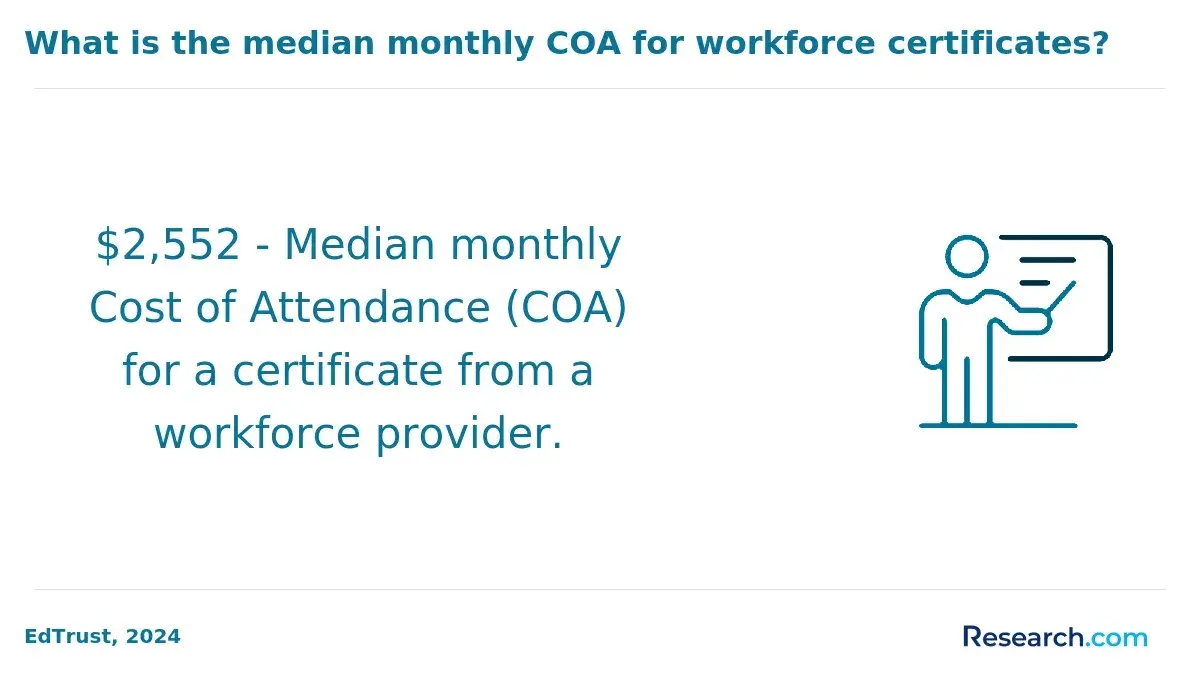
Adult learners often return to school for an Entrepreneurship degree primarily to enhance career mobility, improve wage potential, or transition into new industries where formal business knowledge and credentials increasingly matter. This demographic typically faces credential inflation, where practical experience alone no longer suffices for senior roles or specialized entrepreneurial opportunities. A 2024 National Center for Education Statistics report highlights that nearly half of business-degree adult enrollees cite career advancement or pivoting as their core driver, reflecting a strategic pursuit of updated competencies such as financial management and strategic planning that align with evolving labor market demands.
Additional factors influencing re-enrollment include employer-supported tuition benefits that reduce financial barriers and the expanded availability of flexible program formats, particularly online and part-time options, which accommodate adults' work and family commitments. Industry shifts and regulatory complexities also drive the need for continuous skill renewal, especially in areas like digital marketing and compliance, where staying current directly impacts entrepreneurial success. These dynamics underscore why adult learners prioritize programs that integrate practical, outcome-focused curriculum with accessibility, enabling them to maintain income streams while reskilling.
The growing presence of adult learners reshapes educational program design, encouraging institutions to develop tailored scheduling, experiential learning components, and cohort-based formats that leverage diverse student experiences. This trend bolsters online education's expansion and alters classroom demographics, enriching peer collaboration with varied professional perspectives. Ultimately, the adult learner's pragmatic approach to Entrepreneurship education reflects broader labor market trends emphasizing lifelong learning and workforce adaptability amid rapid economic and technological change.
How Do Academic Goals Vary Between Younger and Older Entrepreneurship Students?
Younger entrepreneurship students often engage with their studies from a foundational and exploratory perspective, seeking broad competencies that support entry into the workforce or graduate education. Their academic focus tends to emphasize core entrepreneurial concepts, general business knowledge, and networking opportunities that facilitate experiential learning and career trial. This approach reflects their positioning early in career trajectories, where uncertainty about specific roles is common and building versatile skill sets matters. According to the National Center for Education Statistics 2024 report, 65% of students under 25 prioritize acquiring fundamental entrepreneurial abilities and establishing professional connections as central learning goals.
In contrast, adult learners typically pursue entrepreneurship degrees with clear, targeted objectives related to immediate career application. Their academic priorities center on mastering practical business management skills, refining leadership capacities, and completing credentials that directly enhance job performance or enable role transitions, especially for those balancing ongoing professional and personal responsibilities. This pragmatic orientation aligns with reported findings from the 2024 Gallup-Purdue Index study indicating that 72% of adult students focus on actionable strategies tailored to advance existing ventures or leadership positions rather than general exploration. Flexibility and relevance in coursework are essential factors influencing program choice for this demographic.
One adult learner, returning to education after years in a small business, described their experience navigating rolling admissions as a source of uncertainty and pressure. Initially hesitant to apply due to concerns about program start dates and balancing work commitments, they ultimately decided to submit their application late in the cycle after receiving reassurance from admissions staff about flexible scheduling. This timing challenge underscored the importance of clear communication and realistic planning for adult students whose academic goals are tightly interwoven with current occupational demands.
How Do Financial Concerns Differ Between Traditional Students and Adult Learners?
Traditional students pursuing an entrepreneurship degree typically rely on a combination of parental support, scholarships, and student loans to finance their education. Their financial concerns center heavily on managing tuition costs and the long-term implications of debt accumulation. According to a 2024 report from the National Center for Education Statistics, nearly 60% of traditional undergraduates take out student loans, underscoring a significant dependence on borrowed funds. These students often evaluate costs through the lens of future repayment burdens rather than immediate income loss, making debt tolerance and loan access central to their financial decision-making, which diverges from adult learners facing different challenges associated with financial stability and lifecycle obligations. This contrast is essential to understanding financial challenges faced by traditional vs adult learners.
Adult learners, in contrast, weigh the opportunity cost of education more acutely, as returning to school frequently means reduced work hours and lost wages, alongside ongoing commitments such as mortgages and family expenses. Many adult students fund their studies through personal savings or employer tuition assistance, prioritizing education options that allow them to maintain income, including part-time or online formats. A 2024 EDUCAUSE report noted a strong preference among this cohort for flexible program structures that balance career continuity and educational advancement. Their financial calculations incorporate the immediate impact on household finances and the necessity for a tangible return on investment, often making debt a less viable option given these compounding pressures. This dynamic influences cost differences in entrepreneurship degree enrollment by age group and shapes the kinds of programs adult learners seek.
These divergent financial realities also affect enrollment patterns and program selection, with adult learners gravitating toward convenient online or evening classes designed to reduce direct and indirect costs. Traditional students may opt for more conventional college pathways, often supported by loans, with less immediate pressure to keep a full-time job during their studies. Evaluating a program's long-term value involves assessing not only tuition fees but also how each student's financial behavior, work-life balance, and career trajectory will be affected. Prospective students can explore alternatives such as an urban planning degree online to see how online options increasingly accommodate diverse financial and scheduling needs in higher education.
What Challenges Do Adult Learners and Traditional Students Face While Earning a Entrepreneurship Degree?
Traditional students pursuing an Entrepreneurship degree often confront challenges rooted in their transitional stage from secondary education to higher learning. Many encounter difficulties adjusting to the academic rigor and self-directed study that entrepreneurship programs require, especially when balancing coursework with limited prior work experience. Time management often proves challenging as they develop foundational discipline within a structured environment, while financial pressures remain significant; recent data from the National Student Clearinghouse Research Center indicates that about 42% of these students cite financial stress as a primary obstacle, frequently leading to part-time enrollment or course withdrawal that can delay degree completion.
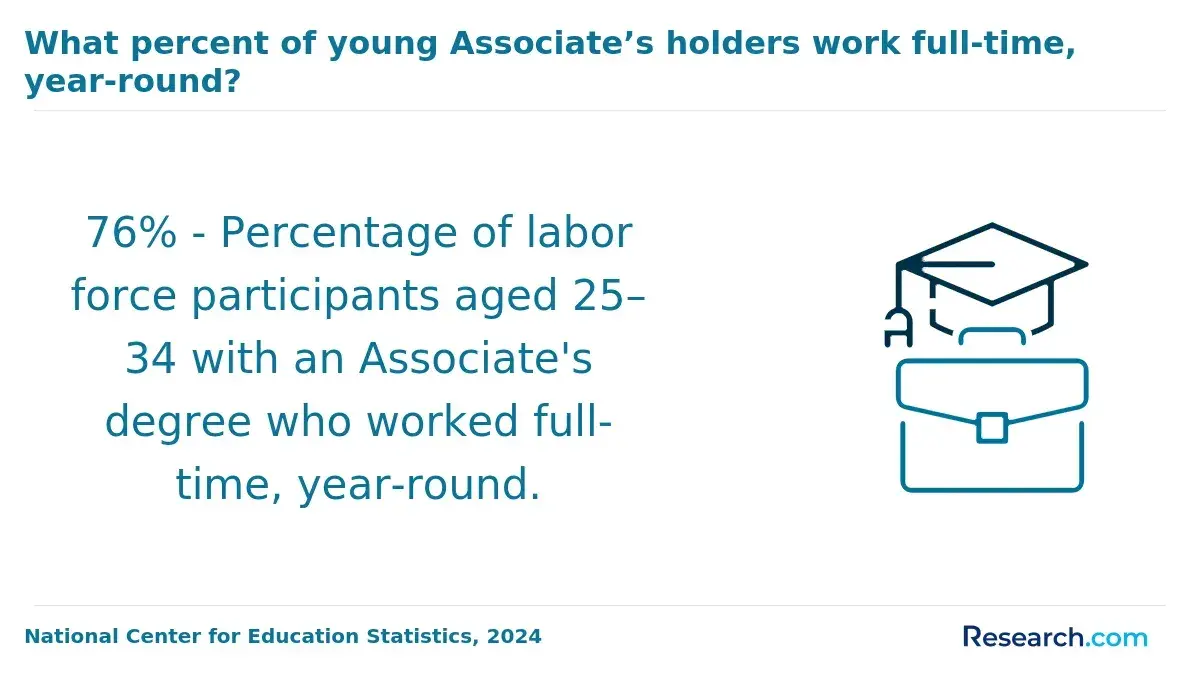
Adult learners, by contrast, navigate a vastly different set of hurdles shaped by their life circumstances. With ongoing full-time employment, family care duties, and other external commitments, their capacity to allocate regular and focused time to academic work is constrained, with nearly 68% reporting difficulties in managing these demands simultaneously according to the 2024 Adult Learner Success Survey by the Lumina Foundation. Additionally, returning to an academic environment after time away presents challenges related to adapting to current digital platforms and theory-heavy coursework that may feel disconnected from their applied professional experience, complicating engagement and progression through the Entrepreneurship curriculum.
These divergent challenges necessitate that institutions tailor support services and learning structures to suit each population's needs, such as offering flexible scheduling, digital literacy resources, and targeted advising. The ability of programs to adapt around these distinct barriers directly influences completion rates and long-term employability outcomes. Recognizing the lifecycle and resource constraints specific to traditional and adult students enables more effective program design that respects the interplay between academic demands and the multifaceted realities students face outside the classroom.
How Does Age Affect Entrepreneurship Degree Student Retention?
Entrepreneurship students in the traditional college-age bracket, typically 18 to 24, often face retention challenges linked to adapting to academic rigor and campus culture. Many in this group enter higher education with unclear career focus, which can affect their motivation and early engagement with program demands. Their experience is further complicated by balancing social pressures and navigating the transition from high school to more self-directed learning environments. According to the National Student Clearinghouse Research Center (2024), retention rates for this age group lag 10-15% behind those of older students, underscoring the impact of these adjustment factors on persistence.
Older entrepreneurship students generally demonstrate stronger goal clarity, driven by specific career objectives or the desire to implement real-world business ideas, which supports higher retention. However, these students balance their studies alongside full-time employment, family care, and other responsibilities, making flexibility in course design and scheduling critical to their persistence. Their prior work experience also reinforces the relevance of the curriculum, yet external commitments can restrict consistent academic engagement. Institutions that provide tailored support systems such as mentorship and applied learning opportunities improve the likelihood of completion for these learners.
One entrepreneurship graduate in their early 30s recalled grappling with the college's rolling admissions timeline while managing a new business and family obligations. They hesitated to apply immediately, weighing the risk of delaying entry against the pressure of deadlines and financial aid limits. After several weeks of uncertainty, the graduate submitted an application close to the cutoff, relieved to secure a spot that allowed part-time enrollment and remote study options. This flexibility was essential in bridging the gap between their entrepreneurial ambitions and practical constraints, illustrating how timing and support profoundly affect retention outcomes for adult learners.
Which Entrepreneurship Specializations Are Most Popular Among Adult Learners?
Adult learners select entrepreneurship specializations that align with immediate career benefits, often prioritizing practical skillsets over purely theoretical knowledge. These students, frequently juggling existing businesses or established careers, gravitate toward fields that enable quick application of expertise for salary growth, business expansion, or industry pivots. This pragmatic approach contrasts with traditional-aged students, whose specialization choices may reflect longer-term exploration.
Among the most popular entrepreneurship degree fields for mature students is small business management, which appeals due to its direct relevance in managing finances, operations, and marketing within established or start-up ventures. Specializations rooted in digital entrepreneurship also draw adult learners aiming to capitalize on burgeoning online markets and flexible schedules, providing skills in e-commerce and digital marketing essential for modern enterprise scaling.
- Small Business Management: The dominant choice for adult learners, this specialization leverages existing professional or entrepreneurial experience, focusing on competencies critical to business ownership and growth. It directly supports salary advancement and operational leadership roles.
- Digital Entrepreneurship: Favored for its adaptability and growth in the digital economy, this specialization enables learners to integrate technological innovations and online business strategies into their career transitions or expansions.
- Social Entrepreneurship: Attracts those driven by mission-oriented goals, blending profit with community impact. This track suits adult learners seeking to realign career purpose with societal challenges and social innovation.
- Innovation and Venture Creation: Offers pathways for those intending to launch scalable startups, emphasizing venture development skills that enhance attractiveness to investors and accelerate market entry.
- Family Business Management: Provides tools tailored to sustaining and modernizing multigenerational enterprises, a specialization relevant for adults managing inherited or legacy businesses.
Data from the National Center for Education Statistics (NCES, 2024) highlights that approximately 42% of adult learners in entrepreneurship programs enroll in small business management specializations, underscoring a preference for immediate, business-focused skills over broader or less applied topics. This trend reflects adult learners' practical focus on workforce transition and upskilling that translates into tangible results.
Choosing entrepreneurship specializations with direct applicability aids in meeting employer expectations that increasingly favor candidates combining domain experience with entrepreneurial acumen. For adult learners, this alignment supports long-term career viability and mitigates risks associated with retraining or sector changes.
For those balancing diverse responsibilities, selecting programs like a human services online program alongside entrepreneurship studies can sometimes broaden career options by complementing core skills with community-focused competencies.
How Does Age Affect Job Opportunities for Entrepreneurship Graduates?
Younger entrepreneurship graduates often benefit from employer expectations that favor adaptability and technological fluency, making them more likely to access structured entry-level roles that emphasize skill development. These positions frequently exist within startup environments or corporate innovation functions where employers prioritize fresh perspectives and foundational training. According to the 2024 National Center for Education Statistics report, nearly 65% of entrepreneurship graduates under 25 secured entry-level entrepreneurial roles within six months of graduation, illustrating a clear early-career positioning advantage. This dynamic highlights how age impact on entrepreneurship graduate job prospects manifests through the availability of entry points shaped by employers seeking to cultivate long-term talent pipelines.
In contrast, adult learners approaching entrepreneurship degree completion bring prior work experience that influences hiring outcomes in more complex ways. Their career transition goals often focus on leveraging transferable skills for consultancy, self-employment, or leadership roles rather than entry-level positions. However, some employers may perceive older graduates as less flexible or less inclined to assume junior responsibilities, limiting access to certain entrepreneurial incubators or staff roles. The 2024 Bureau of Labor Statistics analysis found adult entrepreneurship graduates were 20% more likely to pursue self-employment within a year, reflecting these workforce segmentation patterns. Prospective students evaluating job opportunities for entrepreneurship degree holders by age should consider how program accessibility and network development-such as exploring options through online colleges starting this month-intersect with these labor market realities.
What Do Current Entrepreneurship Enrollment Trends Reveal About Future Demand?
Shifts in enrollment within entrepreneurship degree programs reveal evolving student priorities, highlighting increased interest beyond traditional college-age demographics. Adult learners, driven by career transitions and skill diversification, now comprise a rapidly growing segment, reflecting a recognition that entrepreneurial competencies are valuable across career stages. Data from the 2024 National Center for Education Statistics shows adult enrollment growing 18% over two years, outpacing the 5% rise among traditional students. This trend suggests that entrepreneurship education is viewed not only as an early-career credential but also as a practical tool for mid-career innovation and self-employment, influencing how institutions design flexible and applied learning pathways.
These enrollment patterns correlate strongly with broader labor market signals, such as increasing demand for adaptable business skills amid technological disruption and sectoral expansion. Employers seek graduates who combine theoretical knowledge with applied experience, often found in adult learners with industry backgrounds. The growth in online and hybrid entrepreneurship programs aligns with workforce needs for accessible, continuous learning models that accommodate working professionals. Consequently, program growth and specialization are likely to focus on areas intersecting with technology, social enterprise, and innovation management, aligning with persistent workforce shortages and evolving economic demands documented in recent labor market analyses.
References
- What Degree is Best for Entrepreneurship? - Top 5 Best Degrees | Nexford University https://www.nexford.edu/insights/what-degree-is-best-for-entrepreneurship
- Why Do Adults Go Back to School? | University of Bridgeport https://www.bridgeport.edu/news/reasons-why-adults-go-back-to-school/
- The Best Degrees for Entrepreneurs https://www.umassglobal.edu/blog-news/best-degrees-entrepreneurs
- Challenges Facing Adult Learners - Asher College https://asher.edu/challenges-facing-adult-learners/
- The Benefits of College for Adult Learners - ReUp Education https://reupeducation.com/blog/the-benefits-of-college-for-adult-learners/
- Adult students present unique challenges for two-year colleges https://www.ruffalonl.com/adult-students-present-unique-challenges-two-year-colleges/
- The End of the Traditional Student Era: Higher Ed’s New Enrollment Reality - Collegis Education https://collegiseducation.com/insights/end-of-traditional-student-era/
- Adult Postsecondary Learners: Reviewing the Data and Evidence https://www.jff.org/idea/adult-learners/
- The Future of Entrepreneurship: Global Trends 2022+ | Skees Family Foundation https://www.skees.org/story/the-future-of-entrepreneurship-global-trends/
- Is entrepreneurship a good major for college? – All Bachelor Degrees https://allbachelordegrees.com/degrees/is-entrepreneurship-a-good-major-for-college/
Other Things You Should Know About Entrepreneurship
In 2027, traditional students prefer in-person classes to benefit from peer collaboration, while adult learners opt for flexible, online formats to balance work and family commitments, reflecting their need for asynchronous learning opportunities.
Traditional students generally handle denser, faster-paced coursework suited to a full-time study schedule, while adult learners often require part-time or extended timelines due to external responsibilities. Accelerated programs may offer quicker entry into the job market but can overwhelm adult learners balancing multiple roles, potentially impacting retention and mastery of complex business concepts. Prospective adult students should evaluate program flexibility carefully, balancing speed against the quality of learning and stress management.
Employers often view traditional students as candidates for entry-level entrepreneurial roles or internships, emphasizing adaptability and foundational knowledge. Adult learners, especially those with prior work experience, tend to be assessed on integrated business acumen and leadership readiness, expecting application of learned concepts to practical ventures. Adult students should select programs emphasizing strategic decision-making and real-world project experience, while traditional students might focus on programs that develop entrepreneurial mindset and innovation skills foundational to early career growth.
Traditional students usually benefit from campus resources like incubators, pitch competitions, and mentorship programs, which can accelerate venture creation and funding access. Adult learners may face limited access to these in-person opportunities but can leverage specialized online platforms and local entrepreneurial ecosystems if programs provide such connections. When choosing entrepreneurship programs, adult learners should prioritize those with strong practitioner networks and virtual supports, while traditional students should weigh the value of direct engagement in institutional innovation hubs.