2027 Entrepreneurship Student Debt Report: Borrowing, Monthly Payments, and Repayment Risk

Co-Founder and Chief Data Scientist
Entrepreneurship programs often demand unique investments beyond tuition, such as prototyping materials, business model development, and extended fieldwork that shape borrowing behavior distinctively. These factors, combined with variable income streams typical of early-stage ventures, influence both monthly payment capacities and long-term repayment risks. For instance, 2024 National Center for Education Statistics data reveals entrepreneurship graduates frequently enter fluctuating labor markets, impacting debt servicing timelines.
Additionally, the prevalence of non-traditional and older students in these programs suggests diverse financial strategies and repayment approaches compared to traditional cohorts. This article examines borrowing patterns, payment expectations, and repayment challenges within entrepreneurship education, considering these program-specific realities and demographic influences.
Key Things to Know About Entrepreneurship Student Debt
- Entrepreneurship student debt often leads to extended repayment periods, increasing overall interest paid; students must weigh early borrowing limits against future financial flexibility to avoid long-term cost spikes.
- Employers increasingly scrutinize debt-to-income ratios in startup hires, making high student debt a tangible barrier to securing seed funding or leadership roles, emphasizing cautious borrowing aligned with career progressions.
- Monthly repayments frequently begin soon after graduation, limiting cash flow during critical venture formation stages; this timing mismatch pressures graduates to balance debt service with reinvestment needs, affecting business scalability.
- Key Things to Know About Entrepreneurship Student Debt Key Things to Know About Entrepreneurship Student Debt
- How Much Student Loan Debt Do Entrepreneurship Graduates Typically Have at Graduation? Average Studen Loan Debt
- What Factors Have the Biggest Impact on Entrepreneurship Student Loan Debt? Student Debt Key Factors
- What Is the Average Monthly Student Loan Payment for Entrepreneurship Graduates? Average Monthly Payment
- How Do Repayment Rates Compare Between Public and Private Institutions? Public vs. Private Institution Repayment Rates
- Do Online Entrepreneurship Graduates Have Different Repayment Outcomes Than Campus-Based Students? Online vs. On-Campus Student Loan Repayment
- Which Industries Provide the Best Financial Return Relative to Borrowing Costs? Which Industries Provide the Best Financial Return Relative to Borrowing Costs?
- Does Student Debt Affect Which Jobs Entrepreneurship Graduates Accept? Does Student Debt Affect Which Jobs Entrepreneurship Graduates Accept?
- What Factors Increase Student Loan Repayment Risk for Entrepreneurship Graduates? Loan Repayment Risk Factors
- How Can Entrepreneurship Students Reduce Student Loan Debt While Earning Their Degree? Tips to Reduce Student Debt
- How Should Prospective Students Evaluate Borrowing Risk Before Enrolling? Evaluating Student Debt Risk
How Much Student Loan Debt Do Entrepreneurship Graduates Typically Have at Graduation?
Recent data from 2024 sources like the National Center for Education Statistics reveal that student loan debt among entrepreneurship graduates typically falls in the $20,000 to $35,000 range at graduation. This reflects borrowing amounts common to business-related programs but also underscores variability influenced by institutional type and geographic factors. These averages mask nuanced differences, as some students borrow significantly less due to financial aid or part-time enrollment, while others face higher debt burdens tied to private institutions or out-of-state tuition rates.
The variation in average borrowing amounts for entrepreneurship students hinges on several key elements. Public versus private institution pricing remains a major factor, with private colleges often commanding substantially higher tuition that increases debt loads. In-state students typically accrue less debt than their out-of-state counterparts due to differential tuition policies, while availability of scholarships, grants, or employer tuition assistance plays a crucial role in reducing reliance on loans. Furthermore, part-time versus full-time enrollment and program duration affect both total borrowing and the timing of repayment.
These differences in student loan debt carry practical consequences beyond initial educational investment. Graduates' repayment capacity can be complicated by the irregular income patterns common among entrepreneurial careers, where cash flow fluctuations challenge consistent loan servicing. Income-driven repayment plans offer flexibility but may extend repayment periods and increase interest accrued, affecting long-term financial stability. Careful consideration of borrowing levels relative to expected earnings and job market realities-including comparison to the highest paying jobs-is essential for informed decision-making and minimizing debt stress after graduation.
What Factors Have the Biggest Impact on Entrepreneurship Student Loan Debt?
Student loan debt for entrepreneurship students results from a complex interplay between institutional pricing frameworks and individual financial circumstances rather than a singular factor. Variations in borrowing reflect differences in how educational programs are structured, the accessibility of financial aid, student enrollment choices, and regional living costs. Understanding these multiple, overlapping drivers offers clearer insight into why entrepreneurship student loan borrowing differences by institution type remain significant.
- Institution Type and Selectivity: Private and highly selective institutions typically charge substantially higher tuition than public universities, directly amplifying borrowing needs among entrepreneurship students. The National Center for Education Statistics' 2024 data shows that students attending private for-profit entrepreneurship programs carry approximately 40% more debt on average than their counterparts at public universities, illustrating how institutional pricing systems shape borrowing patterns.
- Program Length and Enrollment Format: Entrepreneurship degree programs embedded within MBA or dual-degree tracks increase duration and cost, prompting longer-term borrowing. Part-time or non-traditional enrollment, common for working students, often leads to extended time-to-degree completion, compounding tuition and living expenses and escalating total debt levels.
- Geographic Location and Living Expenses: Entrepreneurship students studying in metropolitan areas face elevated housing, transportation, and personal costs, significantly inflating borrowing needs. These higher living expenses, when combined with startup-related investments students often undertake during their studies, exacerbate total debt beyond tuition alone.
- Financial Aid Availability and Socioeconomic Background: Access to scholarships or family support significantly impacts borrowing behavior. Students from lower-income households or underrepresented groups, who often lack robust aid options, depend more heavily on loans. A 2024 Federal Reserve Bank study highlights that entrepreneurship students from low-income families carry roughly 25% higher debt compared to peers from more affluent backgrounds, reflecting systemic equity challenges in education financing.
- Career Outcomes and Repayment Prospects: The variable and uncertain income trajectory typical for entrepreneurship roles influences borrowing decisions and repayment risk. Without consistent early-stage earnings, students accumulate debt in a context of financial unpredictability, underscoring the importance of prudent debt management and realistic planning tailored to entrepreneurship's unique economic realities.
For students weighing how program choices affect debt, it is important to consider how these structural factors intersect rather than operate in isolation. This nuanced understanding is crucial when comparing costs across degree types, including fields outside entrepreneurship such as those detailed in the game design and development degree landscape, where program format and institutional pricing similarly drive borrowing levels.
What Is the Average Monthly Student Loan Payment for Entrepreneurship Graduates?
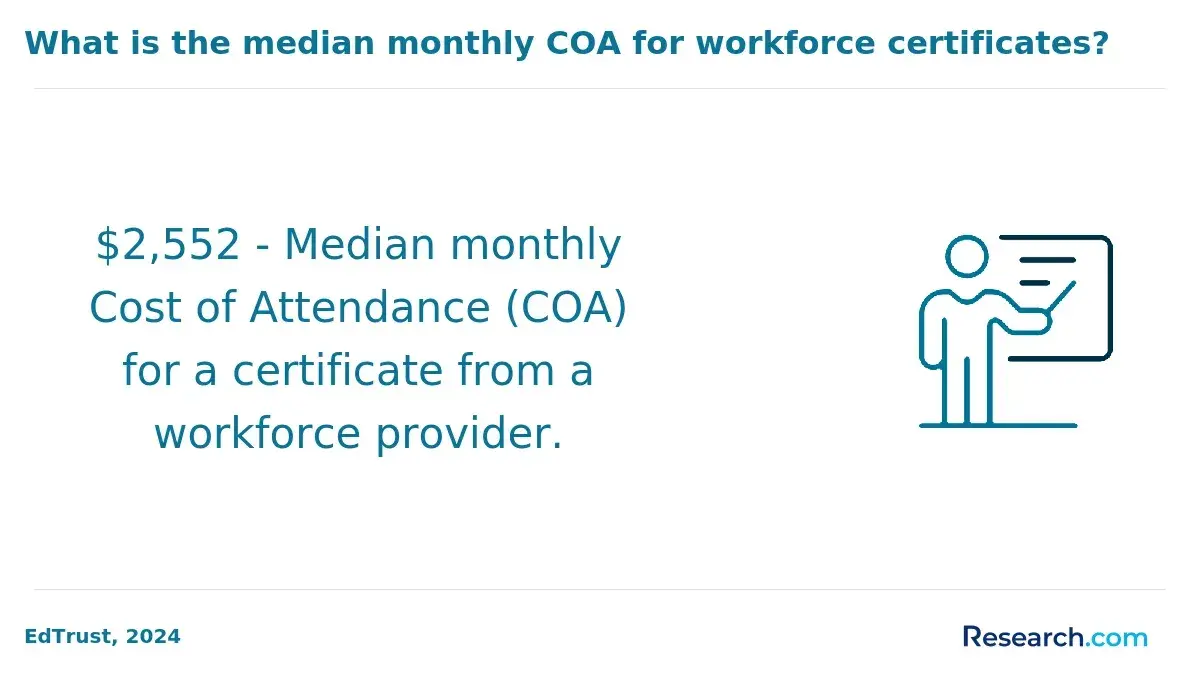
Data from 2024 sources such as the U.S. Department of Education and the Federal Reserve indicate entrepreneurship graduates typically encounter monthly student loan payments ranging from approximately $250 to $450. This span reflects aggregate borrowing sizes and diverse repayment approaches, rather than a uniform figure. Because entrepreneurial income can be volatile, many graduates' payment amounts adjust to their financial realities, making this range an estimate influenced by loan principal, accrued interest, and repayment timelines. Those entering higher-paying roles or stable business environments may handle payments at the upper end, whereas others relying on income-driven plans may see reduced monthly obligations that fluctuate with earnings.
Variations in monthly payments primarily stem from the original loan balance, the selected repayment option, and post-graduation income level. Standard repayment plans require consistent payments that often lead to shorter payoff periods but higher monthly costs. Conversely, income-driven repayment structures lower monthly payments in line with fluctuating revenue but tend to increase overall interest accumulation and extend the debt horizon. Graduates with larger loan balances or slower initial income growth face greater financial strain, while those who carefully manage borrowing and align repayment plans with entrepreneurial earnings typically maintain sustainable payment levels. This dynamic interplay between debt size, repayment design, and income variability defines why student loan payments differ substantially among entrepreneurship graduates.
One entrepreneurship graduate recalled wrestling with the rolling admissions process, uncertain when to finalize applications while juggling part-time work and startup efforts. They delayed submitting materials to improve essays but worried this might push them past priority deadlines. Eventually, they submitted just before a cutoff, relieved to begin repayment planning early despite the uncertainty. Their experience underscored how timing and preparedness not only affect admission outcomes but also the financial strategies needed to manage future loan obligations effectively.
How Do Repayment Rates Compare Between Public and Private Institutions?
Recent data from the U.S. Department of Education's College Scorecard indicates that entrepreneurship graduates from public universities demonstrate higher student loan repayment rates within three years of leaving school compared to their private institution peers. Approximately 55% of graduates from public institutions show a reduction in loan balances during this period, versus about 48% for those from private colleges. Correspondingly, Federal Reserve findings reveal lower default rates among public university entrepreneurship alumni, around 8% within five years after graduation, compared to nearly 12% for private institution graduates. These figures illustrate tangible variance in early repayment success linked to the type of institution attended, underscoring the need to look beyond brand or perceived prestige when assessing financial outcomes.
The divergence in repayment rates largely stems from differences in tuition costs, borrowing amounts, income trajectories, and available financial support services. Private colleges generally impose higher tuition, resulting in elevated debt burdens that challenge graduates' repayment capacity. Meanwhile, entrepreneurship graduates from public universities often enter the labor market with moderately higher starting salaries, which enhances their ability to manage and decrease loan balances more swiftly. Additionally, public institutions typically provide more robust financial literacy counseling and structured repayment planning, factors that contribute to better borrower behavior among their alumni. Although some private programs may offer strong networks or brand value, these advantages do not consistently translate into improved loan performance when weighted against debt levels and post-graduate earnings.
The long-term consequences of these repayment disparities extend beyond immediate financial stress, influencing graduates' economic mobility and perceptions of educational value. Higher debt burdens coupled with lower repayment rates can limit career flexibility and investment in entrepreneurial ventures due to ongoing financial obligations. Moreover, repayment outcomes reflect institutional accountability and the practical return on investment for students navigating student loan commitments. For entrepreneurship students, understanding these dynamics is critical in evaluating program affordability and realistic financial expectations after graduation, emphasizing the importance of aligning educational choices with tangible economic returns rather than institutional reputation alone.
Do Online Entrepreneurship Graduates Have Different Repayment Outcomes Than Campus-Based Students?
Repayment rates for graduates of entrepreneurship programs show notable variation between public and private institutions, reflecting differences in financial environments and student outcomes. Data analyzed by the National Center for Education Statistics in early 2024 reveals that 64% of entrepreneurship graduates from private colleges are making steady progress on loan repayment two years after entering repayment, compared to 53% from public universities. These figures highlight a significant gap that goes beyond simple institutional categorization. This disparity aligns with broader research on online entrepreneurship graduate loan repayment rates, which consistently indicate that private institution graduates often have more favorable repayment outcomes than their public counterparts.
The underlying drivers of these repayment differentials include variations in tuition pricing, average borrowing levels, and graduate earnings. Private institutions often have higher sticker prices but provide more targeted financial aid or scholarships that can reduce net debt burdens. Additionally, graduates from private colleges generally report stronger employment outcomes linked to robust alumni networks and career services, which translate into higher starting salaries and more stable income streams. These factors create a more advantageous debt-to-income dynamic for private graduates, enabling quicker loan amortization and less repayment stress. Conversely, public university students frequently carry moderate debt but may face lower post-graduation earnings and less established professional connections, complicating their repayment trajectories in entrepreneurship fields.
These differences in repayment performance have important implications beyond loan management, influencing long-term financial mobility and perceptions of institutional value within entrepreneurship education. Higher repayment rates at private colleges can signal greater accountability and economic return on investment, shaping both prospective student decisions and policymaker evaluations of program effectiveness. Understanding these nuanced repayment patterns encourages students to weigh institutional qualities and economic realities alongside tuition and program flexibility when estimating future debt risk. For those exploring educational options aligned with personal circumstances, reviewing resources like the best degrees for single moms can provide additional insight into how repayment and career outcomes intersect across delivery formats and demographic groups.
Which Industries Provide the Best Financial Return Relative to Borrowing Costs?
Financial returns for entrepreneurship graduates vary considerably across industries and hinge on the interaction between income trajectories and prevailing student debt levels. Evaluating return on investment requires looking beyond initial salaries to how quickly earnings can outpace borrowing costs and support sustainable loan repayment. Industries differ not only in median compensation but also in hiring demand, career advancement speed, and stability, which collectively influence graduates' ability to offset typical entrepreneurship program debt, commonly ranging from $30,000 to $40,000.
- Technology: This sector consistently ranks highly for financial return due to strong entry salaries and rapid salary growth, which mitigate repayment pressure. Median starting incomes near $65,000 enable healthier loan-to-income ratios, supporting manageable monthly payments even with moderate borrowing. Robust demand for tech skills also accelerates hiring and promotion, enhancing early-career cash flow.
- Finance: With median starting salaries around $60,000, finance roles present reliable paths for debt servicing through steady income and clear advancement ladders. Employers often reward performance with timely salary increases, making it easier to reduce principal balances quickly. However, credit market fluctuations can affect hiring cycles, which slightly modulates risk.
- Healthcare Entrepreneurship: Positions in healthcare administration and related management fields generally provide stable earnings above $55,000, aiding in consistent loan repayment capability. Given ongoing expansion in healthcare delivery, demand for entrepreneurial skills in this area ensures sustained employability, though wage growth tends to be moderate compared to tech or finance.
- Arts and Small Business Consulting: While attractive for their alignment with entrepreneurial interests, these fields often begin with lower pay that falls short of effectively counterbalancing typical borrowing levels exceeding $35,000. Slower income growth and less predictable demand increase the likelihood of extended repayment timelines and heightened debt stress.
Data from the National Center for Education Statistics in 2024 highlights the critical role of industry choice in managing loan repayment risks. Graduates who target sectors with above-average starting salaries and strong growth opportunities are better positioned to minimize long-term financial burdens associated with entrepreneurship education funding.
Does Student Debt Affect Which Jobs Entrepreneurship Graduates Accept?
High levels of student debt critically shape the employment choices entrepreneurship graduates make immediately after graduation, especially in terms of salary expectations and loan repayment demands. Graduates carrying average debts above $35,000 often face monthly loan payments of several hundred dollars, requiring jobs that offer reliable and sufficiently high income streams rather than positions with uncertain or delayed compensation. This necessity pushes many toward roles in established corporations or government sectors that can ensure steady paychecks and benefits, sidelining early-stage startups or self-employment opportunities where income volatility could jeopardize meeting repayment obligations. According to the National Center for Education Statistics 2024 report, nearly 62% of entrepreneurship graduates with student debt prioritize stable income over entrepreneurial ventures, underscoring how financial liabilities act as a direct influence on initial employment decisions.
Beyond immediate salary needs, debt burdens impose broader behavioral and structural constraints on career mobility and industry selection. Graduates with heavier loan loads are less likely to geographically relocate or accept roles in sectors notorious for lower initial pay or unpredictable earnings, narrowing their job market options considerably compared to low-debt peers. This economic pressure can stunt experiential learning and entrepreneurial risk-taking critical for long-term innovation, as graduates focus on financial stability over career growth potential. Furthermore, the debt-to-income ratio fosters a risk-averse employment mindset, where tangible benefits such as health insurance and retirement plans gain precedence, reinforcing a pattern of conservative labor market behavior that may persist beyond early career stages.
One entrepreneurship graduate described the challenge of navigating job offers amid steep student debt: having planned to launch a startup after graduation, they hesitated because loan repayments began immediately. During this critical decision period, the graduate felt pressure to quickly accept a corporate job offering reliable income to avoid defaulting on loans. Despite initial reluctance, the graduate recognized that without securing a stable income first, their entrepreneurial goals would remain out of reach. The timing and uncertainty around acceptance and funding options during rolling admissions added to the stress, ultimately shaping a pragmatic approach that balanced debt obligations with the aspiration to return to entrepreneurship later.
What Factors Increase Student Loan Repayment Risk for Entrepreneurship Graduates?
Student loan repayment risk for entrepreneurship graduates arises from several interconnected financial, academic, and labor market factors rather than a single cause. This risk is fundamentally shaped by both the amount of debt accumulated during education and the stability or variability of earnings following graduation. Repayment challenges intensify when income volatility intersects with high borrowing levels, creating a complex repayment environment unique to entrepreneurship degree holders.
- Income Variability and Employment Stability: Entrepreneurship graduates frequently engage in early-stage startups or freelance work where income is unpredictable and often uneven. This irregular cash flow complicates consistent loan repayments and increases the likelihood of missed or deferred payments, especially without traditional employer-backed support.
- High Debt Relative to Earnings Potential: Programs in entrepreneurship vary significantly in cost, and some students accumulate debt disproportionate to realistic early-career income. The National Center for Education Statistics reports that business-related fields, including entrepreneurship, face an 8% higher student debt default rate than the national average, emphasizing amplified financial strain in this discipline.
- Competing Financial Obligations: Graduates often balance loan repayment with reinvestment into startups or ongoing business expenses. These simultaneous financial demands reduce available funds for servicing debt principal, thus prolonging repayment periods and increasing overall risk.
- Lack of Employer Repayment Benefits: Unlike traditional salaried roles, many entrepreneurship graduates operate in self-employed or contract positions that do not offer loan repayment assistance programs. This absence removes a key financial safety net, heightening vulnerability during periods of income fluctuation.
These factors combine to elevate repayment risk levels for entrepreneurship graduates compared to more traditional career tracks, underscoring the importance of carefully balancing borrowing levels against expected earning stability and career pathways. Prospective students should weigh these risks alongside prospective program costs and labor market realities, similar to considerations made by students in other fields such as those exploring an architecture degree.
How Can Entrepreneurship Students Reduce Student Loan Debt While Earning Their Degree?
Reducing student loan debt while pursuing an entrepreneurship degree requires proactive financial planning combined with strategic academic and work decisions. Debt management is not simply about minimizing expenses; it involves leveraging institutional resources, optimizing course selection to accelerate completion, and integrating work experience that offsets costs. An informed approach to enrollment and aid utilization shapes borrowing levels and long-term repayment risks to a significant degree. According to the National Center for Education Statistics in 2024, nearly 60% of entrepreneurship undergraduates carry loans, averaging $28,000 in debt at graduation, emphasizing the critical need for deliberate debt reduction strategies.
- Prioritize Part-Time Employment or Internships: Engaging in relevant work during study terms can reduce reliance on loans by covering living costs and enhancing practical skills valued by employers. Startups and small businesses often favor candidates with hands-on experience, allowing students to fund expenses without increasing debt, while improving job prospects post-graduation.
- Select Cost-Effective Institutions: Beginning coursework at community colleges or state universities before transferring to a four-year program can cut total tuition expenses substantially. This academic pathway, supported by the 2024 Education Data Initiative, can lower debt burdens by up to 40%, making it a pragmatic tradeoff between institutional prestige and affordability.
- Maximize Scholarship and Grant Applications: Targeted financial aid specifically for entrepreneurship students directly reduces loan amounts needed. Aggressively pursuing discipline-specific scholarships fills funding gaps that generic aid does not, thereby shrinking overall borrowing.
- Leverage Federal Work-Study Programs: These programs offer paid employment opportunities that cover part of educational costs, integrating academic schedules with income generation. Proper use of work-study can reduce loan dependence while fostering time management and professional skills.
- Streamline Academic Progression: Efficient course planning and avoiding excess credits shorten time to degree completion, limiting exposure to additional tuition and living expenses. This also minimizes interest accumulation on borrowed funds, helping contain overall debt.
- Incorporate Strategic Academic Choices: Selecting courses and concentrations aligned with market demand enhances employability and potential earnings post-graduation, indirectly easing repayment challenges. Understanding industry expectations and tailoring education accordingly can reduce the financial risk linked to entrepreneurship degrees.
Entrepreneurship students weighing educational costs can also benefit by exploring adjacent areas like degrees for paralegals, which provide comparative insight into labor market dynamics and debt implications across professional programs. Thoughtful planning across financial aid opportunities, work integration, and academic choices empowers students to minimize borrowing and mitigate long-term debt risk while completing their entrepreneurship education.
How Should Prospective Students Evaluate Borrowing Risk Before Enrolling?
Evaluating borrowing risk before enrolling in an Entrepreneurship degree is critical to understanding the long-term financial impact of education costs versus anticipated earnings. This balance hinges on total expected debt relative to post-graduation income stability, which can vary significantly in entrepreneurial careers. Given that entrepreneurship graduates face a near 15% repayment difficulty rate within three years, careful assessment of borrowing and repayment capacity is essential to avoid unsustainable debt.
- Program Cost Transparency: Obtain detailed data on tuition, fees, and ancillary expenses to accurately calculate total debt exposure. Institutional reporting of median debt and default rates provides a baseline for risk assessment.
- Expected Earnings and Income Volatility: Analyze starting salaries and income variability unique to entrepreneurship roles, considering delayed or inconsistent earnings from self-employment that may affect repayment ability.
- Repayment Timelines and Flexibility: Review the terms of loan repayment, including grace periods, deferment options, and forgiveness programs relevant to graduates pursuing entrepreneurial paths.
- Alternative Funding and Debt Reduction Strategies: Explore scholarships, income-sharing agreements, or part-time work to minimize reliance on traditional loans and reduce overall debt burden.
- Career Path Realities and Employment Outcomes: Evaluate data on post-graduation employment rates in entrepreneurship or related sectors to estimate the feasibility of meeting repayment obligations based on realistic job market absorption.
- Long-Term Financial Projections: Incorporate scenarios reflecting business success probability, potential income growth, and economic fluctuations affecting entrepreneurial ventures when modeling debt repayment.
By systematically weighing these factors against personal financial capacity, prospective students can better discern whether an Entrepreneurship program's debt commitment aligns with their ability to manage repayment, thereby making more informed enrollment decisions.
References
- Average Student Loan Debt in 2025: Trends and Statistics https://www.businessinsider.com/personal-finance/student-loans/average-student-loan-debt
- Effects of Student Loan Debt on Economy [2026]: Data Analysis https://educationdata.org/student-loan-debt-economic-impact
- Risk-sharing: An efficient mechanism for funding student loan safety nets | Brookings https://www.brookings.edu/articles/risk-sharing-an-efficient-mechanism-for-funding-student-loan-safety-nets/
- 55 Trending Business Ideas for 2025 and Beyond https://www.uschamber.com/co/start/business-ideas/top-trending-business-ideas
- The Impact of Student Loan Debt on Small Business Formation https://www.philadelphiafed.org/the-economy/the-impact-of-student-loan-debt-on-small-business-formation
- Starting a Business While Paying Off Student Loan Debt | ELFI https://www.elfi.com/starting-a-business-with-student-loans/
- Starting a business is hard. With student debt, it can be impossible https://www.cnbc.com/2018/10/22/starting-a-business-when-you-have-student-loans-can-be-a-challenge.html
- Research Roundup: The Student Debt Crisis is a Crisis for Small Businesses and Entrepreneurship - Protect Borrowers https://protectborrowers.org/smallbiz_studendebt/
- Postgraduate Student Finance Guide | Walbrook https://www.walbrook.ac.uk/degrees/studying-with-us/applying-for-a-degree/postgraduate-masters-loan-uk/
- Graduate Student Loans https://www.nelnetbank.com/graduate-student-loans
Other Things You Should Know About Entrepreneurship
Entrepreneurship programs differ significantly in how well they prepare graduates for immediate income generation or sustainable business success, which directly impacts loan repayment ability. Programs focused on practical startup skills and real-world networking tend to reduce default risk since graduates can build viable ventures or secure relevant jobs faster. Conversely, programs that emphasize theory with limited experiential opportunities may leave students underprepared for financial independence, increasing the risk of missed payments and default. Prospective students should prioritize programs with strong alumni entrepreneurship outcomes and integrated support systems, as these factors improve repayment likelihood.
Yes, prioritizing lower debt can be a strategic choice, especially given the unpredictable income trajectory common in entrepreneurship careers. Less prestigious or smaller programs often come with lower tuition and less borrowing, which reduces financial strain if initial business ventures do not succeed quickly. Since entrepreneurship earnings can be highly variable, minimizing initial debt can ease monthly payment pressures and reduce long-term repayment risk. We recommend students weigh the modest prestige premium against guaranteed debt levels, favoring affordability if the program still offers solid practical training.
Unlike disciplines with clear corporate career paths, entrepreneurship graduates face diverse and less predictable employer expectations, often balancing new ventures with part-time work or consulting. This inconsistent employment landscape can make steady monthly loan payments challenging, especially early on. Graduates should plan for flexible repayment options that accommodate income variability, including income-driven repayment plans or deferments. Understanding and anticipating this patchwork income is crucial for managing loan obligations without jeopardizing entrepreneurial efforts.
Experiential learning-such as internships, incubators, and real startup projects-is critical in lowering repayment risk by directly linking education to income opportunities. Students who engage in hands-on ventures tend to build practical skills and networks that increase post-graduation earnings or business viability. This real-world training reduces the chance of loan default by facilitating income streams much earlier. We advise students to prioritize programs embedding experiential elements highly, as this directly correlates with improved financial outcomes and sustainable repayment capacity.