2027 Library and Information Science Specializations With the Strongest Salary Growth

Co-Founder and Chief Data Scientist
Professionals aiming to pivot within library & information science face mounting pressure to choose specializations that align with robust salary growth amid tightening budgets and shifting employer demands. A 2024 National Center for Education Statistics report shows a 28% surge in online master's enrollment for information science, reflecting a shift towards more flexible learning formats that accommodate working adults balancing career advancement with personal obligations.
This transition reshapes timing and accessibility but complicates selecting pathways with clear financial upside. This article identifies the library & information science specializations offering the strongest salary growth, helping readers navigate tradeoffs between education models, workforce demand, and long-term earnings potential.
Key Things You Should Know
- Data curation and digital preservation specialists report a 12% salary increase from 2023 to 2025, driven by public and private sectors prioritizing long-term data integrity, yet requiring costly certification investments delaying ROI.
- Employers increasingly demand expertise in AI and machine learning applications within library science, causing a pivot toward interdisciplinary skills that paradoxically narrows traditional LIS roles and elongates job placement timelines.
- Health information management roles exhibit the fastest wage growth - up 15% nationally per Bureau of Labor Statistics - reflecting rising health data regulations but imposing substantial prerequisite clinical knowledge barriers.
Which library and information science specializations show the fastest salary growth today?
Salary gains within library and information science specializations with highest salary growth are concentrated in data curation, digital asset management, and information security roles. These positions demand more advanced technical skills and offer premiums ranging from 10% to 25% above the median librarian wage of $64,320 reported by the Bureau of Labor Statistics.
For instance, data curation professionals managing large-scale, research-driven digital repositories in academic or government settings typically earn 15% to 25% more due to the expertise required to maintain complex digital archives.
Information security specialists focused on data privacy compliance such as HIPAA and GDPR show some of the fastest growing salary fields in library and information science careers, with pay projections 20% above standard librarian salaries. These roles often necessitate additional certifications and blend IT skills with traditional library functions, aligning with the market's push toward cybersecurity awareness.
Digital asset managers working with multimedia preservation and digital rights management also experience accelerated salary growth of 10% to 18%. Their technical training addresses risks that traditional cataloging roles do not confront, positioning them as essential to institutions overseeing diverse content portfolios.
For professionals considering a pivot, prioritizing targeted technical credentials or a master's in library science with a technical focus often leads to clearer financial returns than generalist qualifications, especially given stagnant budgets in many public library systems.
What are the highest-paying career paths in library and information science?
The highest-paying library and information science career paths in the United States increasingly intersect with technology-driven roles such as user experience (UX) research and data management, offering salaries exceeding $100,000. This marks a significant shift from traditional public library positions, where median incomes hover around $55,000.
Organizations in federal agencies, healthcare, and tech sectors prioritize professionals skilled in analyzing user interaction data and managing complex digital infrastructures, reflecting distinct employer demand for specialized expertise.
Graduates with MLIS degrees seeking top salary growth roles in library and information science professions often must develop technical skills beyond core information organization, such as SQL, Python, and analytics tools. These competencies support metadata standards implementation, database administration, and digital asset stewardship-capabilities vital to industries contending with large data volumes and regulatory compliance.
Choosing these high-earning roles usually requires ongoing training and a move away from conventional librarian work. Candidates face a tradeoff between higher pay and the less predictable, more technical nature of these jobs, compared to the steady environment and community focus typical of public libraries.
Strategic alignment of coursework with data science or human-computer interaction enhances market readiness. Additionally, pragmatic career planning includes networking and targeted internships in growth sectors. For those researching educational pathways, especially those weighing an online animal science bachelor degree, understanding sector-specific demands clarifies expected outcomes.
How do salaries compare across major LIS specializations and job roles?
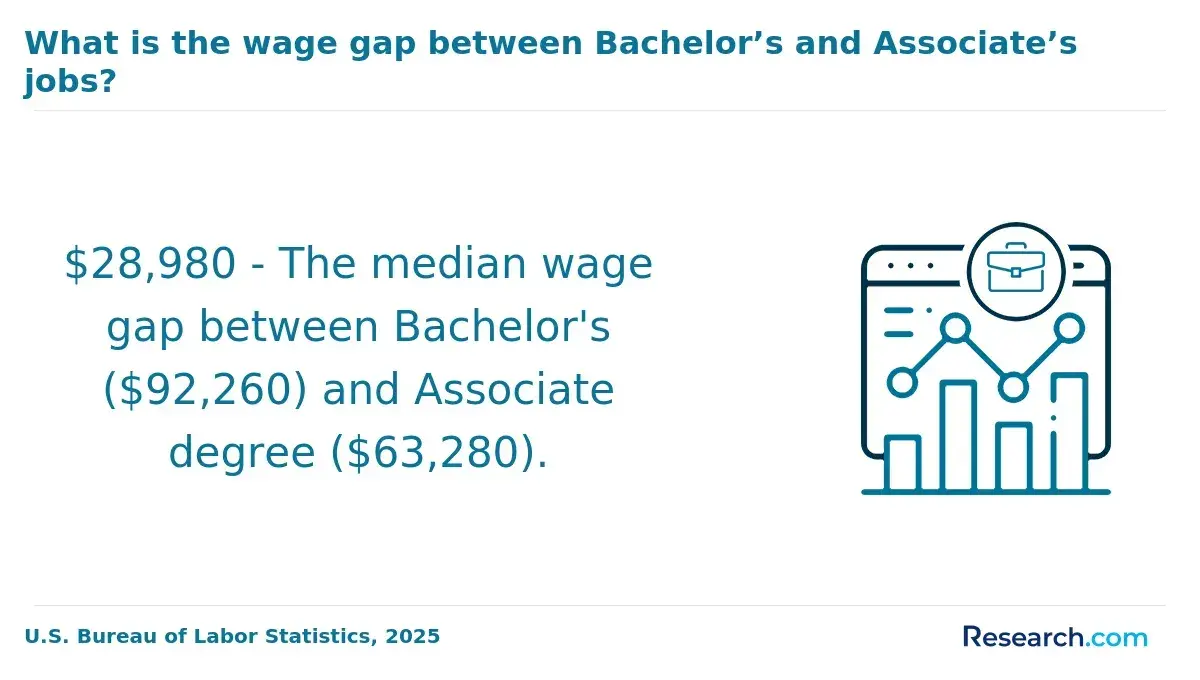
Salary trajectories across major Library & Information Science specializations reveal clear distinctions shaped by technical skill demands and sector constraints. Entry-level salaries averaged $61,872 in 2023, marking a 36% increase since 2013, yet this overall growth masks significant variability tied to role and setting.
Archivists and records managers typically start lower, earning roughly $50,000 to $55,000, influenced by specialized work and reliance on public or nonprofit funding streams. In contrast, roles emphasizing information technology, such as data management specialists or digital librarians, often command starting salaries above $65,000, fueled by broader market demand for technical proficiency.
Public library positions consistently offer the lowest pay, especially outside urban centers, with salaries near $50,000 and slower progression due to institutional budget and structural limits. Academic librarian roles, requiring advanced degrees and research skills, tend to offer about 10% higher median entry pay.
Consider a new graduate deciding between a public library role paying $52,000 versus a corporate digital asset manager position at $70,000. The tradeoff involves balancing immediate salary benefits against sector stability and long-term growth potential. Employers increasingly favor candidates with combined LIS credentials and technical certifications, which accelerates salary growth in specialized niches.
To navigate salary growth trends in North American library and information science careers effectively, students should target specializations that emphasize data curation, digital transformation, and management roles. Such focus aligns with market demand while avoiding slower growth in traditional roles.
For those integrating geospatial data into library science careers, exploring the best GIS graduate programs can provide valuable complementary expertise valuable in emerging LIS applications.
What degrees and credentials are required for advanced LIS specializations?
Advanced library and information science degrees for career growth require targeted credentialing that aligns specifically with job market demands rather than generic qualification accumulation. The master's degree in library and information science (MLIS), particularly when accredited by the American Library Association (ALA), continues to serve as the baseline credential for specialized roles such as digital curation, archival management, and data librarianship.
However, the required credentials for specialized library and information science roles increasingly include certificates like Certified Archivist (CA) or Digital Archives Specialist (DAS), which validate essential technical capabilities beyond generalist training.
For example, a professional pivoting to health sciences librarianship must blend an MLIS with health informatics certification to meet both regulatory standards and employer expectations, while those focused on digital libraries at academic institutions may prioritize software proficiency and data management credentials to maintain agility. These strategic combinations respond directly to employer preferences that balance formal graduate education with practical, validated experience.
The average salary for library specialists reflects this dynamic, rising from $29,542 in 2022 to $32,884 in 2025, indicating how specialized qualifications translate to tangible workforce value. Candidates who understand these operational tradeoffs-balancing time and financial commitments against career outcomes-are positioned to navigate the complex landscape of evolving professional standards effectively.
Prospective students and working professionals can explore best EDS to EDD programs to assess advanced educational options that complement their credentialing strategies in library and information science.
How do online library and information science programs differ from campus-based options?
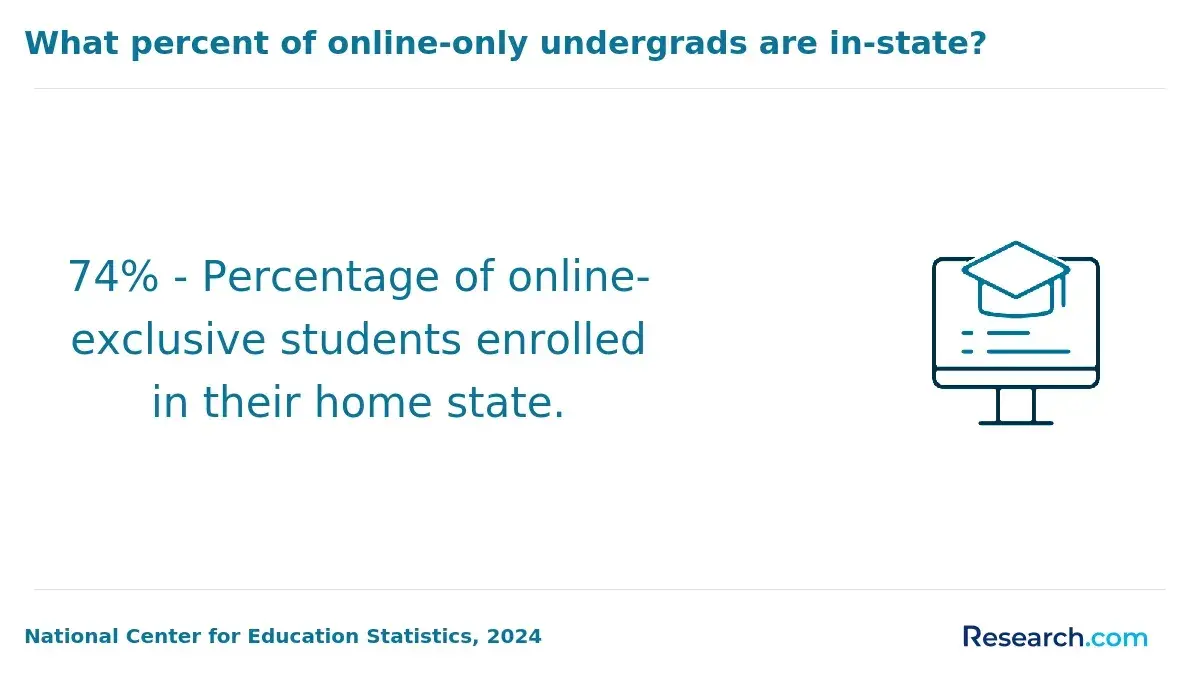
Choosing between online and campus-based library and information science programs hinges on specific career objectives and regional job markets rather than convenience or prestige alone. Online programs excel in flexibility and accessibility, particularly benefiting working professionals and students in states where librarian salaries remain in the low $50,000s.
These formats enable income continuity during study but may limit development of interpersonal skills valued by employers in urban regions like Washington, D.C., California, and Washington state, where salaries surpass $90,000, according to Masters in Library Science.
Campus-based options provide direct access to physical collections, archival materials, and specialized technologies, essential for roles with hands-on requirements. They also foster stronger faculty mentorship and peer networks, which can translate into internships and job referrals in competitive markets. This embedded experiential learning frequently aligns with employer preferences in higher-paying areas.
Decision factors include:
- Online formats support asynchronous learning and regional relevancy where local institutions are sparse.
- Campus programs enhance practical skills through easier internship placements linked to established local organizations.
- Employers in top markets often prioritize graduates demonstrating direct, practical exposure over solely digital credentials.
The choice ultimately requires weighing flexible learning against intensive experiential engagement, calibrated to geographic salary dynamics and employment pathways described by resources.
Which LIS specializations have the strongest long-term job outlook and demand?
The strongest long-term job prospects in library & information science lie in specialized roles that blend technical expertise with domain knowledge. Positions in digital librarianship, archival science focused on electronic records, and data curation are increasingly prioritized by employers, especially within healthcare, government, and legal sectors that face stringent compliance demands.
For example, a medical research library requires adept handling of electronic health records and metadata, skills that differ markedly from those used in traditional public libraries.
Demand is also rising for LIS professionals skilled in information technology and knowledge management, particularly within corporate environments where effective organization of knowledge assets directly influences operational efficiency and decision-making. These roles often offer higher salary ceilings reflective of their business impact.
Intellectual property and copyright management represent another niche with tangible workforce significance, predominantly in academic and publishing contexts where legal complexities necessitate specialized expertise to mitigate infringement risks and streamline licensing processes.
- Bureau of Labor Statistics reports show the top 10% of LIS specialists earn around $100,880 annually, primarily those engaged in technically advanced or compliance-heavy subfields.
- Traditional library roles offer slower wage growth and less job security relative to emerging technical specialties.
- Advanced certificates in digital asset management or data governance can increase marketability and salary potential.
Choosing between conventional librarianship and specialized technical tracks requires assessing one's willingness to continually update technical skills versus prioritizing familiarity with established systems. This tradeoff influences both employability and long-term compensation trajectories.
What core courses and skills prepare students for high-growth LIS roles?
The limited projected job growth of 2% for librarians and library media specialists reveals the necessity for students to prioritize specialized technical skill sets over traditional librarian training. Core courses centering on data management, digital literacy, and information technology provide this edge by emphasizing database design, metadata standards, and digital archiving-skills critical to sectors like healthcare and corporate research.
Technical proficiency in programming languages such as Python and SQL, alongside knowledge of cloud computing and cybersecurity, is increasingly demanded by employers focused on secure digital stewardship. Additionally, expertise in user experience (UX) design and information policy has practical implications; for example, academic libraries leverage UX research to enhance digital archives, while public libraries depend on outreach abilities to engage diverse communities.
Students must confront a tradeoff: generalist knowledge may limit employability amid slow sector growth, whereas technical specialization aligns with emerging niche roles in information management. Practical experience through internships or project-based learning with real-world databases bridges the gap between academic theory and employer expectations, equipping graduates for complex digital resource challenges rather than routine librarian functions.
How do accreditation and professional standards impact LIS salary potential?
Accredited programs in library and information science carry tangible weight in salary potential by meeting employer expectations for validated expertise. Graduates from ALA-accredited or similarly recognized programs signal mastery of standardized competencies that employers associate with readiness for complex roles in academic libraries, corporate archives, or government agencies.
In contrast, degrees from unaccredited sources often hinder access to leadership or specialized positions known for higher pay and require demonstrable, standardized training.
Key practical distinctions include embedded internships and capstone projects within accredited curricula, which build job-ready skills and create direct pathways to better-compensated employment. Employers prioritize these experiential credentials since they predict an applicant's ability to handle sector-specific challenges.
Professional certifications tied to recognized standards further differentiate candidates within the 9.1 million-strong workforce where the average annual wage reached $67,540 as of May 2025 per the Bureau of Labor Statistics. This broader average masks a consistent wage premium for those with credentials verified through rigorous accreditation or professional benchmarks.
- Choosing between faster, less costly non-accredited credentials and longer, accredited programs involves weighing immediate cost savings against potential long-term salary ceilings.
- Accreditation operates not only as a quality marker but as a practical salary accelerator by aligning graduates with employer-verified competencies.
Therefore, informed decision-making on accreditation requires balancing upfront investment with realistic appraisal of employment market signals and long-term earnings trajectories in the LIS sector.
What are typical program lengths and costs for specialized LIS degrees?
Choosing an MLIS program requires weighing program length, specialization, and cost against realistic salary expectations and workforce demands. Full-time enrollments typically span 12 to 24 months, with part-time options extending up to three years. Specialized tracks-like digital archives or healthcare informatics-often add complexity but rarely exceed this timeframe. This flexibility accommodates working professionals but may delay workforce reentry or promotion prospects.
Tuition varies widely: public in-state students might pay between $15,000 and $40,000, whereas out-of-state or private students face $30,000 to $70,000 or more. Additional fees can raise total expenses by 10-15%.
Candidates should consider employer tuition assistance and federal loans but must still measure these investments against prevailing market salaries. According to ZipRecruiter data through July 2025, MLIS median salaries range from $51,500 to $75,000, with the 90th percentile near $94,000.
Professionals focusing on sectors with strong digital or tech emphases, such as law librarianship or healthcare informatics, may justify longer or more costly programs for better placement and salary prospects. Factors like location, institutional reputation, and flexibility influence outcomes and should align with career timelines to minimize income disruption.
How can prospective students choose the best LIS specialization for their goals?
Choosing a LIS specialization requires pragmatic evaluation of labor market demand and salary trajectories rather than preference alone. For instance, health informatics roles tied to hospital systems and public health agencies have seen median wage increases surpassing 8% since 2022, signaling tangible employer investment in these skills. In contrast, generalist librarian positions in public libraries exhibit under 2% wage growth, limiting financial upside despite job availability.
Key considerations when analyzing specialization options include:
- The specific technical competencies employers seek, such as metadata standards or electronic records management, reflected in both job postings and American Library Association (ALA) salary data.
- The tradeoff between deep specialization, which can accelerate wage growth, and broader versatility, which offers wider employment possibilities.
- Regional salary discrepancies, as urban tech hubs typically offer higher pay for roles like digital asset management versus less lucrative rural or suburban markets.
Assessing graduate outcomes through published surveys or institutional data on employment rates and starting salaries is essential. Programs that integrate internships or industry partnerships tend to enhance market readiness more effectively than purely academic models. For those pivoting careers, targeted certifications aligned with emerging LIS technologies often represent faster paths to improved wages than generalist degrees.
Ultimately, prospective students must cross-reference ALA wage trends with current employer demands to identify LIS specializations offering realistic salary growth and sustainable employment. Ignoring economic signals risks extended underemployment despite academic credentials. Prioritizing areas with proven salary momentum against one's target labor market ensures a data-driven, strategic education investment.
Other Things You Should Know About Library & Information Science
Choosing between a technology-focused specialization and traditional library science depends on your career priorities and the employer landscape you target. Technology-driven roles often require ongoing technical skill development and can lead to faster salary growth but come with higher expectations for continuous upskilling.
Traditional library science roles may offer more stability with community-based institutions but generally show slower salary increases and fewer opportunities for rapid promotion. Prioritize emerging technologies if you seek dynamic growth and are comfortable with fast-changing tools; choose traditional paths if you value predictable environments and consistent public service roles.
Employers in library & information science typically prefer focused expertise when filling specialized roles such as digital archives or data management, as deep technical knowledge directly impacts job performance. However, interdisciplinary experience is prized in management and strategic positions where understanding diverse domains improves resource coordination and innovation.
For early-career professionals, developing strong specialization is more practical to meet employer expectations and salary benchmarks. As you advance, augmenting your expertise with interdisciplinary skills can open leadership opportunities but rarely substitutes for foundational knowledge in your specialization.
In 2027, LIS roles in data analytics or digital asset management, which are experiencing strong salary growth, often involve heavier data-centric tasks and project management compared to traditional roles. These positions may demand more technical skills and longer hours, but they offer higher rewards in terms of salary and career advancement.
Program reputation and curricular emphasis on practical skills significantly affect employability in high-growth LIS areas. Programs that integrate real-world projects, internships, and partnerships with tech-focused libraries enhance job readiness and connections to employers who offer competitive salaries.
Conversely, programs lacking applied components may limit access to roles with rapid salary increases due to weaker practical experience. When selecting a program, prioritize those with strong employer engagement and hands-on learning to maximize both entry opportunities and salary advancement potential.
References
- Librarians and information specialists – ALIA Accredited Course https://alia.org.au/Web/Web/Careers/Becoming-An-Information-Professional/Librarians-and-information-specialists.aspx
- Online vs. On-Campus Library and Information Science Programs in India https://lis.somaiya.edu/en/blog/online-vs-on-campus-library-and-information-science-programs-in-india/
- Library Love: A Matter of Degree - Is Library and Information Science Really The Worst Master’s Degree? https://litreactor.com/columns/a-matter-of-degree-is-library-and-information-science-really-the-worst-masters-degree
- How To Choose Your Library School | LIS Education https://www.libraryjournal.com/story/how-to-choose-your-library-school-lis-education
- Expected Salaries for Library & Information Science Careers by State https://www.mastersinlibraryscience.org/careers/salary-by-state/
- Top Future Job Skills and Careers for Students in 2025 | LIS https://www.lis.ac.uk/stories/future-job-skills
- How Life Skills in Education Shape Long-Term Student Success https://www.icevonline.com/blog/how-life-skills-in-education-shape-long-term-student-success
- 5 Skills To Prepare Students for Future Jobs https://iste.org/blog/5-skills-to-prepare-students-for-future-jobs
- Top 7 Career Options After a Master’s in Library Science in India https://dypatil.edu/blogs/top-career-options-after-masters-in-library-science-india