2027 Most Valuable Online Master's in Special Education Degree Programs Ranking in Ohio

Co-Founder and Chief Data Scientist
Choosing the right online master's degree in special education can shape your future and career satisfaction. This article presents the 2027 Most Valuable Online Master's in Special Education Degree Programs Ranking in Ohio, created by the Research.com data science team.
Designed to help Ohio students make informed decisions, the ranking highlights programs that offer strong value and quality education. Pursuing a special education degree not only enhances your skills but also opens doors to rewarding opportunities.
Explore this guide to find a program that truly fits your goals and passion for making a difference.
Key benefits of getting online special education degree in Ohio
- Special education graduates in Ohio can expect competitive salaries, with related careers in the US offering average hourly wages around $24 to $30, reflecting strong demand and rewarding compensation.
- A graduate from Ohio State University in special education often pursues roles like special education teacher, behavior specialist, or educational consultant, showcasing diverse and fulfilling career options.
- Completing a special education degree online through programs like those at Bowling Green State University offers flexibility and accessibility, enabling students to balance work and life while earning a respected credential.
- 2027 Most Valuable Online Master's in Special Education Degree Programs Ranking in Ohio
- What can I expect from online special education degree in Ohio?
- Where can I work with online special education degree in Ohio?
What can I expect from online special education degree in Ohio?
The average cost of an online special education degree in Ohio typically ranges between $15,000 and $30,000, depending on the university and program length. Graduates from well-known institutions like Ohio State University or University of Cincinnati often share how this investment unlocked practical skills and confidence to support students with disabilities effectively.
Many find the tuition manageable through flexible payment plans, scholarships, or employer tuition assistance, which eases the financial burden. Imagine studying alongside peers who balance careers and family commitments while gaining expertise in creating individualized education plans (IEPs) and mastering Ohio's education laws.
The hands-on practicum experience, completed locally, enhances real-world understanding without costly relocation, making the degree both affordable and accessible. This blend of affordability and quality prepares students to meet Ohio's growing need for qualified special educators, helping graduates feel proud of their role in transforming classrooms and communities.
Where can I work with online special education degree in Ohio?
Graduates with an online special education degree from well-regarded Ohio institutions like Ohio State University or Miami University often find rewarding careers within various educational settings. Many step confidently into public or charter schools, applying their skills to create individualized education programs that genuinely transform students' learning experiences.
Some alumni share how their online studies prepared them for diverse roles beyond the classroom-such as becoming behavior intervention specialists or instructional coordinators-where they influence teaching methods on a broader scale. These careers allow them to shape the future of special education across entire school districts.
Others find fulfillment working with early intervention programs, collaborating with healthcare providers through initiatives like Help Me Grow Ohio to support children from birth to age three. This path, often chosen by those who earned specialized certifications alongside their degree, makes a tangible difference in young lives.
Ohio's strong demand for special educators and the flexibility of online credentials provide graduates with numerous job opportunities and a fulfilling career path tailored to their passion for helping students thrive.
Graduates with an online special education degree in Ohio can anticipate starting salaries typically ranging from $45,000 to $50,000 per year, especially in their first roles within school districts. For example, many graduates from well-known institutions like Ohio State University or Bowling Green State University have shared how beginning at this level allowed them to confidently plan their career paths while gaining valuable classroom experience.
As their expertise grows, educators can expect pay increases, often reaching between $60,000 and $75,000 annually. This increase reflects both additional certifications and the meaningful contributions made in classrooms across cities like Columbus and Cleveland, where districts tend to offer higher wages due to cost of living.
Veteran teachers and those moving into leadership roles often see salaries exceeding $80,000. Graduates appreciate that Ohio's step-based pay scale rewards dedication and ongoing learning, fostering a motivating environment to grow professionally while making a tangible impact on students' lives.
- Online special education degrees in Ohio meet state certification requirements for public school teaching.
- Costs for a master's program range from $10,000 to $25,000, with public universities usually more affordable than private ones.
- Entry-level special education teachers in Ohio earn between $40,000 and $45,000 annually, with potential to increase to about $60,000 or more with experience and advanced credentials.
- Ohio has steady demand for special education teachers in both rural and urban districts due to federal mandates like IDEA.
- Online programs offer flexible, asynchronous courses and access to streamlined state-specific teacher certification pathways.
Completing an online special education degree in Ohio typically takes between 1.5 to 3 years, depending on your pace and program choice. Many graduates from Ohio State University and University of Cincinnati share how full-time enrollment allowed them to finish in about two years, balancing coursework and life responsibilities with determination and purpose.
If you're juggling work or family, part-time pathways through schools like Wright State University offer the flexibility to extend your studies closer to three years without overwhelming your daily life. Some accelerated programs exist, finishing in as little as 12 to 18 months, but expect a demanding schedule that requires full-time commitment and focus.
Ohio's licensing requirements mean you'll also complete exams and fieldwork, adding a few extra months. Many graduates recall the rewarding challenge of hands-on practicum, which solidified their skills in real classrooms, making the extra time worthwhile and deeply fulfilling.
The main difference between online and on-campus special education degrees in Ohio lies in how you experience learning. Graduates from online programs at institutions like Ohio State University often share how flexibility allowed them to juggle coursework alongside full-time jobs or family care. They accessed lectures at their own pace, using video platforms and discussion boards, which made earning a degree manageable despite busy schedules.
By contrast, on-campus students at places such as Kent State University emphasize the immediate connection they formed with faculty and peers. This face-to-face interaction proved invaluable when delving into complex topics and participating in hands-on internships essential for Ohio's licensure requirements. Many found the in-person experience deeply motivating and immersive.
Both paths demand local supervised fieldwork, a vital Ohio state mandate for certification. Online learners often arranged these experiences in their communities, turning local schools into classrooms of opportunity. Whether you thrive on direct interaction or need adaptable study times, Ohio's programs support your journey with real-world teaching practice and a chance to shape your future in special education.
The average cost of an online special education degree in Ohio typically hovers around $19,800, with in-state students paying slightly less, approximately $18,761, and out-of-state learners around $19,173. These figures reflect tuition and fees for reputable Ohio universities known for their special education programs.
Graduates from popular institutions within the state often share how affordable tuition made it possible to pursue their passion for supporting students with diverse learning needs. For example, completing an online special education degree at a well-regarded Ohio public university allowed many to balance work, family, and study without the burden of overwhelming debt. This is a notable advantage given that tuition and fees for Ohio online special education master's programs remain competitive compared to national averages.
When budgeting, keep in mind that additional expenses such as textbooks and certification exam fees may apply, but financial aid options in Ohio bring significant relief. Programs like the Ohio College Opportunity Grant (OCOG) and federal aid are accessible to many students, and scholarships targeted specifically toward special education students help lower costs even more. These supports turn aspirations into achievable goals.
If you're curious about how your degree can translate into career opportunities, consider exploring the range of bachelor degree in special ed jobs that many graduates describe as deeply fulfilling and impactful. Understanding the average cost of online special education degree Ohio options empowers you to plan effectively for your future.
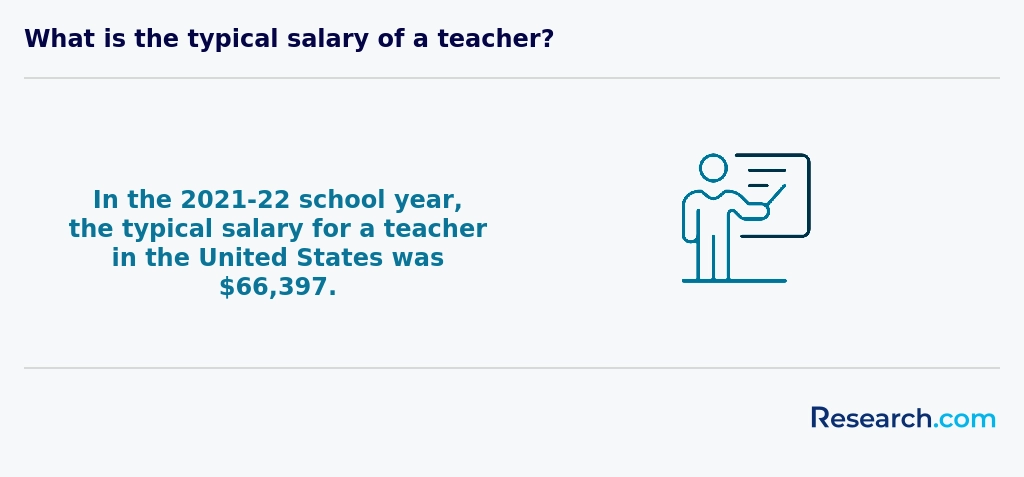
When pursuing an online special education degree in Ohio, financial aid can truly transform your journey. Many graduates from Ohio State University and University of Cincinnati recall how the Free Application for Federal Student Aid (FAFSA) unlocked essential Pell Grants-sometimes up to $7,395-which made a significant dent in tuition costs. These grants reduce the financial burden right from the start, allowing you to focus on learning without constant worry.
Beyond federal aid, Ohio offers the College Opportunity Grant, which helps in-state students attending public schools like Kent State University. While mainly for undergraduates, some graduate students in special education programs also benefit. Imagine receiving this state support alongside merit-based scholarships or assistantships available at institutions-these financial boosts can add up, easing the path.
Many past students share how the TEACH Grant encouraged their commitment to teaching special education in Ohio by covering up to $4,000 per year. Paired with the Public Service Loan Forgiveness program, these options provide both immediate financial relief and long-term debt forgiveness for dedicated educators. Checking with your school's aid office is key-these personal connections often reveal unique opportunities specifically crafted for future special education teachers in Ohio.
To enroll in an online special education degree program in Ohio, you'll need to have a bachelor's degree from an accredited college, which many graduates from institutions like The Ohio State University or Cleveland State University have successfully completed before starting their journey. This degree doesn't have to be in education specifically, but those with related academic backgrounds often find the transition smoother and feel more confident when coursework dives into complex special education strategies.
Most programs ask for a minimum undergraduate GPA around 2.75 to 3.0, showing you've maintained consistent academic effort. Some graduates recall how meeting this requirement motivated them to stay focused and prepared for the challenging material ahead.
Though GRE scores are increasingly optional, having relevant work or volunteer experience-such as helping in classrooms or working one-on-one with students with special needs-is highly regarded and sometimes required. It's this hands-on experience that helped many Ohio student teachers develop empathy and practical skills early on.
Finally, since Ohio's licensure process includes background checks and fingerprinting, programs expect you to complete these steps to ensure safety and professionalism when you begin practicum assignments. Graduates often share how completing these prerequisites gave them peace of mind and readiness to embrace the rewarding challenges of teaching.
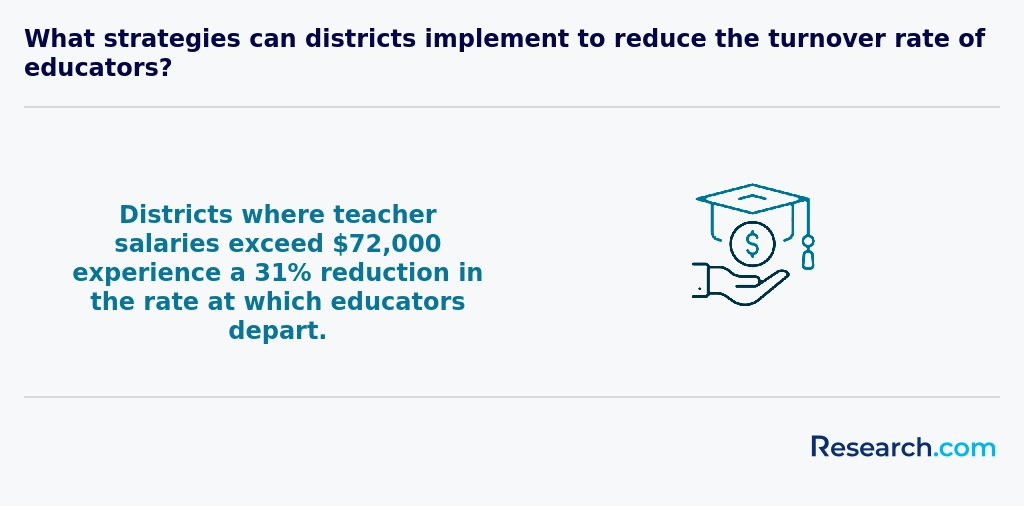
In Ohio's online special education degree programs, you'll dive into courses that truly prepare you to make a difference in the lives of students with diverse learning needs. Graduates from respected Ohio institutions often speak about how foundational classes like Foundations of Special Education gave them essential insight into the legal and ethical frameworks guiding their work every day. You'll also engage deeply with Assessment and Evaluation techniques, enabling you to identify challenges and celebrate real progress with your students.
Courses in Instructional Strategies and Behavior Management equip you with the tools to create inclusive, supportive classrooms where every student can thrive. Many online learners find the Collaboration and Consultation course especially empowering, as it prepares them to partner effectively with families and colleagues-a skill highlighted by numerous graduates from Ohio State University and Miami University.
Hands-on skills come alive through study in Assistive Technology and Research Methods, which help you apply innovative solutions and evidence-based practices in real-world settings across Ohio schools. This practical knowledge is why so many Ohio educators feel confident stepping into their classrooms ready to inspire and support their students' growth.
When pursuing an online special education degree in Ohio, you'll find a range of meaningful specializations designed to match your passions and the needs of the community. Graduates from popular institutions like Ohio State University and Kent State University often reflect on how choosing a focus such as Early Childhood Special Education allowed them to make a profound impact on young learners reaching critical developmental milestones. Others, driven to support students with unique challenges, specialize in Learning Disabilities or Autism Spectrum Disorders, equipping themselves with tailored strategies to help children thrive.
For those inspired by behavioral support, the Emotional and Behavioral Disorders path offers practical tools rooted in research-based interventions. Meanwhile, the Multiple Disabilities track prepares educators to create comprehensive, individualized education plans, often transformed by hands-on experiences embedded in Ohio's fully online programs. Exploring these special education concentration options Ohio online can truly align your career with your calling. For streamlined options, some also look into the fastest special education graduate certification online routes to accelerate their impact.
Choosing the best online special education degree Ohio means focusing on programs that not only meet state licensure requirements but also offer real-world experience. Graduates from institutions like Ohio State University often share how the hands-on practicum in local schools helped them gain confidence and meet Ohio's specific certification standards. This practical approach is essential because Ohio's education system values graduates who understand its unique challenges and opportunities.
Cost and flexibility are equally important. Affordable online special education programs Ohio provide options that fit adult learners' busy lives, especially when programs offer asynchronous coursework paired with strong support services. Many graduates express relief at being able to balance studies with work and family, feeling empowered rather than overwhelmed during their journey.
Finally, investigating graduate outcomes can illuminate your path. Programs with high placement rates and positive feedback from alumni-such as those highlighted in the top rated online special education master's rankings-show where quality meets opportunity. Choosing wisely now sets the stage to become Ohio's next impactful special educator.
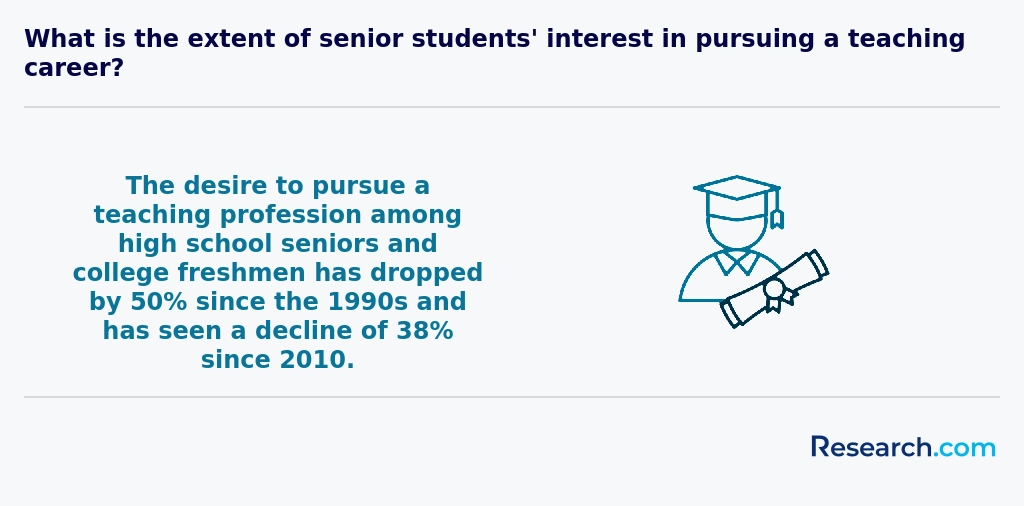
Graduates with an online special education degree in Ohio have a range of fulfilling career paths to choose from, each centered on making a real difference in the lives of students with disabilities. Many become special education teachers, working in classrooms across Ohio's public schools where they develop personalized learning plans and help students overcome challenges. Graduates from popular institutions like Ohio State University and University of Cincinnati share that this role offers daily rewards in watching students grow and succeed.
Others find their calling as behavioral specialists, education consultants, or transition coordinators, guiding students through academic and life transitions. Some even pursue additional certifications to become speech-language pathologists, expanding their impact on communication development. These special education careers in Ohio benefit from state licensure and strong community support, encouraging graduates to pursue roles tailored to their passion.
For those exploring options beyond teaching, administrative roles such as program coordinators offer leadership opportunities. Practical advice from Ohio graduates emphasizes understanding what are the responsibilities of a special education teacher firsthand to open doors across these paths.
The job market for online special education degree holders in Ohio is promising and steady. Graduates from well-known institutions such as Ohio State University and Cleveland State University often find rewarding opportunities in both public and private school settings. These special education teaching careers Ohio offer not only competitive salaries-starting around $45,000 and rising to $64,000 or more-but also meaningful work supporting students with disabilities.
Graduates share how the state's commitment to inclusive education and efforts to lower student-to-teacher ratios have expanded job openings, even in smaller districts. With Ohio schools actively hiring, many find roles in coordination and curriculum development, allowing a rewarding career path beyond classroom teaching. For those wondering about degree significance, exploring what is eds degree can clarify advanced specialization options.
Many alumni highlight how pursuing an online special education degree in Ohio equips them with skills embraced by employers, blending theory with practical strategies to support diverse learners. This blend of demand, growth, and positive impact makes online special education jobs Ohio a hopeful and secure choice for aspiring educators.
2027 Most Valuable Online Master's in Special Education Degree Programs Ranking in Ohio
Investing in your education is a significant decision that can greatly impact your future, and the Research.com team recognizes the importance of providing reliable information to support this choice. To help prospective students in Ohio, we have carefully developed the "2027 Most Valuable Online Master's in Special Education Degree Programs Ranking in Ohio." Our dedication to quality, credibility, and accuracy is evident in the thorough research and analysis conducted throughout this process.
We utilized the following reputable data sources to ensure a comprehensive evaluation of special education programs:
By reviewing this ranking, readers will gain valuable insights into the most valuable online master's programs in special education available in Ohio, enabling them to make informed and confident decisions about their academic and professional futures. For more information on how this ranking was created, please visit our Research.com methodology page.



Frequently Asked Questions About special education
Students pursuing online special education degrees in Ohio can enhance their learning by actively engaging with both virtual coursework and Ohio-specific educational resources. Utilizing Ohio Department of Education materials helps students understand state standards and legal requirements for special education teachers, aligning their studies with local practice.
Participation in online discussion forums and virtual peer groups promotes deeper understanding and collaboration, which research shows improves retention and skills application in special education training.
Additionally, seeking out practicum or fieldwork opportunities within Ohio public schools offers practical experience guided by state policies. This hands-on training is crucial since Ohio schools serve over 250,000 students in special education programs annually, as per the latest state report.
Regular communication with faculty and advisors familiar with Ohio's special education laws can further tailor learning to meet certification and career goals within the state.
Emerging niches within the special education field reflect a growing demand for specialized skills in Ohio and nationwide. One key area is **assistive technology**, where educators learn to incorporate devices and software that aid students with disabilities in accessing curriculum more effectively.
Another expanding niche is **behavioral intervention**, focusing on strategies for students with autism and emotional disabilities. Ohio's Department of Education highlights increased funding for programs addressing behavioral health in schools.
Additionally, professionals specializing in **inclusive education** promote integrating students with disabilities into general classrooms, a trend supported by Ohio's inclusive policies and IDEA regulations.
These niches align with workforce projections showing a steady rise in special education roles across Ohio's school districts through 2030 (Ohio Department of Education, 2023).
After earning an online special education degree in Ohio, preparing for the job market involves several key steps. First, obtaining Ohio teacher licensure in special education is essential; requirements include passing state exams and completing background checks.
The Ohio Department of Education reports steady demand for special education teachers, with an expected growth rate of over 4% through 2026. This highlights the importance of building practical experience through student teaching or internships during your program.
Networking with local school districts and attending job fairs can open employment opportunities. Additionally, joining professional organizations like the Ohio Council for Exceptional Children can provide valuable resources and connections.
Finally, staying current with Continuing Professional Development (CPD) requirements will ensure long-term career success in Ohio's evolving education landscape.
Employers in Ohio prioritize several key skills when hiring graduates with online special education degrees. Strong communication skills are essential, as educators must effectively collaborate with students, families, and multidisciplinary teams. According to the Ohio Department of Education, adaptive instructional strategies that address diverse learning needs are highly valued to support individualized education programs (IEPs).
Additionally, proficiency in behavioral management techniques is crucial, given Ohio schools' focus on inclusive environments and positive behavioral interventions. Data analysis skills also appear significant, enabling teachers to assess student progress and tailor interventions. These competencies align with nationwide standards set by the Council for Exceptional Children, reinforcing the importance of practical skills that meet Ohio's legal and educational frameworks.
Finding internships in Ohio relevant to a special education degree involves connecting with local school districts and educational organizations. Ohio has over 600 public school districts, many of which offer internships or practicum opportunities in special education, often required for licensure by the Ohio Department of Education.
Students should start by contacting their university's career services and special education departments. These offices frequently partner with Ohio schools and can help place students in internships that offer hands-on experience with diverse learners.
The Ohio Coalition for the Education of Children with Disabilities is another resource. It provides guidance and sometimes internship listings related to special education.
Additionally, online platforms like Handshake or local job boards often post special education internships in Ohio. According to the National Center for Education Statistics, Ohio had about 96,000 students receiving special education services in recent years, highlighting constant demand for trained professionals.
An online special education degree in Ohio can significantly enhance career mobility and advancement opportunities. Ohio requires special education teachers to hold a valid teaching license, which can be obtained through accredited online graduate programs approved by the Ohio Department of Education. Completing an online degree often allows working professionals to balance study with their current job, accelerating credential attainment without relocation.
According to the U.S. Bureau of Labor Statistics, Ohio's employment of special education teachers is expected to grow 6% from 2022 to 2032, reflecting steady demand in public schools. Earning a master's degree online can qualify educators for higher salary scales and leadership roles such as intervention specialist or special education coordinator.
Moreover, an online degree can help candidates meet Ohio's increasing emphasis on advanced qualifications for professional development and licensing renewal. Institutions like the Ohio State University provide programs that align with state standards, ensuring graduates meet requirements to support career advancement within Ohio's education system.
Studying for a special education degree in Ohio equips students with skills to work collaboratively across disciplines. Ohio's programs emphasize understanding diverse educational needs alongside healthcare, counseling, and social services.
Graduates learn to communicate effectively with speech therapists, psychologists, and occupational therapists. This interdisciplinary training is vital as Ohio schools increasingly adopt team-based approaches to support students with disabilities.
Ohio Department of Education data shows that special educators often interact with multiple professionals to develop Individualized Education Programs (IEPs), highlighting the importance of cross-professional knowledge. Online degrees provide flexible learning schedules while emphasizing these collaborative competencies.
Ultimately, Ohio's curriculum prepares candidates for roles that involve coordinating efforts across education, therapy, and family support systems.
When choosing between a thesis and a non-thesis online special education degree in Ohio, consider your career goals and learning preferences. A thesis program requires conducting original research and writing a detailed paper, which suits students aiming for academic or research positions. Non-thesis programs focus more on coursework and practical skills, often including a capstone project or comprehensive exam, ideal for those seeking immediate application in classrooms or leadership roles.
Ohio Department of Education statistics highlight a growing demand for special education teachers with strong practical expertise. Knowing this can help you decide if hands-on skills outweigh research experience for your intended career path.
Students based in Ohio who wish to study special education abroad through online programs face limited direct options. Most U.S. accredited online special education degrees are offered by domestic institutions, as licensure requirements often vary internationally. Ohio educators seeking international perspectives can consider programs with global components or partnerships, though these remain rare.
It is important to note that, according to the Ohio Department of Education, licensure for special education teachers requires completion of state-approved programs. This means that purely foreign degrees may not meet Ohio's certification standards without additional evaluation or coursework.
Ultimately, Ohio students should carefully verify accreditation and state licensure compatibility before enrolling in international online programs.
Ohio offers several part-time job opportunities that can enhance the learning experience for students pursuing an online special education degree. Roles such as teacher assistants or paraprofessionals in local public schools provide hands-on experience supporting students with disabilities. According to the Ohio Department of Education, more than 300,000 students receive special education services statewide, resulting in steady demand for qualified support staff.
Additionally, working as a behavioral therapist or aide within community programs can help apply classroom theory to real-world settings. Nonprofits and early intervention programs also seek part-time educators to assist with individualized education plans (IEPs). These roles develop practical skills in communication, adaptation, and student engagement, which are essential for special education professionals in Ohio's diverse school systems.
Online special education students in Ohio have several networking opportunities despite the virtual format of their programs. Many universities facilitate access to local professional organizations such as the Ohio Council for Exceptional Children (CEC), which hosts events and conferences for educators focused on disabilities. Engaging with these groups allows students to connect with licensed professionals across Ohio.
Additionally, internships and practicum experiences offer direct collaboration with Ohio schools, providing practical networking with educators, administrators, and families. Ohio's Department of Education also offers resources and workshops that promote connections within the special education community. These opportunities help students build strong professional networks while studying online.
Alumni networks play a crucial role for online special education degree students in Ohio by offering valuable professional connections. Many Ohio universities, such as Kent State and Ohio State, have extensive alumni communities that help graduates find jobs and internships within the state's school districts. According to the Ohio Department of Education, networking can improve employment outcomes, with about 60% of special education positions filled through referrals.
These networks also provide mentoring opportunities, enabling recent graduates to gain guidance on classroom challenges and career growth. Online students especially benefit by staying connected despite geographical distance. Alumni often share job leads, best practices, and continuing education resources, which can be vital in the evolving field of special education. This ongoing support strengthens graduates' ability to meet Ohio's diverse student needs effectively.
Ohio offers flexible online special education degree programs that allow students to tailor their studies to specific career goals. Many programs include various specialization tracks, such as early childhood intervention, autism spectrum disorders, or behavioral support, enabling focused skill development. Students often choose elective courses aligned with their interests, such as assistive technology or transition planning for students with disabilities.
Field experience requirements can sometimes be completed locally, providing practical opportunities in Ohio's diverse school districts. According to the Ohio Department of Education, personalized program elements help meet state licensure standards while addressing unique professional ambitions. This approach supports careers in teaching, administration, or specialized support roles.
Online special education students in Ohio often face challenges related to balancing coursework with professional and personal responsibilities. Many students are working educators who must manage their current teaching duties alongside online studies. Navigating practical requirements, such as field experiences and student teaching placements, can also be difficult, especially during ongoing adjustments from the COVID-19 pandemic.
Technological issues pose another common hurdle. Reliable internet access and proficiency with online learning platforms are essential, yet some students report difficulty adapting to virtual instruction tools. According to the Ohio Department of Education, approximately 15% of special education students require tailored digital support, which reflects the needed accommodations many future educators must understand.
Finally, maintaining engagement and motivation in a less interactive online environment is challenging. The lack of face-to-face interactions sometimes limits peer collaboration and mentoring opportunities crucial for mastering complex special education strategies.
With an online special education degree in Ohio, graduates can pursue several professional certifications that enhance their career prospects. Most notably, they can seek Ohio's Professional Educator License (PEL) with an endorsement in special education, which qualifies them to teach students with disabilities across grade levels.
Additional certifications include the Autism Spectrum Disorder (ASD) endorsement, which addresses the growing need for specialized educators in Ohio. According to the Ohio Department of Education, demand for ASD-certified teachers has increased significantly in recent years.
Furthermore, some educators pursue National Board Certification in Special Education, a prestigious credential that recognizes advanced teaching skills nationally. This certification requires substantial experience and preparation but can lead to higher salaries and leadership roles.
Applying to an online special education program in Ohio requires a clear focus on your passion and qualifications. Begin by thoroughly researching accredited Ohio institutions, ensuring their programs meet state licensure requirements set by the Ohio Department of Education. Highlight any experience working with children with disabilities, as Ohio values practical training in individualized education plans (IEPs).
Strong academic performance, especially in education-related subjects, bolsters your application. Include well-articulated personal statements detailing why you want to work in special education, supported by examples of your commitment or volunteer work.
Letters of recommendation from educators or supervisors familiar with your skills can significantly strengthen your submission. Finally, demonstrate familiarity with Ohio's special education laws and policies, such as those outlined in the state's Special Education Profile Report by the Ohio Department of Education, which supports your readiness to contribute effectively within the state's educational framework.
Special education careers have importance not only in the United States but also in global education systems, reflecting diverse approaches to supporting students with disabilities. In Ohio, online special education degree programs align with national standards set by the Council for Exceptional Children, ensuring educators are prepared with up-to-date practices.
Globally, attitudes toward special education vary, but there is a universal trend toward inclusion and individualized support. According to the U.S. Department of Education, Ohio serves over 240,000 students with disabilities, highlighting the critical need for qualified professionals.
Many countries look to the U.S. as a model for combining legal frameworks with specialized training. This perspective offers Ohio students expanding career opportunities both domestically and internationally.
Gaining practical experience while studying for an online special education degree in Ohio is essential for career readiness. Most accredited programs require supervised fieldwork or student teaching, which can be arranged locally near the student's residence.
Ohio's universities often partner with public schools, including those in urban and rural areas, to provide hands-on learning opportunities. The Ohio Department of Education mandates specific clinical hours for teacher licensure in special education, typically ranging from 12 to 16 weeks of student teaching.
Additionally, internships and practicums allow students to work directly with children with disabilities, applying evidence-based strategies in real classrooms. This practical experience is critical for meeting Ohio's licensing requirements and developing essential teaching skills.
Choosing the right concentration within an online special education degree program in Ohio involves understanding state demands and career goals. Ohio employs over 25,000 special education teachers, highlighting diverse needs across disability areas, such as autism, learning disabilities, and emotional disturbances, according to the Ohio Department of Education. Prospective students should research concentrations that align with these high-demand areas.
Accreditation and program specialization matter. Verify if programs meet Ohio licensure requirements, which can differ depending on the concentration. Consider whether you want to work with early childhood, K-12, or transition-age students, as programs often tailor curricula accordingly.
Ultimately, assessing your interests and Ohio's workforce trends will guide you toward the right focus to maximize job opportunities and impact.
- 2027 Most Valuable Online Master's in Special Education Degree Programs Ranking in Kentucky
- 2027 Most Valuable Online Master's in Special Education Degree Programs Ranking in Pennsylvania
- 2027 Most Valuable Online Master's in Special Education Degree Programs Ranking in Virginia
- 2027 Most Valuable Online Master's in Special Education Degree Programs Ranking in Missouri
- 2027 Most Valuable Online Master's in Special Education Degree Programs Ranking in Georgia
- 2027 Most Valuable Online Master's in Special Education Degree Programs Ranking in New York
- 2027 Most Valuable Online Master's in Special Education Degree Programs Ranking in Massachusetts
- 2027 Most Valuable Online Master's in Special Education Degree Programs Ranking in Minnesota
- 2027 Most Valuable Online Master's in Special Education Degree Programs Ranking in Kansas
- 2027 Most Valuable Online Master's in Special Education Degree Programs Ranking in Texas
- 9 Careers You Can Pursue with a Master’s in Special Education https://www.pointloma.edu/resources/education/9-careers-you-can-pursue-masters-special-education
- Requesting an initial evaluation to determine if your child is eligible for special education services https://www.disabilityrightsohio.org/letter-writing-requesting-initial-eval
- Choose Your Path in Special Education Careers | OPTIMISE https://optimise.education/choose-your-special-education-path/
- Common Challenges in Special Education and How to Overcome Them | Susan Luger Associates https://slugerassociates.com/resources/common-challenges-in-special-education-and-how-to-overcome-them/
- How to Become a Special Education Teacher in Ohio https://moreland.edu/resources/blog-insights/how-to-become-a-special-education-teacher-in-ohio
- Organizations for Special Education Teachers https://teach.com/resources/special-education-organizations/
- Special Education Teacher Jobs in Ohio - Sunbelt Staffing https://www.sunbeltstaffing.com/school-jobs/special-education-jobs/s-ohio/
- Know more about thesis vs non- thesis: what is the difference? https://studyfans.com/en/blogs/816
- 10 Tips for Special Education Careers https://newstoryschools.com/blog/10-tips-special-education-careers
- How the Special Education Teacher Shortage Affects Students with LD, and What to Do About it https://ldaamerica.org/how-the-special-education-teacher-shortage-affects-students-with-ld-and-what-to-do-about-it/