
2027 Most Valuable Online Master's in Special Education Degree Programs Ranking in Massachusetts

Co-Founder and Chief Data Scientist
For students in Massachusetts considering a meaningful career in special education, choosing the right master's degree program is a vital step. This article presents the 2027 Most Valuable Online Master's in Special Education Degree Programs Ranking in Massachusetts, developed by the Research.com team of data scientists to guide your decision.
Exploring this ranking will help you identify programs that offer quality education and strong career prospects. Pursuing a special education degree opens doors to rewarding opportunities while making a positive impact on children's lives and communities.
Key benefits of getting online special education degree in Massachusetts
- Special education graduates in Massachusetts typically enter rewarding careers with average salaries around $60,000 to $65,000 annually, reflecting stable income potential. While exact data varies, many find fulfilling roles that support student growth and development.
- Graduates often pursue careers such as special education teacher or behavioral specialist, with examples from popular Massachusetts universities showing strong local demand and diverse opportunities in schools and community programs.
- Online special education degrees offer flexible schedules and accessibility, ideal for working adults or parents, as demonstrated by graduates from Massachusetts institutions who praise the ability to balance study with life commitments.
- 2027 Most Valuable Online Master's in Special Education Degree Programs Ranking in Massachusetts
- What can I expect from online special education degree in Massachusetts?
- Where can I work with online special education degree in Massachusetts?
What can I expect from online special education degree in Massachusetts?
Wondering about the cost of an online special education degree in Massachusetts? On average, students attending popular institutions like Worcester State University or Bridgewater State University can expect tuition to range between $15,000 and $30,000 for the entire program. Graduates often recall balancing study with work, appreciating the flexible payment options and financial aid opportunities available, which made investing in their future feel manageable and rewarding.
Many find themselves energized by how the financial commitment unlocks hands-on experiences, such as supervised practicum placements in local schools-an invaluable chance to apply learning right where it matters most.
At colleges well-known for robust special education programs, the blend of affordability and quality sparks enthusiasm among students. They speak of the adventure in mastering IEP development and assistive technologies while connecting virtually with peers who share their passion.
The ability to study part-time or full-time helps ease financial and scheduling stress, turning what might seem a cost burden into a gateway for new opportunities in a growing field.
Where can I work with online special education degree in Massachusetts?
Graduates with an online special education degree from Massachusetts colleges like Boston University or UMass Amherst find themselves stepping into rewarding roles across the state. Imagine working in vibrant public K-12 schools, from bustling Boston classrooms to peaceful suburban districts, where you help children with autism, learning disabilities, or behavioral challenges thrive every day.
Many graduates share their excitement about joining private schools that focus on specialized support, enjoying the flexibility to innovate beyond state mandates. Others find joy working with nonprofit organizations or state agencies like the Massachusetts Rehabilitation Commission, offering vital community services that transform young lives.
With licensure from Massachusetts' approved educator preparation programs, it's thrilling to explore roles as educational consultants or curriculum specialists, shaping how schools comply with IDEA and improve learning strategies. This hands-on impact fuels the adventurous spirit of many special education graduates eager to make a difference no matter where they go.
Graduates with an online special education degree from popular Massachusetts colleges often find themselves stepping into a rewarding salary landscape. Early-career teachers usually start earning between $45,000 and $55,000 annually, a solid foundation that reflects entry into districts across Boston or Worcester. Imagine your first year, crafting lesson plans while earning a competitive wage that supports your new chapter in education.
As you gain experience or earn a master's-common among online grads from institutions like UMass or Wheelock College-your salary can climb to over $90,000. This jump isn't just about numbers; it symbolizes your growth into roles with greater responsibility, like mentoring peers or designing curricula. The Massachusetts Department of Elementary and Secondary Education recognizes these steps, offering clear pay increases tied to education and expertise.
Bonus opportunities for specialized skills, like behavior intervention, add another layer of financial encouragement. For those ready to dig deeper, this degree opens doors not only to public schools but also to private and nonprofit sectors, expanding the adventure in special education careers within Massachusetts.
- Massachusetts requires special education teachers to have a state-issued license, usually involving a master's degree and passing the Massachusetts Tests for Educator Licensure (MTEL).
- The cost for an online master's degree in special education ranges from $20,000 to $40,000, with public universities offering lower rates for in-state students.
- Employment for special education teachers in Massachusetts is expected to grow by about 9% over the next ten years.
- Starting salaries typically range from $45,000 to $55,000 annually, increasing to around $70,000 or more with experience and credentials.
- Practicum or student teaching components must be completed in person to meet state licensing requirements.
- Special education teacher licenses in Massachusetts require periodic renewal through approved continuing education and professional development courses.
Imagine a graduate waking up early to join an interactive online session, then heading to a local school for hands-on teaching practice-all woven seamlessly into their busy day. Completing around 30 to 40 credits, these students embrace a rhythm that suits their lives, with some accelerating their progress in just 12 to 18 months if prior experience or coursework applies.
Such a flexible structure thrills many Massachusetts educators aiming for licensure, offering a custom blend of challenge and accomplishment that feels just right for their unique journeys.
Choosing a program approved by the Massachusetts Department of Elementary and Secondary Education (DESE) and regionally accredited ensures your degree meets state licensure standards. Verify each program’s credentials and exam requirements:
- Regional accreditation (e.g., NECHE) for academic quality
- CAEP (Council for the Accreditation of Educator Preparation) or NCATE approval
- Massachusetts DESE program approval for Special Education license eligibility
- Massachusetts Tests for Educator Licensure (MTEL), including Core Academic Skills and Special Education MTEL
- Required supervised practicum hours under DESE-approved mentors
Meeting these benchmarks guarantees eligibility for initial licensure and a seamless transition into the classroom. For doctoral-level leadership roles, explore the cheapest edd programs.
Imagine juggling a full-time job and family while diving into a special education degree from a top Massachusetts school like Boston University or Salem State University. Online programs here offer the thrill of flexible scheduling, letting you study asynchronously through digital platforms-perfect for those moments between work calls or after putting kids to bed. Graduates often speak about the freedom to learn at their own pace, balancing life without the stress of daily commutes.
Meanwhile, on-campus programs at institutions such as UMass Boston provide a buzzing environment where face-to-face connections with faculty and peers spark collaborative learning. Picture engaging in lively discussions in a dedicated teaching lab or coordinating practicum placements directly with local schools-hands-on experiences many find deeply rewarding.
Both paths require supervised clinical hours to meet Massachusetts's DESE standards, but on-campus students typically find it easier to arrange placements nearby thanks to strong university partnerships.
- Online degrees emphasize self-discipline and schedule freedom within Massachusetts's diverse educational landscape.
- On-campus learning delivers immediate access to support and rich social engagement.
- Both demand clinical fieldwork essential for certification, with on-campus students benefiting from smoother logistics.
- Cost and lifestyle trade-offs, like saving on housing via online study, add layers to this adventure of becoming a special educator.
Completing an online master’s in special education in Massachusetts is just the start. To teach in public schools, you’ll need to secure a state license by meeting these core steps:
- Earn a master’s program accredited by CAEP and approved by the Massachusetts Department of Elementary and Secondary Education (DESE).
- Pass the Massachusetts Tests for Educator Licensure (MTEL) in Communication and Literacy plus the Subject Matter test for Special Education.
- Complete required supervised practicum or internship hours (typically 100–150 hours) integrated into your degree.
- Submit official transcripts, MTEL score reports, and a licensure application to DESE through their online portal.
- Select and fulfill endorsement requirements (PreK–8, 5–12, or Cross-Categorical) by completing designated coursework and field experiences.
If you’re considering further advancement, explore our guide to cheapest edd programs.
The average cost of an online special education degree in Massachusetts often lands around $30,000, with some variation depending on whether you study in-state or out-of-state. Many graduates recall how affordable public universities, like the University of Massachusetts Amherst, made their learning journey manageable-charging approximately $605 per credit hour. For a 36-credit master's program, that's close to $21,780, a figure that feels reassuring for those balancing studies with work and family life.
Yet, some adventurous students choose private institutions, like Lesley University, drawn by their strong education reputations and personalized support. While tuition there can reach about $1,350 per credit hour, totaling nearly $48,600 for the whole program, many found scholarships or financial aid that helped soften the investment. These experiences highlight the wide spectrum of Massachusetts online special education master's program tuition fees and the exciting options to tailor a path both academically fulfilling and financially savvy.
Imagine yourself as these grads balancing study schedules and accessing teacher grants or employer tuition reimbursements to ease costs. These creative funding solutions make pursuing your passion more accessible and rewarding, encouraging you to explore every opportunity.
For a broader view of career possibilities after graduation, you might explore the inspiring journeys shared by those with a bachelor degree in special ed jobs. Their success stories bring to life the value of investing in your education here in Massachusetts.
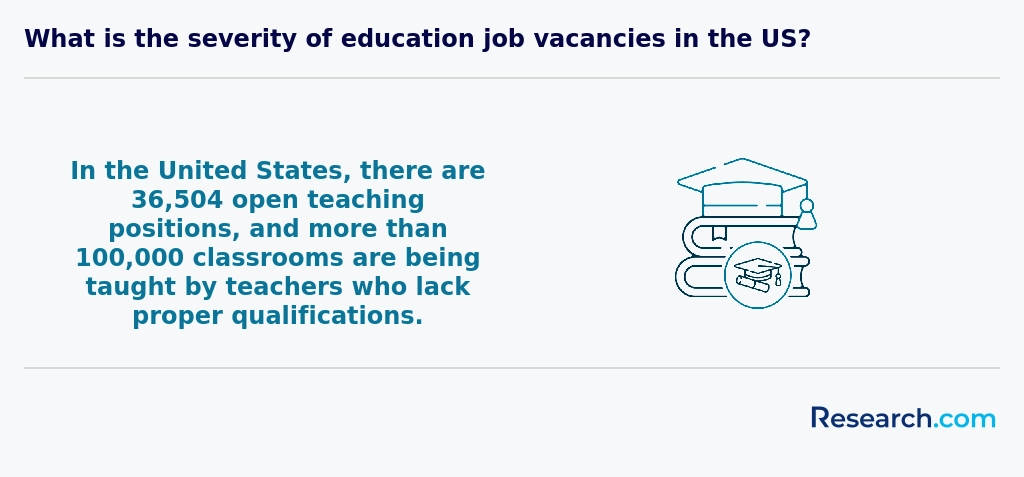
Imagine diving into your online special education degree at a top Massachusetts school like Boston University or UMass Amherst, knowing that financial aid can soften the journey. Many grads recall the relief of qualifying for federal aid through FAFSA, unlocking Pell Grants that don't have to be repaid and the TEACH Grant-an incredible boost of up to $4,000 yearly when committing to teach special education in high-need public schools for four years. This grant feels like a partnership between you and the state, investing in your future impact.
On the state level, scholarships such as the John and Abigail Adams Scholarship provide real support for teacher preparation, making dreams feel within reach. Loan forgiveness programs specific to Massachusetts also stand out; educators in underserved districts see their debt ease away, an emotional weight lifted that many graduates celebrate. Plus, institutional scholarships and assistantships at these universities offer not only tuition relief but also hands-on experience, a rewarding blend of learning and earning.
Many students working in public schools discover that employer-sponsored tuition reimbursement turns ambitions into reality. It's like having a cheerleader in your corner, urging you forward while easing financial strain. Together, these layered aid options create a vibrant ecosystem of support for special education candidates ready to make a difference in Massachusetts.
To become a licensed special education teacher in Massachusetts, you must meet DESE standards through a structured process:
- Complete a CAEP-accredited online master’s program with at least 600 hours of supervised practicum.
- Pass the Massachusetts Tests for Educator Licensure (MTEL) in Communication and Special Education.
- Submit official transcripts, MTEL scores, and a licensure application to the MA Department of Elementary and Secondary Education.
- Teach under an initial license while fulfilling a three-year Professional Development Plan (PDP).
- Transition to professional licensure by completing required PD credits or pursuing advanced credentials, such as a doctorate.
For those ready to lead districts or study at the highest level, explore cheapest edd programs.
Diving into an online special education degree in Massachusetts means you'll first need a bachelor's degree from an accredited college-an essential stepping stone observed by many programs at renowned institutions like Boston University and UMass Amherst. Imagine a graduate who switched careers, coming from a psychology background but eager to explore teaching; they embraced prerequisite coursework to build a solid foundation in education and child development before jumping into graduate studies.
Many programs in Massachusetts ask for GRE scores, though this hurdle is becoming friendlier, with waivers offered to those boasting strong academic records or meaningful classroom experience. Graduates often recall the relief of bypassing testing after demonstrating their readiness through professional work or volunteer roles in special education settings.
State-specific demands also come into play-passing background checks and showing you're eligible to teach in K-12 schools, requirements tightly woven into the fabric of the state's DESE licensing process. These steps may feel daunting, but graduates find that meeting these prerequisites sparks confidence, assuring them they're ready to make a difference in diverse classrooms across Massachusetts.
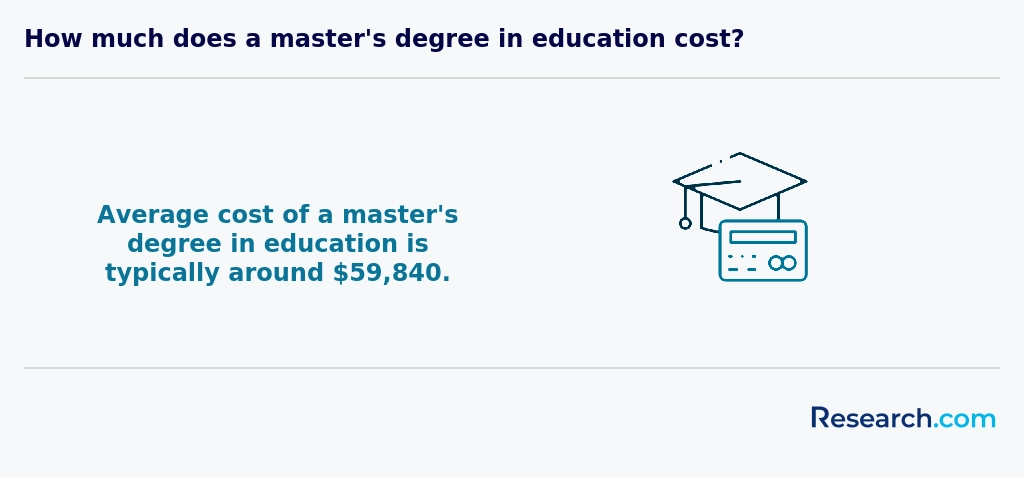
Diving into an online special education degree in Massachusetts means engaging with courses that feel both challenging and empowering. Graduates from schools like Boston University and the University of Massachusetts share how courses such as Instructional Strategies for Diverse Learners transformed their approach to teaching by showing them how to tailor lessons for students with varied abilities. Imagine mastering behavior management techniques that help turn a chaotic classroom into a supportive space where every student thrives.
The journey often begins with foundational classes like Introduction to Special Education, where learners explore the history and laws behind the field, bringing to life impactful policies like IDEA. Many students describe the Assessment and Evaluation course as an eye-opener, equipping them to create personalized education plans based on real student needs.
In Massachusetts, the curriculum also highlights cultural competency, which graduates find invaluable for connecting with the state's diverse student population. These courses don't just teach-they invite you to step into the shoes of students and families, making every lesson feel personal and purposeful.
Exploring online special education degree specializations Massachusetts offers, you'll find paths that truly resonate with diverse learner needs. Imagine graduates from well-known colleges in the state eagerly describing how their focus on Learning Disabilities prepared them to craft tailored IEPs for students struggling with dyslexia or attention difficulties. This specialization sparks a rewarding sense of accomplishment as educators witness real progress in their classrooms.
Others dive into Autism Spectrum Disorders, gaining hands-on skills with Applied Behavior Analysis and sensory strategies, eagerly sharing stories from Massachusetts schools where their expertise transformed student engagement. Special education master's concentration options Massachusetts also often include Emotional and Behavioral Disorders, equipping teachers with tools to handle anxiety or conduct challenges, creating safe and nurturing environments.
Some graduates specialize in Assistive Technology, excited by the innovative tools they bring to students with physical or cognitive challenges. Many find this aligns perfectly with inclusive education drives in local districts. For those ready to discover more about pursuing these paths affordably, an affordable online master's degree in special education can be your next exciting adventure.
Choosing the best online special education degree in Massachusetts means diving into programs that aren't just accessible but truly tailored to the local licensing demands. Graduates from popular colleges here often share how programs aligned with Massachusetts DESE standards made the licensure journey smoother, blending coursework with real-world practicum experiences right in their communities. Imagine managing your studies asynchronously while tapping into faculty expertise that's deeply connected to state education practices - these are the hidden gems that make education both flexible and enriching.
Cost plays its part too. Many seekers of an affordable special education master's programs Massachusetts appreciate schools that offer reasonable tuition with in-state rates, easing financial worries. Experienced students highlight how comparing total fees and exploring support services can transform a daunting process into a manageable adventure.
For a deeper dive into options, exploring the best online special education bachelor's degree programs offers insights grounded in research and real student stories, inviting you to find your perfect educational fit.

Graduates with an online special education degree in Massachusetts embark on diverse career paths that blend passion with purpose. Many find rewarding roles as special education teachers in vibrant classrooms across the state's public and private schools, where they earn competitive salaries ranging from $60,000 to $75,000. Others embrace specialized careers such as behavioral specialists crafting interventions or assistive technology consultants bringing innovative tools into learning spaces. This adventurous journey often extends beyond teaching-administrative roles like coordinators or directors allow graduates from well-known Massachusetts colleges to shape statewide education policies and programs.
Real-life graduates from Massachusetts institutions often describe the thrill of supporting students transitioning from school to the workforce or further education, a role filled with meaningful impact. For those interested in exploring further, pathways toward becoming school psychologists or speech-language pathologists enrich the professional landscape. If you're eager to explore what's next in special education, programs rated among the best online masters in special education offer flexible opportunities tailored for Massachusetts learners seeking exciting online special education careers Massachusetts provides.
The job outlook for special education graduates in Massachusetts is vibrant and full of promise. Graduates from well-known institutions in the state often share stories of quickly finding roles in both urban and suburban public schools, where the demand for skilled educators remains strong. This steady need is fueled by increasing student identification rates and a dedication to inclusive education.
Employment opportunities for online special education degree Massachusetts graduates extend beyond traditional classrooms into specialized centers and nonprofit organizations, offering diverse career paths. Many alumni recall how competitive salaries-around $78,000 annually-make these positions not only fulfilling but financially rewarding. In addition, maintaining licensure through the state's DESE encourages continuous professional growth, which graduates find motivating.
For those exploring this path, understanding the roles and responsibilities of a special education teacher clarifies day-to-day impacts and rewards. Online degree programs from Massachusetts-based universities offer the flexibility to learn while preparing for a career that truly changes lives.
2027 Most Valuable Online Master's in Special Education Degree Programs Ranking in Massachusetts
Investing in your education is a significant decision that can shape your future, and the Research.com team recognizes the importance of making well-informed choices. To support prospective students in Massachusetts, we have meticulously developed the "2027 Most Valuable Online Master's in Special Education Degree Programs Ranking." Our dedication to quality, credibility, and accuracy is demonstrated through thorough research and detailed analysis.
We utilized the following reputable data sources to ensure a comprehensive evaluation of special education programs:
By consulting this ranking, readers will gain essential insights into the top online master's programs in special education in Massachusetts, empowering them to make strategic and confident decisions about their educational futures. For more information on how this ranking was created, please visit our Research.com methodology page.


# 4 position
University of Massachusetts-Boston
Master of Vision Rehabilitation Therapy specialization

Frequently Asked Questions About special education
Online special education degree students in Massachusetts can maximize their learning experience by actively engaging with their coursework and leveraging state-specific resources. Massachusetts has one of the highest per-pupil spending rates in the U.S., which reflects strong local investment in special education, providing students with a robust theoretical and practical foundation.
Students should participate in virtual discussions and collaborate with peers and instructors to deepen understanding. Completing practicum hours with Massachusetts school districts can offer hands-on experience aligned with state regulations. Additionally, using tools like Massachusetts Department of Elementary and Secondary Education guidelines helps students stay current with licensure requirements and best practices.
Accessing research and data from local education agencies strengthens practical knowledge, preparing students for licensure exams and employment in the state's well-funded special education sector.
The field of special education is expanding to meet diverse student needs, with emerging niches gaining importance in Massachusetts and across the US. One fast-growing area is assistive technology integration, where educators learn to implement devices and software that support students with disabilities.
Another niche is trauma-informed teaching, which focuses on helping students with adverse childhood experiences, an approach increasingly adopted by Massachusetts schools. Additionally, inclusive early childhood education is a key focus, aiming to serve young children with disabilities in general education settings.
Speech and language intervention remains critical, along with autism spectrum disorder (ASD) specialization, given Massachusetts' higher-than-average diagnosis rates. According to the Massachusetts Department of Elementary and Secondary Education, nearly 18% of students receive special education services, illustrating ongoing demand for specialized educators.
These niches reflect evolving educational trends and the requirement for advanced online master's programs to prepare educators effectively.
After completing an online special education degree in Massachusetts, it is important to align your qualifications with state requirements. Massachusetts requires special education teachers to obtain licensure through the Department of Elementary and Secondary Education (DESE). Preparing for the job market involves passing the Massachusetts Tests for Educator Licensure (MTEL), including the Communication and Literacy Skills and Subject Matter tests.
Building practical experience through student teaching or internships during your program is valuable. Networking within Massachusetts education communities and attending job fairs can help connect with local districts. According to DESE, demand for special education teachers in Massachusetts is projected to grow by 5% over the next decade, reflecting steady opportunities.
Developing skills in Individualized Education Program (IEP) management and assistive technology can also increase employability in this specialized field.
Special education degree graduates in Massachusetts are expected to possess strong communication skills. Employers prioritize the ability to collaborate with families, teachers, and specialists effectively. Knowledge of Individualized Education Programs (IEPs) and legal frameworks like the Individuals with Disabilities Education Act (IDEA) is essential. According to the Massachusetts Department of Elementary and Secondary Education, proficiency in behavior management and adaptive teaching strategies also ranks highly.
Graduates who demonstrate cultural competency and the capacity to work with diverse student populations stand out. Data from the U.S. Bureau of Labor Statistics highlights the growing demand for special educators skilled in technology integration for personalized learning. These skills prepare graduates to meet the complex needs of students in Massachusetts' inclusive classroom settings.
Finding internships in Massachusetts related to a special education degree involves leveraging both educational resources and local organizations. Many Massachusetts universities with online special education programs offer partnerships with nearby school districts for practicum placements. These internships often provide hands-on experience working with students who have disabilities, essential for licensure.
Additionally, state agencies like the Massachusetts Department of Elementary and Secondary Education (DESE) list approved internship opportunities and requirements for special education candidates. Nonprofits and regional special education collaboratives also frequently offer placement options.
Networking through professional associations such as the Massachusetts Council for Exceptional Children helps access more internship listings and mentorship.
An online special education degree in Massachusetts can significantly enhance career mobility and advancement for educators. The state values certified special education teachers, especially those with advanced degrees, fostering opportunities for leadership roles and specialized positions in schools. According to the Massachusetts Department of Elementary and Secondary Education, educators holding a master's degree in special education typically earn higher salaries and qualify for more diverse roles.
Online programs provide flexibility, allowing current professionals to study without interrupting their careers. This accessibility supports continuous professional growth, essential in meeting Massachusetts's rigorous state licensing requirements.
Furthermore, advanced credentials are increasingly required for roles such as special education coordinators and district specialists, making a master's degree a critical asset for career advancement.
Studying for a special education degree in Massachusetts equips students with skills essential for interdisciplinary collaboration. Programs emphasize working alongside professionals in psychology, speech therapy, and general education to support diverse learners effectively.
Massachusetts' curriculum standards encourage understanding of behavioral, developmental, and cognitive challenges. This integration fosters teamwork across multiple disciplines.
According to the Massachusetts Department of Elementary and Secondary Education, special educators often co-design Individualized Education Programs (IEPs) with counselors and therapists, highlighting the need for strong interdisciplinary skills.
Online degrees from accredited Massachusetts institutions incorporate training in communication, assessment, and adaptive strategies, preparing graduates to function confidently in varied educational settings.
When choosing between a thesis and a non-thesis special education degree program in Massachusetts, consider your career goals and learning preferences. Thesis programs require original research and a comprehensive paper, ideal for students seeking roles in research or doctoral studies. Non-thesis options focus more on practical skills and coursework, fitting for those aiming to enter or advance in teaching positions quickly.
Massachusetts teachers pursuing special education degrees often prioritize licensure requirements established by the Massachusetts Department of Elementary and Secondary Education, which typically accept both formats.
Thesis tracks can take more time, often 2-3 years, while non-thesis programs might be completed faster.
Review program details from Massachusetts institutions such as Bridgewater State University or Boston University to align your choice with your professional objectives.
Students based in Massachusetts seeking online special education degrees often explore international options through partnerships between U.S. institutions and foreign universities. However, fully online programs offered directly by accredited institutions abroad remain limited for special education specifically. Most students typically enroll in Massachusetts-based or regionally accredited U.S. programs that may allow some international coursework or study abroad components.
Massachusetts has a strong emphasis on special education, reflected in local licensure requirements and program accreditation governed by the Massachusetts Department of Elementary and Secondary Education (DESE). This means students must ensure any foreign program aligns with DESE standards for teacher licensure to practice in the state.
According to recent data from the Massachusetts Department of Higher Education, over 5,000 students are enrolled in special education graduate programs locally, emphasizing the availability and quality of in-state online options. For those interested in global perspectives, some U.S. institutions offer international curricula or collaborative research but require primarily domestic enrollment to meet certification requirements.
Part-time job opportunities in Massachusetts that complement an online special education degree include roles such as teacher assistant, behavioral aide, and paraprofessional in local school districts. These positions offer hands-on experience supporting students with diverse learning needs, which is vital for practical skill development.
The Massachusetts Department of Elementary and Secondary Education emphasizes paraprofessionals as key support staff, often requiring relevant training but allowing flexible hours to accommodate coursework.
Additionally, working as a tutor specializing in special education subjects or behavioral support can enhance a student's understanding of individualized education programs (IEPs) and intervention strategies.
Such roles also improve communication and classroom management skills, crucial for future educators in this field.
Online special education students in Massachusetts have several networking opportunities to support their professional growth. Many universities offer virtual events, including webinars and career fairs, connecting students with educators and school administrators statewide. Additionally, students can join professional organizations like the Massachusetts Teachers Association and the Council for Exceptional Children's Massachusetts chapter, which hold both online and in-person meetings.
These groups provide access to local job boards, mentorship programs, and workshops tailored to special education professionals. According to the Massachusetts Department of Elementary and Secondary Education, more than 17,000 students receive special education services, highlighting the importance of strong professional networks in this field. Online students are encouraged to engage actively to maximize these resources.
Alumni networks provide valuable support for students pursuing online special education degrees in Massachusetts. Graduates from these programs often join active alumni groups, which offer mentorship and professional guidance. This connection helps students navigate the challenges of special education careers specific to Massachusetts, where over 80,000 students receive special education services annually, according to the Massachusetts Department of Elementary and Secondary Education.
These networks also facilitate job placement by sharing local employment opportunities and internship openings within Massachusetts school districts. Networking events and online forums increase access to experienced educators who understand state licensure requirements. As a result, students benefit from tailored advice that enhances their career prospects in the state's competitive education market.
In Massachusetts, customizing an online special education degree often involves selecting electives and specialization tracks that align with your career goals. Many programs offer focused options such as autism spectrum disorders, behavior analysis, or early childhood special education. This flexibility helps students tailor their studies to meet specific needs within the state's public and private education systems.
Additionally, Massachusetts requires certain licensure endorsements to teach special education, and online programs usually incorporate these credential pathways. Choosing courses that prepare you for the Massachusetts Tests for Educator Licensure (MTEL) can be crucial.
Engaging in practicum or internship placements within Massachusetts schools can also personalize your experience, offering hands-on skills relevant to local student populations, including the 17,000+ students identified with disabilities in the state as reported by the Massachusetts Department of Elementary and Secondary Education (DESE) in 2022.
Online special education students in Massachusetts face several common challenges. One major issue is ensuring sufficient practical experience. This field requires hands-on training, and some programs struggle to provide adequate in-person practicum opportunities due to the online format. Additionally, navigating Massachusetts' specific state licensing and certification requirements can be complex, with students needing to meet criteria set by the Massachusetts Department of Elementary and Secondary Education.
Another challenge involves engagement and support. Students often report feeling isolated without direct access to faculty or peer interaction, which can affect motivation. According to a 2023 survey by the Massachusetts Department of Education, about 30% of online learners in special education expressed concerns about limited access to mentorship and feedback.
With an online special education degree in Massachusetts, graduates can pursue several professional certifications to enhance their careers. The most common is the Massachusetts Initial or Professional License in Special Education, which qualifies educators to work with students with diverse learning needs. This license often requires passing the Massachusetts Tests for Educator Licensure (MTEL) specific to special education.
Additionally, educators may seek national credentials such as the Certified Special Education Teacher (CSET) credential offered by the Council for Exceptional Children. This certification is recognized across states and demonstrates expertise in the field.
According to the Massachusetts Department of Elementary and Secondary Education, approximately 17% of public school students receive special education services, increasing demand for certified teachers in this area.
Applying to an online special education program in Massachusetts requires a clear demonstration of your passion and understanding of the field. Admissions committees look for applicants with relevant experience, such as volunteering or working with children with disabilities. Including specific examples strengthens your application.
Massachusetts has a robust special education system-according to the Department of Elementary and Secondary Education, approximately 18% of public school students receive special education services. Highlighting knowledge of local laws, like Chapter 766, shows your awareness of the state's commitment to inclusive education.
Strong letters of recommendation and a well-crafted personal statement emphasizing your goals and readiness for online learning are essential. Make sure to meet all deadlines and submit transcripts that reflect your academic ability, as GPA requirements typically range around 3.0.
The field of special education is recognized internationally as essential for inclusive and equitable learning. In the United States, including Massachusetts, careers in special education offer meaningful opportunities to support diverse learners. According to the Massachusetts Department of Elementary and Secondary Education, approximately 18% of public school students receive special education services, reflecting high demand for qualified professionals.
Globally, educators in special education face evolving challenges linked to policy, cultural attitudes, and resource allocation. While countries vary in approach, the U.S. system emphasizes individualized education programs (IEPs), a model Massachusetts fully adopts. This focus on personalized support shapes the role of special educators.
For students pursuing online special education degrees in Massachusetts, awareness of these global trends complements local insights. The field requires adaptability to diverse learners and collaboration with families and specialists worldwide.
While pursuing an online special education degree in Massachusetts, gaining practical experience is essential to develop effective teaching skills. Many programs require fieldwork components such as practicum or student teaching, which students can complete locally. Partnerships between universities and Massachusetts school districts help facilitate placements in diverse classrooms that serve students with varying needs.
The Massachusetts Department of Elementary and Secondary Education (DESE) mandates supervised clinical experience for educator licensure, usually totaling 600 hours. This ensures hands-on learning in real special education settings while studying online. Virtual simulation tools and case studies also support skills development.
Engaging in local volunteer opportunities or collaborating with community agencies can further enrich practical experience and build professional networks in the state's special education field.
Choosing the right concentration within an online special education degree program in Massachusetts begins with understanding your career goals. Massachusetts offers diverse concentrations like Autism Spectrum Disorders, Learning Disabilities, and Behavioral Disorders to address various student needs. Research shows that nearly 15% of Massachusetts public school students receive special education services, highlighting demand for specialized skills (Massachusetts Department of Elementary and Secondary Education, 2023).
Consider the specific populations you want to serve and the certification requirements for those areas. For example, autism specialization may require additional training or endorsements. Reviewing course content and practicum opportunities can help align your choice with practical experience. Additionally, check if the program is approved by the Massachusetts Department of Elementary and Secondary Education to ensure eligibility for state licensure and support your employment prospects.
- 2027 Most Valuable Online Master's in Special Education Degree Programs Ranking in New York
- 2027 Most Valuable Online Master's in Special Education Degree Programs Ranking in Maine
- 2027 Most Valuable Online Master's in Special Education Degree Programs Ranking in Pennsylvania
- 2027 Most Valuable Online Master's in Special Education Degree Programs Ranking in Virginia
- 2027 Most Valuable Online Master's in Special Education Degree Programs Ranking in Ohio
- 2027 Most Valuable Online Master's in Special Education Degree Programs Ranking in Kentucky
- 2027 Most Valuable Online Master's in Special Education Degree Programs Ranking in Georgia
- 2027 Most Valuable Online Master's in Special Education Degree Programs Ranking in Missouri
- 2027 Most Valuable Online Master's in Special Education Degree Programs Ranking in Minnesota
- 2027 Most Valuable Online Master's in Special Education Degree Programs Ranking in Kansas
- Know more about thesis vs non- thesis: what is the difference? https://studyfans.com/en/blogs/816
- Special Education Teacher | Inclusive Education Jobs | Jobs in Education https://jobsineducation.com/categories/special-education-teacher-jobs/
- Program Details https://www.eastern.edu/academics/undergraduate-programs/special-education-pk-12-certification-online
- 9 Careers You Can Pursue with a Master’s in Special Education https://www.pointloma.edu/resources/education/9-careers-you-can-pursue-masters-special-education
- Why Special Education Teachers Need a Big Support Network https://www.weareteachers.com/special-education-support-network/
- How to Prepare for Careers in Special Education | Eastern CT State https://www.easternct.edu/graduate-division/online/articles/how-to-prepare-for-careers-in-special-education/
- Special Education Certification: The Path to Empowering Educators and Students - London College of Teachers and Trainers https://www.londoncollegeofteachers.com/blog/
- Making sure you're not a bot! https://katalog.ignatianum.edu.pl/bib/702746
- 10 Tips for Special Education Careers https://newstoryschools.com/blog/10-tips-special-education-careers
- How the Special Education Teacher Shortage Affects Students with LD, and What to Do About it https://ldaamerica.org/how-the-special-education-teacher-shortage-affects-students-with-ld-and-what-to-do-about-it/





