
2027 Most Valuable Online Special Education Degree Programs Ranking in the South

Co-Founder and Chief Data Scientist
Choosing the right special education degree program can feel overwhelming, especially with so many options available online. To help students in the South, the Research.com team of data scientists has created the 2027 Most Valuable Online Special Education Degree Programs Ranking in the South. This carefully researched ranking highlights programs that offer strong value and support career success.
Reading this article will give you clarity and confidence in making an informed decision. Pursuing a special education degree opens doors to rewarding opportunities where you can truly make a difference.
Key benefits of getting online special education degree in the South
- Special education graduates in the South often find rewarding jobs with average salaries around $60,000 per year, reflecting growing demand for skilled professionals in this field.
- Career paths include special education teacher, instructional coordinator, or counselor, as seen with alumni from the University of Florida who successfully entered diverse education roles.
- Online degrees from institutions like Clemson University offer flexibility and affordability, allowing students to balance work and life while earning respected credentials.
- 2027 Most Valuable Online Special Education Degree Programs Ranking in the South
- What can I expect from online special education degree in the South?
- Where can I work with online special education degree in the South?
What can I expect from online special education degree in the South?
The average cost of an online special education degree in the South typically ranges from $10,000 to $25,000 for bachelor's programs, with master's degrees often costing between $15,000 and $35,000. These prices are generally more affordable than comparable on-campus offerings, making online study a financially accessible option for many students in states like Texas, Florida, and Georgia.
Graduates from well-known Southern institutions often highlight how affordability paired with financial aid opportunities, including scholarships tailored to education majors, helped reduce their financial burden. For example, students pursuing their degrees through Texas universities mention balancing work and study without overwhelming debt, appreciating the way asynchronous coursework allowed them to remain employed while completing degree requirements.
Many programs also benefit from state-sponsored loan forgiveness initiatives linked to special education employment, alleviating long-term costs and encouraging graduates to serve local communities. This real-life financial support makes online special education degrees in the South an appealing choice for those seeking both economic and educational flexibility.
Where can I work with online special education degree in the South?
Graduates with an online special education degree from institutions like the University of Florida or Texas A&M often secure roles as special education teachers in K-12 public schools, where demand is consistently high. For example, states such as Texas, Florida, and North Carolina employ tens of thousands of educators in this field, reflecting vibrant opportunities for newly credentialed professionals.
Many graduates also find rewarding positions in charter and private schools throughout the South, working on individualized education programs (IEPs) and assistive technology integration. Southern colleges emphasize practical skills that prepare students for these diverse environments, ensuring graduates feel confident supporting diverse learning needs.
Beyond teaching, a degree opens pathways to educational assessment, consultation, and behavior interventionist roles. Graduates frequently collaborate with school districts, benefiting from specialized Southern programs that align with IDEA compliance.
Leadership roles, such as special education coordinators, often become accessible with additional graduate-level study, enabling graduates to influence policy and program delivery within Southern school systems, amplifying their impact on inclusive education.
Graduates with an online special education degree in the Southern United States typically earn between $48,000 and $58,000 annually, depending on their location and experience. For example, teachers in Texas average about $52,000 per year, while those in Florida earn close to $50,000. These salaries reflect full-time public school employment and align with regional living costs, providing a solid foundation for new educators.
Entry-level graduates from programs at notable Southern institutions often start at $40,000 to $45,000, which allows them to gain valuable classroom experience. Many find this rewarding as they build their expertise and impact diverse student populations. Career advancement to roles like special education coordinators or specialists at universities such as the University of North Carolina or Florida State University can boost earnings to above $65,000, especially with a master's degree or certifications.
Urban districts often offer higher pay than rural areas, though rural jobs may come with benefits like loan forgiveness. Overall, the Southern market for special education professionals remains strong and promising for those completing reputable online degrees.
- Tuition for online special education programs in Southern states ranges from $7,000 to $15,000 per year, with public universities generally offering lower in-state rates.
- Online programs can reduce costs related to commuting and housing compared to traditional on-campus study.
- Starting salaries for special education graduates in the South are approximately $41,000 to $48,000 annually, rising to $52,000 to $60,000 with experience and licensure.
- Employment for special education teachers in the South is projected to grow by 5% to 8% through 2030.
- Certification requires completing a state-approved program, passing exams, and supervised teaching; many online degrees prepare students for these requirements.
Completing an online special education degree in the South typically depends on the degree level and enrollment pace. Graduates from popular institutions such as the University of Alabama and Florida State University often report that a bachelor's degree takes about four years of full-time study, balancing foundational coursework with essential special education training.
Master's programs, favored by working teachers from schools in Texas and Georgia, usually range from 18 months to three years full-time. Many appreciate the flexibility to extend to part-time schedules, sometimes up to five years, allowing them to manage careers alongside advanced studies.
Doctoral candidates at Southern institutions like Vanderbilt University find that completing an EdD or PhD can take three to six years due to required research and fieldwork components. Although lengthier, these programs offer rewarding leadership opportunities, with graduates often expressing pride in their ability to influence special education policy locally.
Students value the option for accelerated pathways and prior credit recognition, enabling a faster finish when possible. The blend of flexible practicum scheduling and regionally relevant curricula supports a positive and manageable degree completion experience in the South.
Online and on-campus special education degree programs in the South differ primarily in format and experience. Graduates from universities like the University of Florida or the University of Georgia often note that online programs provide unmatched flexibility, allowing them to balance coursework with work or family commitments without relocating. This flexibility caters well to working professionals who need to study at their own pace and saves on commuting costs. In contrast, on-campus programs at schools such as Vanderbilt University or Louisiana State University offer immersive, face-to-face interactions that foster strong networking and hands-on practicum opportunities, often essential for mastering teaching strategies.
Tuition varies notably, with public on-campus programs averaging $8,000 to $15,000 annually in the South, while online options can be more affordable due to lowered campus fees. Both modalities require in-person practicums to meet state licensure standards, ensuring real-world experience. Many Southern graduates appreciate that online learning tools combined with local school placements create a personalized yet practical path toward certification.
The average cost of an online special education degree in the South is approximately $21,432 total, with in-state students typically paying less, around $15,477. This price point reflects tuition, fees, and related expenses at popular Southern institutions, giving prospective students a clear expectation when budgeting for their education. Graduates from universities in Texas and Georgia report feeling satisfied with the investment, noting how the affordability combined with quality instruction made pursuing their degrees manageable and rewarding.
Students often find that the South region online special education degree tuition and fees strike a balance between cost and access. Many public universities in Florida and North Carolina offer in-state residents lower tuition rates, sometimes near $9,500 annually for online graduate education programs, which is especially appealing for local learners. Out-of-state students may pay a higher rate but benefit from flat tuition models on some online platforms, simplifying financial planning.
Online learners pursuing special education degrees in the South also appreciate the flexibility and savings on additional costs such as textbooks and commuting. Scholarships and employer tuition assistance further reduce the net price, making higher education more attainable. Those exploring career paths after graduation can find useful insight into their options through bachelor degree in special ed jobs, helping them connect the value of their degree to real-world opportunities.
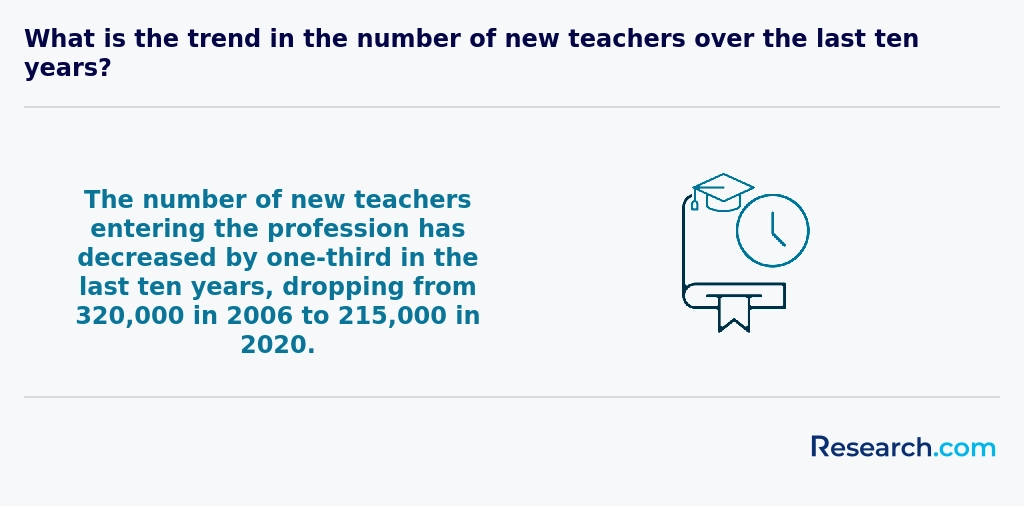
Students pursuing online special education degrees in Southern institutions often access multiple financial aid sources to offset costs that typically range between $10,000 and $20,000 annually. Graduates from universities such as the University of Texas at Austin or the University of Georgia report relying heavily on federal aid programs. The Free Application for Federal Student Aid (FAFSA) opens doors to grants, loans, and work-study opportunities, forming the backbone of their funding.
Some students benefit from the Teacher Education Assistance for College and Higher Education (TEACH) Grant, receiving up to $4,000 yearly by committing to teach in high-need, low-income schools after graduation. State-specific programs like Texas's Educational Opportunity Grant (TEOG) and Georgia's HOPE Scholarships provide additional crucial support, allowing many learners to reduce tuition significantly while maintaining full-time enrollment.
University-specific scholarships and assistantships, frequently offered by schools such as Vanderbilt University, help alleviate expenses further and often include stipends. Many working professionals also report substantial relief through employer tuition assistance, enhancing their ability to balance work and study effectively.
To enroll in an online special education degree program in the South, candidates typically must meet specific academic and procedural prerequisites. For bachelor's degrees, a high school diploma paired with competitive SAT or ACT scores is standard, though many Southern universities, such as those in Georgia and North Carolina, now offer test-optional admission pathways, which has increased accessibility for diverse applicants. Graduate programs generally require a bachelor's degree with a minimum GPA of around 3.0, often favoring education or related fields.
Graduates from prominent Southern institutions frequently recount the importance of submitting official transcripts, letters of recommendation, and a compelling personal statement to demonstrate their passion and readiness for special education. Background checks are routinely required, especially when practicum placements in local schools are involved, ensuring real-world experience aligns with state licensure requirements.
These structured prerequisites help build a foundation of confidence and preparedness among students, who often express gratitude for comprehensive guidance provided by their chosen colleges, enabling smoother transitions into impactful educational careers.

Online special education degrees in the South consistently include core courses designed to prepare educators for diverse classroom needs. Graduates from popular Southern universities frequently emphasize the comprehensive nature of Foundations of Special Education, which covers essential legal frameworks like IDEA, ensuring compliance and advocacy skills. These courses help future teachers confidently navigate requirements and protect student rights.
Assessment and Evaluation courses train students to accurately identify learner needs and develop tailored IEPs. Alumni often relate how mastering these skills directly impacted their ability to track and support student progress effectively in real-world classrooms.
Practical courses on Instructional Methods and Classroom Management offer evidence-based strategies for handling diverse disabilities, from autism to emotional disturbances. Southern programs often integrate local demographic data, helping students relate theory to the specific challenges seen regionally. Graduates recall how these classes gave them tools to create inclusive, supportive learning environments.
Collaboration and Consultation courses build teamwork skills critical for coordinating with families and professionals, a frequent scenario in Southern schools. Lastly, Technology in Special Education highlights the growing use of assistive tools, equipping students with the knowledge to enhance engagement via modern tech.
Online special education degree specializations in the South focus on preparing educators for regional demands, including Autism Spectrum Disorder (ASD), Emotional and Behavioral Disorders (EBD), and Learning Disabilities. Universities popular in the South, such as those in states like Texas and Georgia, offer programs that emphasize practical approaches to teaching students with specific needs, helping graduates feel confident and capable in diverse classroom settings. For example, graduates often highlight how training in Early Childhood Special Education enabled them to support developmental milestones in children aged birth to eight effectively.
These South regional special education online program options also cover Deaf and Hard of Hearing education and Intellectual Disabilities, equipping teachers with strong intervention skills. Many students appreciate the balance between theoretical knowledge and real-life application, frequently citing how these specializations aligned with the licensure requirements of Southern states. To understand more about requirements and pathways, students can explore how to obtain a special education teaching certification.
Choosing the best online special education degree programs in the South requires careful evaluation of accreditation and cost. Many graduates from popular institutions such as the University of Alabama and University of Florida emphasize the importance of programs accredited by recognized bodies like the Council for Exceptional Children and SACSCOC. These programs typically maintain rigorous standards and align with state certification requirements.
Cost is a significant factor for many Southern students. Affordable special education degrees Southern US offer tuition ranging from $8,000 to $15,000 annually for in-state learners, with some online options providing additional savings. Graduates often highlight access to state-specific financial aid and scholarships that helped ease their financial burden.
Curriculum relevance and practical experience are crucial. Successful graduates describe how hands-on practicum placements, often arranged locally through university partnerships with school districts, refined their skills in real classroom settings. Programs teaching key federal laws like IDEA prepare students well for certification exams.
Flexibility and support services matter greatly for Southern students balancing work and family. Online formats with asynchronous schedules and strong advising were commonly praised. Students also benefit from understanding career prospects by exploring jobs for special education majors in their state to align their training accordingly.
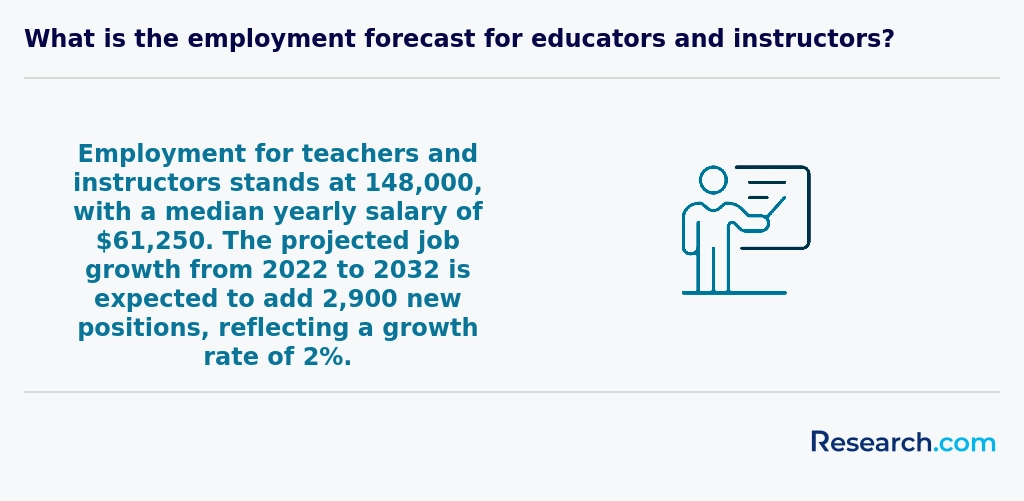
Graduates with an online special education degree in the South have access to diverse career paths that address critical needs in education. Common roles include Special Education Teacher positions in K-12 schools, where professionals support students with disabilities through tailored learning strategies. Resource Specialist roles also attract graduates who thrive on delivering targeted interventions within mainstream classrooms. Behavioral Therapist or Specialist roles provide opportunities to enhance students' social and coping skills, especially in states like Texas and Florida with substantial special education populations. Additionally, Instructional Coordinator positions involve designing curricula and training educators across Southern school districts, while Early Intervention Specialists focus on developmental support for young children. Many graduates from well-regarded Southern institutions report fulfillment in these roles, embracing the impact they have on inclusive education systems.
Demand for special education teaching careers Southern US remains high, driven by progressive inclusion policies and population growth. Those interested can explore pathways through programs such as the fastest master in special education online, gaining licensure preparation tailored to Southern state certification requirements.
The job market for online special education degree jobs in the South remains strong, driven by growing student populations in states like Texas, Florida, and North Carolina. Graduates from popular universities and colleges in the region, who have earned credentials through flexible online programs, often find employment in public and private schools, as well as educational support services. Many graduates share positive experiences balancing coursework with family or work responsibilities while feeling confident their degree prepares them for real classroom challenges.
Employment in special education is expected to grow about 7% nationally through 2031, and Southern states with expanding student populations may see even higher demand. Salary ranges vary, with averages between $50,000 and $66,000 annually, reflecting local cost-of-living differences. For those concerned about affordability, some online programs in the South offer competitive tuition rates that are generally lower than traditional on-campus options.
Prospective students exploring their options can find tailored programs and career guidance by considering a special education bachelor degree online, enhancing access to quality education and promising career opportunities throughout the South region special education career opportunities.
2027 Most Valuable Online Special Education Degree Programs Ranking in the South
Investing in your education is a significant decision that can shape your future, and the Research.com team understands the importance of making informed choices. To assist prospective students in the South, we have meticulously crafted the "2027 Most Valuable Online Special Education Degree Programs Ranking in the South." Our commitment to quality, credibility, and accuracy is reflected in the extensive research and analysis conducted to compile this ranking.
We utilized the following reputable data sources to ensure a comprehensive evaluation of online special education degree programs:
By exploring this ranking, readers will gain valuable insights into the most valuable online special education degree programs in the South, helping them make informed decisions about their educational paths. For more details on our methodology, please visit our Research.com methodology page.


# 9 position
Florida International University
Master of Special Education, Autism Endorsement specialization


# 11 position
University of Central Florida
Bachelor of Exceptional Student Education, Learning and Language
# 12 position
The University of North Carolina at Charlotte
Master of Special Education (K-12) General/Adapted Curriculum

# 13 position
Texas State University
Master of Postsecondary Student Success in Learning, Literacy, and Mathematics


Frequently Asked Questions About special education
Online special education degree students in the South can maximize their learning experience by actively engaging with course materials and utilizing available support services. Research from the National Center for Education Statistics shows that Southern states often have higher percentages of students with disabilities, emphasizing the need for contextual understanding in studies. Students should take advantage of virtual office hours, discussion forums, and networking opportunities to connect with peers and instructors. Additionally, seeking out field experiences or internships in local schools can provide practical knowledge. Staying organized and setting a consistent study schedule also helps maintain progress in these rigorous online programs.
The special education field is evolving rapidly, with emerging niches that address diverse student needs. One significant area is autism spectrum disorder (ASD) support, driven by rising diagnosis rates nationally and in Southern states. According to the CDC, about 1 in 44 children are diagnosed with ASD, creating demand for specialists trained in tailored interventions.
Another growing niche is assistive technology. Educators skilled in using devices and software to enhance learning for students with disabilities are increasingly sought after, especially as schools integrate digital tools.
Additionally, early childhood special education is expanding, focusing on interventions before kindergarten. This early support can improve long-term outcomes for children with developmental delays.
These niches reflect southern education priorities, where inclusive practices and specialized support continue to gain funding and legislative attention.
After completing an online special education degree in the South, graduates should focus on obtaining state licensure, which is required to teach in public schools. Licensing requirements vary by state but typically include passing exams such as the Praxis Special Education test. According to the Southern Regional Education Board, there is a growing demand for special education professionals in southern states, with an expected employment growth rate of over 10% through 2030.
Networking with local school districts through internships or practicum experiences during coursework enhances job prospects. Additionally, joining professional organizations like the Council for Exceptional Children can provide valuable resources and connections.
Staying current on Individualized Education Program (IEP) laws and evidence-based teaching strategies is crucial for competitiveness in the job market.
Employers in the South seek special education graduates with strong communication skills to effectively collaborate with families, teachers, and support staff. According to the Southern Regional Education Board, candidates who demonstrate adaptive teaching methods tailored to diverse learning needs are highly valued.
Expertise in Individualized Education Programs (IEPs) is essential, as South Carolina and Georgia report over 15% of K-12 students receive special education services. Graduates must also show proficiency in behavioral management strategies and data-driven decision-making.
Technological literacy, especially with assistive devices and online learning tools, is increasingly important due to rising digital integration in classrooms.
Finding internships in the South for special education students involves multiple strategic steps. Start by contacting university career centers, which often maintain partnerships with local school districts. According to the National Center for Education Statistics, Southern states like Texas and Florida have high demand for special education teachers, increasing internship opportunities.
Additionally, explore state Department of Education websites in the South for listings of approved internship programs. Networking with local special education professionals through organizations such as the Council for Exceptional Children can open doors to placement options. Online platforms specific to teaching internships, like Handshake, are tailored to education fields and relevant to Southern universities.
Consider also virtual internships if physical proximity limits options. Many districts offer hybrid models that accommodate online students. This flexibility benefits students enrolled in online special education programs seeking experience nearby. Always verify that internships align with state licensure requirements to ensure full credit toward degree progression and certification.
Obtaining an online special education degree in the South can significantly enhance career mobility and advancement opportunities. Many southern states, including Texas and Georgia, report a high demand for qualified special education teachers due to increasing student enrollment with disabilities, as noted by the U.S. Department of Education.
Online programs offer flexibility, allowing educators to balance work and study while earning credentials that meet state licensure requirements. Graduates often qualify for roles ranging from classroom teachers to specialized instructional coordinators.
According to the Bureau of Labor Statistics, special education teacher positions in the South are expected to grow by 7% through 2031, reflecting steady job availability.
Studying for a special education degree in the South offers unique preparation for interdisciplinary roles through a focus on collaboration and diverse educational environments. Southern institutions emphasize teamwork among educators, therapists, counselors, and families to support students with disabilities. According to the Southern Regional Education Board, many Southern programs integrate courses in psychology, speech therapy, and behavioral sciences, fostering cross-disciplinary understanding.
Programs also highlight state-specific laws and services, equipping graduates to navigate local education systems effectively. Data from the National Center for Education Statistics shows rising demand for special educators in Southern states, underscoring the importance of versatile skills in various educational and community settings.
Choosing between a thesis and a non-thesis online special education degree program in the South depends largely on your career goals. Thesis options typically include conducting original research and writing a detailed paper, which suits students aiming for doctoral studies or research roles. Non-thesis programs often focus more on practical skills and coursework, appealing to professionals seeking immediate application in school settings.
In the Southern U.S., where over 15% of public school students receive special education services (NCES, 2023), practical training is highly valued. Many Southern institutions tailor their programs to regional educational needs, emphasizing classroom techniques and compliance with federal IDEA regulations.
Consider your desired job market, time commitment, and interest in research before deciding.
Students in the South interested in studying special education abroad face unique challenges due to licensure and curriculum differences outside the U.S. While fully online special education degrees are widely available domestically, options specifically designed for international study are limited. Most Southern institutions focus on accredited online programs approved by state education boards, such as those overseen by CAEP or NCATE.
Students aiming for international experience often pursue study abroad semesters through partnerships with foreign universities, but these are generally part of a traditional on-campus program rather than fully online degrees. According to the National Center for Education Statistics, about 15% of Southern universities offer study abroad opportunities, but few target special education specifically.
For Southern students, pursuing an online degree with international coursework may require additional credential evaluations if planning to work abroad afterward. Consulting a state education agency for guidance is advisable.
Part-time job opportunities that complement online special education degrees in the South include roles such as teacher aides, paraprofessionals, and tutors. These positions provide hands-on experience working directly with students who have diverse learning needs. According to the U.S. Bureau of Labor Statistics, the South has a growing demand for special education support staff, with states like Texas and Florida reporting increases above the national average. Working as a paraprofessional in public schools can enhance understanding of individualized education programs (IEPs) and classroom management. Additionally, private tutoring for students with disabilities allows flexibility for online students balancing study and work.
Online special education students in the South have growing networking opportunities despite remote learning. Many Southern universities, such as the University of Florida and the University of North Carolina, provide virtual student organizations and professional groups focused on special education. These groups facilitate connections with peers and faculty, aiding collaboration and support.
Regional conferences such as the Southern Conference on Exceptional Children often offer reduced or virtual rates for online students, providing access to workshops and contact with industry leaders. Additionally, state departments of education in Southern states actively promote partnerships with universities, supporting internship and field placement networking.
According to the Council for Exceptional Children, nearly 40% of special education professionals in the South engage in online professional communities, highlighting digital networking's importance.
Alumni networks play a vital role for online special education degree students in the South by offering ongoing professional support and valuable connections. These networks help graduates access job opportunities within Southern school districts, where special education teacher demand is expected to grow by 7% through 2031, according to the U.S. Bureau of Labor Statistics.
Members often share resources, career advice, and mentorship, which can be crucial for navigating regional certification requirements unique to Southern states. Additionally, alumni events and online forums foster collaboration, helping educators stay updated on best practices and policy changes impacting special education locally. This community support strengthens student confidence and career advancement potential.
Customizing an online special education degree program in the South allows students to tailor their education to specific career goals. Many accredited Southern universities offer flexible electives focused on areas such as autism spectrum disorders, behavioral intervention, and inclusive classroom strategies. This approach helps students gain expertise aligned with local job market needs.
Students can often choose concentrations or endorsements that meet state licensure requirements, which vary across Southern states. According to the National Center for Education Statistics, states like Texas and Georgia have increased demand for special education teachers by over 10% in recent years. Selecting the right coursework and practicum experiences can position graduates to serve these growing communities effectively.
Additionally, programs may provide options for integrating technology in special education or leadership training, supporting career growth beyond classroom teaching.
Students pursuing online special education degrees in the South often face several notable challenges. Limited broadband access in rural areas remains a significant barrier; according to the Federal Communications Commission, 23% of rural Southern households lack high-speed internet, complicating online learning.
Another challenge involves the need for hands-on field experience, which many programs require but can be difficult to arrange remotely due to local school placement shortages. Additionally, Southern states vary in certification requirements, causing confusion for students aiming to meet both degree and licensure standards simultaneously.
Finally, limited financial aid options specifically for special education students in the region can impact affordability and completion rates.
With an online special education degree, you can pursue several professional certifications that enhance your credentials and career prospects in the Southern U.S. Common certifications include the Licensed Special Education Teacher credential, required by most Southern states for classroom teaching in public schools. For example, Texas requires candidates to pass the TExES Special Education exam to become certified.
Additionally, you can seek Board Certified Behavior Analyst (BCBA) certification, which is valuable for working with students with behavioral challenges. The Council for Exceptional Children (CEC) offers a nationally recognized Certification of Educational Personnel in Special Education, which is also widely respected in Southern states.
Many Southern states have alternative certification paths, especially for career changers, increasing access to special education roles. According to the National Center for Education Statistics, demand for special education teachers is projected to grow by 8% through 2030, emphasizing the value of these certifications.
Writing a winning application for an online special education program in the South requires careful preparation and attention to regional education trends. Programs often seek candidates with a strong commitment to supporting students with disabilities. Highlighting your passion and relevant experience in special education enhances your application.
Many Southern states emphasize practical training and certification alignment, so showcasing any fieldwork or volunteer experience can strengthen your case. According to the Southern Regional Education Board, special education demand in Southern states is expected to grow by 8% through 2030, reflecting job opportunities.
Strong letters of recommendation, a well-crafted personal statement, and meeting minimum GPA requirements-typically around 3.0-are crucial. Additionally, referencing Southern state licensure requirements demonstrates your readiness for certification.
Special education careers are increasingly valued worldwide, including in the United States, where demand for qualified professionals continues to grow. According to the U.S. Bureau of Labor Statistics, employment of special education teachers is projected to grow 8% from 2022 to 2032, faster than average for all occupations.
In the South, states like Texas and Florida lead in special education teacher employment, reflecting regional commitment. Nationally, the Individuals with Disabilities Education Act (IDEA) sets a legal framework that influences training and certification standards, ensuring educators are equipped to meet diverse student needs.
Globally, inclusive education is gaining momentum, encouraging educators trained in special education to support equity and accessibility. For Southern students pursuing online degrees, this trend opens avenues for impactful careers both locally and abroad.
Gaining practical experience is essential when pursuing an online special education degree in the South. Many Southern universities partner with local schools and educational agencies to offer virtual or in-person internships and practicum placements. These opportunities allow students to work directly with children who have disabilities, developing skills in individualized instruction and behavior management.
State requirements often mandate a set number of supervised clinical hours. For example, Texas and Georgia require between 300 and 600 clock hours for teacher certification, which can often be completed close to home.
Additionally, technology-enabled observations and telepractice experiences are expanding, helping students engage remotely while fulfilling practicum needs. According to the Southern Regional Education Board, online practicums remain an effective way to meet professional standards in the region's growing special education workforce.
When choosing the right concentration within an online special education degree in the South, consider your career goals and the specific needs of local school districts. Common concentrations include autism spectrum disorders, learning disabilities, and behavioral disorders. Each focus area requires specialized training and meets unique certification requirements in Southern states. According to the Southern Regional Education Board, demand for teachers skilled in autism spectrum disorder support grew by 15% between 2018 and 2023. Research local licensure requirements, as some Southern states like Georgia and North Carolina offer endorsements tied to specific concentrations. Align your choice with these regional demands for best job prospects.
- Special Education | Columbia College https://www.columbiasc.edu/academics/undergraduate/special-education
- How Special Education Teachers Can Fully Utilize Financial Aid - Graduate Programs for Educators https://www.graduateprogram.org/blog/how-special-education-teachers-can-fully-utilize-financial-aid/
- Special Education Courses Online | Salary, Career & Certification. https://www.apteachertraininginstitute.com/blog/special-education-teacher-salary-career-paths-online-training-investement/
- Special Education Email/Letter Templates https://www.calldac.com/post/special-education-email-letter-templates
- Transforming Special Education in a Rural School - Moreland University https://moreland.edu/resources/blog-insights/transforming-special-education-in-a-rural-school
- SEND Alumni Toolkit https://resources.careersandenterprise.co.uk/resources/send-alumni-toolkit
- 10 Tips for Special Education Careers https://newstoryschools.com/blog/10-tips-special-education-careers
- Becoming and Playing the Role of Special Education Teacher https://www.cune.edu/news/becoming-and-playing-role-special-education-teacher
- Special Education Professional Development Complete Guide for 2025 Teacher Guide https://www.simplek12.com/blog/special-education-professional-development
- List of alumni working in Special Education - COMFSM Alumni Network https://alumni.comfsm.edu.fm/dir/company/Special-Education.dz


