2027 Most Valuable Online Special Education Degree Programs Ranking in Virginia

Co-Founder and Chief Data Scientist
Choosing the right special education degree program can be overwhelming, especially when balancing life in Virginia. This article introduces the 2027 Most Valuable Online Special Education Degree Programs Ranking in Virginia, created by the Research.com team of data scientists. It's designed to guide you through the best options available, helping you make a confident, informed decision.
Discover programs that align with your goals and offer the support you need. Earning a special education degree opens doors to meaningful careers where you can make a real difference. Let this ranking be your trusted companion on that path.
Key benefits of getting online special education degree in Virginia
- Special education degree graduates in Virginia typically earn competitive salaries, with U.S. special education teachers averaging around $61,000 annually, offering financial stability and rewarding career growth.
- Graduates can pursue varied careers such as classroom teaching, educational consulting, or child development specialist roles, much like alumni from the University of Virginia who find fulfilling work supporting diverse learners.
- Completing a special education degree online provides flexible learning schedules, allowing students from anywhere in Virginia to balance work and study effectively, as demonstrated by online graduates from George Mason University.
- 2027 Most Valuable Online Special Education Degree Programs Ranking in Virginia
- What can I expect from online special education degree in Virginia?
- Where can I work with online special education degree in Virginia?
What can I expect from online special education degree in Virginia?
The average cost of an online special education degree in Virginia generally ranges from about $10,000 to $30,000 for bachelor's programs, depending on whether you attend a public or private institution. Graduates from popular universities like James Madison University or Virginia Commonwealth University often share how their investment was manageable thanks to state financial aid and scholarships, which helped reduce out-of-pocket expenses.
Many online programs offer flexible payment plans and credit transfers that ease the financial burden while accelerating degree completion. For example, a graduate from a well-known Virginia college highlighted how taking advantage of employer tuition assistance and federal aid made the cost feel more affordable.
Students should also consider hidden savings, such as avoiding commuting expenses and gaining access to comprehensive resources online. These financial strategies make earning a special education degree in Virginia both practical and rewarding, setting graduates up for successful licensure and careers without overwhelming debt.
Where can I work with online special education degree in Virginia?
Graduates with an online special education degree in Virginia often begin their careers as licensed special education teachers in the state's public school divisions. Working in elementary, middle, or high schools, they adapt lessons and develop individualized education programs tailored to students with diverse needs. For many, this role at institutions like George Mason University or Virginia Commonwealth University offers a rewarding chance to make a tangible difference daily, helping students thrive.
Beyond K-12 schools, some graduates find fulfilling positions in early intervention programs through the Virginia Department of Behavioral Health and Developmental Services. These roles involve supporting young children and families before formal schooling begins, which can be especially meaningful for those passionate about early developmental impact.
Others explore careers in advocacy, educational consulting, or behavior analysis, often with nonprofits focused on disabilities. These paths let graduates apply their skills broadly, designing programs or providing therapy that empowers individuals across Virginia's communities.
This variety of career options reflects Virginia's strong commitment to inclusive education and federal compliance, ensuring ongoing demand for knowledgeable, compassionate professionals from online special education programs.
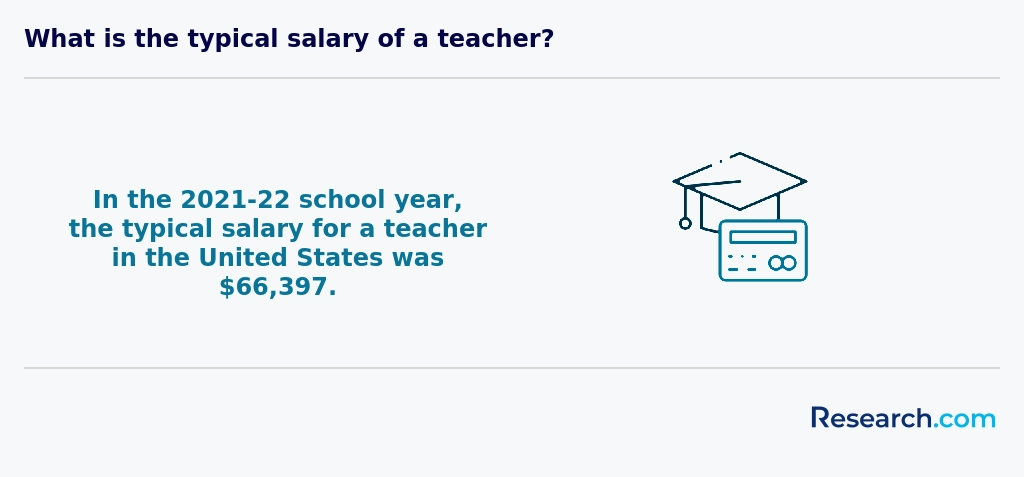
Graduates with an online special education degree in Virginia can typically expect to earn around $63,000 annually as special education teachers, according to the latest U.S. Bureau of Labor Statistics data. This salary reflects a competitive edge compared to the national median, which is about $61,000. For instance, graduates from well-known programs at Virginia Commonwealth University or George Mason University often start in roles with salaries between $50,000 and $55,000, especially in larger school districts like Fairfax or Arlington.
With experience and advanced credentials, such as a master's degree or National Board Certification, these professionals frequently surpass $70,000 per year. Many report satisfaction in their careers, finding that their salaries gradually grow alongside their expertise and additional endorsements.
Moreover, the structure of Virginia's salary schedules encourages steady income growth based on education and tenure, making online degrees from accredited institutions a solid investment. Taking on specialized roles like IEP coordination can also open doors to bonuses, further boosting earnings in a rewarding field.
- The cost for a bachelor's online special education degree in Virginia ranges from $15,000 to $30,000, while master's programs typically cost between $20,000 and $40,000.
- Special education teachers in Virginia start with an average salary of about $43,000 per year, which can increase to nearly $60,000 with experience and additional qualifications.
- The Virginia job market shows steady demand for special education teachers, with many districts reporting ongoing vacancies for licensed professionals.
- Virginia requires state licensure for all special education teachers, usually obtained through approved teacher preparation programs including local student teaching placements.
- Many online special education programs in Virginia are accredited by the Council for Exceptional Children (CEC) or approved by the Virginia Department of Education, ensuring quality education and exam preparedness.
Completing an online special education degree in Virginia typically takes about four years if you enroll full-time, similar to programs offered by well-known universities like James Madison University or George Mason University. Many graduates share how balancing work and studies extended their timelines to five or six years while taking courses part-time. This flexible pacing allows you to progress comfortably without overwhelming your daily life.
For those pursuing a master's degree, most programs at Virginia universities take between 1.5 to 3 years. Some accelerated options can be completed in as little as 12 to 18 months, providing a fast-track path to advancing your career. Graduates often express satisfaction in managing these intensive programs while gaining hands-on experience through required in-person practicum hours.
Remember, Virginia's licensure requirements include supervised fieldwork, so plan for additional time beyond coursework to fulfill these practical components. This step is crucial to confidently meet Virginia Department of Education standards and pass the Praxis exams, ensuring you're fully prepared to teach and support exceptional learners.
Choosing a program accredited and approved ensures your degree leads directly to licensure and quality instruction.
- Accreditation
- Look for CAEP or Council for Exceptional Children (CEC) endorsement-these bodies validate curriculum rigor and field experience.
- Regional accreditation (e.g., SACSCOC) confirms institutional standards.
- Virginia Board of Education Approval
- Programs must align with Virginia’s licensure pathways for special education teachers.
- Check that required practica hours and coursework meet state regulations.
- Certification Exams
- Plan for the Praxis II: Special Education: Core Knowledge and Applications.
- Confirm your program provides prep resources or exam waivers.
- Continuing Professional Development
- Virginia requires ongoing professional development to maintain or upgrade endorsements.
- Many graduates pursue advanced credentials-consider exploring affordable edd programs to deepen expertise and leadership potential.
Online special education degrees in Virginia offer unmatched flexibility, ideal for students juggling jobs or family. For example, graduates from well-known schools like Virginia Commonwealth University appreciate being able to study lectures and complete assignments on their own schedule without commuting to Richmond campuses. This format helps those living in rural areas access quality education without relocating.
In contrast, on-campus programs at universities such as James Madison University provide hands-on learning through direct interaction. Students experience real-time feedback in classrooms and benefit from practicums at nearby schools, building strong local networks. Graduates often recall how face-to-face collaboration boosted their confidence and skills.
Both formats follow Virginia Department of Education requirements, ensuring licensure readiness. Online students might supplement digital coursework with occasional campus visits for practicums or labs, combining convenience with critical in-person experiences. Choosing between these depends on how you balance flexibility with immersive, practical training in your path to becoming a special education teacher in Virginia.
The average cost of an online special education degree in Virginia varies depending on residency and institution type, with median total costs around $23,250. In-state students tend to pay about $16,830 for the entire program, which makes public universities particularly appealing for residents due to their affordability. Many graduates from schools like George Mason University and James Madison University share how manageable tuition expenses combined with online flexibility allowed them to focus on their passion for helping children with special needs without sacrificing family time or employment.
Out-of-state students should anticipate higher expenses, with median costs near $17,850, reflecting extra fees and tuition. Private universities charge more, often exceeding $25,000 annually, but these schools sometimes offer scholarships or financial aid tailored for special education students, reducing the financial burden. Students often highlight how exploring scholarships early in the application process was a practical move that eased their overall budget pressures.
Aside from tuition, budgeting for additional costs like textbooks, technology fees, and certification exams is important when calculating Virginia online special education degree tuition and fees. Alumni frequently recommend building a reasonable allowance for these expenses to avoid surprises during the course of study.
Many find that the investment is worthwhile. For those wondering about career opportunities, a bachelor degree in special ed jobs in Virginia offers rewarding professional paths and competitive salaries that help justify education costs.
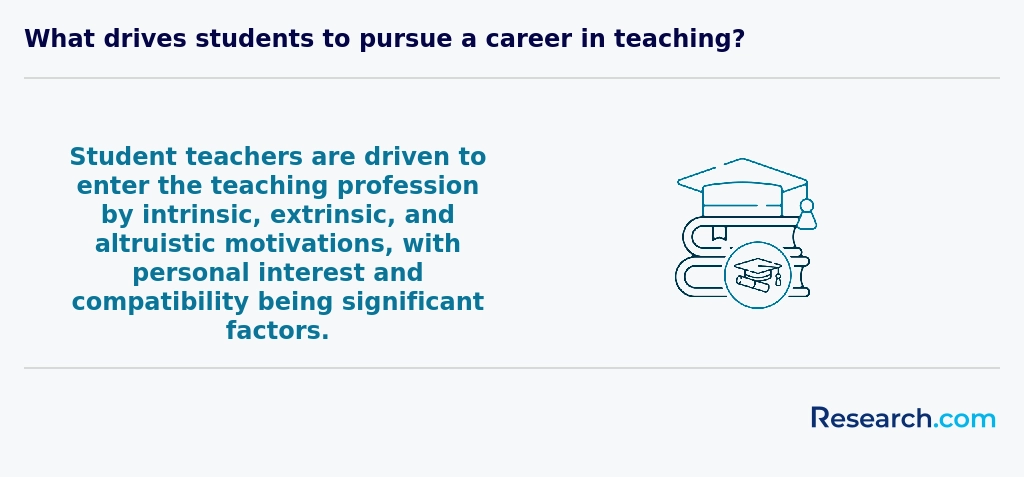
All online special education programs in Virginia must hold accreditation from the Council for the Accreditation of Educator Preparation (CAEP) and comply with Virginia Board of Education (VBOE) standards. Meeting these criteria ensures your degree leads directly to state licensure and classroom readiness.
- Enroll in a CAEP-accredited online program approved by the VBOE.
- Complete required coursework and supervised practicum hours in K–12 settings.
- Pass the Praxis Core Academic Skills and Praxis II: Special Education content exams.
- Submit your official transcript, exam scores and background check to the VBOE.
- Apply for initial licensure through the Virginia Department of Education portal.
For educators aiming at leadership or doctoral roles after earning licensure, consider exploring affordable edd programs to advance your impact in special education.
Students pursuing an online special education degree in Virginia often rely on federal financial aid as a foundation. Many qualify for Pell Grants, which do not require repayment and can provide up to $7,395 per year. Graduates from programs at schools like George Mason University have found this grant critical in covering initial tuition costs. When grants aren't enough, affordable federal student loans offer manageable interest rates and flexible repayment options tailored for future educators.
State-specific aid also plays a crucial role. The Virginia Tuition Assistance Grant (VTAG) helps residents attending eligible private colleges with tuition support. At universities such as Liberty University, students have leveraged this program to reduce out-of-pocket expenses. Additionally, the Virginia Commonwealth Award rewards academic merit combined with financial need, benefitting graduate students keen on specializing in special education.
Scholarships from organizations like the Council for Exceptional Children and the Virginia Association for Supervision and Curriculum Development provide targeted financial help, ranging from several hundred to a few thousand dollars. Past students often describe these awards as game-changers in easing financial stress.
Employers and school districts also offer tuition reimbursement and loan forgiveness. The Virginia Teacher Loan Forgiveness Program, for example, can forgive up to $4,000 annually for teachers in high-need fields, including special education, which many alumni have utilized to lessen their debt burden.
Finally, financial aid offices at universities popular for special education studies, such as Old Dominion University, offer personalized assistance. These offices help students find tailored aid packages, emergency funds, and payment plans, making the online journey affordable and manageable.
To enroll in an online special education degree program in Virginia, you must first have a high school diploma or GED. Many popular institutions, like those valued for their flexible online formats in Virginia, expect students to have at least a 2.5 GPA to show readiness for the academic challenge.
For graduate programs, such as a master's in special education, prerequisites become more specific. Graduates often recall gathering official transcripts from their undergraduate studies, preparing heartfelt statements of purpose, and securing strong letters of recommendation to showcase their dedication. Some programs require prior teaching experience or a valid teaching license, aligning with Virginia's focus on practical skills and real classroom readiness.
Applicants must also ensure the online program follows Virginia's Department of Education rules, including approved coursework and field experiences, plus passing licensure exams like the Praxis. This practical approach helps graduates feel confident their training matches real-world demands in Virginia schools.
Accreditation and licensure alignment reassure that your online special education degree meets rigorous standards and leads directly to Virginia teacher certification. Before enrolling, verify:
- Regional accreditation by bodies such as the Southern Association of Colleges and Schools Commission on Colleges (SACSCOC)
- CAEP (Council for the Accreditation of Educator Preparation) or NCATE approval for special education
- Program approval by the Virginia Board of Education, including required practicum hours and exam preparation
Choosing an accredited program ensures smooth licensure, transferable credits, and confidence in program quality. For educators aiming to advance into leadership or doctoral roles, explore affordable edd programs to plan your next steps.
Online special education degree programs in Virginia typically include courses designed to prepare you for real classroom challenges. Graduates from well-known institutions such as George Mason University or James Madison University often highlight foundational courses like Foundations of Special Education, which cover Virginia-specific laws and policies, helping students understand the legal framework they'll work within.
Instructional methods tailored for students with various disabilities are emphasized in courses like Instructional Strategies for Special Needs. For example, graduates describe gaining confidence in adapting lessons for students with cognitive or emotional differences through practical, scenario-based learning.
Another essential course is Assessment and Evaluation, where students learn to accurately measure progress and write Individualized Education Programs (IEPs) aligned with Virginia's Department of Education standards. Graduates often recall how hands-on IEP development during practicum helped them connect theory with real school environments.
Behavior management is addressed in Behavioral Interventions, teaching positive supports to handle challenging classroom behaviors effectively. The Collaboration and Communication courses further prepare students to work closely with families and multidisciplinary teams, which recent graduates say is vital for supporting diverse learners in Virginia schools.
Students pursuing an online special education degree in Virginia typically find several focused specializations designed to meet diverse educational needs. Common options include Learning Disabilities, where graduates learn to tailor instructional strategies for students struggling with reading, writing, or math. Another key specialization is Autism Spectrum Disorder (ASD), which equips students with evidence-based techniques for communication and behavior management-vital skills for classroom success shared by graduates from well-regarded Virginia universities.
Emotional and Behavioral Disorders (EBD) specialization prepares future educators to support learners facing emotional regulation or behavioral challenges, often involving collaboration with mental health professionals. Many programs also offer a General Special Education track that covers diverse disabilities and age ranges, perfect for those seeking licensure through Virginia's Department of Education.
Graduates from these programs often report high satisfaction, appreciating the flexibility of online formats that align with the needs of working professionals. For students exploring special education certification programs Virginia online, understanding these specializations can clarify which path best matches their career goals. Learn more about how do you get a special education certification to plan effectively.
When choosing the best online special education degree in Virginia, prioritize programs accredited by agencies like CAEP to ensure they meet state licensure requirements. Graduates from well-known universities in Virginia often share how clinical practice and student teaching experiences within these programs gave them the confidence and skills needed for real classrooms. Look for programs offering coursework that matches your career focus, such as autism or behavioral management, which helps you gain relevant expertise.
Cost is a key consideration-seek affordable special education programs Virginia residents recommend, balancing tuition with available financial aid or scholarships. Flexibility matters too; many successful graduates appreciate asynchronous classes that fit around their busy work and family lives. Strong advising and tech support can make a noticeable difference in feeling supported throughout your studies.
Finally, investigate programs with high licensure exam pass rates and positive employment outcomes. Use resources like the Virginia Department of Education and check out options to ensure your future career is promising. Exploring the best paying jobs in special education can also help guide your degree choice toward rewarding paths.
Graduates with an online special education degree in Virginia often start as special education teachers, securing licensure through the Virginia Department of Education. These roles allow you to work directly with students facing learning challenges, fostering inclusive classrooms in both public and private schools. Many graduates from popular Virginia colleges describe feeling fulfilled by positively impacting children's lives while building their professional careers. For those interested in diversifying their options, careers such as educational diagnosticians or specialists provide opportunities to assess student needs and design tailored interventions, requiring additional certification but often supported by degree coursework.
Other paths include speech-language pathologists focusing on communication disorders, behavioral analysts who develop student-centered behavior plans, and special education coordinators managing program services at school districts. Graduates passionate about advocacy may become educational advocates ensuring schools comply with federal laws like IDEA. For anyone exploring online special education teaching jobs Virginia offers, choosing reputable programs from institutions known for flexibility helps maintain work-life balance. To explore further, consider the best master's degree special education online options that align with your career goals.
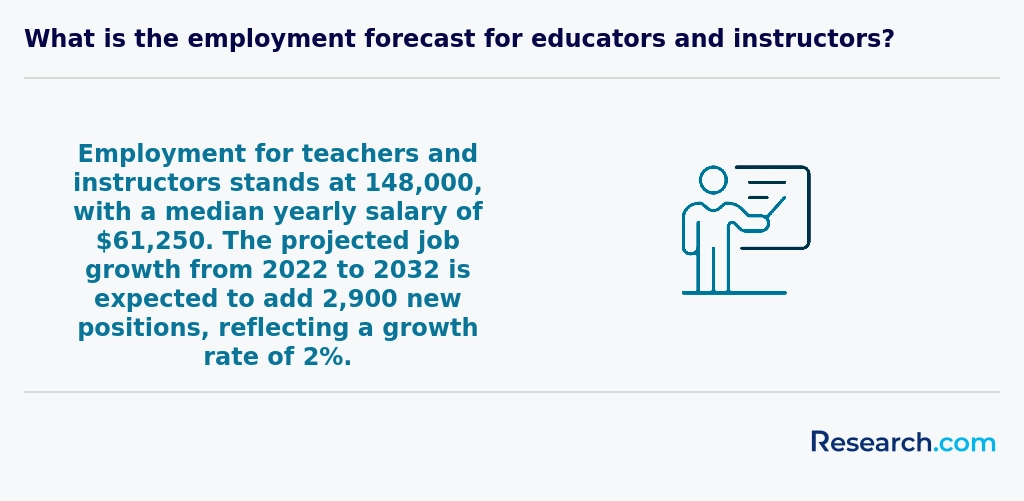
The job market for graduates holding an online special education degree in Virginia is strong and steadily growing. Public school districts such as Fairfax County and Virginia Beach City offer numerous job openings, reflecting the consistent demand for qualified special education professionals. Graduates often find rewarding positions as Special Education Teachers, Instructional Coordinators, or Behavioral Specialists, leveraging their skills to make meaningful impacts on students' lives. Many graduates from well-known Virginia colleges report feeling confident transitioning into roles that require managing individualized education programs (IEPs) and adapting classroom strategies to diverse learner needs.
For those exploring online options, the Virginia special education teacher employment outlook remains promising due to the state's commitment to supporting special education through licensure pathways that recognize online degrees. This makes it practical to pursue an online special education degree job prospects Virginia students value for its flexibility and accessibility. Additionally, learning about important roles of a special education teacher during studies prepares graduates for real-world challenges and opportunities, boosting confidence and career readiness.
2027 Most Valuable Online Special Education Degree Programs Ranking in Virginia
Investing in your education is a significant decision that can shape your future, and the Research.com team understands the importance of making informed choices. To assist prospective students in Virginia, we have meticulously crafted the "2027 Most Valuable Online Special Education Degree Programs Ranking in Virginia." Our commitment to quality, credibility, and accuracy is reflected in the extensive research and analysis conducted to compile this ranking.
We utilized the following reputable data sources to ensure a comprehensive evaluation of special education programs:
By exploring this ranking, readers will gain valuable insights into the most valuable online special education degree programs available in Virginia, empowering them to make well-informed decisions about their educational and professional futures. For more details on our methodology, please visit our Research.com methodology page.


Frequently Asked Questions About special education
Online special education degree students in Virginia can maximize their learning by actively engaging with virtual resources and faculty. Utilizing interactive platforms provided by schools helps reinforce understanding of state-specific special education laws, including the Individuals with Disabilities Education Act (IDEA) implementation in Virginia.
Collaboration with peers through study groups or discussion boards fosters diverse perspectives and deeper comprehension. According to the Virginia Department of Education, about 15% of public school students receive special education services, highlighting the importance of practical knowledge tailored to local needs.
Students should seek internships or virtual practicums approved by Virginia's education board to gain hands-on experience. Staying updated on licensing requirements and continuing education ensures credentials remain valid for Virginia's teacher workforce.
The field of special education is evolving rapidly, with new niches emerging to meet diverse student needs. One growing area is autism spectrum disorder (ASD) intervention. Given that Virginia's Department of Education reports an increase in autism diagnoses, professionals trained specifically in evidence-based ASD strategies are in high demand. Another niche is assistive technology, where specialists help integrate devices and software to support students' learning and communication needs.
Additionally, there is rising interest in early childhood special education, focusing on interventions before kindergarten. Transition planning for students with disabilities entering adulthood is also gaining importance, as mandated by federal laws.
Preparing for the job market after earning an online special education degree in Virginia involves several key steps. First, obtaining state licensure is essential. Virginia requires passing the Praxis Special Education test and completing a criminal background check to become a licensed special education teacher. According to the Virginia Department of Education, demand for special education professionals remains steady, with over 15,000 students receiving specialized services statewide.
Building a strong professional network through internships and joining organizations like the Virginia Council for Exceptional Children can enhance job prospects. Additionally, staying updated on Individualized Education Program (IEP) practices and state educational policies improves employability. Continued professional development is vital in this evolving field.
Employers in Virginia's special education field prioritize graduates who demonstrate strong communication skills and patience. These professionals must effectively collaborate with students, parents, and multidisciplinary teams to create supportive learning environments. Knowledge of individualized education programs (IEPs) and Virginia's state-specific special education laws is essential.
Adaptability stands out as a critical skill due to diverse student needs. Additionally, proficiency in behavior management techniques and the use of assistive technologies are highly valued. According to the Virginia Department of Education, teachers with these skills contribute significantly to positive student outcomes, which influences hiring decisions statewide.
Finding internships relevant to a special education degree in Virginia starts with connecting to local school districts and educational organizations. Virginia's Department of Education often collaborates with universities to facilitate placement opportunities for special education students. Checking with your online program's career services can help, as many have partnerships with Richmond, Fairfax, and Norfolk school districts.
Additionally, Virginia hosts numerous nonprofit organizations focused on disabilities, such as the Virginia Autism Council. These groups sometimes offer internships or volunteer roles that provide practical experience. According to the Virginia Board of Education, over 16,000 special education students received services statewide in recent years, indicating strong demand for trained interns.
Networking at regional conferences, like the Virginia Association of Special Education Professionals (VASEP), can also open doors. Early outreach and consistent communication with program advisors are crucial to secure competitive placements tailored to special education careers.
Obtaining an online special education degree in Virginia can significantly enhance career mobility and advancement opportunities within the state. Virginia's Department of Education recognizes these degrees for licensure, which qualifies graduates to teach students with diverse learning needs across various K-12 settings. According to the Virginia Department of Education (2023), educators with special education credentials experience a steady demand, reflecting a statewide commitment to inclusive education.
Online degrees provide flexible access to accredited programs, allowing current educators and new entrants to gain specialized knowledge without relocating. This flexibility supports career transitions into roles such as resource teachers, intervention specialists, or administrative positions focused on special education.
Moreover, salary data from the Bureau of Labor Statistics (2023) shows that licensed special education teachers in Virginia earn median wages above the state average for educators, with potential increases for advanced degrees. This highlights improved earning potential tied to credential advancement through online degree programs.
Studying for a special education degree in Virginia equips students with interdisciplinary skills essential for collaborative educational roles. Programs often emphasize teamwork among educators, therapists, counselors, and families to support diverse learners effectively. According to the Virginia Department of Education, nearly 15% of public school students receive special education services, highlighting the need for professionals comfortable working across disciplines.
Virginia's online degrees include coursework in psychology, communication, and behavior analysis, preparing students to engage with multiple specialists. Many programs also incorporate practical experiences aligned with state licensure requirements, fostering real-world collaboration skills. This interdisciplinary approach reflects the complex nature of supporting students with disabilities in inclusive settings.
When choosing between a thesis and a non-thesis special education degree program in Virginia, consider your career goals carefully. A thesis option often suits those interested in research, education policy, or doctoral studies. It requires completing a long research project, which develops skills in inquiry and analysis. In contrast, non-thesis programs usually emphasize practical skills and coursework, better fitting professionals aiming to advance directly in teaching or administration.
Virginia's education workforce currently includes about 15,000 special education teachers, highlighting a strong demand for both applied and research expertise (Virginia Department of Education, 2023). Additionally, thesis programs may take longer to complete, potentially affecting your timeline and finances.
Students based in Virginia seeking online special education degrees with an interest in studying abroad face limited direct options, as most U.S. programs primarily focus on domestic accreditation and licensure. However, Virginia residents can explore partnerships between U.S. institutions and foreign universities offering special education courses online. These collaborations sometimes allow credits earned abroad to be transferred to Virginia-based programs.
The Virginia Department of Education requires special education teachers to be licensed locally, which often restricts the applicability of foreign credentials without additional certification steps.
Most international programs do not align closely with Virginia's licensure standards, so students should verify equivalency before enrolling. Accrediting bodies such as the Council for Exceptional Children emphasize U.S.-based program recognition.
Part-time job opportunities in Virginia that complement an online special education degree include roles such as teacher's aides, paraprofessionals, and instructional assistants. According to the Virginia Department of Education, these positions provide practical experience working with students who have disabilities and support inclusion in general classrooms. Many school districts in Virginia hire part-time paraprofessionals, offering flexible hours ideal for students balancing coursework.
Additionally, tutoring services focused on special needs learners or behavioral aides in community programs can enhance skills. These roles help develop communication and individualized teaching strategies, aligning well with special education training. The federal Individuals with Disabilities Education Act also encourages such practical engagement to strengthen educational outcomes.
Online special education students in Virginia have several valuable networking opportunities to enhance their professional growth. Many Virginia universities offering online programs encourage connection through virtual student organizations and cohort-based learning, fostering peer interaction. The Virginia Council for Exceptional Children (VCEC) is a key professional group providing webinars and local events, supporting networking among educators statewide. Additionally, the Virginia Department of Education frequently hosts workshops and forums relevant to special education professionals, which online students can often attend remotely. These resources help students build relationships with practitioners, administrators, and specialists in the field.
Alumni networks offer significant advantages to students pursuing online special education degrees in Virginia. These networks connect graduates with experienced professionals already working in the field, providing valuable mentorship and guidance. According to the Virginia Department of Education, having access to a strong community can improve job placement rates, which is critical since Virginia employs over 14,000 special education teachers statewide.
Through these connections, students gain insight into local regulations, best practices, and school district hiring preferences. Networking events and online forums encourage collaboration and resource sharing, supporting career growth.
Additionally, alumni can facilitate internships and recommend positions within Virginia's diverse school systems, increasing employment opportunities for new graduates.
Customizing an online special education degree in Virginia allows students to align their studies with specific career goals. Many Virginia universities offer flexible course options, including electives focused on autism spectrum disorders, behavior intervention, or early childhood special education. Students often choose between certification tracks or master's programs tailored for educators aiming to advance in K-12 settings.
Additionally, some programs provide opportunities for practical experience through virtual internships or partnerships with local schools, enhancing real-world skills. According to the Virginia Department of Education, special education teachers with specialized credentials often see improved job prospects and higher salaries. Exploring program accreditation and state licensure requirements ensures that your degree meets Virginia's professional standards.
Online special education students in Virginia face several notable challenges. Balancing coursework with professional or personal responsibilities can be difficult, as many students are working educators or caregivers. Additionally, access to high-quality internships or practicum experiences is crucial but sometimes limited by geographical or scheduling constraints.
Technical hurdles also arise, since reliable internet and familiarity with digital platforms vary among students. Virginia's Department of Education emphasizes hands-on training, which can be challenging to replicate fully online.
Furthermore, students may struggle with obtaining real-time feedback and support compared to in-person settings. According to the Virginia Department of Education's 2023 report, retention rates for online special education programs are slightly lower than traditional programs, likely linked to these factors.
Graduates with an online special education degree in Virginia can pursue various professional certifications to enhance their careers. The most common certification is the Virginia Special Education License, which allows individuals to teach students with disabilities in public schools. This license requires passing the Virginia Communication and Literacy Assessment (VCLA) and Praxis Special Education exams, as mandated by the Virginia Department of Education.
Additionally, professionals may seek certifications like Board Certified Behavior Analyst (BCBA) to specialize in behavioral interventions. National certifications such as the Certified Special Education Teacher (CSET) also complement teaching licenses. These credentials improve job prospects and align with Virginia's commitment to quality special education services.
Writing a strong application for an online special education program in Virginia involves several key steps. Begin with a clear, focused personal statement explaining your passion for special education and your commitment to working with diverse learners. Highlight relevant experience, such as volunteering or working with children with disabilities, which can strengthen your candidacy.
Ensure your academic records meet program requirements, as many Virginia schools expect a minimum GPA, often around 3.0. Include official transcripts and letters of recommendation from educators or professionals familiar with your work ethic and abilities.
Familiarize yourself with Virginia's Special Education regulations to show your awareness of the state's educational standards. According to the Virginia Department of Education, understanding state frameworks improves your application quality.
Finally, complete all application materials meticulously and submit them before deadlines to avoid disqualification.
Special education careers in Virginia are increasingly viewed through a global lens, reflecting a worldwide commitment to inclusive education. According to the U.S. Department of Education, Virginia aligns with international standards promoting access to education for students with disabilities. Globally, educators collaborate to improve teaching methods and policies, influenced by frameworks like the United Nations' Convention on the Rights of Persons with Disabilities.
Virginia offers numerous online special education degrees that prepare teachers to meet diverse needs, mirroring trends seen across developed nations. The Virginia Department of Education reported a steady growth in special education roles, emphasizing the profession's expanding impact both locally and globally.
Students pursuing an online special education degree in Virginia can gain practical experience through required fieldwork, often integrated into their programs. These practicum placements allow learners to work directly with children who have disabilities in K-12 settings, under the supervision of licensed educators. According to the Virginia Department of Education, such hands-on training is a key component for state licensure in special education.
Many universities facilitate partnerships with local public schools for these placements, providing real-world teaching scenarios. Additionally, some programs offer virtual simulations and case study analyses to complement in-person experiences. Engaging with the Virginia Special Education Advisory Committee or local parent advocacy groups also provides valuable opportunities to apply theoretical knowledge.
Choosing the right concentration within an online special education degree program in Virginia depends on your career goals and the needs of local communities. Virginia offers diverse areas such as autism spectrum disorders, learning disabilities, and emotional and behavioral disorders, reflecting the state's comprehensive special education legislation (Virginia Department of Education, 2024).
Consider the populations you want to serve and state licensure requirements, which often vary by concentration. For example, autism spectrum disorder specialization is in high demand, with Virginia reporting over 12,000 students receiving related services in 2023 (VDOE).
Research each program's curriculum and practicum opportunities to ensure alignment with Virginia's standards and your professional interests.
- 2027 Most Valuable Online Special Education Degree Programs Ranking in North Carolina
- 2027 Most Valuable Online Special Education Degree Programs Ranking in Kentucky
- 2027 Most Valuable Online Special Education Degree Programs Ranking in Pennsylvania
- 2027 Most Valuable Online Special Education Degree Programs Ranking in Ohio
- 2027 Most Valuable Online Special Education Degree Programs Ranking in Georgia
- 2027 Most Valuable Online Special Education Degree Programs Ranking in Massachusetts
- 2027 Most Valuable Online Special Education Degree Programs Ranking in Missouri
- 2027 Most Valuable Online Special Education Degree Programs Ranking in Michigan
- 2027 Most Valuable Online Special Education Degree Programs Ranking in Maine
- 2027 Most Valuable Online Special Education Degree Programs Ranking in Minnesota
- Special Education Professional Development Complete Guide for 2025 Teacher Guide https://www.simplek12.com/blog/special-education-professional-development
- How to Prepare for Careers in Special Education | Eastern CT State https://www.easternct.edu/graduate-division/online/articles/how-to-prepare-for-careers-in-special-education/
- Financial Aid Opportunities for Students with Disabilities http://vafamilysped.org/Resource/JWHaEa5BS74mLucjOt3TCQ/Resource-financial-aid-opportunities-for-students-with-disabilities
- Reimagining Inclusion with Positive Niche Construction https://andrewgael.com/2016/03/07/reimagining-inclusion-with-positive-niche-construction/
- Factors Influencing Special Education Career Choices: Interplay of Personality Traits and Identity Statuses https://www.eu-jer.com/factors-influencing-special-education-career-choices-interplay-of-personality-traits-and-identity-statuses
- Making a Difference: Service Learning in Special Education https://www.hetl.org/making-a-difference-service-learning-in-special-education/
- Organizations for Special Education Teachers https://teach.com/resources/special-education-organizations/
- Common Challenges in Special Education and How to Overcome Them | Susan Luger Associates https://slugerassociates.com/resources/common-challenges-in-special-education-and-how-to-overcome-them/
- Online M.A. in Special Education – General Curriculum K-12 at NSU https://online.nsu.edu/degrees/education/masters-special-ed/
- How to strengthen your school’s network by integrating alumni | Edusign https://edusign.com/blog/how-to-strengthen-your-schools-network-by-integrating-alumni