2027 Best Online Special Education Degree Programs Ranking in Ohio

Co-Founder and Chief Data Scientist
Thinking about pursuing a special education degree in Ohio? This article offers a helpful guide with the 2027 Best Online Special Education Degree Programs Ranking in Ohio, carefully created by the Research.com team of data scientists. It's designed to assist you in making an informed decision on which programs truly stand out.
Whether you're just starting out or looking to advance your career, earning a special education degree opens doors to meaningful work. Reading this ranking can help you find quality programs that fit your needs and goals.
Key benefits of getting online special education degree in Ohio
- Special education graduates in Ohio can expect a mean annual salary around $60,000, reflecting rewarding pay for professionals dedicated to supporting diverse learners.
- Career paths include becoming special education teachers, instructional coordinators, or school counselors, as shown by graduates from Ohio State University who find roles in schools and community programs.
- Completing a special education degree online from institutions like Bowling Green State University offers flexibility and saves commuting time, helping students balance work, family, and studies efficiently.
- 2027 Best Online Special Education Degree Programs Ranking in Ohio
- What can I expect from online special education degree in Ohio?
- Where can I work with online special education degree in Ohio?
What can I expect from online special education degree in Ohio?
The average cost of an online special education degree in Ohio typically varies but often falls between $10,000 and $20,000 per year, depending on the institution and program length. Many students at well-known Ohio colleges, like Kent State University or Ohio University, find this investment rewarding as it opens doors to meaningful careers supporting children with diverse needs. Graduates often share how flexible online courses combined with local practicums empowered them to balance work, family, and study smoothly.
These programs provide comprehensive training aligned with Ohio's licensure requirements, preparing students not only with knowledge but practical skills through real-world teaching experiences. Imagine engaging in virtual lectures one day and then connecting with local schools the next to apply what you've learned-this blend creates confident, classroom-ready educators.
Financially, the cost is often offset by scholarships, tuition savings from online learning, and the strong career outlook in Ohio's education system. Graduates express enthusiasm about this pathway as a fulfilling, accessible opportunity to make a lasting impact in special education.
Where can I work with online special education degree in Ohio?
Graduates with an online special education degree from Ohio universities like Ohio State or Miami University find fulfilling careers shaping the future of students with diverse needs. Many join Ohio's public school system, working one-on-one with children from kindergarten through high school, helping them overcome challenges such as autism spectrum disorder or learning disabilities. This hands-on work brings daily rewards as teachers see their students grow and succeed.
Others take their skills to private or charter schools, designing tailored programs that empower students to thrive in supportive environments. Beyond classrooms, alumni often thrive in community organizations or agencies, acting as behavioral specialists or case managers who make a lasting impact on families.
Some graduates dive into early intervention services, nurturing children from birth to age three, while others embrace roles in higher education as educational consultants or tutors. Each path reflects the passion and dedication kindled during their Ohio-based online studies, turning knowledge into powerful change.
Graduates with an online special education degree from Ohio institutions like Ohio State University or Cleveland State University often find rewarding career paths with encouraging salary potential. Though exact Ohio salary data from official sources is not fully available, many graduates report starting salaries around $40,000 to $50,000 annually in local districts. This reflects a positive entry point in a field dedicated to making a difference in children's lives.
As these educators gain classroom experience and possibly pursue additional certifications, their earnings tend to rise noticeably. For example, a graduate teaching middle or high school students in Columbus or Cincinnati could see salaries nearing $75,000. These figures echo the national trends where experienced special education teachers earn about $65,000 annually, demonstrating upward mobility and financial growth tied to dedicated service.
Beyond teaching roles, many Ohio graduates leverage their degrees into administrative positions, like coordinators or supervisors, where salaries can surpass $80,000. This progression illustrates how passion and perseverance in special education translate into both professional fulfillment and strong compensation, empowering graduates to build impactful, sustainable careers within their communities.
- Online special education degree programs in Ohio range from bachelor's to master's levels with competitive tuition for in-state students.
- Bachelor's degrees typically cost between $10,000 and $15,000 per year, while master's programs range from $8,000 to $14,000 annually.
- Job growth for special education teachers in Ohio is projected at about 7% over the next decade, matching the national average.
- Early career salaries start around $45,000 to $50,000 per year, with experienced teachers earning between $55,000 and $65,000.
- Licensing requires completing an approved program and passing state exams, and many online degrees meet Ohio Department of Education standards.
Completing an online special education degree in Ohio can be a rewarding journey tailored to fit your unique life rhythm. Many graduates from well-known universities like Ohio State or University of Cincinnati share how their bachelor's degree took about four years of steady, full-time study, matching their busy schedules with a strong, supportive online curriculum.
If you already have a bachelor's and aim for a master's, expect a flexible timeline ranging from 18 months to three years. This flexibility allows working professionals to balance family, career, and learning, just as many Ohio students experience. Part-time options make it possible to progress steadily without overwhelming pressure.
Certification programs designed for licensed teachers typically conclude within one to two years, enabling educators to quickly enhance their skills and impact their classrooms. Ohio's top online programs embrace diverse pacing options and practical experiences supervised remotely, empowering students to succeed confidently in their chosen path.
Choosing between online and on-campus special education degrees in Ohio opens exciting paths tailored to your life's rhythm. Graduates from places like Ohio State University share how online programs empower them to balance work, family, and studies with convenient virtual classes and flexible schedules. This format lets you engage deeply in coursework from anywhere across the Buckeye State, offering the freedom to learn at your own pace without sacrificing quality.
Meanwhile, graduates from Miami University highlight the rich, hands-on experiences found in on-campus programs. Being physically present on campus sparks inspiring face-to-face connections with professors and peers, creating a vibrant network that supports collaborative growth. Access to campus libraries and labs adds an enriching layer to learning, especially for those who thrive in interactive environments.
Both journeys include meaningful, supervised student teaching placements within Ohio's local schools, where you gain invaluable real-world experience. Online students find local opportunities independently, strengthening community ties, while on-campus students often enjoy coordinated placements from their universities. Whichever path you choose, you're stepping confidently toward becoming a passionate special education teacher ready to make a difference in Ohio's classrooms.
The average cost of an online special education degree in Ohio typically centers around $19,800, offering a balanced and accessible price point for many students. Graduates from popular programs at well-known public universities in Ohio often share their positive experiences, highlighting how the affordable tuition helped them focus more on their studies and less on financial worries. These students found the support from their institutions invaluable as they pursued licensure and hands-on skills through flexible online coursework.
Out-of-state students may face slightly higher fees, with median total costs near $19,173, reflecting broader tuition dynamics. However, Ohio residents benefit from competitive in-state tuition around $18,761, encouraging local learners to advance their careers while staying close to home. This makes Ohio a motivating choice for ambitious individuals ready to embrace the rewarding journey of special education.
For many, the investment unlocks opportunities to make a meaningful difference in schools, special education centers, and communities. Whether enrolled in a public university or private college renowned for their strong teacher preparation, students appreciate that their dedication aligns with a reasonable financial commitment. Additionally, exploring options like grants, scholarships, and tuition reimbursement can greatly reduce costs while enhancing the path to success in this fulfilling field.
Students considering an online special education degree in Ohio might also explore career paths and opportunities by checking out resources that discuss a bachelor degree in special ed jobs, helping them envision the rewarding future that awaits.
Understanding Ohio online special education degree tuition fees empowers hopeful educators to plan wisely, embrace their passion, and confidently pursue a career that changes lives.

Students pursuing an online special education degree in Ohio find uplifting financial support that makes their dreams achievable. Graduates from renowned schools like Ohio State University and University of Cincinnati share how federal aid, especially Pell Grants offering up to $7,395 annually, lifted the weight of tuition costs. Early FAFSA completion ensured maximum access to these funds, turning uncertainty into confidence.
State programs such as the Ohio College Opportunity Grant provide vital tuition help, awarding up to $2,000 yearly to eligible students. Many graduates recall how this grant eased their path, balancing work and study with less financial stress. For those passionate about special education, scholarships from organizations like the Council for Exceptional Children add an empowering boost, rewarding commitment to supporting students with disabilities.
Professionals already teaching in Ohio often receive tuition assistance from employers or school districts, making part-time online learning at places like Kent State University a practical reality. Institutional scholarships further brighten the journey, transforming ambitions into meaningful careers through accessible, supportive funding.
To enroll in an online special education degree program in Ohio, start with a high school diploma or, for graduate pathways, a completed bachelor's degree from an accredited institution. Graduates from renowned Ohio universities recall feeling confident knowing their solid academic foundation met these prerequisites, opening doors to enriching programs tailored to support their passion for helping diverse learners.
Maintaining a minimum GPA of around 2.5 to 3.0 ensures readiness for the challenges ahead. Many Ohio colleges praised their students' resilience as they balanced coursework with real-world applications, proving determination truly pays off.
Standardized tests like the GRE may be required, but Ohio's flexible approach and recent waivers mean more aspiring educators can pursue their dreams without extra hurdles. Graduates vividly remember their hands-on experience in fieldwork and student teaching, which transformed their knowledge into impactful skills-preparing them for state licensure and meaningful careers.
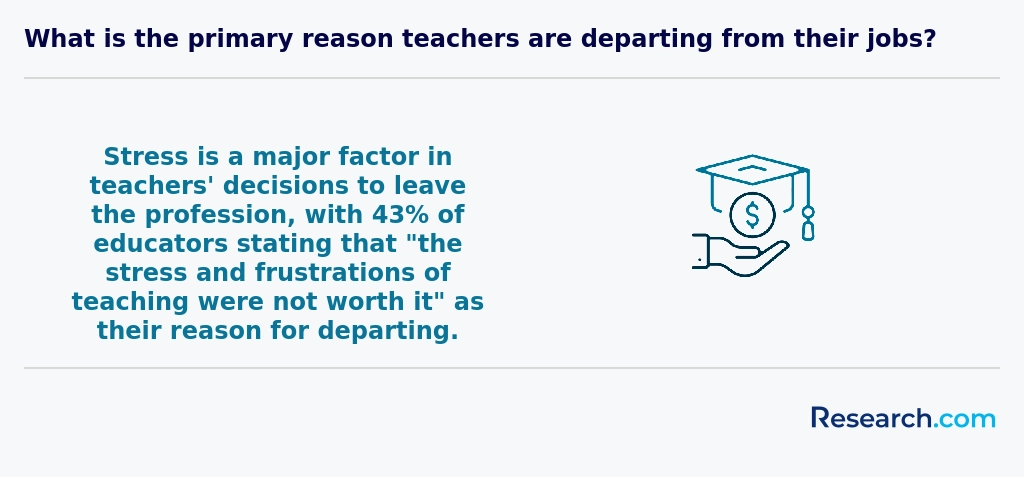
Ohio's online special education degree programs offer courses that truly empower future educators to make a meaningful difference. Graduates from institutions like Ohio State University and Cleveland State University often share how foundational classes such as Introduction to Special Education open their eyes to the history and philosophy behind their vocation, sparking a passion for inclusive teaching.
Courses in Assessment and Evaluation equip students with practical skills to understand and measure diverse learners' needs, which many graduates recall as pivotal in shaping their confidence to create effective Individualized Education Programs (IEPs). Instructional strategies tailored to various disabilities, along with Behavior Management lessons, prepare students to foster positive, supportive classroom environments, reflecting real situations encountered during practicum experiences.
Legal frameworks like IDEA and Section 504 are covered in depth, reinforcing graduates' commitment to equity and advocacy. Collaborative communication courses train aspiring educators to work closely with families and teams, creating a network of support that recent alumni praise as transformative in their careers.
Ohio's online special education degree programs offer enriching specializations that empower educators to make a transformative impact. Graduates from popular Ohio universities share inspiring stories of working with students facing learning disabilities, where they craft tailored strategies to unlock potential and boost confidence. This specialization responds to a large portion of Ohio's student population and opens meaningful career doors.
Many also find fulfillment specializing in Autism Spectrum Disorder, learning to develop individualized education plans and implement behavioral supports. These skills come alive in classrooms and homes across the state as teachers nurture growth and understanding for children on the spectrum.
Programs often include concentrations in Early Childhood Special Education, Emotional and Behavioral Disorders, Intellectual Disabilities, Multiple Disabilities, and Deaf/Hard of Hearing. Such varied paths reflect the comprehensive nature of Ohio online special education program concentrations that prepare educators for diverse and dynamic teaching environments.
Students pursuing these degrees often explore Ohio's licensing pathways and gain essential qualifications, including teacher special education certification, aligning their passion with professional success.
Choosing the best online special education degree Ohio offers means focusing on programs that align with Ohio's teaching license requirements and provide practical, real-world experience. Graduates from popular universities often share how the combination of accredited coursework and supportive faculty empowered them to confidently step into classrooms across the state. Imagine having the flexibility of asynchronous classes that fit your busy schedule while gaining hands-on practicum placements designed to prepare you for Ohio's unique educational landscape.
Many successful students highlight the importance of affordability without sacrificing quality. Affordable special education programs Ohio residents favor often come with scholarships or in-state tuition options, ensuring your investment pays off both academically and financially. These programs create a nurturing environment where encouragement flows freely, fueling your passion for special education.
To boost your career prospects, look for degrees emphasizing strong job placement support and connections to the community. Understanding types of jobs in special education helps you envision your future impact. This thoughtful approach helps you take confident steps toward a meaningful and rewarding teaching career.
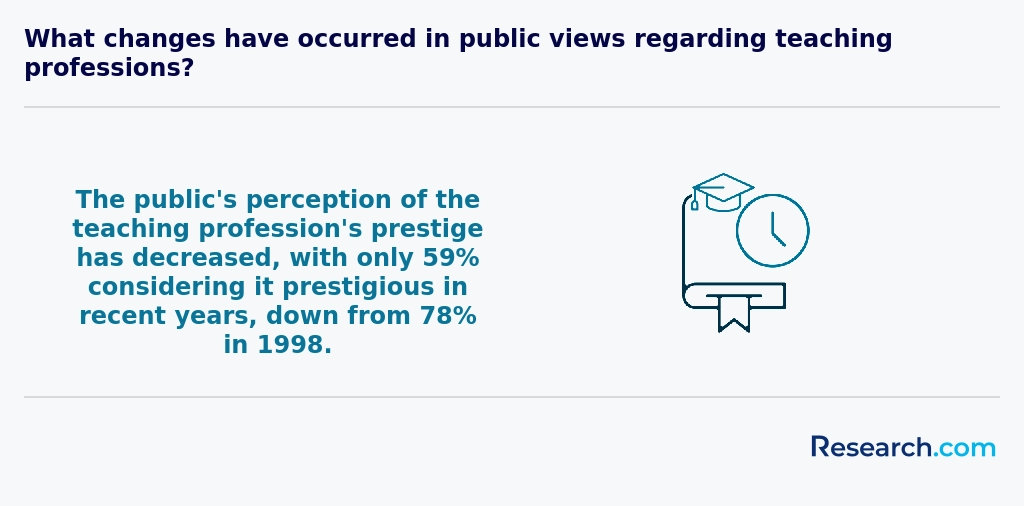
Graduates with an online special education degree in Ohio unlock a world of impactful career opportunities that truly make a difference. Many find joy and fulfillment as special education teachers in Ohio's vibrant public and private schools, working closely with students facing learning challenges, autism spectrum disorders, and emotional needs. These roles are enriched by programs at well-known Ohio universities, where graduates develop skills that seamlessly lead to licensure and classroom success. For those seeking variety, careers with special education degree Ohio options include instructional coordinators shaping innovative curricula and behavior intervention specialists creating nurturing school environments.
Beyond teaching, Ohio's degree holders often thrive as educational diagnosticians or special education administrators, roles where they can influence entire districts and advocate for student success. The personal stories of graduates from respected Ohio colleges highlight rewarding paths in advocacy and case management, helping families navigate educational hurdles. For motivated learners, exploring the fastest online special education masters programs in Ohio can accelerate career achievements and expand job prospects.
The job market for an online special education degree in Ohio is filled with opportunity and hope. Graduates from well-known universities across the state often find themselves eagerly welcomed into schools where their skills are urgently needed. Many report the rewarding experience of supporting students with disabilities, fostering an environment where every child can thrive. Ohio's public schools especially seek qualified professionals ready to make a difference, reflecting the state's unwavering commitment to inclusive education.
For those exploring online special education jobs Ohio offers, the path is promising. Schools in both urban centers and rural communities have a pressing need for educators who can tailor learning experiences effectively. Graduates frequently share how earning their degree online allowed them to balance work and study, making it easier to achieve their goals without sacrificing current responsibilities.
Enhancing qualifications with certificates, such as in autism support or behavior interventions, further elevates job prospects and salaries. Many aspiring teachers consider pursuing a special education teacher online degree to experience flexible study options that open doors statewide to fulfilling careers.
2027 Best Online Special Education Degree Programs Ranking in Ohio
Investing in your education is a significant decision that can shape your future, and the Research.com team understands the importance of making informed choices. To assist prospective students in Ohio, we have meticulously crafted the "2027 Best Online Special Education Degree Programs Ranking in Ohio." Our commitment to quality, credibility, and accuracy is reflected in the extensive research and analysis conducted to compile this ranking.
We utilized the following reputable data sources to ensure a comprehensive evaluation of special education programs:
By exploring this ranking, readers will gain valuable insights into the best online special education degree programs available in Ohio, enabling them to make informed decisions about their educational journeys. For more details on our methodology, please visit our Research.com methodology page.



Frequently Asked Questions About special education
Students pursuing online special education degrees in Ohio can enhance their learning by actively engaging with their course materials and instructors. Ohio requires special education teachers to meet specific licensure standards, including field experience, which online programs often incorporate through virtual simulations or local placements.
Utilizing Ohio's online academic resources, like those offered through public universities, helps students access updated research and teaching tools. Joining professional organizations, such as the Council for Exceptional Children Ohio chapter, provides networking and development opportunities essential for career growth.
Time management is crucial; Ohio's online learners often balance work and studies, so scheduling regular study times can improve retention. Finally, staying informed about Ohio's latest special education policies ensures practical and relevant preparation for classroom challenges.
The special education field is evolving with several emerging niches gaining prominence, especially in Ohio's educational landscape. One key area is the integration of technology, where educators use digital tools to support students with diverse learning needs. This includes assistive technology tailored for communication and mobility challenges.
Another growing niche focuses on early intervention, targeting children under age 3 to improve long-term outcomes. Ohio's Early Intervention program reflects this trend, providing services to approximately 16,000 children annually, according to the Ohio Department of Developmental Disabilities.
Behavioral specialists also play a critical role by addressing emotional and behavioral disorders within inclusive classrooms, an area seeing rising demand.
These niches represent promising paths for online special education degree graduates seeking to meet Ohio's diverse student needs.
After completing an online special education degree in Ohio, preparing effectively for the job market is crucial. Start by obtaining Ohio's required teaching licensure, which includes passing state exams and completing a background check through the Ohio Department of Education. Networking is vital; join groups like the Ohio Council for Exceptional Children to connect with professionals and access job boards. According to the Ohio Department of Education, there is a growing demand for special education teachers, projected to increase by 6% through 2030.
Consider gaining classroom experience through substitute teaching or internships, which enhances practical skills and resumes. Keep updating your knowledge by attending workshops or earning additional endorsements to remain competitive. Familiarize yourself with Individualized Education Program (IEP) laws and the latest teaching technologies used in Ohio classrooms to boost your employability.
Employers in Ohio highly value special education degree graduates who demonstrate strong communication skills. Being able to effectively collaborate with families, teachers, and related service professionals is essential. According to the Ohio Department of Education, adaptability and individualized instructional strategies are key competencies needed to meet diverse learner needs in special education.
Data from the National Center for Education Statistics (NCES) shows that Ohio's demand for special education teachers is growing, emphasizing skills such as behavior management and assessment proficiency. Knowledge of state and federal disability laws remains critical, ensuring compliance and advocacy for students with disabilities.
Finding internships in Ohio relevant to a special education degree involves strategic research and networking. Students should start by contacting their online program's career services or faculty, who often have connections with local school districts and special education agencies.
Ohio's Department of Education offers resources and updates about partner districts participating in educator training, which can be valuable for locating internship opportunities.
Additionally, the state employs approximately 20,000 special education teachers, making school districts a primary source for internships. Checking job boards like the Ohio Education Association's platform can reveal openings for student teaching and practicum placements.
Joining professional organizations such as the Council for Exceptional Children's Ohio chapter also helps connect students with internships and mentorships.
Obtaining an online special education degree in Ohio significantly enhances career mobility by meeting state licensure requirements for special education teachers. Ohio education law mandates specific credentials, and accredited online programs align with these standards for certification. This qualification opens opportunities in public schools, private institutions, and specialized educational settings.
The Ohio Department of Education notes that demand for special education teachers is steady, driven by a 12% projected growth nationally through 2031, which applies locally as well. An online degree allows working professionals to upskill without relocating, improving job prospects and salary potential.
Moreover, many Ohio districts favor candidates with advanced degrees or specialized certifications, facilitating promotions to instructional coordinator or administrative roles within special education. Online programs frequently offer flexible paths for earning master's-level credentials, a common requirement for leadership positions.
Studying for an online special education degree in Ohio equips students with skills to work collaboratively across disciplines. Programs emphasize teamwork with general educators, speech therapists, counselors, and occupational therapists to create inclusive learning environments.
Ohio's teacher preparation standards require courses on interdisciplinary communication and intervention strategies. This ensures graduates can contribute to individualized education programs (IEPs) that address diverse student needs.
According to the Ohio Department of Education, about 16% of public school students receive special education services, highlighting the demand for professionals who can navigate multiple support systems.
Online programs often include practicum experiences helping students build real-world partnerships essential for success in interdisciplinary roles.
When choosing between a thesis and a non-thesis special education degree program in Ohio, consider your career goals and learning preferences. Thesis programs emphasize research and require completion of an original project, which benefits students planning to pursue doctoral studies or research roles.
Non-thesis options focus more on coursework and practical skills, ideal for those aiming to work directly in schools or administrative positions. According to the Ohio Department of Education, special education teachers are in growing demand, with a 5% projected employment increase through 2030.
Thesis tracks often take longer to complete and require strong writing skills, while non-thesis programs may offer more flexible schedules suitable for working professionals.
Students based in Ohio who wish to study special education abroad while pursuing an online degree have limited direct options. Most U.S. institutions, including those in Ohio, offer fully accredited online programs domestically, which align better with Ohio's licensure requirements for special education teachers.
Ohio candidates interested in international education can explore study abroad programs through Ohio universities but must ensure these credits transfer and comply with state certification rules. The U.S. Department of Education and Ohio Department of Education regulate licensure, so foreign degrees may require additional verification.
Currently, Ohio ranks among the top states with a strong demand for special education professionals, with over 32,000 students requiring special education services statewide (ODE report, 2023). Thus, online programs from Ohio or other accredited U.S. institutions are often more practical for licensure and employment.
In Ohio, part-time job opportunities that complement an online special education degree are valuable for gaining practical experience. Positions such as teacher aides or paraprofessionals within public schools provide direct support to special education teachers and students. According to the Ohio Department of Education, over 200,000 students receive special education services statewide, creating demand for skilled support staff.
Additionally, working as a tutor specializing in learning disabilities or behavioral challenges offers flexibility and relevant experience. Community centers and nonprofit organizations also seek assistants to help with programs for children with disabilities.
These roles not only enhance understanding of individualized education plans (IEPs) but also build essential classroom management skills useful for future educators.
Online special education students in Ohio have access to diverse networking opportunities crucial for career growth. Many Ohio universities offering online programs provide virtual events, webinars, and discussion forums specifically designed to connect students.
Additionally, professional organizations like the Ohio Council for Exceptional Children (CEC) host regional conferences and local chapter meetings. These help students build relationships with experienced educators and specialists in the state.
The Ohio Department of Education's Office for Exceptional Children also offers resources and collaboration platforms linking educators, fostering practical connections relevant to Ohio's regulations and standards.
According to the National Center for Education Statistics, strong networking supports job placements, a key benefit for students completing online special education degrees.
Alumni networks provide valuable support to online special education degree students in Ohio by fostering connections with experienced educators across the state. These networks often offer mentorship opportunities, which can enhance students' understanding of Ohio's special education laws and classroom practices.
According to the Ohio Department of Education, ongoing professional relationships are crucial as retention rates for special education teachers remain a challenge statewide. Alumni networks can help by facilitating job placement and sharing insights about local districts' needs.
Moreover, many Ohio universities maintain active alumni associations that host events and workshops, enabling students to stay informed about evolving policies and innovative teaching strategies specific to special education.
Ohio offers flexibility in online special education degree programs, enabling students to tailor their studies to match career goals. Many universities allow learners to choose specialized tracks, such as early childhood intervention, autism spectrum disorders, or behavior management. These focus areas prepare candidates for specific roles in school districts or private agencies.
Electives and practicum placements can often be selected based on student interests. Some programs also provide options to earn Ohio teaching licensure alongside the degree, which is essential for most K-12 special education careers in the state.
According to the Ohio Department of Education, customization helps address the growing need for qualified educators trained in evidence-based interventions. This approach supports graduates in becoming competitive job applicants within Ohio's evolving special education landscape.
Online special education students in Ohio face several challenges unique to their field and format of study. One major difficulty is the need for practical, hands-on experience; Ohio's licensure requirements mandate in-person clinical hours, which can be hard to coordinate alongside remote coursework. According to the Ohio Department of Education, students must complete extensive student teaching hours to meet state certification standards.
Additionally, technical issues can disrupt learning, especially in rural areas where high-speed internet is less available. Furthermore, special education content often requires close collaboration with instructors, which can be limited through online platforms. Finally, balancing coursework with work or family responsibilities remains a common barrier for many online learners in Ohio's demanding special education programs.
Graduates with an online special education degree in Ohio can pursue several professional certifications to enhance their career prospects. The primary certification is the Ohio Resident Educator License with a special education endorsement, required to teach students with disabilities in K-12 public schools. This license often leads to eligibility for the Ohio Professional License after meeting the state's mentoring and evaluation requirements.
Additionally, educators can seek certifications like the Board Certified Behavior Analyst (BCBA), valuable for working with students needing behavioral interventions. National certifications such as the Certified Special Education Teacher (CSET) also complement Ohio licensure. According to the Ohio Department of Education, approximately 20% of teachers hold special education endorsements, reflecting ongoing demand for certified professionals in this field.
Writing a winning application for an online special education program in Ohio requires clear demonstration of your commitment to working with diverse learners. Ohio schools value applicants with strong academic records and relevant experience in educational or support roles. Highlight any volunteer or professional work with children with disabilities.
The Ohio Department of Education reports increased demand for special education teachers, making your motivation and understanding of state-specific needs vital. Address how the program aligns with Ohio's licensure requirements and federal laws like IDEA (Individuals with Disabilities Education Act).
Include specific examples showing your skills in communication, patience, and adaptability. A well-crafted personal statement emphasizing your passion for inclusion and lifelong learning strengthens your candidacy.
Finally, be sure to meet all application deadlines and submit clear transcripts and recommendation letters from professionals familiar with your abilities and commitment.
Special education is a vital field recognized worldwide for supporting students with diverse learning needs. In the United States, including Ohio, the demand for qualified special education teachers continues to grow due to federal laws like IDEA (Individuals with Disabilities Education Act) ensuring access to education for students with disabilities.
Globally, approaches to special education vary, but the U.S. is known for its robust legal framework and extensive teacher training programs. Ohio, in particular, aligns with this by offering accessible online degrees to prepare educators with skills to meet diverse classroom needs.
According to the Ohio Department of Education, roughly 13% of all public school students in Ohio receive special education services, reflecting a strong local need for trained professionals. These roles often involve collaboration with families and other educators to develop individualized education plans (IEPs).
For students considering a special education career in Ohio, understanding both local and international perspectives highlights the importance of cultural sensitivity, legal knowledge, and adaptive teaching strategies in this rewarding profession.
Gaining practical experience while studying online for a special education degree in Ohio is essential to prepare for licensure and employment. Many programs require fieldwork or practicum hours, which students can complete through partnerships with local schools. Ohio's Department of Education mandates that candidates acquire supervised clinical experience, often totaling 300 hours or more, depending on the program.
Students typically arrange placements in nearby public or private schools, sometimes facilitated by their university. This hands-on experience enables interaction with children with disabilities, offering valuable insight into individualized education programs (IEPs) and behavior interventions.
Additionally, Ohio offers alternative student teaching pathways and mentoring opportunities, which enhance learning outcomes and licensure readiness. Consulting with academic advisors early helps align field placements with state requirements.
Choosing the right concentration within an online special education degree program in Ohio requires understanding your career goals and the specific needs of Ohio's diverse student population. Concentrations often include areas like Autism Spectrum Disorders, Mild/Moderate Disabilities, and Early Childhood Special Education.
Research from the Ohio Department of Education highlights that Autism Spectrum Disorders and Emotional Disturbance are among the most prevalent categories requiring specialized instruction in the state. Selecting a concentration aligned with these trends can improve job prospects.
Additionally, consider program accreditation and state licensure requirements. Ohio mandates certain certifications for teaching specific disabilities, so ensure your chosen concentration meets these criteria for teacher licensure renewal or initial certification.
Finally, evaluate online program support, curriculum depth, and field placement opportunities within your concentration to build practical skills relevant to Ohio schools.
- 2027 Best Online Special Education Degree Programs Ranking in Kentucky
- 2027 Best Online Special Education Degree Programs Ranking in Pennsylvania
- 2027 Best Online Special Education Degree Programs Ranking in Michigan
- 2027 Best Online Special Education Degree Programs Ranking in Virginia
- 2027 Best Online Special Education Degree Programs Ranking in North Carolina
- 2027 Best Online Special Education Degree Programs Ranking in Missouri
- 2027 Best Online Special Education Degree Programs Ranking in Georgia
- 2027 Best Online Special Education Degree Programs Ranking in Massachusetts
- 2027 Best Online Special Education Degree Programs Ranking in Minnesota
- 2027 Best Online Special Education Degree Programs Ranking in Kansas
- Choose Your Path in Special Education Careers | OPTIMISE https://optimise.education/choose-your-special-education-path/
- Discover more about Special Education and where to study it abroad https://www.hotcoursesabroad.com/subject/special-education/
- Online Special Education Degree | Teaching Careers https://www.onlinecolleges.net/degrees/special-education/
- Know more about thesis vs non- thesis: what is the difference? https://studyfans.com/en/blogs/816
- BA (Hons) Applied Education with Inclusive Practice (Online) https://www.uel.ac.uk/undergraduate/courses/ba-hons-applied-education-inclusive-practice-online
- How to strengthen your school’s network by integrating alumni | Edusign https://edusign.com/blog/how-to-strengthen-your-schools-network-by-integrating-alumni
- Special Educational Needs: Courses, & Online Certification Guide. https://www.apteachertraininginstitute.com/blog/special-educational-needs-courses-online-certification-guide/
- SEND Alumni Toolkit https://resources.careersandenterprise.co.uk/resources/send-alumni-toolkit
- Why Special Education Teachers Need a Big Support Network https://www.weareteachers.com/special-education-support-network/
- Teaching Job Roles | Teach For Life https://www.teachforlife.com/teachingjobs/global-perspectives-teacher