2027 Most Affordable Online Special Education Degree Programs Ranking in the Midwest

Co-Founder and Chief Data Scientist
Choosing the right special education degree program is an important step for Midwest students eager to make a positive impact in their communities. This article presents the 2027 Most Affordable Online Special Education Degree Programs Ranking in the Midwest, created by the Research.com team of data scientists to guide you in selecting quality and affordable options.
Discover programs that fit your budget without sacrificing excellence. Earning a special education degree opens doors to meaningful careers where you can truly help others thrive. Let this ranking support your educational journey with trustworthy insights and clear information.
Key benefits of getting online special education degree in the Midwest
- Salary: While specific salary data for special education graduates in the Midwest is limited, general U.S. figures show that special education teachers earn a rewarding income, often ranging from $40,000 to $60,000 annually, reflecting the importance of their role.
- Career Paths: Graduates from popular Midwest universities like the University of Minnesota often find opportunities as special education teachers, instructional coordinators, or education consultants, offering a variety of fulfilling career options.
- Online Degree Benefits: Earning a special education degree online from institutions such as Indiana State University provides flexibility for balancing work and study, making it easier for students to gain valuable skills without disrupting their daily lives.
- 2027 Most Affordable Online Special Education Degree Programs Ranking in the Midwest
- What can I expect from online special education degree in the Midwest?
- Where can I work with online special education degree in the Midwest?
What can I expect from online special education degree in the Midwest?
Students pursuing online special education degrees in the Midwest often find tuition rates to be quite reasonable, particularly at public universities in states like Ohio and Michigan. For example, many programs report costs starting around $300 per credit hour, which can translate to a total of approximately $10,000 to $15,000 for a full degree, depending on credit requirements and residency status. Graduates from these institutions frequently express relief at the affordability, especially when balancing family or work commitments alongside their studies.
However, it's important to consider additional expenses such as textbooks, technology fees, and travel for required in-person practicums, which can vary by university. Some students note that these costs add up but feel that the investment is justified by the hands-on teaching experiences and state certification opportunities gained.
While affordability is a clear benefit, prospective students should also investigate financial aid options, which many Midwestern schools tailor to educators aiming for certifications. Balancing cost with program quality and licensure requirements in Illinois, for instance, remains a key consideration to ensure the degree aligns with career goals in special education.
Where can I work with online special education degree in the Midwest?
Graduates with an online special education degree in the Midwest often find rewarding employment in K-12 public and private schools, where they support students with learning differences and developmental challenges. For instance, those who studied at institutions like the University of Illinois or Michigan State University share how their training prepared them to navigate real classroom challenges and make meaningful impacts on students' lives. These roles, influenced by state mandates under the Individuals with Disabilities Education Act (IDEA), also open paths to specialized positions such as intervention specialists or behavioral therapists.
Beyond schools, many graduates work in early intervention programs or community colleges, assisting young children and college students with disabilities. Those from popular programs at Ohio State University highlight how their online studies equipped them to provide academic accommodations and advocacy, demonstrating the degree's flexibility across settings.
Some graduates pursue careers in social services or government, developing inclusive educational policies. While opportunities vary by state, the steady demand in places like Minnesota and Indiana suggests promising prospects, though applicants should remain mindful of specific credentialing requirements and local funding limitations.
Graduates with an online special education degree in the Midwest can expect median salaries generally ranging from about $50,000 to $65,000 annually. For example, those who studied at well-known Midwest institutions often share experiences of starting their careers earning near $52,000 as elementary special education teachers, while their peers working with high school students report closer to $61,000. These figures align with regional norms, though actual earnings vary based on factors such as specific school district, city, and individual credentials.
A graduate working in a metropolitan area like Chicago or Minneapolis may see salaries 10% to 15% higher than those in rural settings, reflecting urban cost-of-living and budget differences. Some smaller districts enhance compensation with loan forgiveness or signing bonuses, making opportunities appealing beyond the base salary. Expanded roles, such as behavioral specialists or educational consultants, can push incomes into the $60,000 to $75,000 range, especially for those with additional certifications.
Graduates who pursue administrative paths at Midwestern universities often find positions as special education supervisors or directors paying over $80,000 annually. While salary growth depends heavily on experience and leadership credentials, many former students express satisfaction with both the financial and personal rewards of careers within their communities.
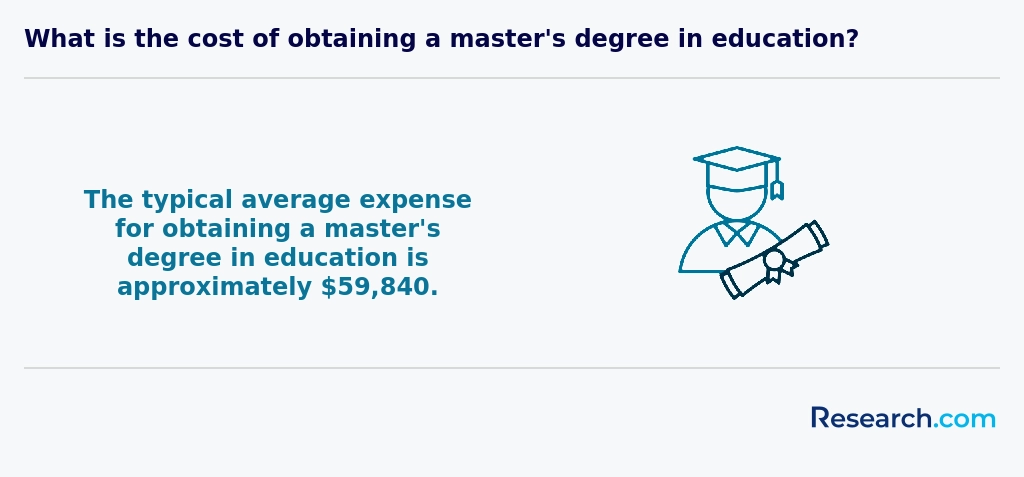
- The cost for an online bachelor's degree in special education in the Midwest generally ranges from $15,000 to $30,000, while master's degrees may cost between $20,000 and $40,000.
- Starting salaries for graduates in this field are about $45,000 to $50,000 annually, with experienced teachers earning between $60,000 and $75,000 depending on location and certifications.
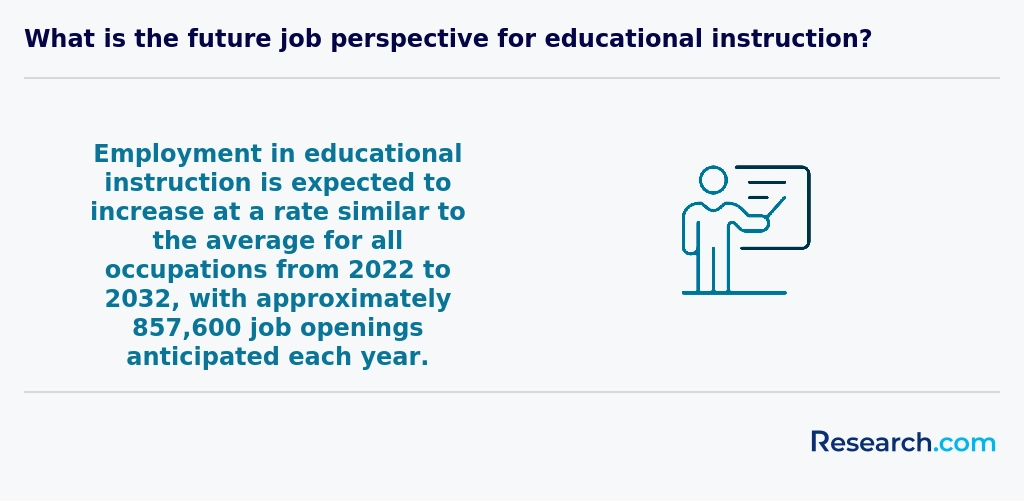
- Employment for special education teachers in the Midwest is projected to grow by 8% through 2030, which is faster than the average for all occupations.
- Most Midwestern states require special education teachers to have state licensure, often involving passing certification exams linked to completing an accredited degree.
- Many online special education programs in the Midwest include state certification requirements within their curriculum to help graduates qualify for licensure without attending campus classes.
Completing an online special education degree in the Midwest typically varies by degree level and pace. Bachelor's degrees often take around four years full-time, though some graduates from universities like Indiana University or Ball State University share experiences of finishing in three years through accelerated courses and credit transfers. These options can be a real advantage for working adults balancing family commitments.
Master's programs, which many schools such as the University of Illinois Urbana-Champaign offer online, generally require 18 months to three years. Graduates appreciate part-time options that fit around jobs, even if that means extending the timeline beyond three years. This flexibility helps maintain motivation over the long haul.
Post-baccalaureate certification programs, popular at institutions like the University of Missouri, often take one to two years, focusing on essential fieldwork as much as coursework. Graduates frequently highlight the challenge and reward of practicum components, which-required by many Midwest states-add weeks or months but deepen real-world readiness.
Overall, while pace varies widely, Midwest online students often find ways to personalize their journey-balancing quality, timing, and life demands-to earn degrees that open fulfilling career paths in special education.
Online special education degrees in the Midwest, such as those offered by universities like Illinois State and the University of Kansas, provide flexibility that many graduates appreciate. For example, a student balancing work and family in a rural area valued the ability to study asynchronously, completing coursework late at night after daytime obligations. This mode suits those who cannot easily relocate or commute to campus.
However, on-campus programs at institutions like the University of Wisconsin-Madison offer direct interaction with professors and peers, enabling lively discussions and immediate feedback, which graduates often recall as highly motivating. Such settings help in mastering hands-on skills through workshops and specialized labs not always accessible online.
Both formats require in-person practicum, with online students arranging local placements, adding logistical challenges yet fostering community ties. Cost differences also factor in: online students may pay similar tuition but save on housing and transport, which Midwest students frequently mention as a significant relief.
To teach special education in K-12 public schools across the Midwest, graduates must secure a state-issued teaching license with a special education endorsement. While each state has unique criteria, most pathways include:
- Earning a regionally accredited bachelor’s or master’s degree in special education
- Completing an approved teacher preparation program with supervised practicum (typically 12–14 weeks)
- Passing required exams (e.g., Praxis Special Education or state-specific assessments)
- Submitting fingerprint background checks and application fees
After initial licensure, educators renew their certification every 3–5 years by completing continuing education credits and professional development. Those aiming for leadership roles-such as special education coordinators or directors-often pursue advanced credentials; for an affordable option, consider the cheapest online doctorate in educational leadership.
The average online special education degree cost Midwest varies depending on residency status and institution type, but median figures provide a helpful benchmark. For many students pursuing these programs, the median total cost is approximately $20,130, with local in-state students benefiting from a significantly lower median of about $14,962. Out-of-state students, on the other hand, may face higher tuition burdens, averaging around $23,655.
Consider a graduate who completed their special education degree online through a well-regarded Midwestern university. They found the tuition manageable, particularly due to in-state rates, which reduced financial stress. This student balanced coursework alongside work, appreciating that the total cost aligned reasonably with the quality of education and convenience offered. Another graduate highlighted that institutions such as Eastern Illinois University help lower tuition through specific in-state rates near $375 per credit hour, making the Midwest affordable special education degree tuition a real advantage for residents.
Additional expenses like technology fees and study materials add roughly $500 to $1,000, but many students find financial aid and scholarships tailored to special education candidates help offset these costs. Programs verified by the Council for Exceptional Children (CEC) may open doors to grants and funding, further easing cost concerns. For many, understanding the true cost includes factoring in certification and licensure expenses after graduation.
For those exploring career options after earning their online degree, it is useful to review resources such as the bachelor degree in special ed jobs outlook. Evaluating these factors alongside tuition costs ensures students make informed choices and can envision the positive impact of their investment in education.
To qualify for a special education teaching license in Midwest states, you typically need to:
- Complete an accredited online special education degree with required practicum hours
- Pass state licensure exams (often the Praxis Special Education test)
- Submit an application to the state’s department of education with official transcripts and background check
- Fulfill any additional state-specific requirements, such as training in behavioral interventions or child welfare reporting
License renewal usually involves completing a set number of professional development or continuing education credits within each renewal cycle. For educators aiming for leadership roles and deeper research skills, consider exploring the cheapest online doctorate in educational leadership.
Online special education students in the Midwest often benefit from a broad range of financial aid options, though navigating these can feel overwhelming. For many, federal aid remains the cornerstone; completing the FAFSA opens doors to Pell Grants offering up to $7,395 annually, and low-interest federal loans with flexible repayment terms provide a safety net when tuition exceeds budget, which often falls between $10,000 and $20,000 at regional institutions.
Graduates from universities like Indiana University recall securing institution-specific scholarships such as the Special Education Diversity Scholarship, which eased financial stress by valuing both merit and dedication to underserved communities. Meanwhile, in Illinois and Ohio, state-specific awards recognize the urgent need for qualified educators, with programs like the Minority Teachers of Illinois Scholarship and the Edmonds Scholarship offering targeted support.
Teacher loan forgiveness programs also play a critical role for those willing to serve in low-income schools, potentially forgiving up to $17,500 after five years. Some students express relief after leveraging employer tuition reimbursement, especially when balancing work and study, underscoring the complex but accessible pathways to funding an online special education degree in the Midwest.
Understanding key dates and requirements helps you secure your spot in an online special education program:
- Review program timelines: note application deadlines, rolling admissions dates, and start terms for each Midwest university.
- Gather required materials: request official transcripts, prepare a personal statement focused on special education goals, and upload proof of teaching licensure if needed.
- Complete the online application: fill out university forms early, attach all documents, and verify information before submission.
- Submit financial aid forms: file your FAFSA and any state-specific applications by priority deadlines to maximize grant and scholarship awards.
- Confirm enrollment: accept your offer, submit any enrollment deposits, and participate in virtual orientation to access course portals and support services.
After laying this foundation, many graduates advance their careers through the cheapest online doctorate in educational leadership.
Enrolling in an online special education degree in the Midwest generally requires a bachelor's degree, though not strictly in education, reflecting a flexibility that many students appreciate. For example, graduates from well-regarded Midwestern institutions often share how their diverse academic backgrounds enriched their special education studies. A minimum GPA, typically between 2.5 and 3.0, signals readiness for the challenges ahead, but some programs weigh professional experience just as heavily.
Many candidates recount how prior work or student teaching with children with disabilities provided practical insights that no textbook could offer. Midwestern colleges known for their education programs frequently ask for letters of recommendation and a statement of purpose, which allow candidates to express genuine passion and career goals in special education.
Standardized tests like the GRE are increasingly optional, reducing barriers, though English proficiency tests remain essential for non-native speakers. Background checks also serve to protect vulnerable populations, underscoring the serious responsibility special education professionals carry.
Online special education degree programs in the Midwest typically combine foundational education with targeted skills essential for teaching diverse learners. Graduates from popular universities like the University of Illinois Urbana-Champaign or Michigan State University often highlight courses such as Introduction to Special Education, which clarifies the complex legal frameworks and historical context shaping the field.
Many students appreciate how Assessment and Evaluation Methods equip them to recognize individual learning needs practically, drawing from real school placements that accompany their coursework. Behavioral Interventions and Management classes frequently resonate with online learners, as they relate directly to managing challenging classroom behaviors they observe during local student teaching experiences.
Additionally, courses like Individualized Education Program (IEP) Development and Classroom Management for Diverse Learners emphasize hands-on skills, making abstract concepts tangible through role-play or case studies, a feature noted by graduates from Iowa State University. Assistive Technology in Special Education is another cornerstone, inspiring students by demonstrating innovative tools that enhance accessibility for students with disabilities.
While programs vary, these courses generally prepare Midwest students with the practical, legal, and collaborative competencies demanded by their communities.
Online special education degree specializations Midwest commonly include Applied Behavior Analysis (ABA), which trains educators to support students with autism through behavior improvement strategies. Graduates from prominent Midwestern institutions often describe their experiences in ABA coursework as empowering, enabling them to make measurable impacts in classrooms. Other key focus areas are Learning and Behavior Disorders, addressing challenges like ADHD and dyslexia, vital for teachers working in diverse urban settings.
Early Childhood Special Education also attracts many students in the region, particularly in programs at universities known for strong childhood development curricula. These graduates highlight the rewarding nature of engaging with young children facing developmental delays, emphasizing early intervention's long-term benefits. The Severe Disabilities track prepares educators with methods to assist students with profound intellectual and physical impairments, a specialization that can be emotionally challenging but deeply fulfilling.
Deaf and Hard of Hearing Education remains a niche but crucial specialization, with some Midwestern programs tailoring courses to regional community needs. Prospective students can explore more about nuanced options by reviewing affordable online special education master's programs that integrate these specialization pathways thoughtfully into their curriculum. This ensures learners are equipped for certification and real-world application in Midwestern schools.
Choosing the best online special education degree in the Midwest requires weighing accreditation, curriculum alignment, and practical experience opportunities carefully. Graduates from popular Midwest universities often highlight how programs accredited by bodies like the CAEP not only enhanced their credibility but also ensured eligibility for licensure. One graduate from a renowned state university shared that the program's tailored coursework aligned with Illinois' teaching requirements helped them feel confident entering the classroom. However, assuming all programs offer this alignment can lead to challenges, so prospective students should verify state-specific curricula.
Affordability is another critical factor, especially for those seeking affordable special education programs Midwest institutions provide. Public universities frequently offer reduced tuition for both in-state and online students, making them attractive options. Alumni express satisfaction in balancing cost with quality, noting programs that incorporate local internships improved their readiness for certification. While flexible scheduling and robust support services bring peace of mind, students should also research retention rates to judge effectiveness realistically.
Exploring a range of options, including the highly regarded online bachelor's degree special education programs, allows candidates to find the best fit without rushing, ensuring they select a program that truly meets both personal and professional goals.

Graduates holding an online special education degree in the Midwest often find diverse career paths aligned with regional demands. Many become K-12 special education teachers, working hands-on with students facing various challenges. For example, individuals from well-regarded institutions such as the University of Illinois report that online programs enabled them to balance family life while preparing for state licensure. This practical flexibility is crucial, especially for those pursuing online special education teaching jobs Midwest.
Beyond teaching, behavior intervention specialists are in demand in cities like Minneapolis, where managing student behaviors requires tailored approaches. Those trained in Midwest colleges often share how their programs incorporate real-world case studies, easing the transition into such specialist roles.
Other fields include educational diagnosticians and school counselors specializing in special education, vital positions ensuring compliance with federal mandates like IDEA. Some graduates of online programs emphasize the rewarding impact of crafting Individualized Education Programs.
For professionals aiming higher, pursuing a master's in special education online offers leadership pathways such as program coordinators or administrators, roles where policy and advocacy skills become essential. The variety of special education careers in Midwest schools reflects both evolving educational needs and opportunities for meaningful work.
The job market for online special education degree graduates in the Midwest remains encouraging, with many candidates finding opportunities in both urban and rural school districts. Midwestern universities known for their special education programs often share stories of graduates securing positions quickly due to sustained demand, particularly in states like Illinois, Ohio, and Michigan. Schools in these areas face staffing shortages, leading to a steady flow of openings that favor applicants holding valid teaching licenses coupled with specialized training.
Graduates from online programs enjoy the advantage of flexible study schedules, often balancing work while completing their degrees. This practical experience is valued by employers seeking candidates who not only understand theory but can also navigate real classroom challenges. Moreover, the Midwest special education degree employment market extends beyond traditional teaching roles, including fields such as early intervention and behavioral therapy, broadening career prospects.
Salary expectations typically range from $45,000 to $65,000 annually, varying by district and state, supporting graduates' financial goals without overlooking local economic differences. Many students appreciate how online programs from popular Midwest institutions provide affordability alongside quality education.
Understanding the special education paraprofessional roles and responsibilities is also crucial, as these roles enrich career pathways and job stability in the region's evolving educational landscape.
2027 Most Affordable Online Special Education Degree Programs Ranking in the Midwest
Investing in your education is a significant decision that can shape your future, and the Research.com team understands the importance of making informed choices. To assist prospective students in the Midwest, we have meticulously crafted the "2027 Most Affordable Online Special Education Degree Programs Ranking in the Midwest." Our commitment to quality, credibility, and accuracy is reflected in the extensive research and analysis conducted to compile this ranking.
We utilized the following reputable data sources to ensure a comprehensive evaluation of special education programs:
By exploring this ranking, readers will gain valuable insights into the most affordable and high-quality online special education degree programs in the Midwest, empowering them to make confident decisions about their educational and professional futures. For more details on our methodology, please visit our Research.com methodology page.


# 9 position
Pittsburg State University
Master of Special Education Teaching (K-12 High/Low Incidence)


# 11 position
Bethel University, Minnesota
Master of Special Education

# 12 position
Bethel University, Minnesota
Bachelor of Special Education

# 16 position
Concordia University, St. Paul
Master of Special Education with Emotional/Behavioral Disorders (EBD) Endorsement


Frequently Asked Questions About special education
Students pursuing online special education degrees in the Midwest can maximize their learning experience by leveraging technology and regional resources. Engaging actively in virtual class discussions and utilizing campus support services, such as tutoring and career advising, promotes deeper understanding. Many Midwestern states emphasize inclusive education practices, so connecting with local school districts for internships or practicum placements can enrich practical skills.
Access to updated regional data is vital; according to the U.S. Department of Education, the Midwest has a growing demand for special educators, with employment expected to increase by 7% through 2031. Utilizing state-specific professional organizations also helps students stay informed about policy changes and networking opportunities relevant to their future careers.
Emerging niches in the special education field reflect the growing diversity of student needs and technological advances. One key area is assistive technology integration, where educators learn to use devices and software to support students with disabilities more effectively. According to the Council for Exceptional Children, demand for professionals skilled in this area is rising.
Another niche is early childhood special education, focusing on interventions for children aged birth to five. The Midwest shows increased investment in early intervention programs, supported by state funding trends from the National Association for the Education of Young Children.
Additionally, cultural competency and bilingual special education are gaining prominence to serve increasingly diverse student populations in states like Illinois and Ohio.
Graduates with an online special education degree in the Midwest can enhance job prospects by obtaining proper state licensure or certification. Each Midwestern state requires specific teaching credentials, often including a background check and passing exams such as the Praxis series.
Networking with local school districts and joining professional organizations like the Council for Exceptional Children are valuable strategies. These connections can provide job leads and ongoing professional development.
According to the U.S. Bureau of Labor Statistics, special education teaching roles in the Midwest are projected to grow by about 6% through 2031, reflecting steady demand. Gaining classroom experience through practicums or substitute teaching can further improve employability.
Employers in the Midwest highly value special education degree graduates who demonstrate strong communication skills. The ability to clearly explain individualized education plans (IEPs) to students, families, and school staff is essential. According to the Illinois State Board of Education, collaboration skills rank among the top qualities sought by district hiring committees.
Additionally, graduates must show expertise in behavior management and adaptive teaching strategies tailored to diverse learning needs. Data from the Michigan Department of Education highlights that schools increasingly prioritize candidates with technological proficiency to support virtual and blended learning environments.
Finally, knowledge of federal and state special education laws remains crucial for compliance and advocacy roles throughout the Midwest.
Locating internships in the Midwest for special education students involves leveraging local educational networks and state resources. Many Midwestern states, including Ohio, Illinois, and Michigan, maintain cooperative agreements with universities to provide practical internship placements within public schools and specialized programs. According to the Illinois State Board of Education, over 60% of special education graduate students secure internships through partnerships between universities and school districts.
Students should consult their online program advisors who often have connections with regional schools and agencies. Additionally, Midwestern education departments frequently list approved internship sites on their websites, supporting hands-on experience aligned with state licensure requirements.
Professional associations like the Council for Exceptional Children (CEC) offer regional chapters that facilitate networking and internship opportunities tailored to special education candidates in the Midwest.
Obtaining an online special education degree in the Midwest significantly enhances career mobility and advancement opportunities. Many school districts in states like Illinois, Michigan, and Ohio report a growing demand for qualified special education teachers, driven by increasing student enrollment and legislative mandates such as the Individuals with Disabilities Education Act (IDEA).
Graduates with online degrees can access licensure or certification programs that align with state requirements, enabling them to qualify for a broader range of positions quickly. According to the U.S. Bureau of Labor Statistics, employment for special education teachers is projected to grow by 8% through 2029, with the Midwest reflecting similar trends.
This growth creates opportunities not only in K-12 schools but also in administrative and leadership roles, where advanced qualifications gained online often support promotions and salary increases.
Studying for a special education degree in the Midwest often emphasizes collaborative skills essential for interdisciplinary roles. Programs integrate training in psychology, speech therapy, and general education to prepare graduates for diverse teamwork settings. According to the National Center for Education Statistics, Midwestern states report strong demand for educators able to coordinate with medical professionals and counselors.
Online degrees typically include coursework on individualized education plans (IEPs) and multi-tiered systems of support (MTSS), which require understanding various professional perspectives. This interdisciplinary focus equips graduates to address students' academic, social, and emotional needs within inclusive classrooms.
Choosing between a thesis and a non-thesis special education degree program in the Midwest depends on your career goals and learning preferences. Thesis programs focus on original research, ideal if you plan to pursue a doctorate or a research-based career. Non-thesis programs emphasize practical skills and coursework, often preferred by educators aiming for classroom or administrative roles.
According to the Council for Exceptional Children, the demand for special education teachers in the Midwest is expected to grow by 7% through 2029, making hands-on experience valuable. Additionally, many state licensure boards in the Midwest do not require a thesis for certification.
Consider your time commitment as thesis programs typically take longer, often involving comprehensive research projects. Non-thesis options generally offer a faster path to degree completion.
Students based in the Midwest seeking to study special education abroad face limited direct options through online degrees offered by foreign institutions. Most U.S. universities, including those in the Midwest, provide accredited online special education programs that meet state licensure requirements, making international online degrees less common in this field.
Instead, students often combine their Midwest-based studies with international field experiences or study abroad semesters to gain global perspectives. This approach aligns with standards from organizations like the Council for Exceptional Children, which influences many Midwestern programs.
According to the National Center for Education Statistics, 70% of special education graduates from Midwest institutions remain employed locally, emphasizing the regional focus of training and licensure.
Part-time jobs in the Midwest that complement an online special education degree often focus on direct student support and developmental assistance. Many students find roles as paraprofessionals or teacher aides in public schools, where they assist special education teachers in implementing individualized education programs (IEPs). According to the U.S. Bureau of Labor Statistics, these roles are expected to grow by about 6% nationally by 2030, reflecting steady demand in states like Illinois, Michigan, and Ohio.
Another relevant opportunity is working as a behavioral technician or aide in local clinics or community programs, helping children with autism and other developmental disabilities. These positions provide practical experience in behavior management and therapy techniques.
Additionally, tutoring younger students or volunteering with nonprofit organizations that serve children with special needs can build valuable skills and professional networks.
Online special education students in the Midwest have a variety of networking opportunities through regional professional organizations and virtual events. Groups like the Council for Exceptional Children's Midwest chapters offer webinars, conferences, and local meetups that connect students with experienced educators. According to the Illinois State Board of Education, 75% of special education specialists report that professional networking significantly improves their career prospects.
Many Midwest universities also provide alumni networks and virtual career fairs tailored to online students. These platforms often include job boards and mentorship programs, helping students build connections despite distance. Additionally, LinkedIn groups focused on special education in states like Ohio and Michigan have grown in membership, expanding peer-to-peer interactions.
Alumni networks play a significant role for online special education degree students in the Midwest by providing vital professional connections. Graduates gain access to a wide community of educators and specialists, which can lead to job opportunities in schools and educational organizations. According to the Midwest Education Research Alliance, nearly 65% of job placements in special education come through networking within alumni groups.
These networks also offer mentorship, helping current students navigate licensure requirements and classroom challenges specific to the region's varied school systems. Many Midwestern states emphasize collaboration among special educators, making alumni support crucial for sharing best practices.
Beyond employment, alumni networks facilitate continuous learning through workshops and regional conferences tailored to Midwestern educational policies. This ongoing engagement helps educators stay current with federal IDEA mandates and state-specific adaptations.
Midwestern universities offering online special education degrees often provide options to tailor your program to specific career goals. Customization usually comes through elective courses, allowing focus on areas like autism spectrum disorders, behavioral intervention, or early childhood special education. Some programs include flexible practicum placements within your community, which helps build relevant experience.
The Council for Exceptional Children notes that over 40% of special education teachers in the Midwest specialize in particular disability categories, highlighting the benefit of program customization. Additionally, several Midwestern states offer endorsements or certifications that can be pursued alongside degrees, enhancing career prospects.
Choosing a school accredited by the Council for the Accreditation of Educator Preparation (CAEP) ensures your program meets professional standards and supports your licensure needs in your state.
Students pursuing online special education degrees in the Midwest often face unique challenges tied to both their field and region. Limited access to reliable high-speed internet, especially in rural areas, can hinder participation in synchronous classes and video-based learning.
Practical experience is essential in special education programs, yet arranging local field placements remotely can be difficult. The regional shortage of qualified special education professionals intensifies competition for these opportunities, as noted by the Midwest Regional Education Laboratory.
Additionally, balancing online coursework with employment and family commitments remains a significant hurdle for many adult learners in this area.
With an online special education degree, professionals in the Midwest can pursue certifications such as the Teaching License with a Special Education endorsement. This credential is essential for teaching students with disabilities in K-12 public schools. Additionally, the Board Certified Behavior Analyst (BCBA) certification is popular among graduates who want to specialize in behavior intervention. Many states in the Midwest, including Ohio and Illinois, recognize these certifications for employment in schools and clinical settings.
Other options include the National Certification in Special Education Teaching (NCSET) and credentials aimed at administration roles. According to the Council for Exceptional Children, certified special educators earn approximately 10% more on average in the region.
Writing a winning application for an online special education program in the Midwest requires clear focus and careful preparation. Start by researching the specific requirements of the schools offering these programs, as many Midwestern universities align with state standards for teacher licensure. Highlight any relevant experience working with children or adults with disabilities, as practical experience strengthens your application. According to data from the Council for Exceptional Children, programs in states like Illinois and Ohio increasingly value candidates who demonstrate strong understanding of local education laws.
Clearly articulate your motivation for pursuing special education, emphasizing your commitment to making a difference. Strong letters of recommendation, ideally from professionals or educators familiar with your dedication, are crucial. Additionally, maintain a competitive GPA; many programs prefer a minimum of 3.0, reflecting the rigorous nature of graduate study. Thoroughly proofread your personal statement to avoid errors, showcasing both professionalism and attention to detail. Following these guidelines improves your chances of acceptance in Midwestern online special education degrees.
Special education careers have gained increased recognition worldwide, emphasizing the importance of inclusive education. In the United States, and particularly in the Midwest, this growth reflects a commitment to serving students with diverse needs. According to the U.S. Department of Education, the demand for special education teachers is projected to grow by 8% from 2020 to 2030, faster than average for all occupations.
Globally, inclusive education policies influence how special education professionals are trained and valued. Countries with strong public education systems, like the U.S., often lead in developing specialized certification and degree programs that address unique student challenges.
Midwestern institutions offer many online special education degrees tailored to these needs, enabling flexibility and accessibility for working professionals. These programs often incorporate the latest research on intervention methods and legal frameworks impacting education for students with disabilities.
Gaining practical experience while pursuing an online special education degree in the Midwest is essential for developing classroom skills. Most programs require students to complete fieldwork or student teaching hours, often arranged through partnerships with local schools or educational agencies.
Midwestern institutions typically collaborate with public and private schools to offer placements where students can work directly with children with disabilities. The Illinois State Board of Education notes that hands-on experience is critical for licensure and improves job prospects.
Additionally, many online programs incorporate virtual simulations and case studies to complement in-person practice, providing a well-rounded learning experience.
Choosing the right concentration within an online special education degree in the Midwest starts with understanding your career goals and the student populations you wish to serve. Common concentrations include autism spectrum disorders, learning disabilities, and behavioral disorders. Each concentration prepares you for specific certification requirements that vary by state. For example, Illinois and Ohio have distinct licensure pathways tailored to different special education needs (U.S. Department of Education, 2023).
Consider also the support systems and resources offered online, like state-aligned practicum placements. According to the Council for Exceptional Children, nearly 15% of Midwestern public school students receive special education services, underscoring the demand for diverse expertise.
Researching local job market trends can help prioritize concentrations with greater employment potential. State labor data often show higher demand for educators specializing in autism or emotional disturbance.
- Aid for Aspiring Special Educators in Michigan | Funding & Support https://optimise.education/aspiring-special-educators-get-ahead-with-financial-support/
- What New Special Education Teachers Need to Succeed https://www.ascd.org/el/articles/what-new-special-education-teachers-need-to-succeed
- SEND Alumni Toolkit https://resources.careersandenterprise.co.uk/resources/send-alumni-toolkit
- Special Educational Needs: Courses, & Online Certification Guide. https://www.apteachertraininginstitute.com/blog/special-educational-needs-courses-online-certification-guide/
- Special Education Professional Development Complete Guide for 2025 Teacher Guide https://www.simplek12.com/blog/special-education-professional-development
- Online Education Major for Paraprofessionals https://www.hamline.edu/academics/online-bachelors-education-major
- Sample Letter: Request a Special Education Evaluation https://www.askresource.org/resources/sample-letter-requesting-an-evaluation
- BA (Hons) Applied Education with Inclusive Practice (Online) https://www.uel.ac.uk/undergraduate/courses/ba-hons-applied-education-inclusive-practice-online
- WIU https://www.wiu.edu/coehs/education/grad/mssped/
- Why Special Education Teachers Need a Big Support Network https://www.weareteachers.com/special-education-support-network/