2027 Most Affordable Online Master's in Special Education Degree Programs Ranking in the USA

Co-Founder and Chief Data Scientist
Choosing the right online master's in special education degree can feel overwhelming. To support your journey, this article features the 2027 Most Affordable Online Master's in Special Education Degree Programs Ranking in the USA. Developed by Research.com's skilled data scientists, this ranking helps you identify quality programs that fit your budget and goals.
Getting a special education degree opens doors to rewarding careers, making a lasting difference in students' lives. Reading this guide will empower you to make an informed decision with confidence and enthusiasm about your future.
Key benefits of getting online special education degree in America
- Special education graduates can expect competitive salaries with many roles in education offering median wages around $60,000 annually, reflecting rewarding financial prospects in the field.
- Career paths for special education degree holders include becoming classroom teachers, curriculum developers, or education consultants, as demonstrated by graduates from universities like the University of Florida, known for strong education programs.
- Online special education degrees, such as those from Arizona State University, provide flexible schedules and enable students to balance work and study, making the journey more accessible and convenient compared to traditional programs.
- 2027 Most Affordable Online Master's in Special Education Degree Programs Ranking in the USA
- What can I expect from online special education degree in America?
- Where can I work with online special education degree in America?
What can I expect from online special education degree in America?
The average cost of an online special education degree in America is often surprisingly manageable, with many students discovering tuition rates between $10,000 and $20,000 for the entire program. For instance, graduates from popular universities like Arizona State University or the University of Florida often share stories of how in-state tuition rates helped them save thousands, even while living out of state. Imagine pursuing your passion from your living room, balancing work and family, all while paying a fraction of traditional on-campus prices.
Many students who chose schools with regional accreditation found opportunities for scholarships and employer tuition reimbursement that made the financial journey even smoother. One graduate mentioned how federal aid covered a significant portion of their costs, making the dream of teaching children with diverse needs feel beautifully within reach. Such real-life support systems transform the challenging path into an inspiring adventure, blending affordability with quality education.
The financial flexibility encourages learners across America to dive into coursework on behavioral intervention, IEP development, and assistive technology-immersing themselves in hands-on practicum moments without the heavy burden of debt weighing down their spirits.
Where can I work with online special education degree in America?
Graduates from popular American programs like those at the University of Florida or Arizona State University often find themselves thriving in diverse environments-from bustling public schools to intimate private institutions. Imagine working as a special education teacher, guiding elementary students through personalized learning plans that truly change their futures. Many alumni speak of the rewarding challenge of designing Individualized Education Programs (IEPs) that meet the unique needs of each child.
Some graduates venture beyond traditional classrooms, joining early intervention programs or therapeutic schools where every day brings new opportunities to make a difference. Others embrace leadership roles in schools, ensuring compliance with laws like IDEA and supporting fellow teachers. The excitement of working remotely has also become real-with virtual schools and online tutoring for students with disabilities growing rapidly, graduates are discovering fresh paths to inclusivity through digital platforms.
This career journey isn't just a job-it's a meaningful adventure where passion meets purpose in every interaction.
Graduates who earn an online special education degree in America often find themselves stepping into roles with a starting salary around $45,000, especially fresh out of programs at well-known schools like the University of Florida or Arizona State University. Imagine beginning your career with that solid foundation, teaching and supporting students who truly inspire you every day!
With experience, many special educators see their salaries rise toward $63,000 annually, reflecting their growing expertise and dedication. Graduates from these respected institutions often share how earning a master's degree helped push their salaries even higher, sometimes reaching $80,000 in states like New York or California where demand and funding are strong.
Beyond teaching, some adventurous alumni build careers as program coordinators or consultants, enhancing their income while making meaningful impacts tailored to student needs. Pursuing an online special education degree from a prominent college opens doors to a rewarding journey packed with professional growth and income opportunities across the diverse American education landscape.
- Online special education degrees prepare students for teaching roles, focusing on methods, curriculum adaptations, and legal requirements.
- Tuition for a master's degree ranges from $10,000 to $25,000 on average, with private institutions charging over $30,000.
- Starting salaries for special education teachers are typically between $48,000 and $53,000 annually, rising to a median of about $61,000 with experience.
- Job growth for special education teachers is projected at 7% from 2022 to 2032, faster than average for all occupations.
- Programs usually align with state certification and require supervised practicum experiences arranged locally.
- Accreditation by bodies like CAEP or regional accreditors is important for quality and licensure eligibility.
Graduate students pursuing a master's find flexible timelines too-some wrap up in just 12 to 18 months through accelerated paths, while others take up to three years, savoring the depth and discovery at places like the University of Illinois. Imagine juggling coursework, part-time jobs, or family, yet steadily progressing toward your dream of making a difference.
These programs, especially ones offering clinical practicum, invite you into real-world experiences, which can extend your timeline but deepen your connection to the field. It's an exciting expedition that respects your pace and passion for special education.
Imagine stepping into a bustling classroom at a university like the University of Wisconsin-Madison, where face-to-face interaction fuels your passion for special education. On-campus programs offer that vibrant sense of community-engaging directly with professors, sharing insights with peers, and accessing rich campus resources like specialized labs and tutoring centers. Graduates often recall how these immersive experiences sharpened their practical skills and built lasting professional connections.
Now picture pursuing your special education degree from anywhere across the U.S., enrolling in an online program through institutions such as Arizona State University. Here, flexibility reigns supreme: you tailor your study schedule around work or family life, attending virtual sessions without the need to relocate. Graduates appreciate the freedom to learn asynchronously while saving on costs related to housing and commuting. Both paths include mandatory practicums that provide hands-on experience in real classrooms, ensuring readiness regardless of delivery method.
The average cost of an online special education degree in America usually centers around $20,754, reflecting a landscape where affordability meets quality education. Many graduates from well-known public institutions, such as universities recognized for their strong teacher preparation programs, share stories of manageable tuition combined with flexible online scheduling. These programs often balance cost-effectiveness with rich resources, enabling students to actively engage with coursework without sacrificing a paycheck or personal time. This balance is especially attractive to those exploring affordable online masters special education programs USA-wide, where in-state students might spend closer to $15,143, while out-of-state learners might budget around $20,754.
Picture a student juggling a full-time job and family commitments, navigating core classes and certification prep by logging into weekend webinars and online discussion boards. This real-world scenario showcases how tuition and fees reflect not just education but an experience tailored to busy adults. Many such graduates credit their programs for fueling a passion to impact special education positively while keeping expenses within reach. Meanwhile, fees for credit hours usually range between $400 and $700 in public schools, making it easier to anticipate total costs for a master's degree spanning 30 to 36 credits.
Some graduates even explore pathways beyond tuition-like scholarships or transfer credit options-that bring down expenses further and improve access to these programs. If you want a deeper dive into post-degree opportunities, consider browsing the career pathways offered by a bachelor degree in special ed jobs, which provide valuable insight into the field's rewarding outcomes.
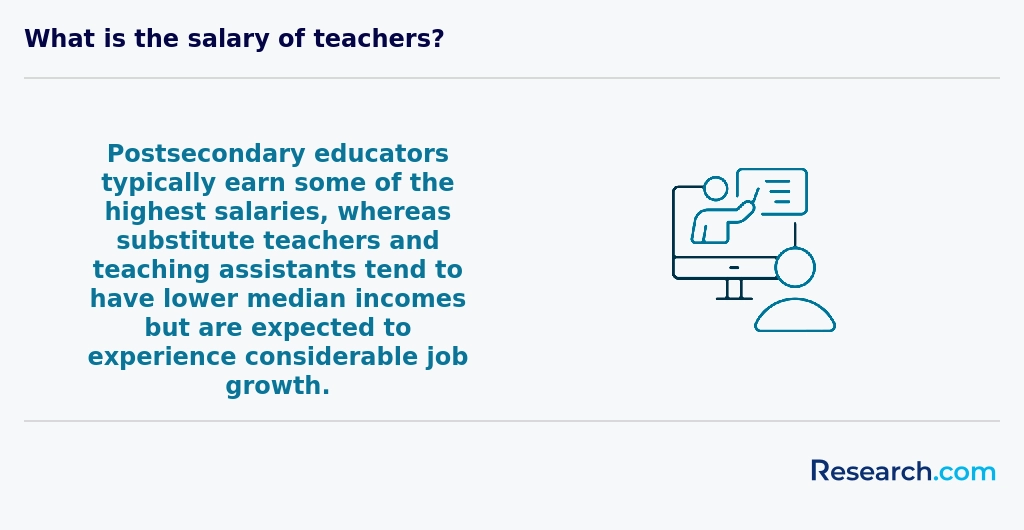
Embarking on an online special education degree journey in America opens doors to a variety of financial aid opportunities that make pursuing your passion feel achievable. Many graduates from renowned institutions like the University of Florida share how federal aid became their lifeline-programs such as Pell Grants, although mainly for undergraduates, hint at hopeful beginnings, while Federal Direct Loans provide manageable borrowing tailored for graduate learners like you.
Imagine receiving a TEACH Grant, which some graduates at Vanderbilt University have credited for easing costs in exchange for their commitment to serve high-need special education classrooms. These grants transform financial worries into excitement for the future. Equally promising are state scholarships designed to encourage students to stay local, supporting those dedicating themselves to improving schools within their communities.
Additionally, many universities generously offer scholarships based on merit or need, reflecting a belief in your potential. Fellowships from professional groups such as the Council for Exceptional Children add another layer of support, recognizing your dedication to making a real impact. Employers in educational sectors often step in too, rewarding your ambition with tuition assistance that feels like a personal victory.
These forms of financial aid don't just reduce costs; they create a vibrant pathway toward becoming a skilled special education teacher ready to meet growing demand nationwide.
Official transcripts showing a GPA around 2.5 to 3.0 are a common doorway, accompanied sometimes by a teaching license, especially if you dream of earning state certification. Many find submitting a personal essay-sharing their passion for working with diverse learners-to be an exciting way to express their unique story.
Many students at renowned universities have navigated the maze of prerequisites, including prerequisite courses in psychology or education if their degree was in something unexpected. Letters of recommendation from mentors who truly know their commitment add a powerful boost, opening doors to programs that are embracing accessibility by often waiving standardized tests like the GRE.
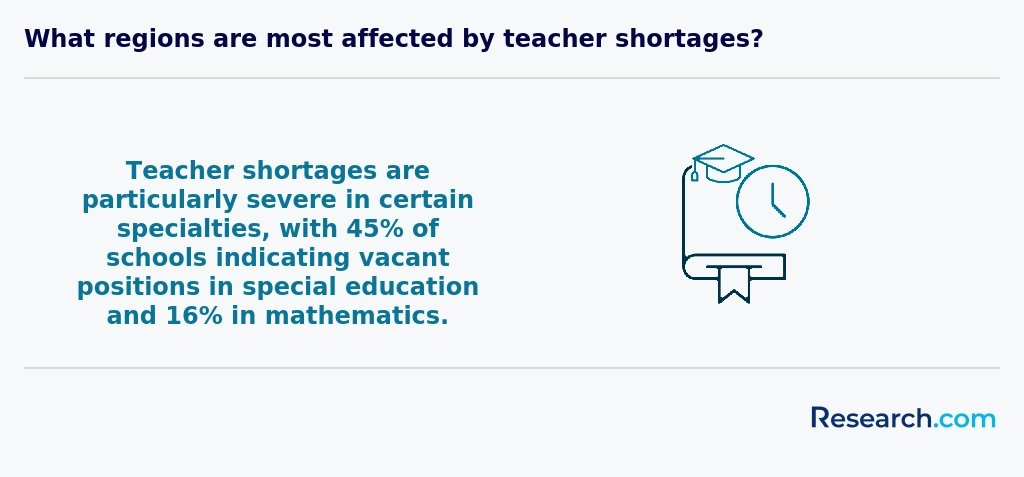
Diving into an online special education degree in America, you'll encounter courses that truly bring the field to life. Imagine exploring Introduction to Special Education, where graduates reflect on eye-opening lessons about laws and policies that have shaped how educators support students with disabilities nationwide. At universities popular for their innovative programs, students often highlight the challenge and reward of mastering Educational Psychology, understanding how diverse minds grow and learn differently.
Everyday classroom scenarios come alive through courses like Assessment and Evaluation Techniques, where future teachers learn to skillfully identify individual needs, tailoring instruction perfectly. Another favorite is Instructional Strategies for Diverse Learners, where students experience "aha" moments devising creative methods for real-life classrooms.
Graduates from well-known programs describe gaining confidence through Classroom Management and Behavior Intervention, practicing ways to foster positive, engaging environments. Add to this Assistive Technology-focused lessons that open new doors for communication, making every success feel that much sweeter. The journey through legal and collaborative courses brings a full picture, preparing you to truly make a difference.
Exploring special education degree specializations USA reveals a fascinating variety of focus areas tailored to support diverse student needs. Imagine a graduate from a renowned college diving into Autism Spectrum Disorders, creating personalized learning plans that brighten a child's educational journey. Others embrace Behavioral Disorders, mastering positive interventions that transform challenging classroom moments into breakthroughs. Popular universities often offer specializations like Learning Disabilities, where graduates develop innovative methods to help students overcome dyslexia or dyscalculia with confidence.
Online special education focus areas America also include Early Childhood Special Education, where graduates feel the joy of impacting young lives in preschool settings, and Special Education Administration, perfect for those ready to lead with heart and expertise. Some adventurous students choose niches such as Deafness or Visual Impairments, responding to the call of truly making a difference. Many find these pathways enriching and accessible through affordable programs, and some discover accelerated opportunities through the fastest online special education graduate certification.
Choosing the best online special education degree in America starts with exploring accredited programs that align with state licensure requirements-just like many graduates from renowned colleges have done successfully. Imagine studying at a university where your courses not only cover autism spectrum disorders or learning disabilities but also offer local internships that bring real-world classroom experiences to life. These practical moments, often cited by alumni, build confidence and fuel passion for teaching.
Opt for programs known for flexibility, especially if you want to balance work and study; many popular institutions offer asynchronous classes that fit busy schedules perfectly. Tuition costs vary widely, so consider your budget carefully. Many affordable online special education degrees USA options keep expenses manageable, with programs ranging between $6,000 and $15,000 annually. It's wise to weigh tuition alongside fees and materials to avoid surprises.
For those eager to accelerate their journey, check out the fastest online special education master's degree opportunities, providing a swift path to career advancement while maintaining quality education that graduates praise for opening doors nationwide.
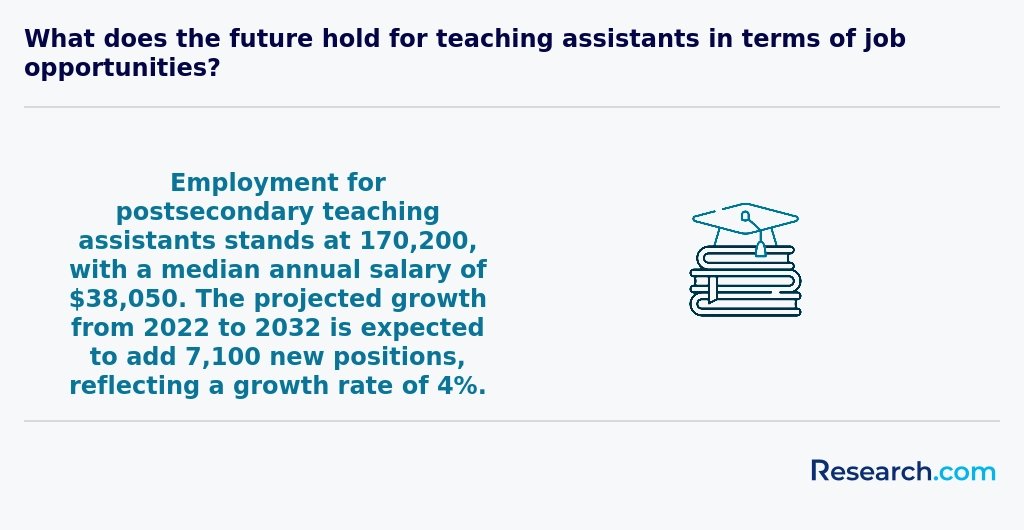
Graduates exploring special education teaching careers USA often find themselves stepping into classrooms where they transform lives daily. Imagine designing individualized education plans to support diverse learners or collaborating with families to celebrate milestones-these vivid experiences shape rewarding careers. Many online special education degree jobs America graduates describe the thrill of moving beyond teaching into roles like educational diagnosticians or coordinators, guiding entire programs and driving inclusive practices in dynamic school districts.
Others discover passions as speech-language pathologists or occupational therapists focused on helping children thrive, often built upon educational foundations from respected universities such as the University of Florida or Vanderbilt University. Many alumni cherish how their training empowered them to enter advocacy or policy roles in nonprofit and government sectors, pushing for change in disability rights across communities.
If you're curious about options and ready to embark on this journey, numerous special education online programs in America offer flexible paths tailored to your ambitions.
The job market for graduates holding an online special education degree in America is bright and steadily expanding. Many working professionals and recent college graduates from well-known institutions like the University of Phoenix or Arizona State University find themselves stepping into rewarding roles where they adapt teaching strategies to support students with diverse needs. This dynamic demand for special education teachers is fueled by rising enrollment of students with disabilities and ongoing federal commitments to inclusive education.
Success stories from graduates show how flexible online programs allow them to balance studies with life's unpredictability, opening doors to positions in public and private schools across the country. Career changers appreciate that specialized licensure requirements can be met through accredited online degrees, empowering them to enter a growing sector with steady job openings and paths to advancement.
Considering special education career opportunities in America means embracing an inspiring mission, supported by laws like IDEA, to make education accessible for all. Exploring the types of education degrees available can help envision a meaningful, prosperous future in this field.
2027 Most Affordable Online Master's in Special Education Degree Programs Ranking in the USA
Investing in your education is a significant decision, and the Research.com team is deeply aware of the responsibility that comes with providing accurate and reliable information. To assist prospective students seeking affordable and high-quality online master's degrees in Special Education, we have carefully developed the "2027 Most Affordable Online Master's in Special Education Degree Programs Ranking in the USA." Our dedication to quality, credibility, and accuracy involved thorough analysis and verification to present a trustworthy guide.
We utilized the following reputable data sources to ensure a comprehensive evaluation of these programs:
By exploring this ranking, readers will gain valuable insights into affordable and reputable online master's programs in Special Education, empowering them to make well-informed educational investments. For more information on how this ranking was created, please visit our Research.com methodology page.

# 2 position
The University of North Carolina at Charlotte
Master of Special Education (K-12) General/Adapted Curriculum


# 11 position
Slippery Rock University of Pennsylvania
Master of Special Education - School Supervision


# 19 position
Pittsburg State University
Master of Special Education Teaching (K-12 High/Low Incidence)


Frequently Asked Questions About special education
Students pursuing online special education degrees in America can maximize their learning by actively engaging with virtual class discussions and collaborating on group projects. Research from the National Center for Education Statistics shows that students who participate regularly tend to perform better academically.
Utilizing university-provided resources, such as tutoring and advising services, helps address individual learning needs that are critical in special education fields. Also, seeking practicum or internship opportunities ensures practical experience, which is essential given that about 14% of U.S. public school students receive special education services (IDEA, 2021).
Time management and setting a structured study schedule contribute to consistent progress in online formats. Additionally, staying updated with the Individuals with Disabilities Education Act (IDEA) changes through reliable sources strengthens practical knowledge applicable across many states.
Emerging niches within the special education field in the United States reflect growing needs in areas such as autism spectrum disorders (ASD), assistive technology integration, and culturally responsive teaching. According to the National Center for Education Statistics (NCES), approximately 7.3 million U.S. students received special education services in 2020, with ASD among the fastest-growing categories.
Professionals skilled in assistive technologies help students access curriculum through devices like communication apps and adaptive software. Additionally, there is increasing recognition of the need for culturally competent educators to effectively support diverse learners.
These niches offer promising career paths for those earning online special education degrees, aligning with evolving educational demands.
After completing an online special education degree in America, graduates should focus on obtaining state licensure, which is required to work as a special education teacher. Each state has different requirements, so contacting the relevant education department is essential. Practical experience through student teaching or internships, often integrated in online programs, enhances job readiness.
Networking with professional organizations like the Council for Exceptional Children can provide valuable job leads and resources. According to the U.S. Bureau of Labor Statistics, employment for special education teachers is projected to grow 8% from 2021 to 2031, faster than average. Preparing a strong resume highlighting specialized skills in individualized education programs (IEPs) and assistive technologies can improve job prospects.
Employers in the United States increasingly seek special education graduates with strong communication skills. The ability to effectively collaborate with students, parents, and interdisciplinary teams is essential. According to the U.S. Bureau of Labor Statistics, teamwork and interpersonal skills are among the top competencies needed for educators working with diverse learners.
Graduates must also demonstrate expertise in individualized education program (IEP) development and implementation. Mastery of assessment tools and data analysis helps ensure tailored support for students with disabilities. Research from the Council for Exceptional Children highlights adaptive teaching strategies and behavioral management as critical areas.
Finally, technological proficiency is vital. With the rise of online and assistive learning tools, educators who can integrate digital resources into their instruction have a competitive edge.
Finding internships relevant to a special education degree in America involves multiple steps tailored to your academic and career goals. Start by consulting your online program's career services or academic advisors, as many universities have established partnerships with local school districts and special education centers. These internships often focus on practical experience in classrooms or specialized settings.
The U.S. Department of Education notes that hands-on training is vital for special education professionals, who must understand individualized education programs (IEPs) and diverse learning needs.
You can also explore opportunities through national organizations like the Council for Exceptional Children, which occasionally list internships specifically for special education students.
Networking with local schools, non-profits, and state education agencies increases your chances. Many states require a practicum or internship as part of certification, so inquire early to meet specific licensure requirements.
An online special education degree can significantly enhance career mobility and advancement across the United States. According to the U.S. Bureau of Labor Statistics, employment for special education teachers is projected to grow 6% from 2021 to 2031, faster than the average for all occupations. This growth creates new opportunities for qualified candidates.
Obtaining an advanced degree online allows educators to balance work while gaining critical skills in inclusive teaching practices and individualized education programs (IEPs). Many states require a master's degree and certification for leadership roles, such as special education coordinators or program directors.
Furthermore, specialized credentials earned online can lead to higher salaries and promotions. The National Education Association reports that teachers with a master's degree can earn 10-15% more on average than those with only a bachelor's.
Studying for a special education degree in America equips students with skills to collaborate across multiple disciplines effectively. Programs emphasize understanding diverse learning needs, combining knowledge from psychology, speech therapy, and general education. This interdisciplinary approach is vital because about 14% of U.S. public school students receive special education services, according to the National Center for Education Statistics (NCES).
Students learn to work with families, educators, and healthcare professionals, preparing them to support individualized education programs (IEPs). Accredited online degrees often include training in communication and behavioral strategies, essential for interdisciplinary teamwork. The ability to navigate legal frameworks like the Individuals with Disabilities Education Act (IDEA) further strengthens graduates' readiness for diverse educational roles.
Choosing between a thesis and a non-thesis special education degree program in America depends on your career goals and learning preferences. Thesis programs typically require original research and a formal written report, appealing to students aiming for doctoral studies or research roles.
Non-thesis options often emphasize practical skills and may include additional coursework or internships. These suit professionals focused on direct educational practice or administration.
According to the National Center for Education Statistics, the demand for special education teachers is expected to grow by 8% through 2031, highlighting the importance of applied knowledge.
Consider your time availability, interest in research, and post-graduate plans when making your choice.
Students based in America seeking to study special education abroad face limited options when pursuing fully online degrees from international institutions. Most online special education master's programs are offered by U.S.-based universities, which ensures alignment with U.S. licensure standards and IDEA regulations. However, some international universities provide in-person programs or hybrid options requiring travel.
American students interested in international perspectives can consider study-abroad partnerships or exchange programs, though these rarely focus exclusively on special education. Research from the National Center for Education Statistics shows over 20% growth in U.S. online graduate education enrollment, emphasizing domestic options as most accessible and recognized.
Part-time job opportunities that complement an online special education degree in America often involve roles directly related to student support and learning assistance. Common positions include teacher aides, paraprofessionals, and behavioral intervention assistants, which provide practical experience working with children with disabilities.
According to the U.S. Bureau of Labor Statistics, employment in special education teaching assistants is projected to grow 7% from 2021 to 2031, faster than average for all occupations. This growth reflects ongoing demand for support in inclusive classrooms.
Other opportunities include tutoring students with learning disabilities and working as after-school program assistants. These roles help develop skills in communication, individualized instruction, and behavioral management, all essential for advanced special education professionals.
Online special education students in America have growing opportunities to build professional networks despite physical distance. Many accredited programs offer virtual meetups, discussion boards, and group projects designed to connect peers and instructors. These platforms allow students to share resources and support each other's growth in real time.
Beyond school-sponsored activities, organizations like the Council for Exceptional Children (CEC) provide online memberships, webinars, and conferences. These events draw thousands of special education professionals nationwide, helping students establish meaningful contacts. According to CEC, over 25,000 members engage annually in such networking opportunities.
Additionally, LinkedIn groups focused on special education allow students to connect with educators and administrators across the U.S., fostering mentorship and job leads. Universities often assist with virtual career fairs targeting special education roles, enhancing post-graduation employment options.
Alumni networks play a crucial role for students pursuing online special education degrees in America. These networks connect graduates with experienced professionals who offer mentorship, job leads, and advice tailored to the field of special education.
According to the Council for Exceptional Children, nearly 14% of all public school students receive special education services, highlighting ongoing demand for qualified educators. Alumni networks often help graduates tap into this job market by sharing openings and insider knowledge about hiring trends.
Additionally, strong alumni communities foster collaboration and professional growth through webinars, workshops, and discussion forums. This ongoing engagement supports lifelong learning, which is essential in a field influenced by evolving federal and state regulations such as IDEA (Individuals with Disabilities Education Act).
Customizing an online special education degree program in America allows students to align their studies with specific career goals. Many universities offer flexible curricula where students can select electives focused on areas like autism spectrum disorders, behavioral interventions, or learning disabilities. This specialization helps prepare for roles in diverse educational settings.
The U.S. Department of Education reports that tailoring coursework to meet state certification requirements is crucial, as licensing varies across states. Additionally, some programs include practicum options or partnerships with local schools, enabling practical experience directly related to career aspirations.
Choosing accredited programs ensures the degree is recognized by employers and certification boards such as the Council for Exceptional Children (CEC).
Online special education students in America often face unique challenges related to the nature of their field and the remote format of their studies. One major difficulty is gaining sufficient practical experience, as hands-on training is essential for developing effective teaching strategies for students with disabilities. Many programs require in-person internships or supervised fieldwork, which can be hard to coordinate remotely.
Additionally, these students may encounter limited interaction with peers and instructors, affecting collaboration and support networks important for professional growth. According to the National Center for Education Statistics (NCES), approximately 14% of U.S. public school students receive special education services, creating a high demand for well-prepared educators.
Access to adequate technology and reliable internet is also a concern, especially in rural areas where some students reside. Finally, balancing coursework with work or family responsibilities presents an ongoing challenge for many pursuing online special education degrees.
With an online special education degree, graduates can pursue several key professional certifications recognized across the United States. The most common is the state-specific Special Education Teaching License, required to teach students with disabilities in public schools. Each state sets its own requirements, including passing exams such as the Praxis Special Education test.
Beyond licensure, some professionals seek certification from the Council for Exceptional Children (CEC), offering specialty credentials like the Certified Special Education Specialist (CSES). This certification enhances career prospects by demonstrating expertise in evidence-based practices.
Additionally, educators may earn credentials in areas like Applied Behavior Analysis (ABA), which is valuable given the rising demand for intervention specialists working with autism spectrum disorders. According to the U.S. Department of Education, over 7 million students receive special education services annually, underscoring the continuing need for qualified professionals.
Writing a successful application for an online special education program in America requires clarity, preparation, and alignment with program goals. Start by researching accredited programs recognized by the Council for Exceptional Children (CEC), as accreditation signals high standards. Highlight your passion for special education using specific examples from your experiences or work history. Emphasize any prior teaching, volunteering, or related activities that demonstrate commitment to supporting diverse learners.
Strong applications include a well-crafted personal statement addressing your motivations and career goals. Include standardized test scores if required, and request recommendations from supervisors familiar with your educational or professional abilities.
According to the U.S. Department of Education, demand for qualified special education teachers is expected to grow by 8% through 2030, underlining the importance of thorough application preparation. Applicants should also verify any state licensure prerequisites, as some programs tailor curricula to meet local certification standards.
Careful proofreading and timely submission, often months before the term begins, improve your chances. Check program websites for specific instructions and deadlines to avoid delays in your application review.
Special education careers in the United States often reflect broader global trends emphasizing inclusivity and tailored learning. Internationally, there is a growing recognition of providing equitable education to students with disabilities, supported by organizations like UNICEF and UNESCO. In the U.S., approximately 14% of public school students receive special education services under the Individuals with Disabilities Education Act (IDEA), highlighting the demand for trained professionals. American online special education programs prepare teachers to meet diverse needs, aligning with worldwide goals of accessibility and support.
Experts note that special education qualifications in the U.S. are respected globally, fostering opportunities for international collaboration. This makes American online degrees attractive for those interested in a career with both national and international impact.
Gaining practical experience is essential while pursuing an online special education degree in America. Many accredited programs require students to complete fieldwork or practicum hours in real educational settings. These placements often occur in local schools where students assist certified special education teachers under supervision.
Additionally, some universities partner with school districts to facilitate internships or student teaching opportunities near a student's home. The Individuals with Disabilities Education Act (IDEA) supports hands-on training, ensuring candidates develop skills to meet diverse learner needs.
According to the Council for Exceptional Children, these experiences are vital for earning teacher certification and improving employment prospects in this competitive field.
Choosing the right concentration within an online special education degree program depends on your career goals and interests. Popular concentrations include autism spectrum disorders, behavior intervention, and early childhood special education. According to the U.S. Department of Education, approximately 7.2 million children received special education services in 2021, underlining the need for specialized skills.
It's important to review program curricula for alignment with your desired age group or disability focus. Licensure requirements vary by state and concentration, so ensure the program prepares you for certification in your intended region. Accredited programs recognized by the Council for Exceptional Children help guarantee quality and relevance.
- How to Prepare for Careers in Special Education | Eastern CT State https://www.easternct.edu/graduate-division/online/articles/how-to-prepare-for-careers-in-special-education/
- Careers With a Special Education Degree | University of Phoenix https://www.phoenix.edu/articles/education/careers-with-a-special-education-degree.html
- Know more about thesis vs non- thesis: what is the difference? https://studyfans.com/en/blogs/816
- Special Educational Needs: Courses, & Online Certification Guide. https://www.apteachertraininginstitute.com/blog/special-educational-needs-courses-online-certification-guide/
- Teaching Job Roles | Teach For Life https://www.teachforlife.com/teachingjobs/global-perspectives-teacher
- Program Details https://www.eastern.edu/academics/undergraduate-programs/special-education-pk-12-certification-online
- Home New - NASET https://www.naset.com/
- Top 15 Accredited Online Special Education Bachelor’s Degree Programs | Special Education Degrees https://www.special-education-degree.net/top-accredited-online-special-education-bachelors-degree-programs/
- 10 Best Ed.D. in Special Education Programs of 2025 https://www.eddprograms.org/schools/special-education/
- Factors Influencing Special Education Career Choices: Interplay of Personality Traits and Identity Statuses https://www.eu-jer.com/factors-influencing-special-education-career-choices-interplay-of-personality-traits-and-identity-statuses